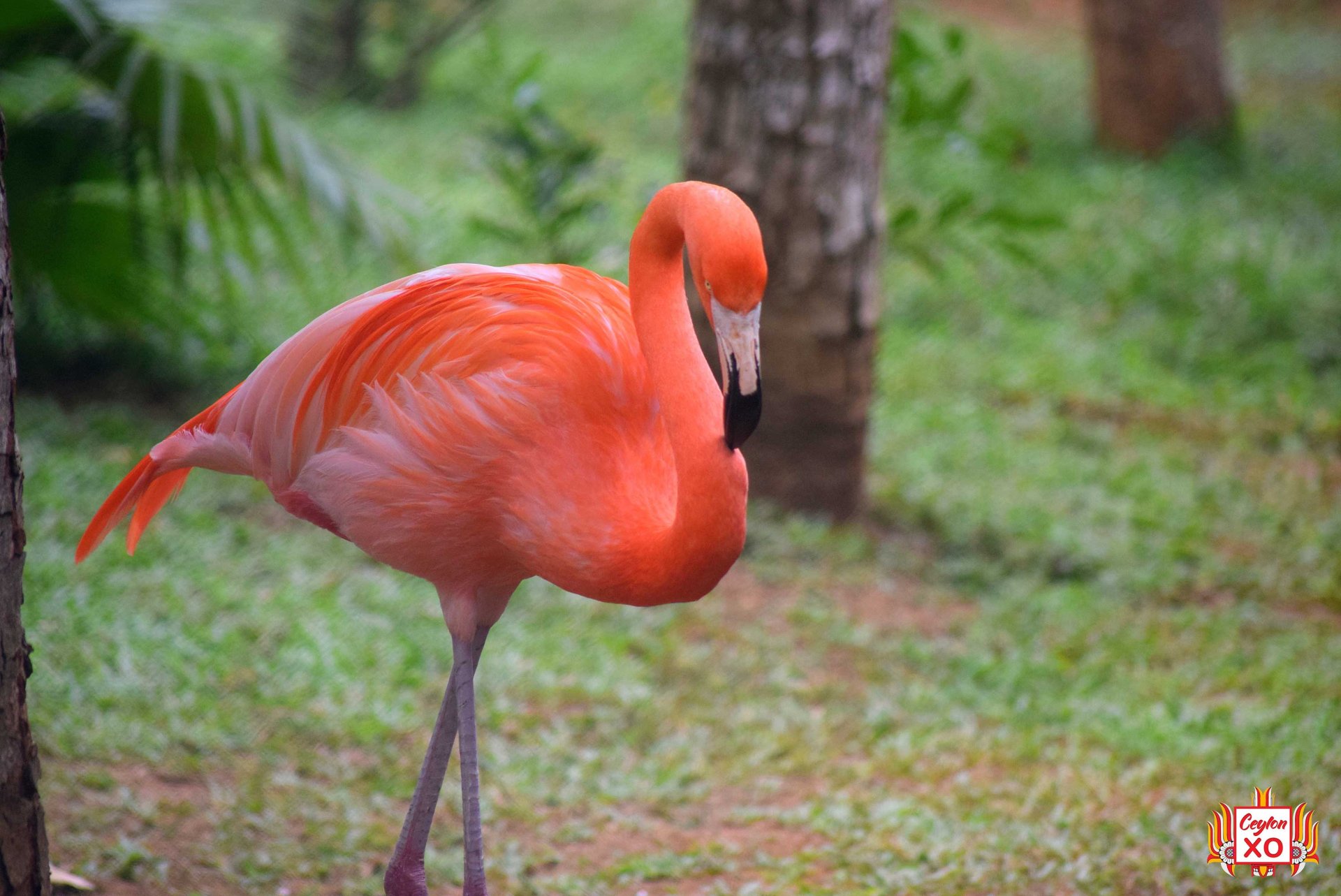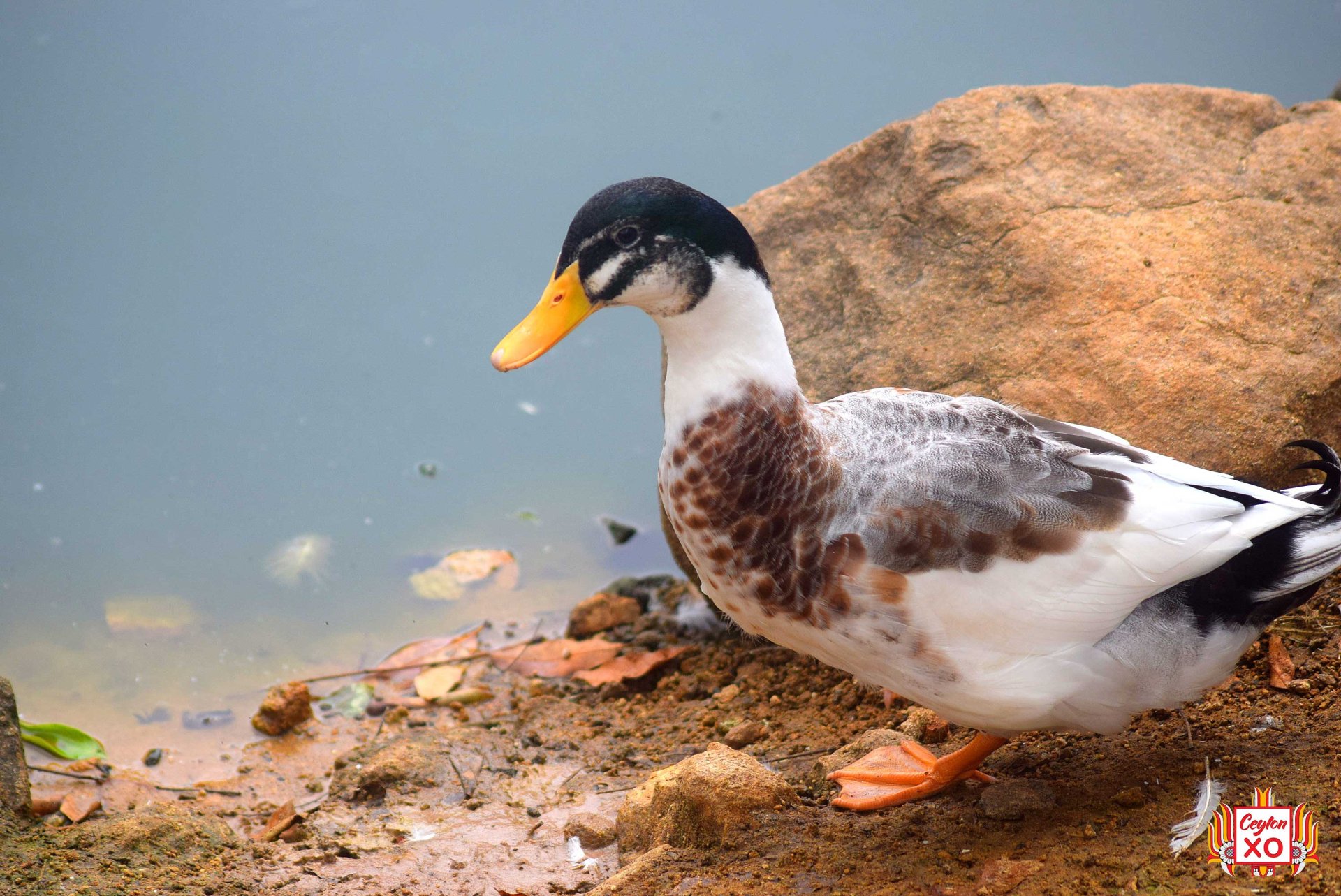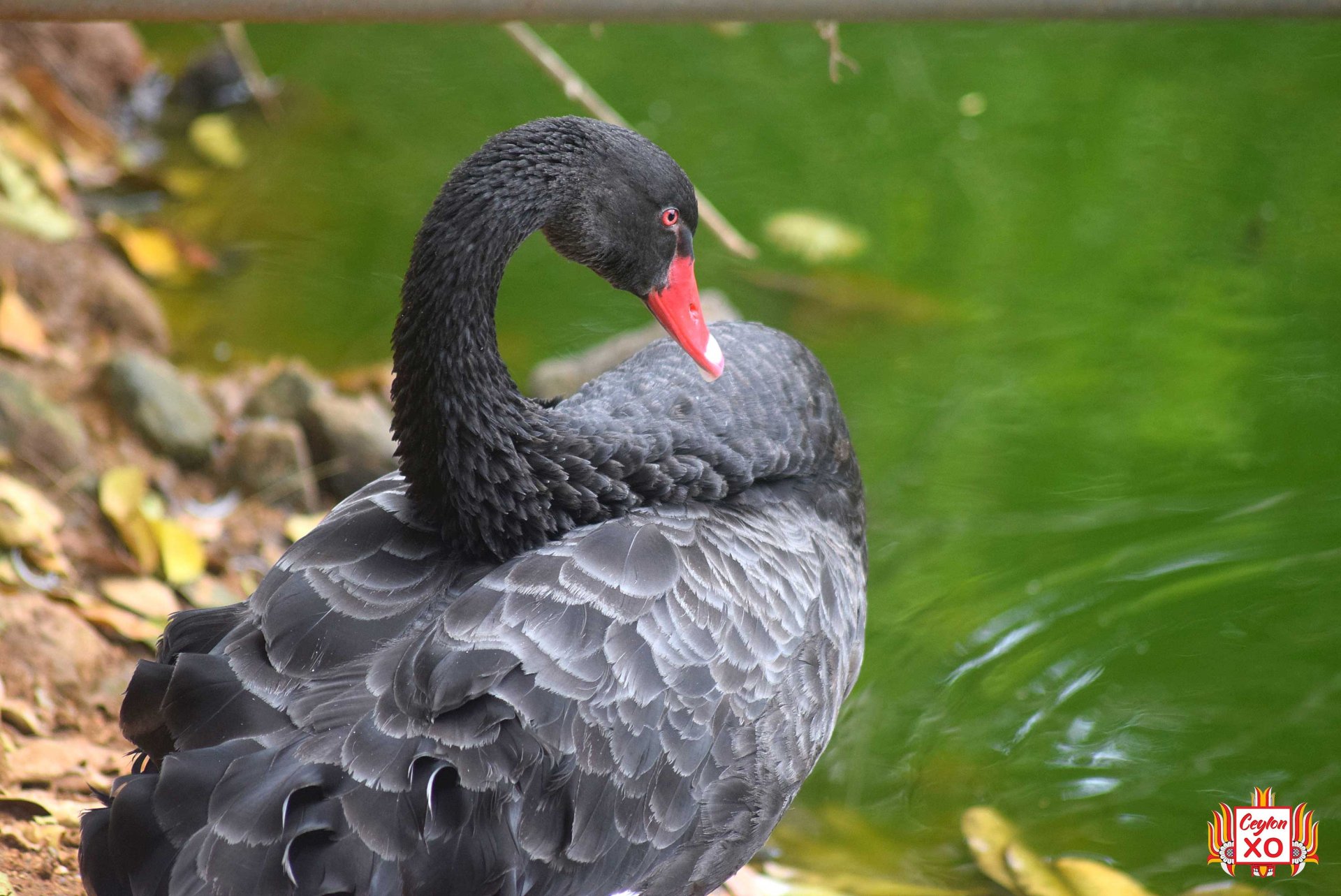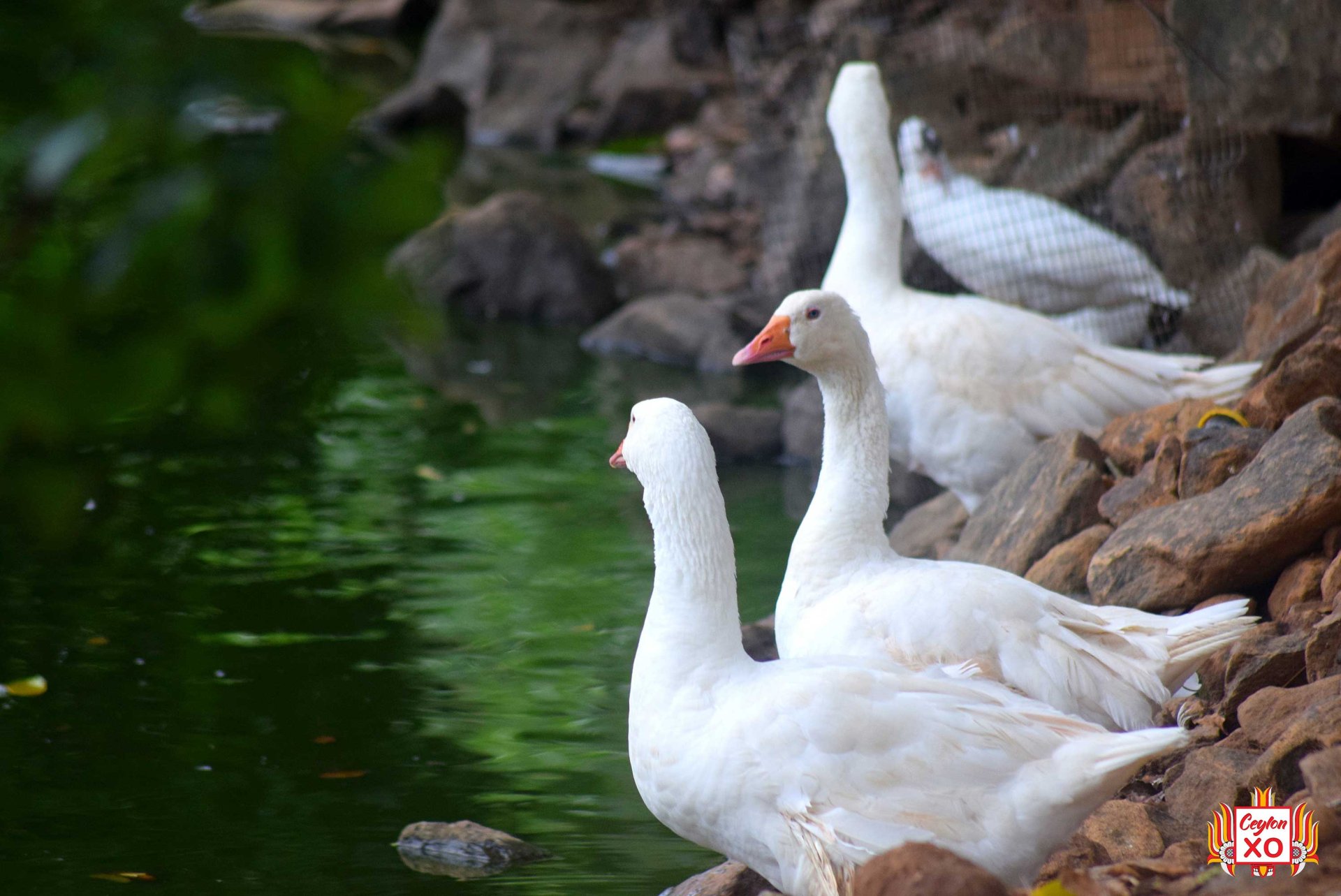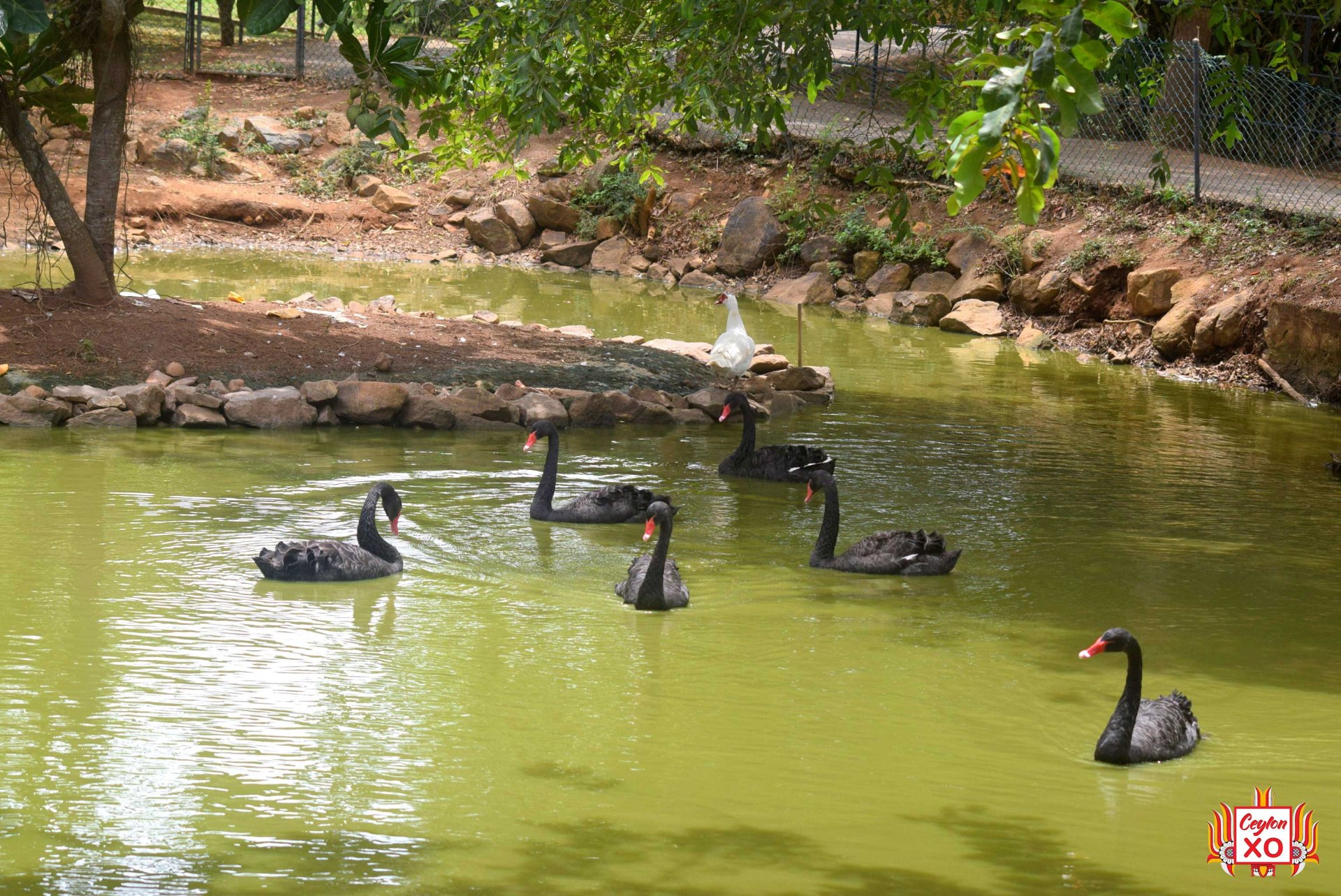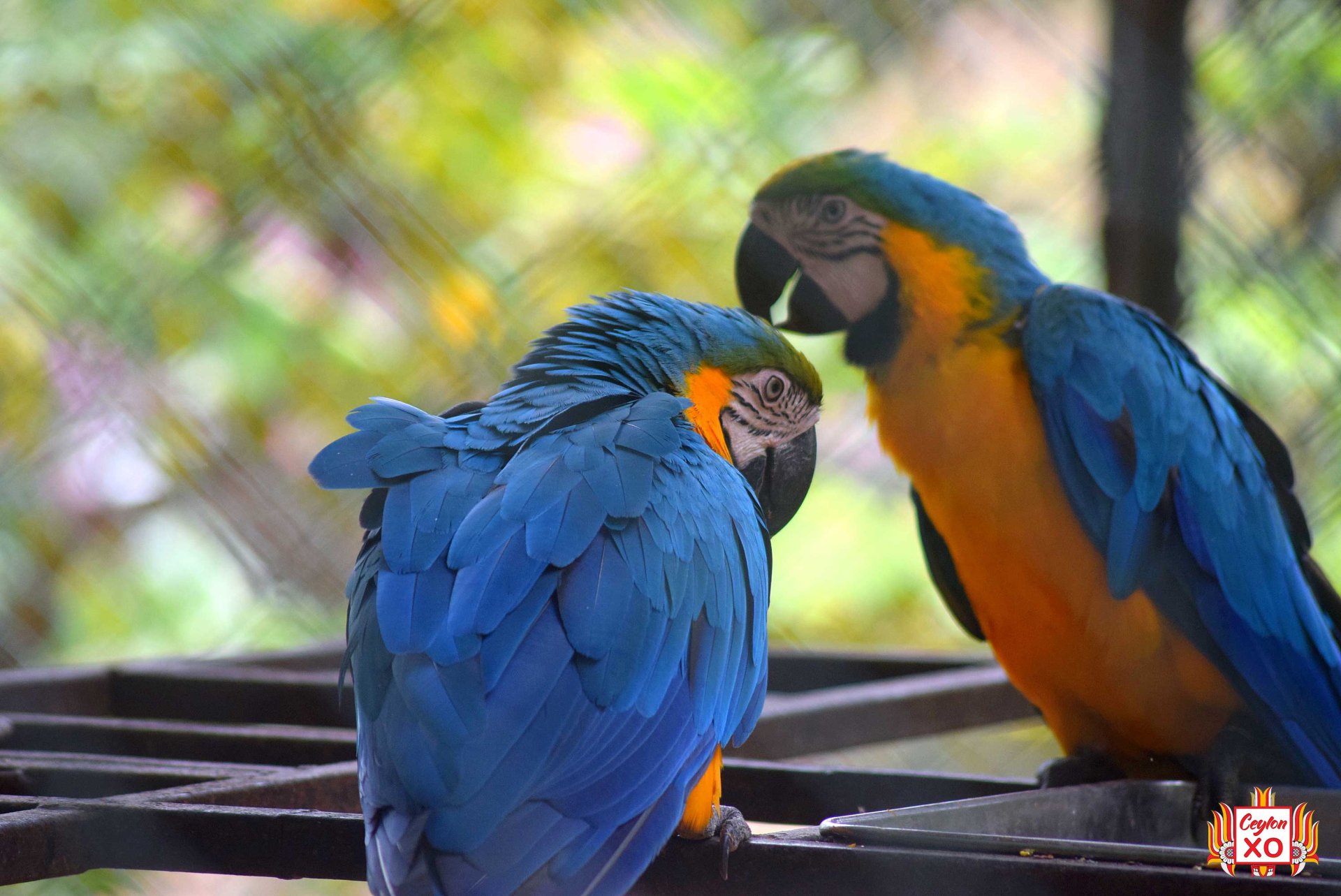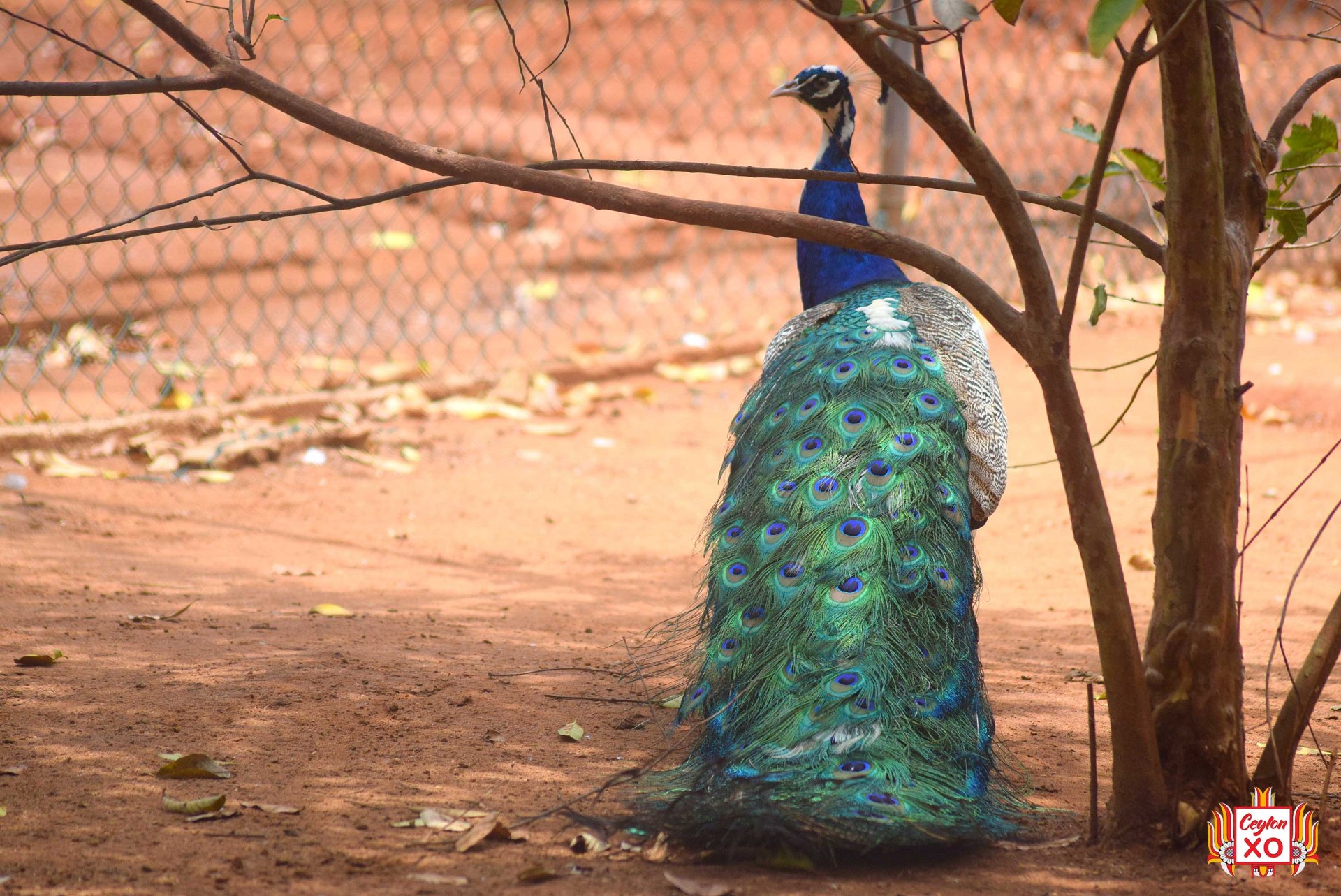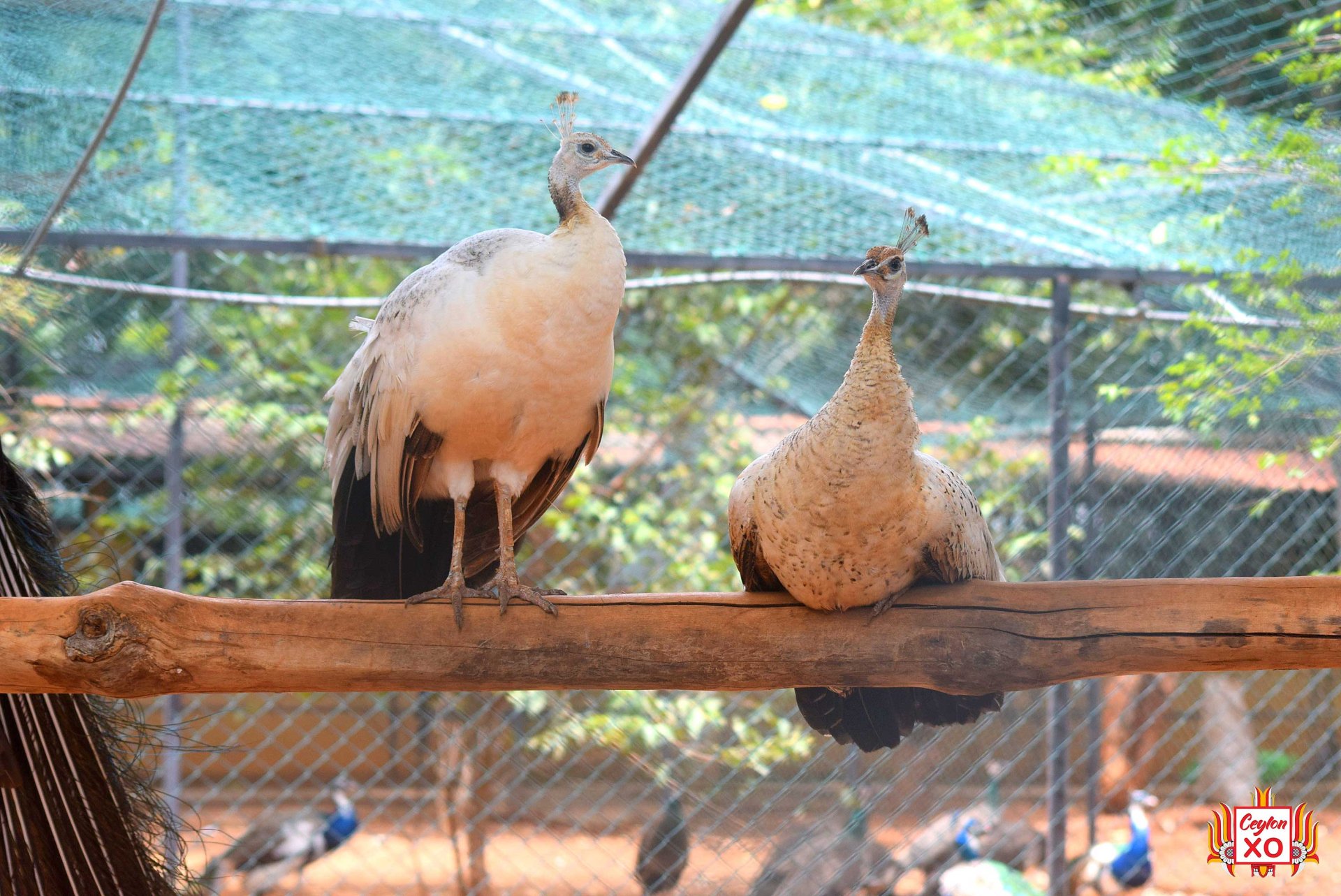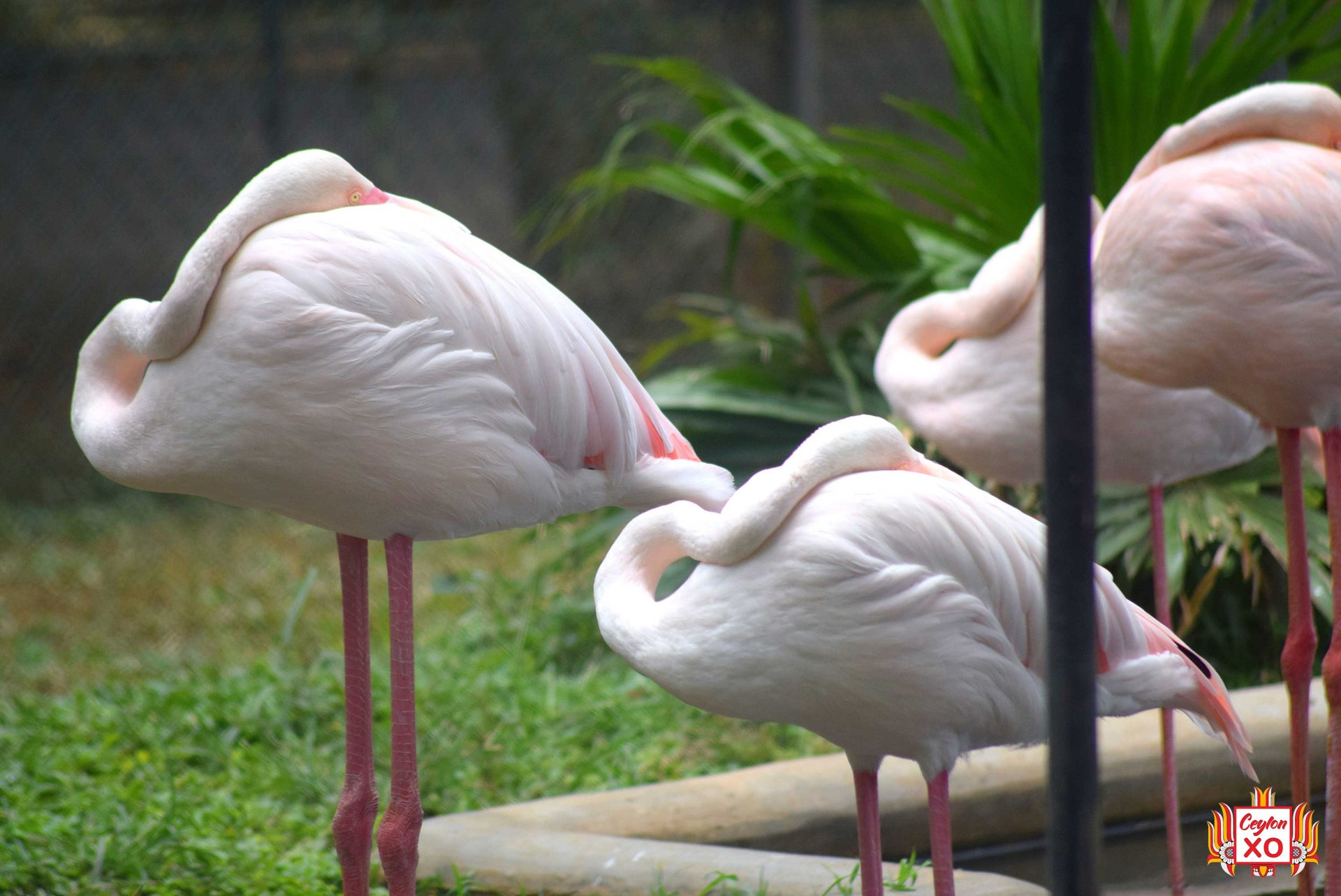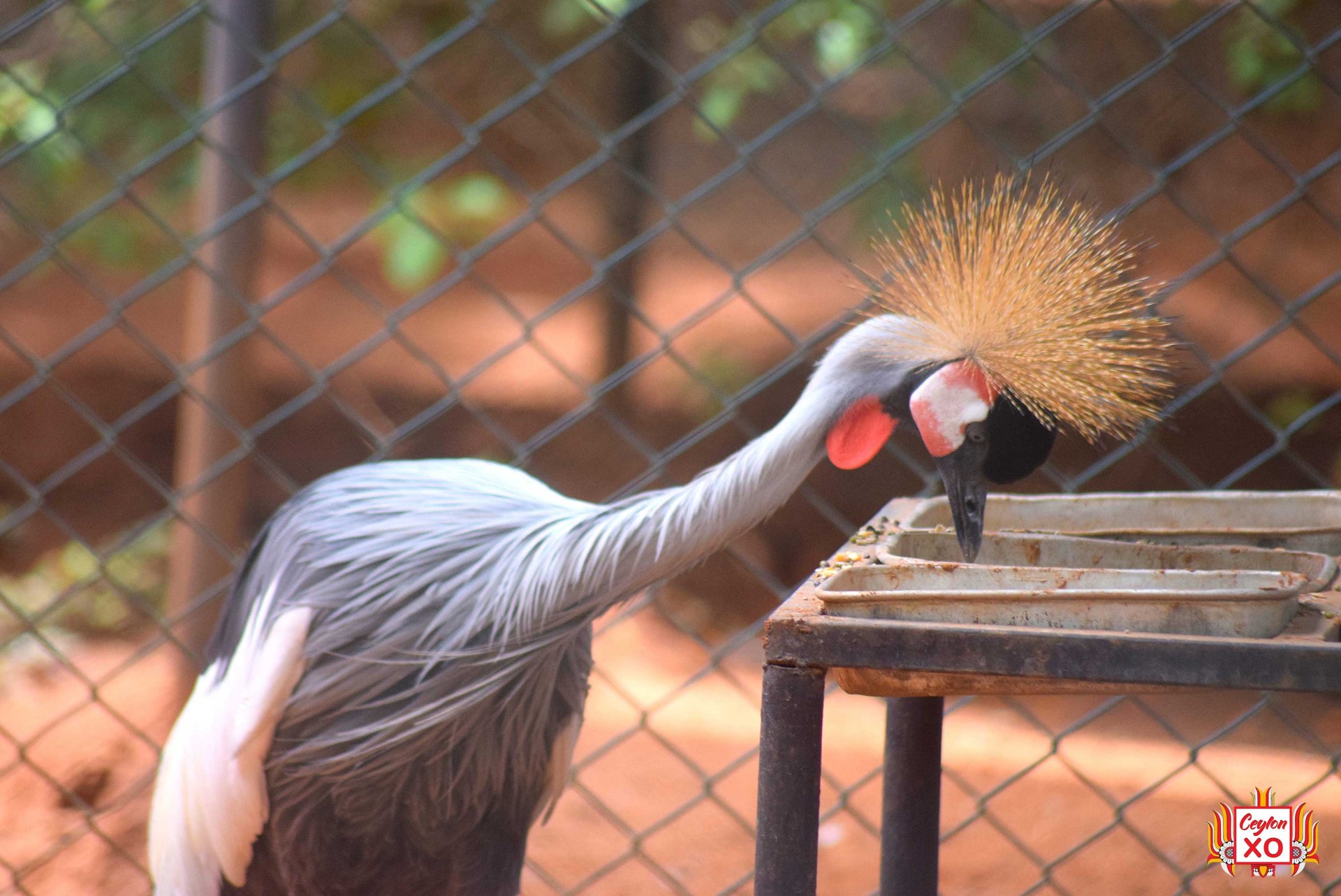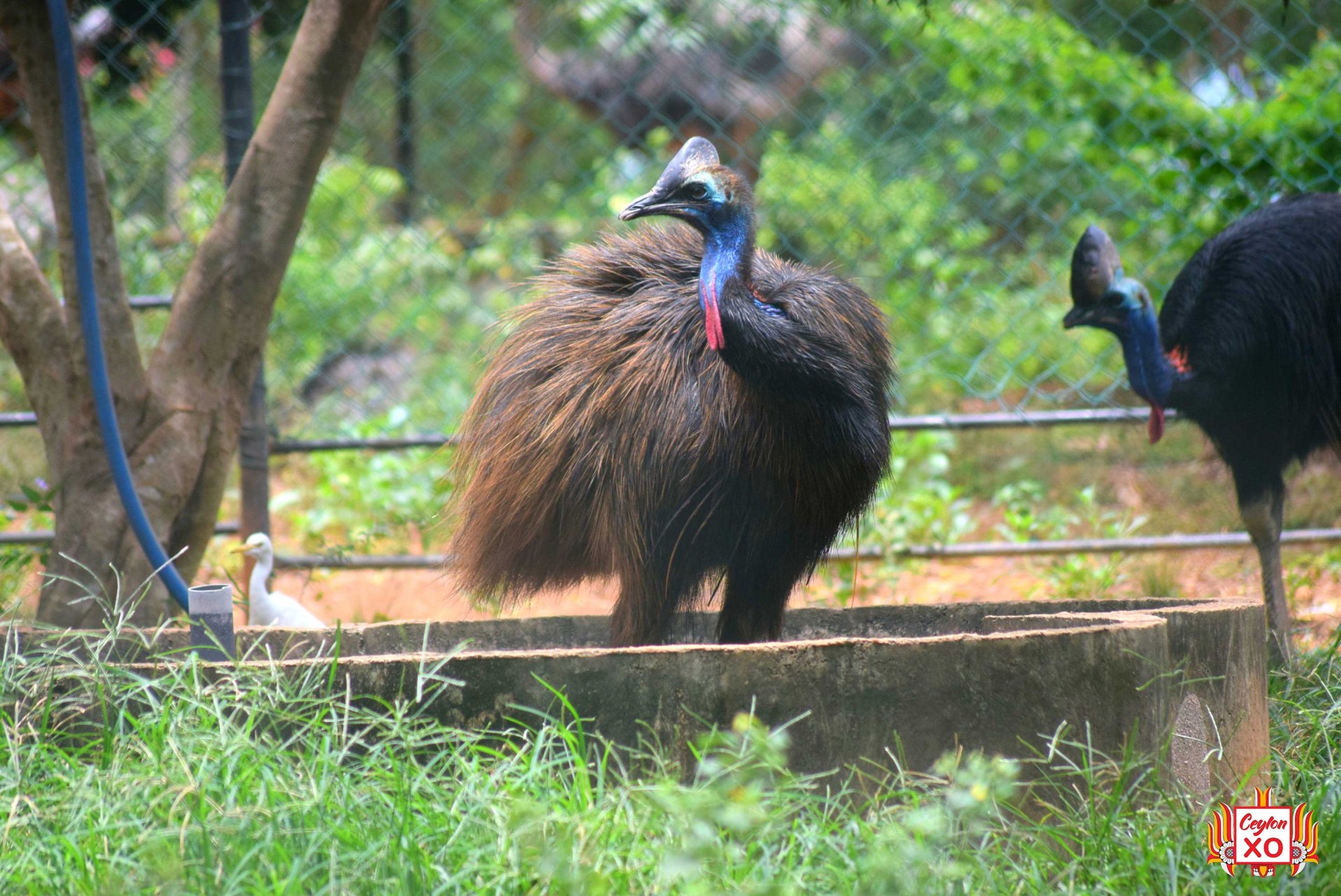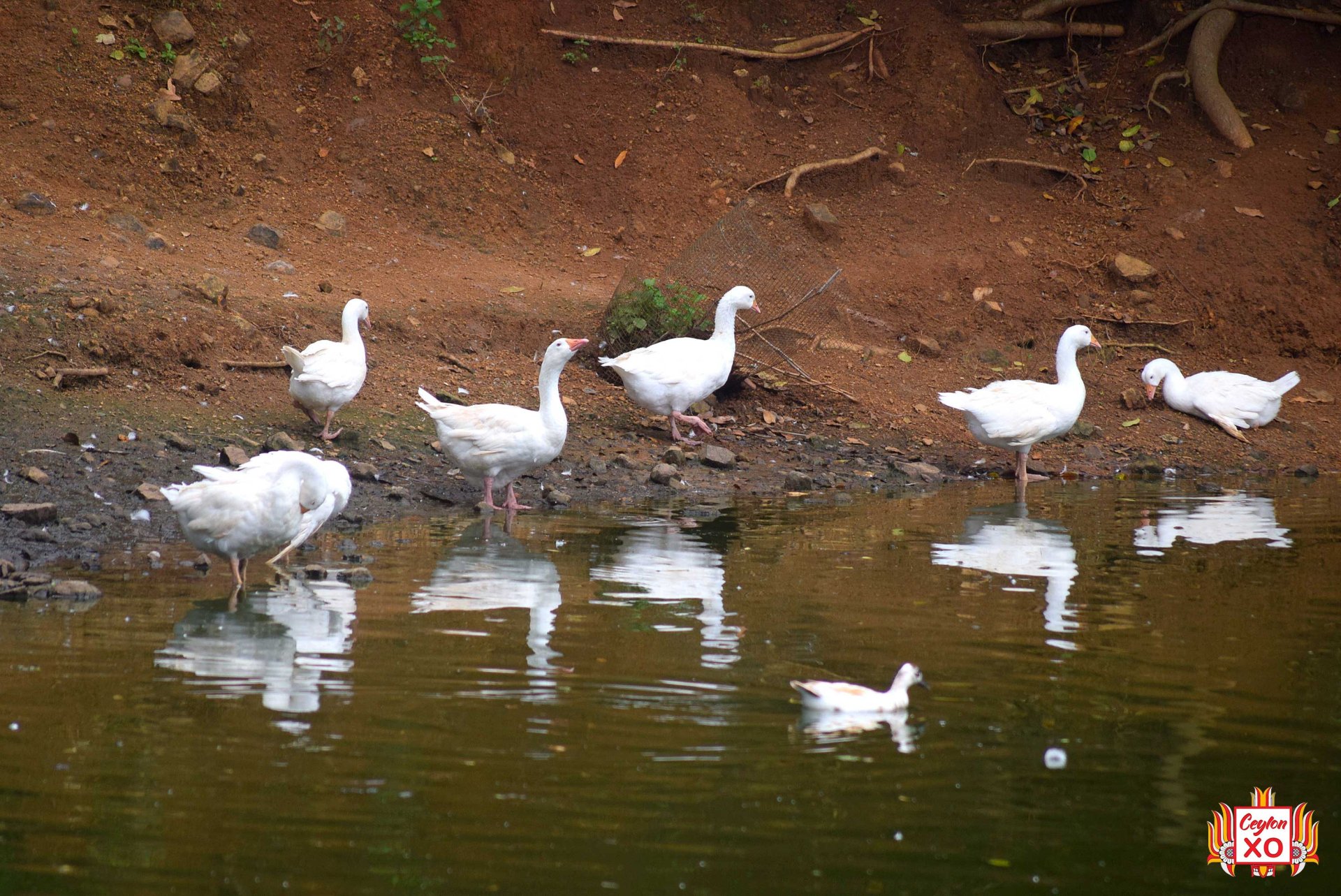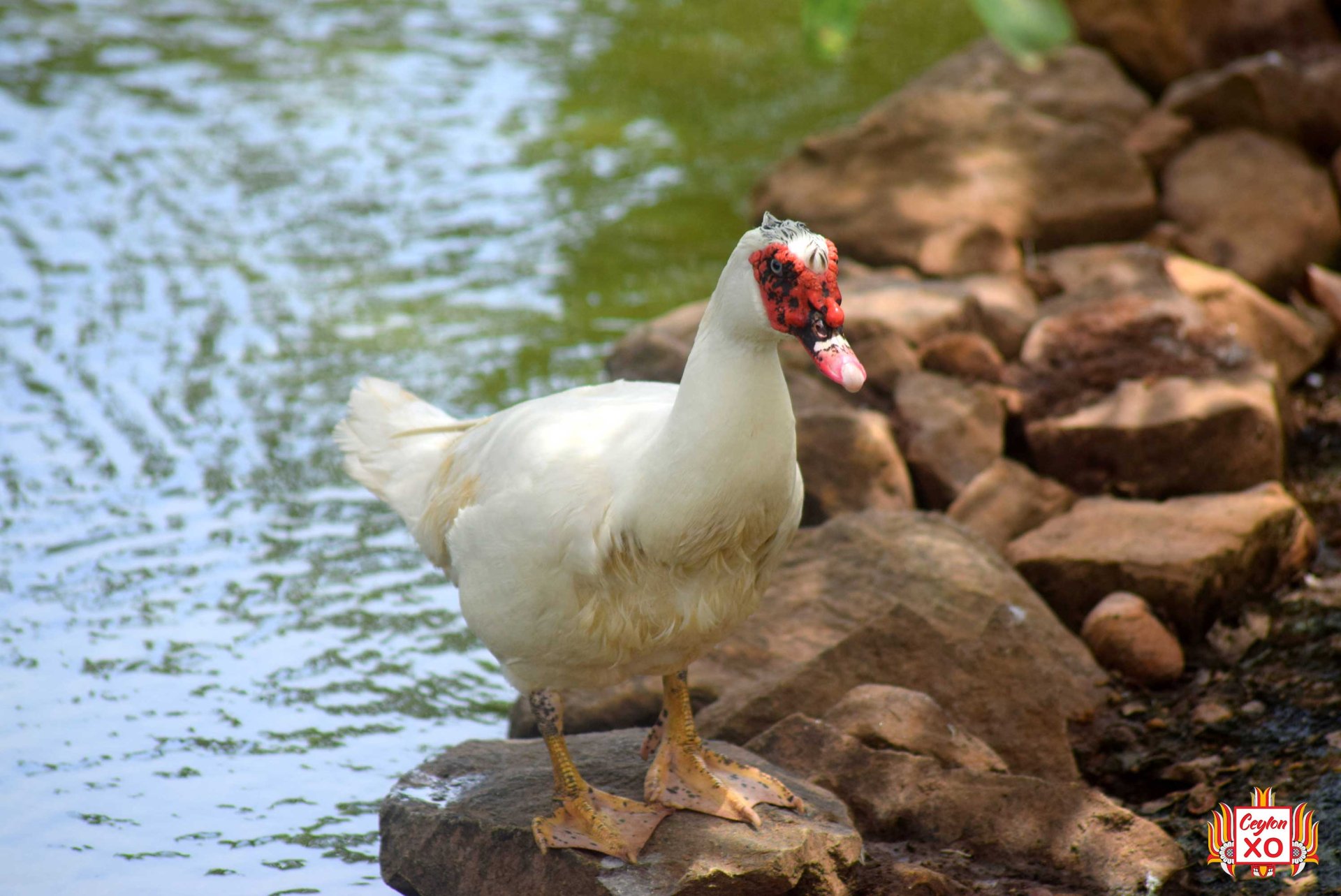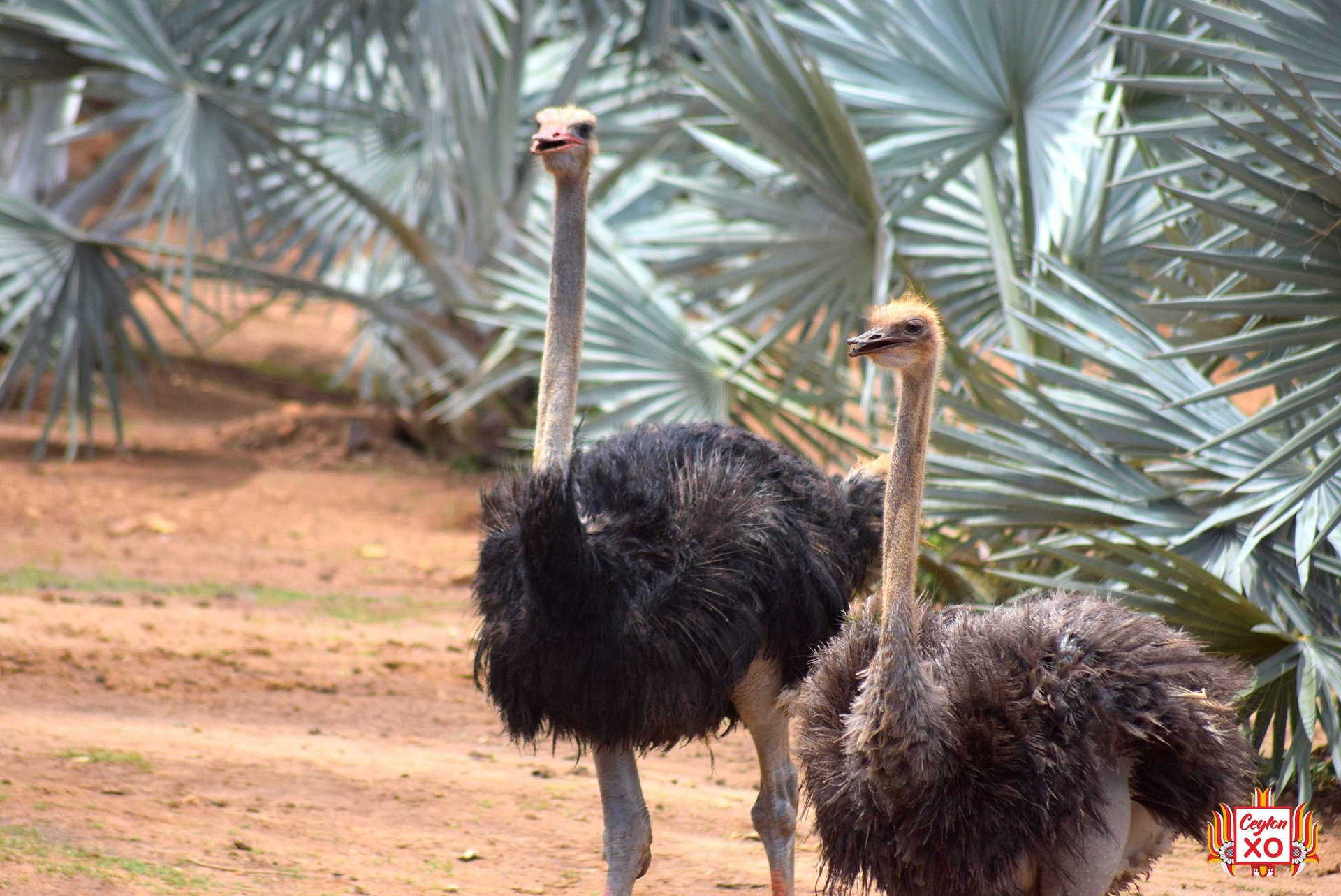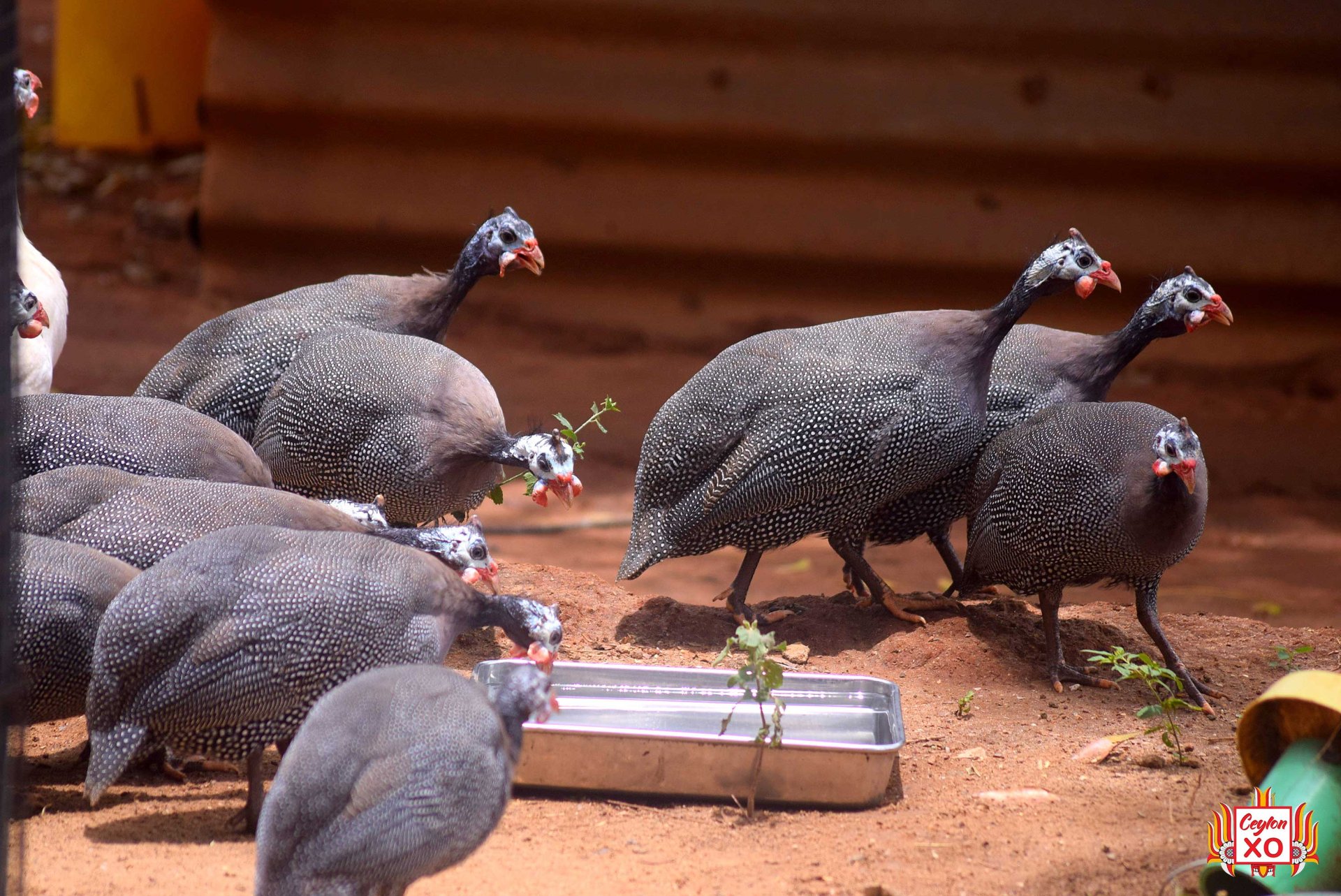
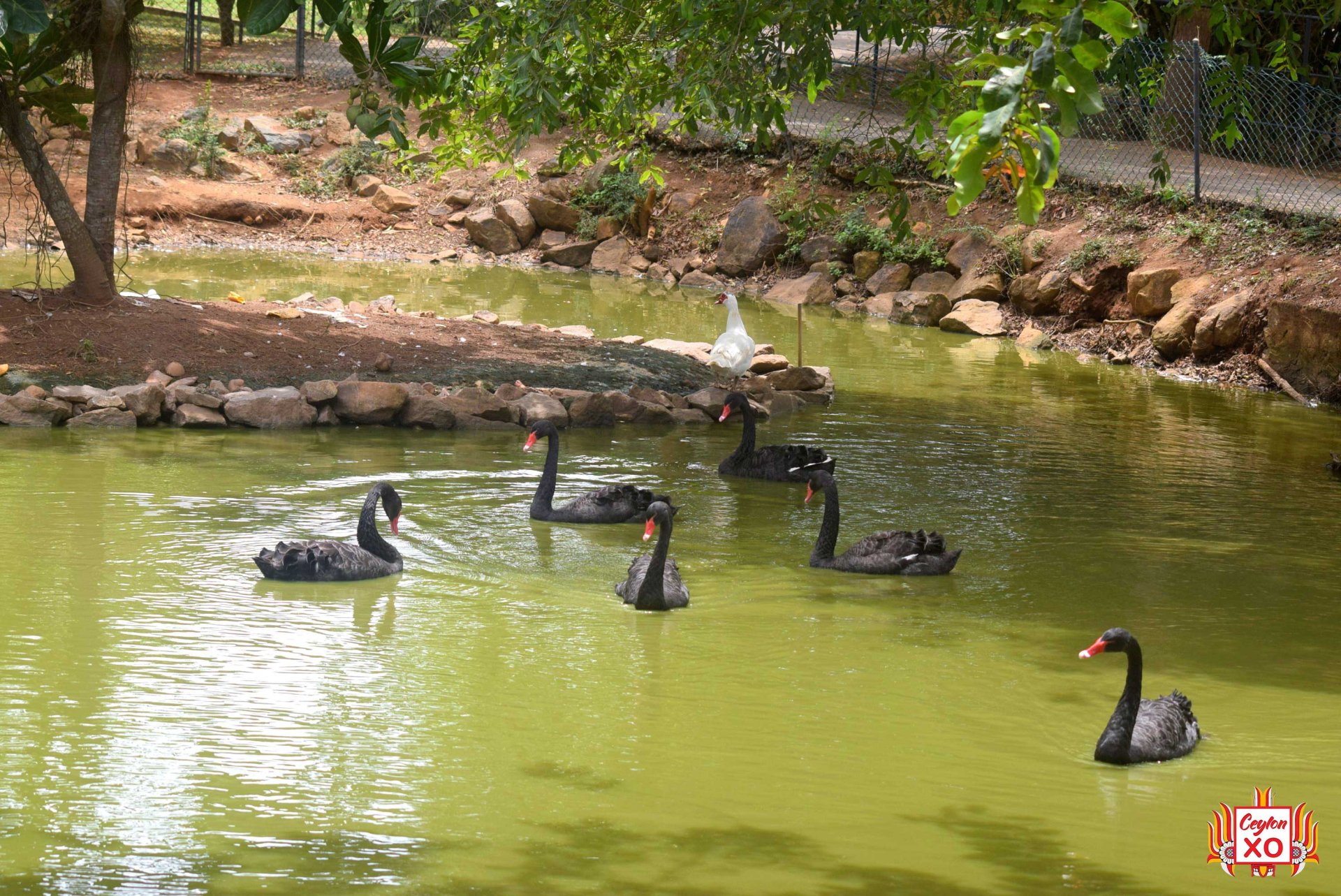
The park was officially opened to the public in 2014 with the aim of promoting bird conservation, environmental education, and scientific research. Today, it is home to more than 3,200 birds representing over 180 endemic and exotic species. Visitors can observe a remarkable variety of colourful parrots, macaws, cockatoos, flamingos, swans, peacocks, toucans, hornbills, ostriches, emus, rheas, and many other fascinating bird species. The park also operates breeding programmes for several rare and endangered birds, contributing to their long-term conservation.
One of the park's main attractions is its themed exhibition zones, each designed to recreate the natural habitats of different bird species. The Wetlands Zone demonstrates the importance of wetland ecosystems and the birdlife that depends on them. The Wings of Asia aviary houses many rare and endangered Asian birds in a spacious free-flight environment. Other sections include the Flightless Birds Zone, Macaw and Cockatoo Zone, and Parrot Paradise, allowing visitors to experience a wide diversity of birds in carefully designed habitats.
Beyond being a tourist attraction, Hambantota Birds Park serves as an important centre for education and research. It provides opportunities for ornithologists, students, and conservationists to study bird behaviour, breeding, and habitat management. The park also raises public awareness about the importance of protecting birds and preserving biodiversity for future generations. Educational programmes and guided tours help visitors understand the ecological role that birds play in maintaining healthy ecosystems.
The park's peaceful environment, beautifully landscaped gardens, walking paths, and scenic lakeside location make it an enjoyable destination for visitors of all ages. The combination of natural beauty, colourful birdlife, and educational experiences creates a memorable visit while encouraging appreciation for wildlife and environmental conservation.