Gangaramaya Temple was developed under the guidance of Venerable Hikkaduwe Sri Sumangala Nayaka Thero and later became closely associated with Venerable Galboda Gnanissara Thero, popularly known as Podi Hamuduruwo. Under his leadership, the temple expanded its religious, educational, and social activities. It became known not only as a place of worship but also as an institution that supports communities and promotes Buddhist values.
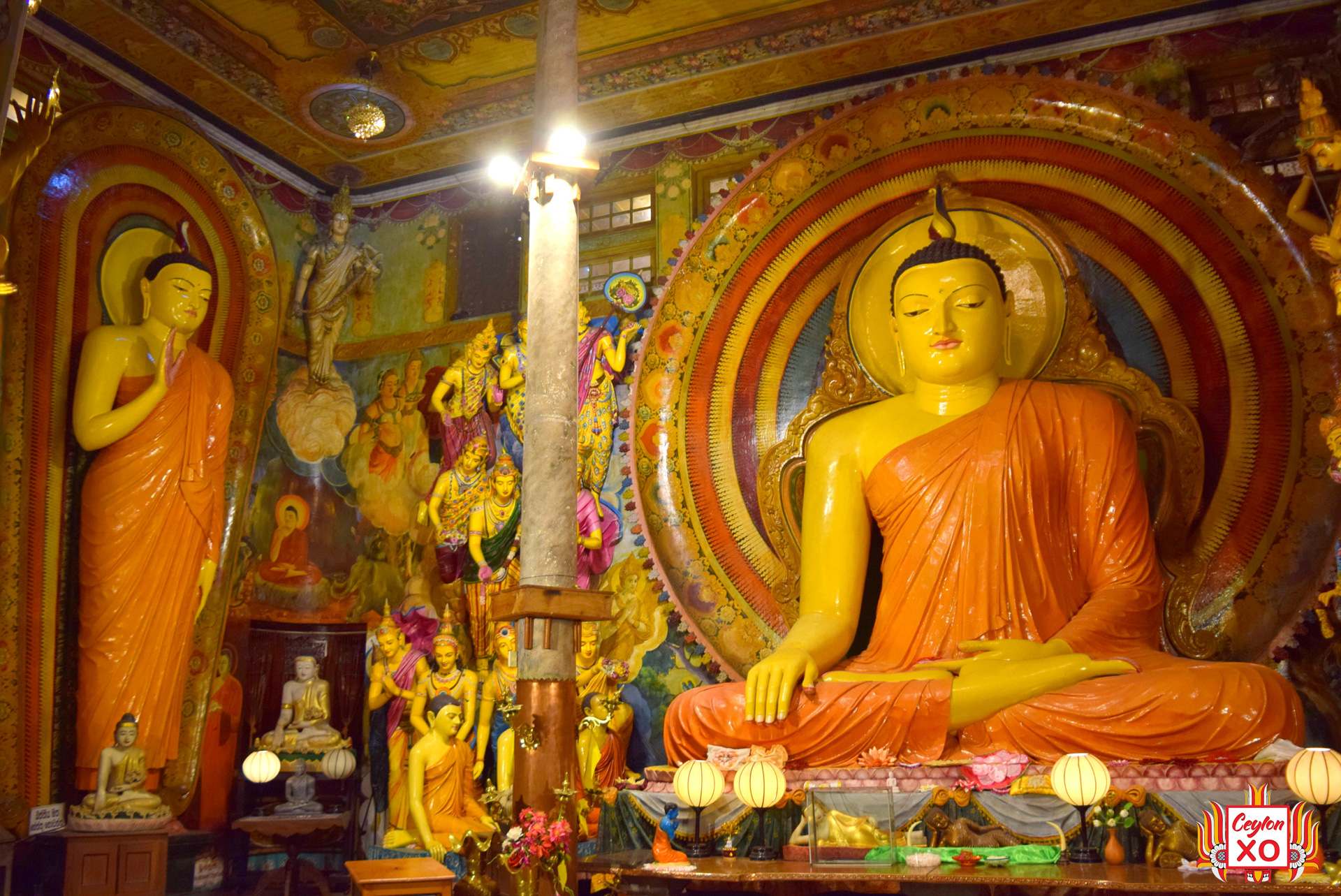
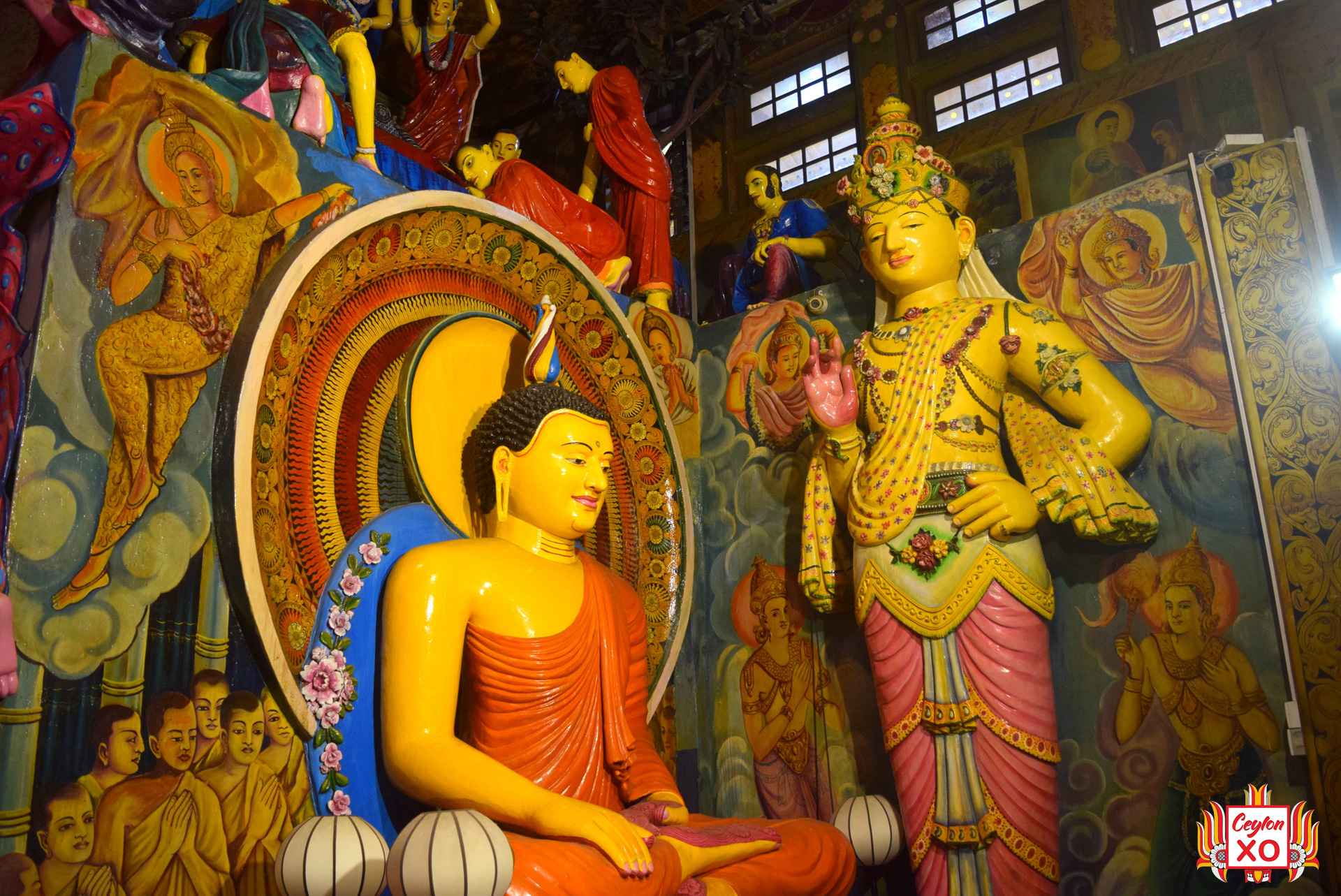
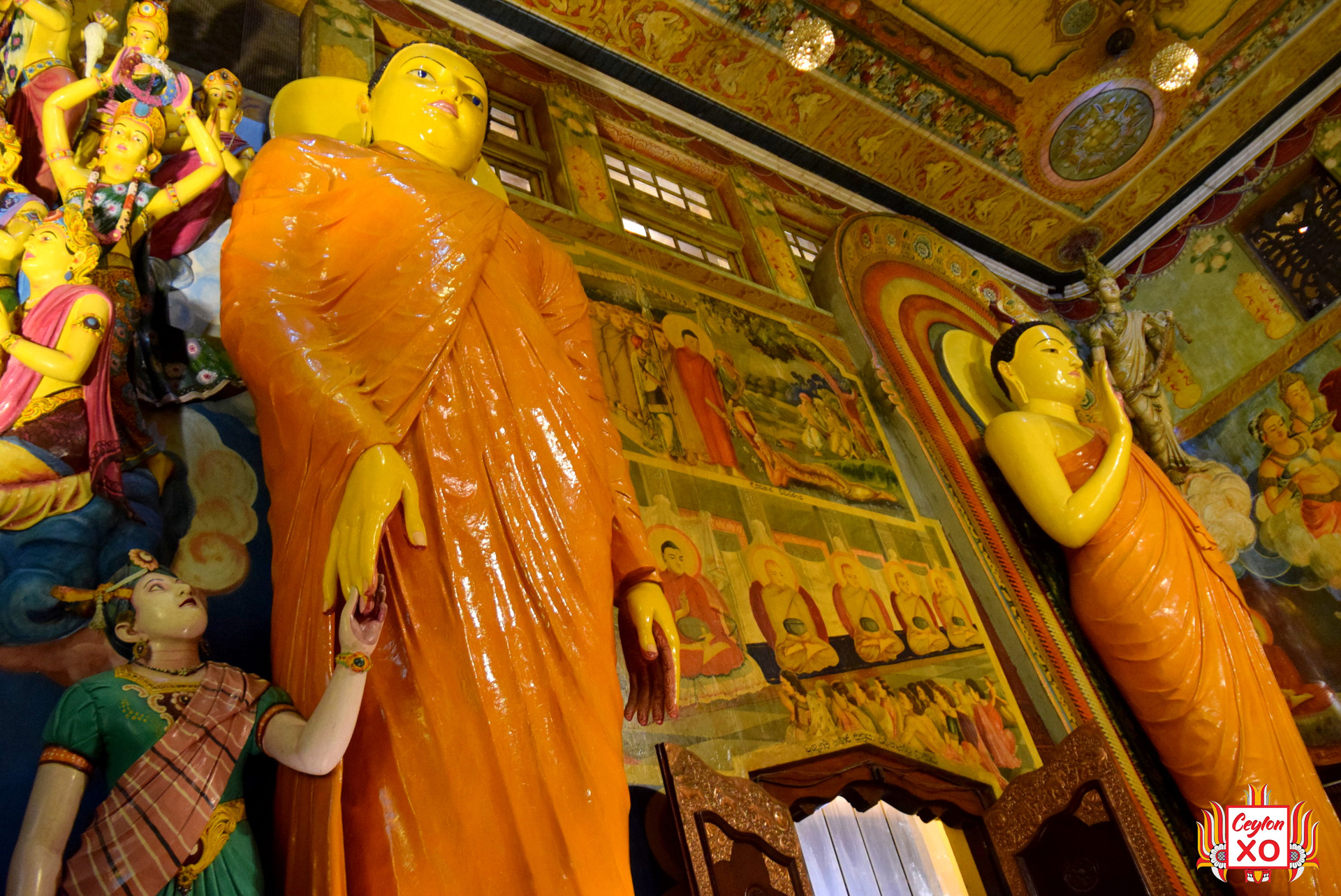
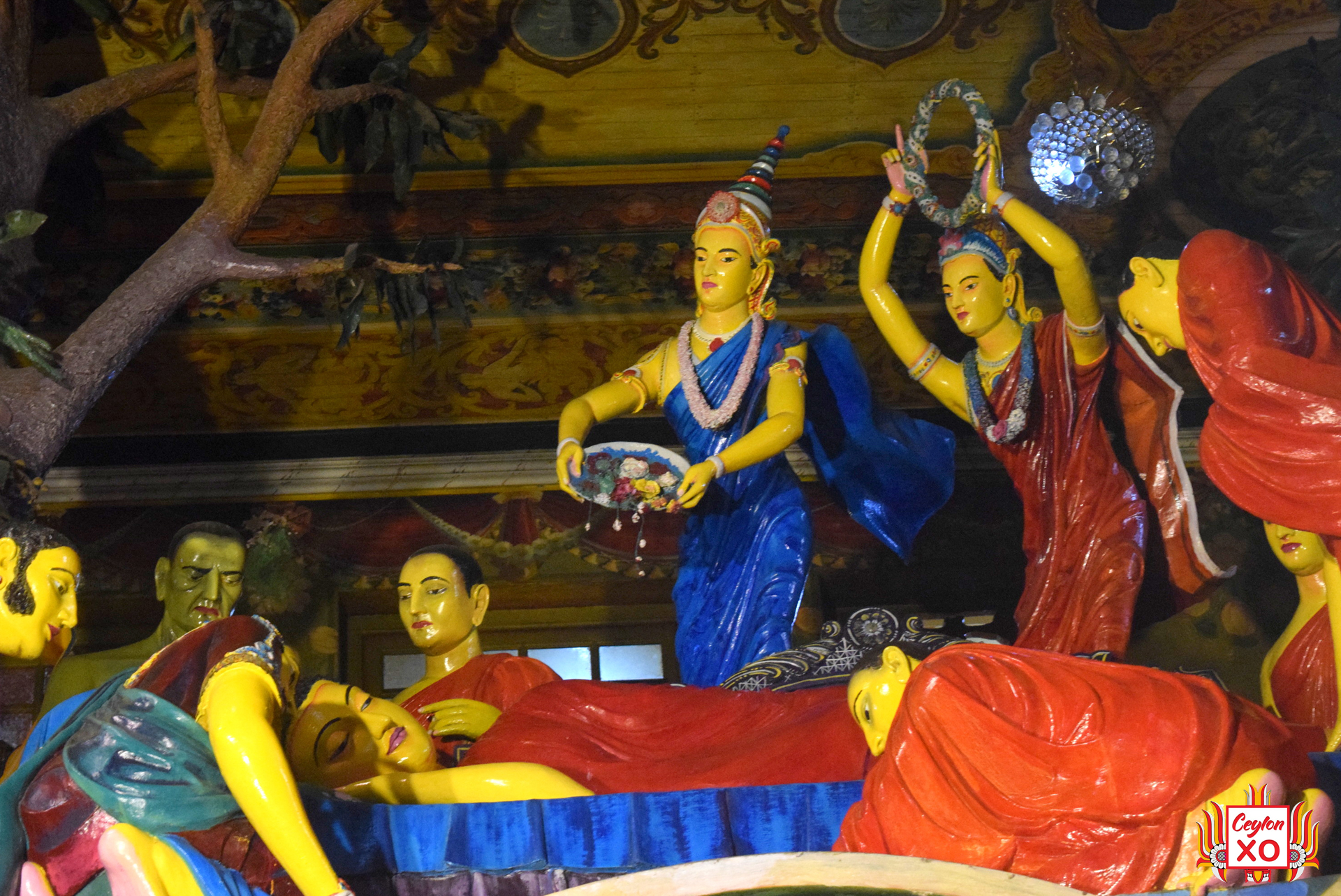
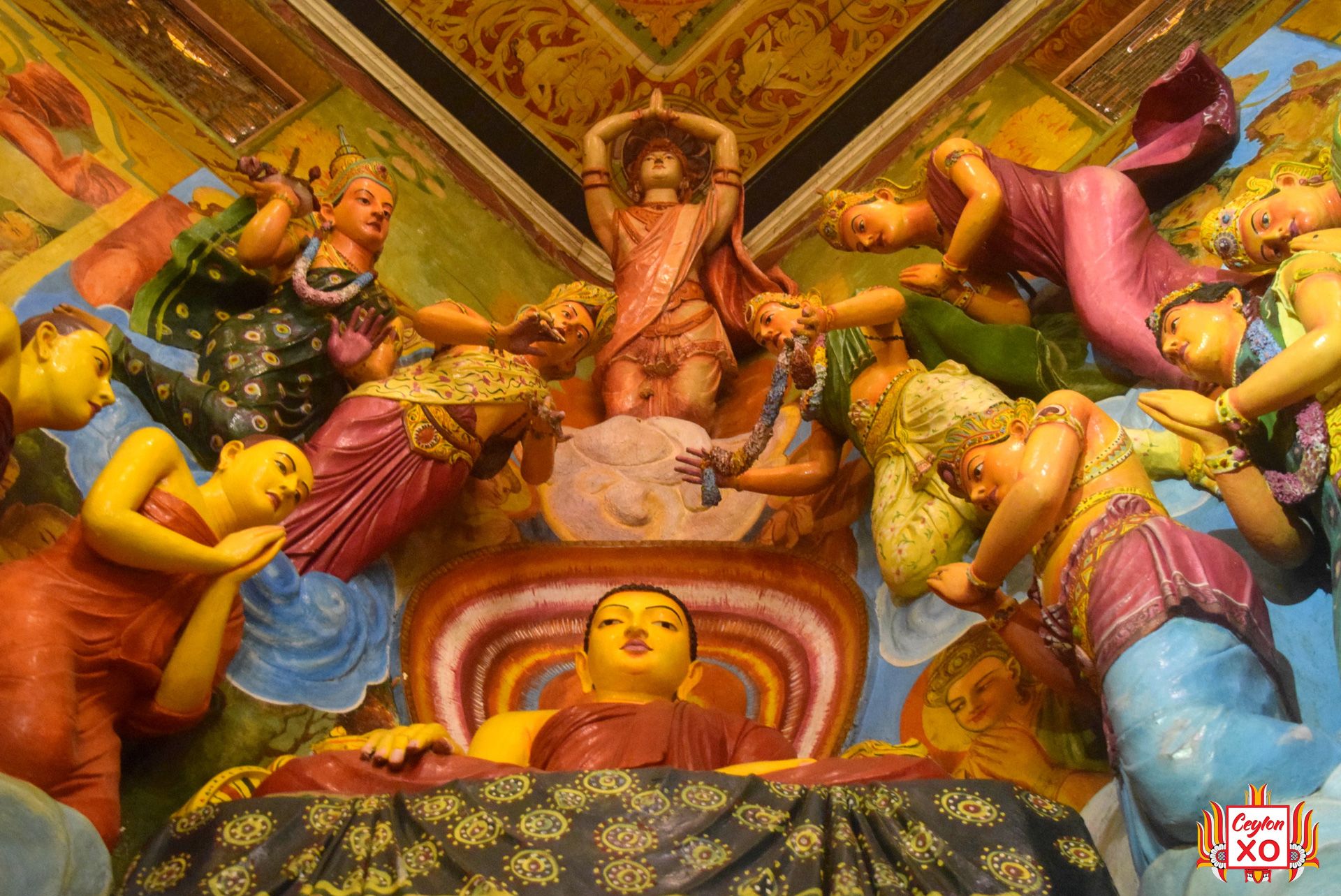
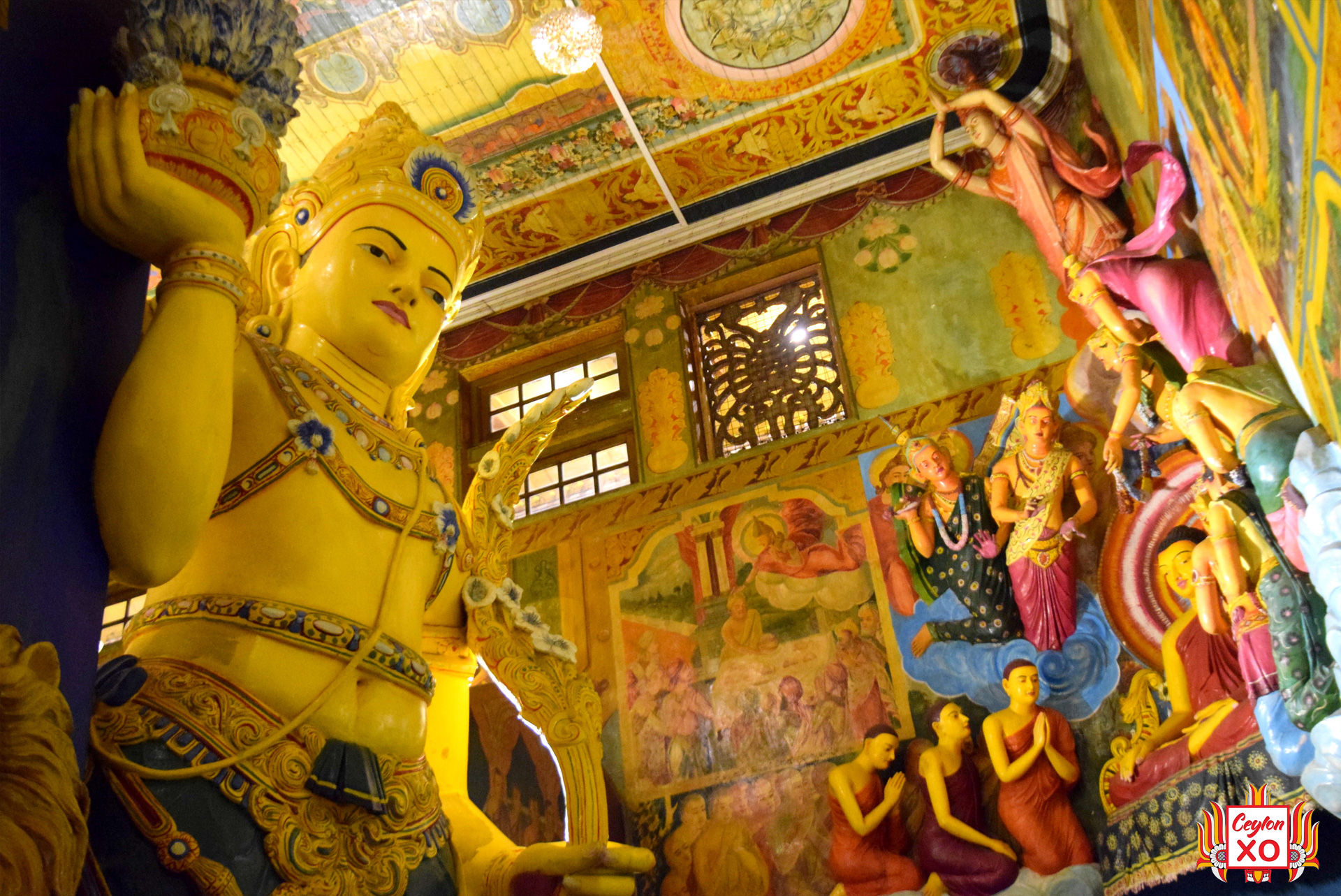
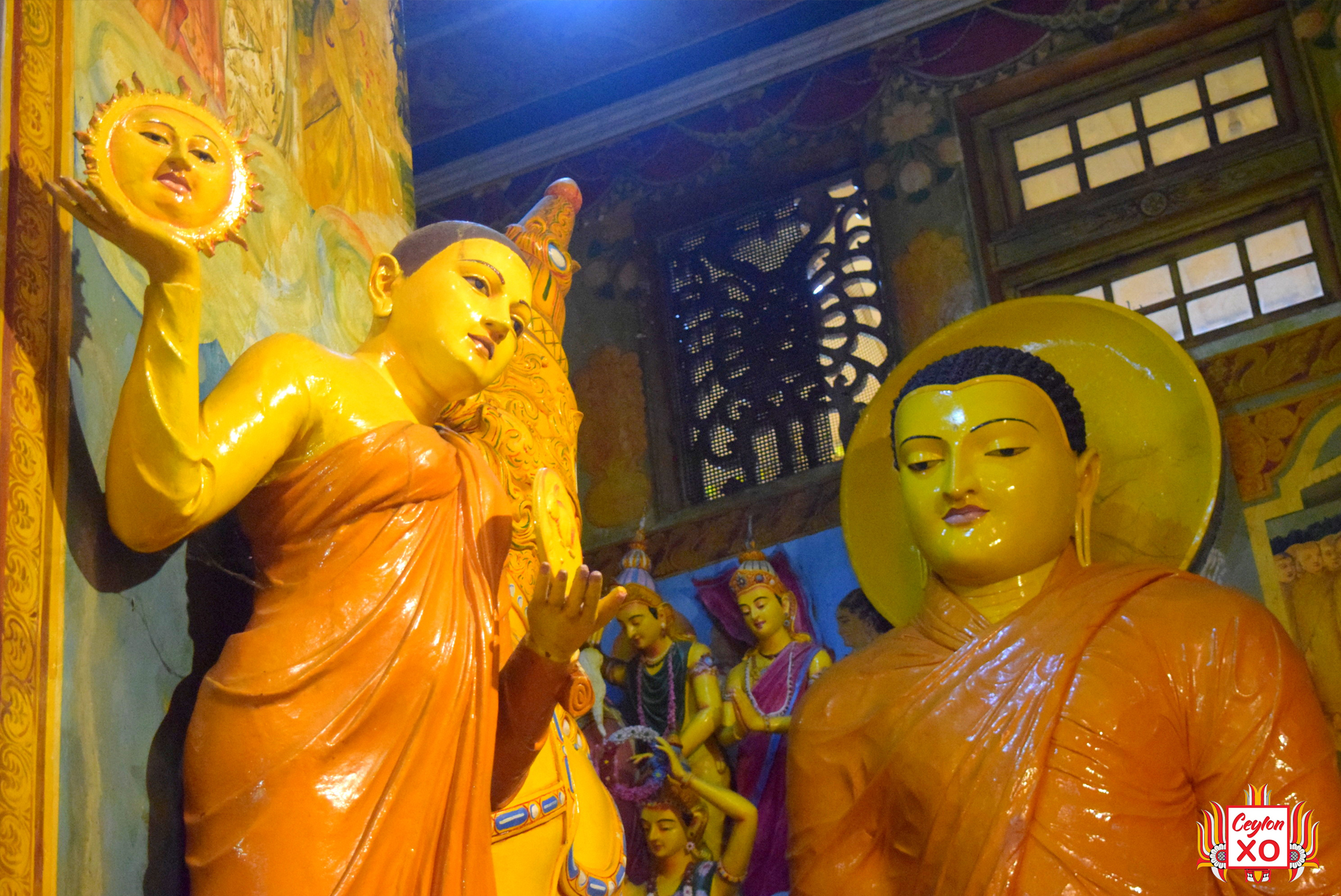
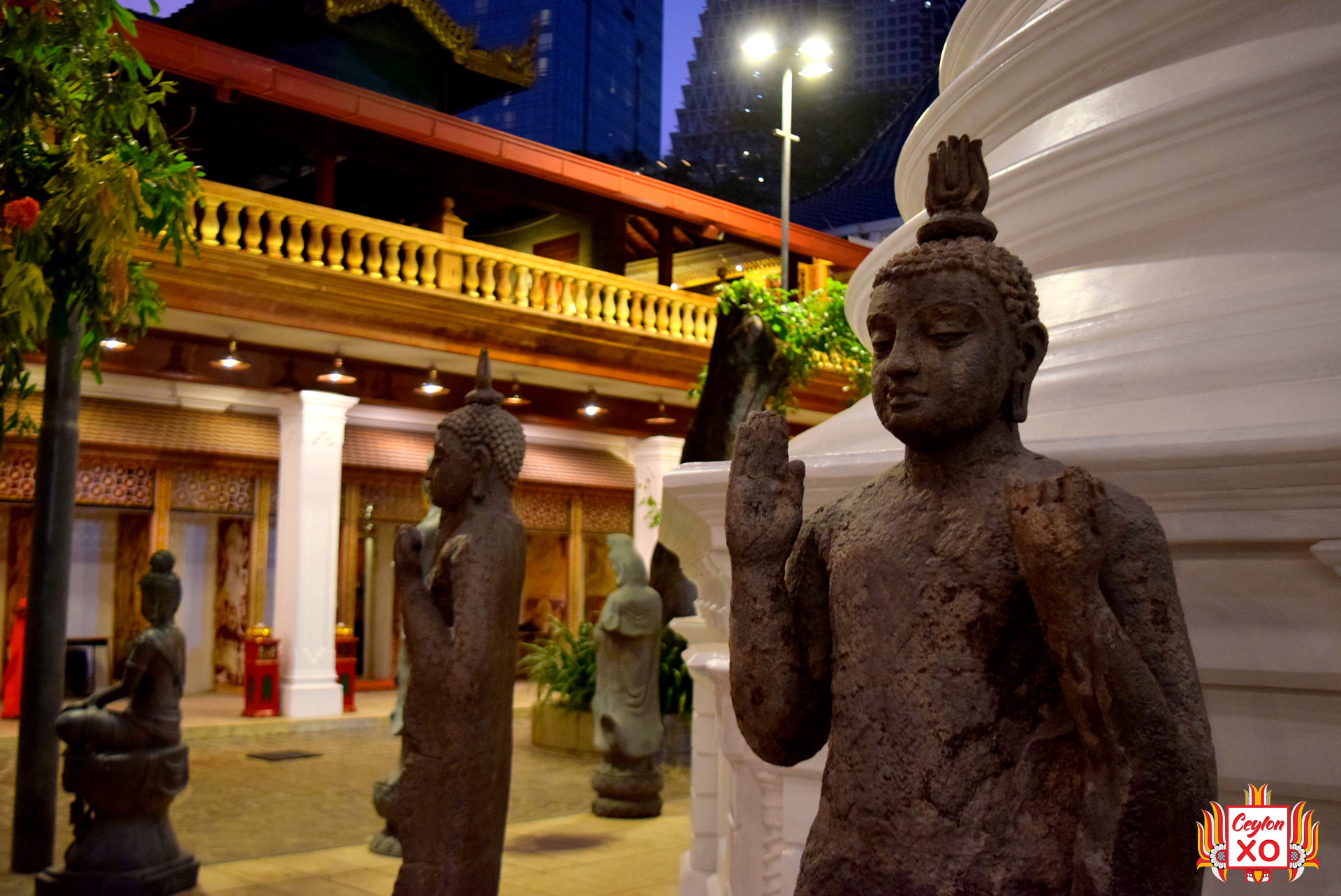
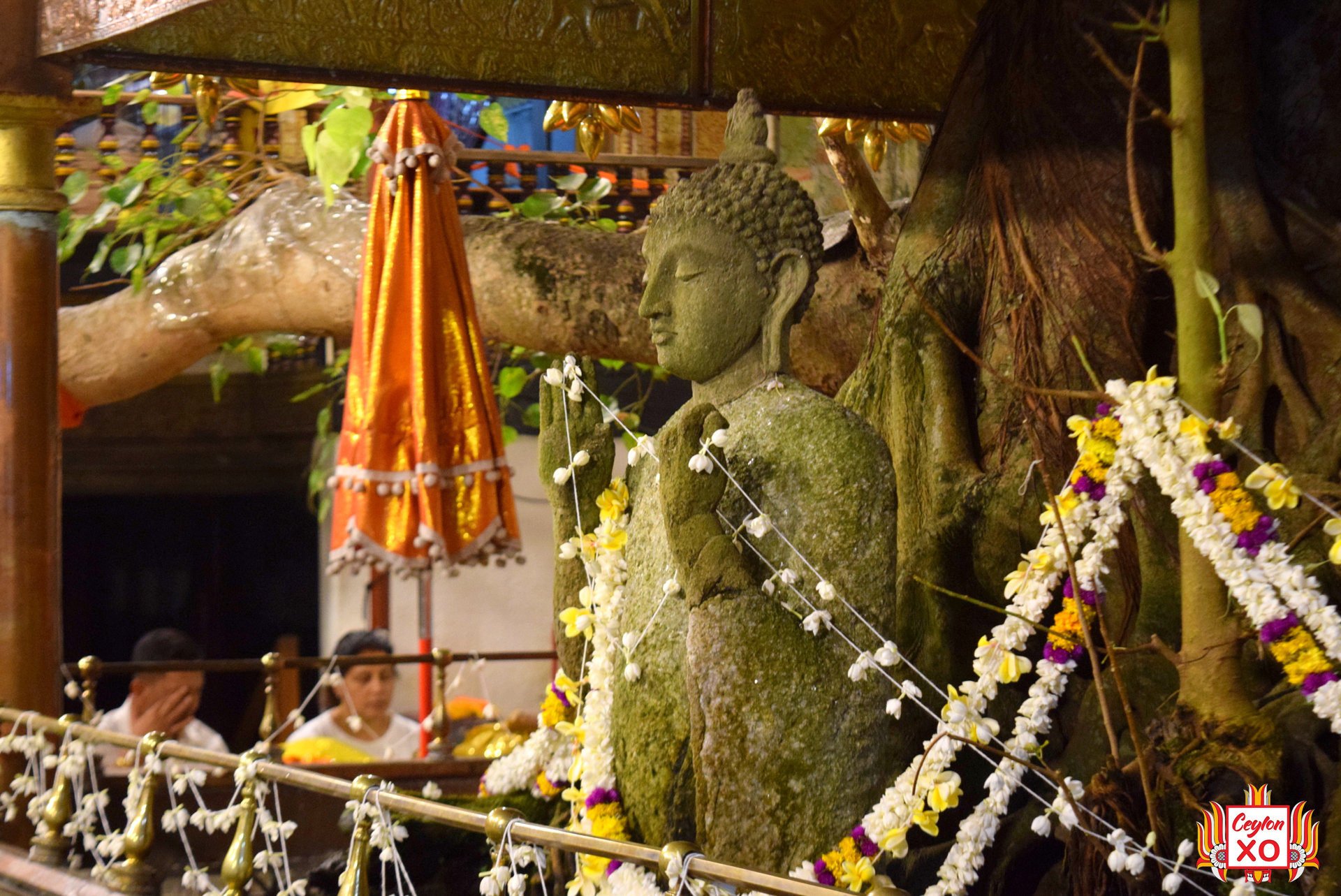
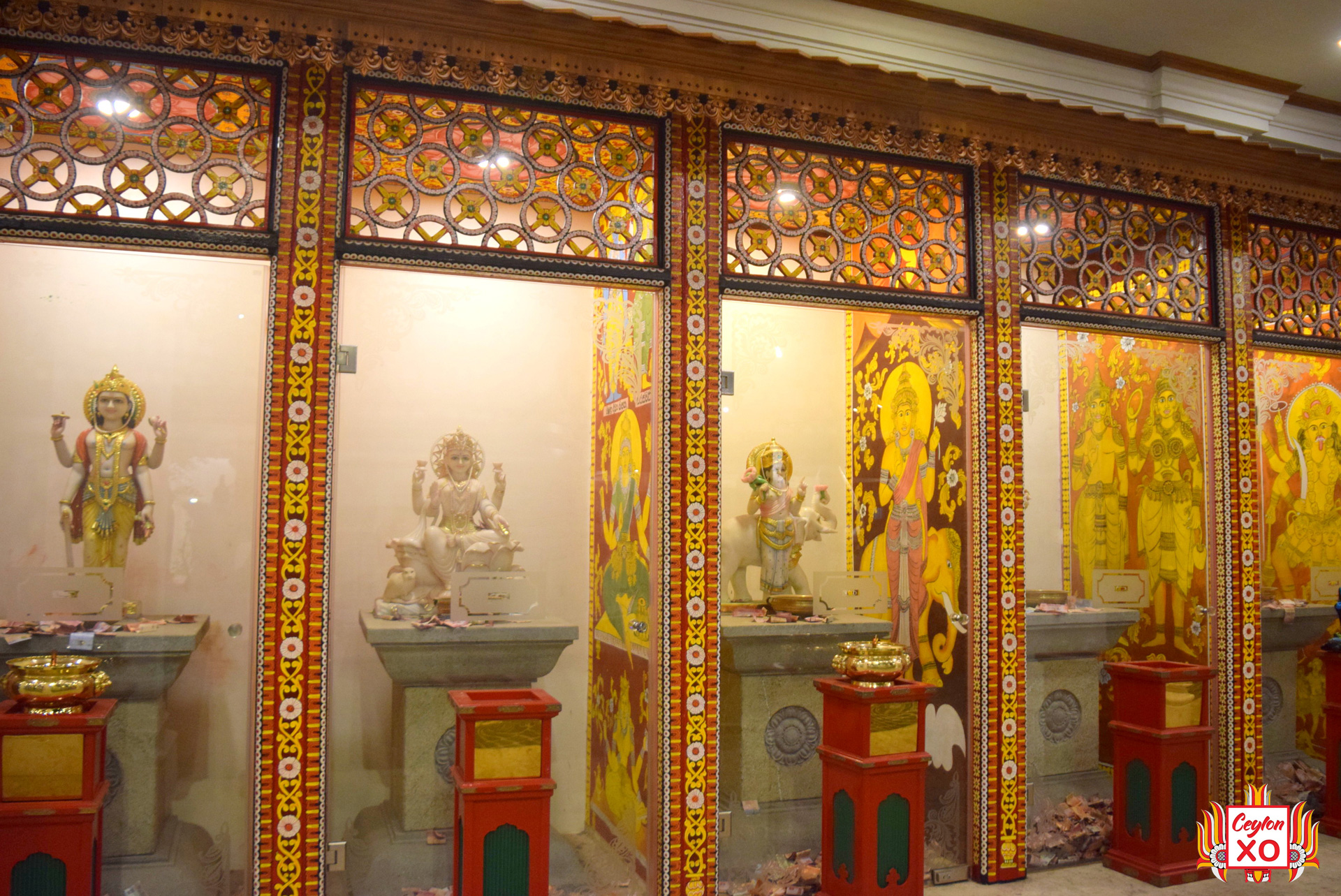
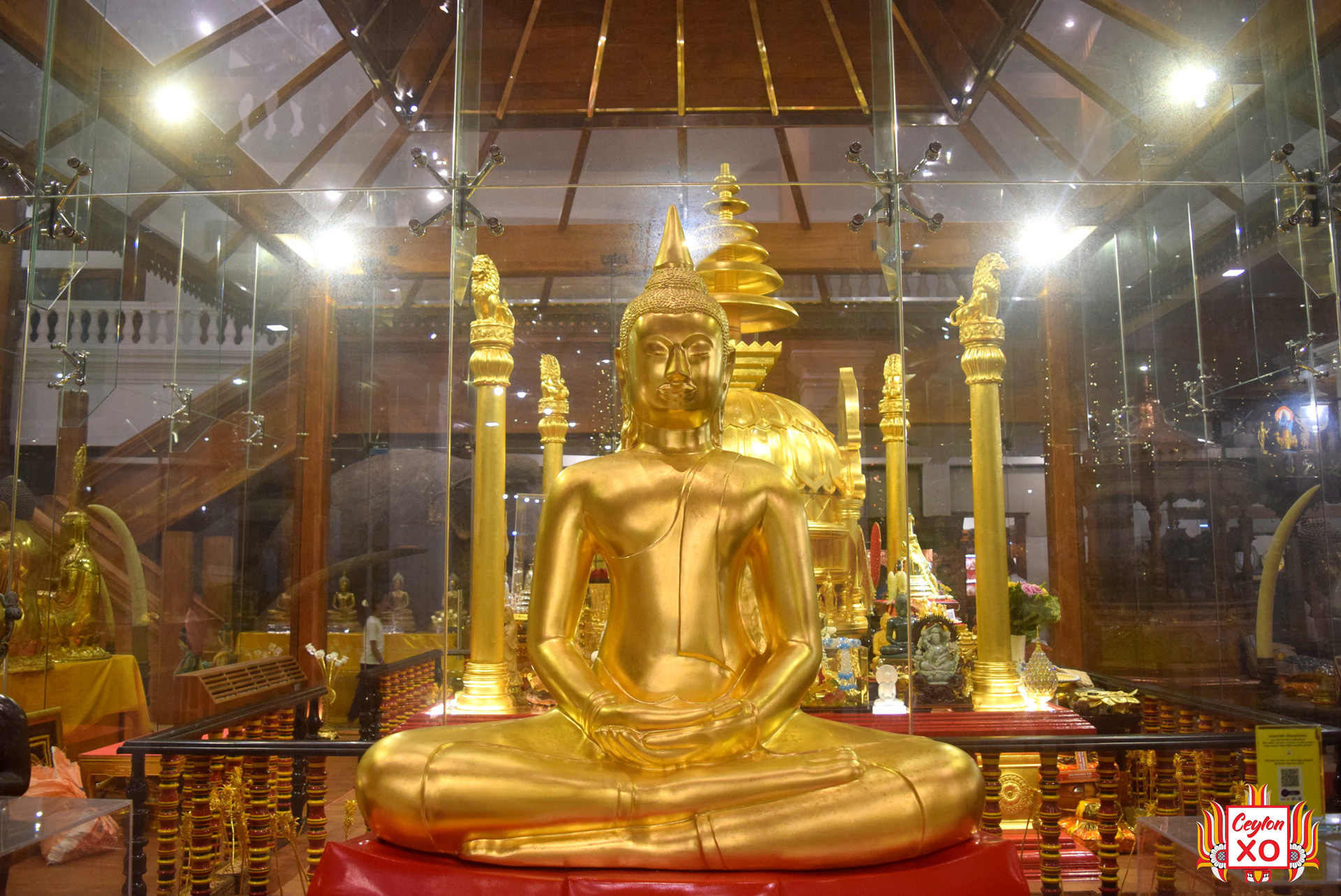
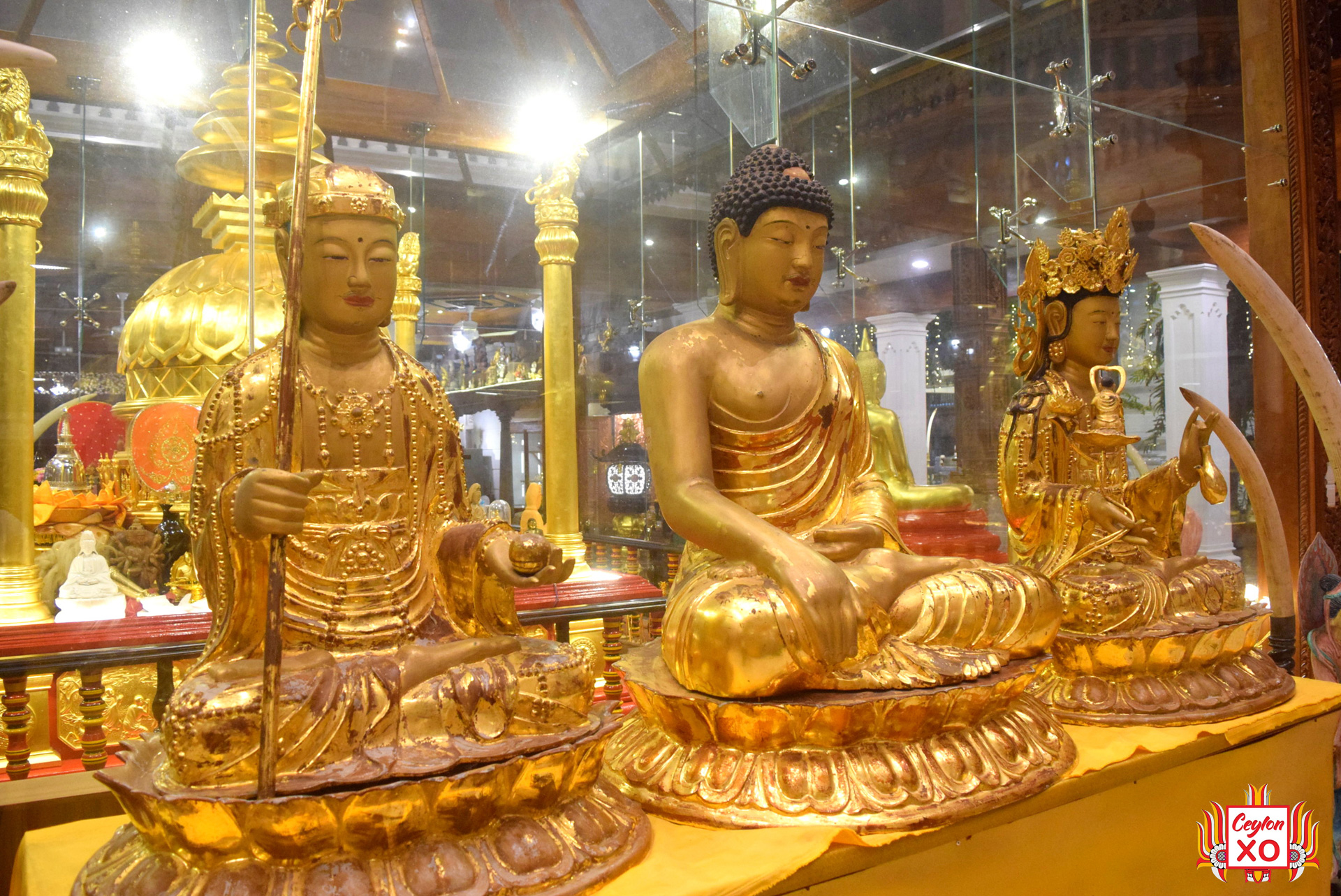
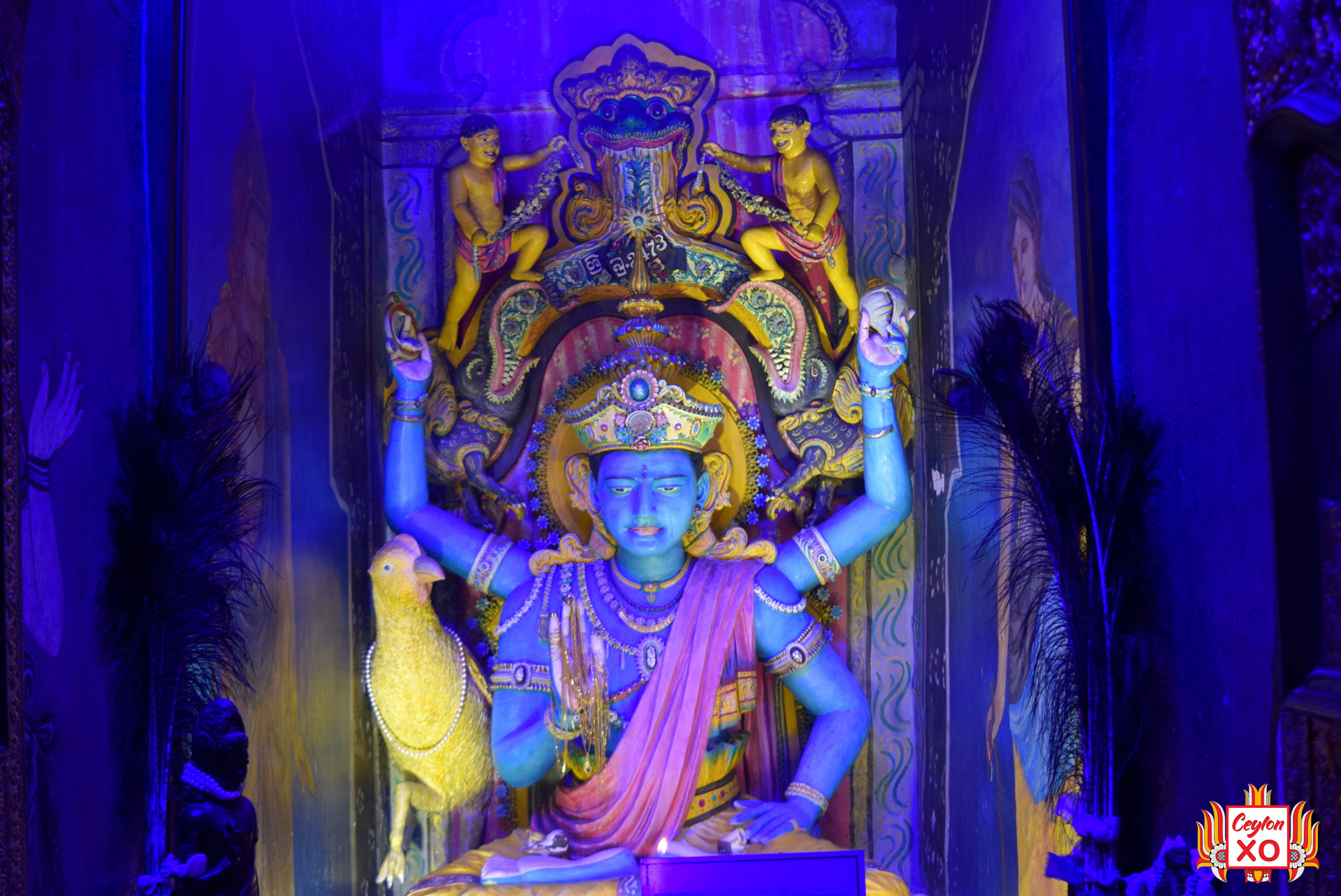
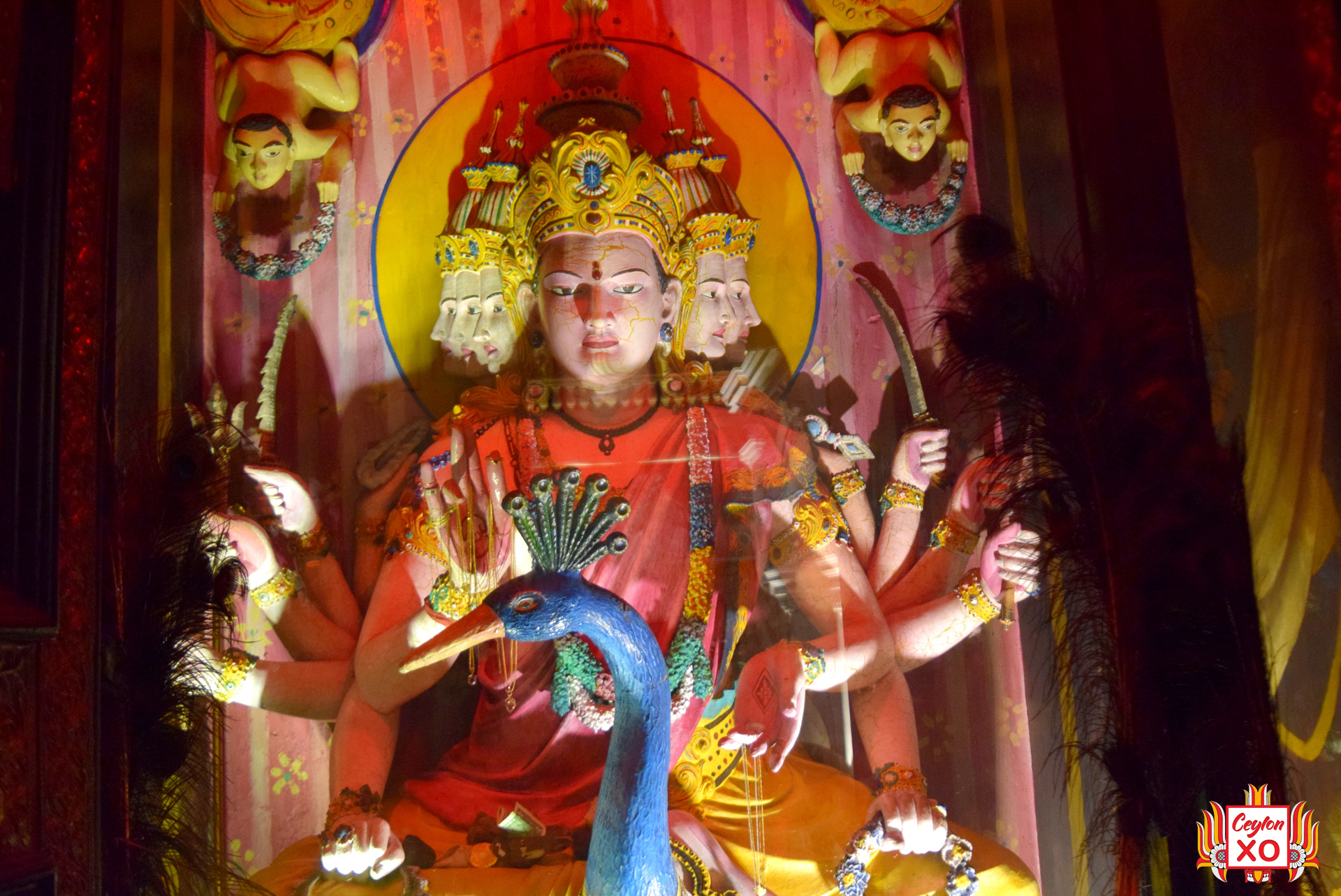
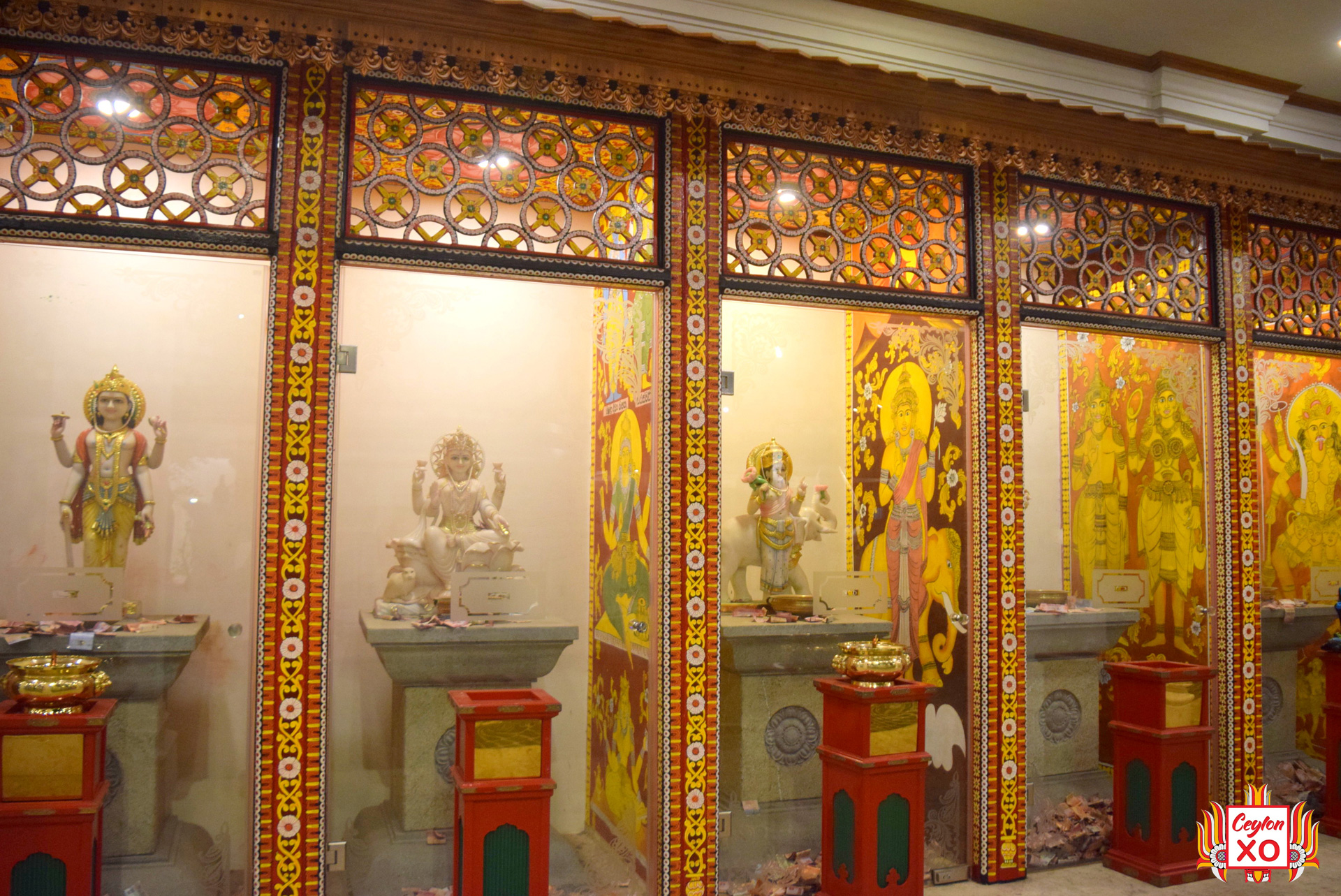
The temple is famous for its distinctive architecture, which combines Sri Lankan, Thai, Indian, and Chinese influences. Its premises include Buddha statues, religious artefacts, ancient objects, a library, and a museum containing a wide range of historical and cultural items. These collections provide visitors with an opportunity to learn about Buddhism, Sri Lankan traditions, and the country's artistic heritage.
One of the most important annual events associated with Gangaramaya Temple is the Navam Perahera, held during the Navam Full Moon Poya period. This colourful religious procession features decorated elephants, traditional dancers, drummers, and performers representing Sri Lanka's rich cultural traditions. The event attracts large crowds and helps preserve the country's traditional performing arts and Buddhist customs.
Gangaramaya Temple is also known for its social welfare and community development activities. Through educational programmes, charitable initiatives, and assistance to people in need, the temple has contributed to the well-being of the wider community. Its work reflects the Buddhist principles of compassion, generosity, kindness, and service to others.
Today, Gangaramaya Temple remains an important religious, cultural, and historical landmark in Colombo. It brings together Buddhist worship, traditional ceremonies, education, charity, and cultural preservation in one place. Its long history and continuing contribution to society make it a significant part of Sri Lanka's spiritual and cultural heritage.