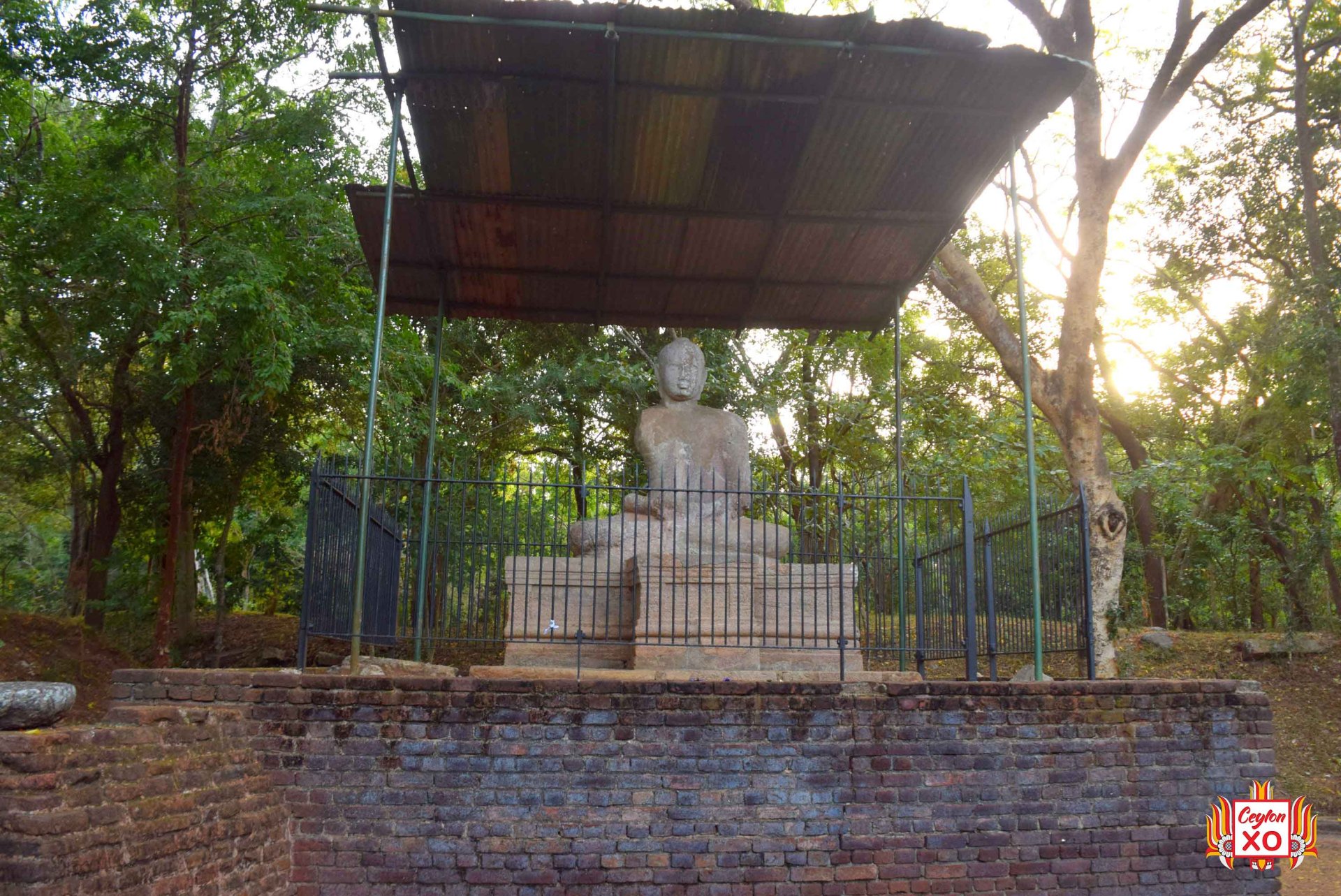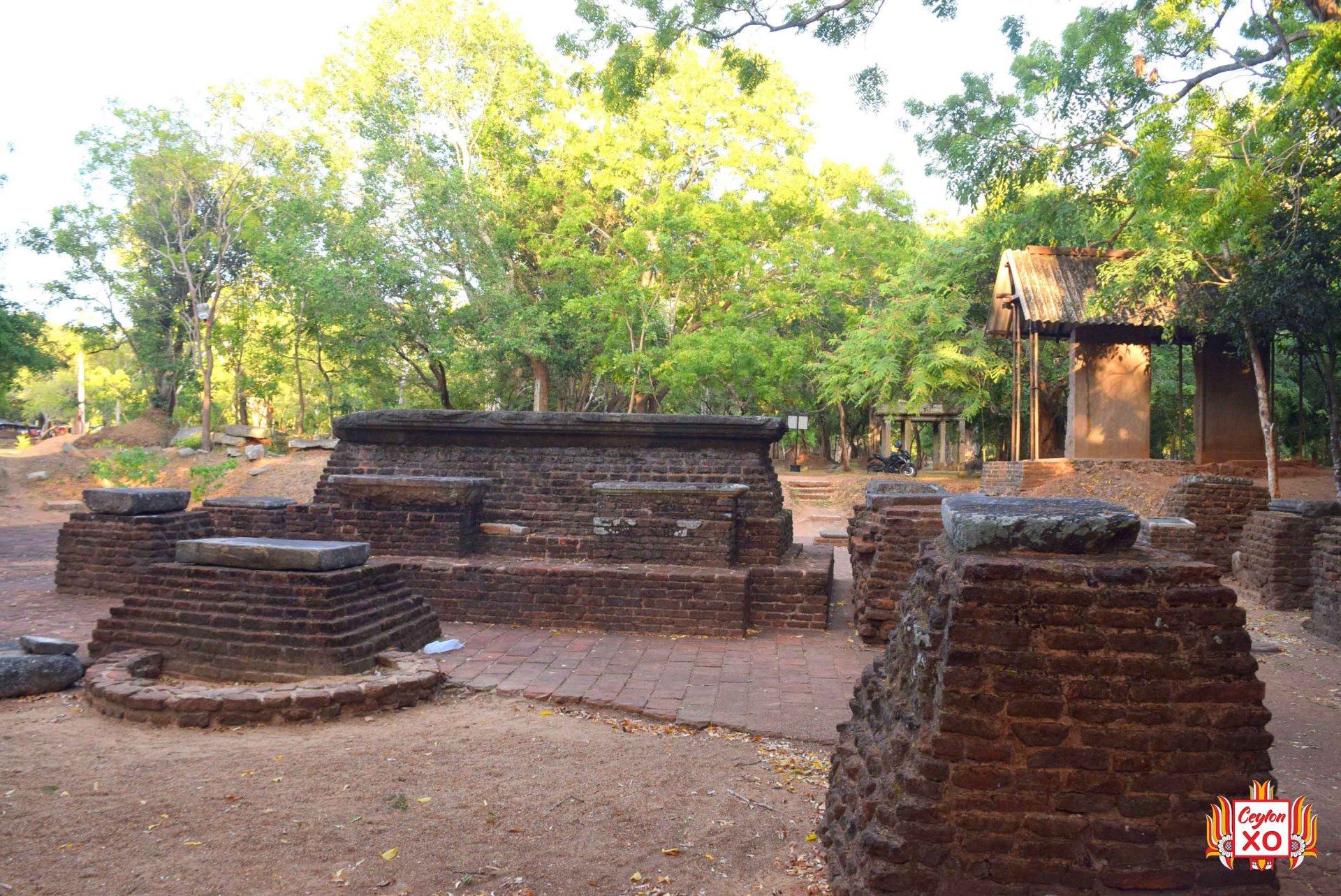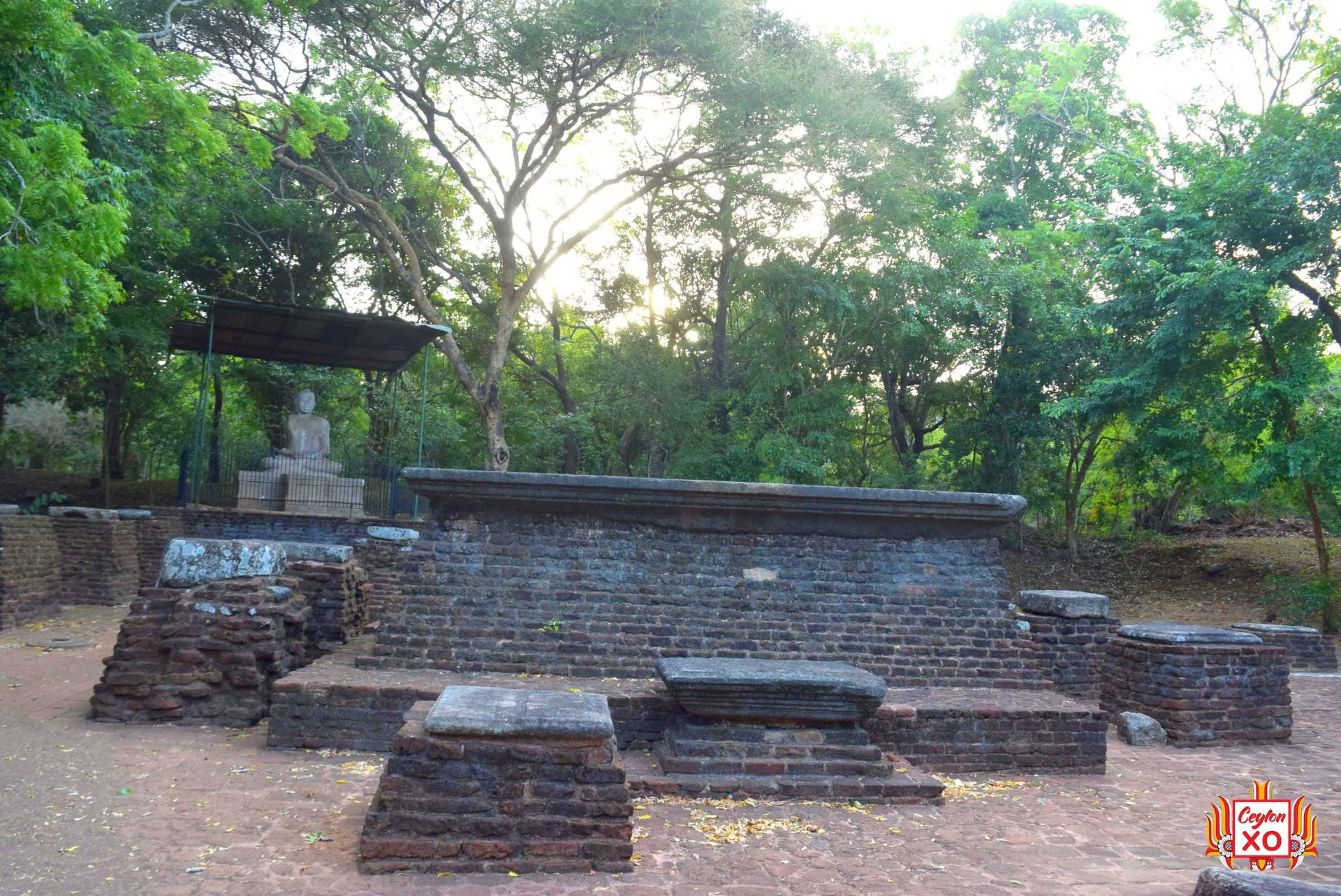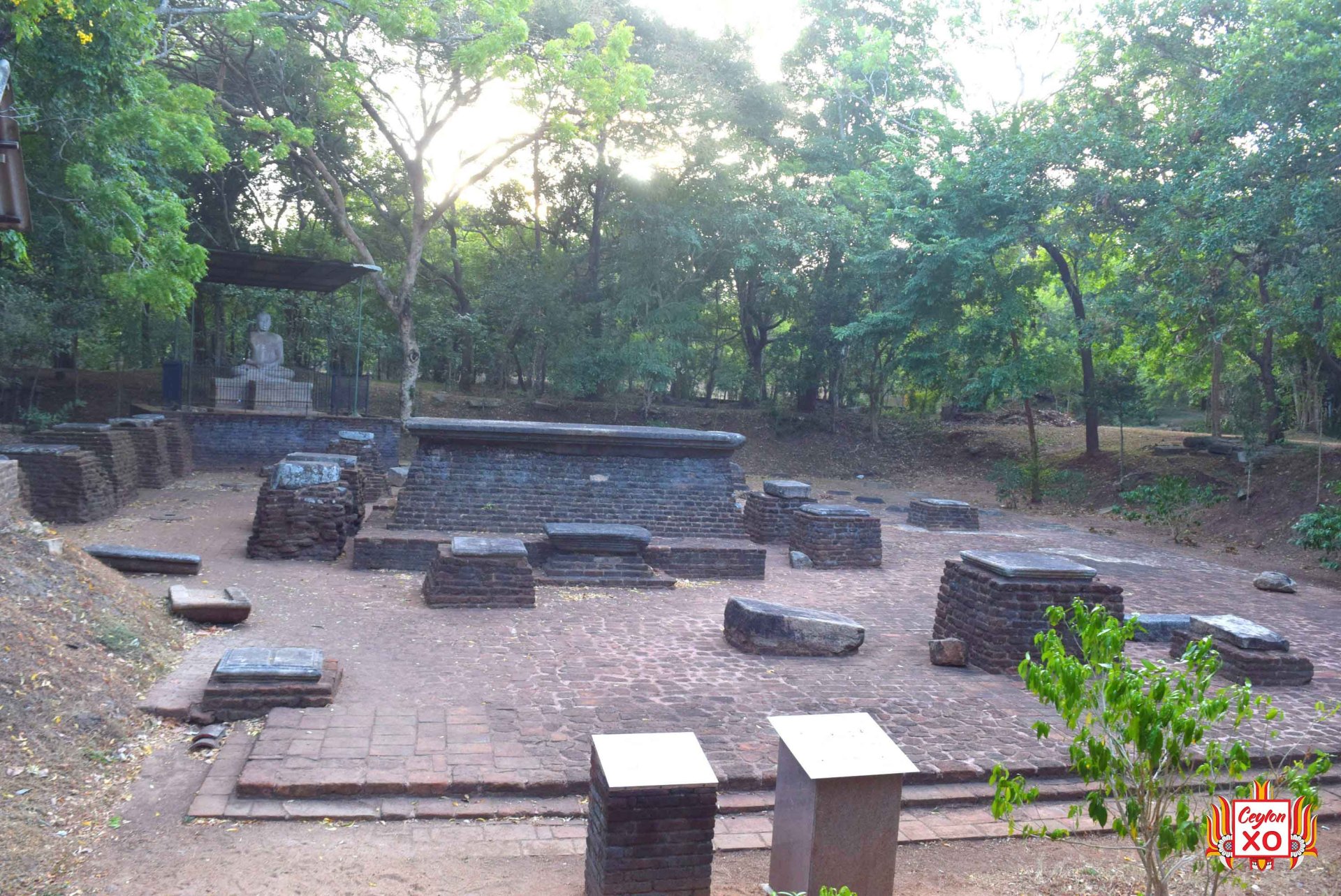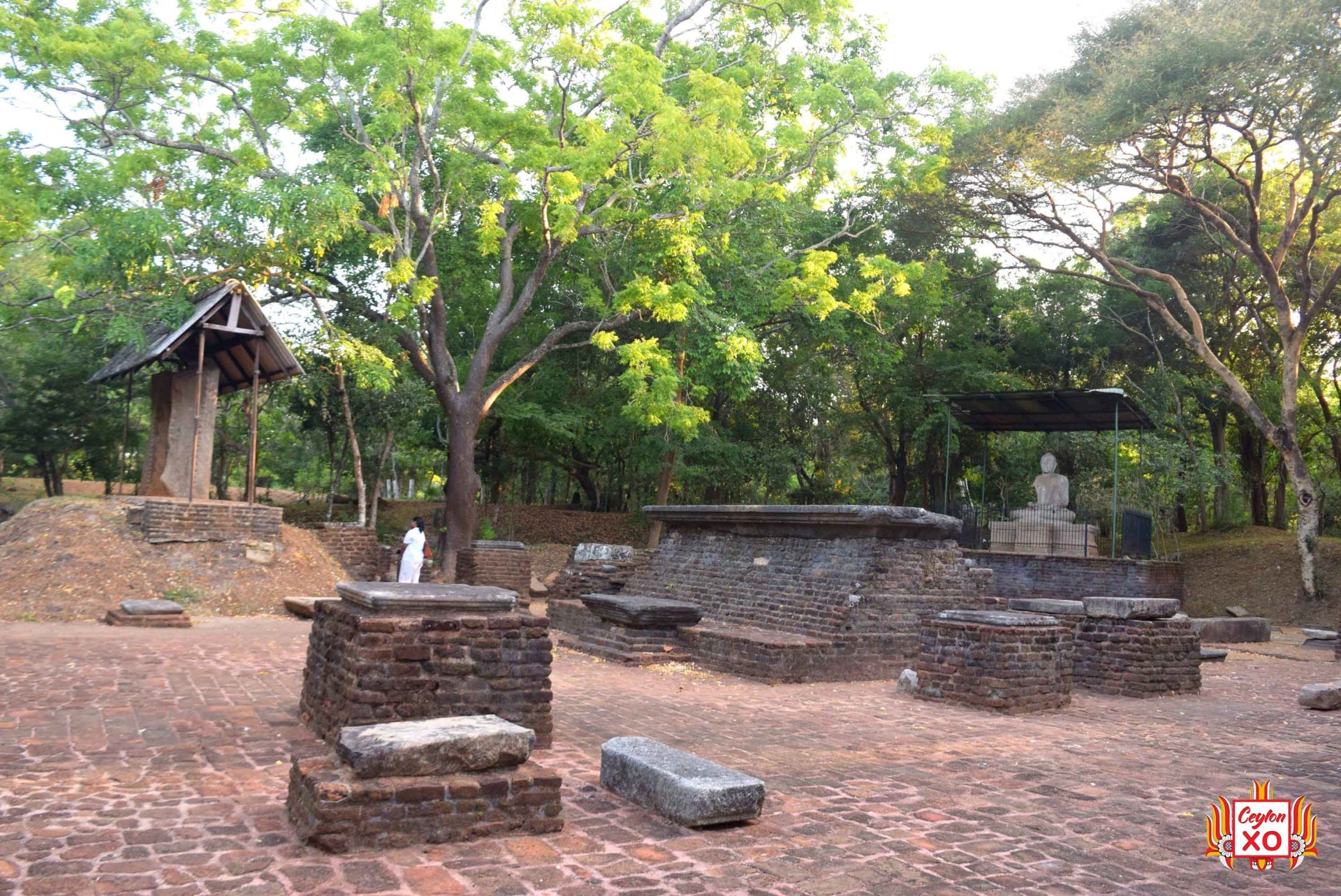
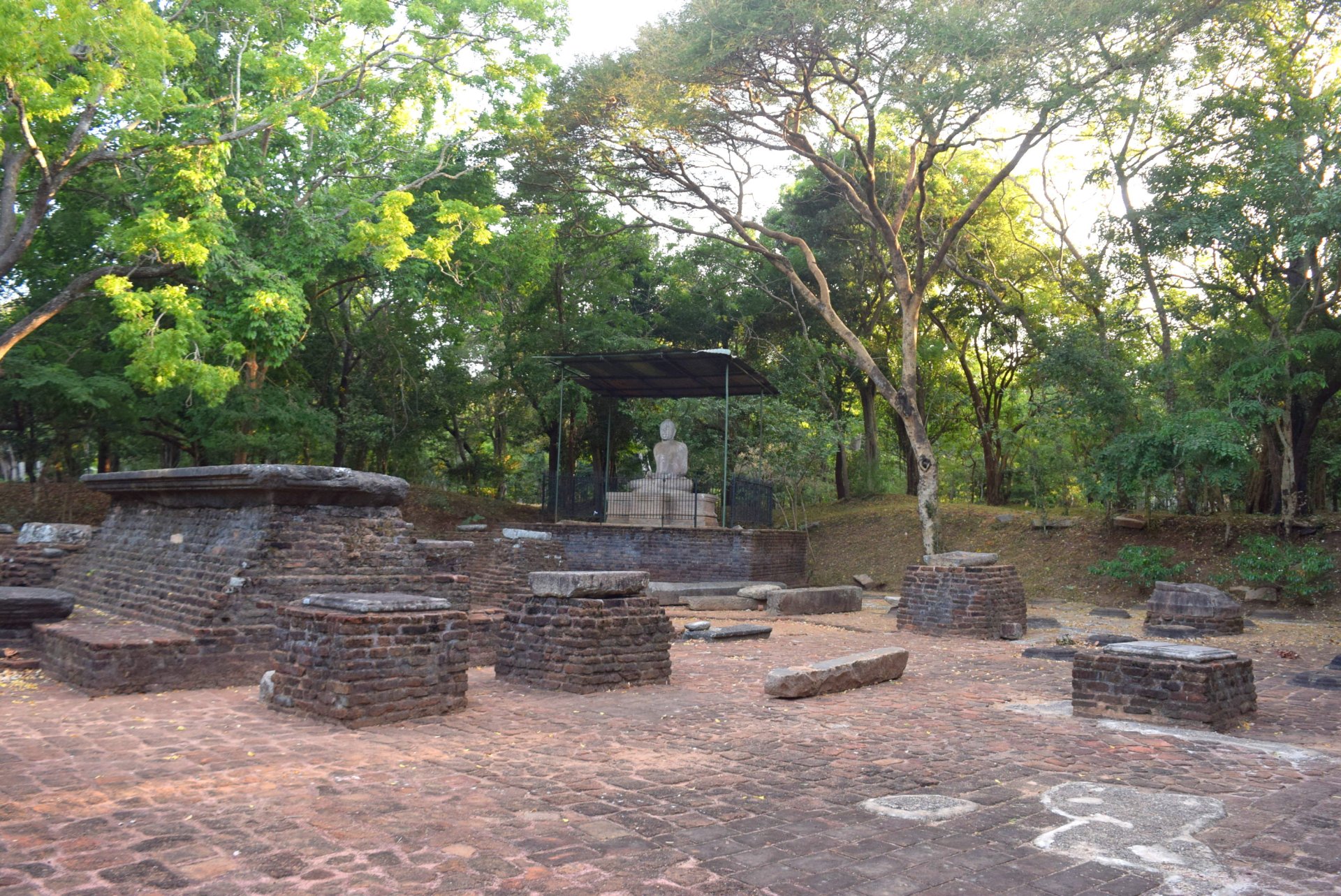
This sacred site is located to the south of the Abhayagiri Dana Shala. To visit it, you need to walk a short distance inside the site. Since it is not visible from the main road, it has not received as much attention as some of the other archaeological sites in the area.
According to the records of the Chinese monk Faxian (Fa-Hien), this is believed to be the oldest Bodhigharaya built within the Abhayagiri Monastery complex. The Bodhi tree that was once planted here is believed to have been grown from a seed brought from the Sri Maha Bodhi in India.
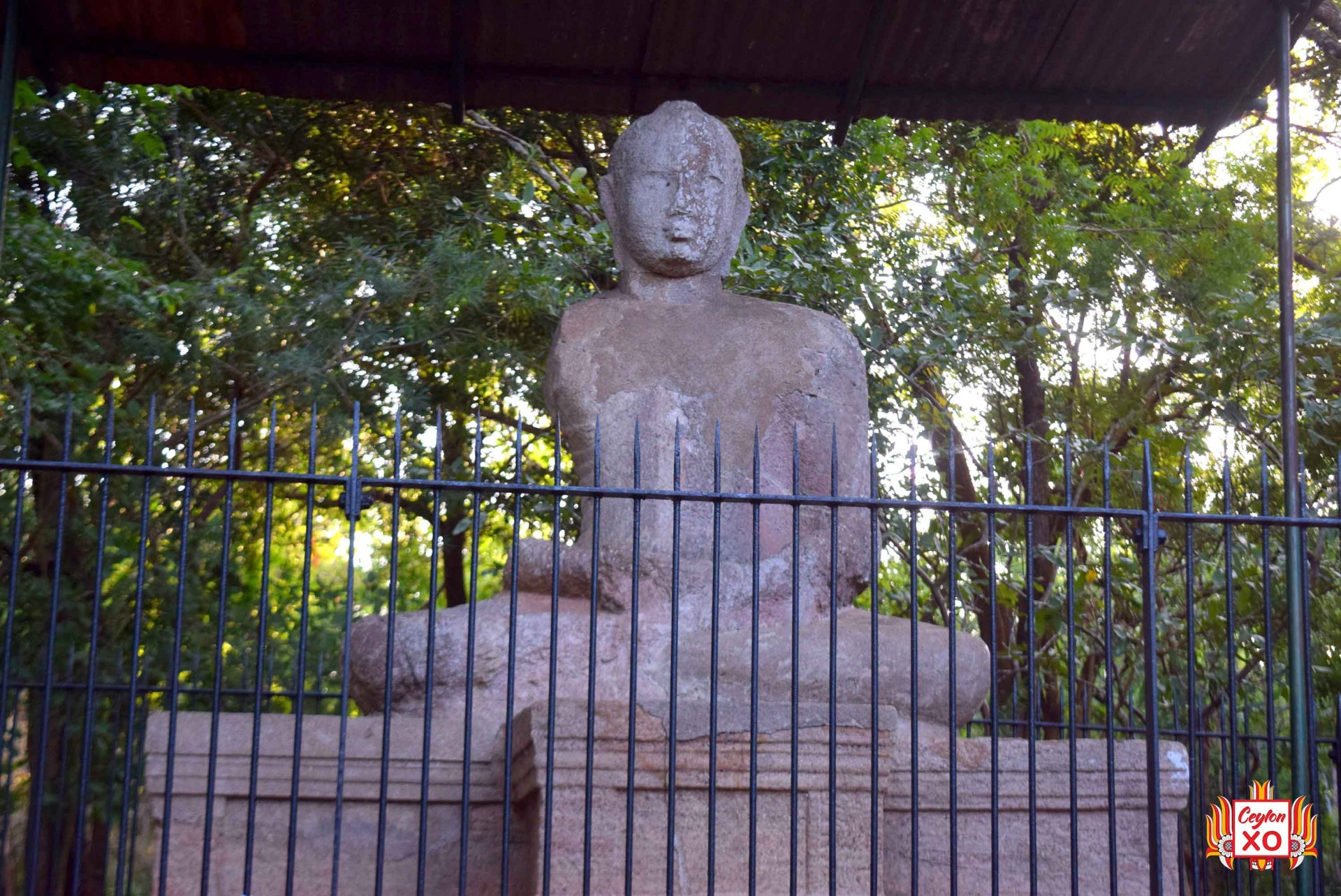
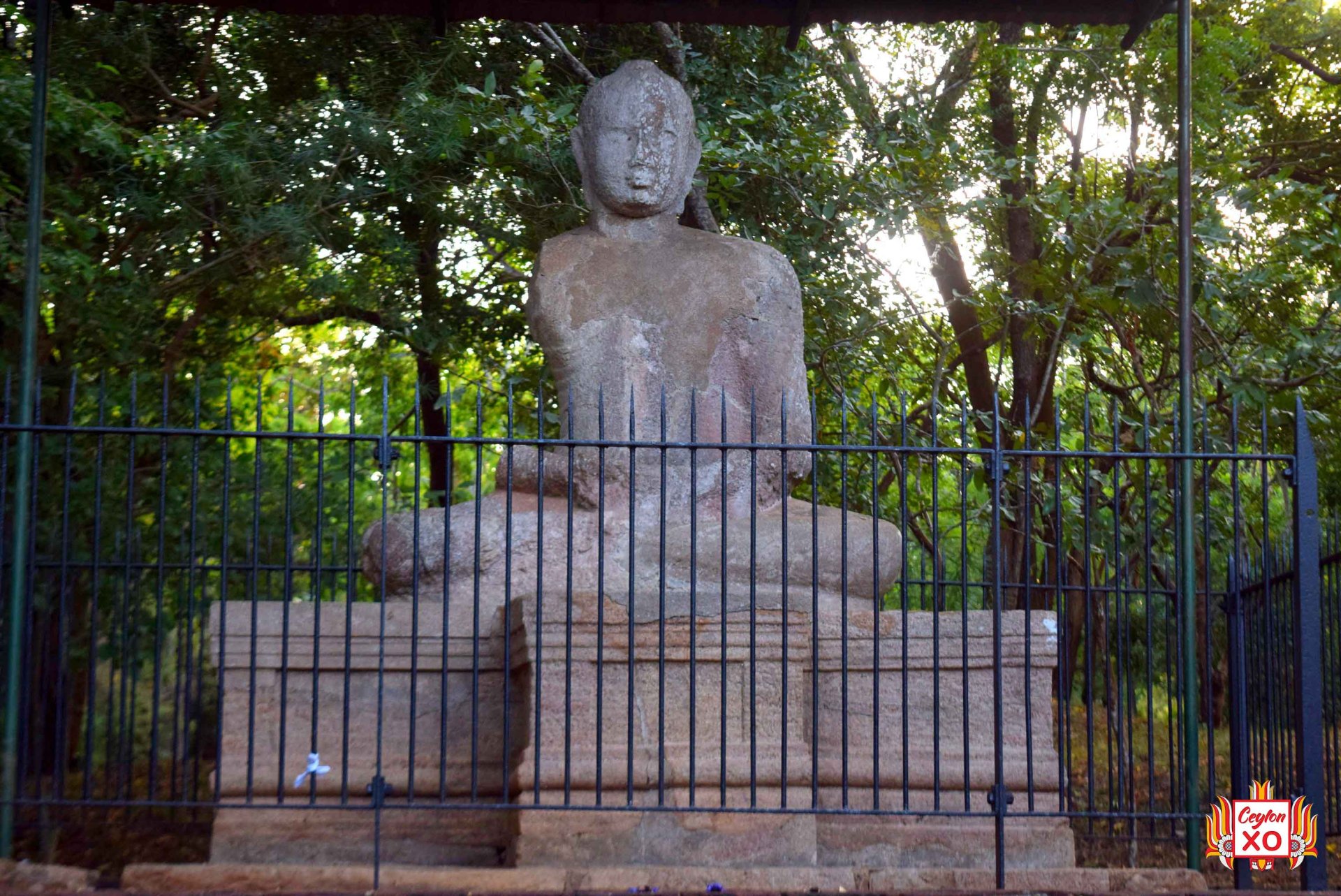
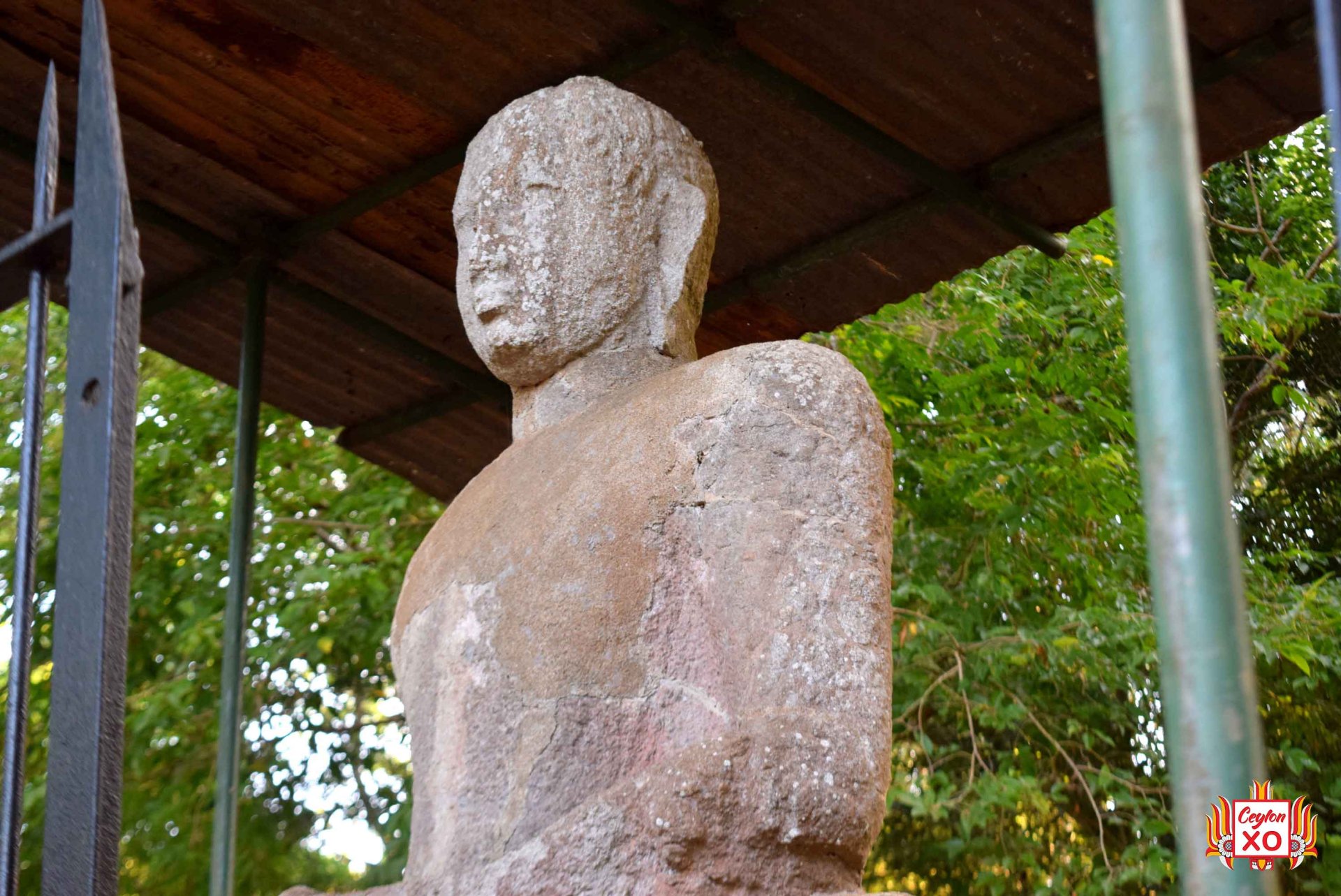
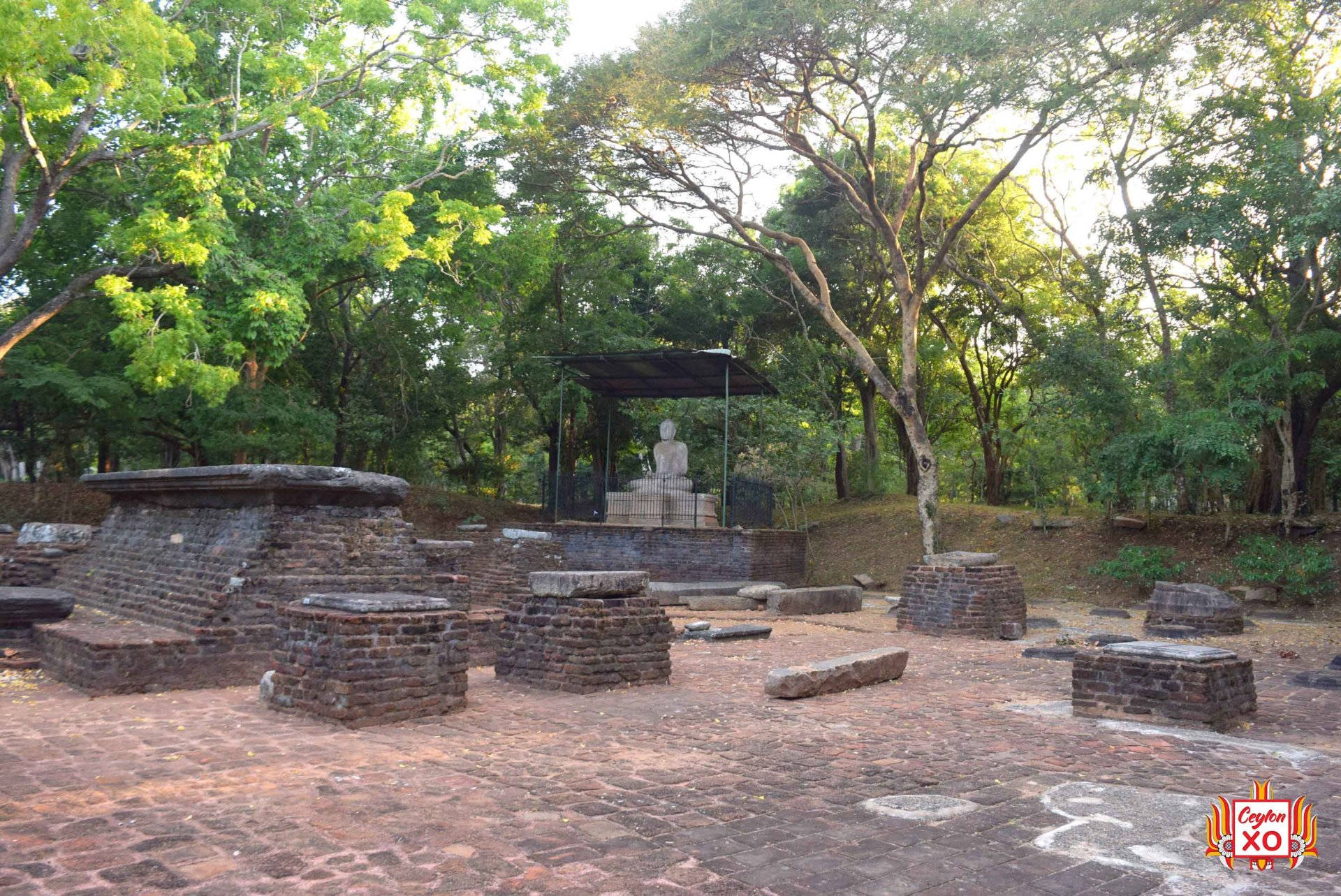
The buildings at this site were constructed during four different periods. The main feature that can be seen today is a standing Buddha statue placed on a slightly elevated Vajrasana. This statue is often incorrectly identified as “Samadhi Statue No. 03.” Its right hand is missing today. The statue has no visible lines or folds on its robe, and numerous remains around it suggest that several other statues once stood around it during the ancient Sinhalese kingdoms.
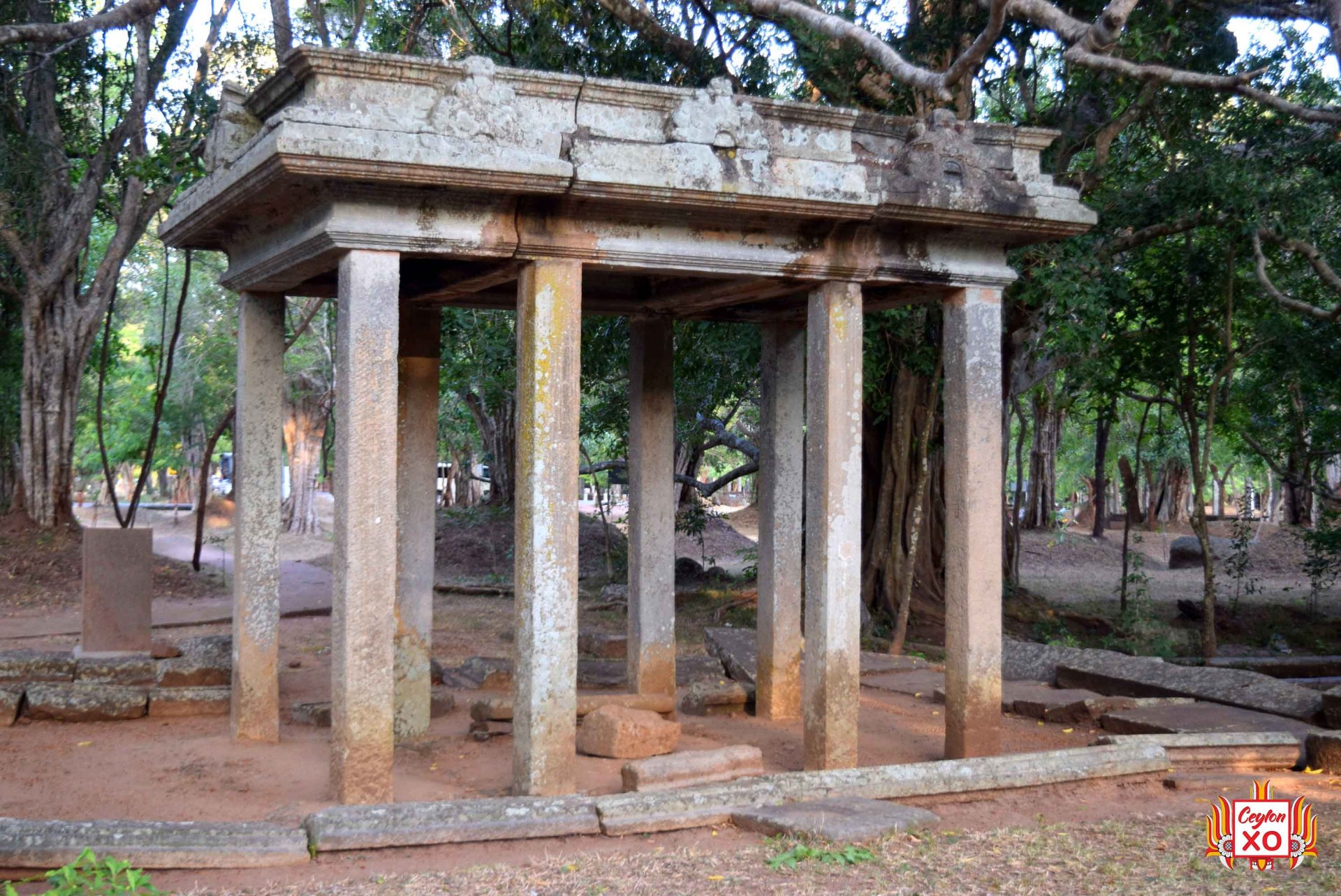
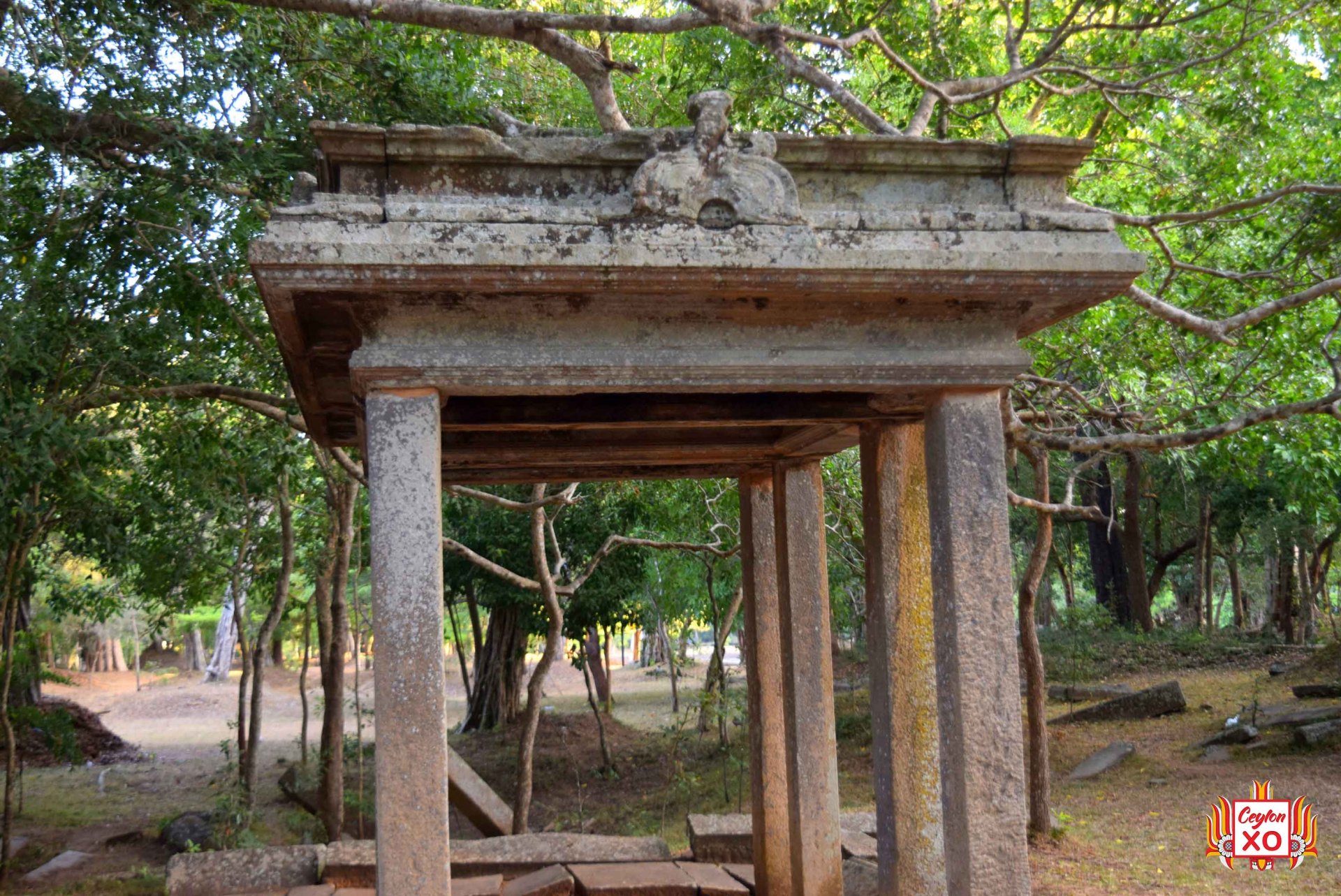
Among these remains are nearly 20 Sri Pada stones (footprint stones). The entrance to this site is through an ancient pavilion decorated with beautiful carvings, which is now known as the Barrows Mandapa.
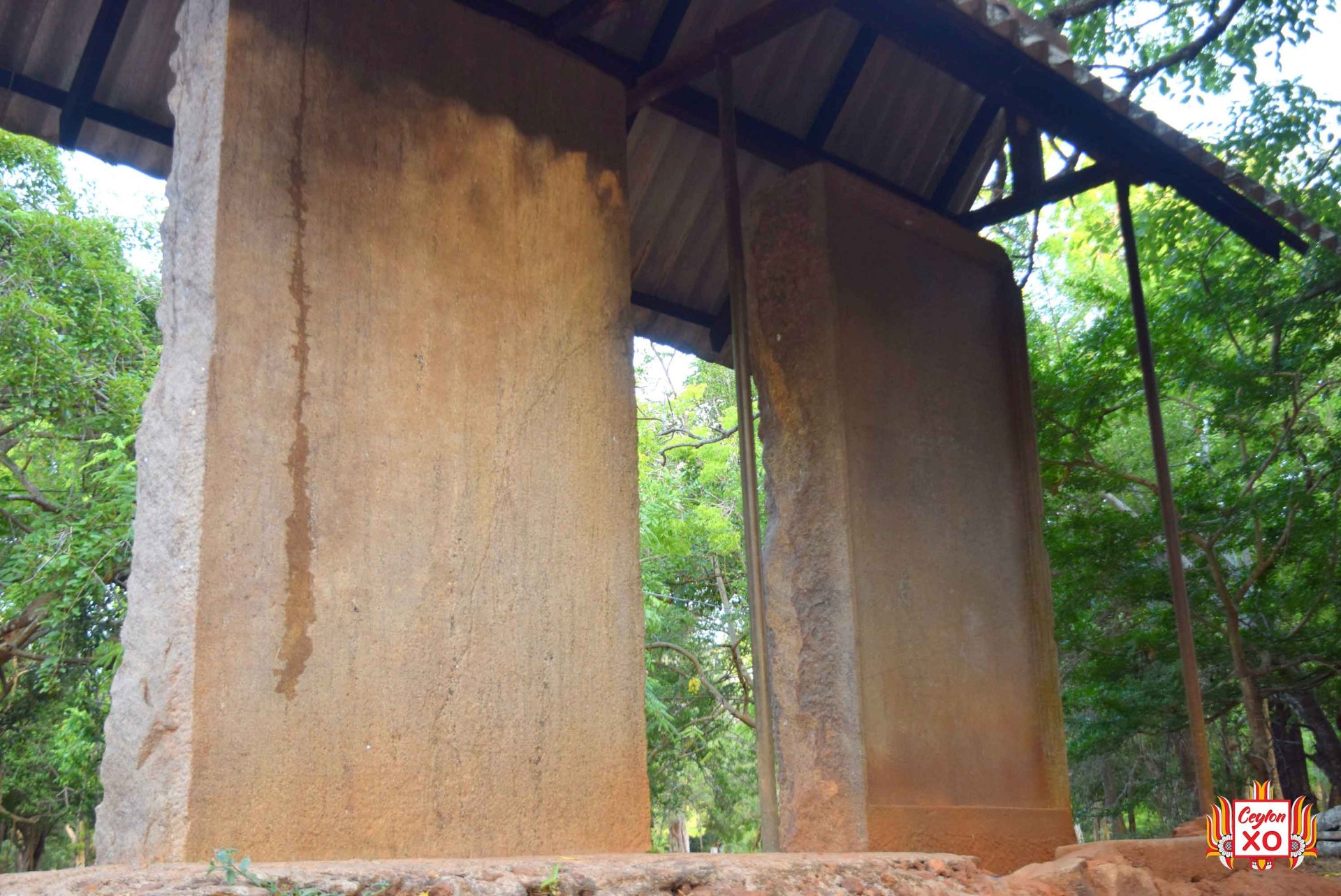
In front of this pavilion are two inscriptions erected by King Mahinda IV and King Kassapa V. These inscriptions contain valuable information about the offerings and donations made to the Abhayagiri Monastery during their respective periods, as well as the rules and regulations that were established within the monastery boundaries.