According to historical records, the temple was established during the reign of King Parakramabahu II of the Dambadeniya Kingdom (1236–1270 AD). The name "Galapatha" is derived from the large stone slabs (gala patha) used in the construction of the temple and its surrounding structures. Owing to its religious and historical importance, the temple was later granted the title of "Rajamaha Viharaya."
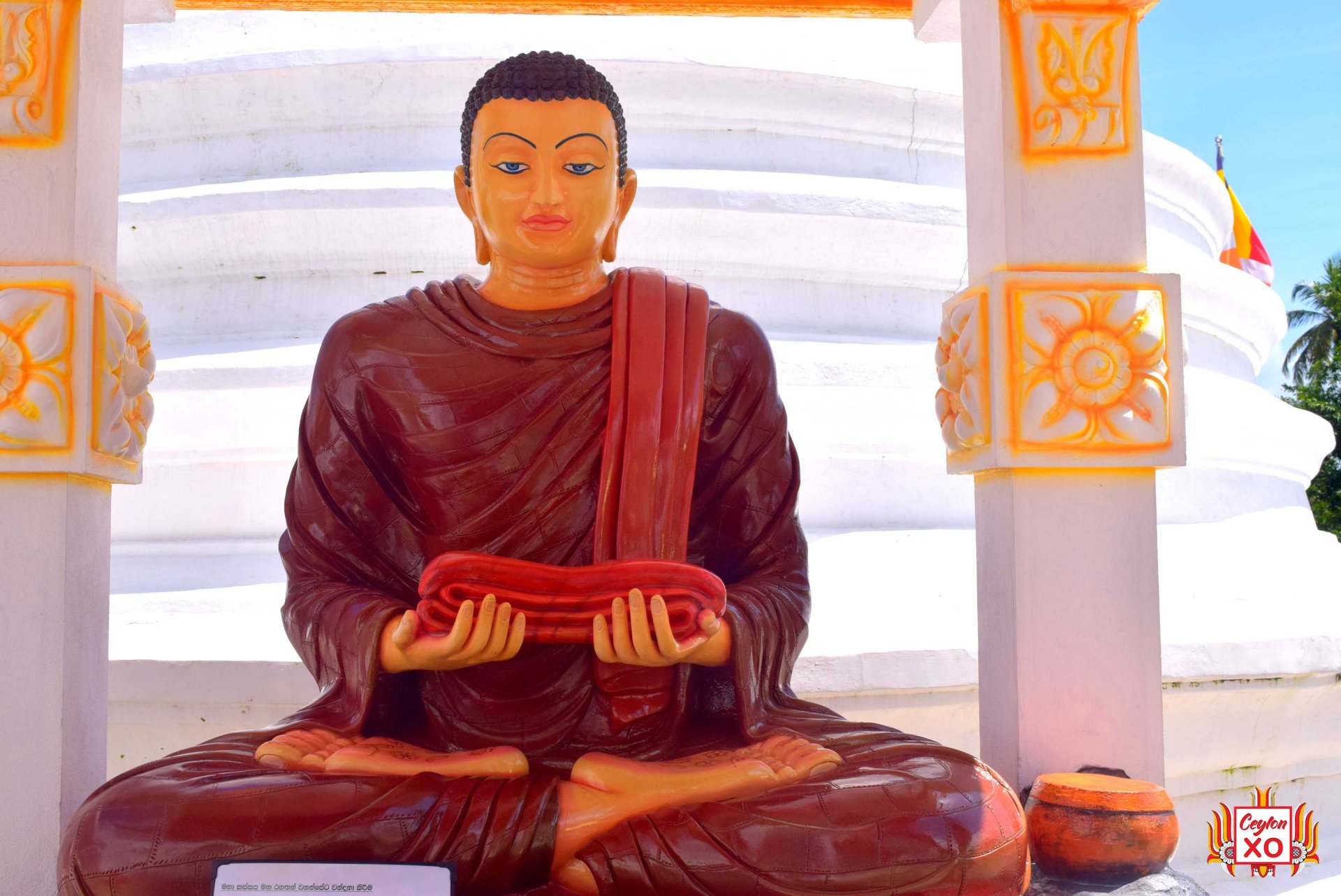
One of the temple's most sacred treasures is the relic chamber, which is traditionally believed to enshrine the sacred bodily relics (Saririka Dhatu) of Arahant Mahākassapa Thero (Maha Kashyapa), one of the Buddha's foremost disciples. Mahākassapa Thero was renowned for his strict ascetic practices, profound wisdom, and unwavering dedication to preserving the Buddha's teachings. The Buddha declared him the foremost among the monks who practised austere ascetic disciplines (Dhutangadhara). Following the Buddha's Parinibbana, Mahākassapa Thero convened and presided over the First Buddhist Council (Sangayana) at Rajagaha, where the Buddha's teachings were recited and preserved for future generations. The enshrinement of his sacred relics has made Bentota Galapatha Rajamaha Viharaya one of the most revered Buddhist pilgrimage sites in southern Sri Lanka, attracting thousands of devotees who visit to pay homage and seek spiritual blessings.
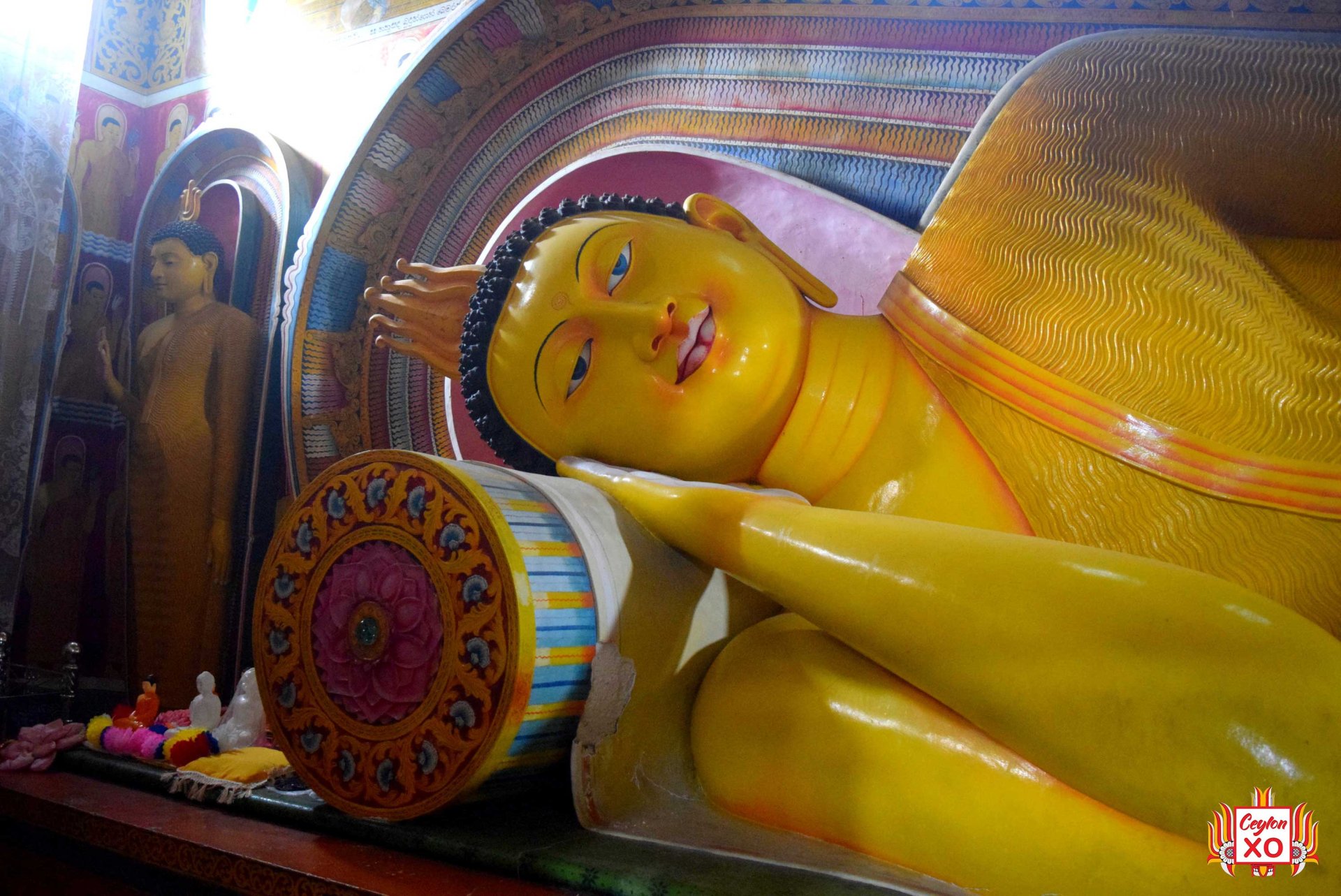
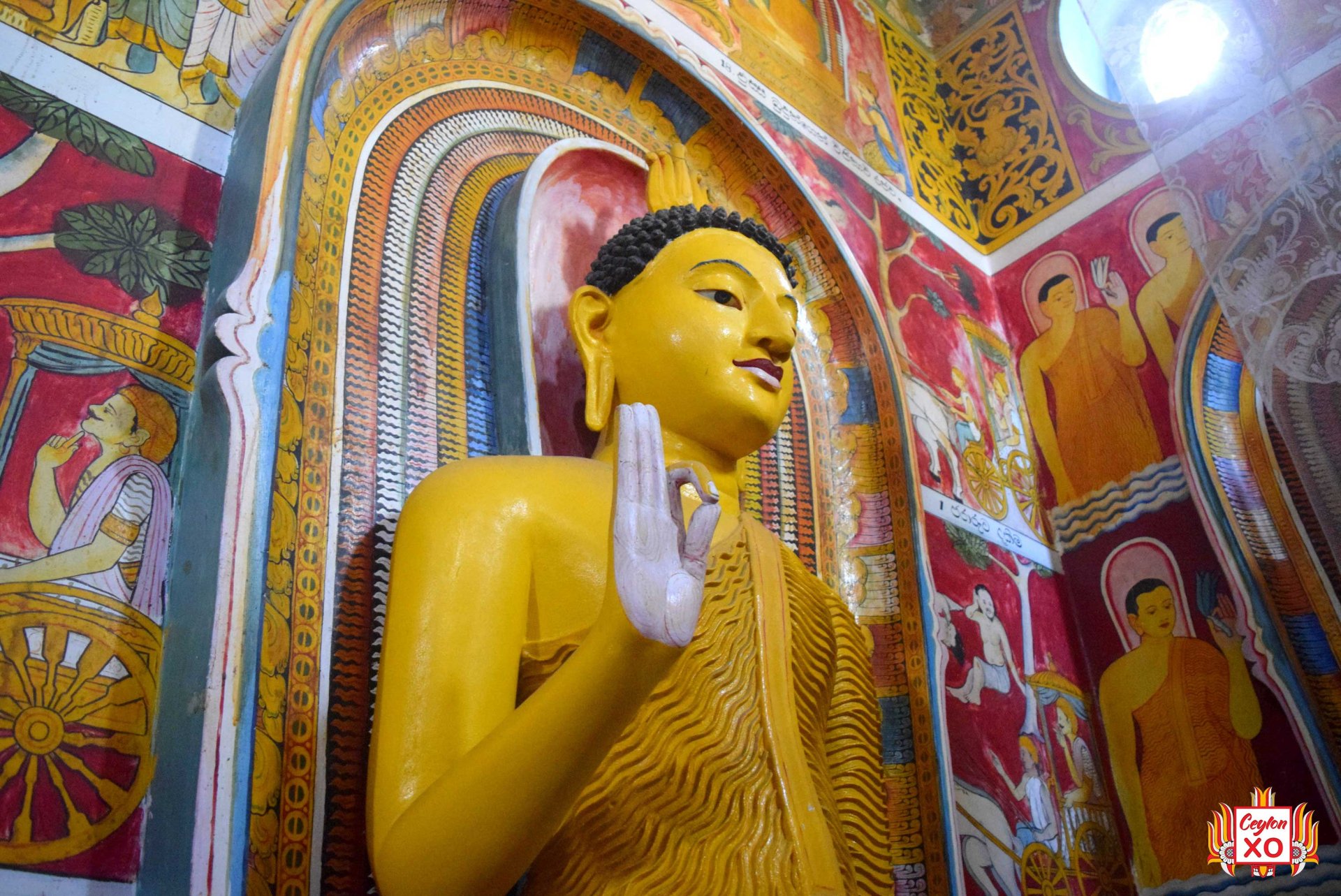
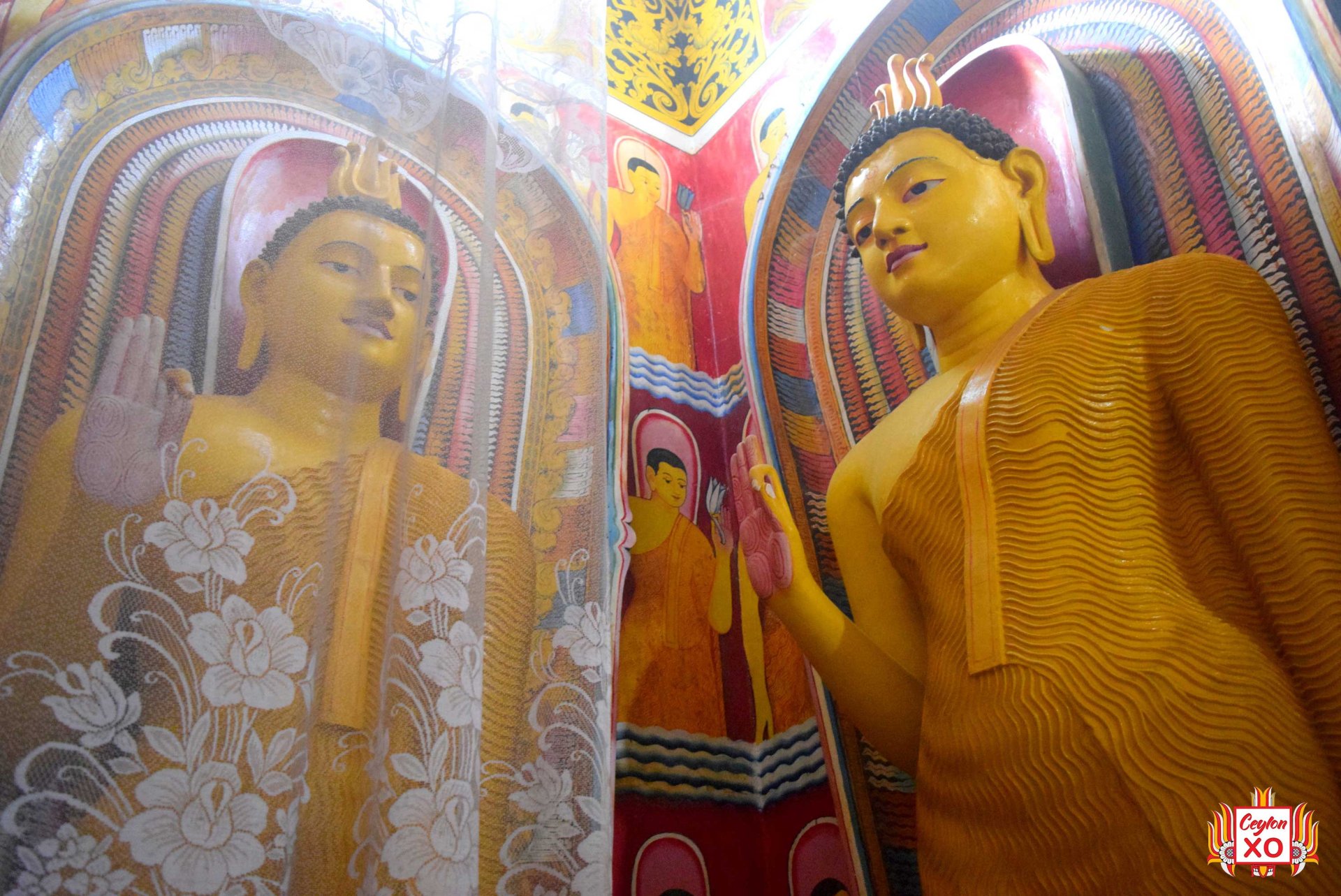
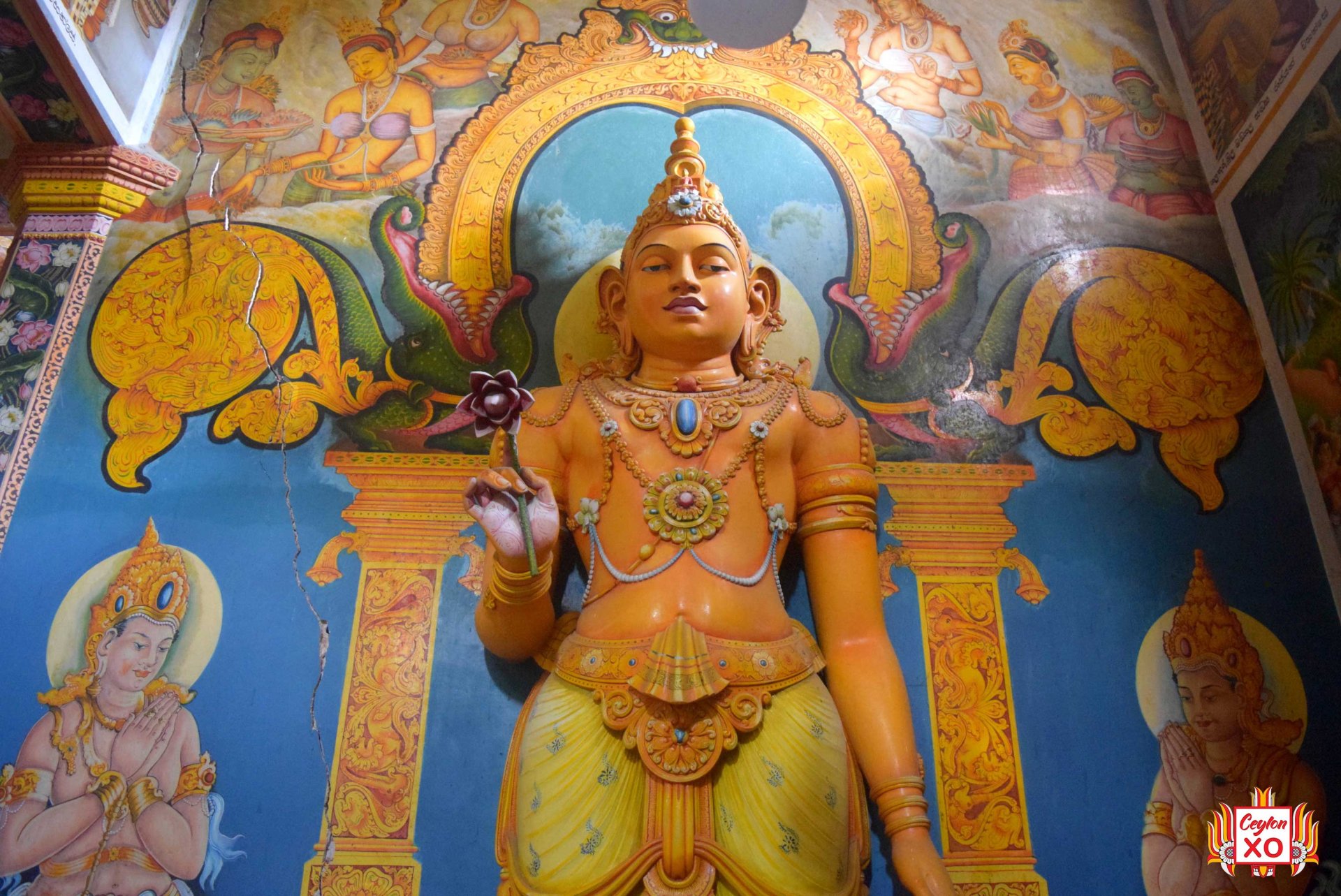
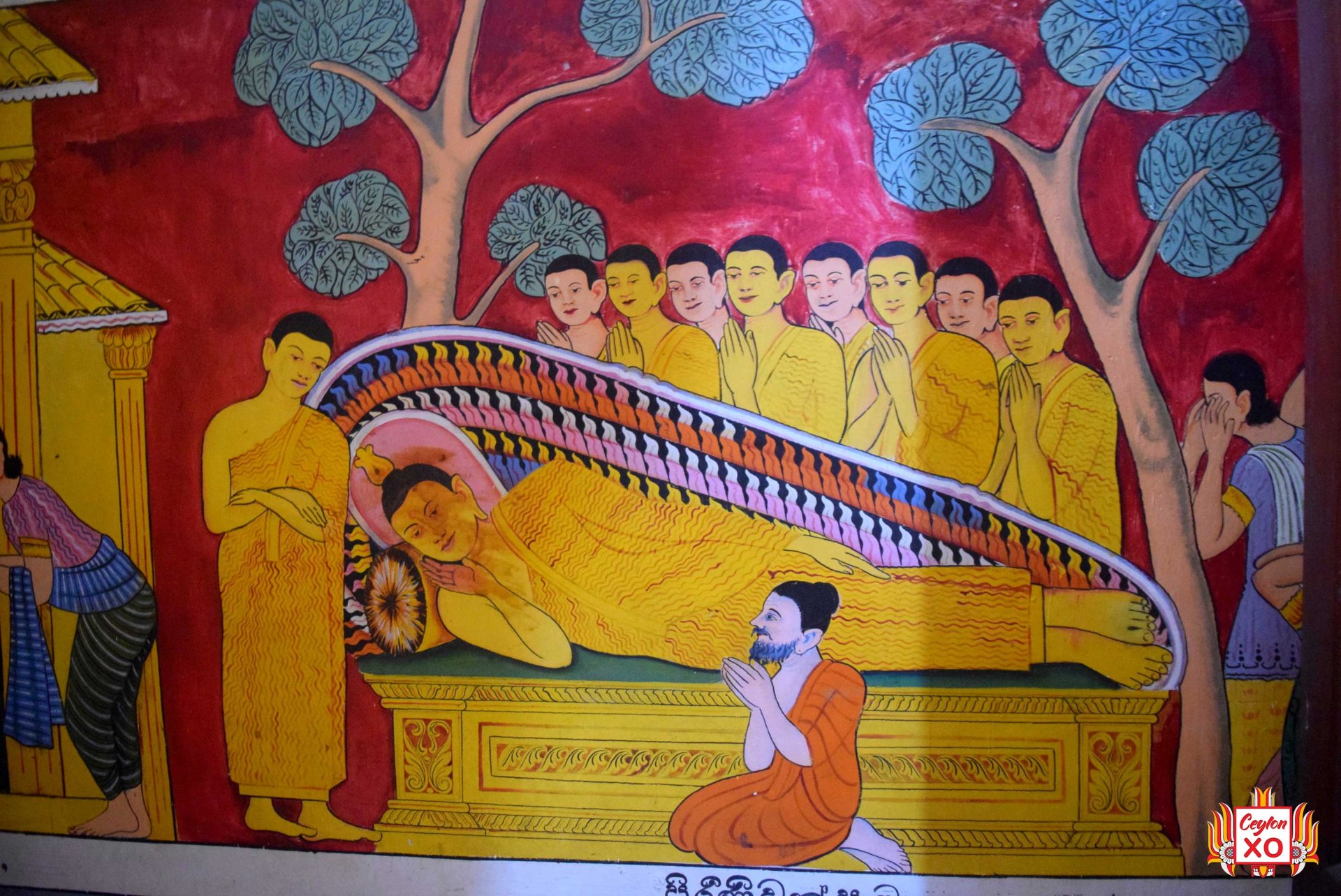
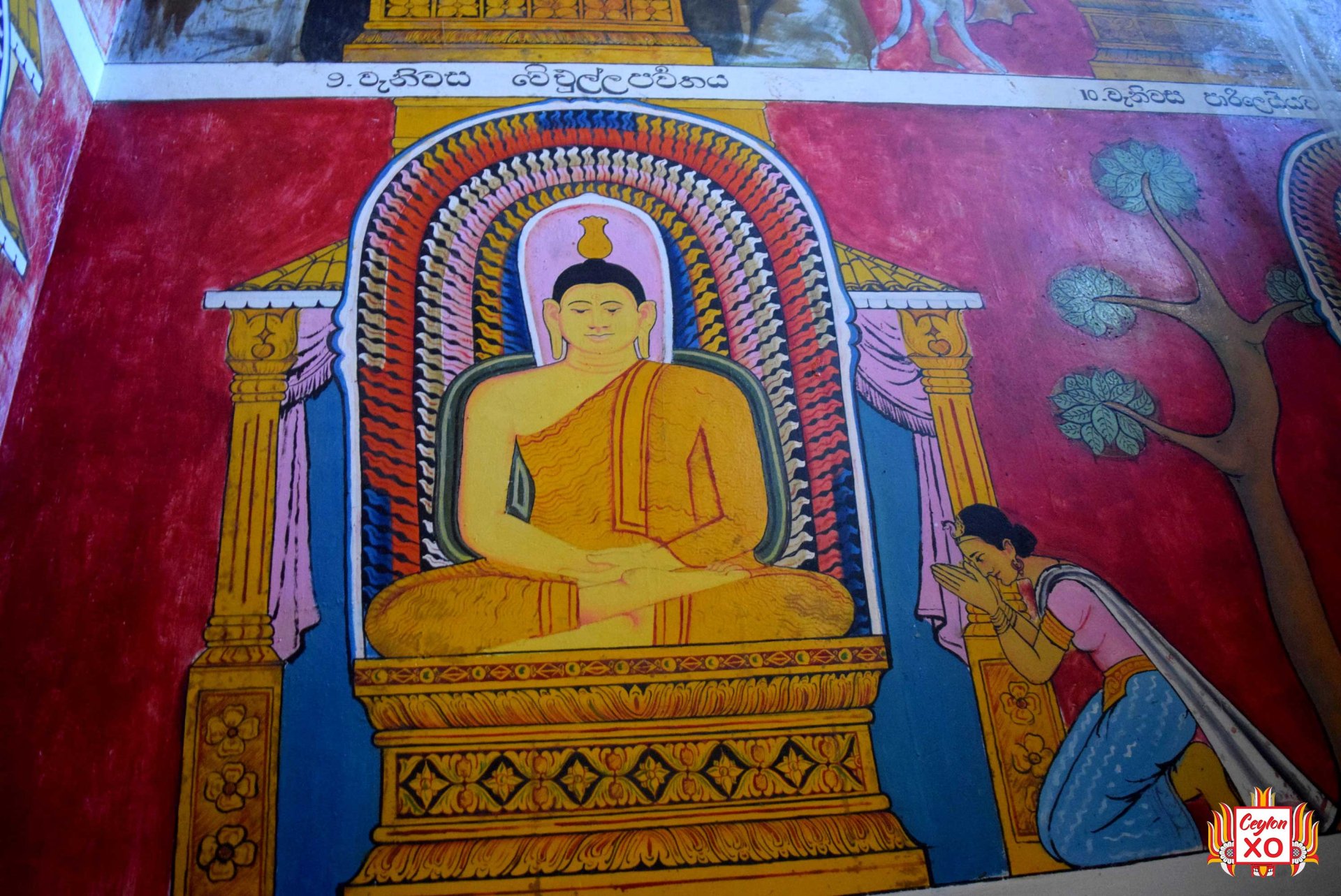
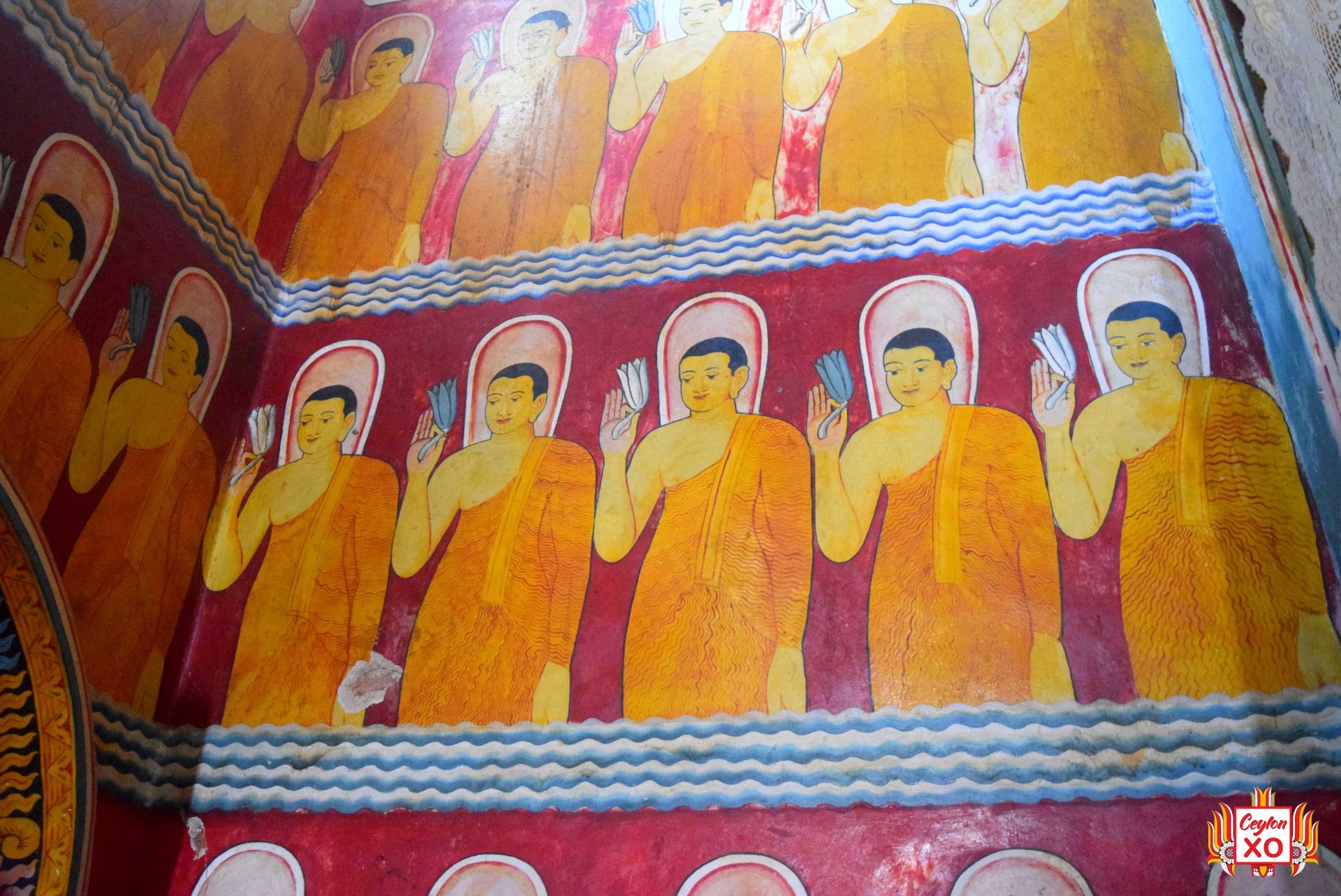
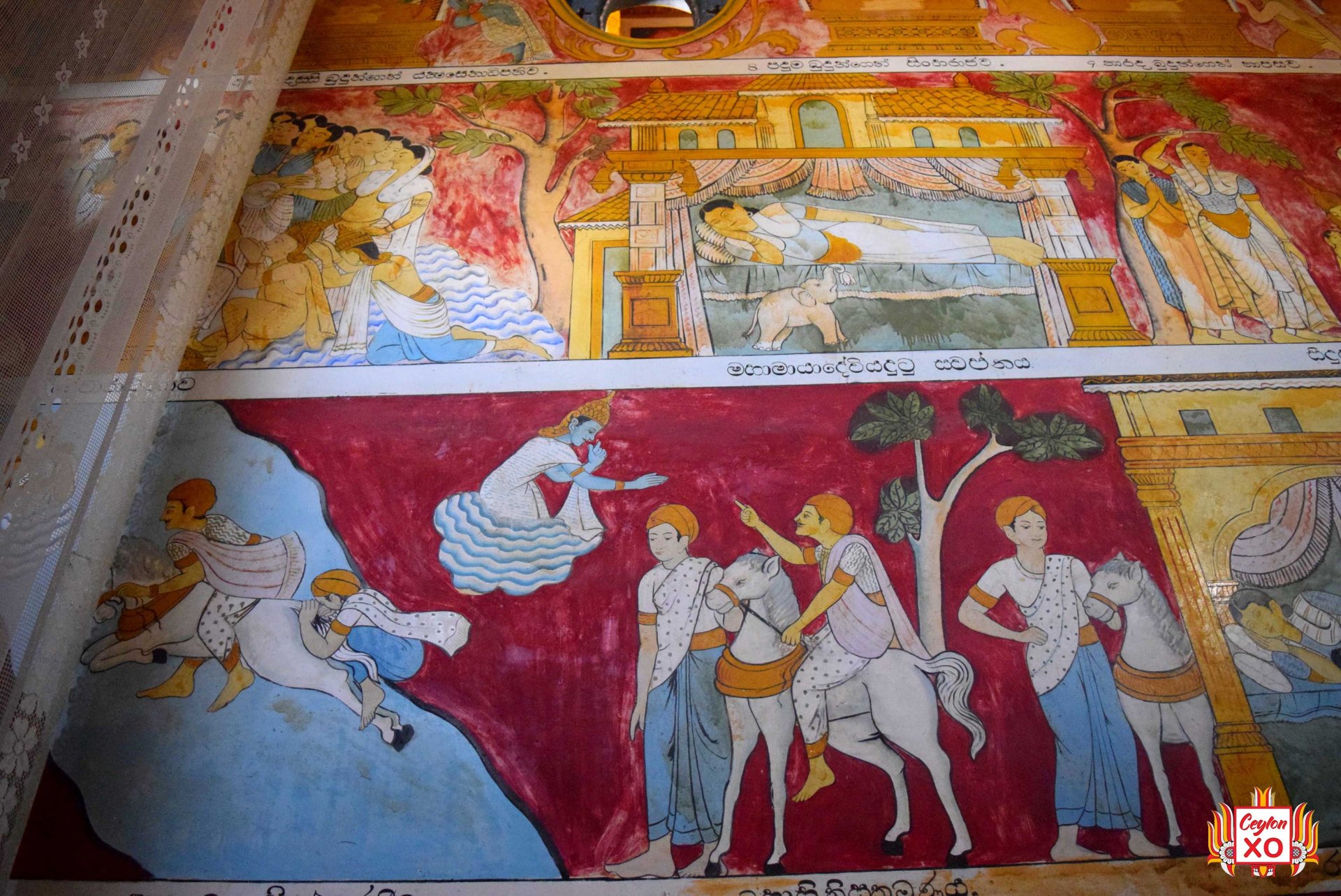
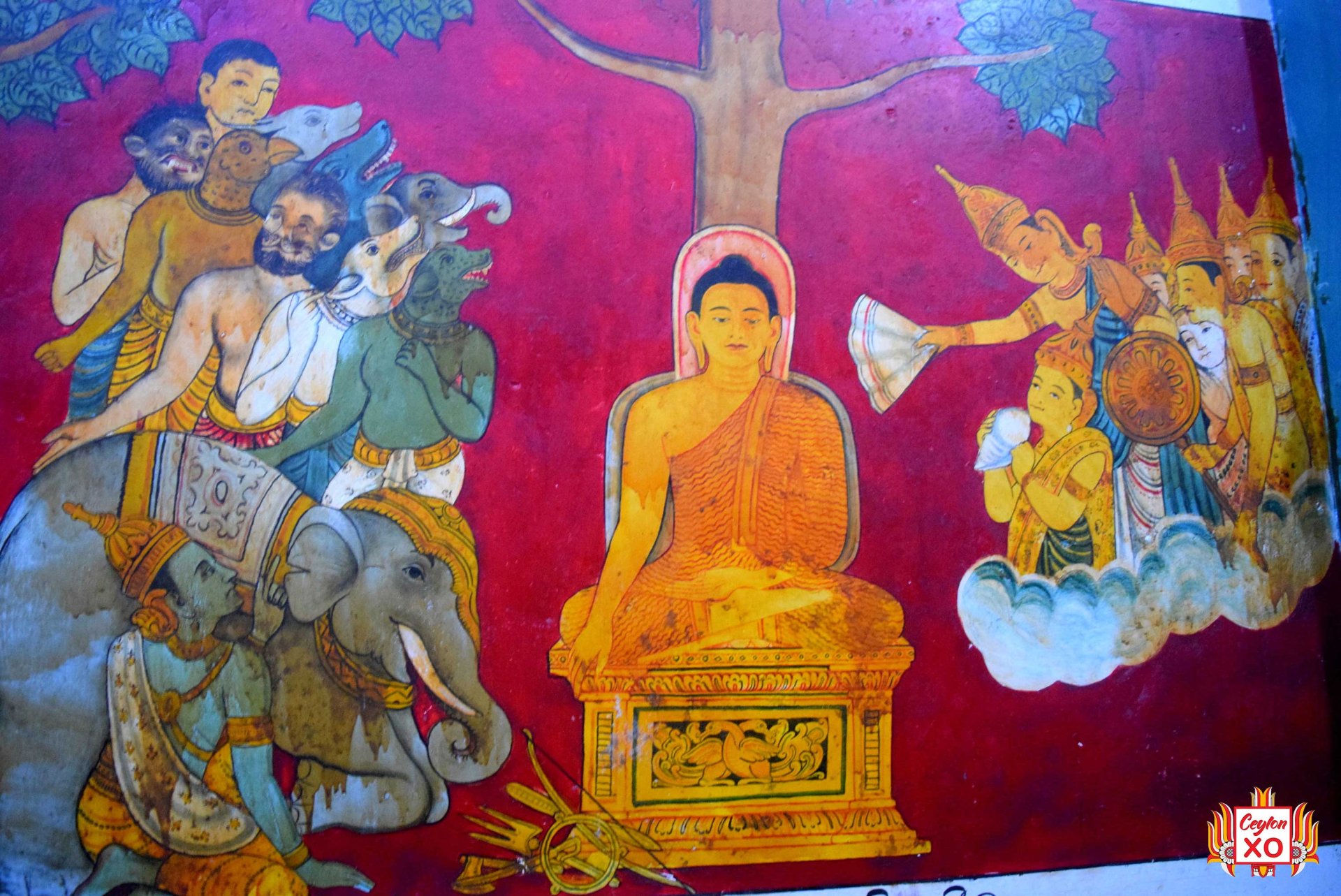
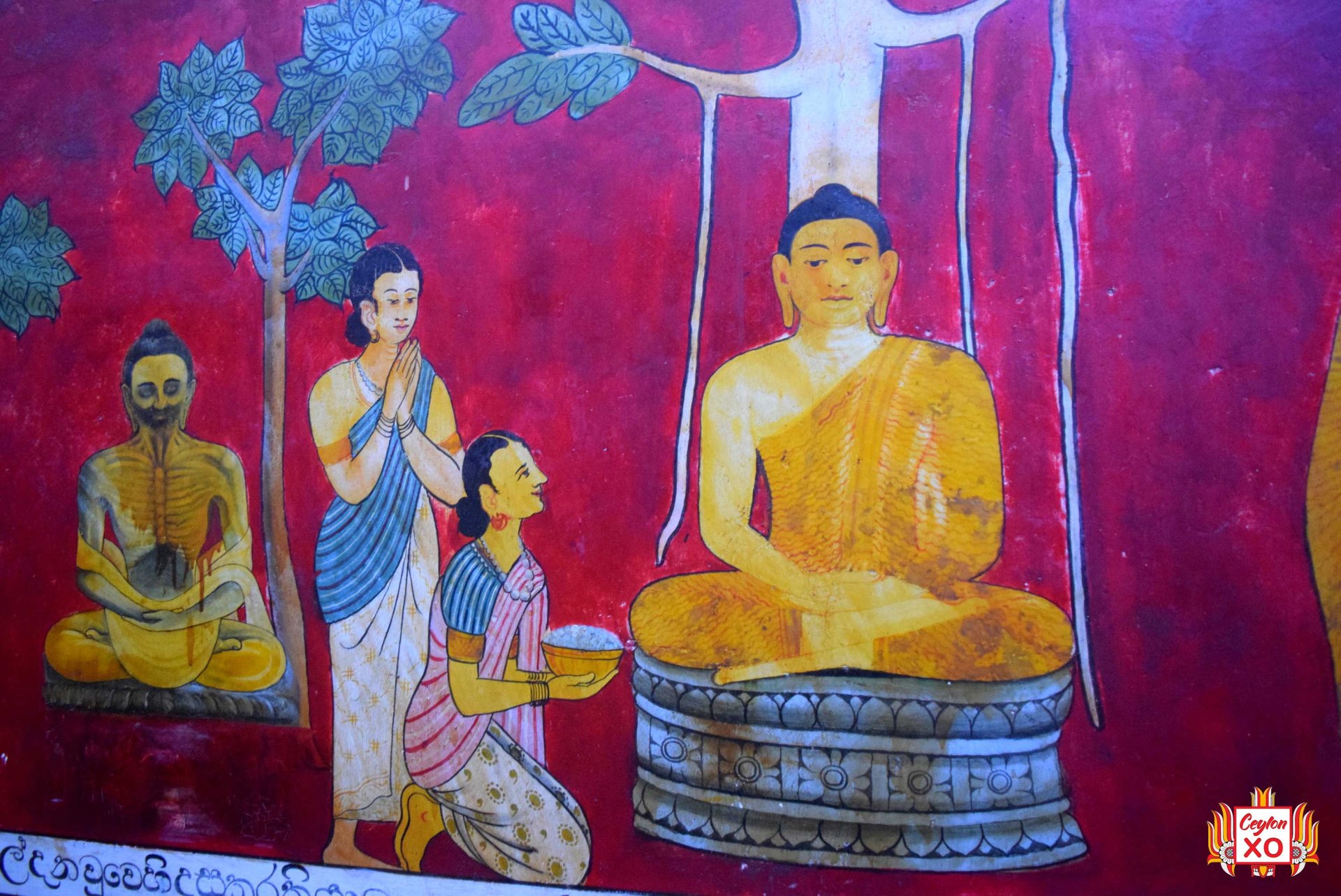
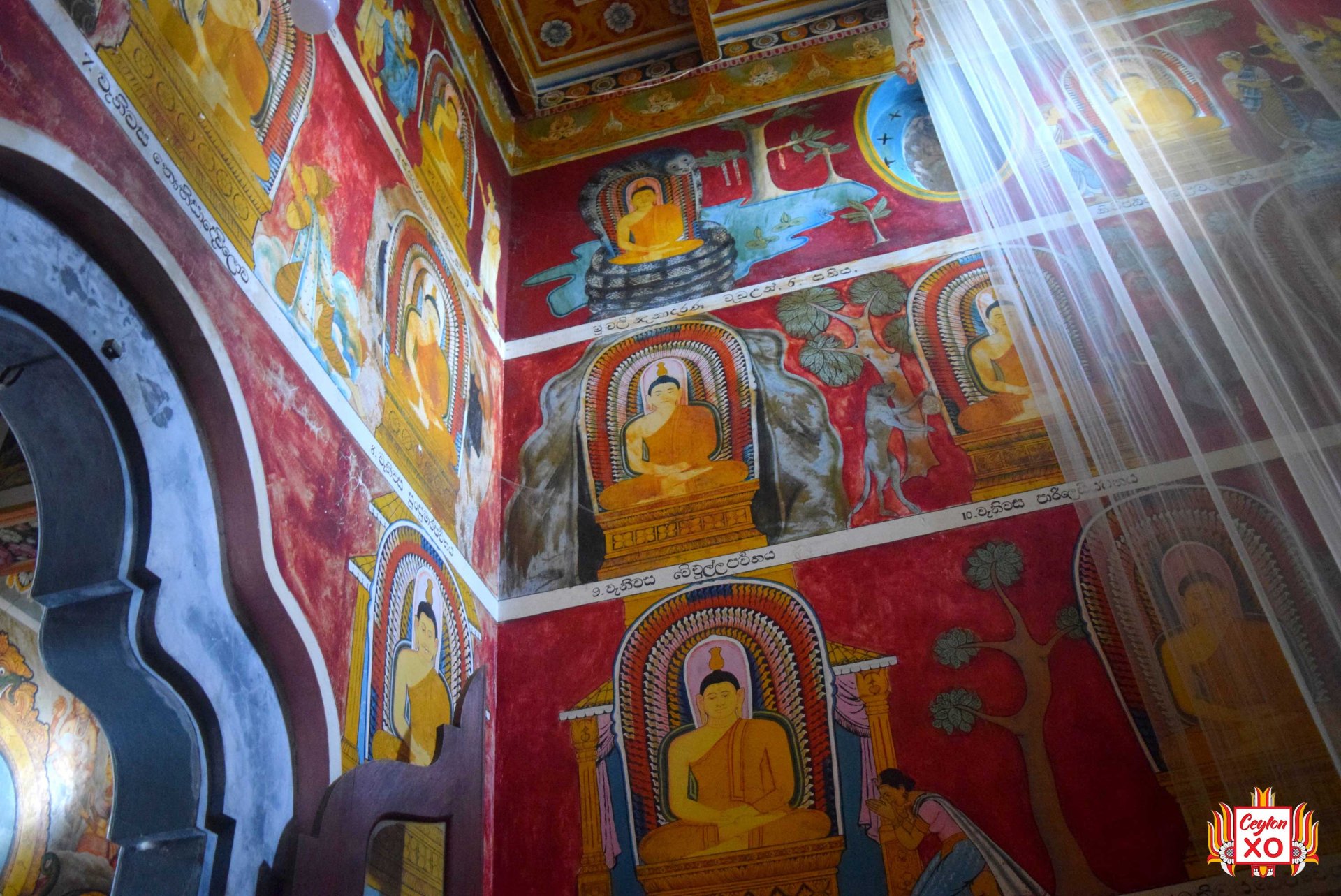
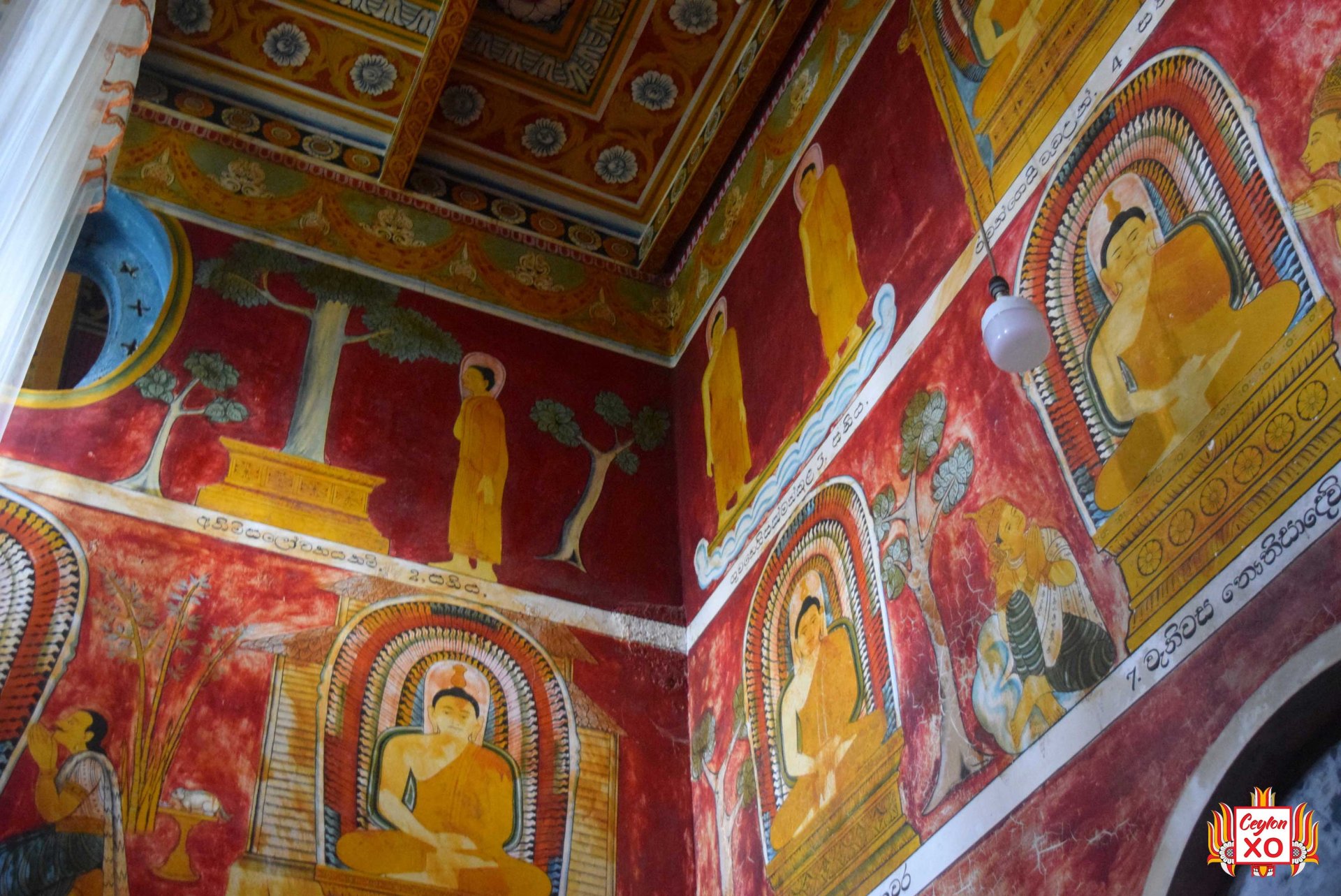
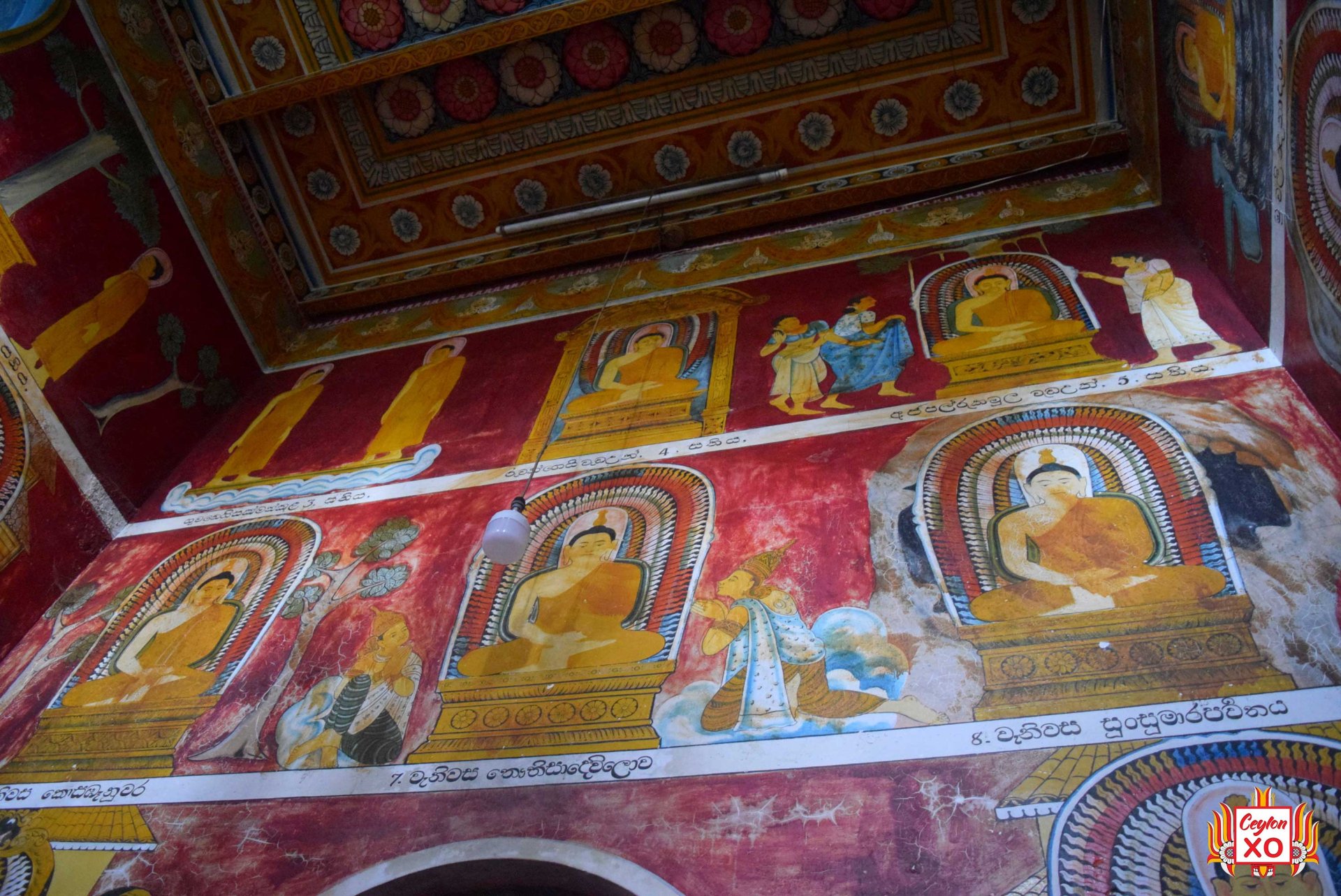
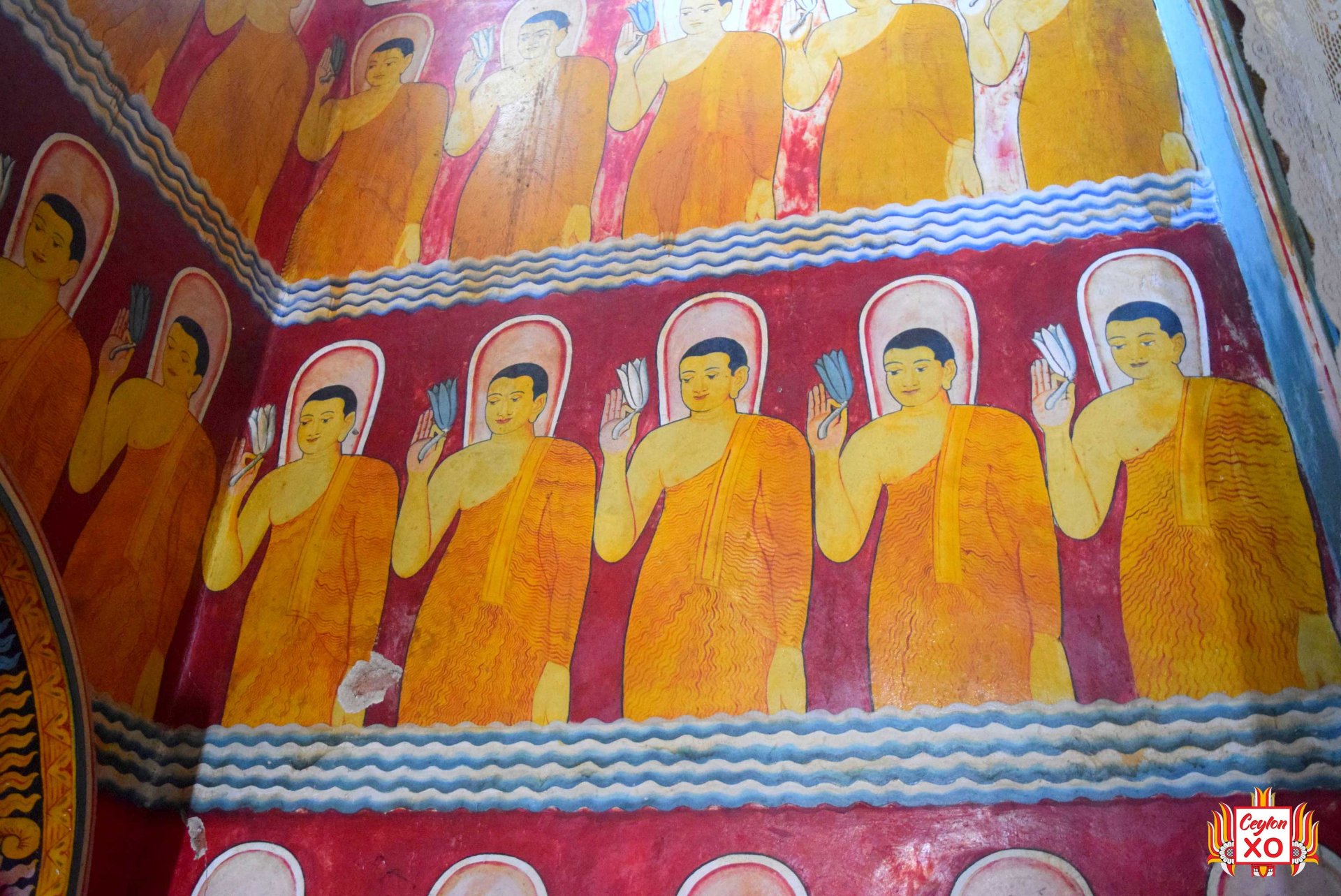
The temple is also famous for its ancient shrine room, which preserves valuable examples of traditional Sri Lankan Buddhist architecture. The shrine room contains beautiful Buddha statues and colourful murals depicting scenes from the life of the Buddha, Jataka stories, and important events in Buddhist history. Although many of the paintings have been restored over the centuries, they continue to reflect the artistic traditions of the Dambadeniya and Kandyan periods.
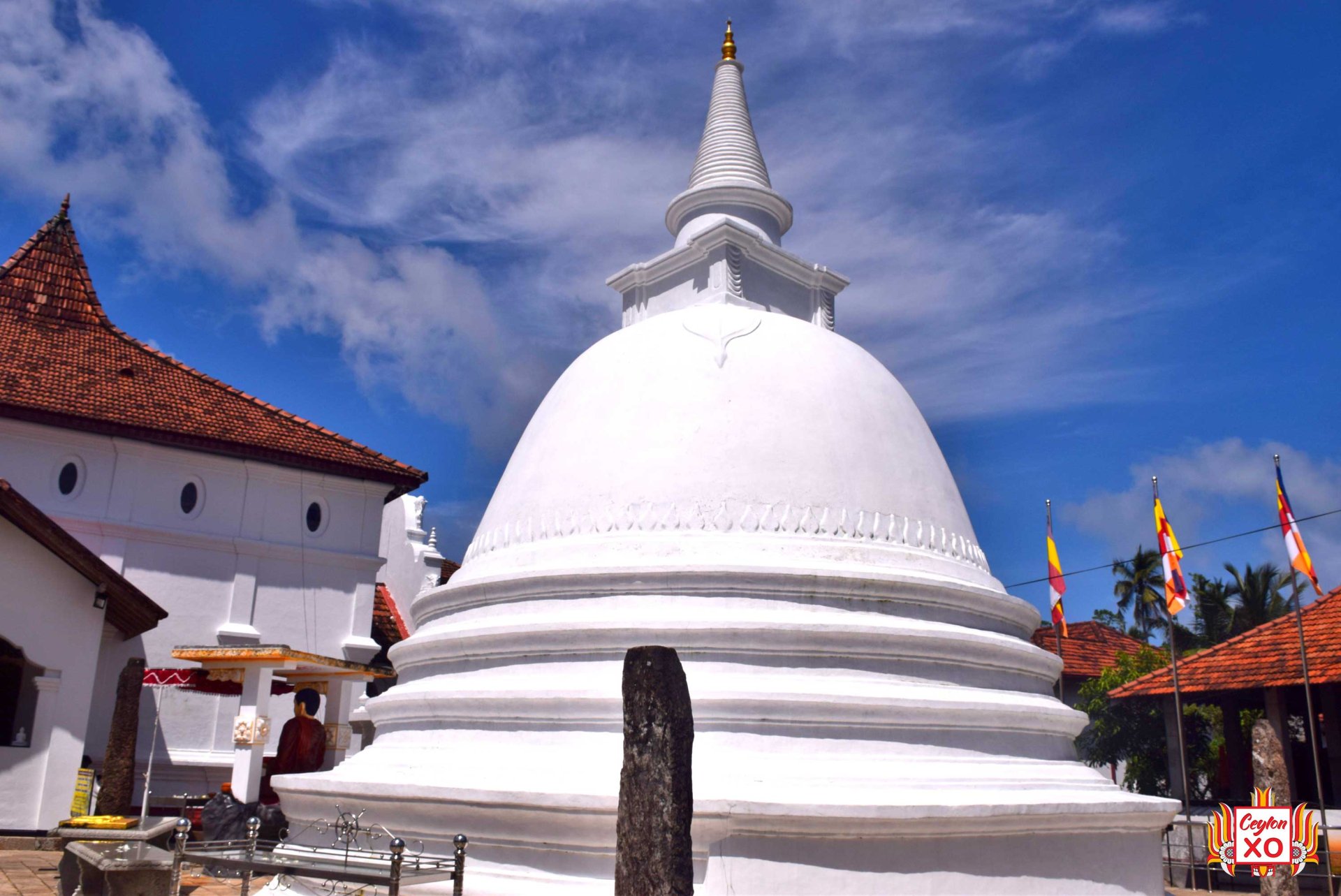
Another notable feature of the temple is its impressive stupa, sacred Bodhi tree, moonstone, guard stones, stone inscriptions, and numerous ancient stone carvings. Several archaeological remains found within the temple complex demonstrate the high level of craftsmanship achieved by ancient Sri Lankan builders. The stone pillars, carved doorways, decorative sculptures, and granite structures provide valuable insight into the architectural style of the medieval period. Many of these monuments are protected by the Department of Archaeology because of their historical and cultural significance.