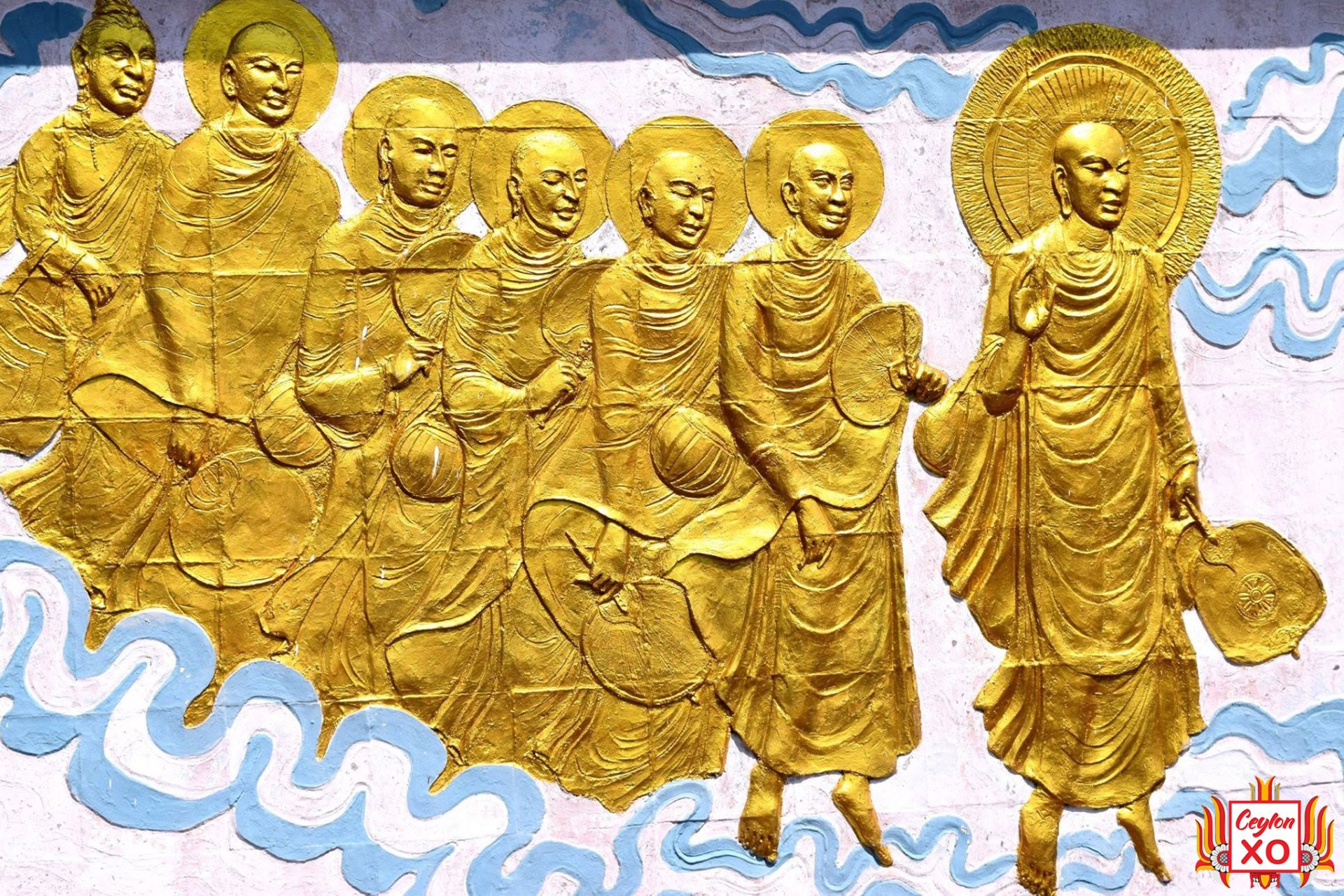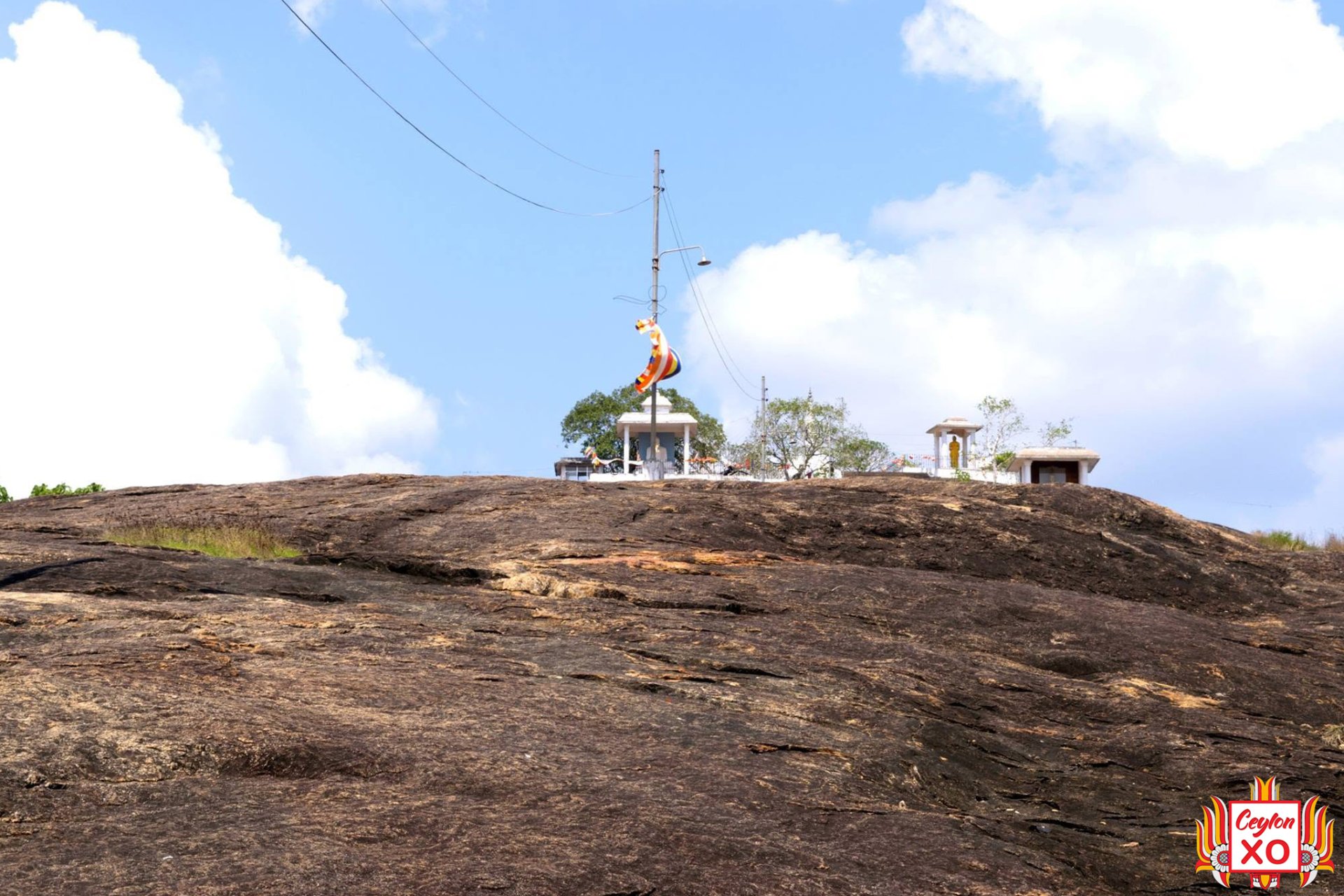
The history of Isinbassagala Rajamaha Viharaya dates back more than 2,200 years to the reign of King Devanampiya Tissa (307–267 BC), shortly after the introduction of Buddhism to Sri Lanka by Arahant Mahinda Thera. According to historical traditions, Arahant Mahinda and the group of arahants who accompanied him are believed to have rested on this rock before proceeding to Mihintale to meet King Devanampiya Tissa. The name "Isinbassagala" is derived from the Sinhala words meaning "the rock where the sages descended," referring to these enlightened monks. The king later established a monastery and a stupa on the rock to commemorate this sacred event.
The temple complex contains a number of ancient archaeological remains that reflect the rich Buddhist heritage of the Anuradhapura Kingdom. Although the original stupa was damaged over the centuries, it has been carefully restored while preserving its historical significance. The temple also contains ancient ruins, meditation caves, stone steps, and inscriptions that reveal the long history of Buddhist monastic life at the site. Archaeological excavations have uncovered several important relics, including the ancient Naga Gala (Cobra Stone) and the sacred Sri Pathul Gala, believed to bear the footprint of the Buddha. These discoveries demonstrate that the area was an important place of worship even before the introduction of Buddhism to Sri Lanka.
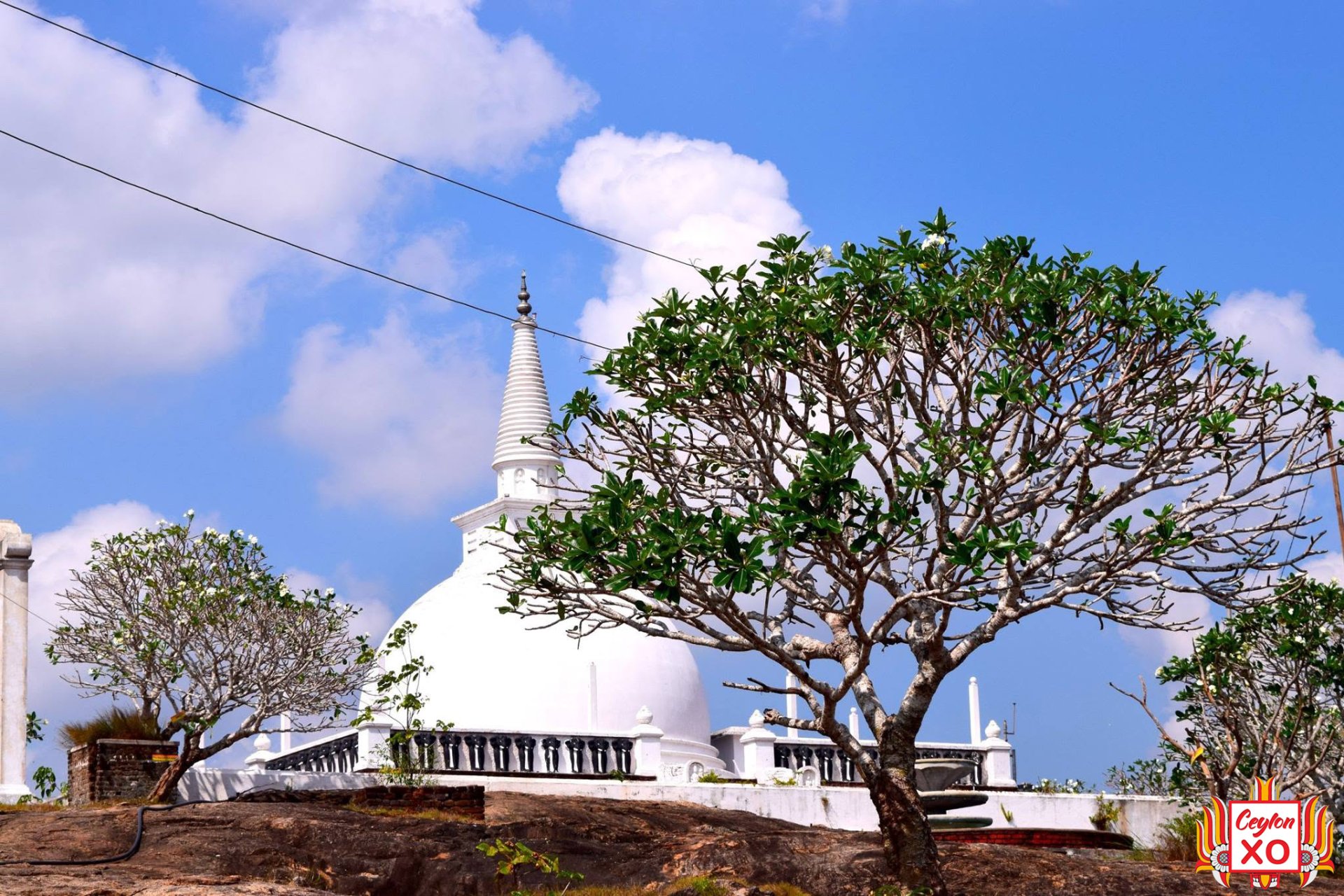
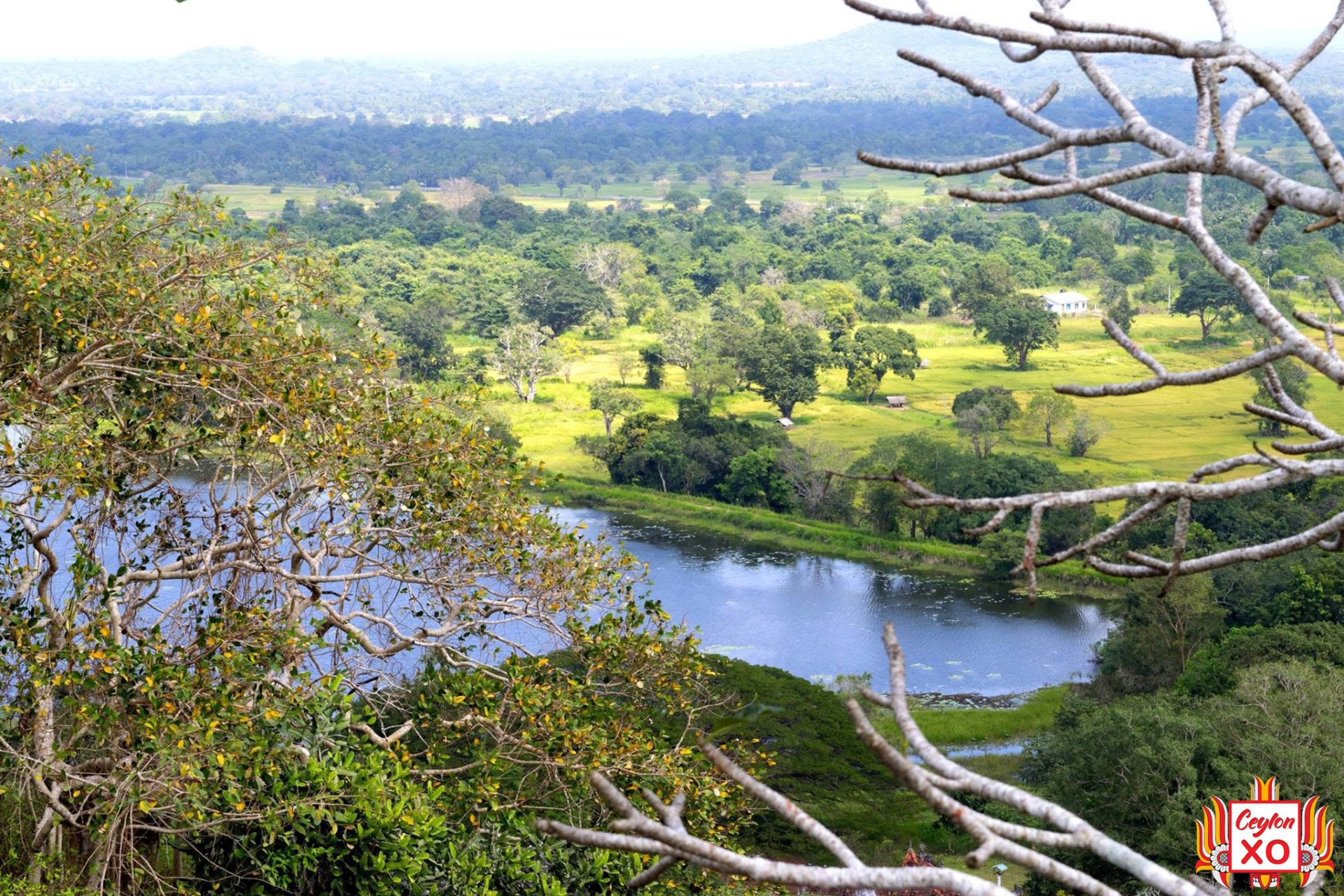
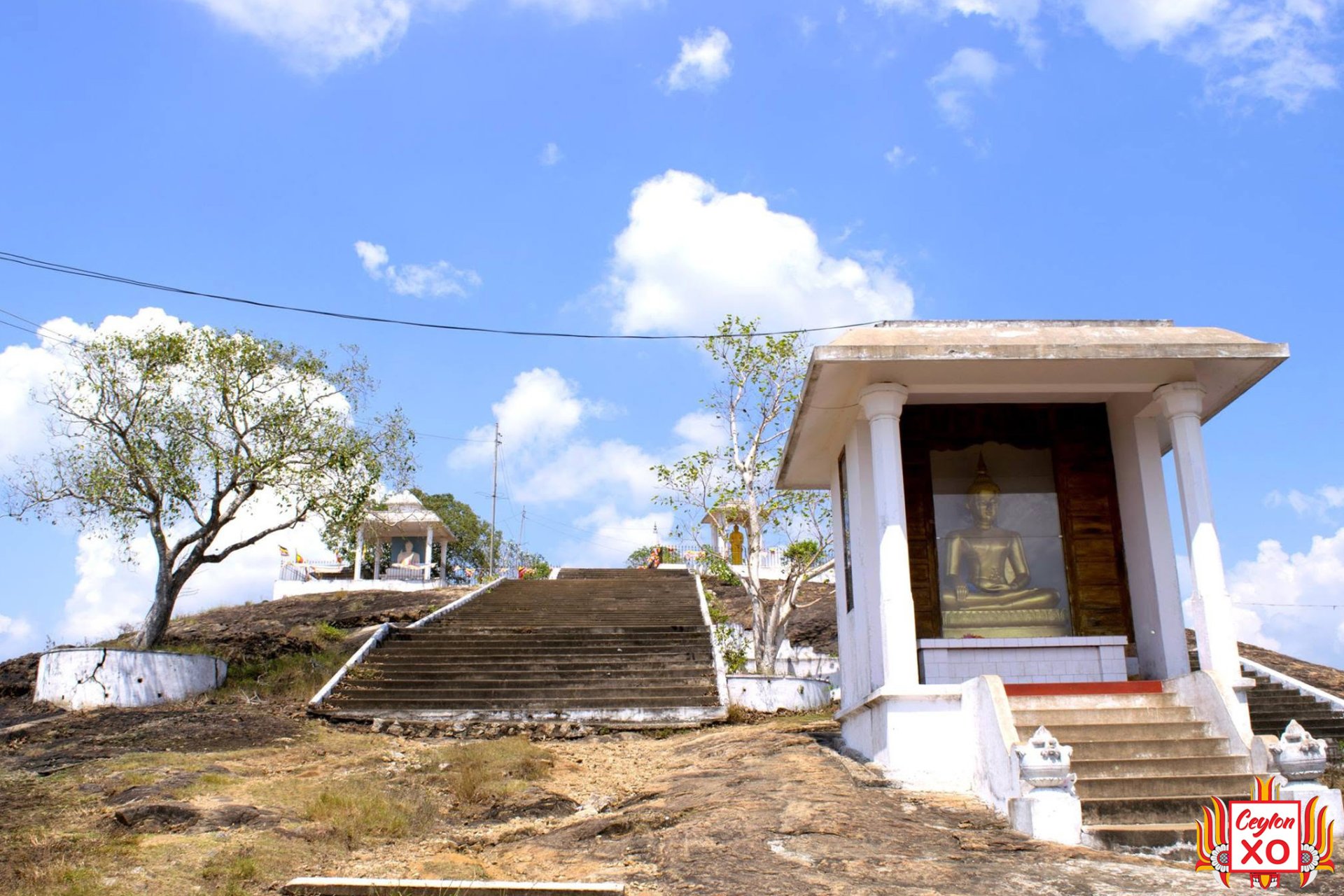
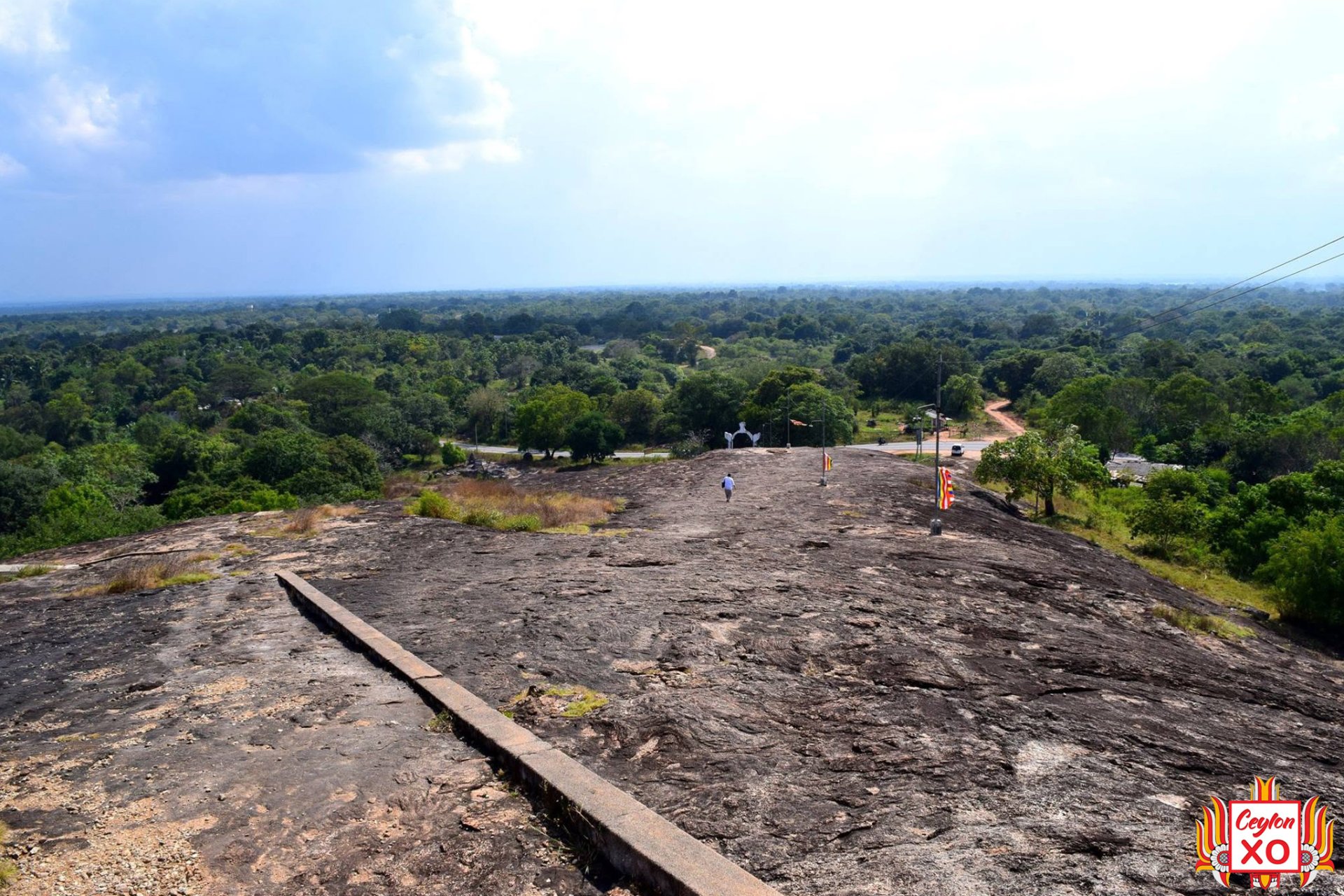
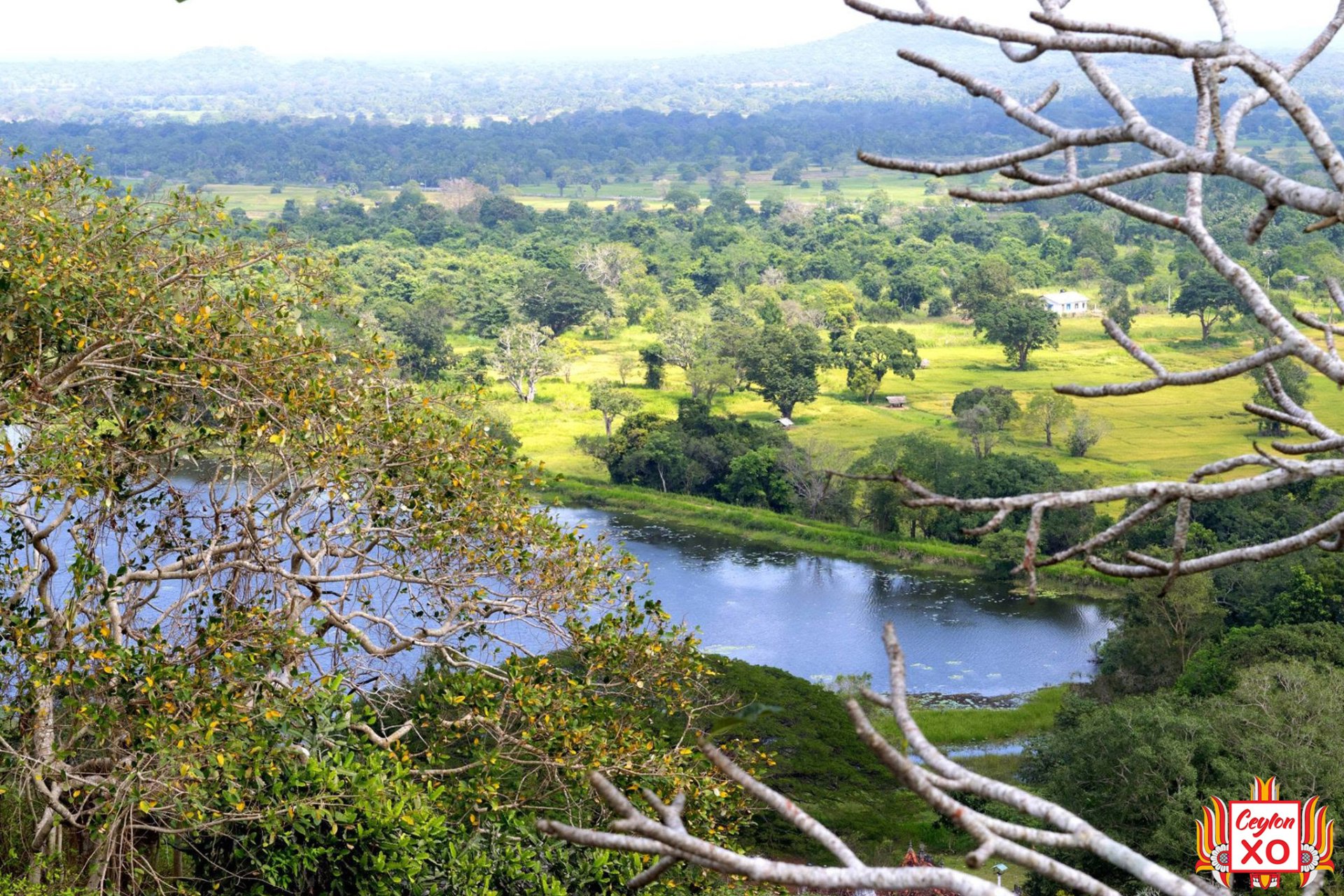
One of the most striking features of Isinbassagala Rajamaha Viharaya is its location on top of a large rock. Visitors climb a series of stone steps leading to the summit, where they are rewarded with breathtaking panoramic views of the surrounding countryside. From the top of the rock, one can see lush forests, reservoirs, villages, and distant mountain ranges stretching across the North Central Province. The peaceful atmosphere, cool breeze, and scenic landscape make the temple an ideal place for meditation and spiritual reflection.
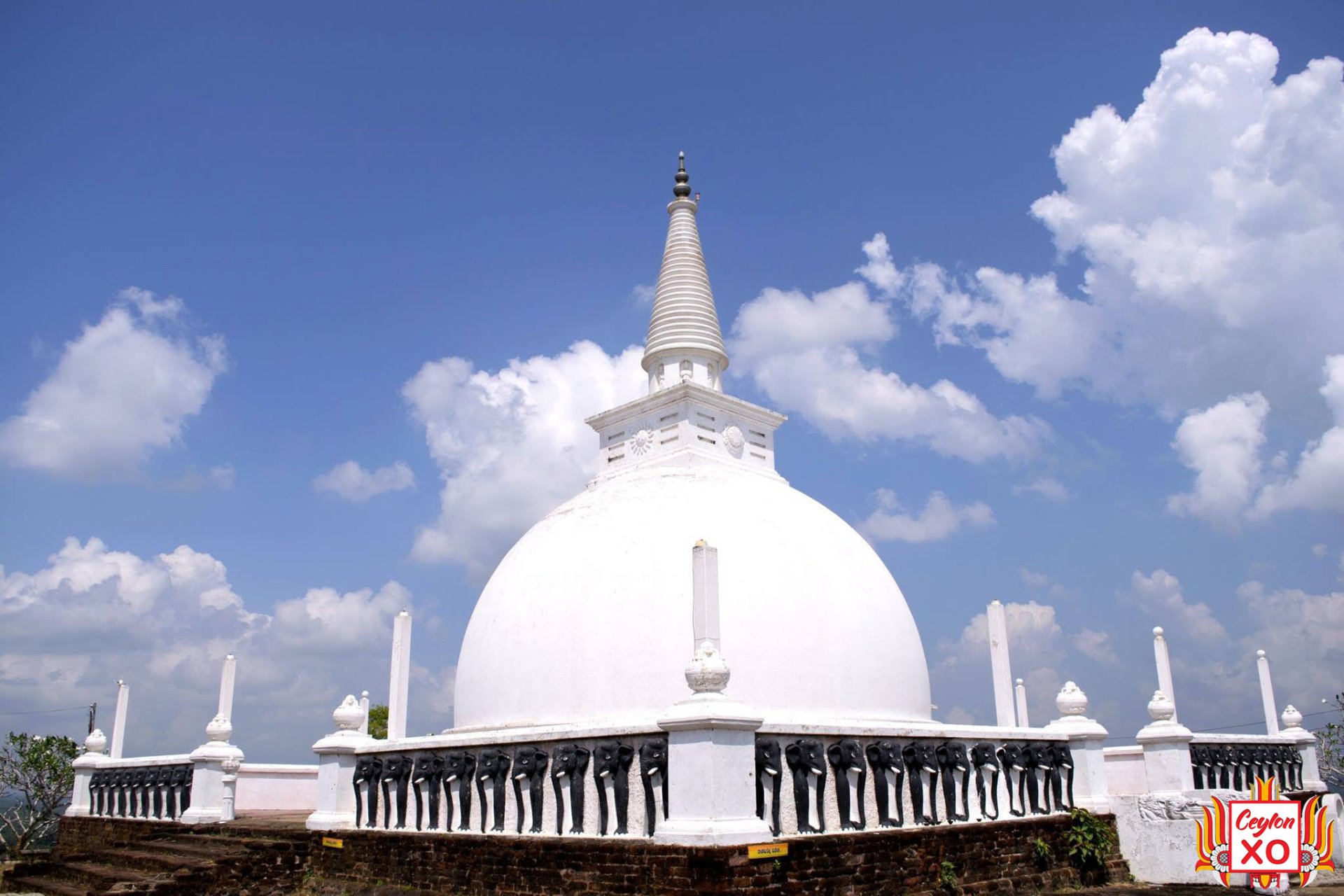
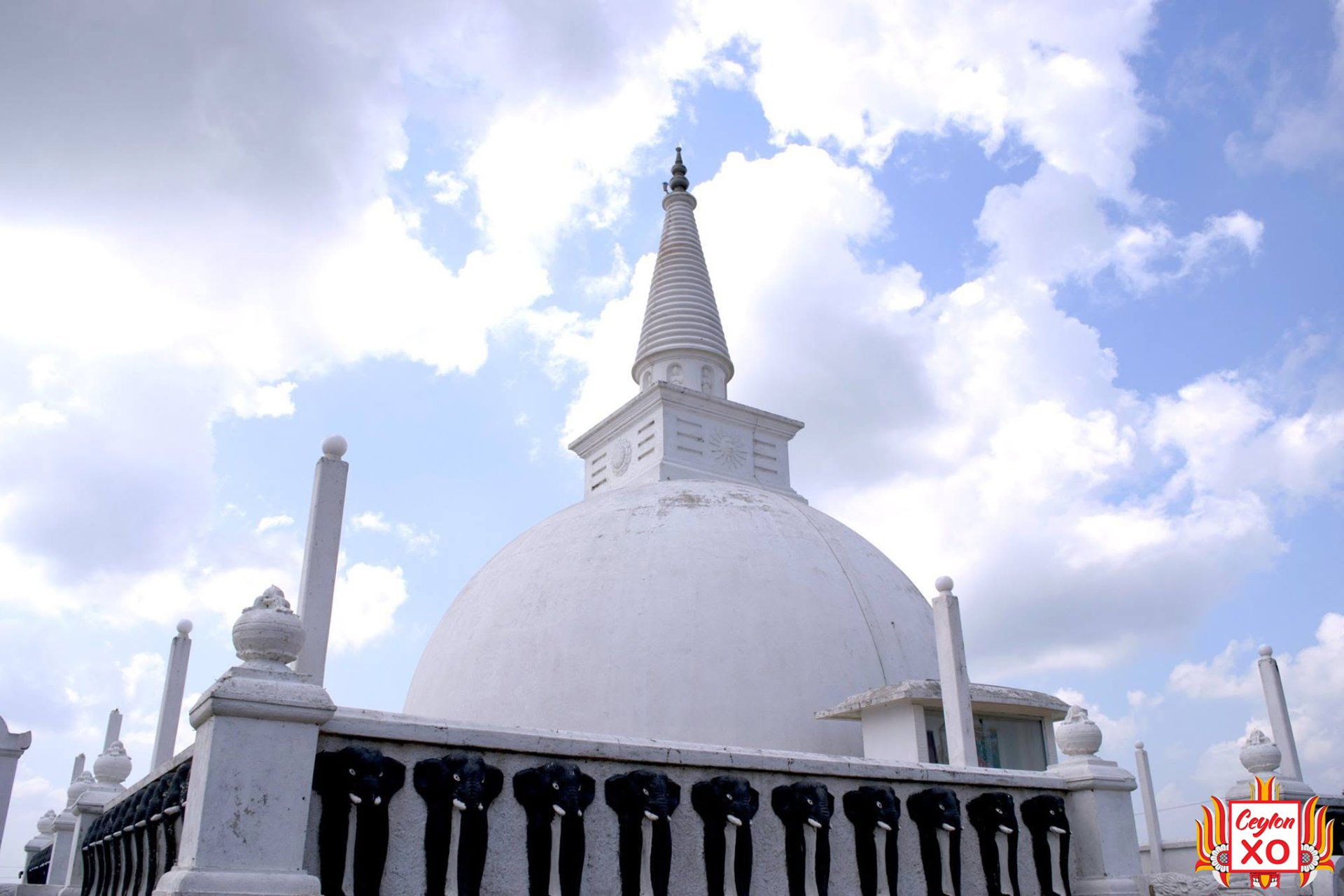
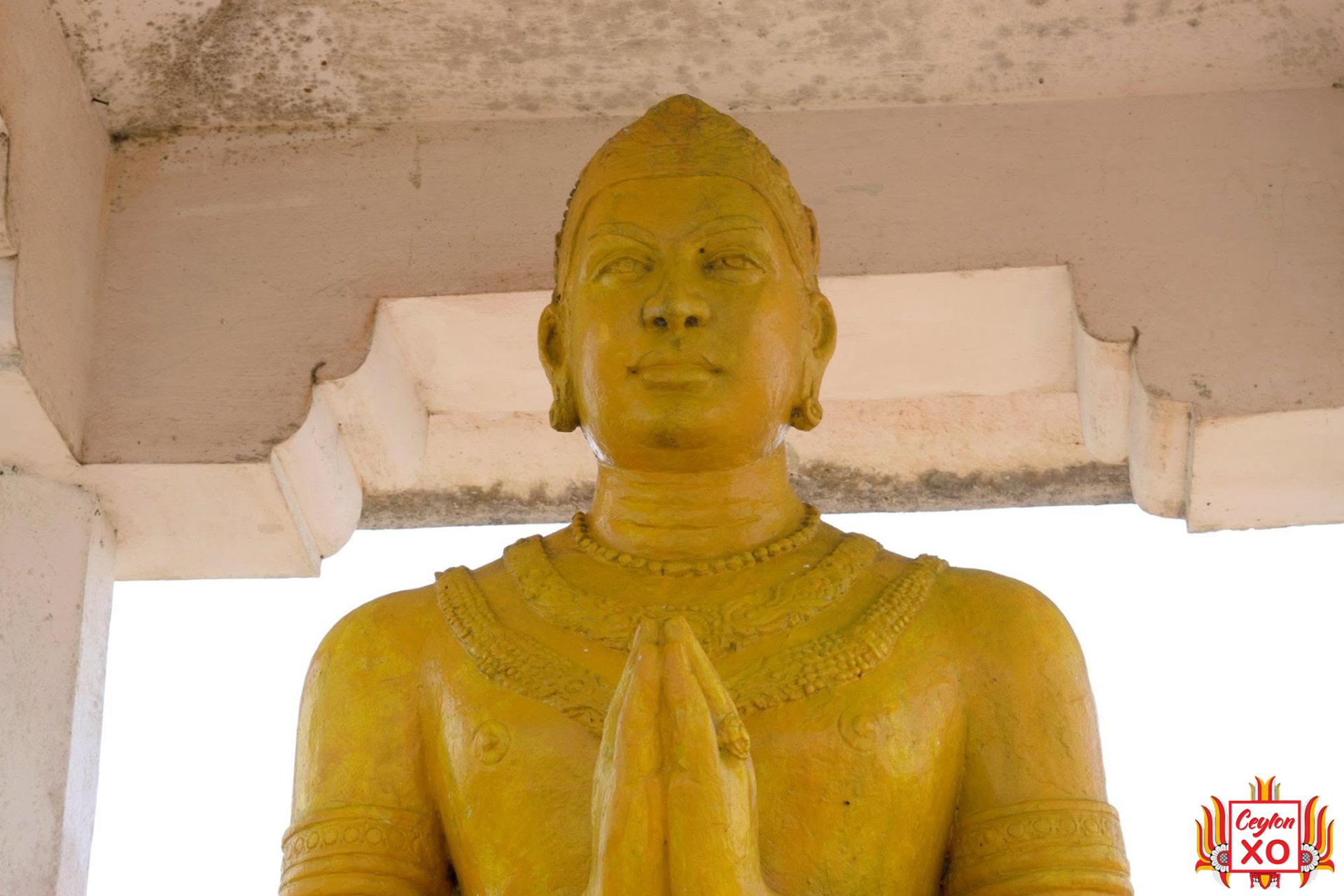
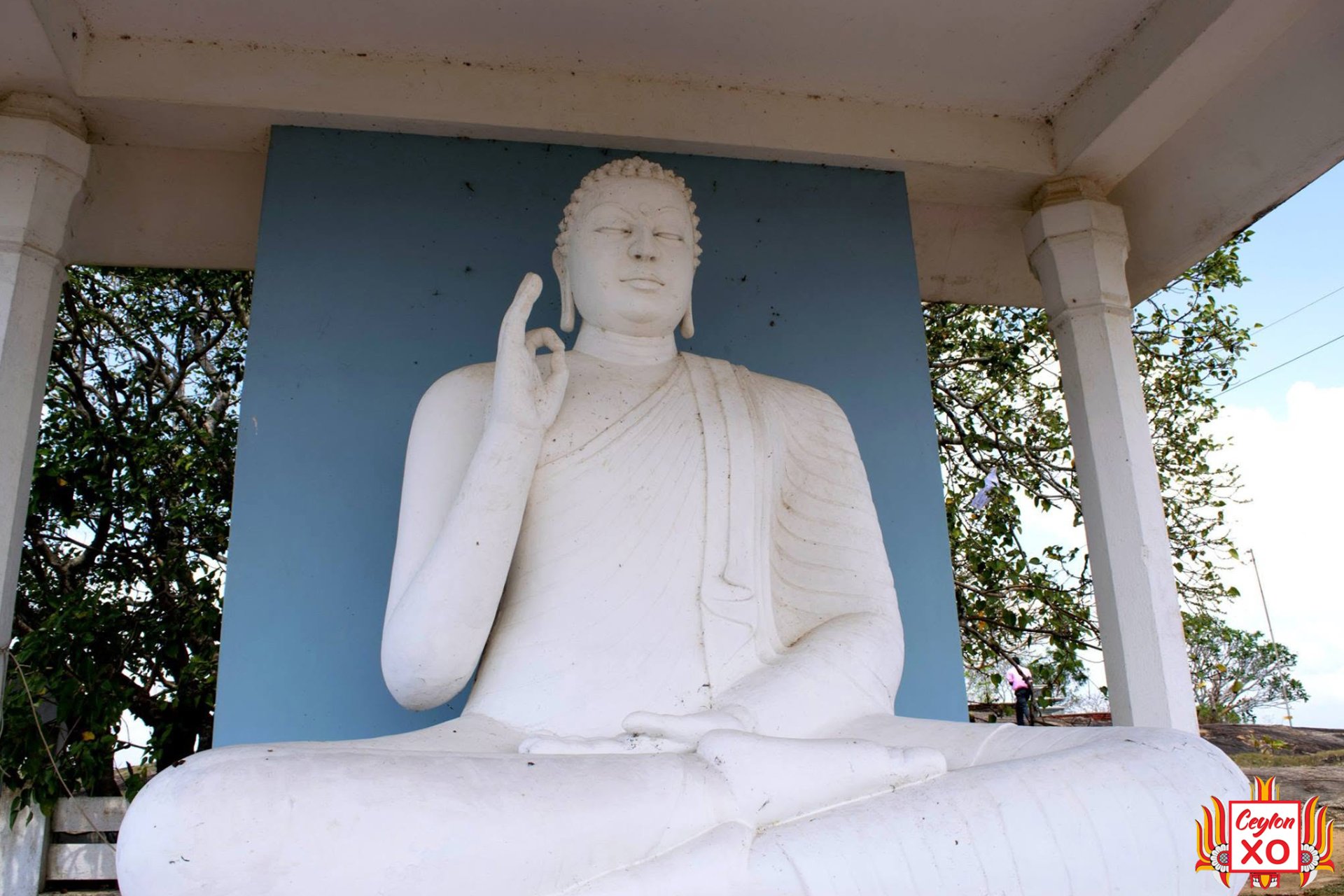
The temple also contains several modern religious structures that complement its ancient heritage. A magnificent white stupa stands proudly on the summit, symbolizing the spread of Buddhism throughout Sri Lanka. Visitors are welcomed by an impressive entrance, beautiful Buddha statues, and a statue of King Devanampiya Tissa, who played a crucial role in establishing Buddhism on the island. The sacred Bodhi tree, image house, and shrine rooms provide places where devotees can offer flowers, light oil lamps, and engage in religious observances.