The modern history of Weherahena Temple dates back to the early twentieth century. According to temple tradition, Venerable Parawahera Rewatha Thero was sent to the area by his teacher and established a small hermitage in what was then a forest-covered land. With the support of local devotees, the temple gradually developed into a magnificent religious complex. Over the years, many generous benefactors contributed to its expansion, making it one of Sri Lanka's most visited Buddhist temples.
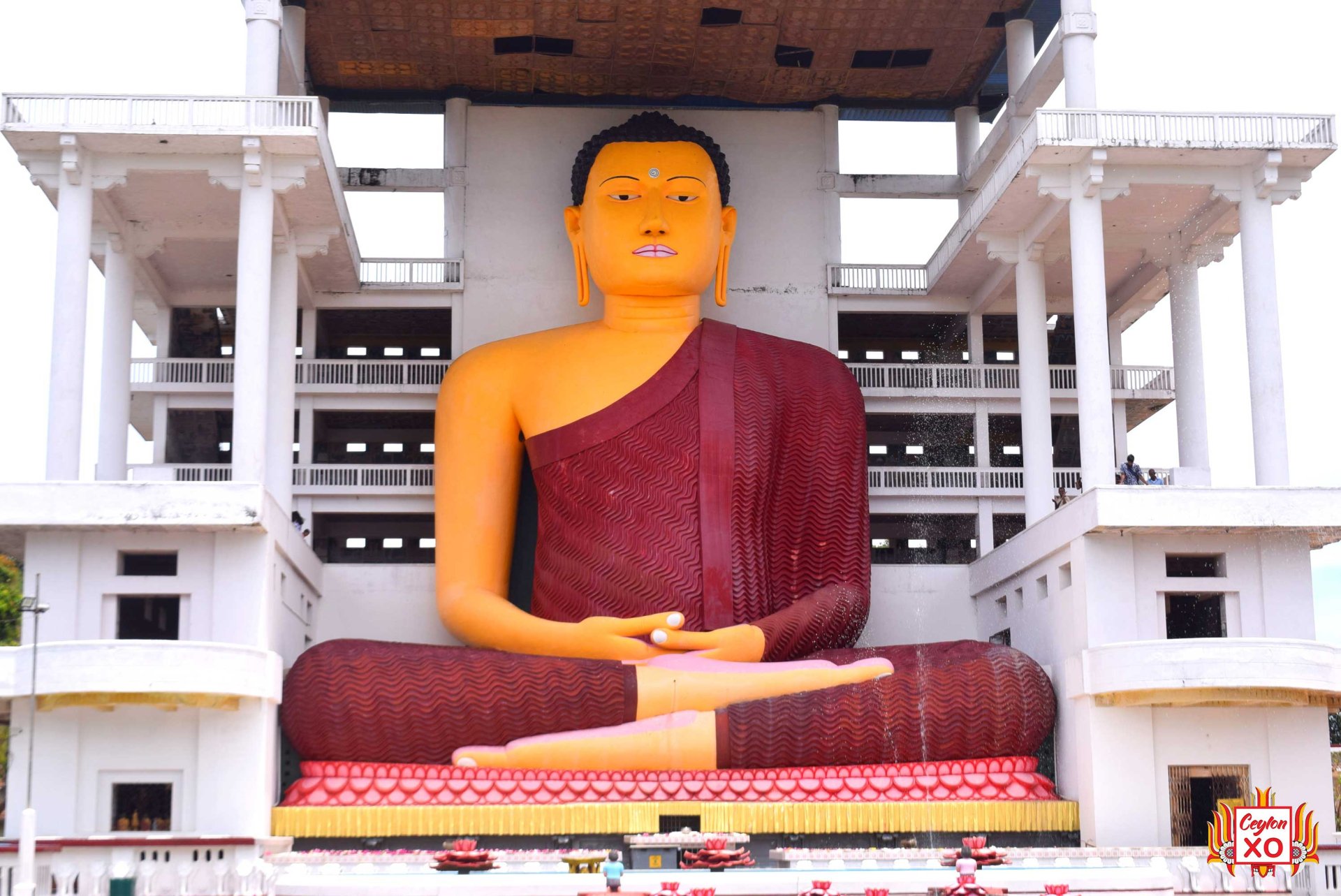
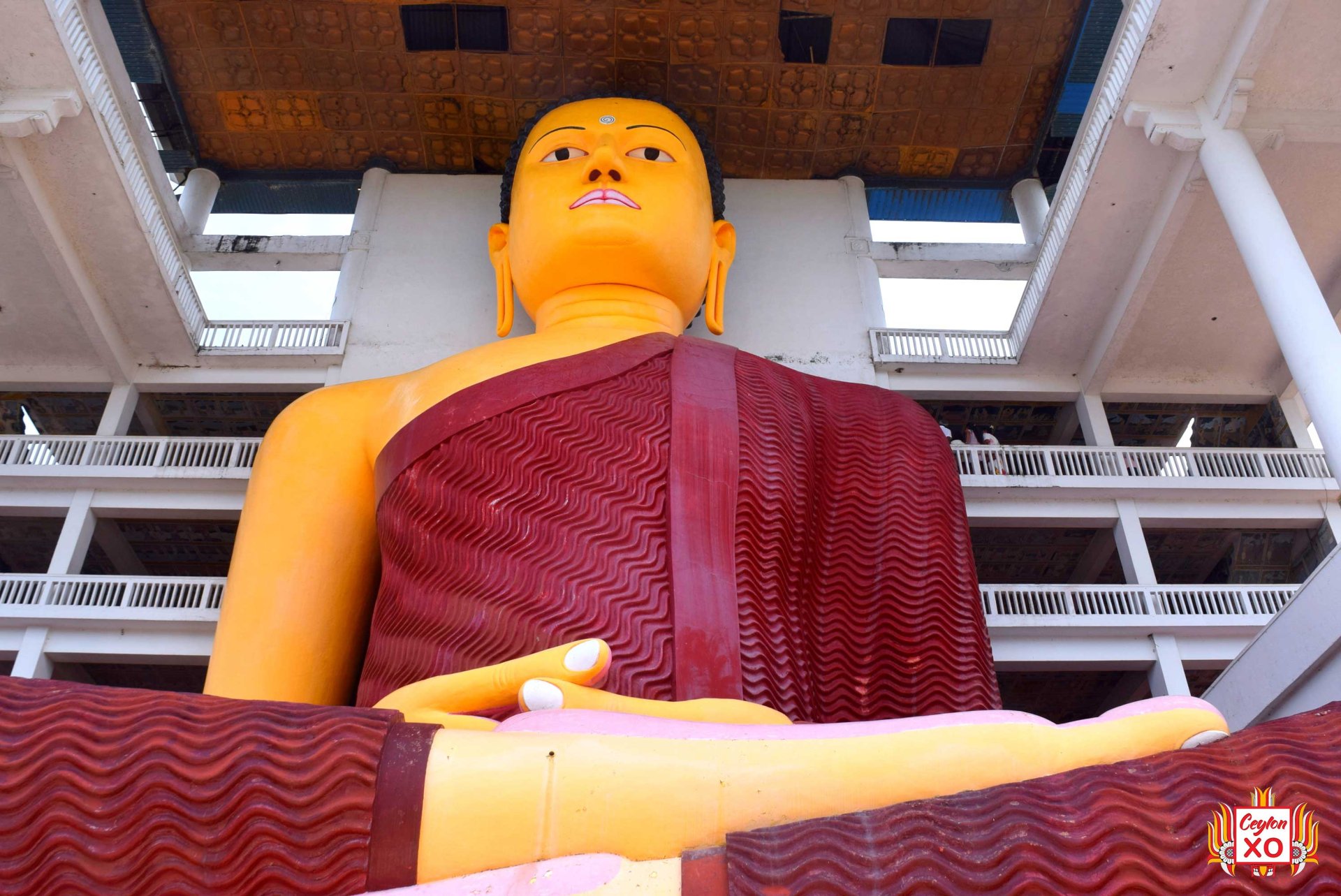
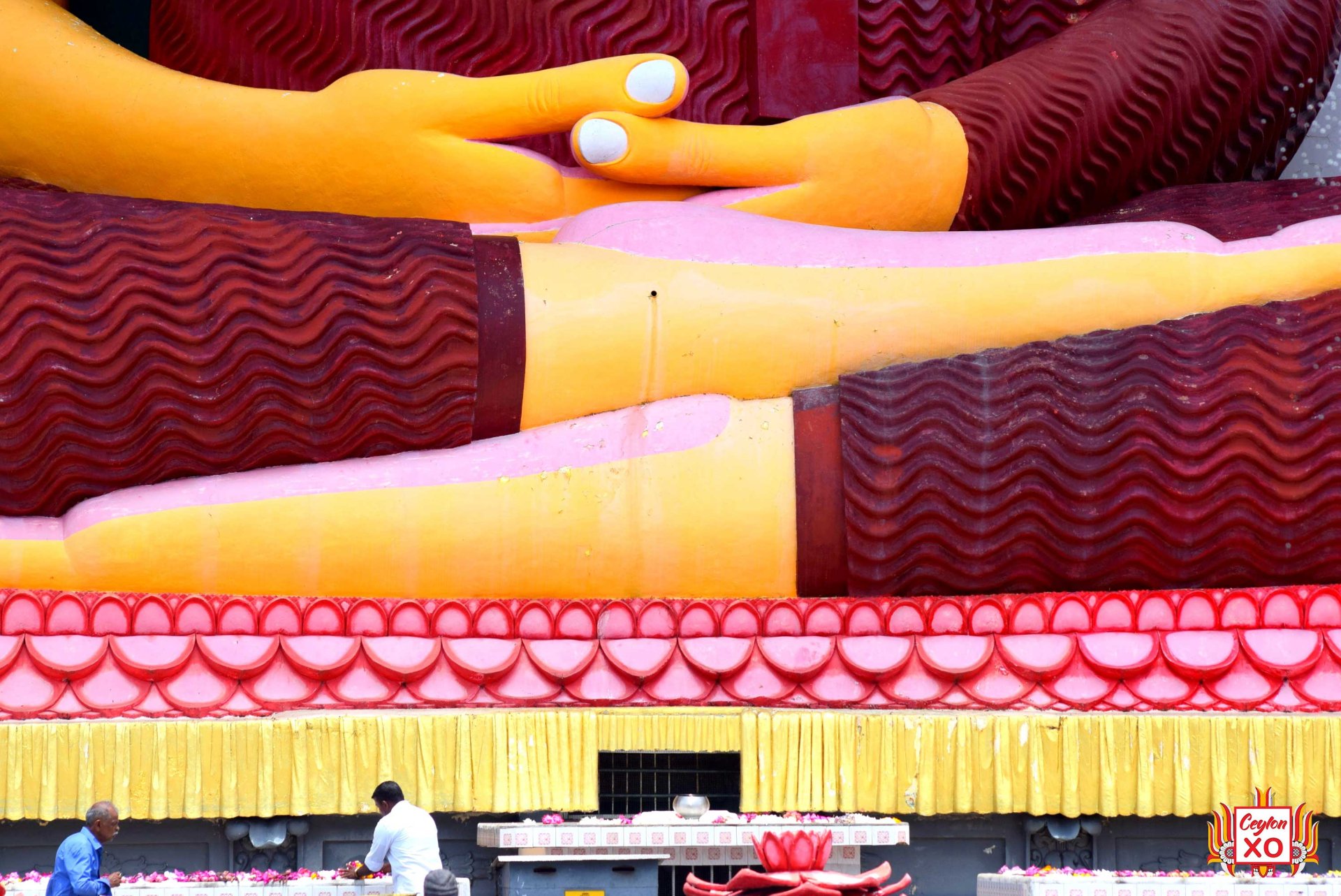
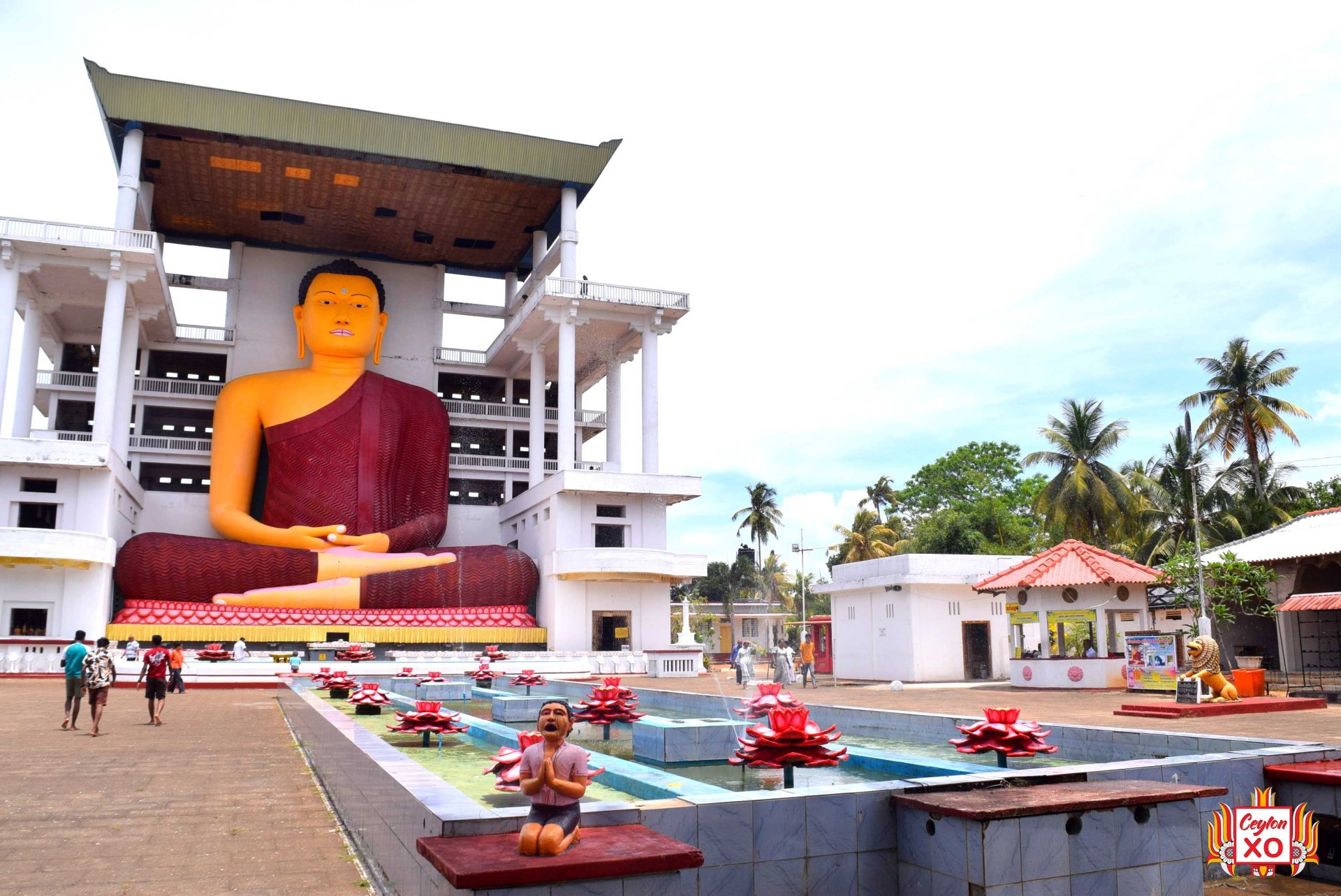
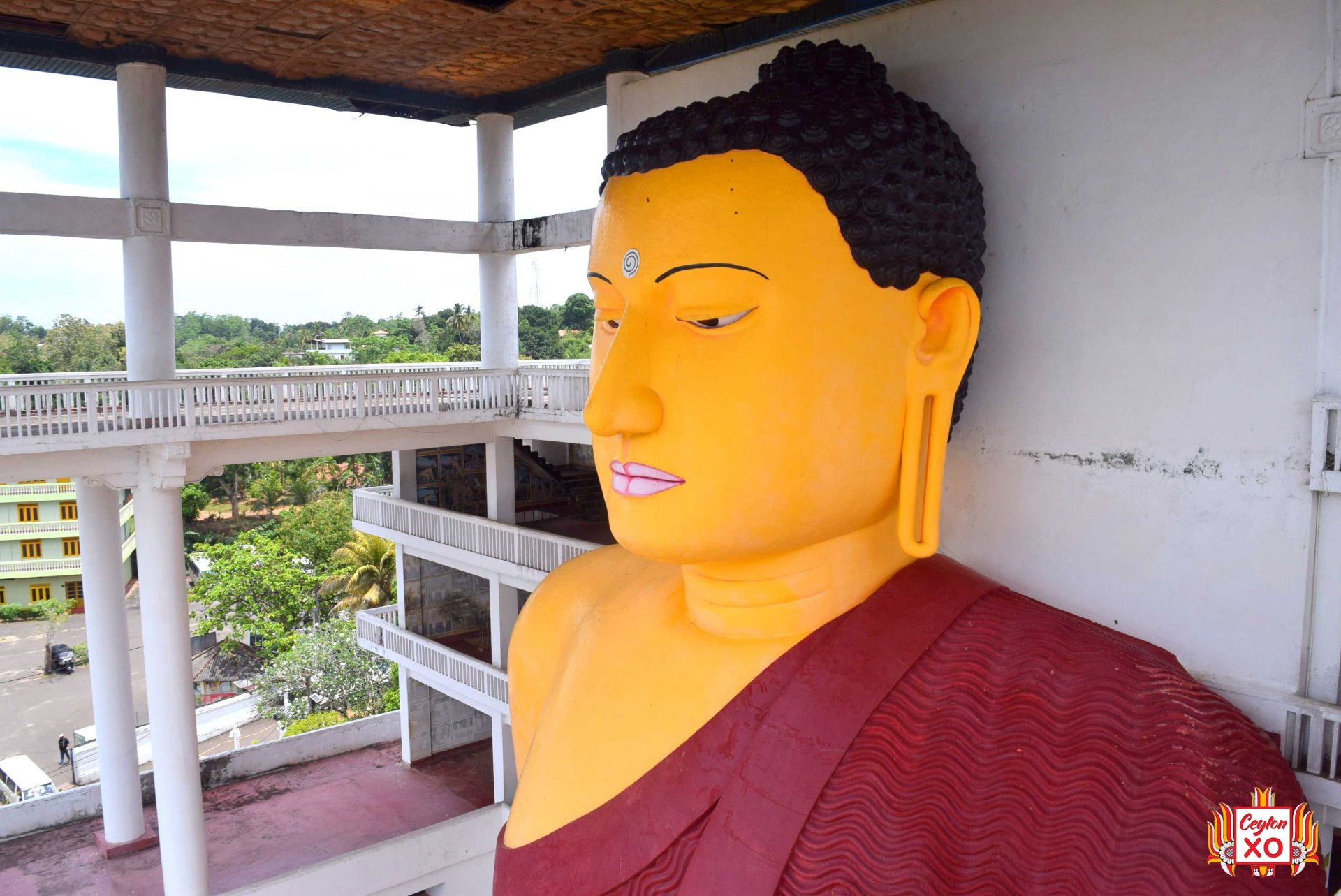
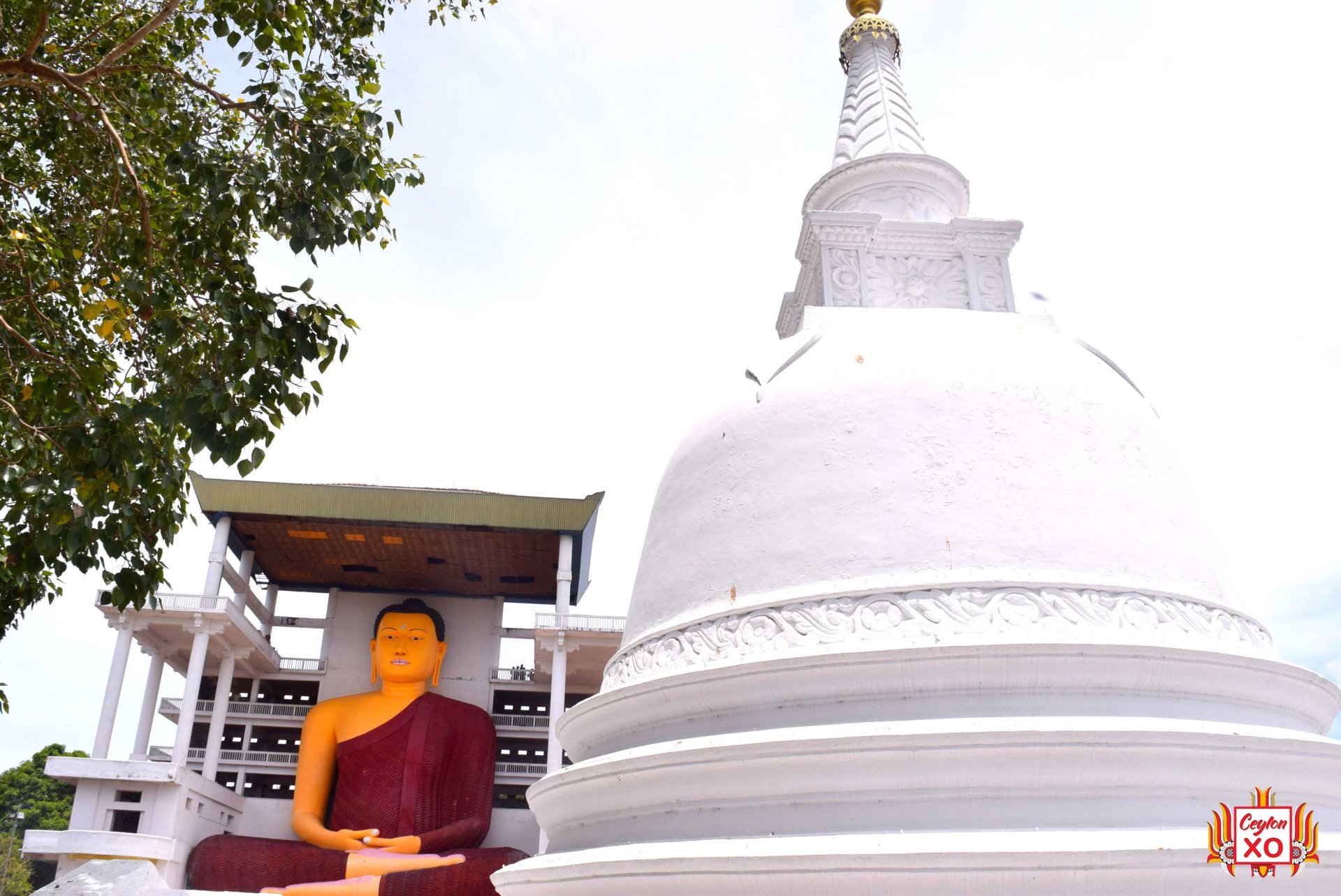
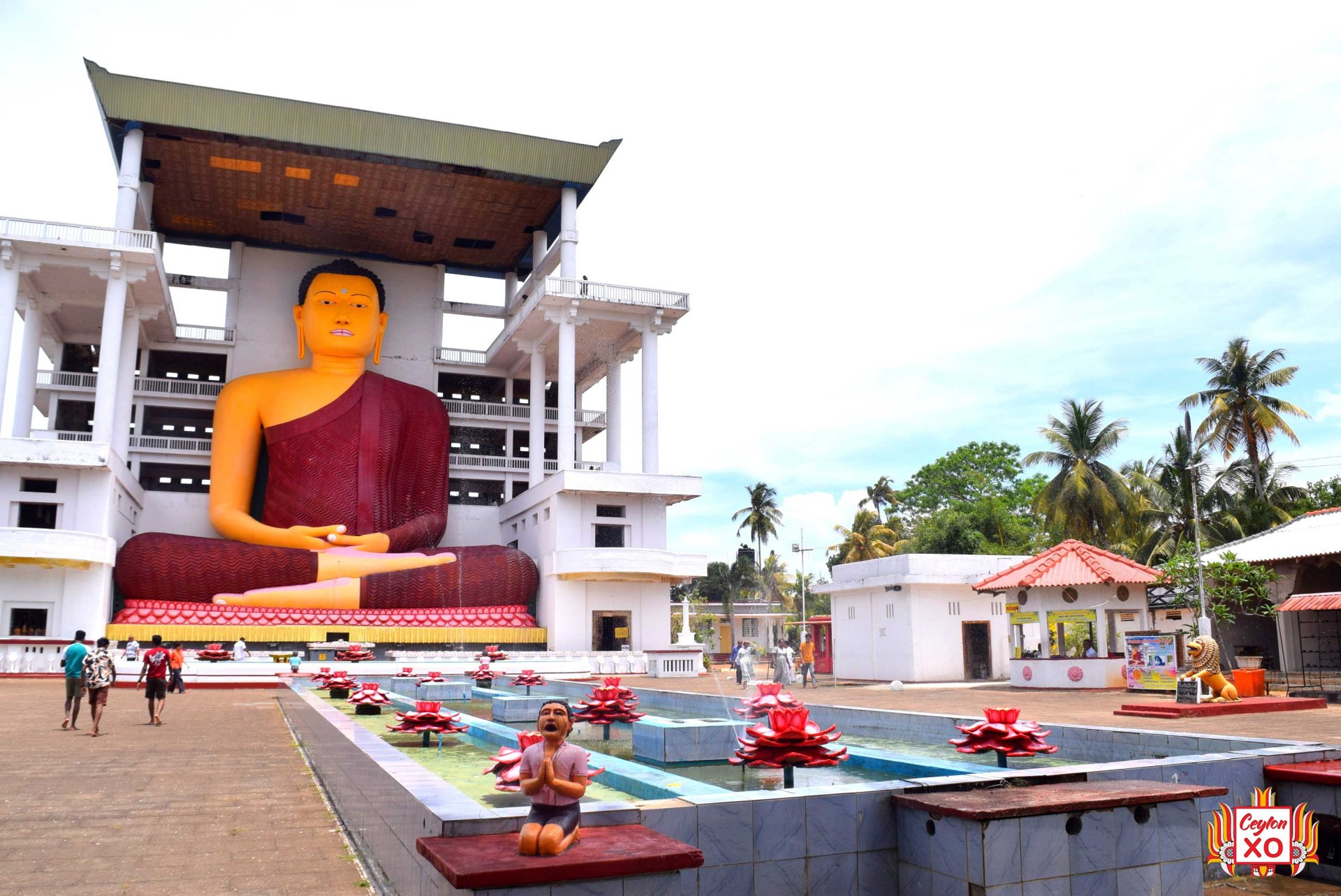
The most striking feature of Weherahena Poorwarama Rajamaha Viharaya is its giant seated Buddha statue, which rises approximately 160 feet (about 49 metres) above the temple grounds. It is among the tallest seated Buddha statues in Sri Lanka and can be seen from a considerable distance. The impressive statue symbolizes the compassion, wisdom, and serenity of the Buddha and has become an iconic landmark in the Matara District. Visitors are also able to enter the interior of the statue, where several levels contain beautiful paintings and religious displays.
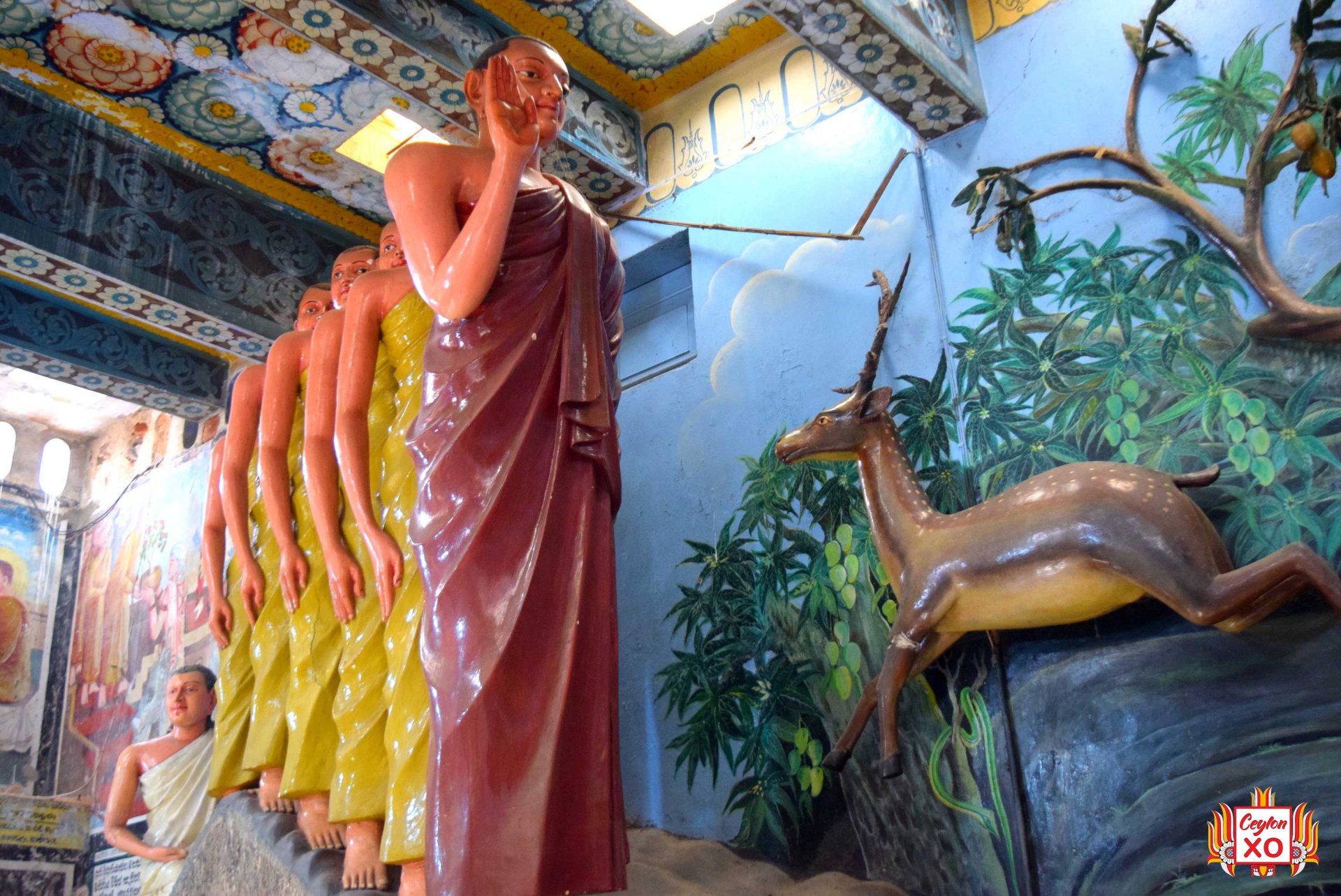
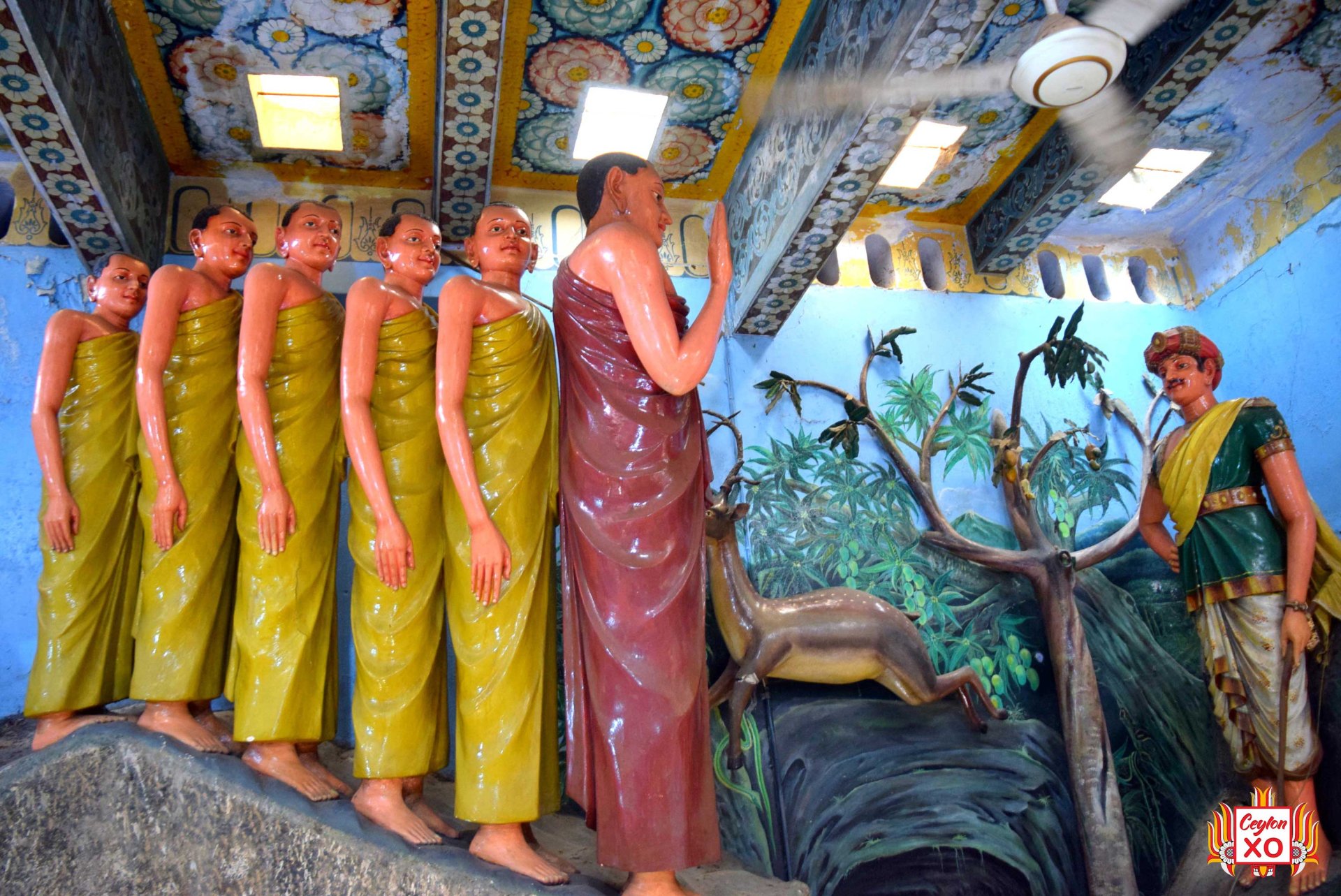
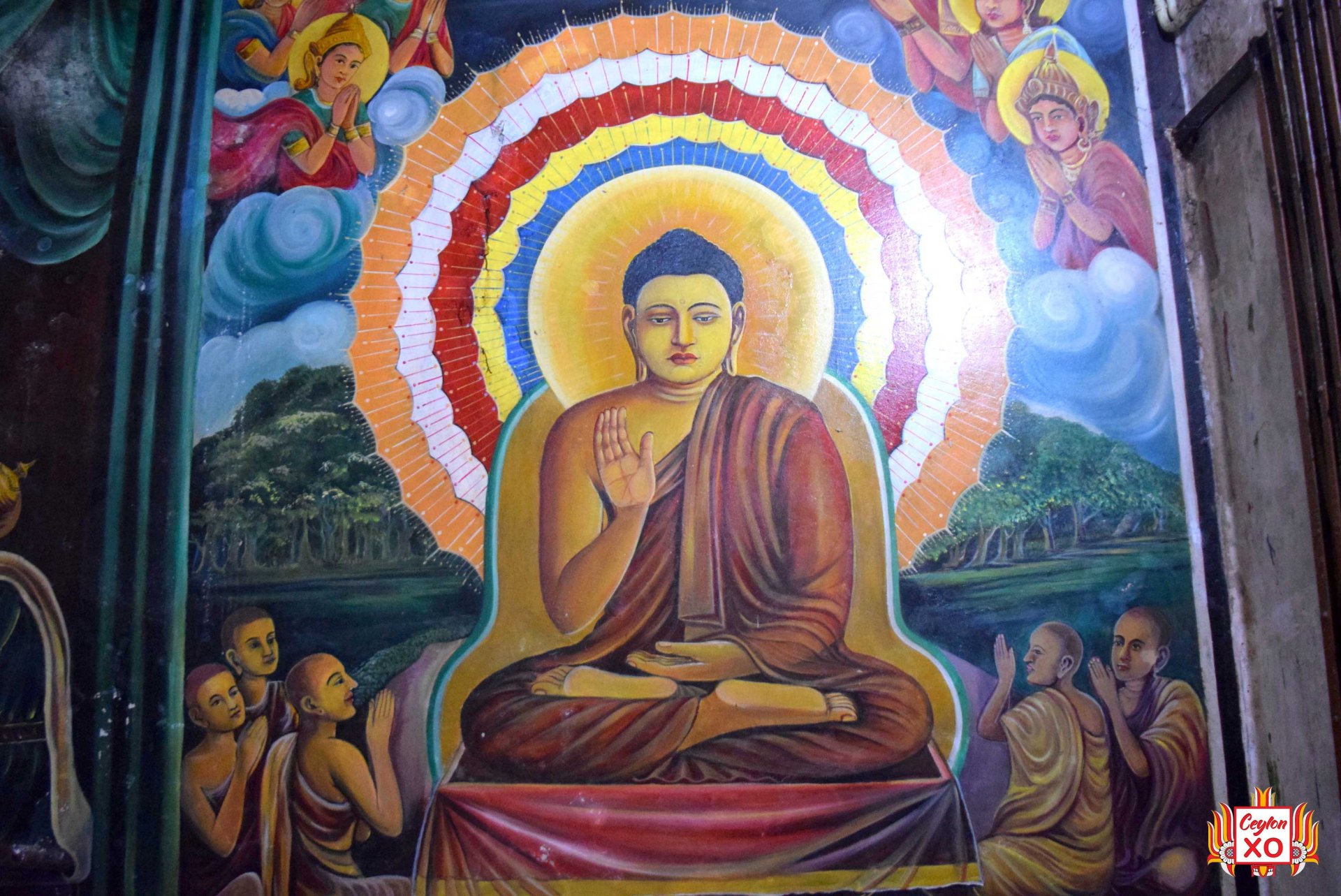
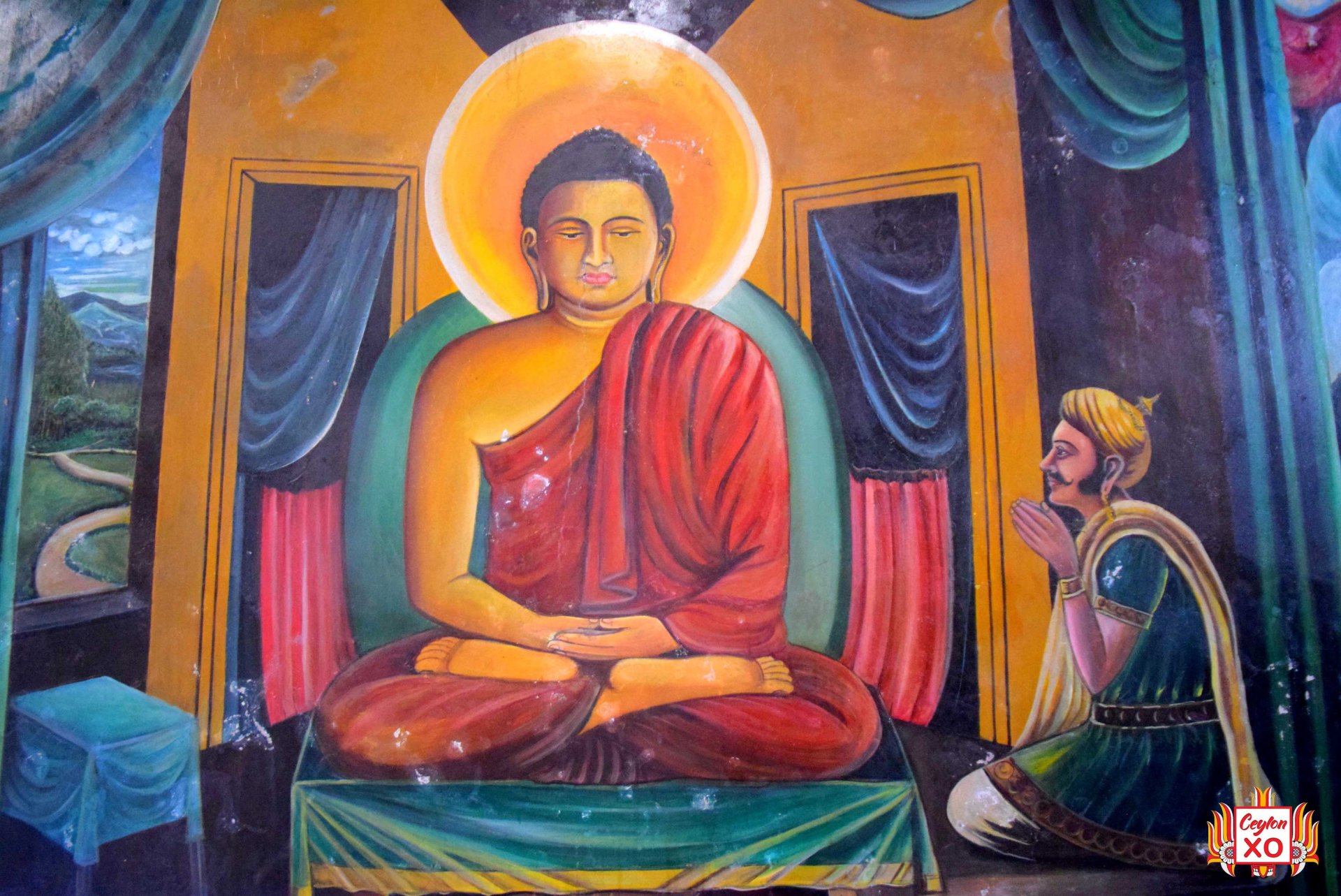
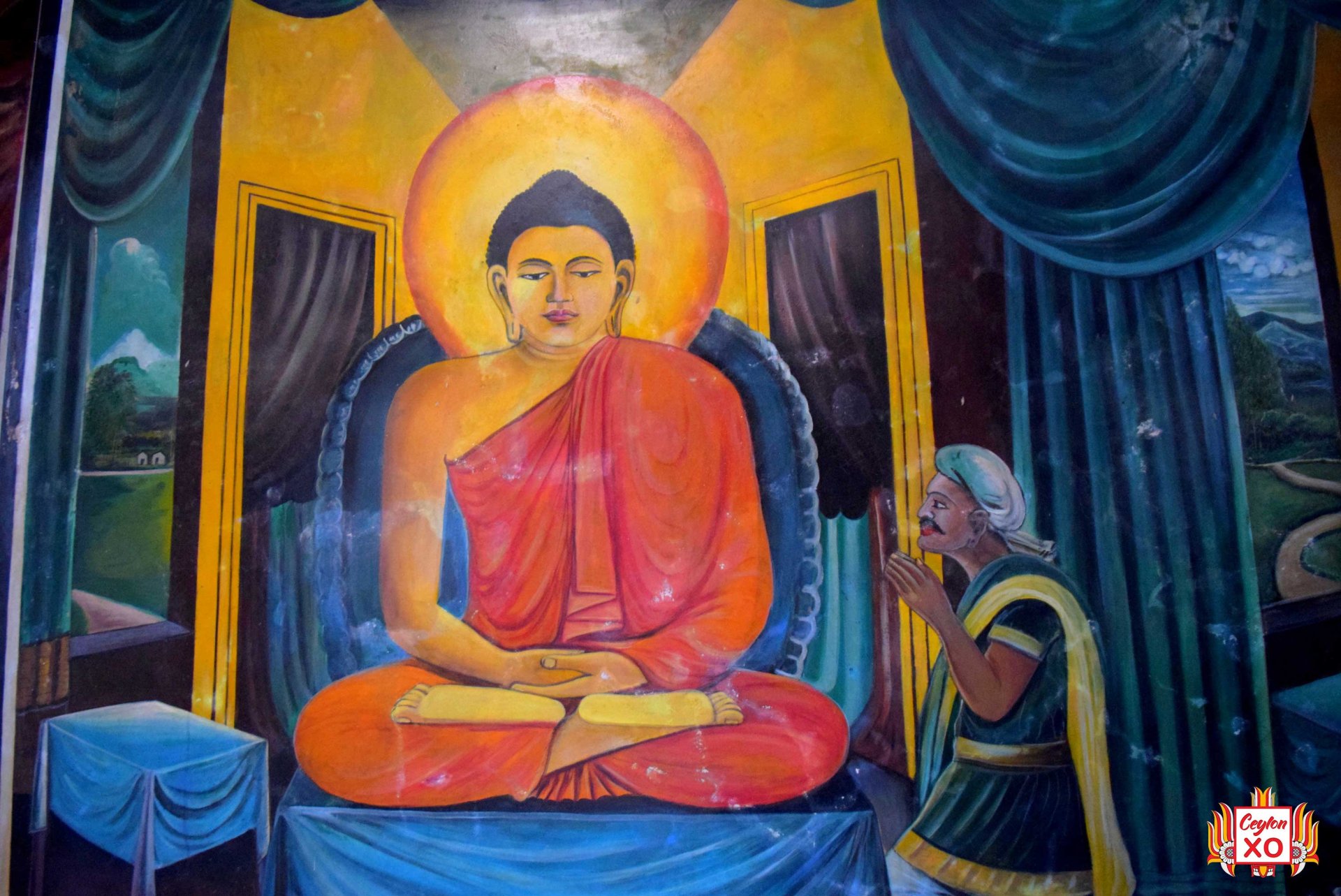
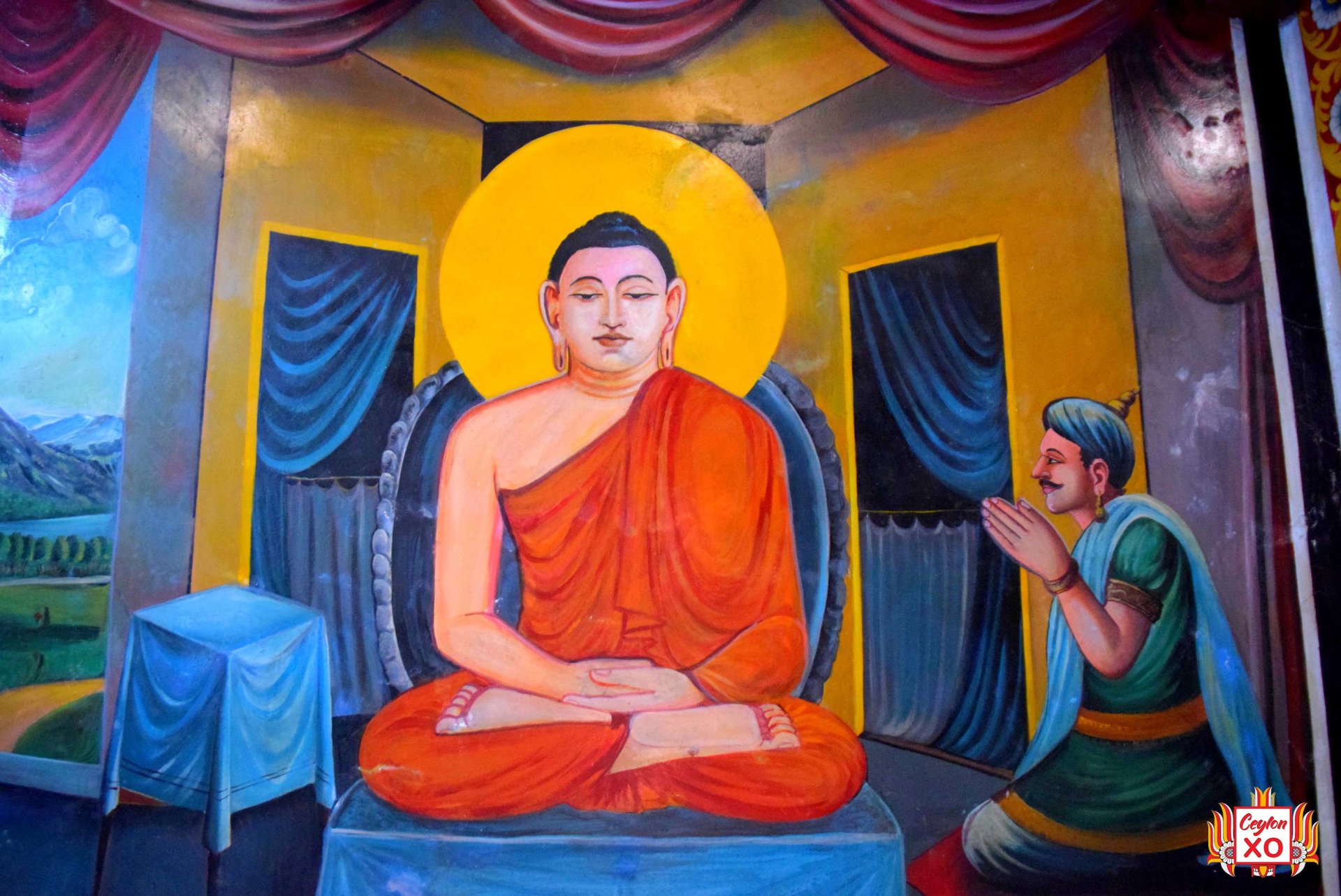
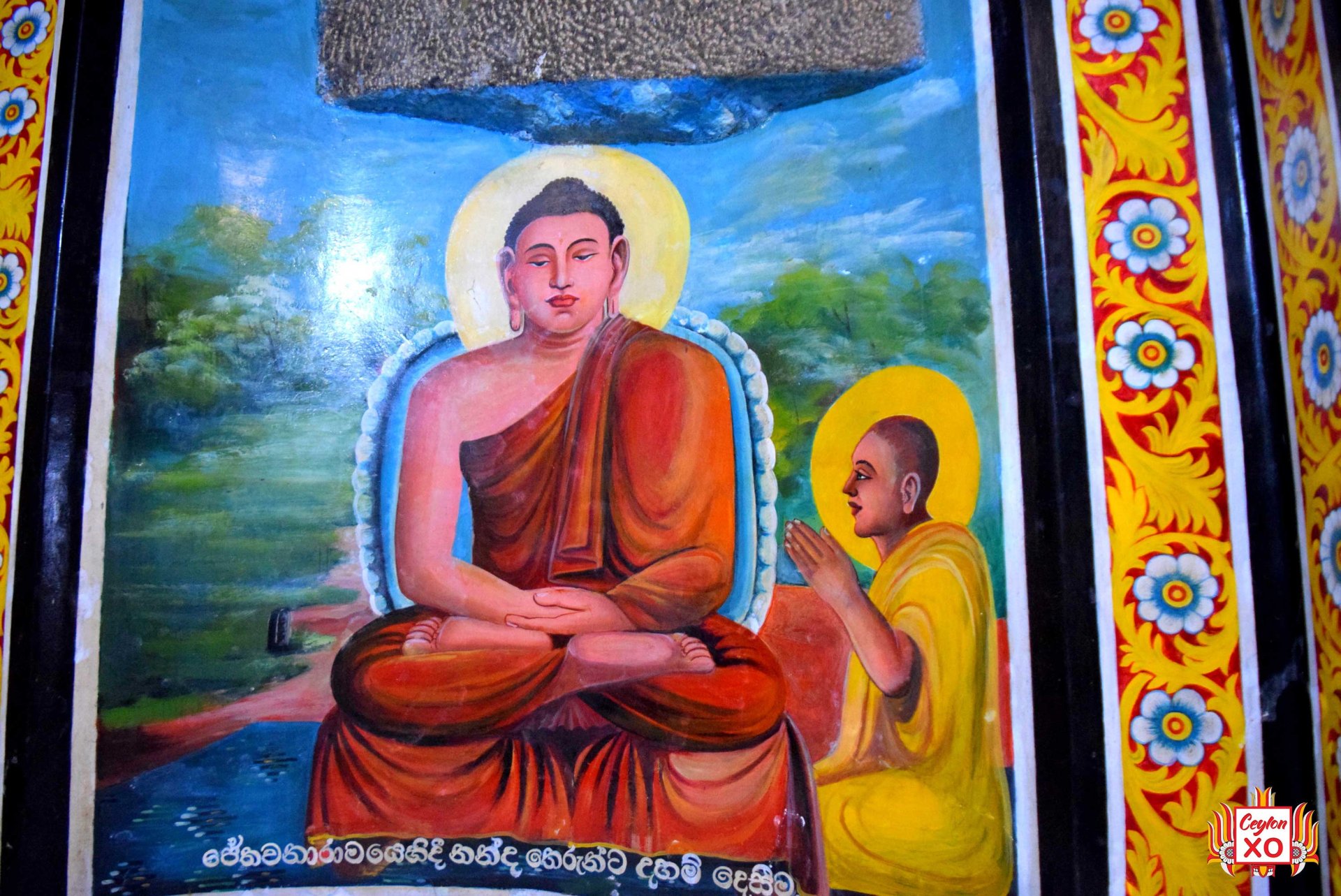
Another unique attraction of the temple is its famous underground tunnel temple, which is widely regarded as one of the first and largest tunnel temples in the world. The tunnels extend for hundreds of feet beneath the temple and contain thousands of colourful murals and sculptures illustrating the life of the Buddha, Jataka tales, and important events in Buddhist history. These artistic displays serve both as religious inspiration and as an educational resource for visitors of all ages.
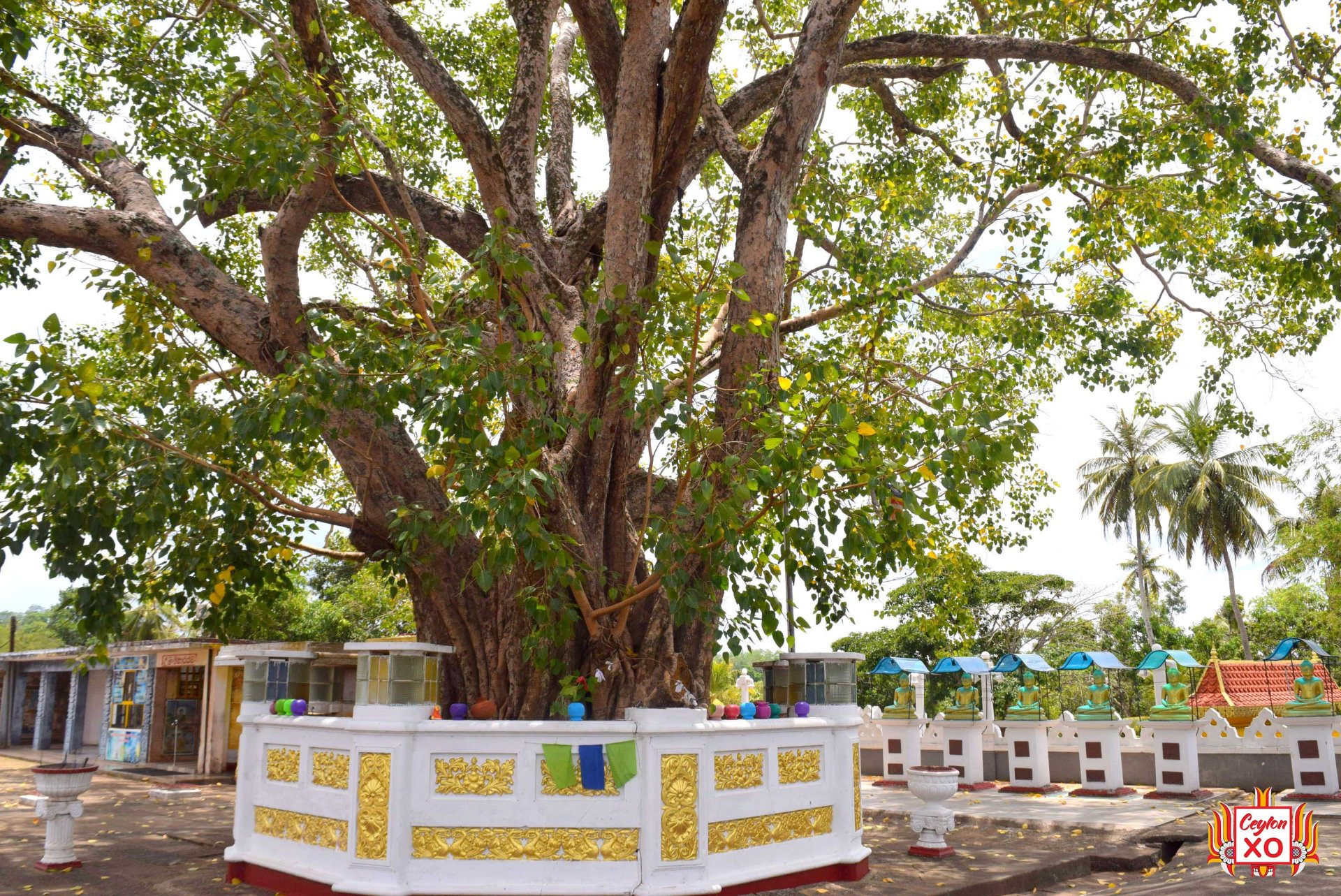
The temple complex also includes a sacred Bodhi tree, a stupa, shrine rooms, meditation areas, and residential quarters for monks. Devotees visit the temple throughout the year to offer flowers, light oil lamps, observe Sil, participate in Bodhi Pooja ceremonies, and listen to Dhamma sermons. During Vesak, Poson, and other important Buddhist festivals, the temple attracts thousands of pilgrims from all parts of Sri Lanka.