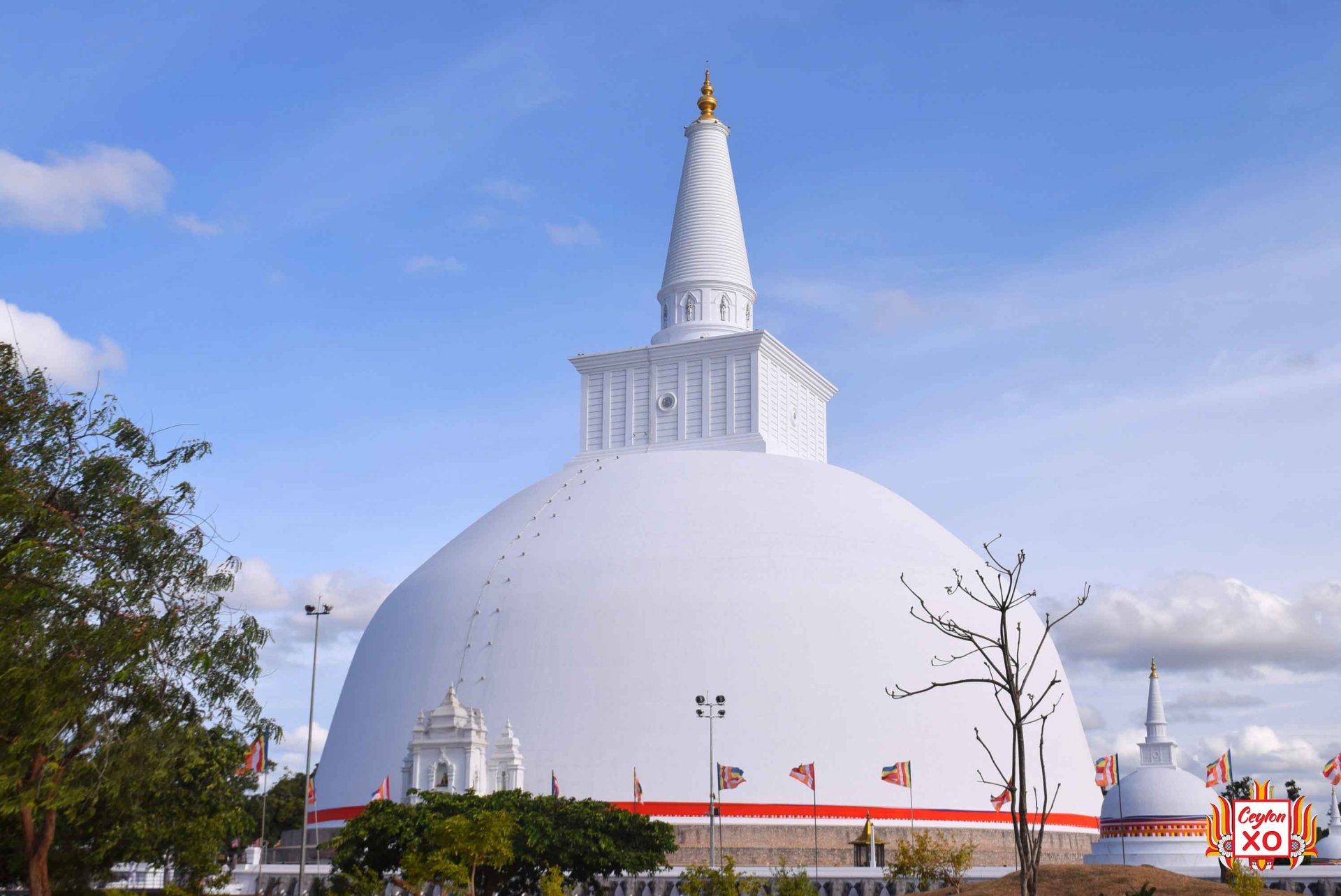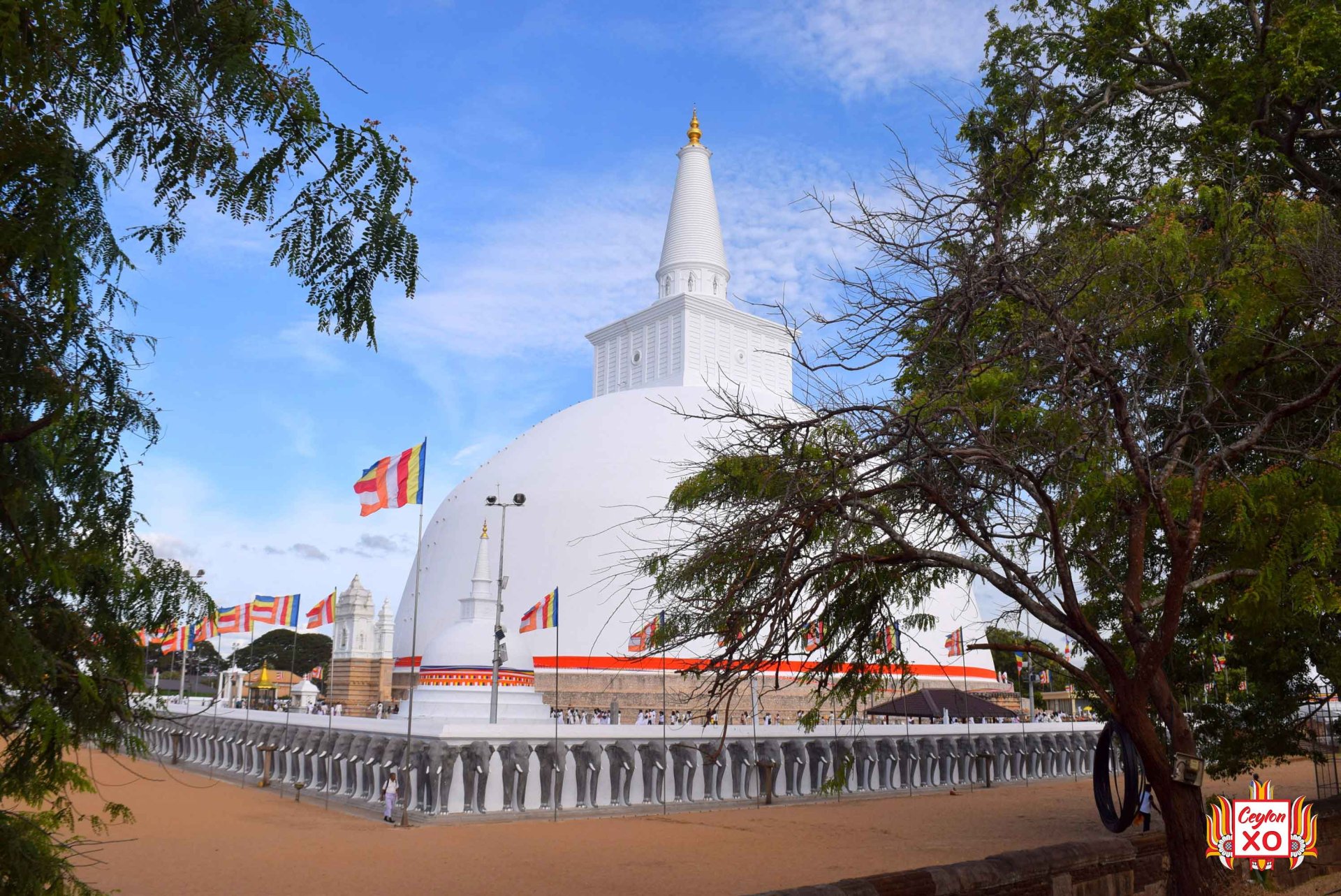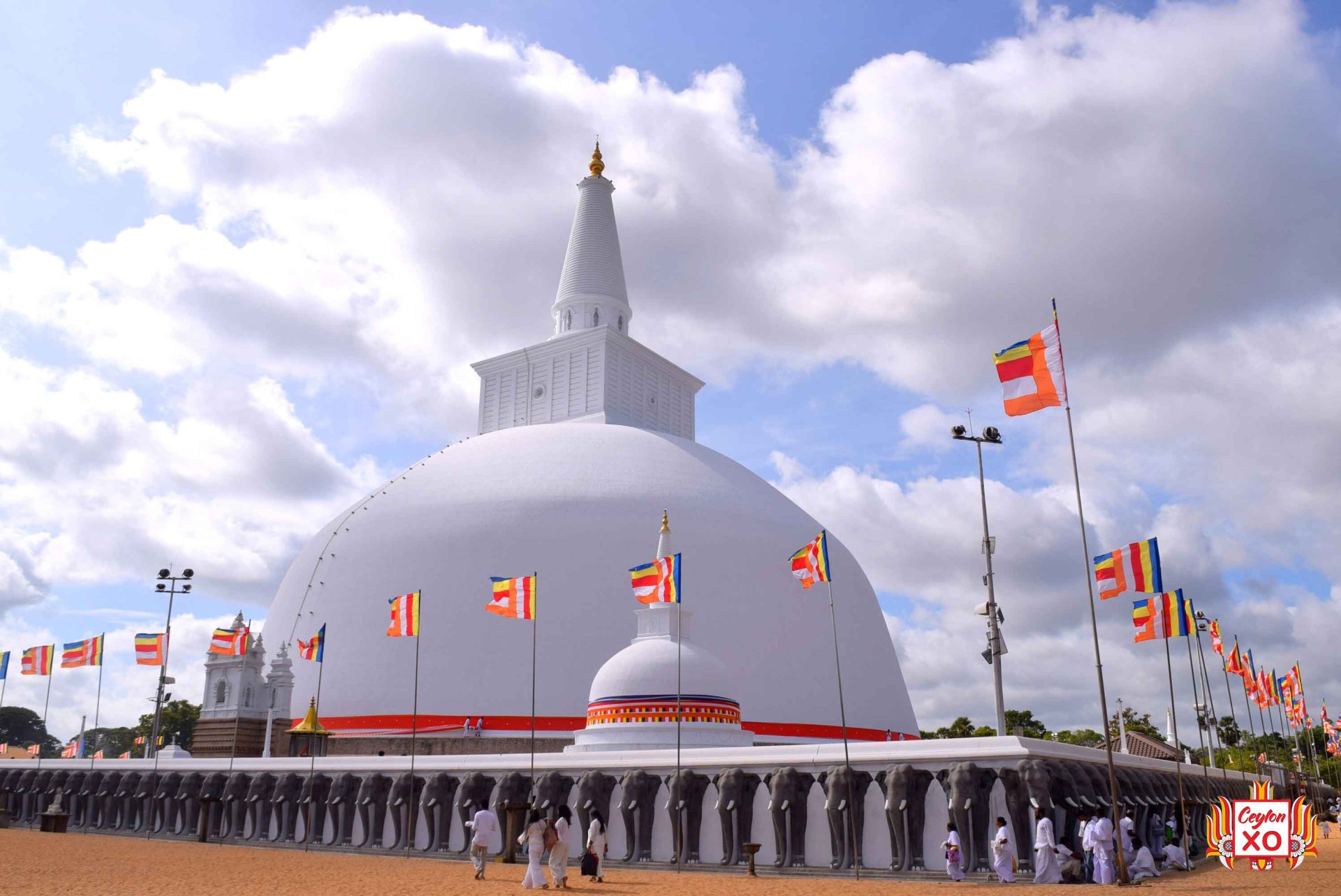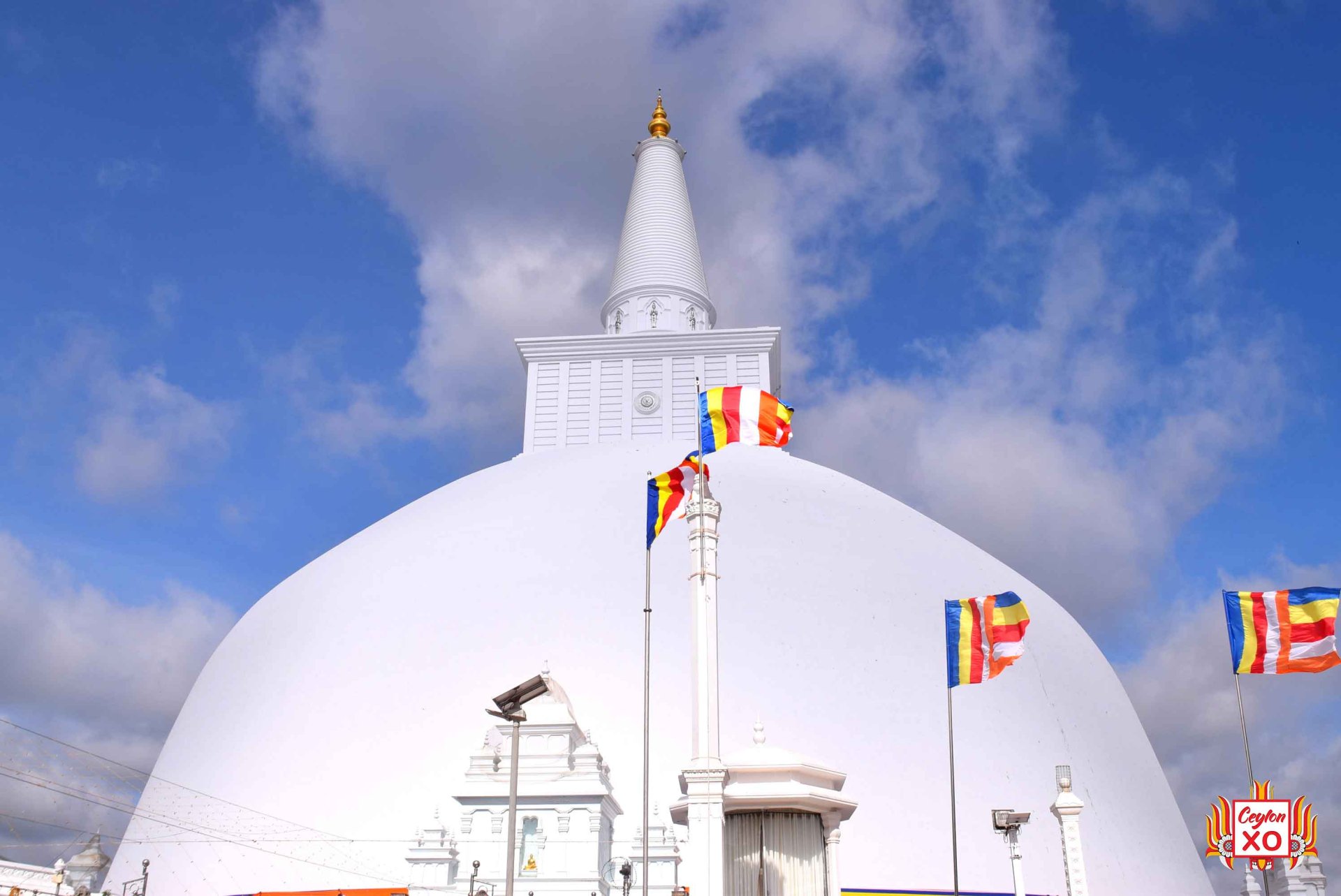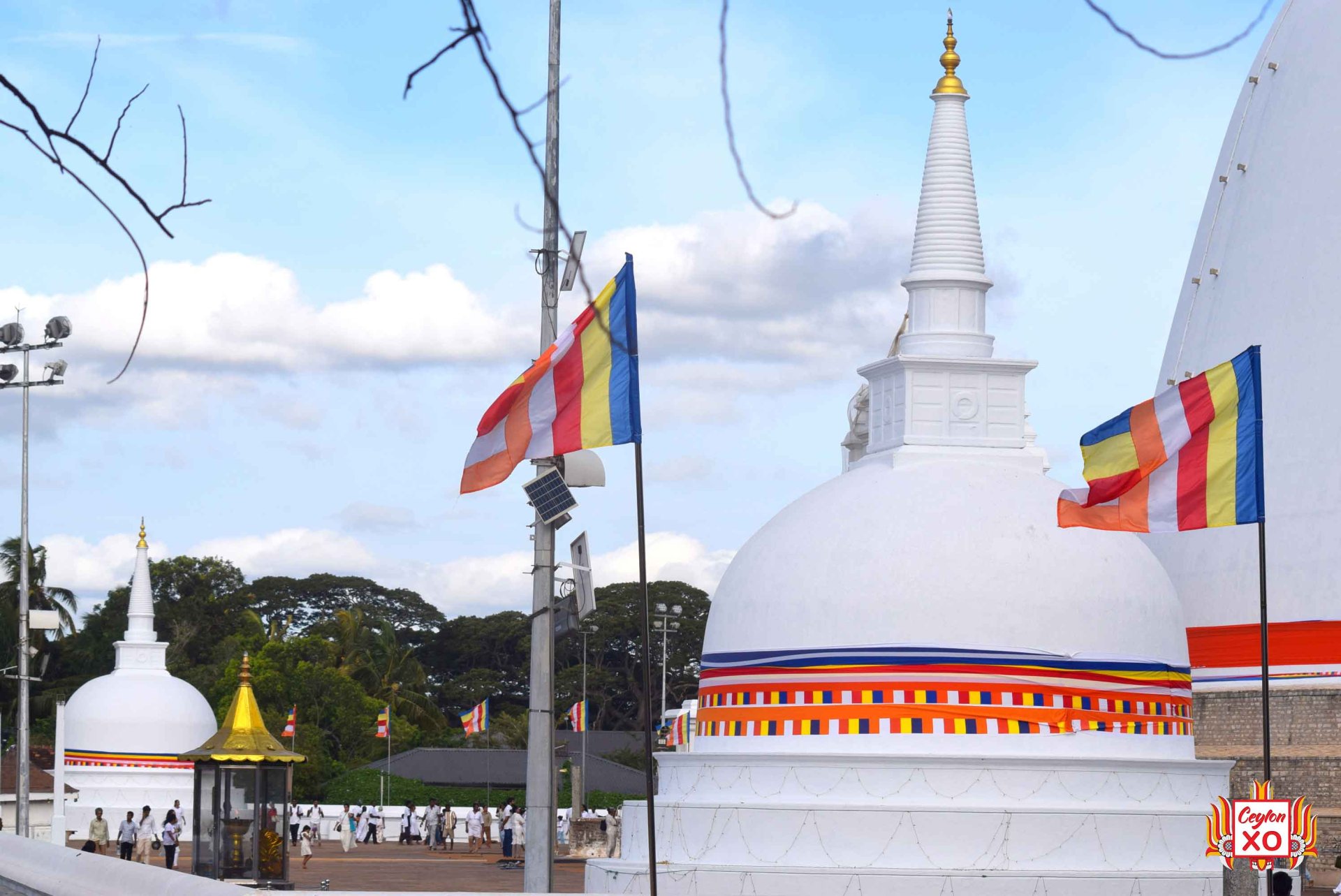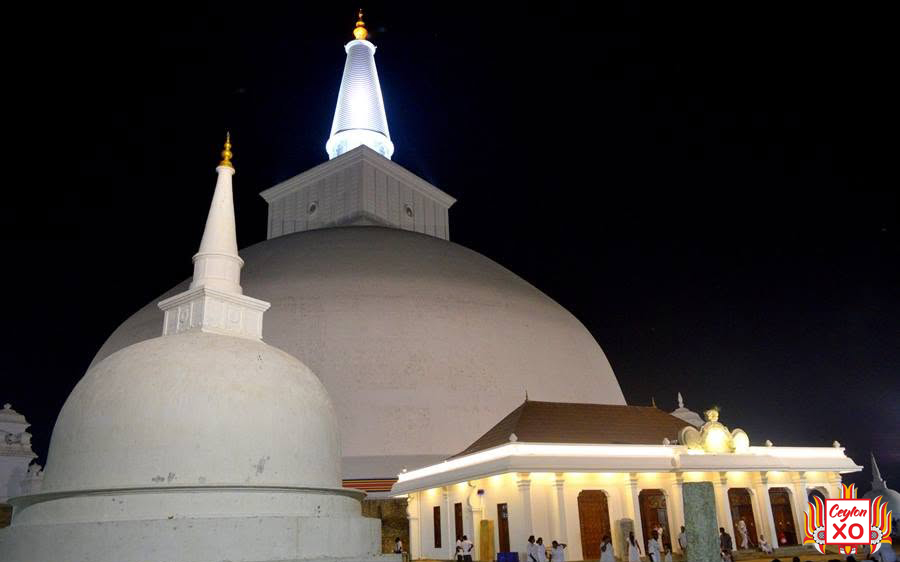
The stupa was built by King Dutugemunu in the 2nd century BCE and has remained one of the most important centres of Buddhist worship in the country for more than two thousand years. Its brilliant white dome and peaceful surroundings make it one of the most recognizable landmarks of Sri Lanka's ancient Buddhist civilization.
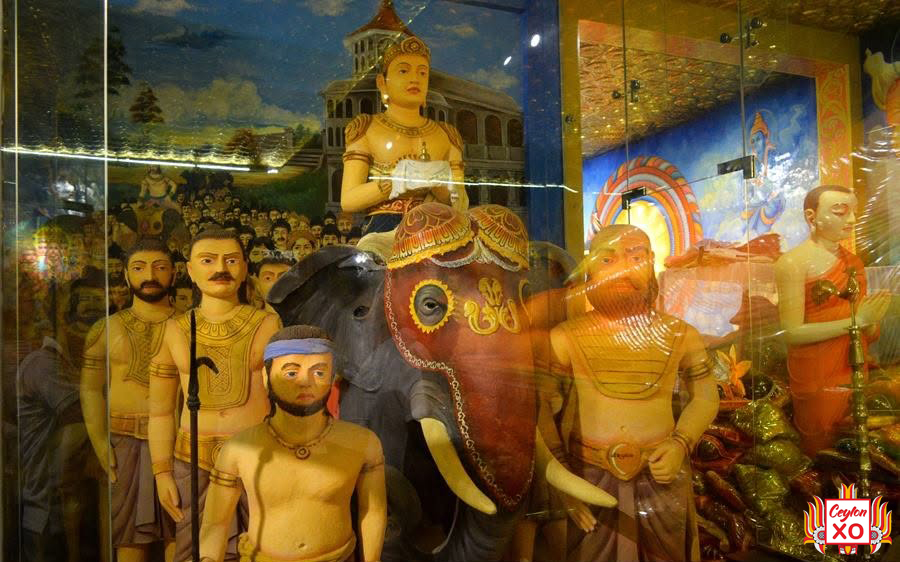
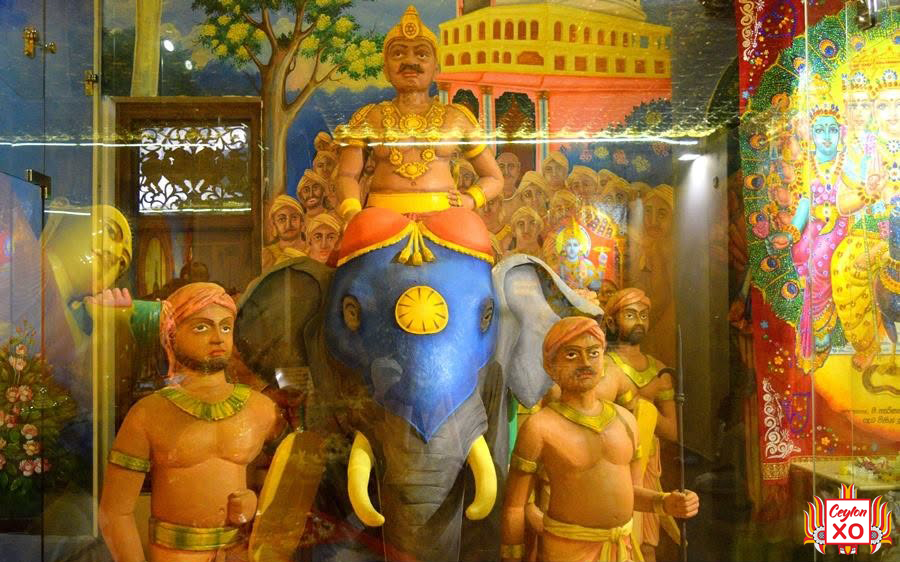
According to historical chronicles, King Dutugemunu began constructing the stupa after defeating King Elara and uniting much of the island. He wanted to create a great monument dedicated to the Buddha's teachings. The construction of the Mahathupa was an enormous undertaking, requiring the work of thousands of people. The Mahavamsa describes many events associated with its construction and the great religious ceremonies held during the process. The stupa was built at a location that was already regarded as an important sacred area in Anuradhapura.
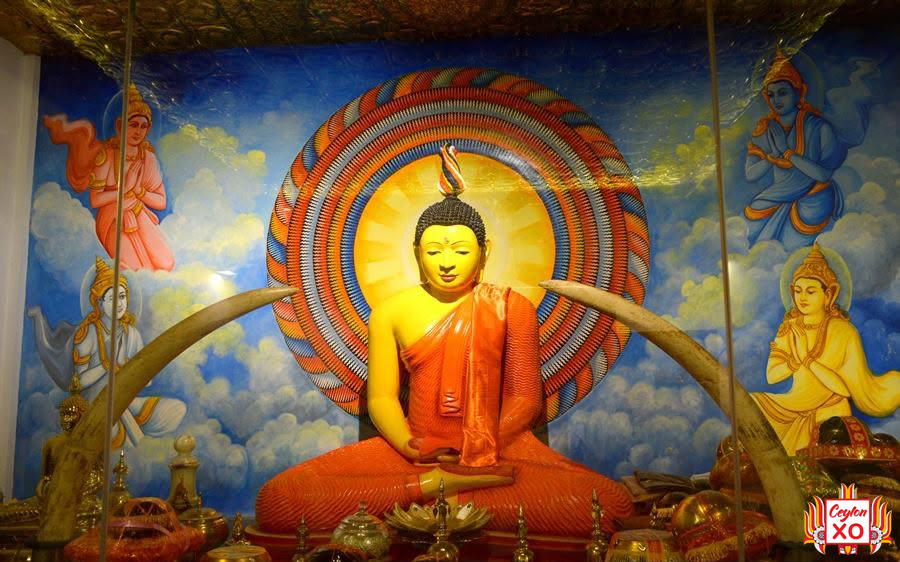
Ruwanweli Maha Seya is especially important because it is believed to enshrine the largest collection of relics of the Buddha in the entire world. Buddhist tradition considers it one of the most important relic stupas in Sri Lanka. The relics placed within the stupa were considered highly sacred, and their presence made the Mahathupa an important destination for pilgrims. The stupa therefore represents not only the architectural achievements of ancient Sri Lanka but also the deep spiritual connection between the island and the Buddha's teachings.
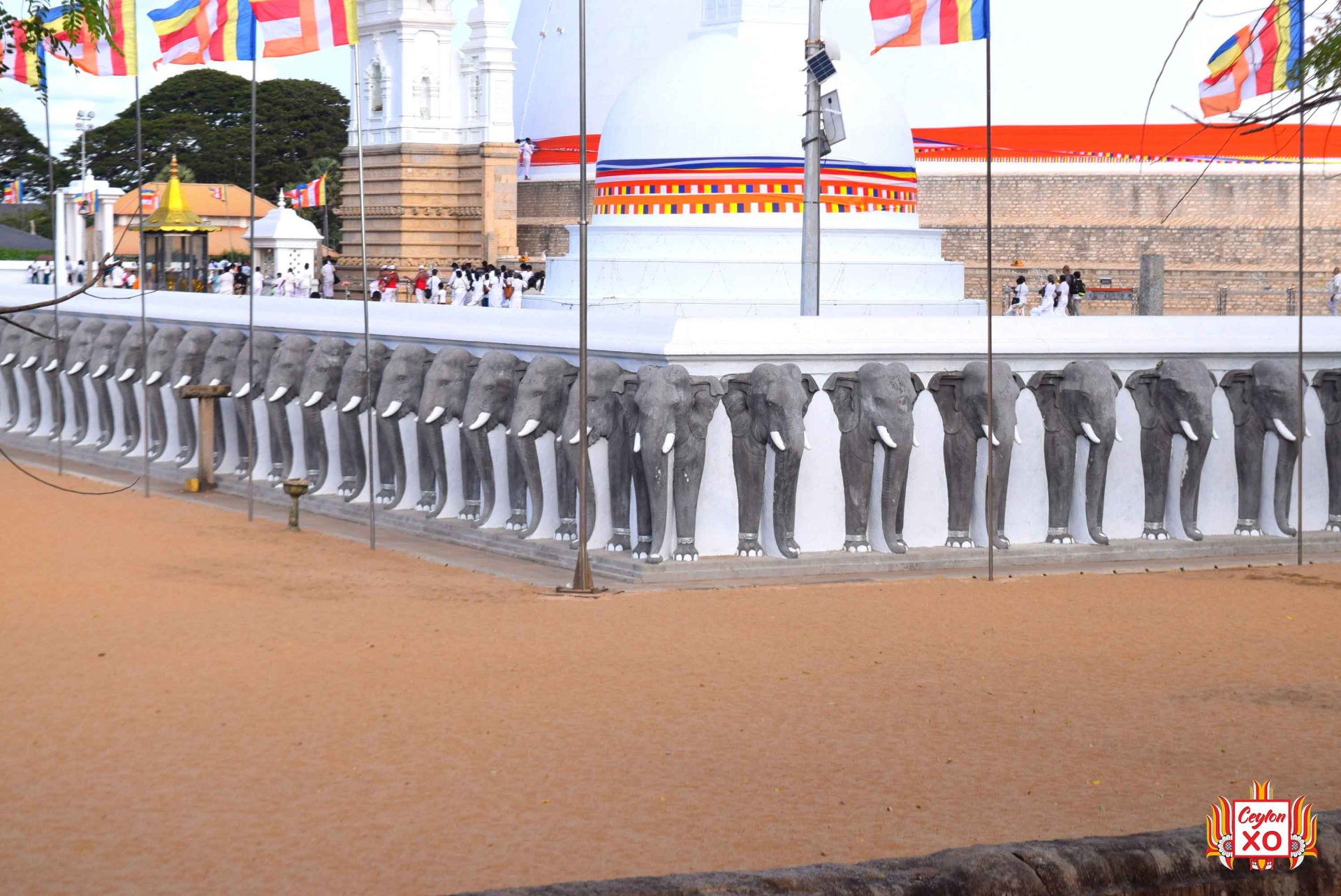
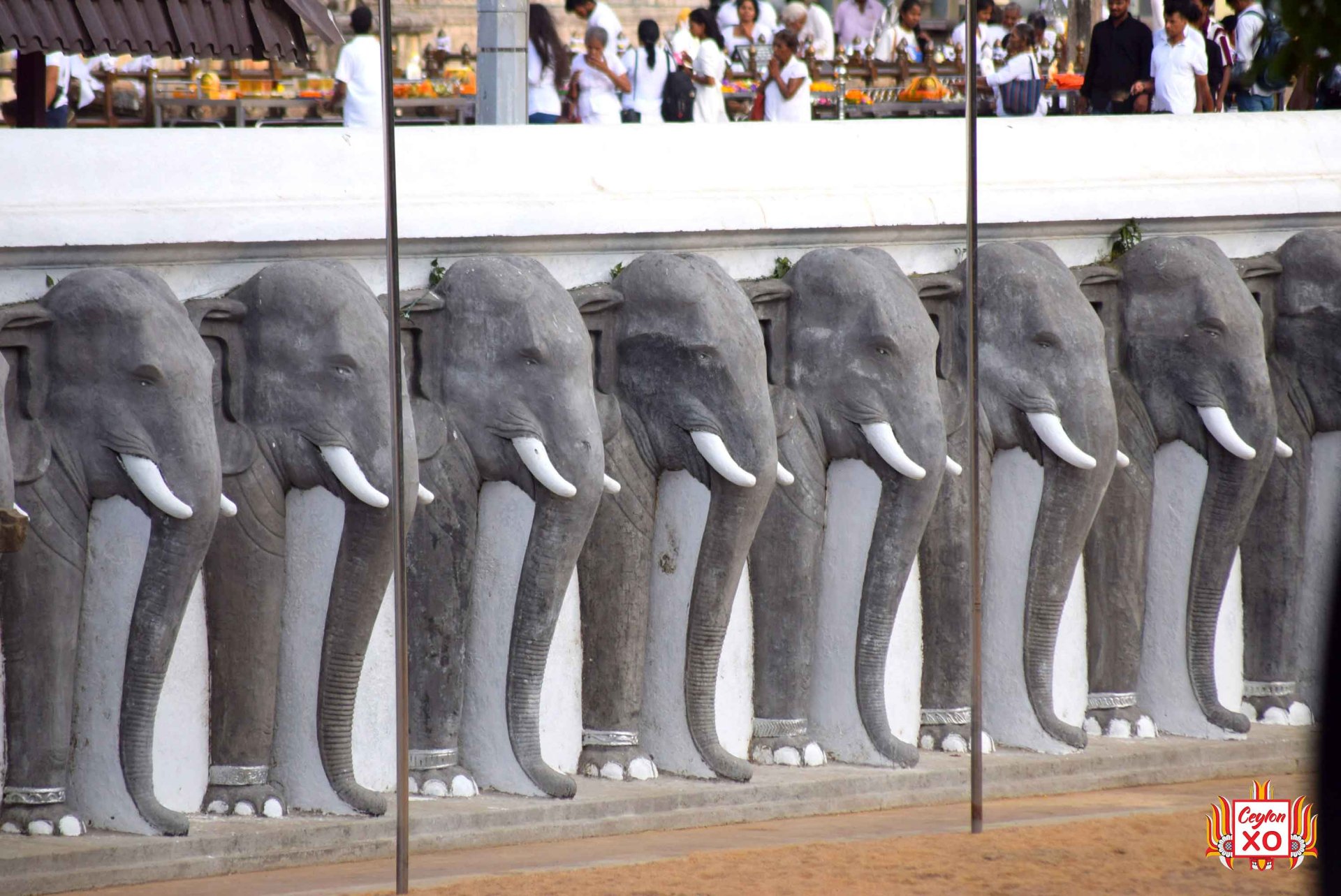
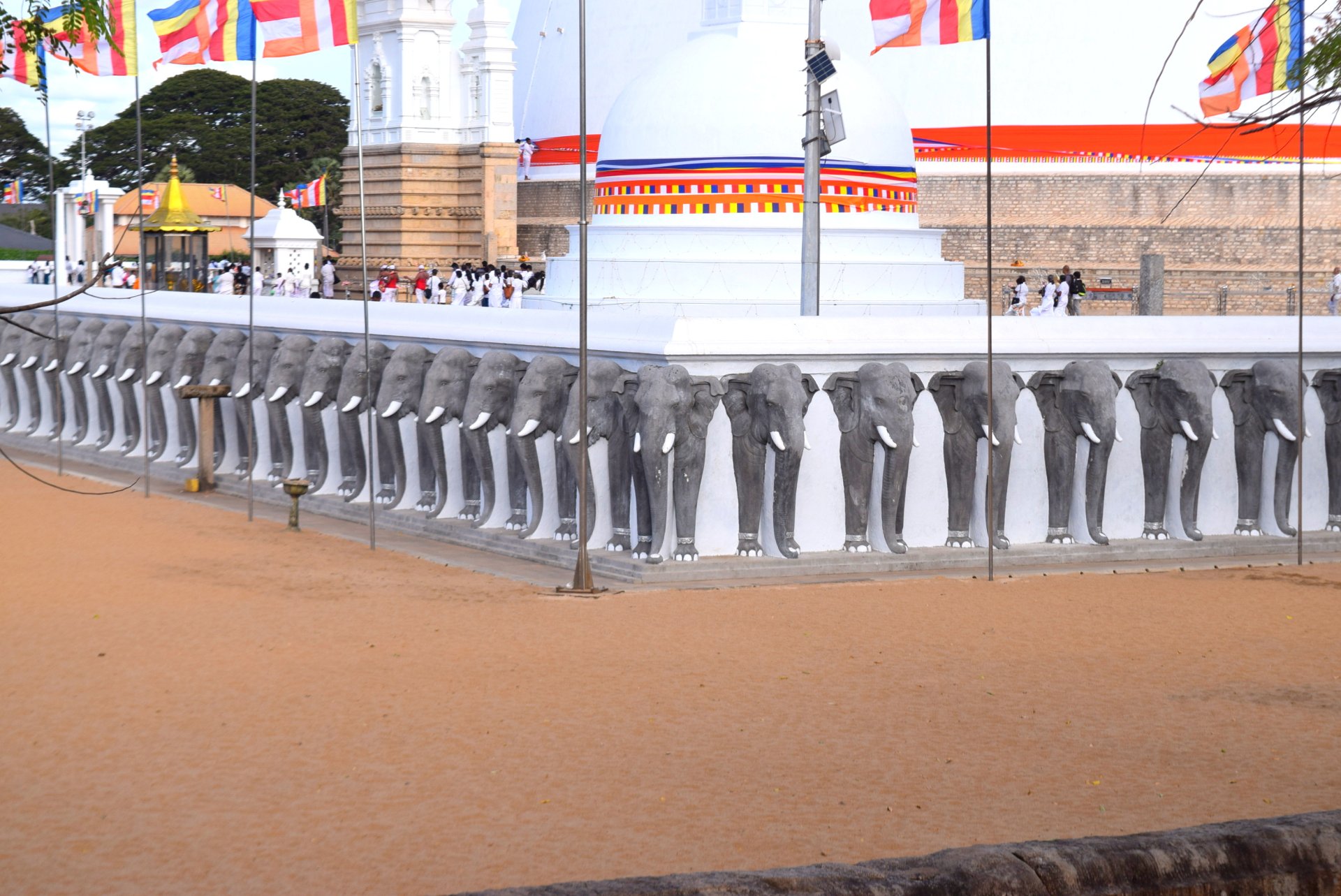
The stupa is approximately 338 feet (103 metres) high, making it one of the tallest ancient structures in Sri Lanka (3rd place). Its large hemispherical dome rises above a series of terraces and is crowned by the harmika and spire. The stupa is surrounded by a beautifully decorated compound, including rows of elephant figures around its outer wall. These elephants create the impression of carrying and protecting the great monument and have become one of its most recognizable features.