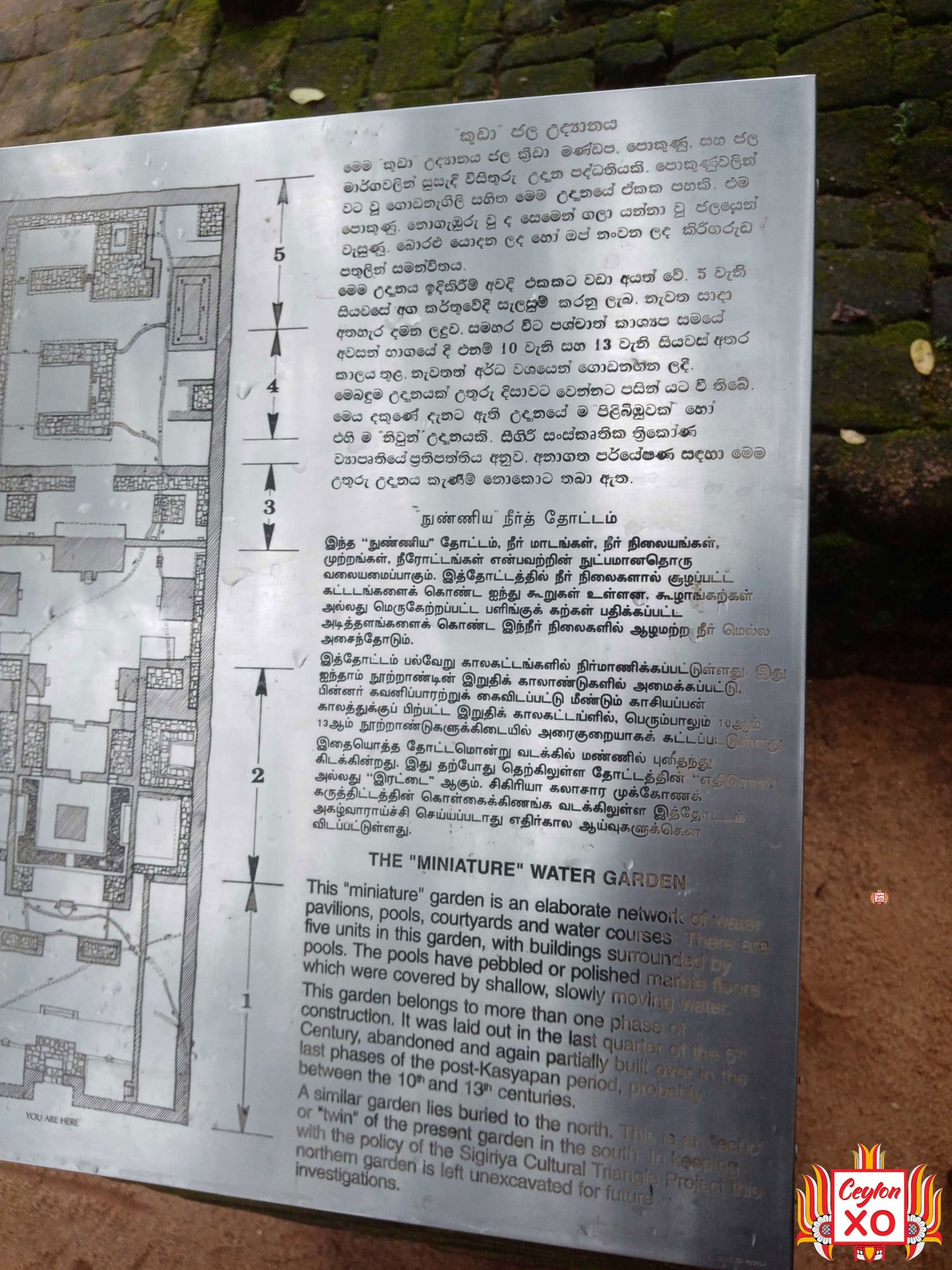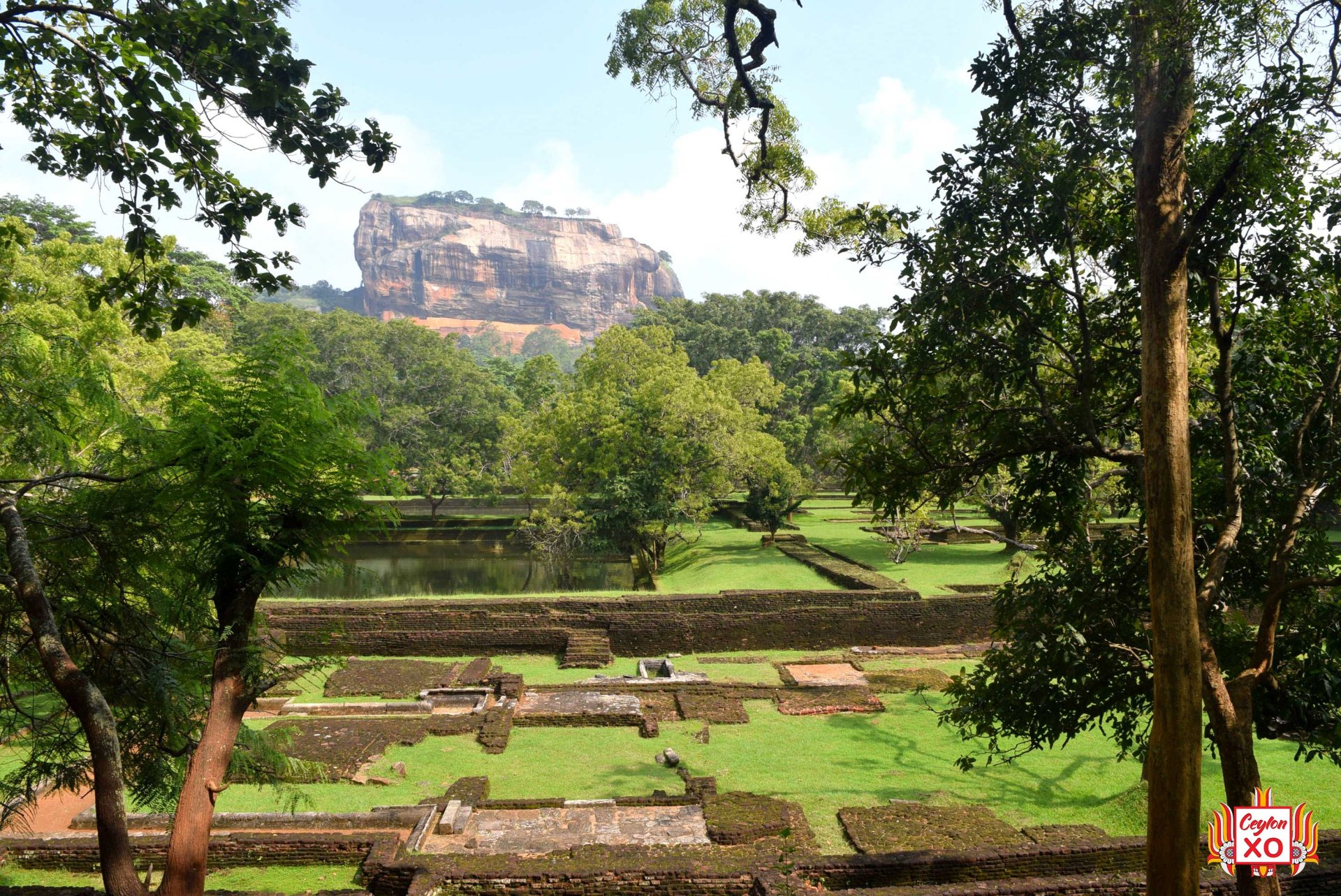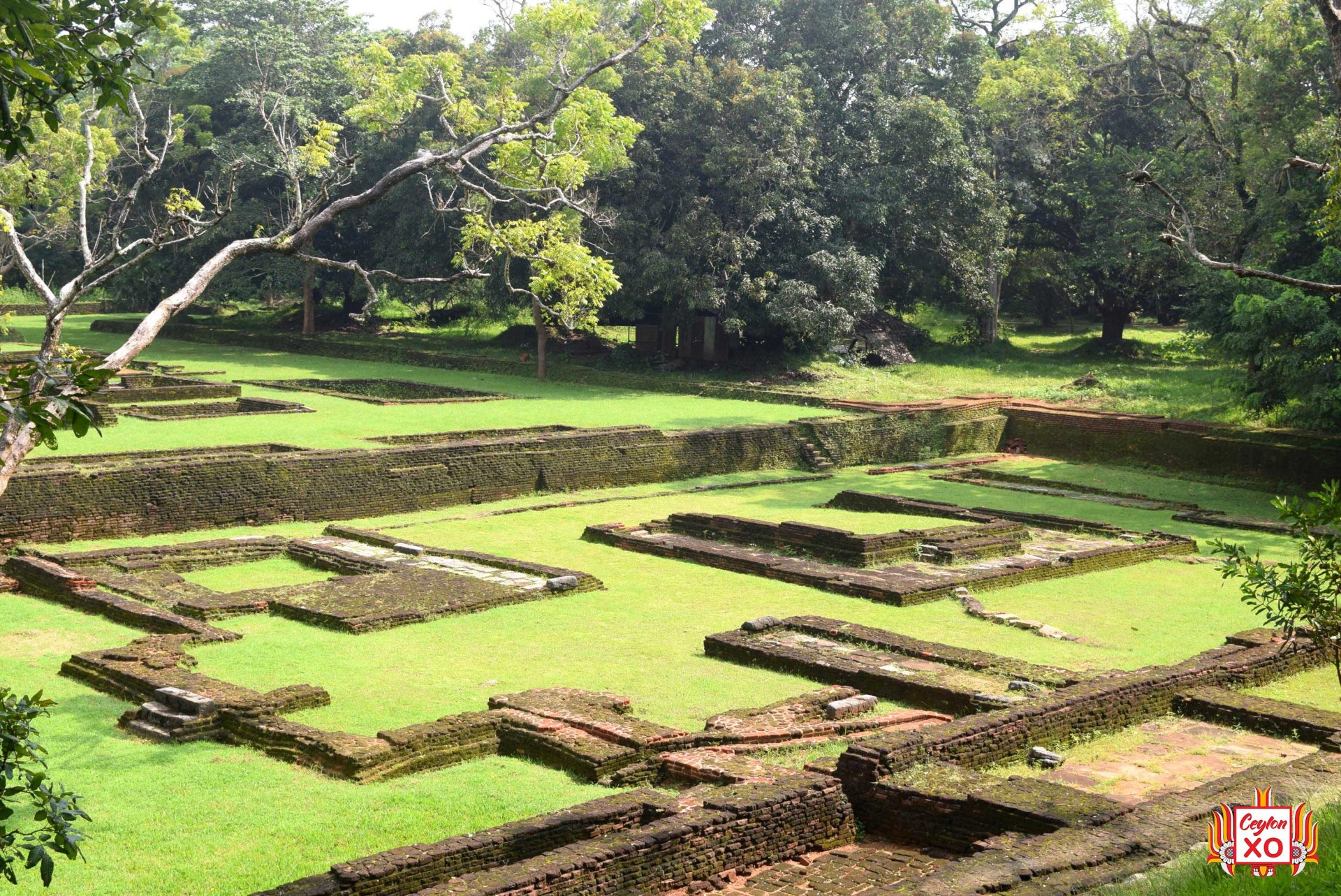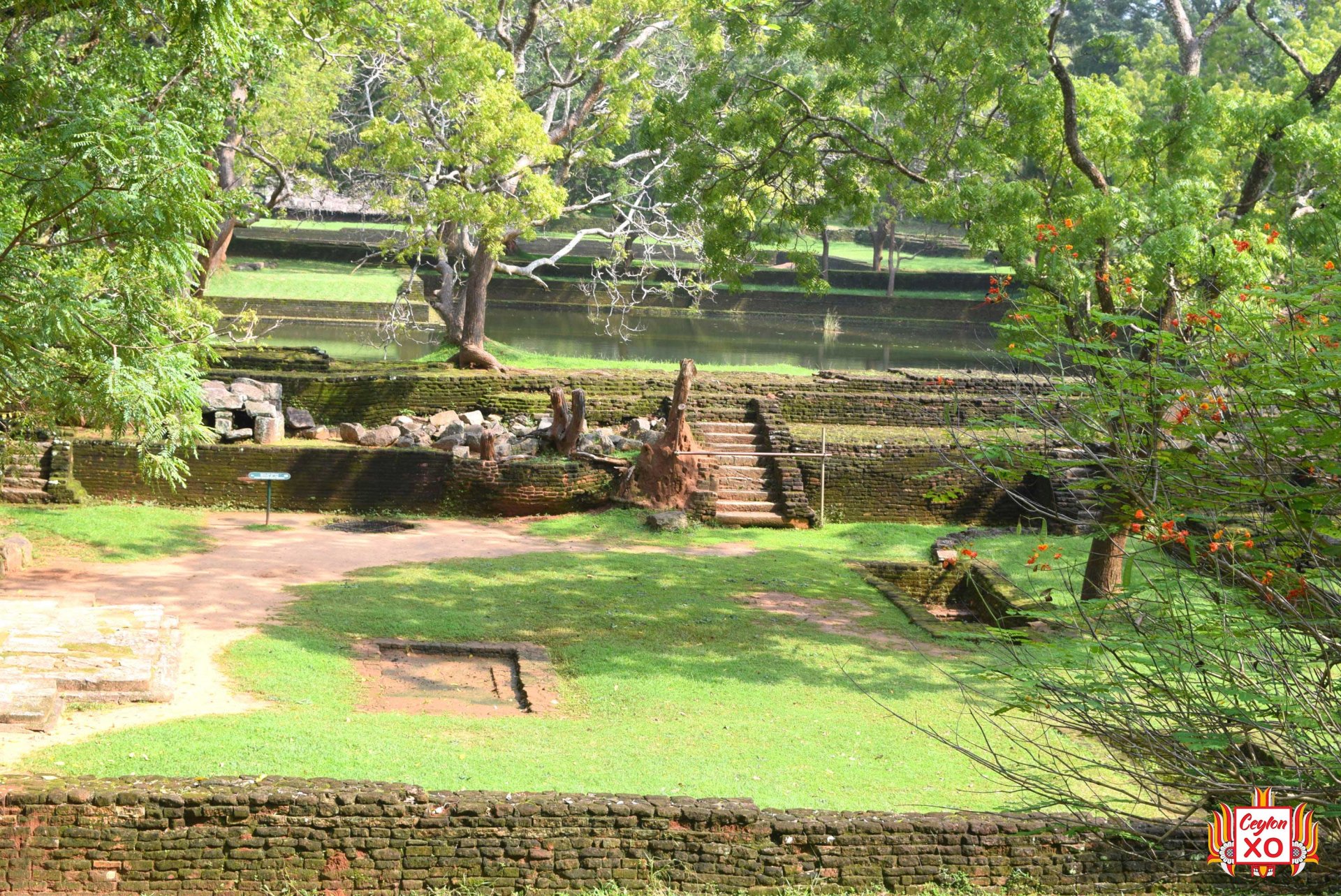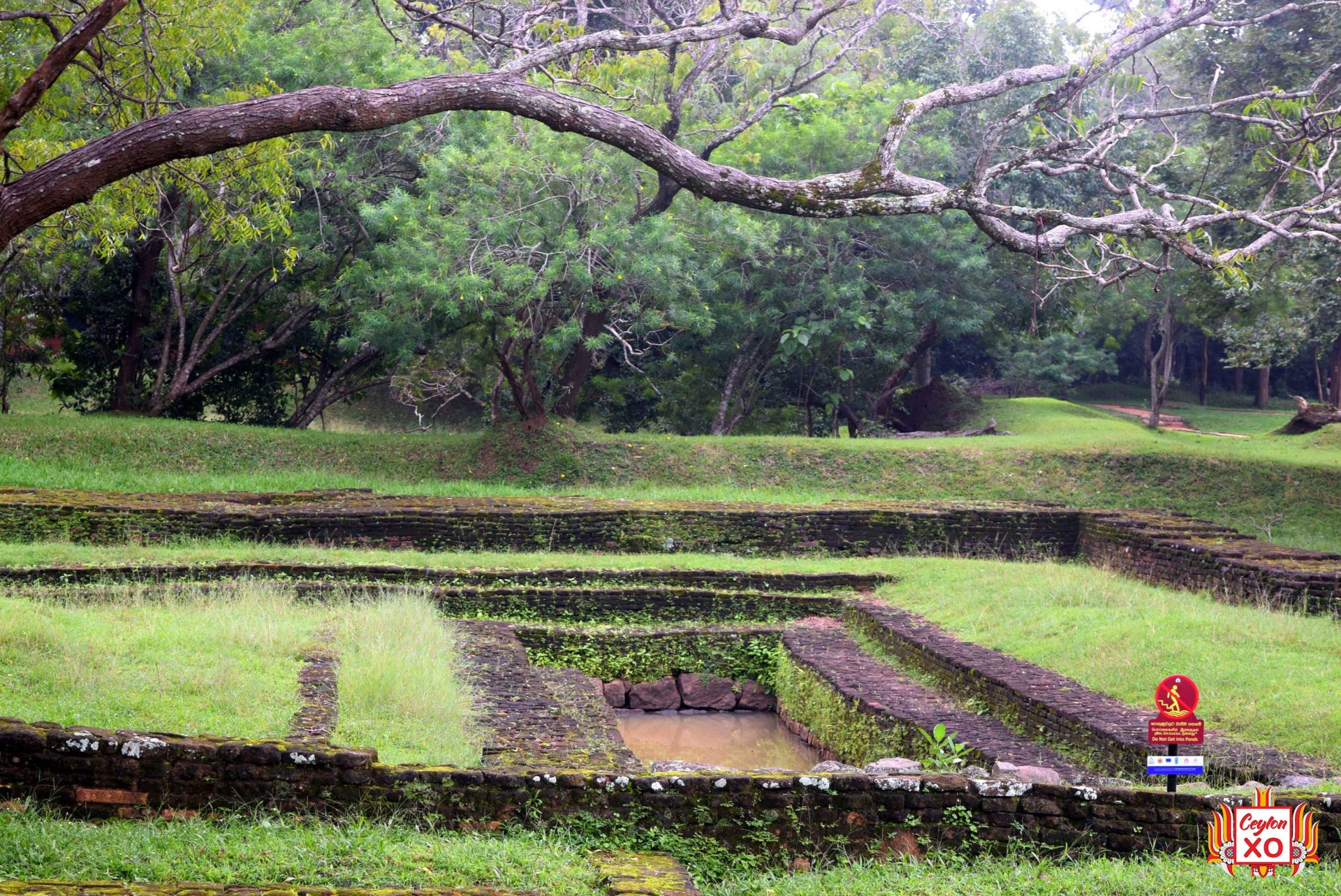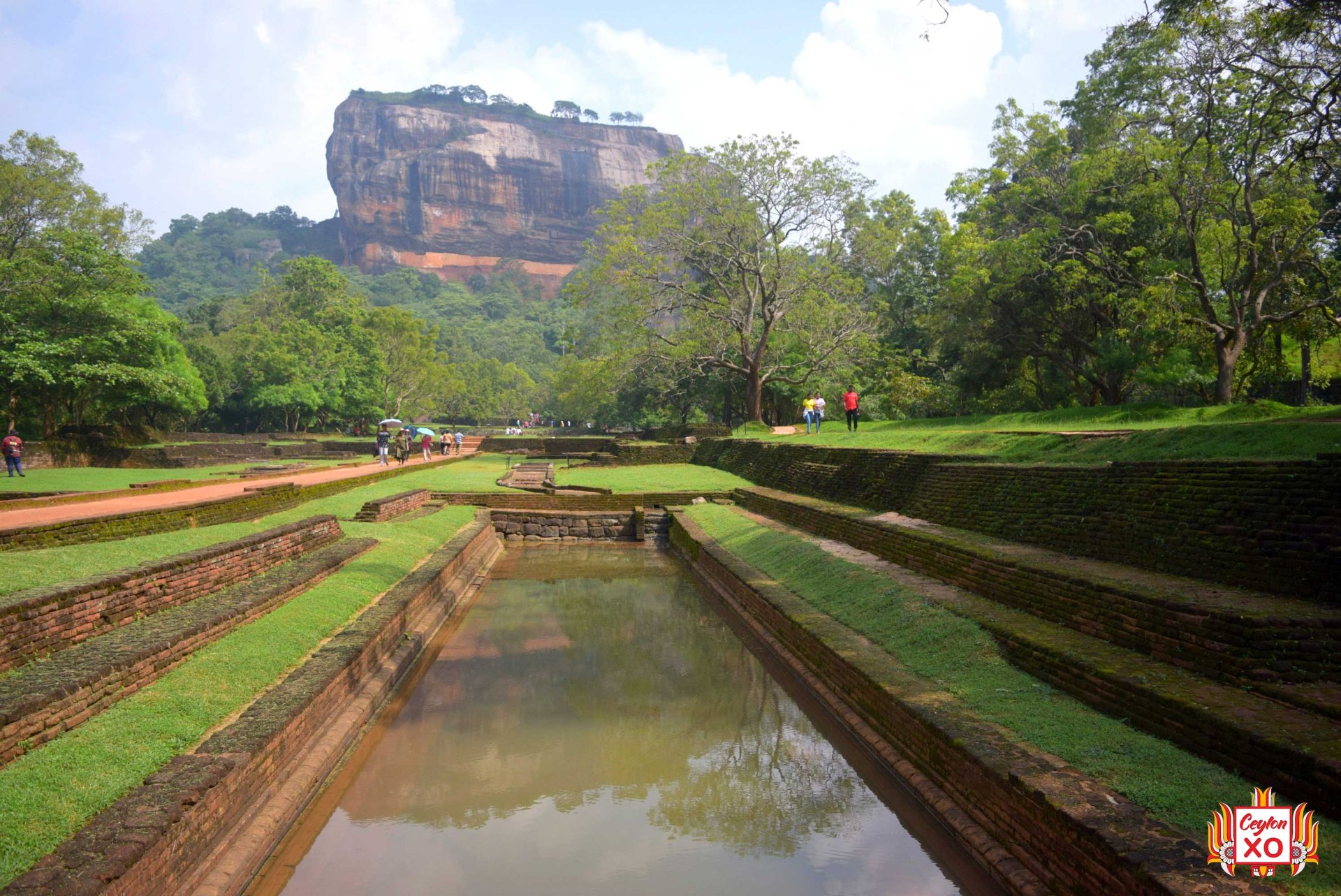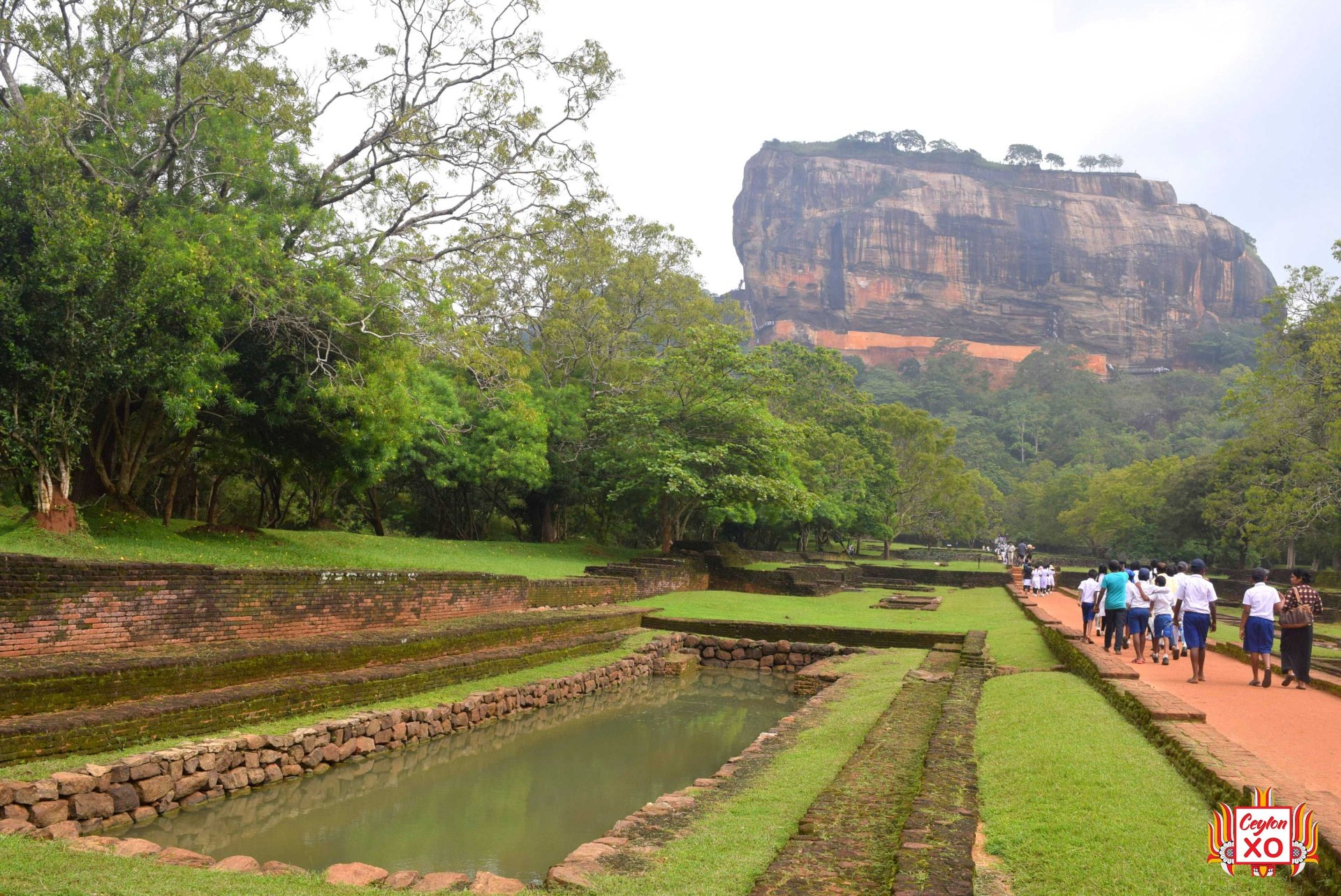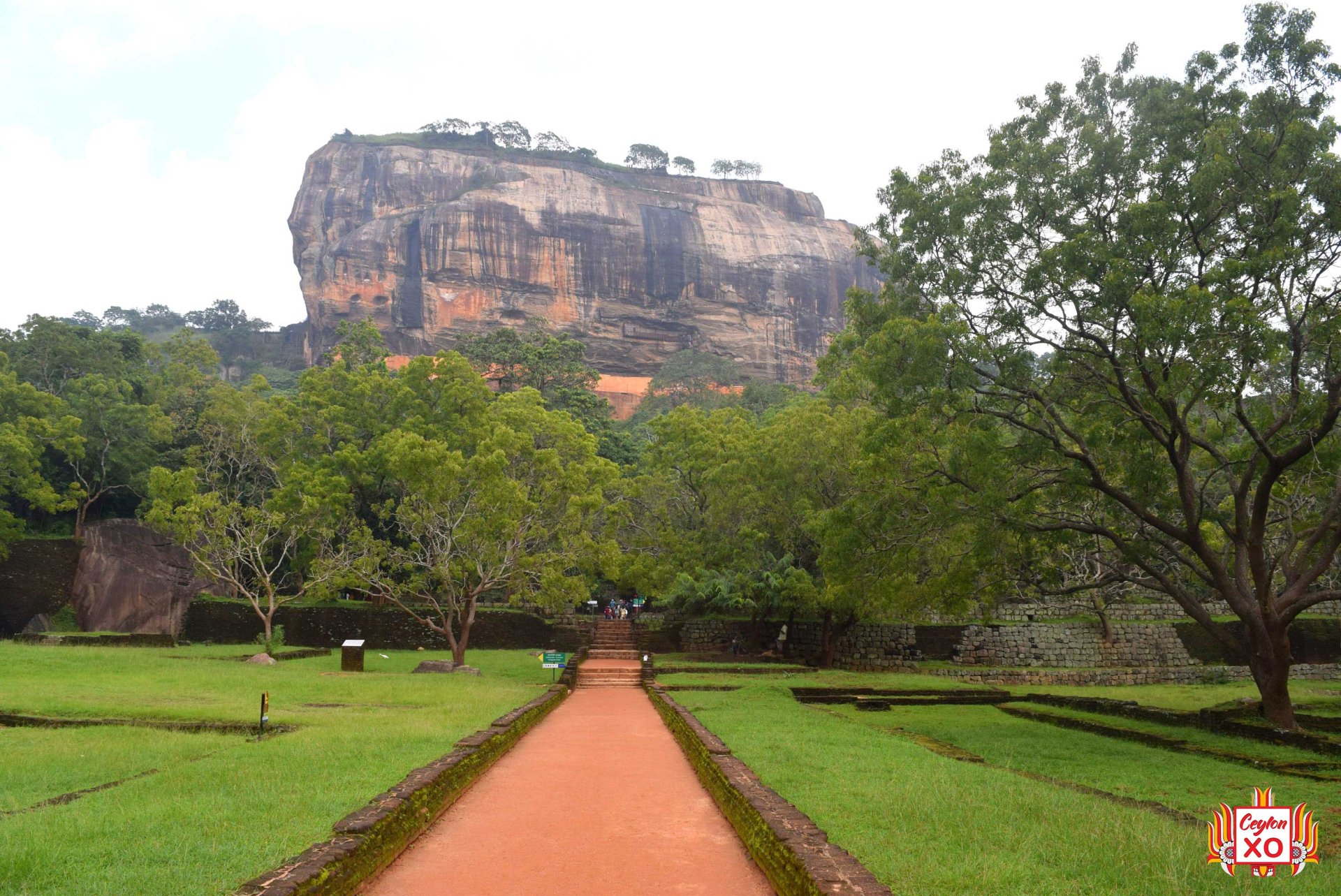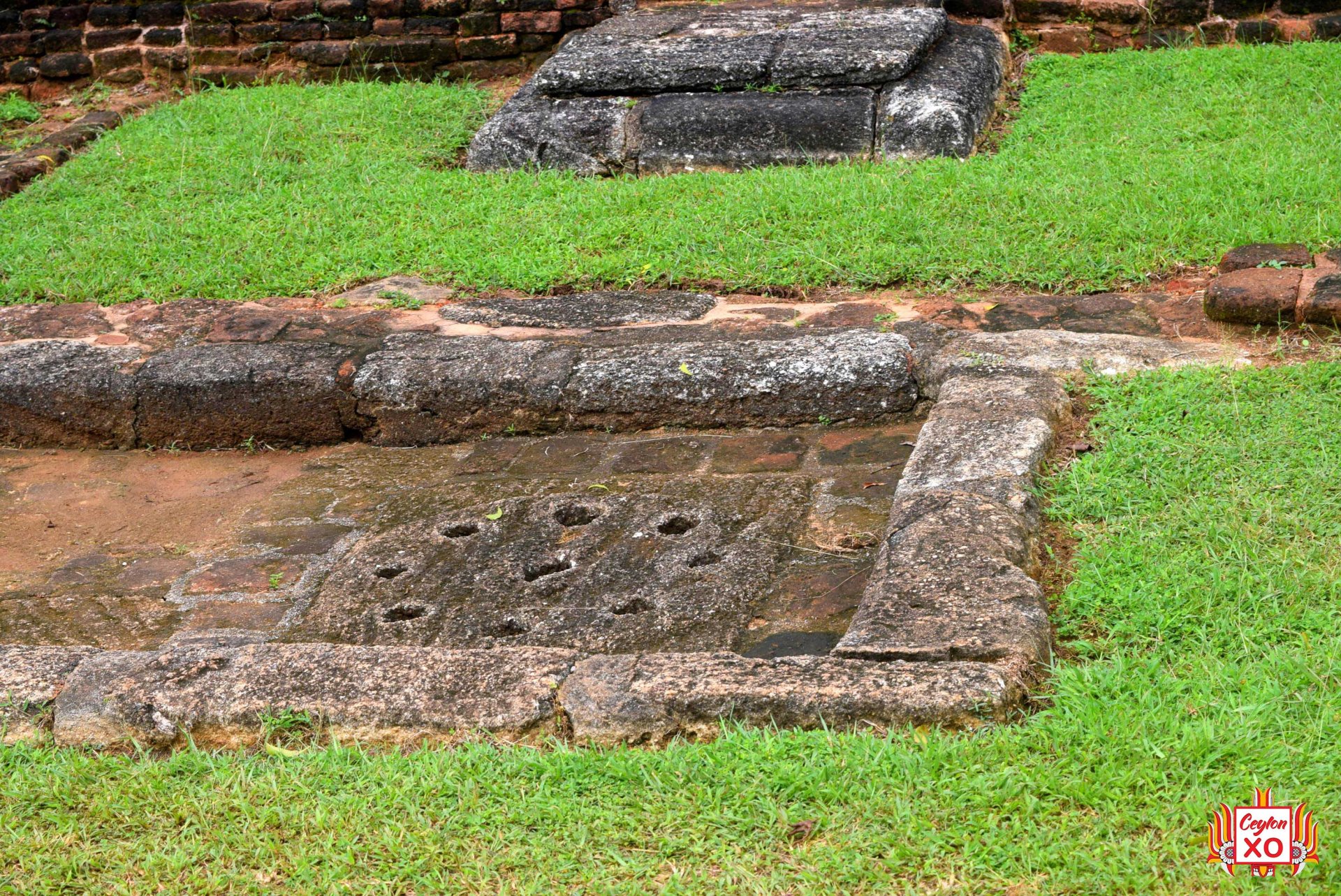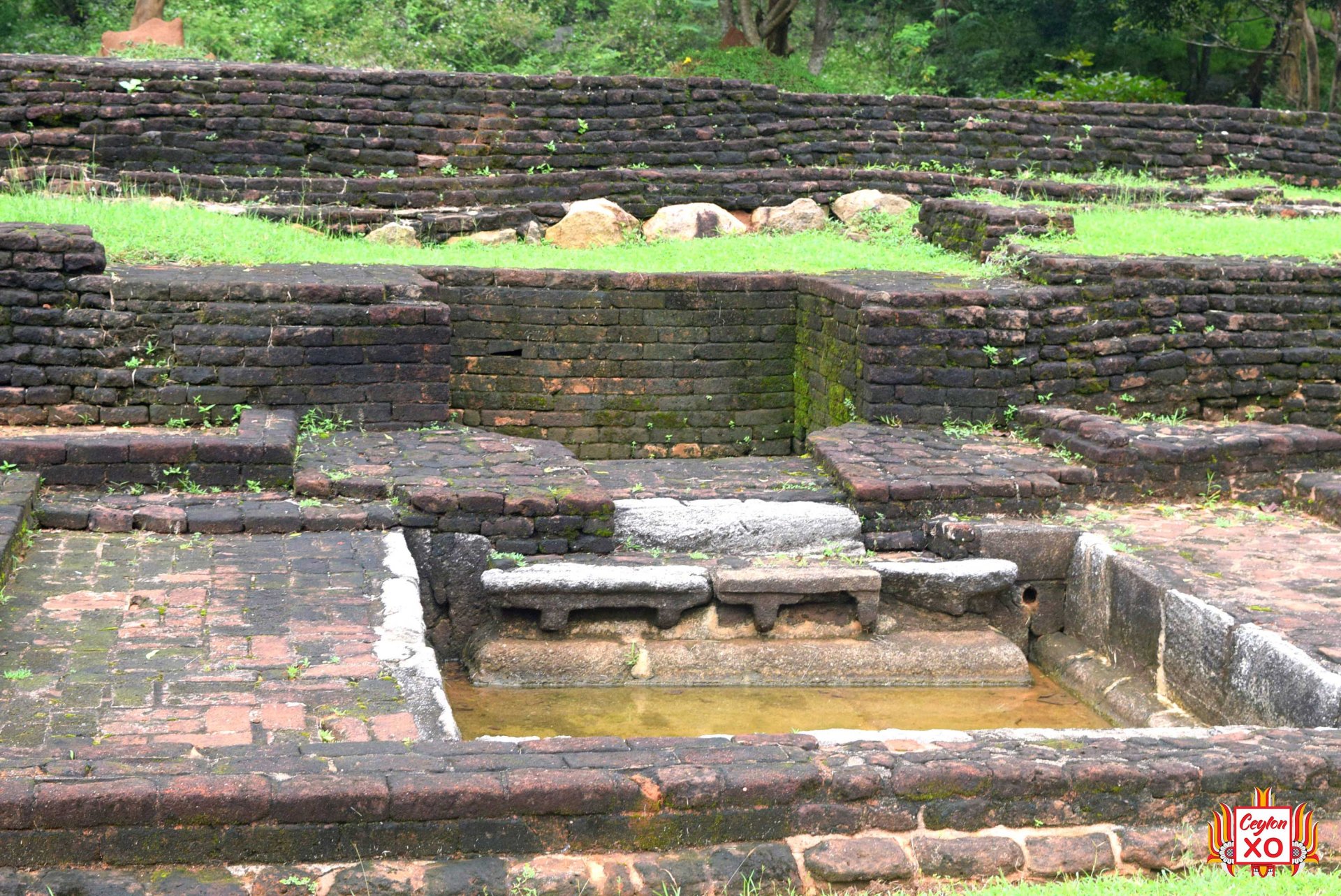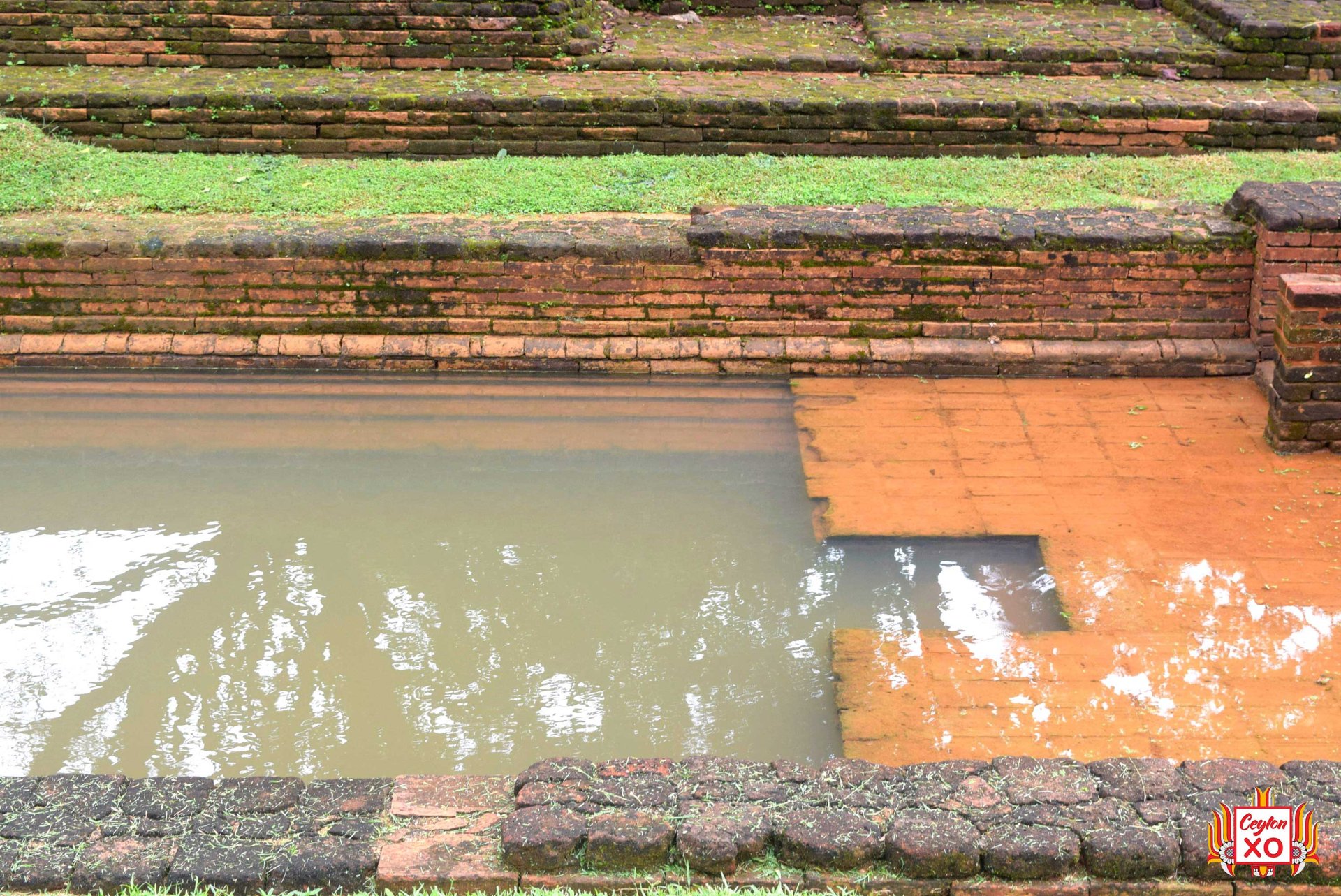
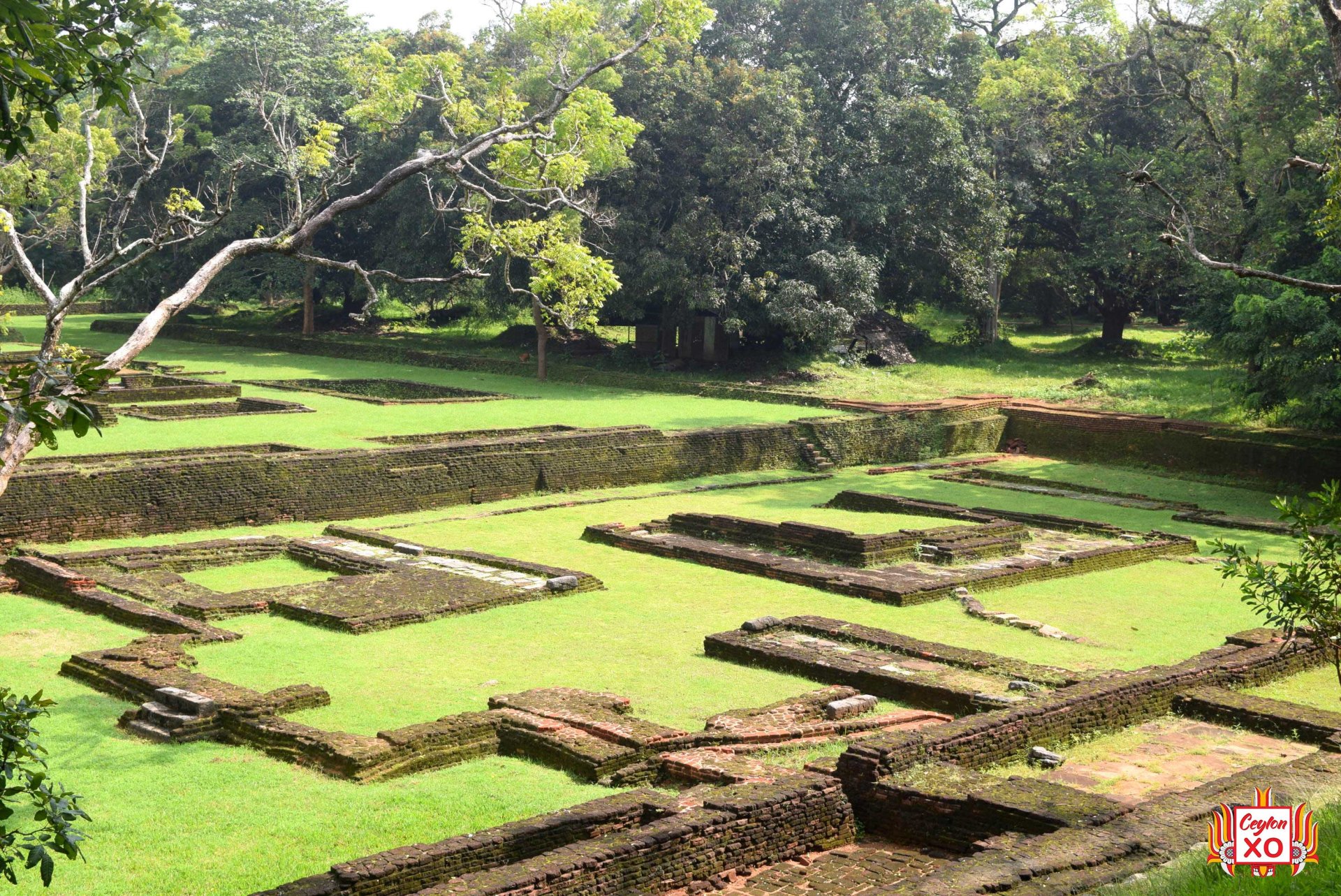
The first section of the Water Gardens, commonly known as the Miniature Water Garden, is an elaborate complex of water pavilions, pools, courtyards, and interconnected water channels. The garden consists of five separate units, each containing a central building surrounded by pools. The floors of these pools were paved with smooth pebbles or polished marble slabs and were originally covered by a thin layer of slowly flowing water, creating an elegant and refreshing atmosphere. Archaeological evidence indicates that this garden underwent several phases of construction. It was first laid out during the latter part of the 6th century, later abandoned, and partially reconstructed during the post-Kashyapa monastic period, between the 10th and 13th centuries. Researchers also believe that a similar twin garden remains buried beneath the ground to the north of the existing complex.
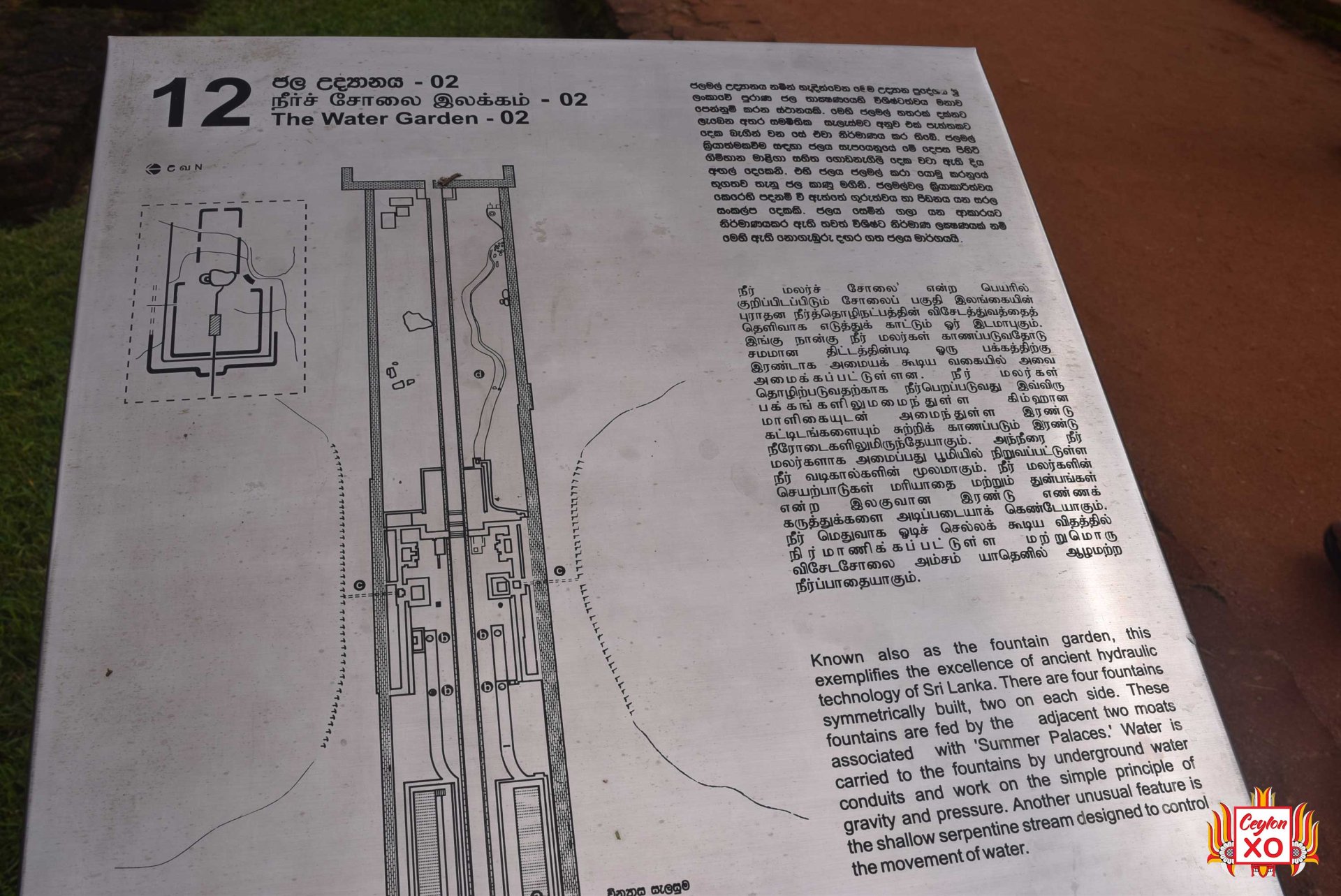
The second section, known as the Fountain Garden, is one of the most impressive examples of ancient hydraulic engineering in Sri Lanka. This garden contains four symmetrically arranged fountains, with two located on each side of the central pathway. The fountains receive water from the adjacent moats surrounding the former Summer Palaces through an underground network of conduits. The entire system operates using the natural principles of gravity and water pressure without the aid of mechanical pumps. Another distinctive feature of this garden is the shallow serpentine stream, which was carefully designed to regulate the movement and distribution of water while adding aesthetic beauty to the landscape. Remarkably, these fountains still operate during the rainy season, more than 1,500 years after they were built.
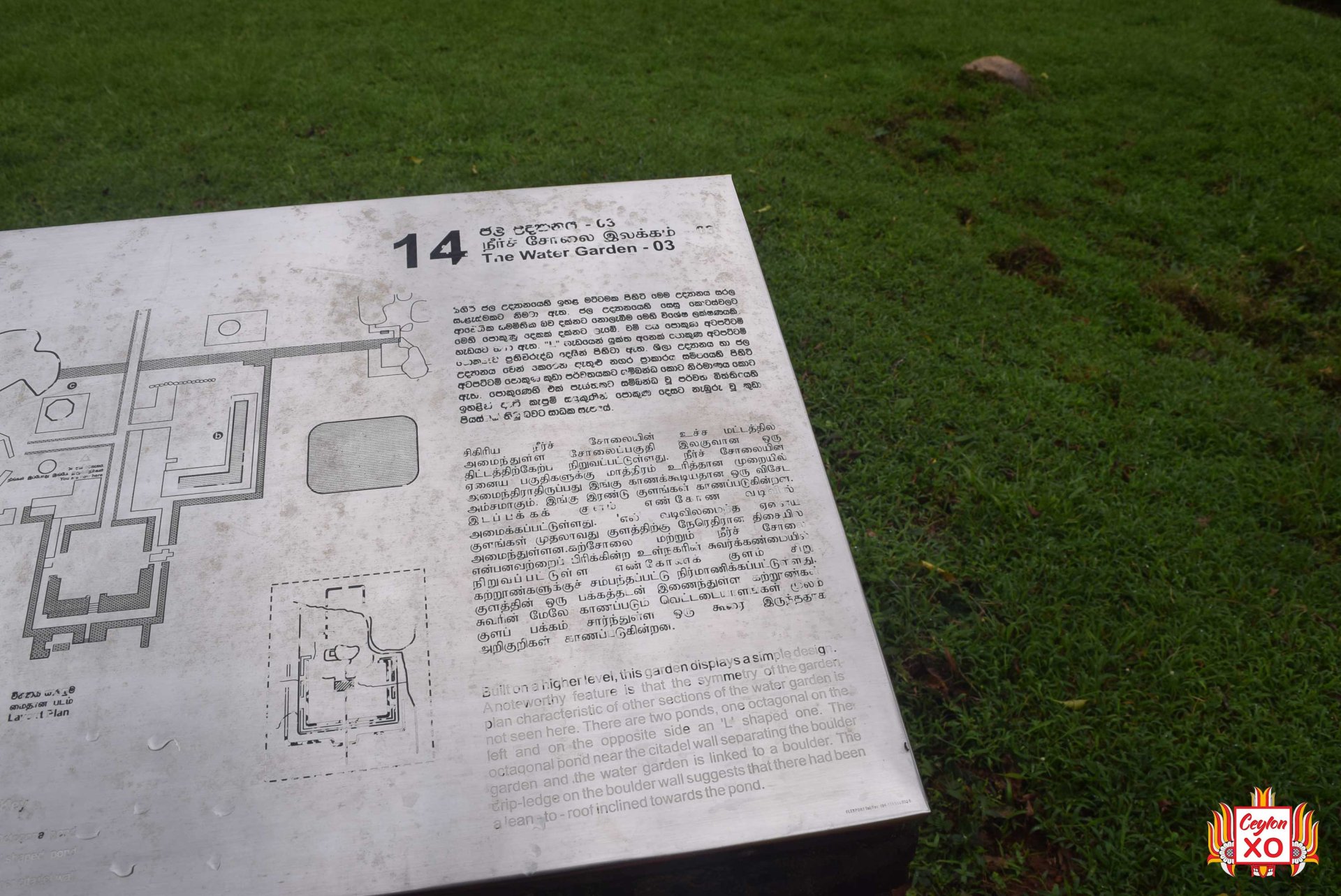
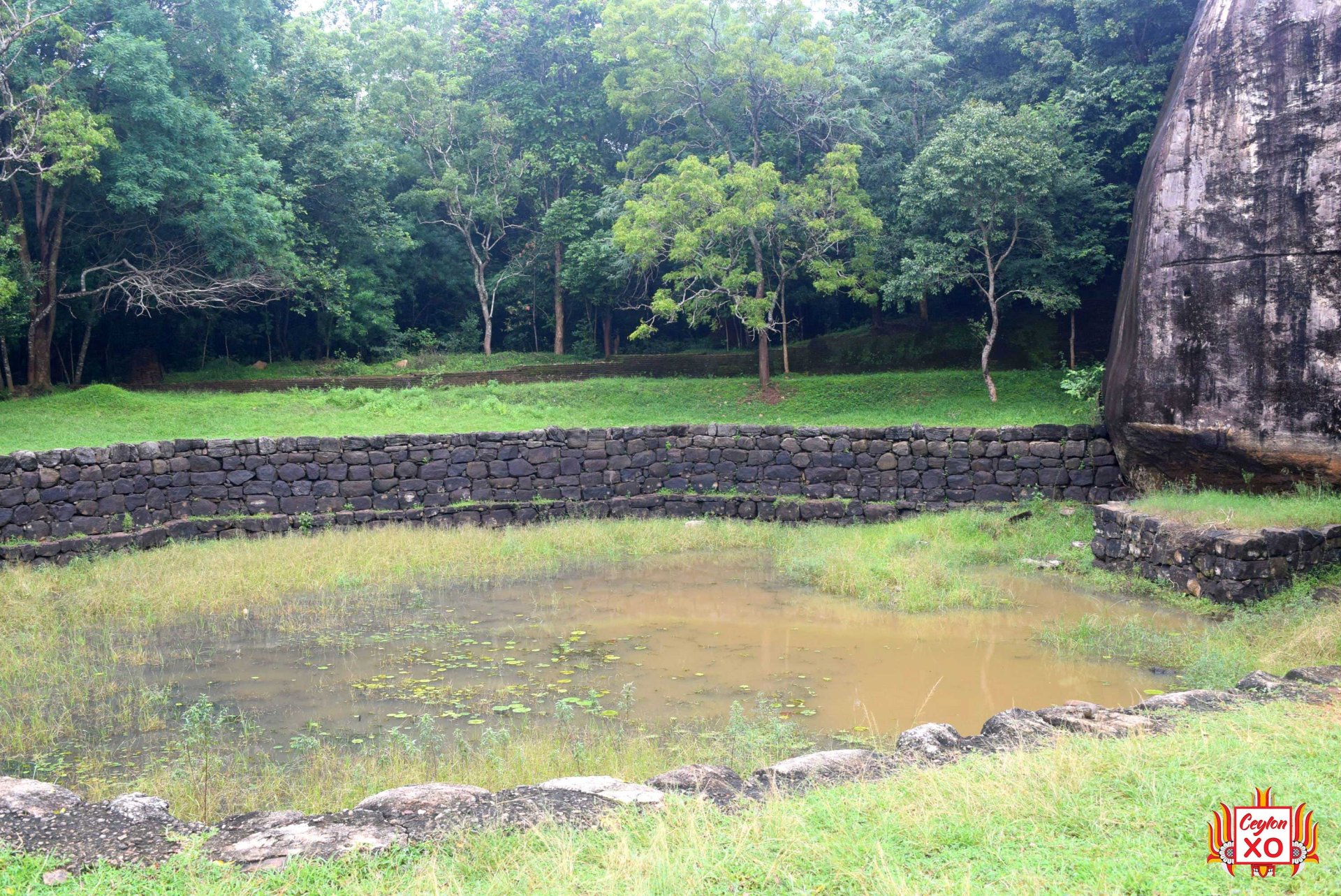
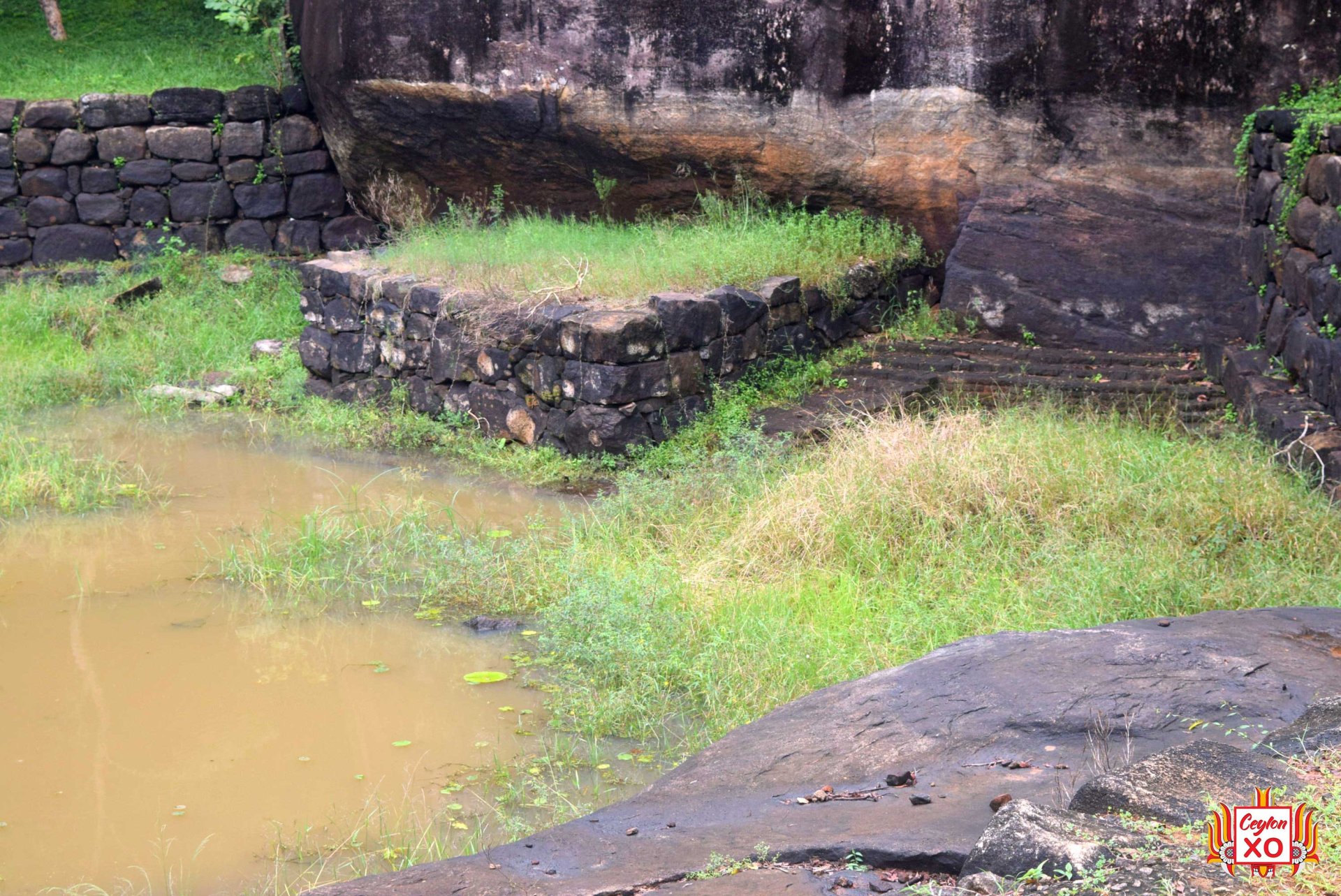
The third section of the Water Gardens is situated on higher ground and displays a simpler layout than the other two gardens. Unlike the symmetrical designs found elsewhere in the complex, this garden follows a more irregular plan. It contains two uniquely shaped ponds—an octagonal pond on the left side and an L-shaped pond on the opposite side. The octagonal pond is located near the wall separating the Water Gardens from the Boulder Gardens and is connected to a large natural boulder. A drip-ledge carved into the rock suggests that a lean-to roof once extended over the pond, providing shelter and possibly serving as a resting place or pavilion. This combination of natural rock formations and carefully planned water features illustrates how the builders skillfully integrated architecture with the surrounding landscape.
Together, the three Water Gardens demonstrate the extraordinary creativity, engineering expertise, and aesthetic vision of the builders of Sigiriya. Their sophisticated hydraulic systems, elegant architectural layout, and harmonious integration with nature continue to make the Water Gardens one of the most remarkable achievements of ancient Sri Lankan civilization and an outstanding feature of the UNESCO World Heritage Site of Sigiriya.