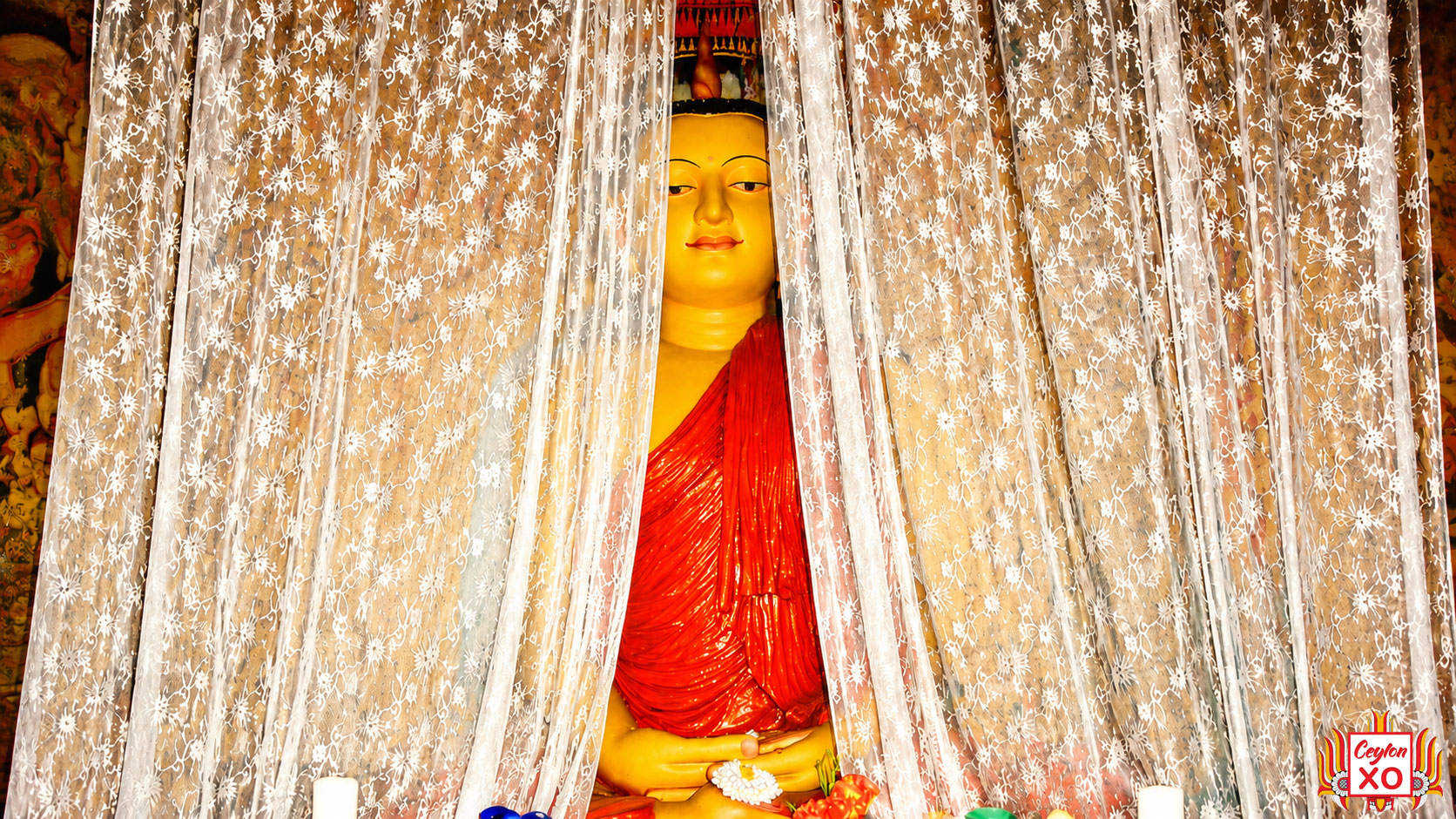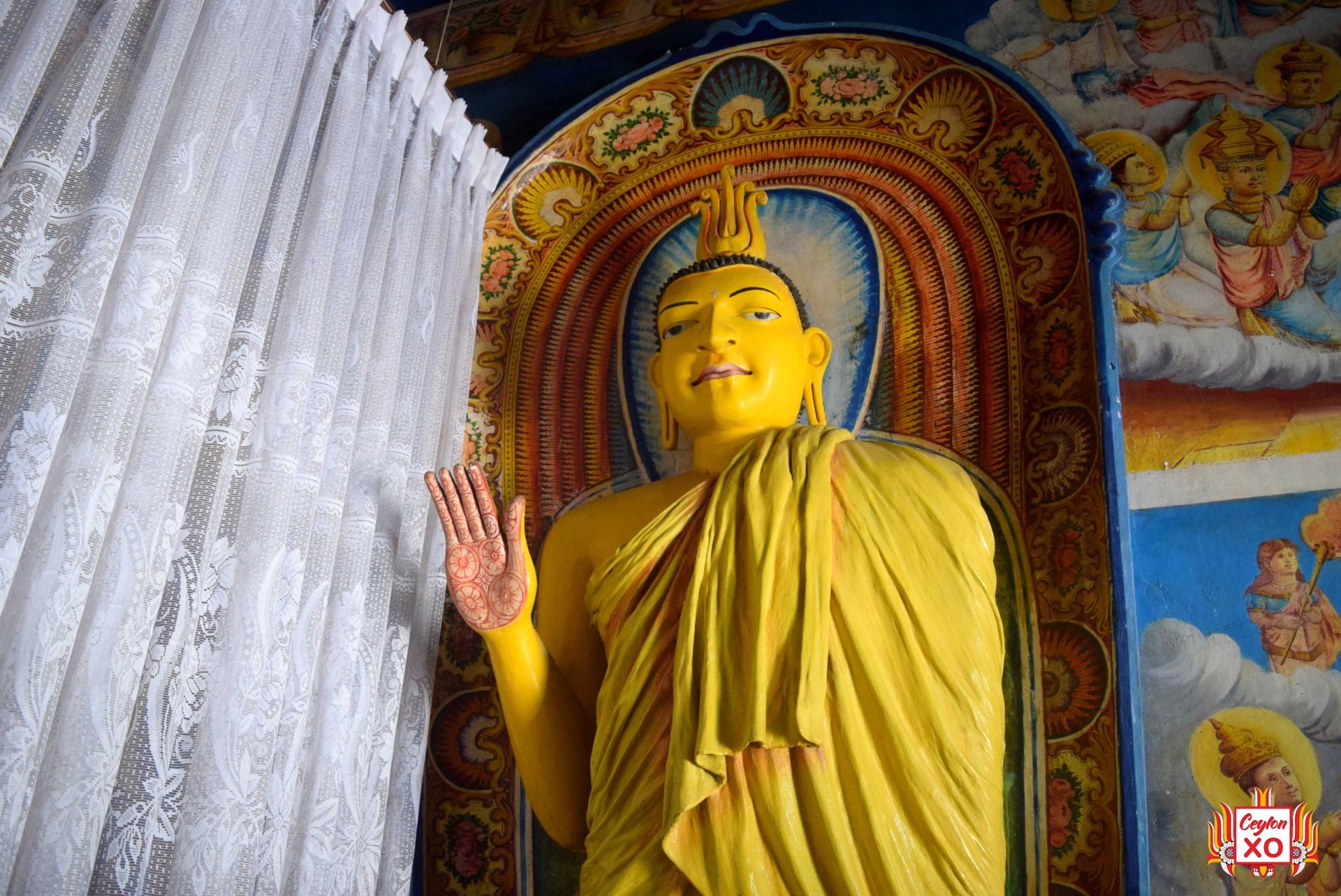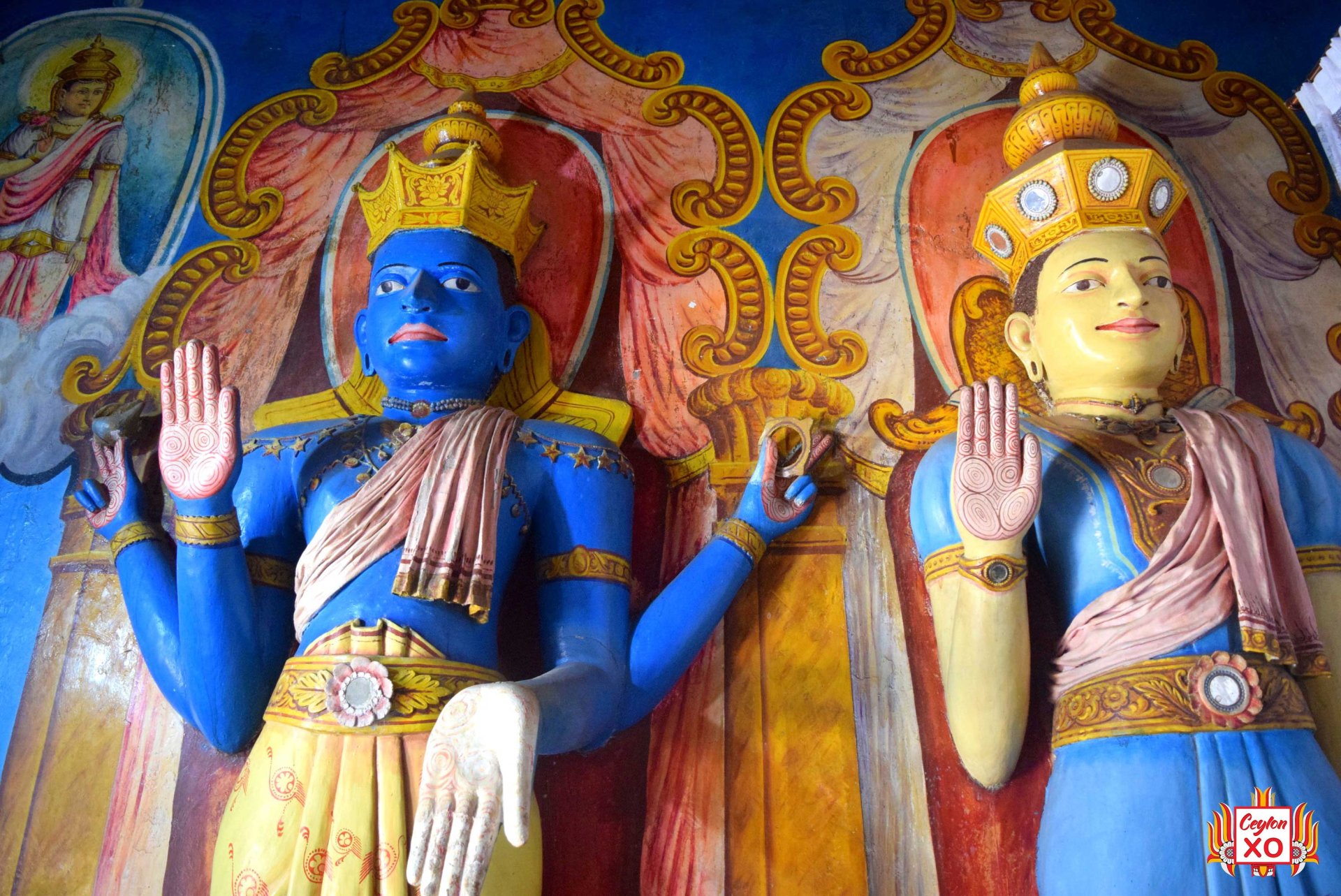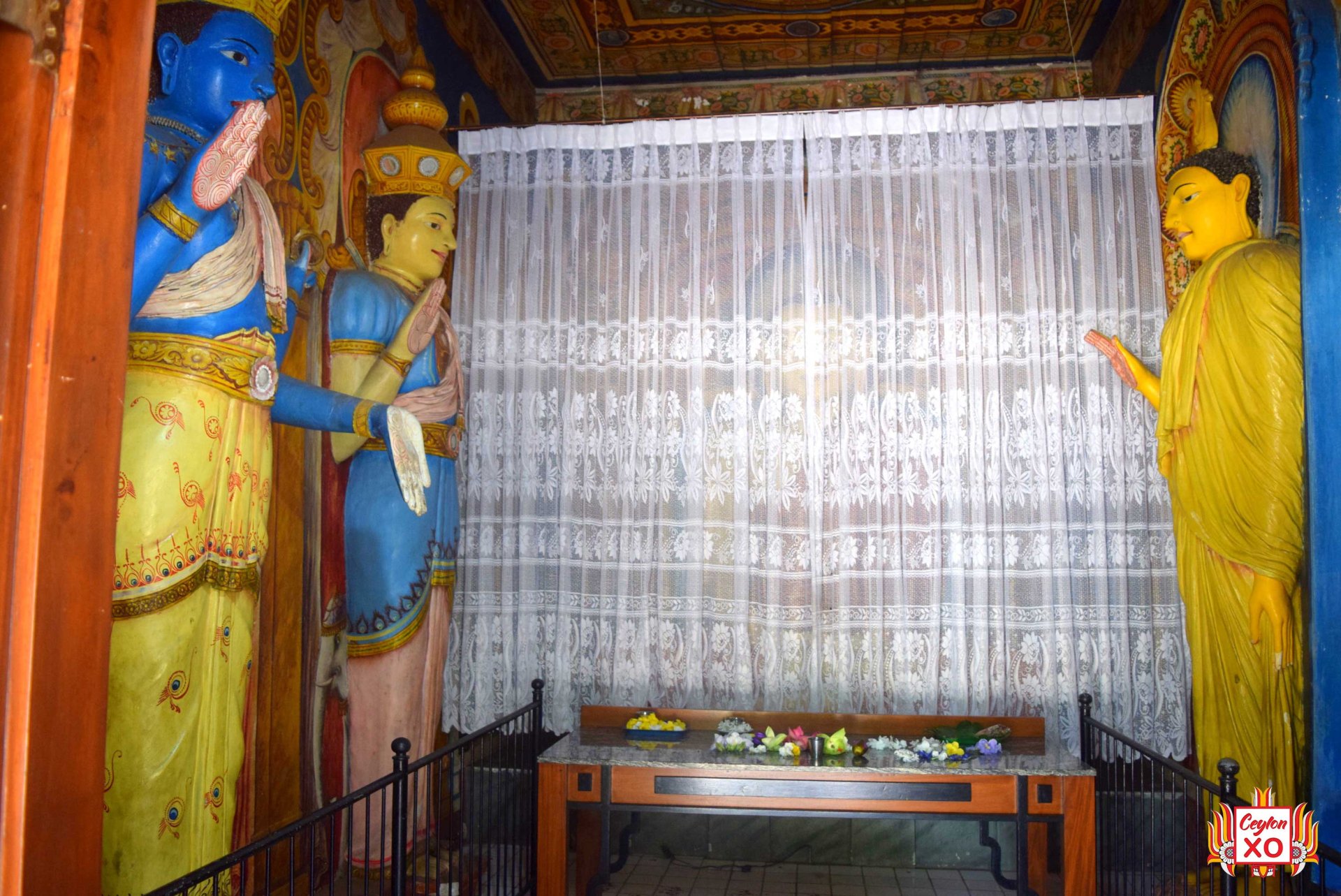
The pirivena was established during the glorious period of the Kotte Kingdom by King Parakramabahu VI in the 15th century. The king founded the institution in honour of his beloved mother, Queen Sunethradevi, whose name the pirivena proudly bears. It became an important centre for Buddhist education, religious activities, and the preservation of Sri Lankan culture during the Kotte era.
A pirivena is a traditional Buddhist monastic college where novice monks and Buddhist clergy receive education in religious studies as well as languages and classical subjects. During the Kotte Kingdom, Sunethradevi Pirivena was regarded as one of the leading centres of higher learning in the country. It played a vital role in the development of Buddhist philosophy, Pali, Sanskrit, Sinhala literature, grammar, and other traditional disciplines. Along with other renowned pirivenas of the period, it contributed greatly to the literary and educational renaissance that flourished under the patronage of King Parakramabahu VI.
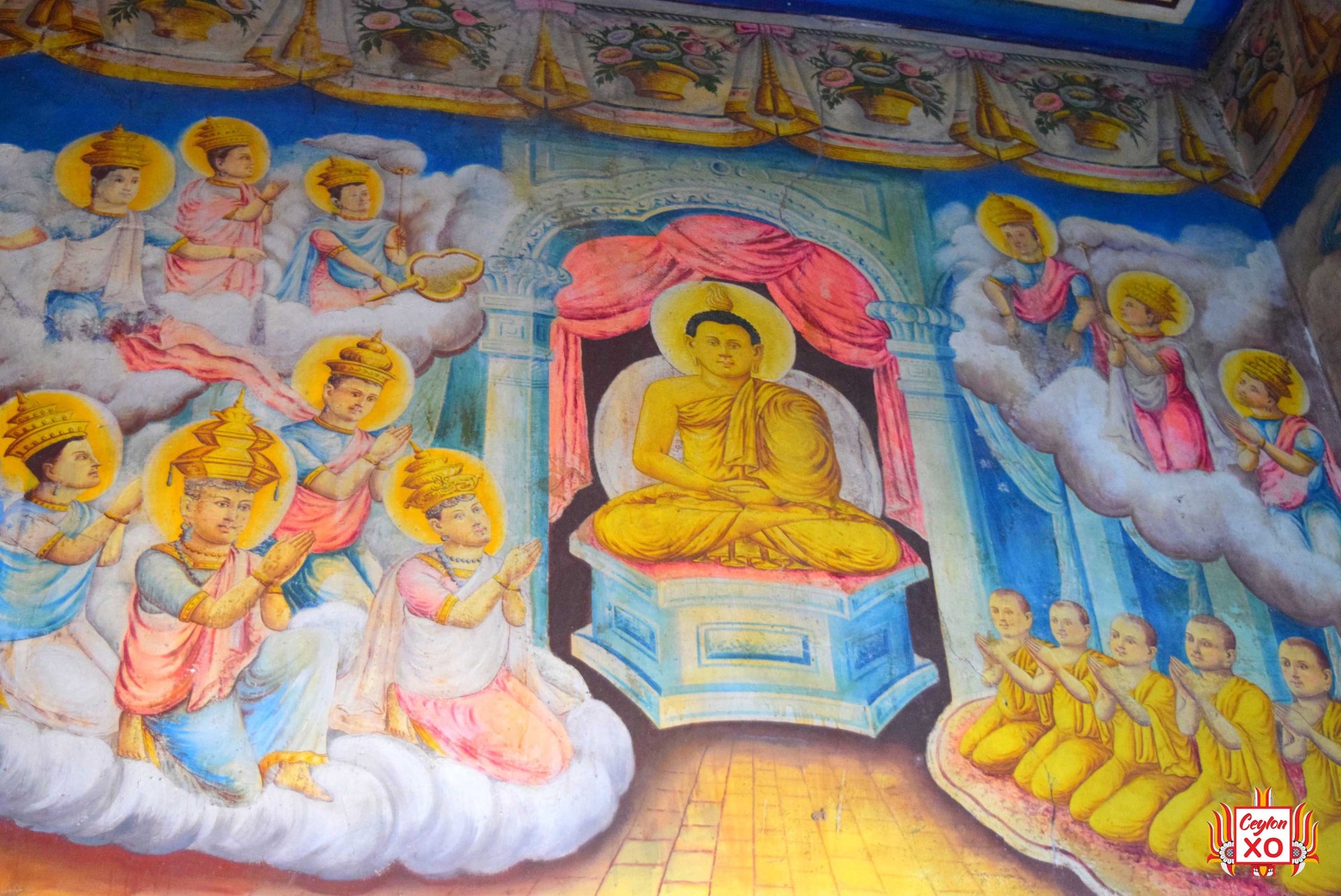
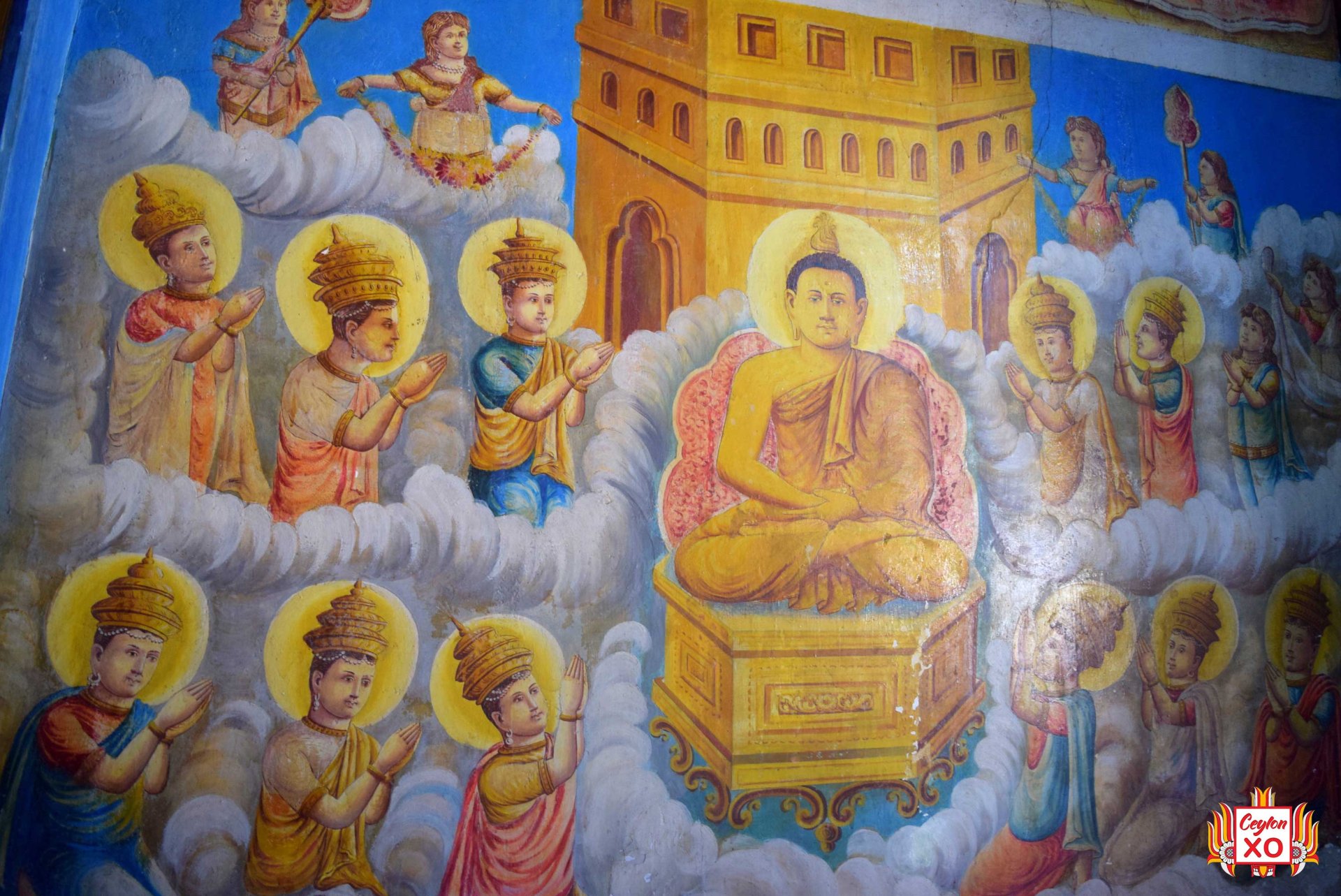
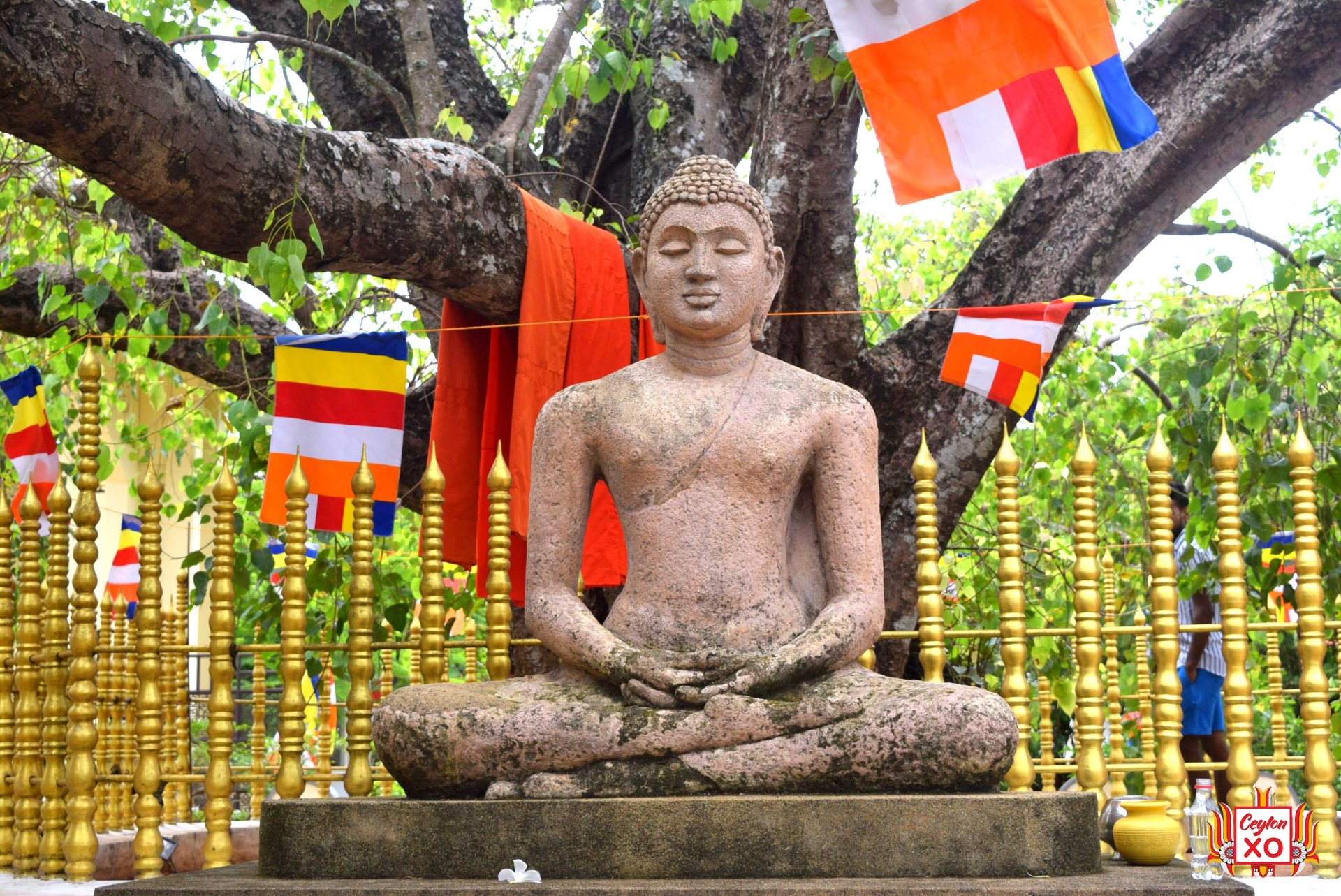
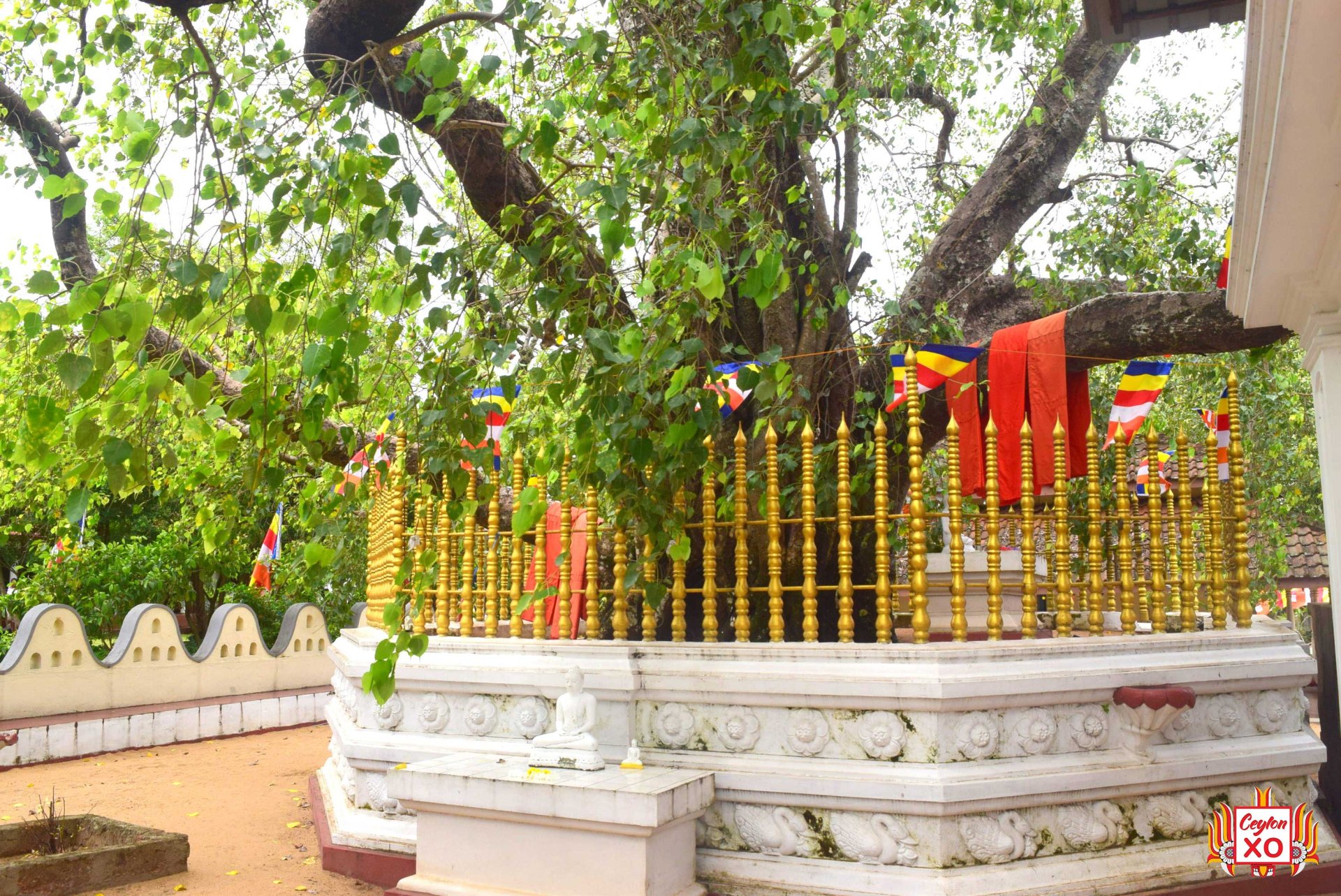
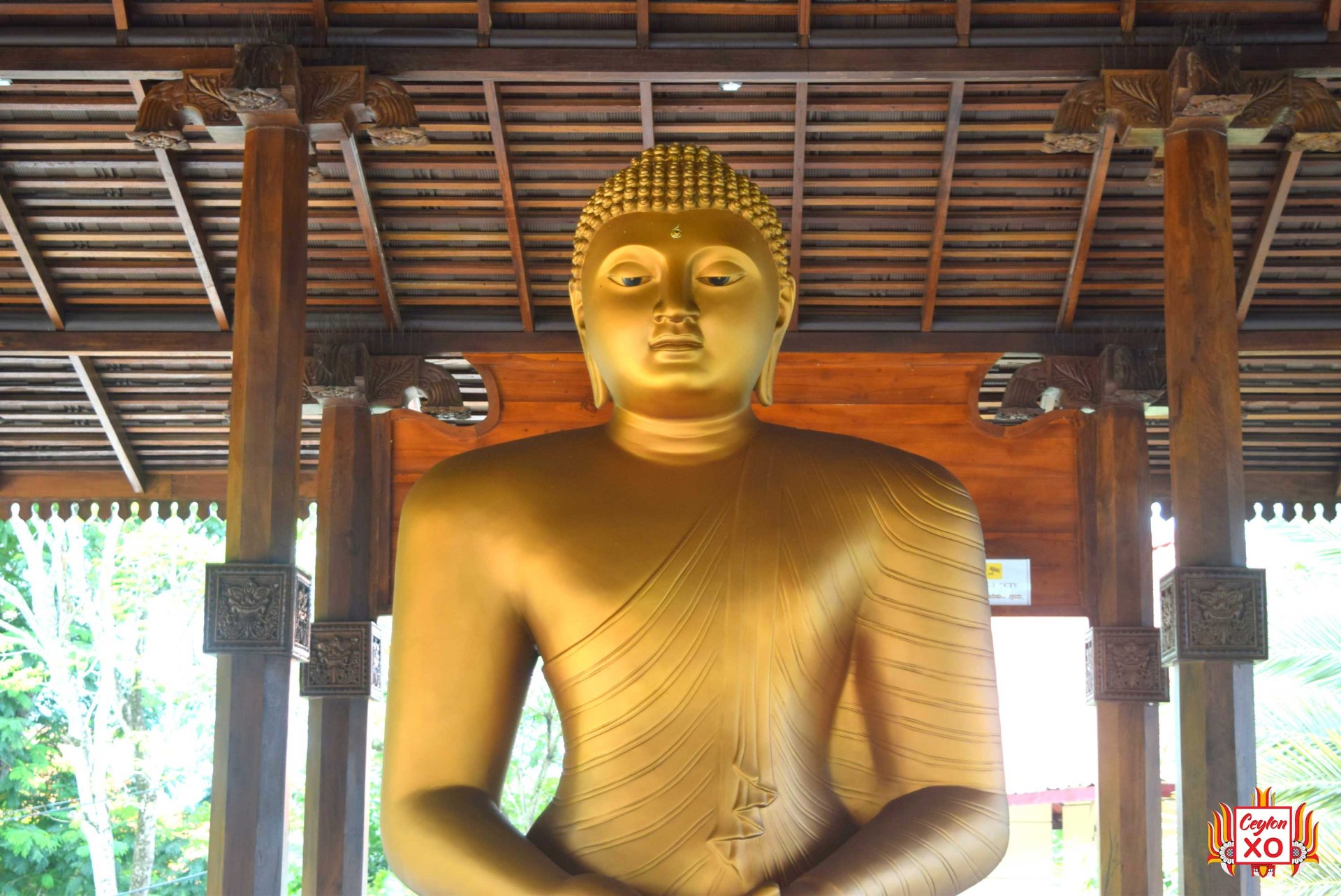
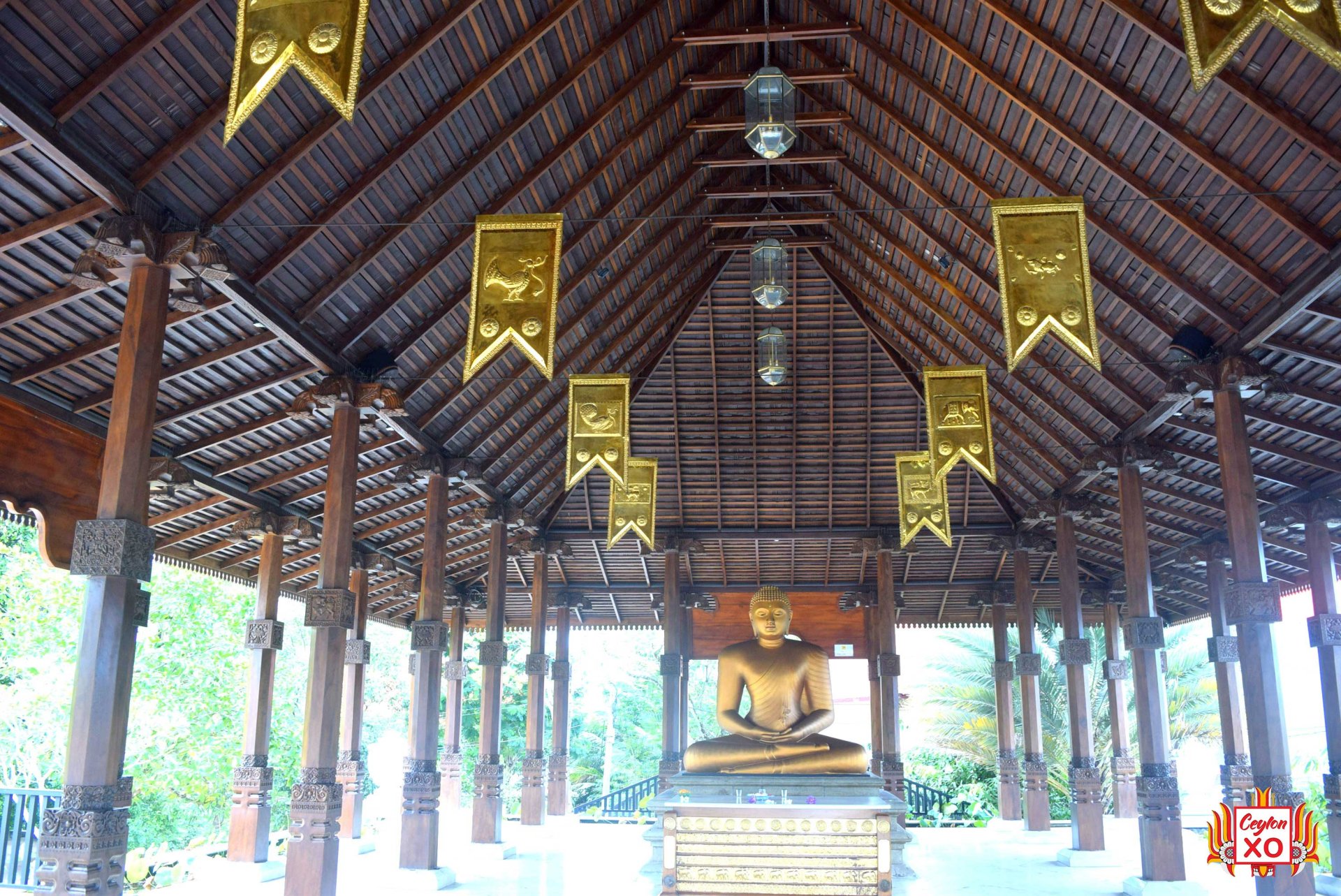
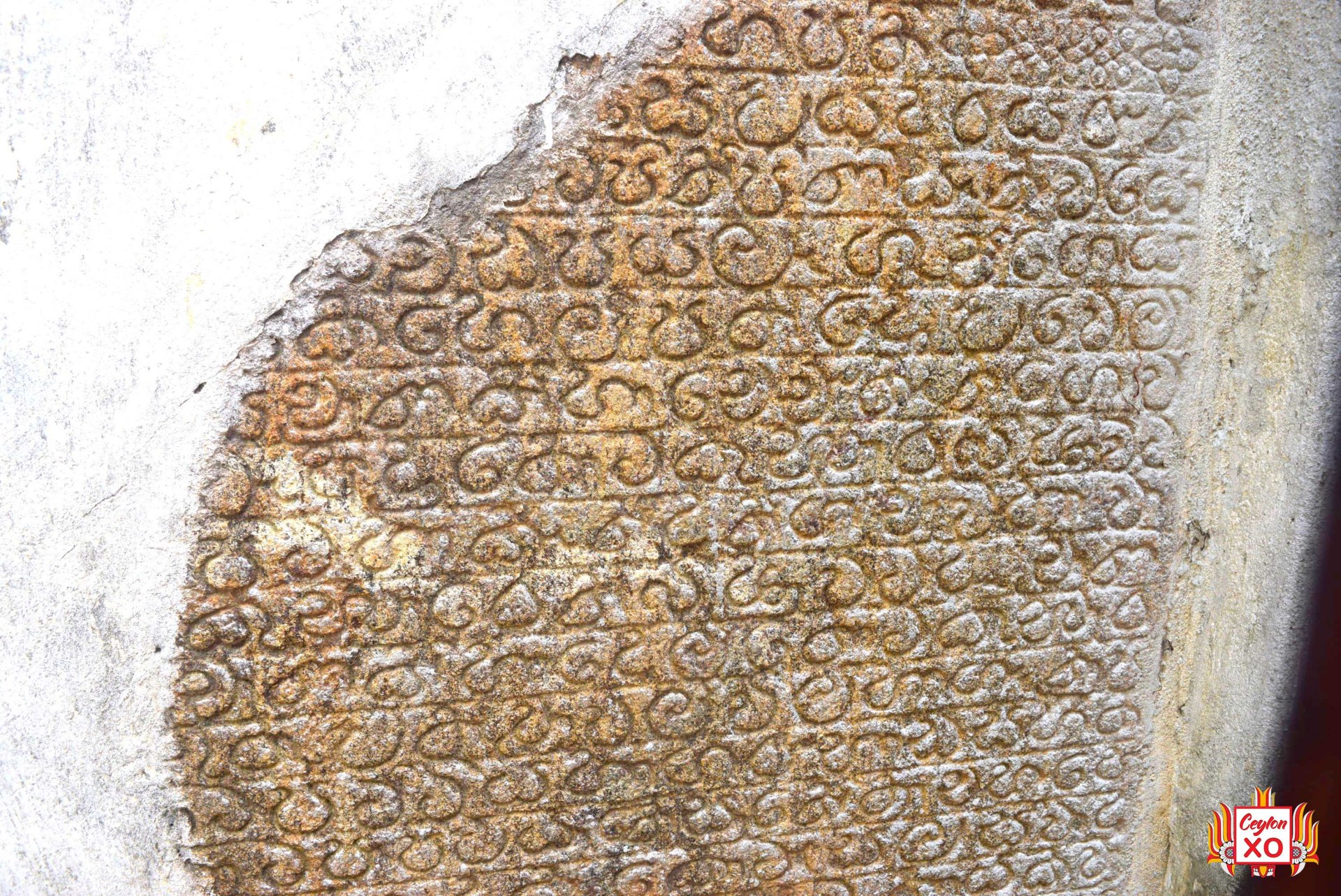
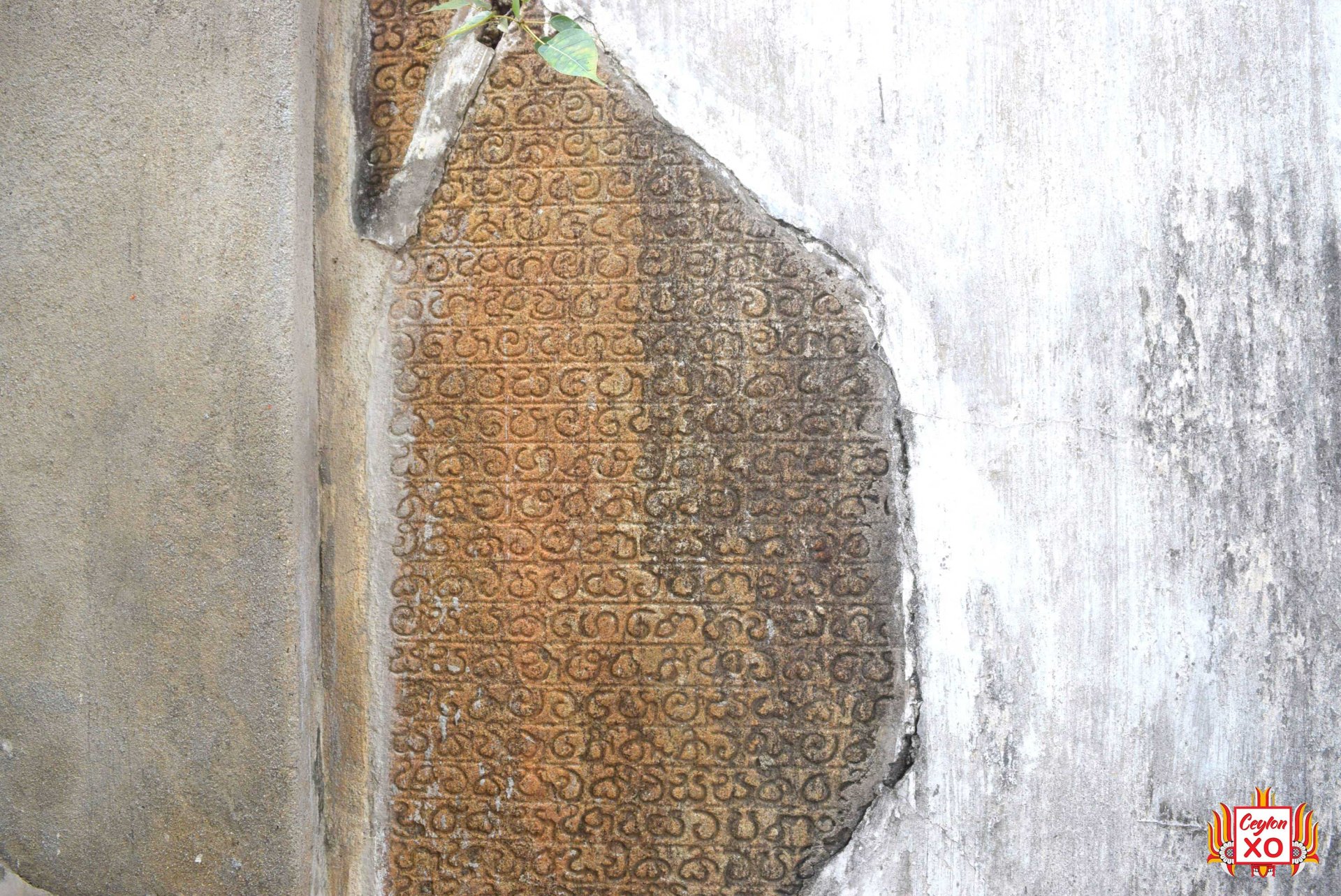
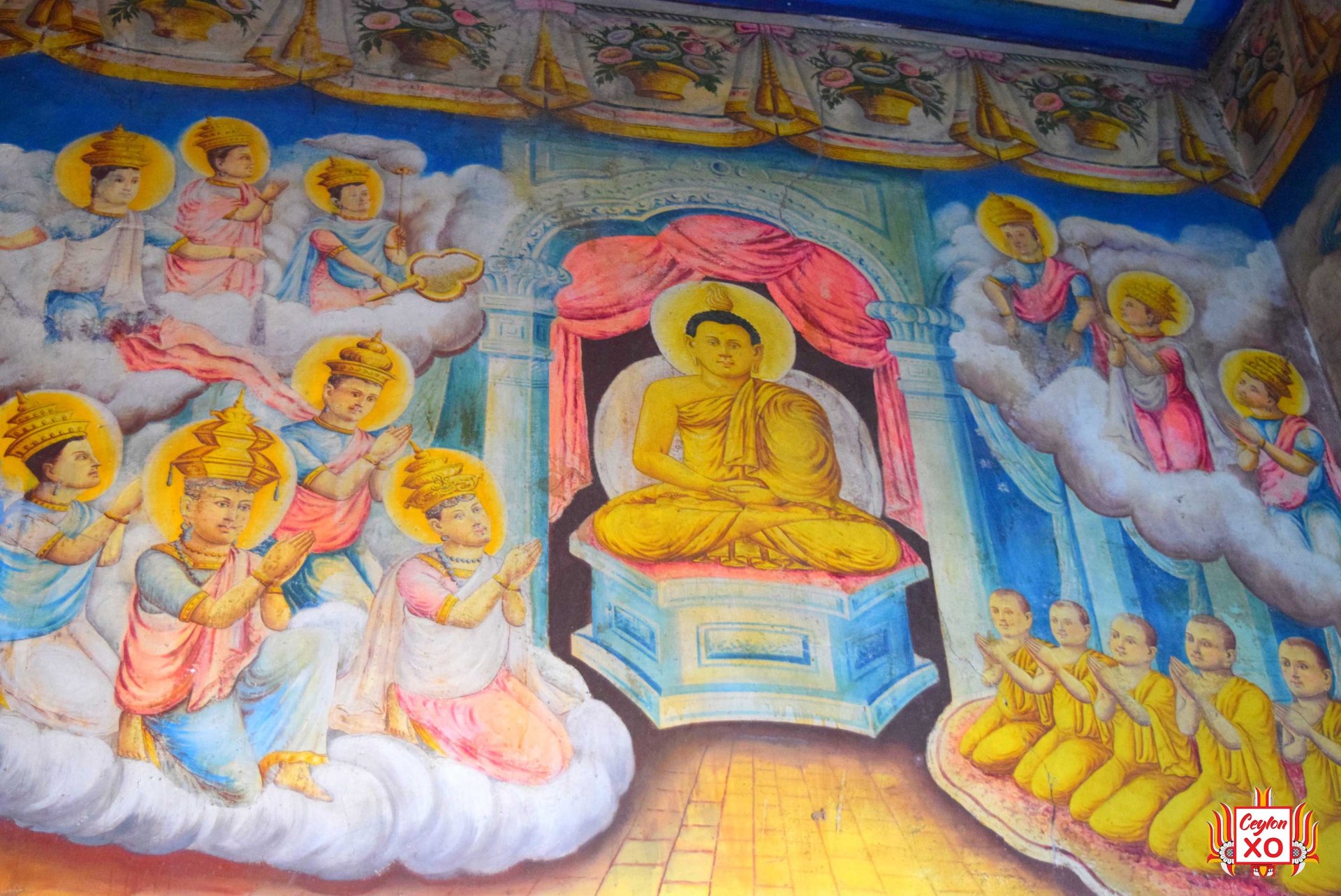
The temple complex contains several important religious structures, including the stupa, shrine rooms, Bodhi tree, image house, preaching hall, and residential quarters for monks. Over the centuries, the temple has undergone several renovations while preserving many features of traditional Sri Lankan temple architecture. Ancient inscriptions, royal grants, and historical records associated with the pirivena provide valuable information about the administration of the temple and the generous endowments made by the king.
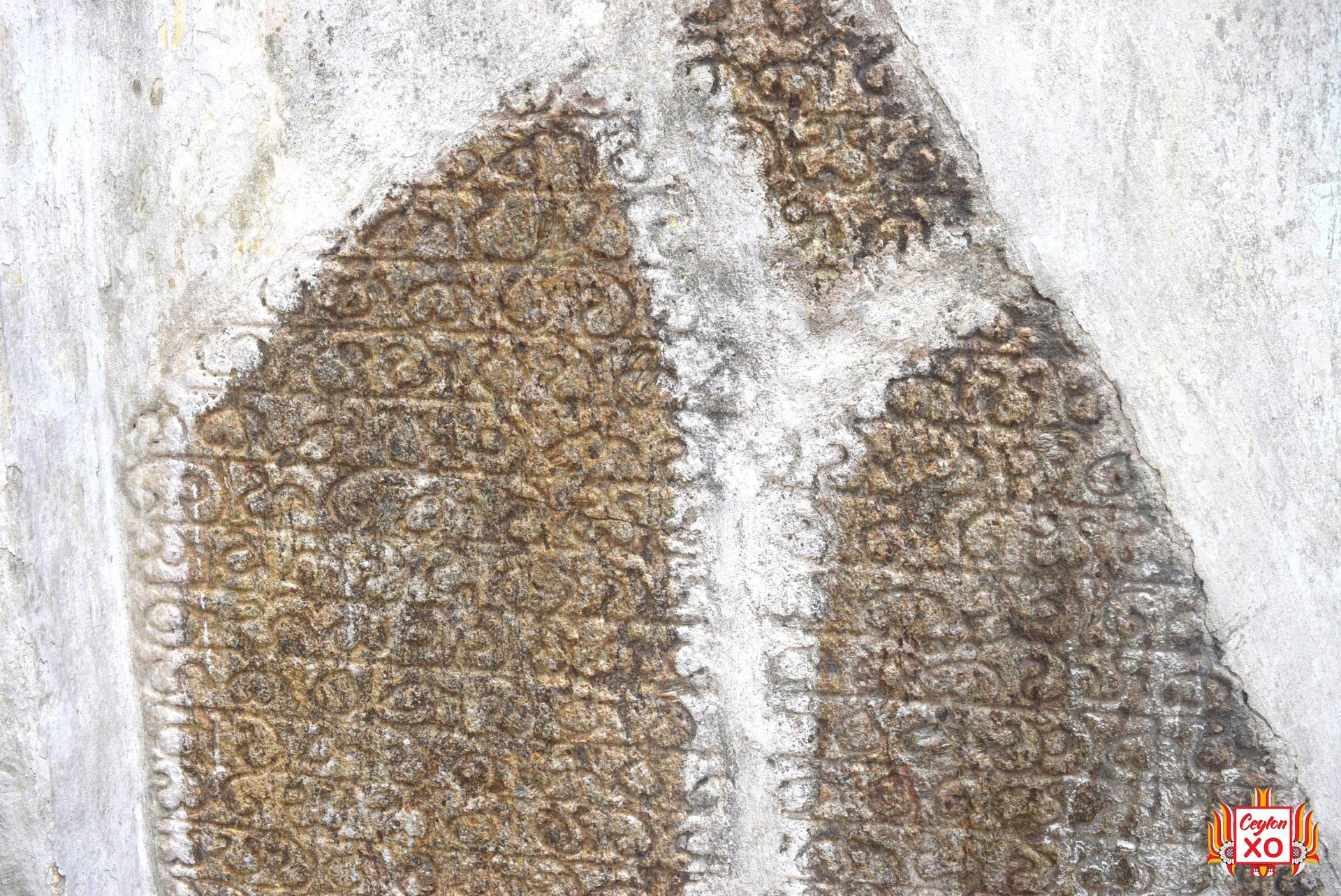
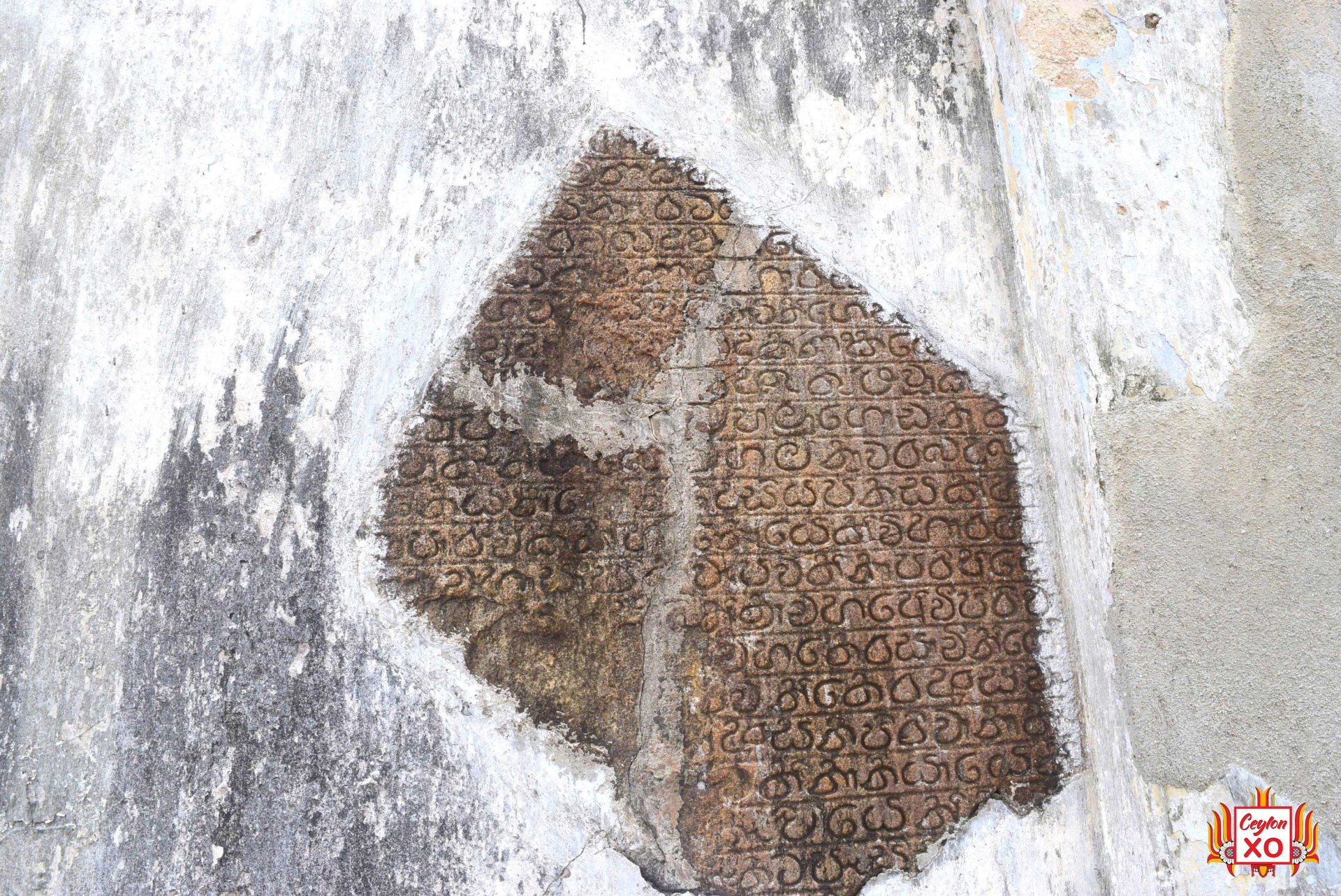
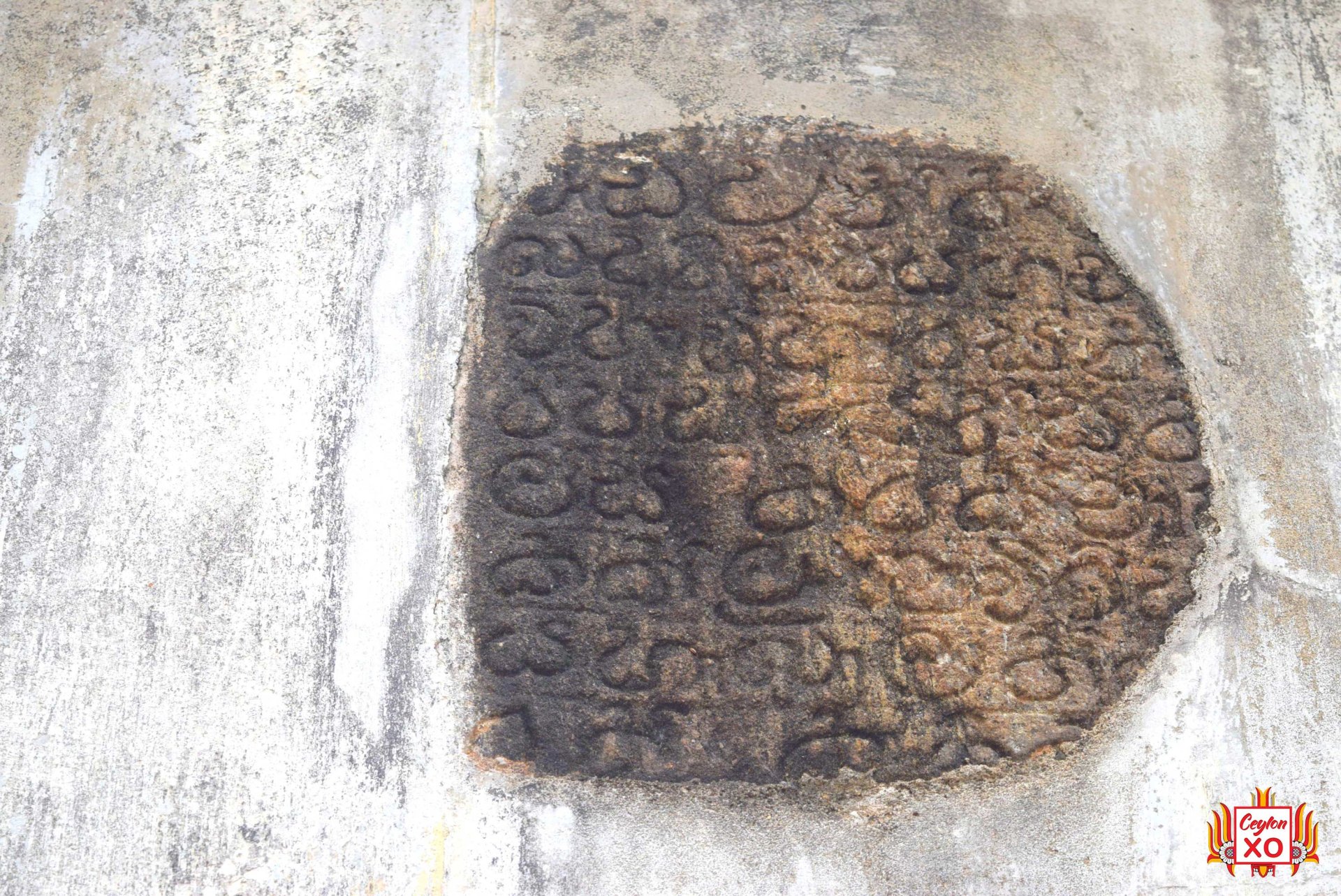
Several stone inscriptions and Sannasas issued by King Parakramabahu VI remain important archaeological evidence of its rich history. Sunethradevi Pirivena has also played a significant role in safeguarding Buddhism during difficult periods of Sri Lankan history.
Historical traditions state that during the Portuguese invasions, the Sacred Tooth Relic was temporarily kept at the temple to protect it from destruction before being moved to a safer location. Although the temple suffered extensive damage during the colonial period, it was later restored through the dedication of Buddhist monks and devotees who preserved its religious and cultural heritage.
Throughout its long history, the pirivena has produced many learned monks and scholars who have contributed to Buddhist education, religious leadership, and the promotion of Sinhala literature. The institution continues to provide religious education to young monks while serving as a centre for meditation, Dhamma preaching, and community service. Religious ceremonies, educational programmes, and cultural activities held at the temple attract both local devotees and visitors interested in Sri Lanka's Buddhist heritage.