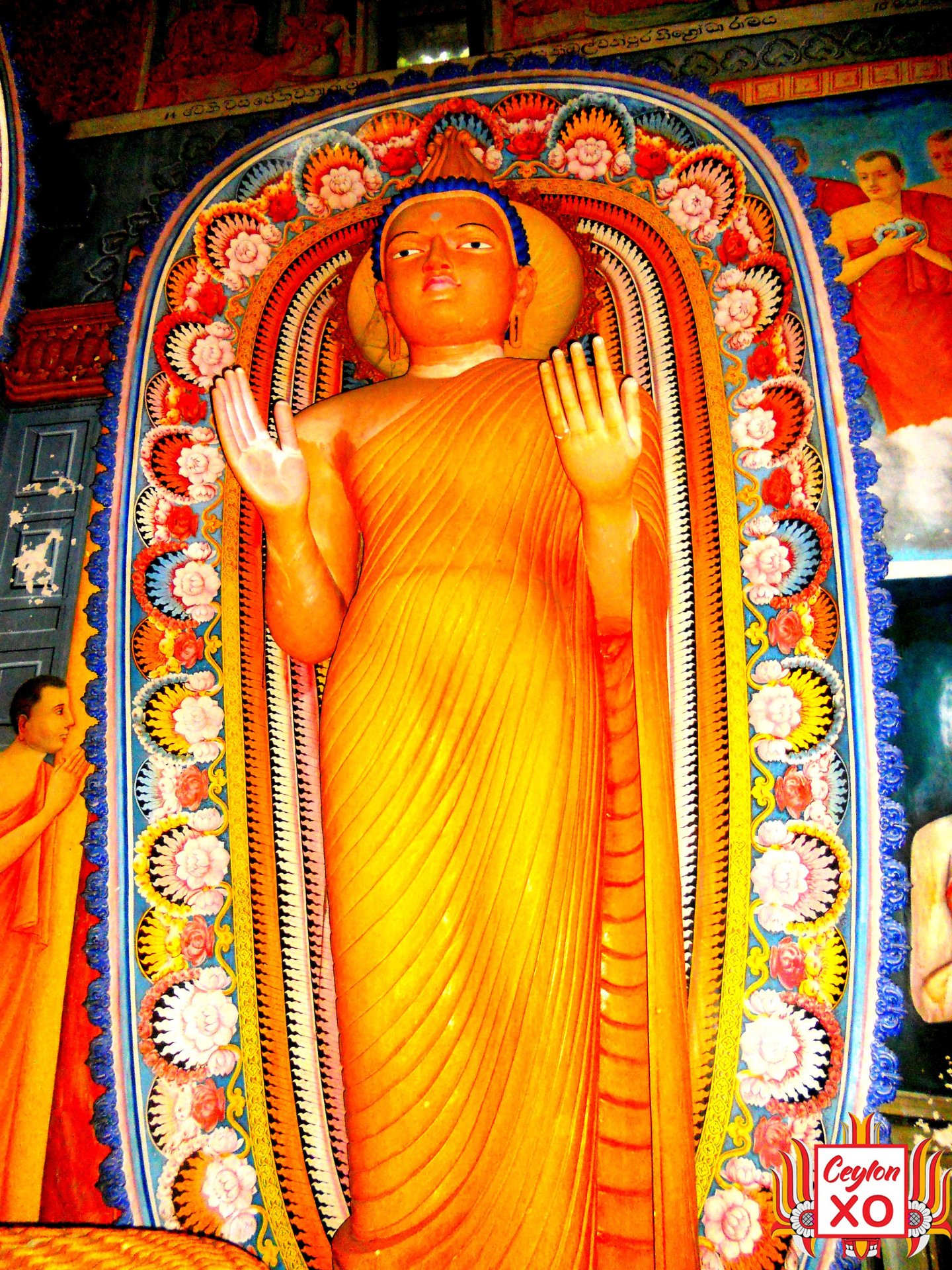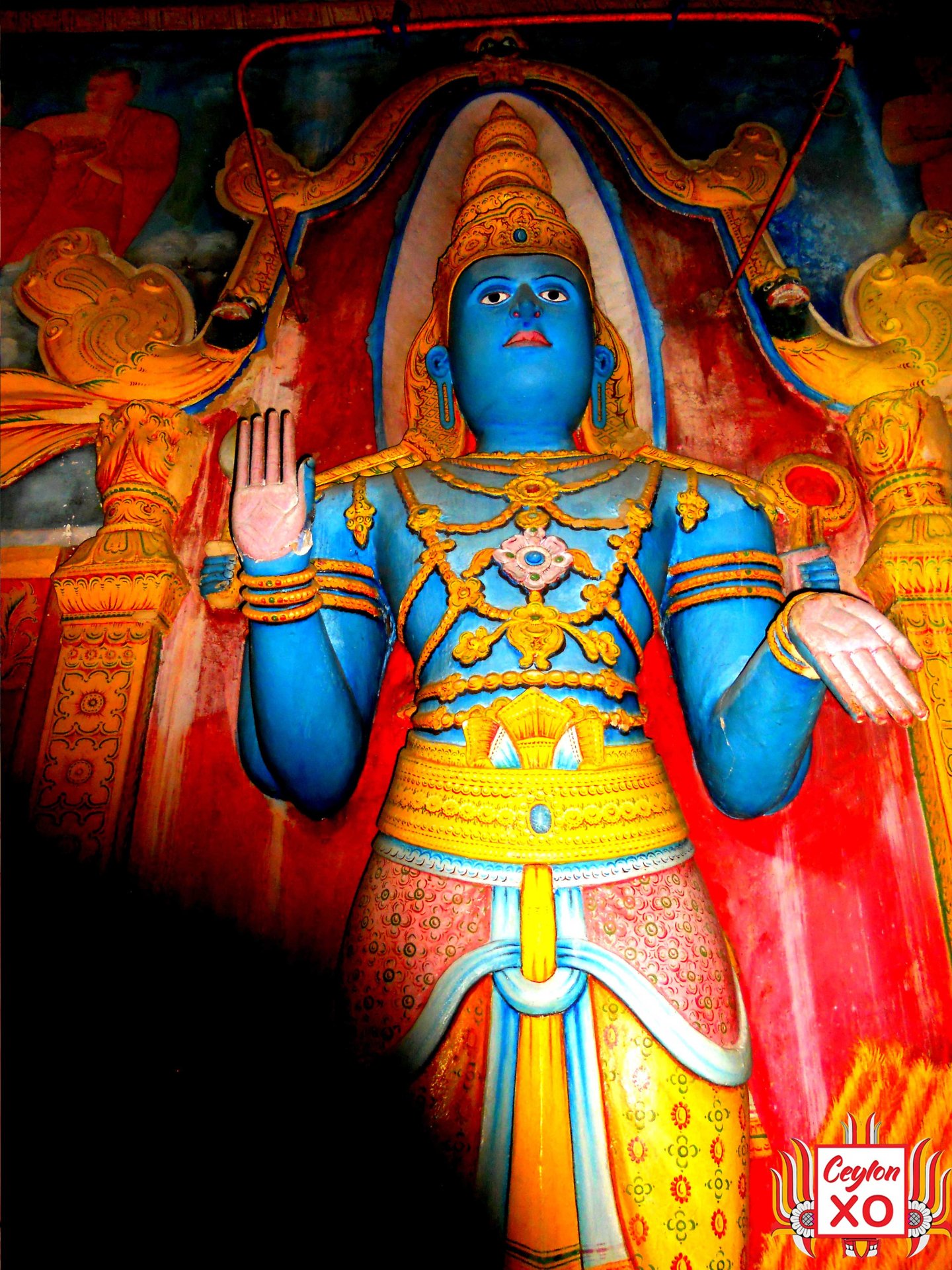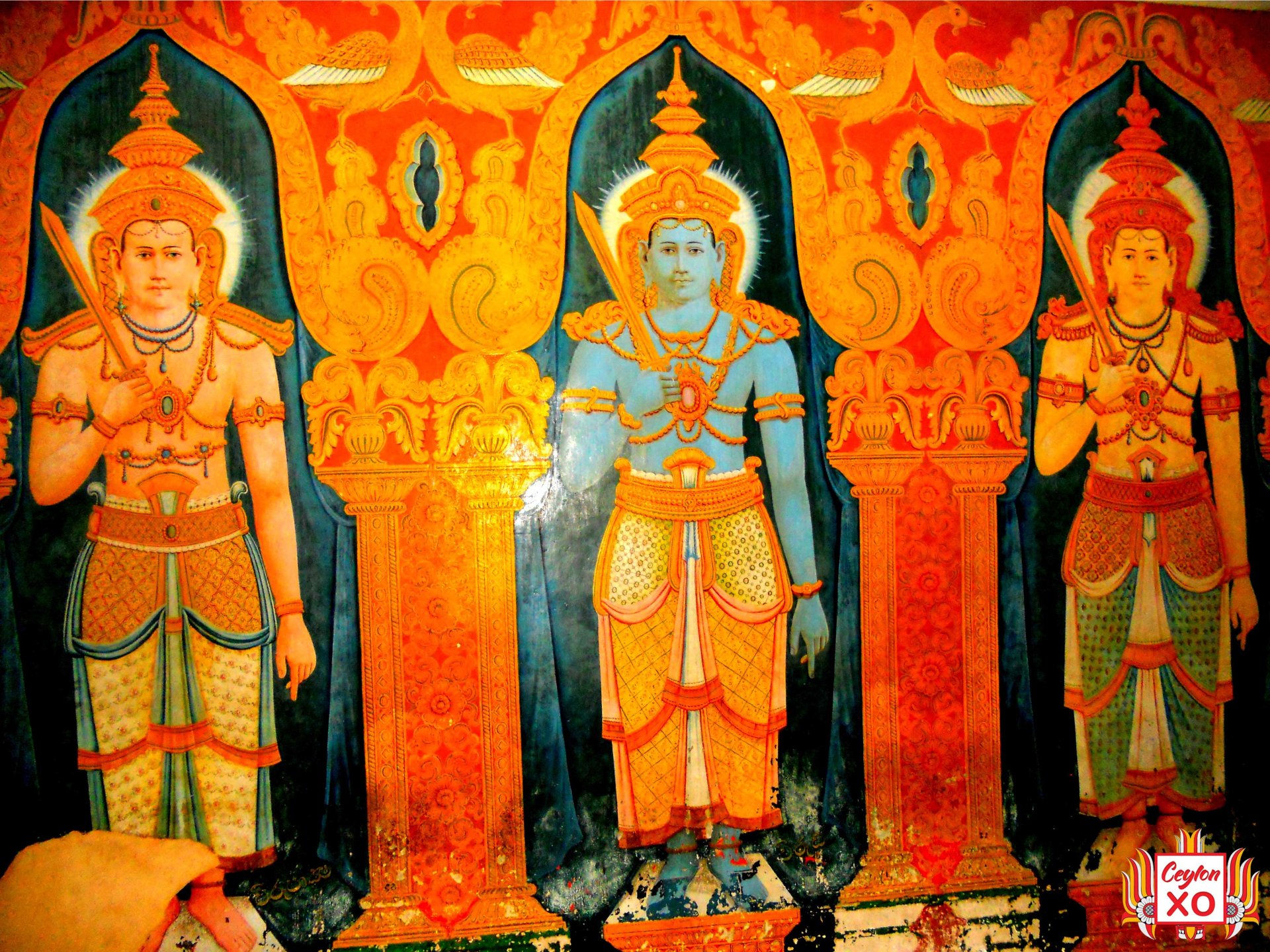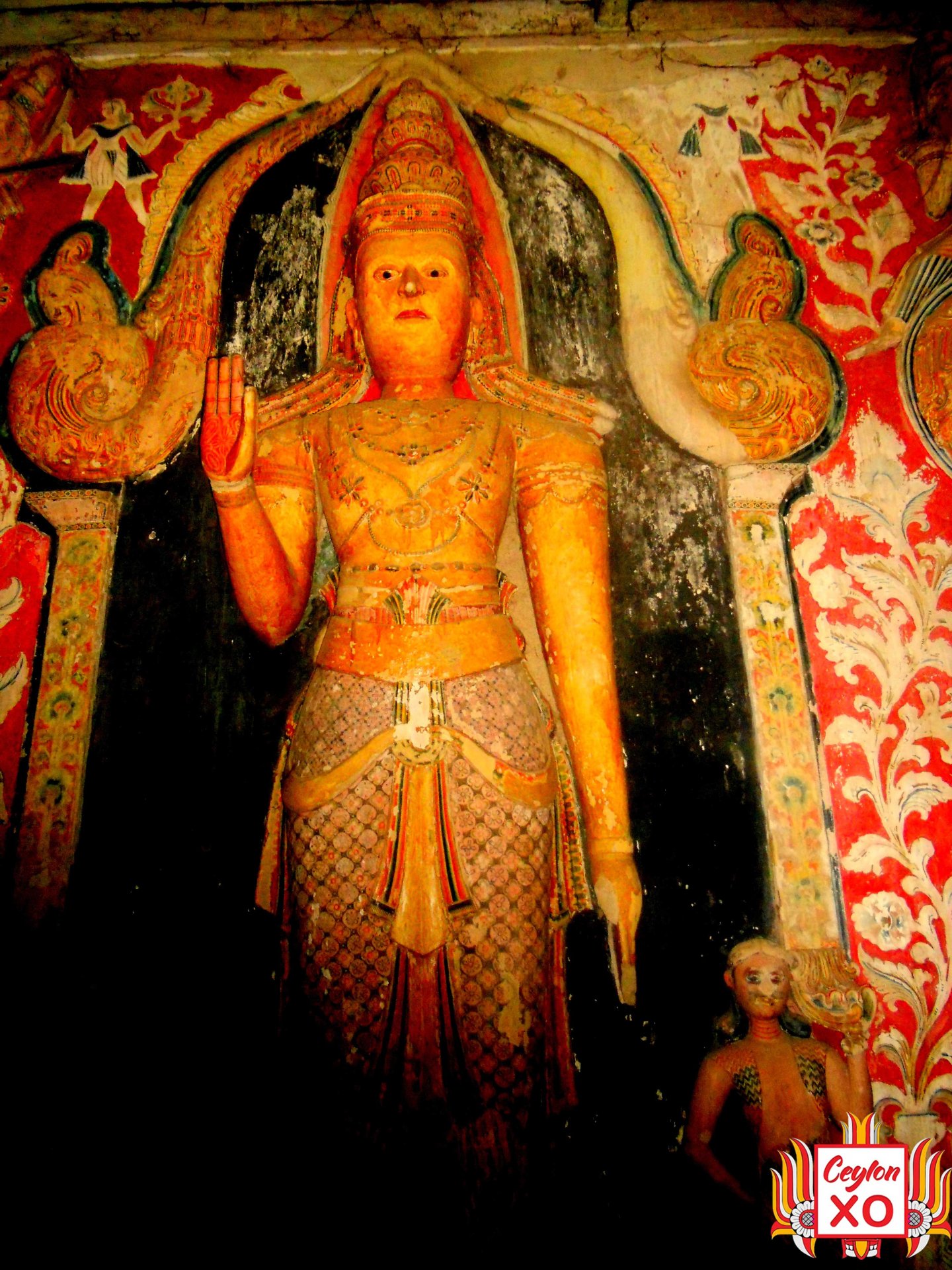
The temple was established during the reign of King Parakramabahu VI of Kotte (1412–1467 AD), one of Sri Lanka's greatest rulers. Historical records state that the king built the temple in honour of his beloved mother, Queen Sunethradevi, after whom the temple was named. The construction is generally believed to have taken place between 1410 and 1415 AD, during a period when Buddhism and Sinhala literature flourished under royal patronage.
Sunethradevi Rajamaha Viharaya was one of the most important Buddhist institutions of the Kotte Kingdom. It served as the administrative centre for several nearby temples and was closely associated with the famous Sunethradevi Pirivena, one of the leading centres of Buddhist education in medieval Sri Lanka. The Pirivena attracted learned monks from different parts of the country who studied subjects such as Buddhism, Pali, Sanskrit, Sinhala literature, logic, medicine, astrology, and philosophy. Many renowned Buddhist scholars received their education at this institution, contributing greatly to the development of Sri Lankan literature and religious scholarship.
The temple is also associated with an important chapter in Sri Lankan history. During the Portuguese invasions in the sixteenth century, when Buddhist sacred sites were under threat, the Sacred Tooth Relic is believed to have been temporarily safeguarded at Sunethradevi Rajamaha Viharaya before being moved to a safer location. This highlights the temple's importance as a trusted religious centre during difficult times.
Unfortunately, much of the original temple was destroyed during the Portuguese occupation in 1582. Historical records indicate that many buildings were demolished, and stones and bricks from the temple were taken to construct colonial forts, churches, and administrative buildings in the late Kandyan Period. Despite this destruction, the temple was later restored by devoted Buddhist monks and lay supporters. Today, several surviving archaeological remains, stone pillars, inscriptions, and religious monuments continue to preserve the memory of its glorious past.
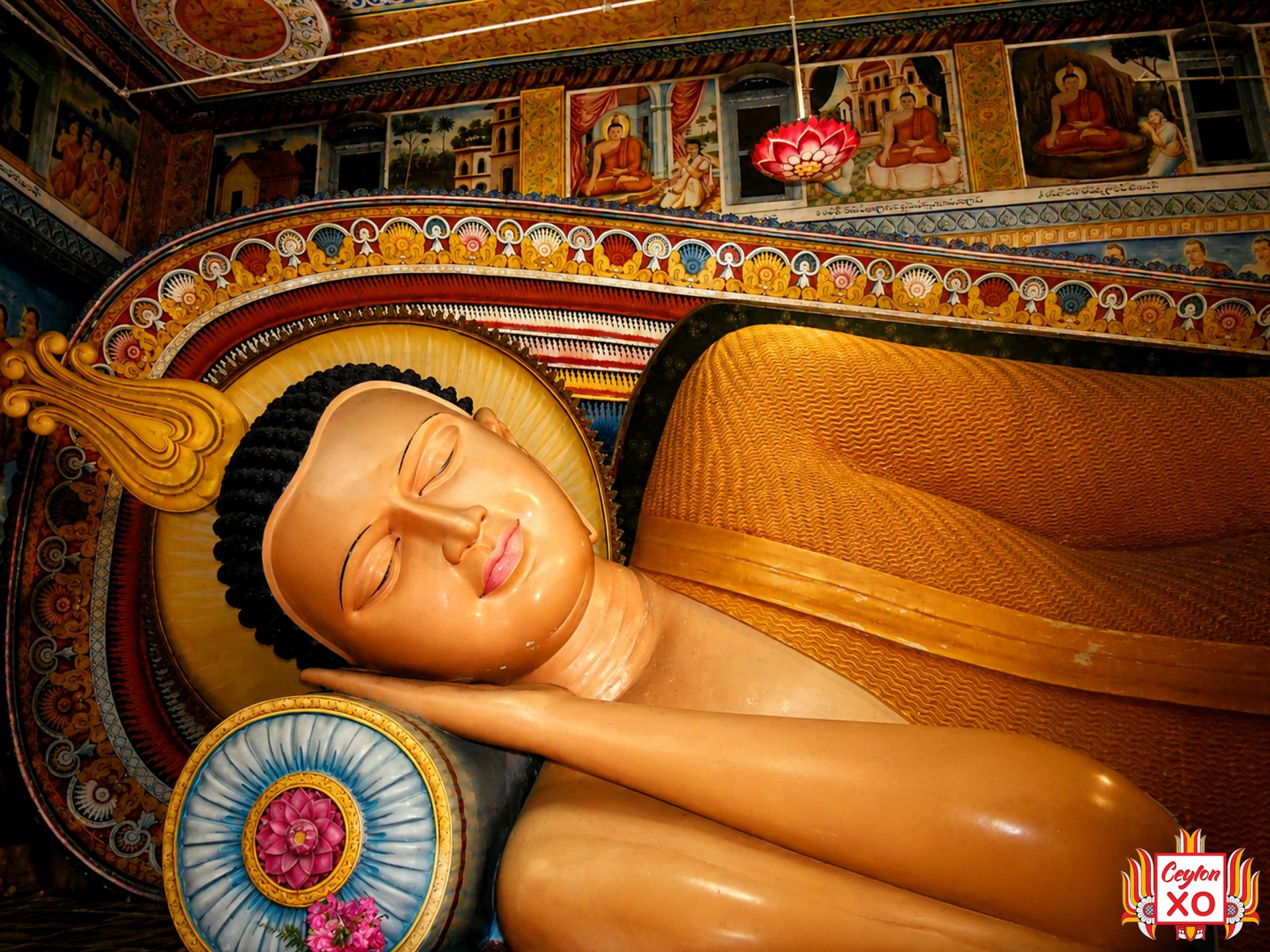
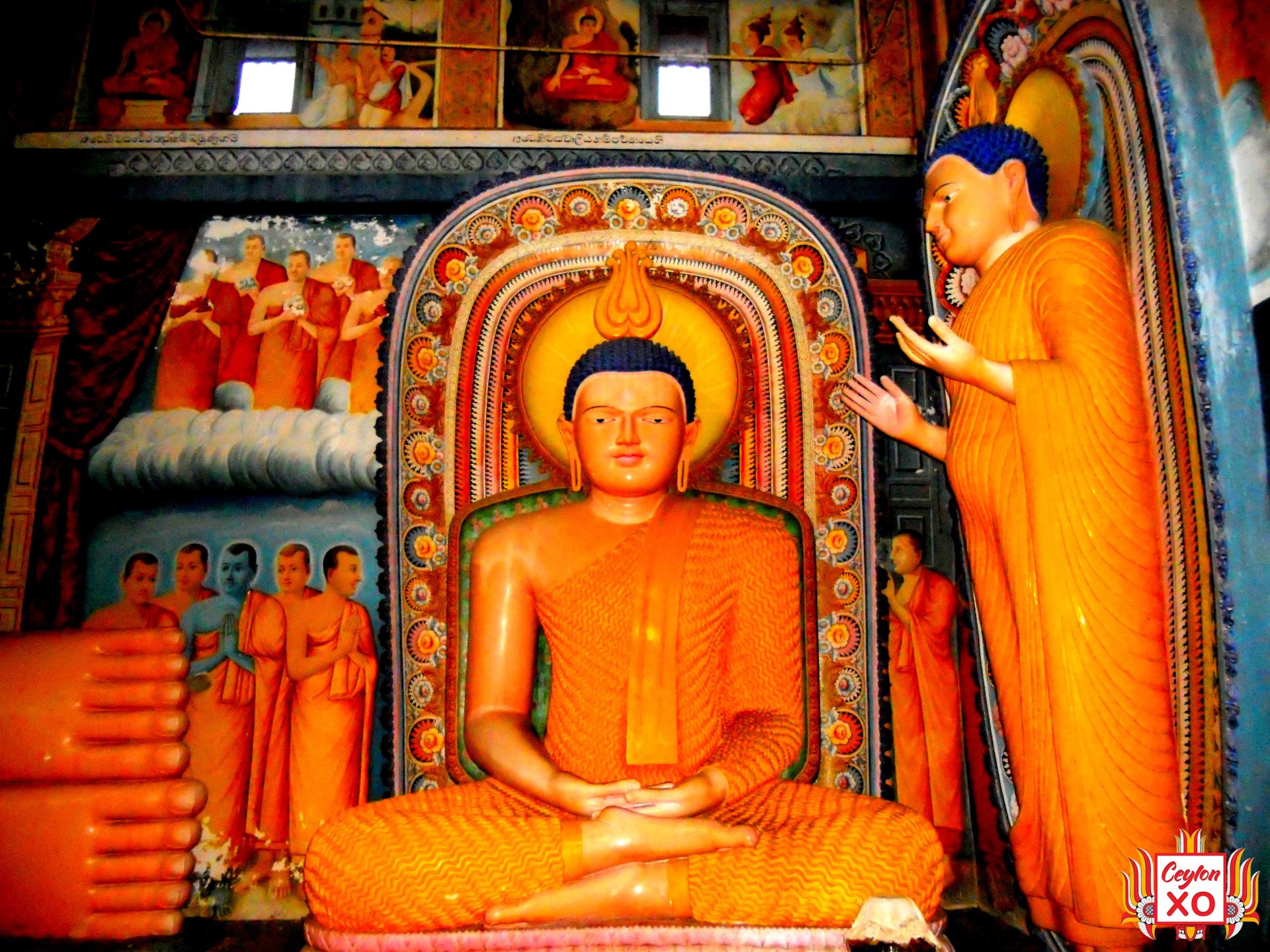
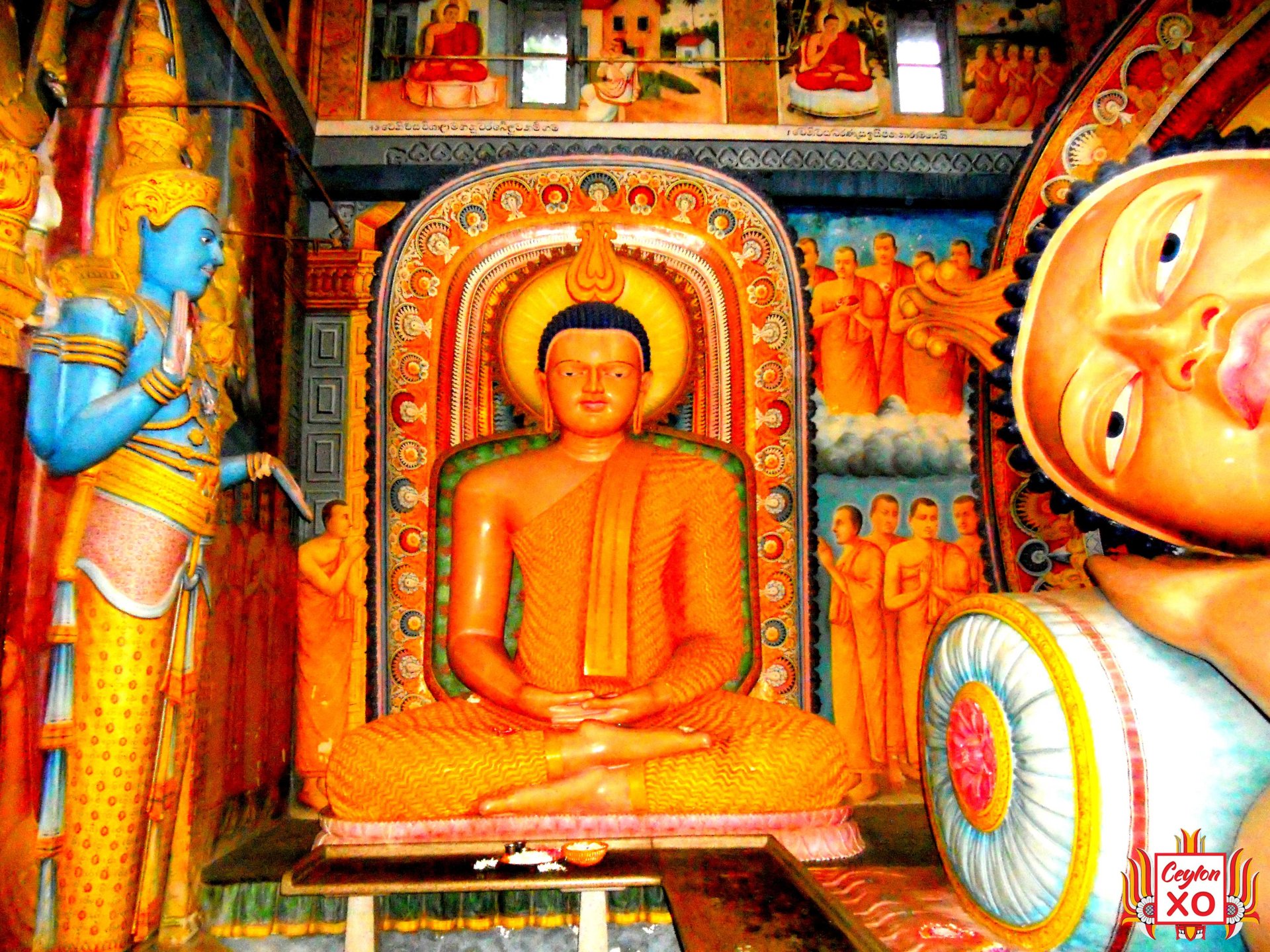
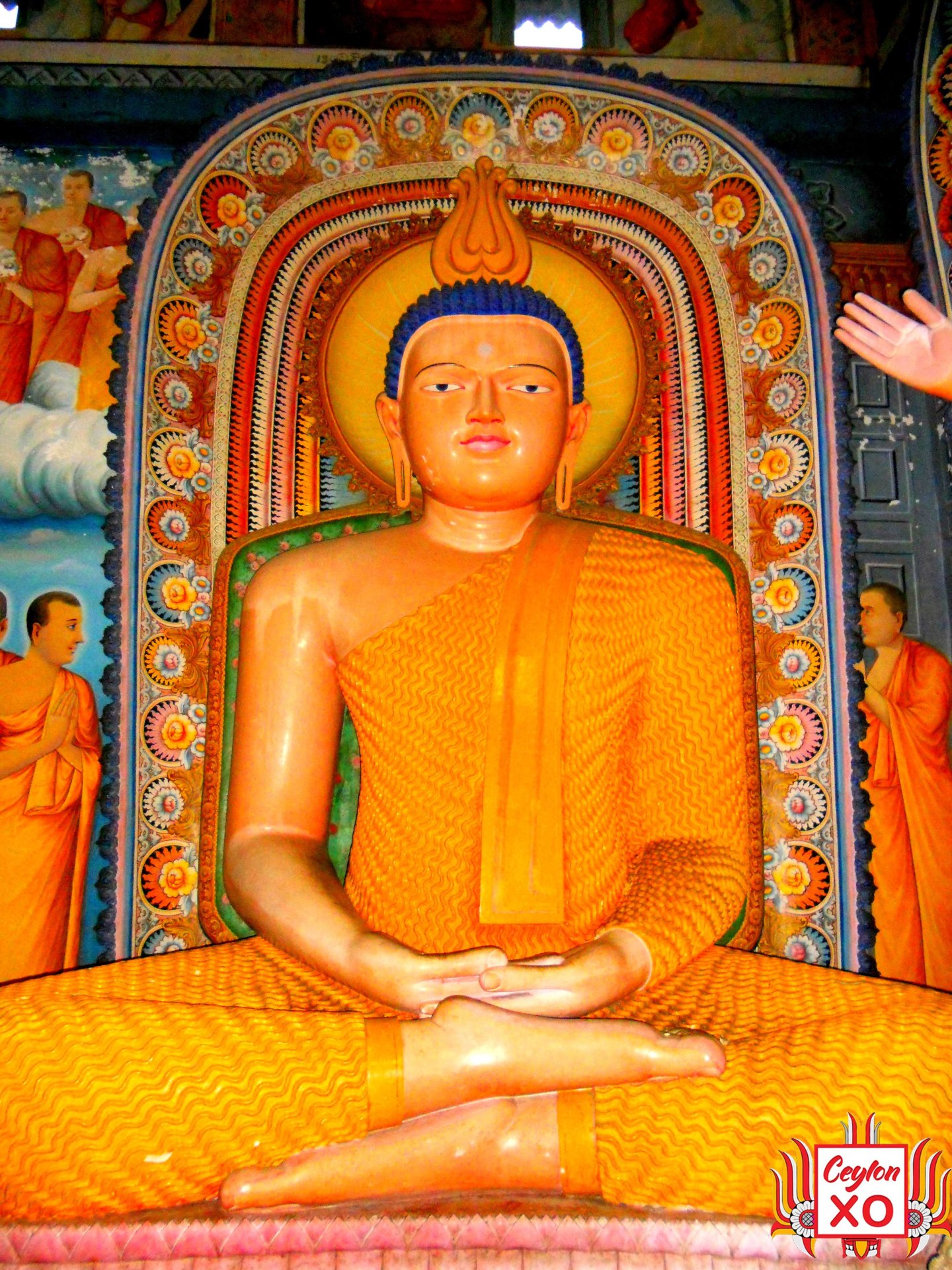
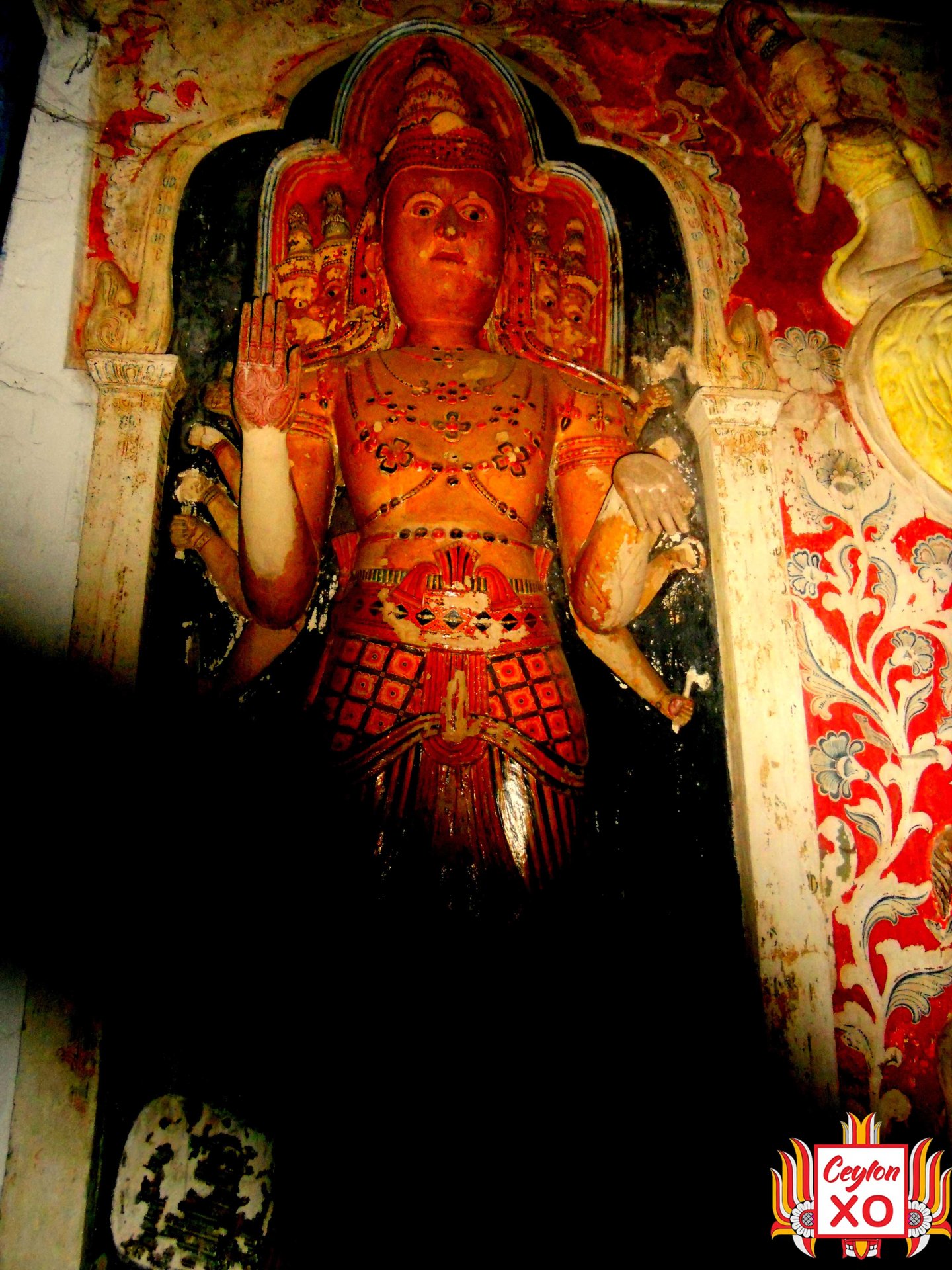
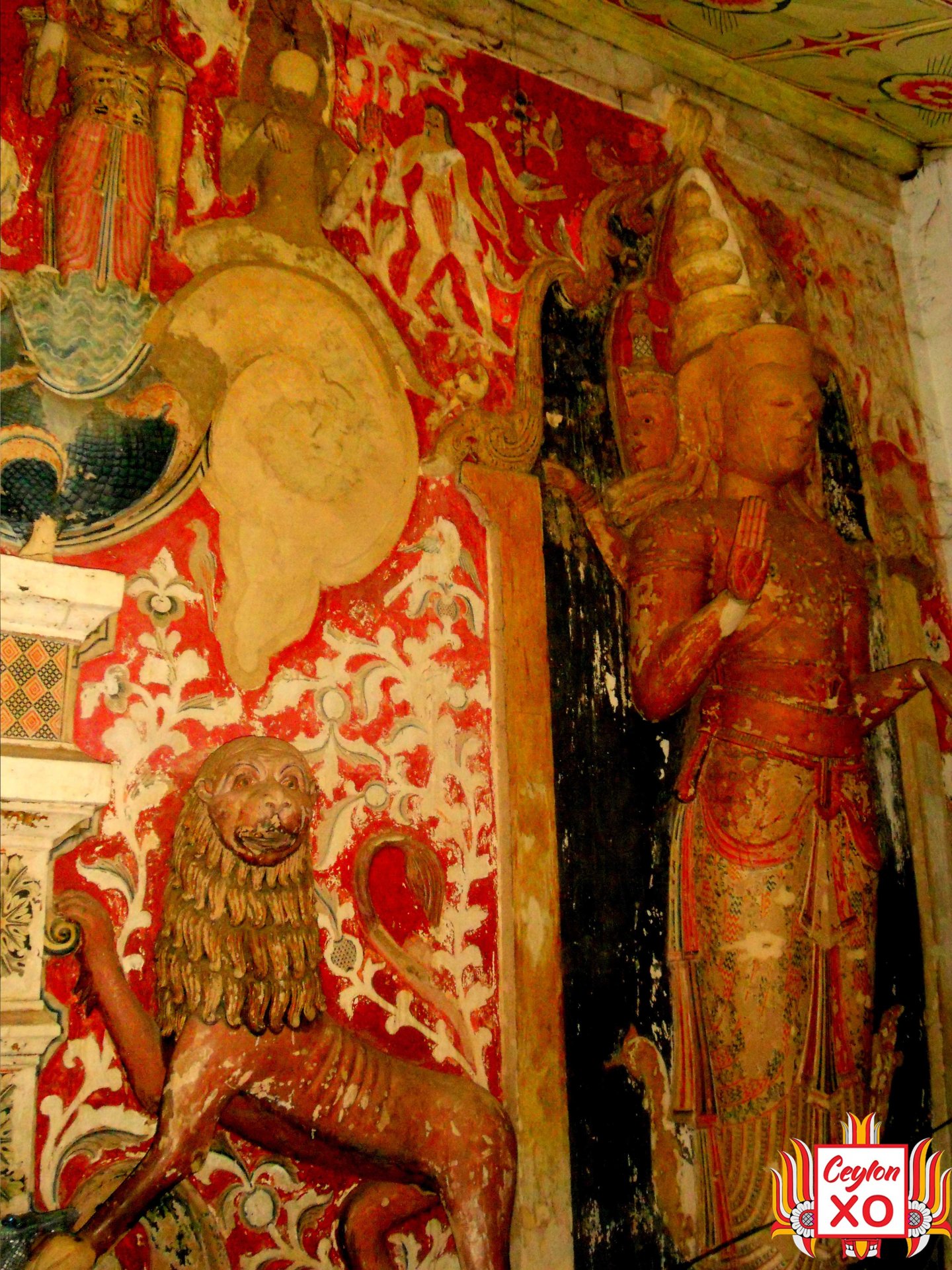
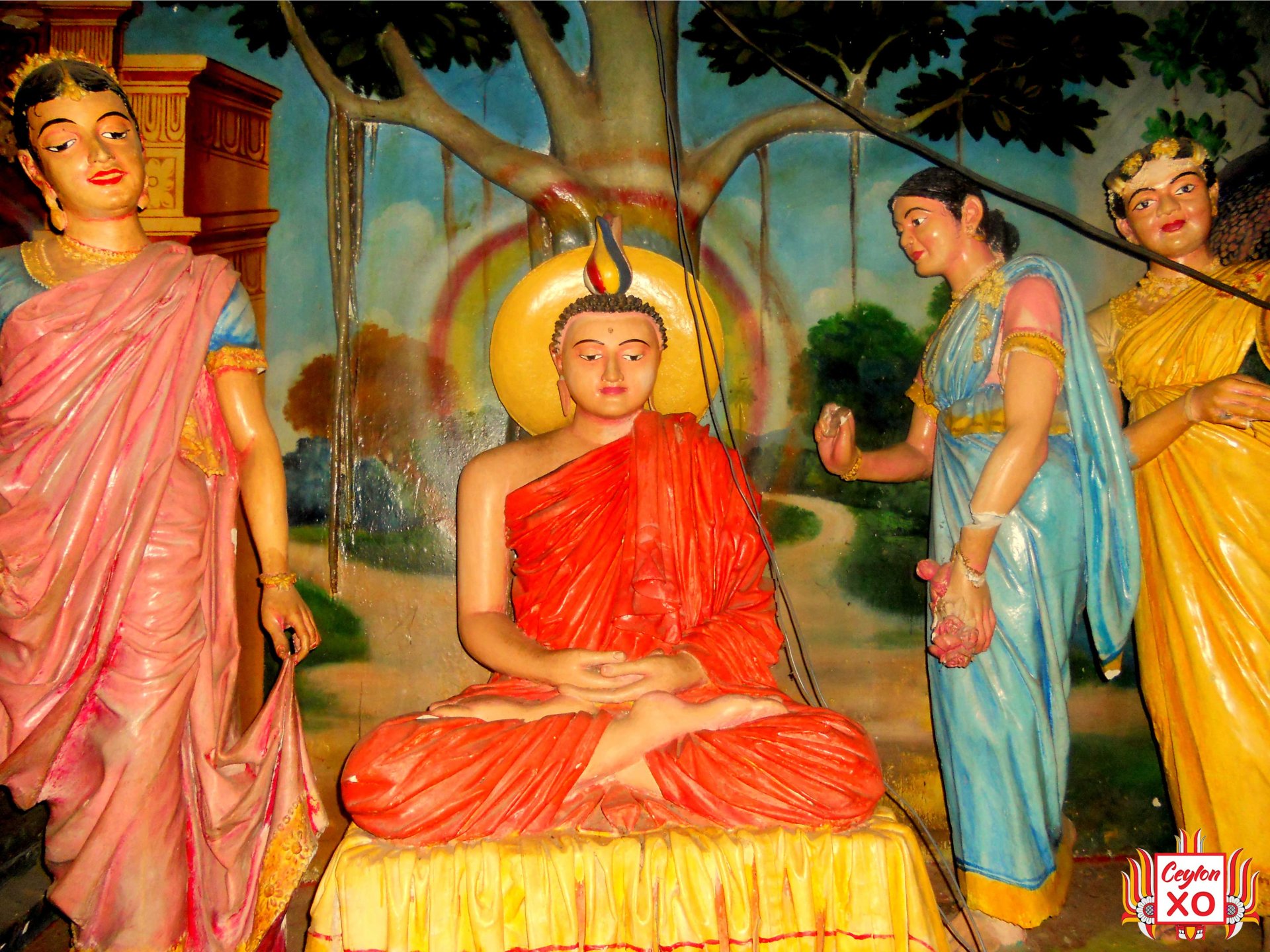
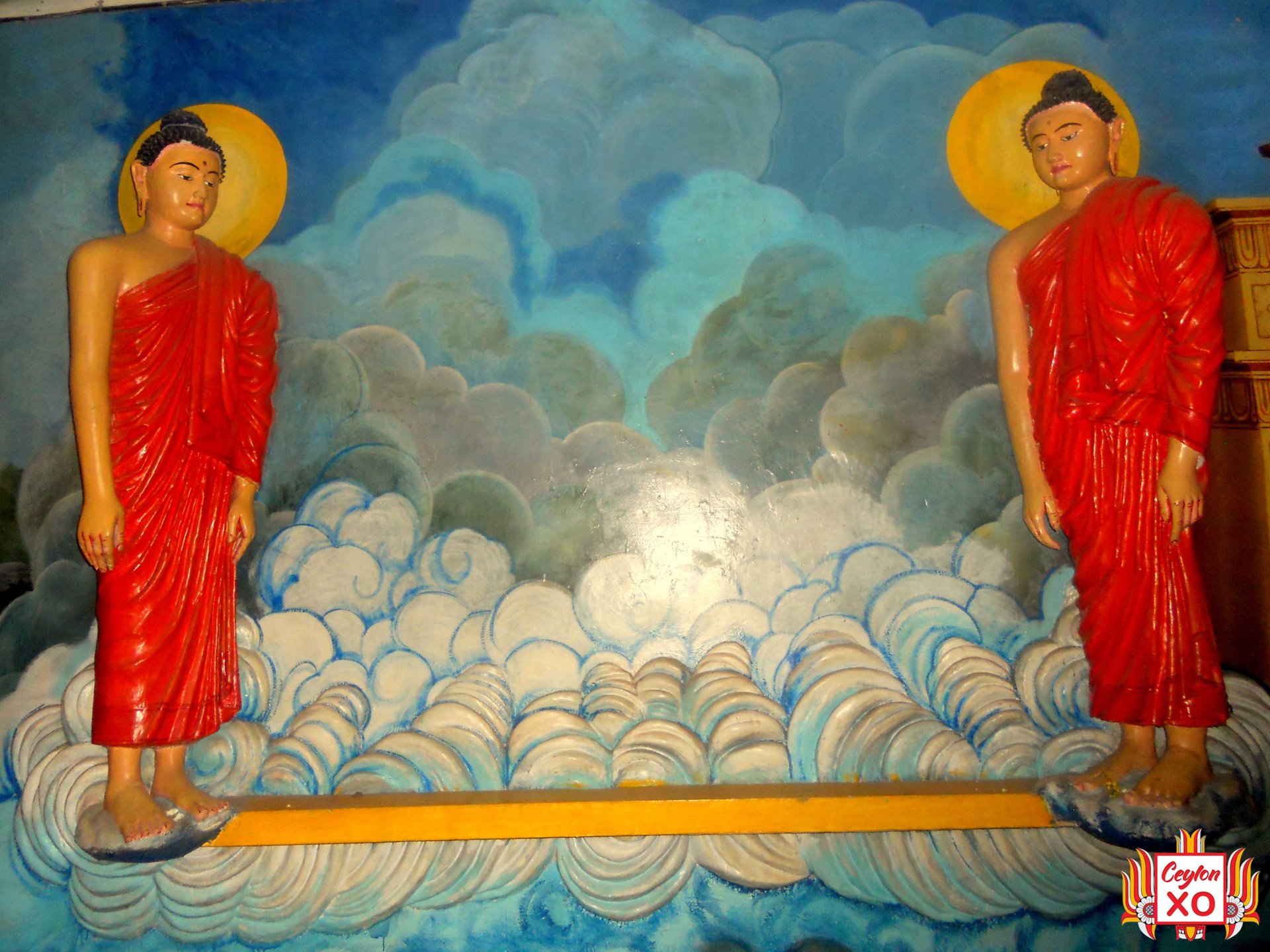
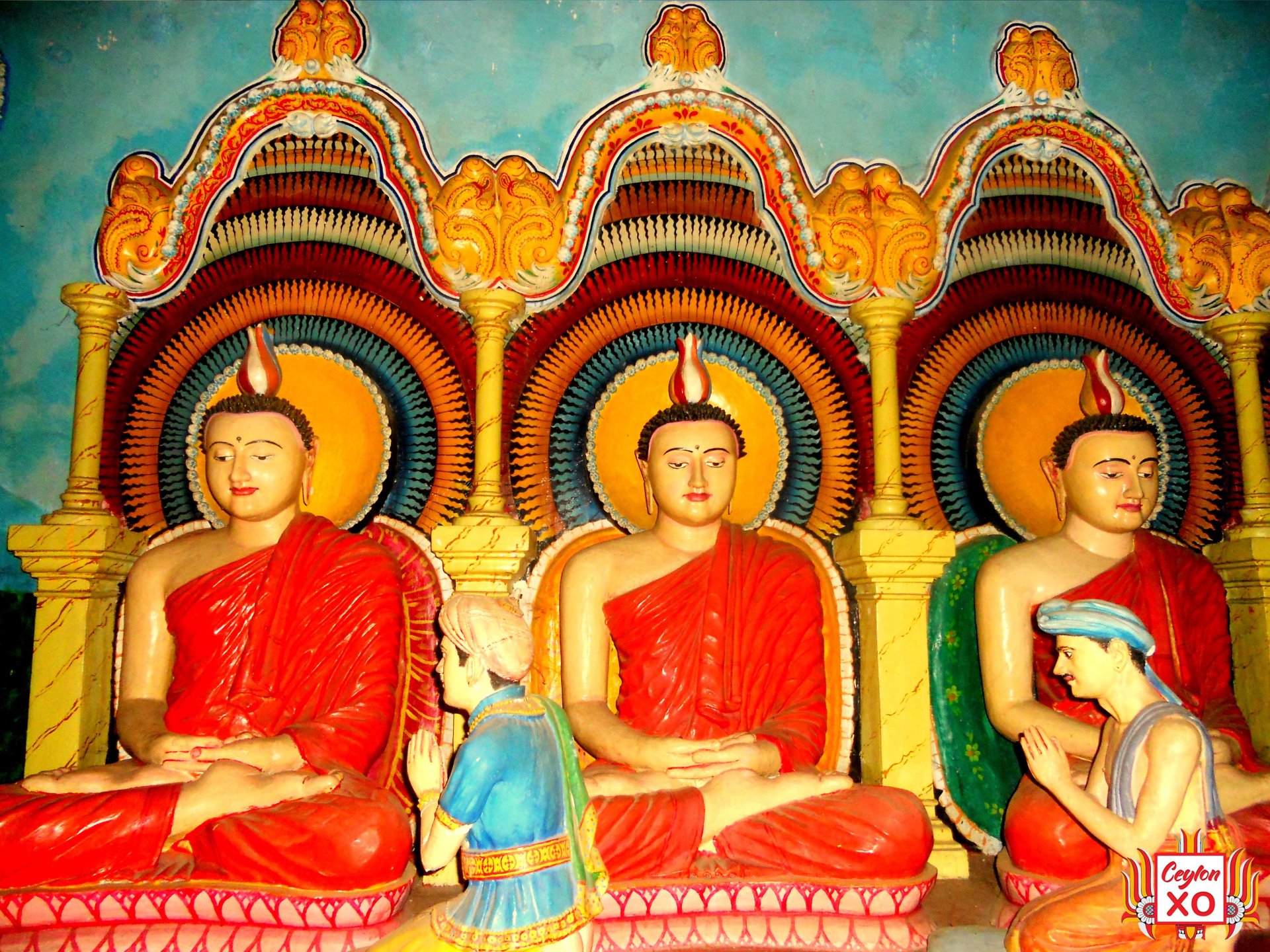
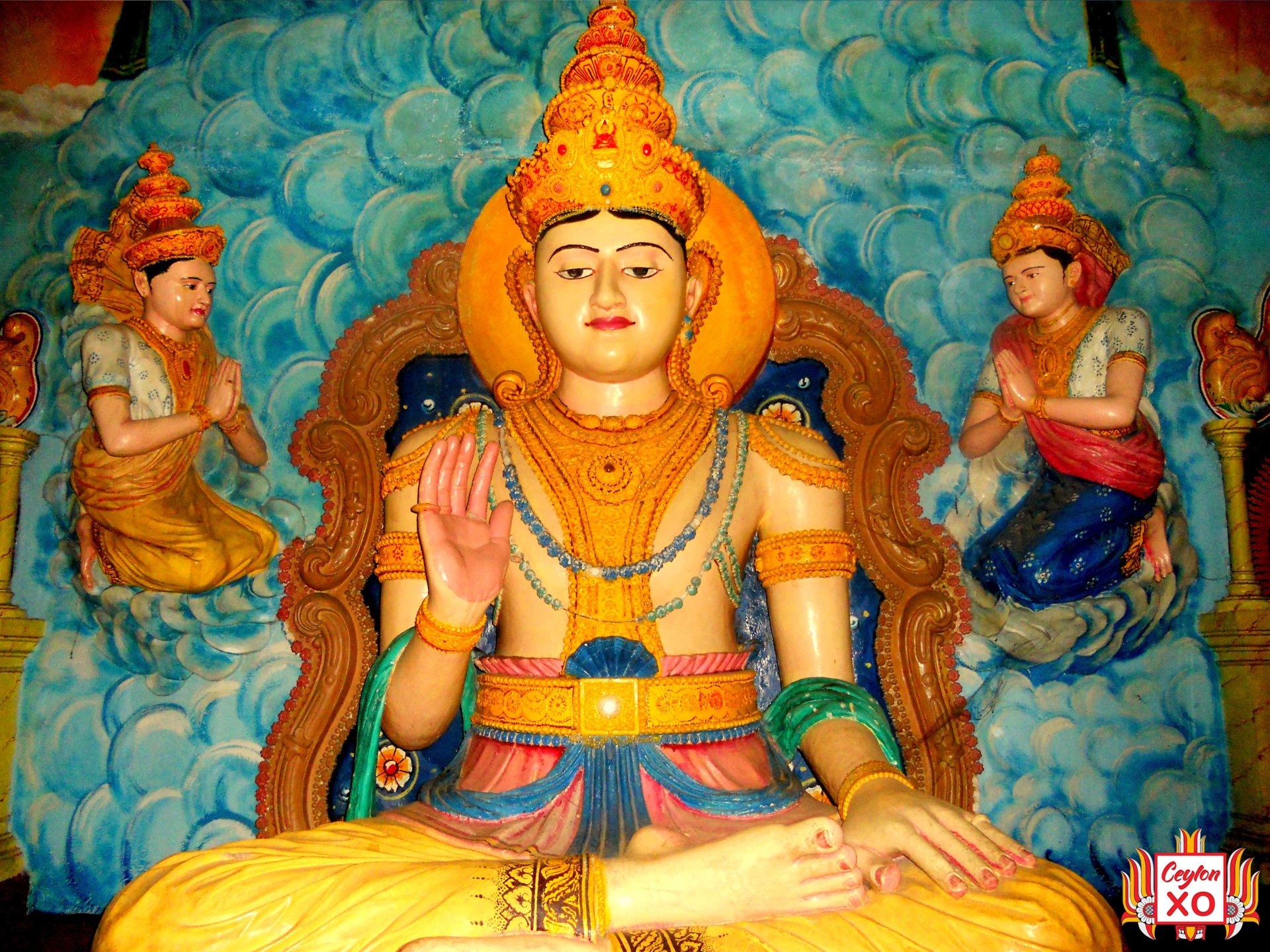
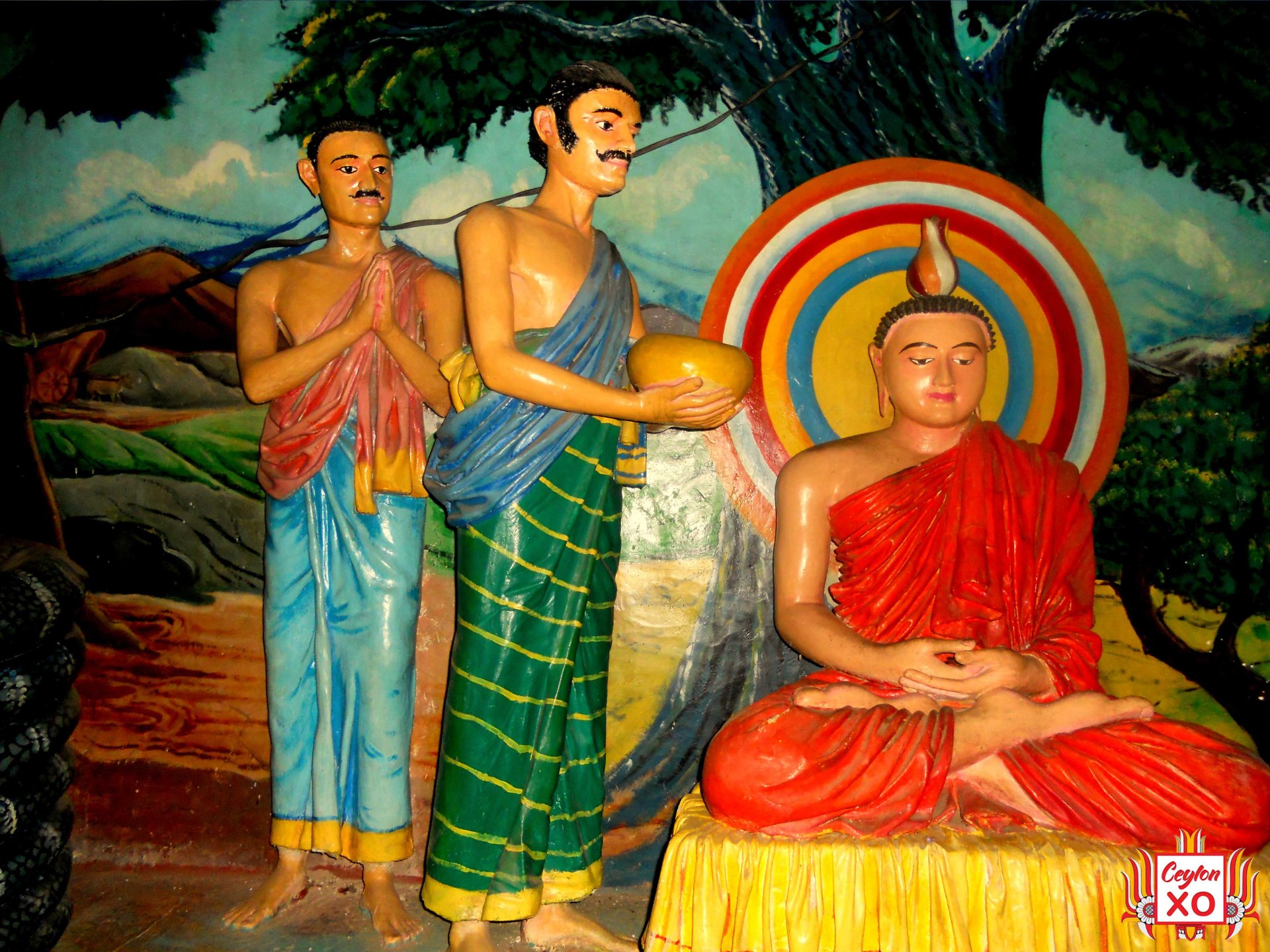
The temple complex includes a sacred stupa, a Bodhi tree, shrine rooms, preaching halls, and monastic residences. It remains an active centre for Buddhist worship, meditation, religious education, and cultural activities. Throughout the year, devotees gather at the temple to observe Poya days, participate in Dhamma sermons, perform Bodhi Pooja ceremonies, and celebrate important Buddhist festivals such as Vesak and Poson.
Archaeologists have discovered valuable stone inscriptions and architectural remains that provide important information about the Kotte Kingdom, its administration, and the religious life of the period. These discoveries continue to assist historians in understanding one of the most prosperous eras in Sri Lankan history.