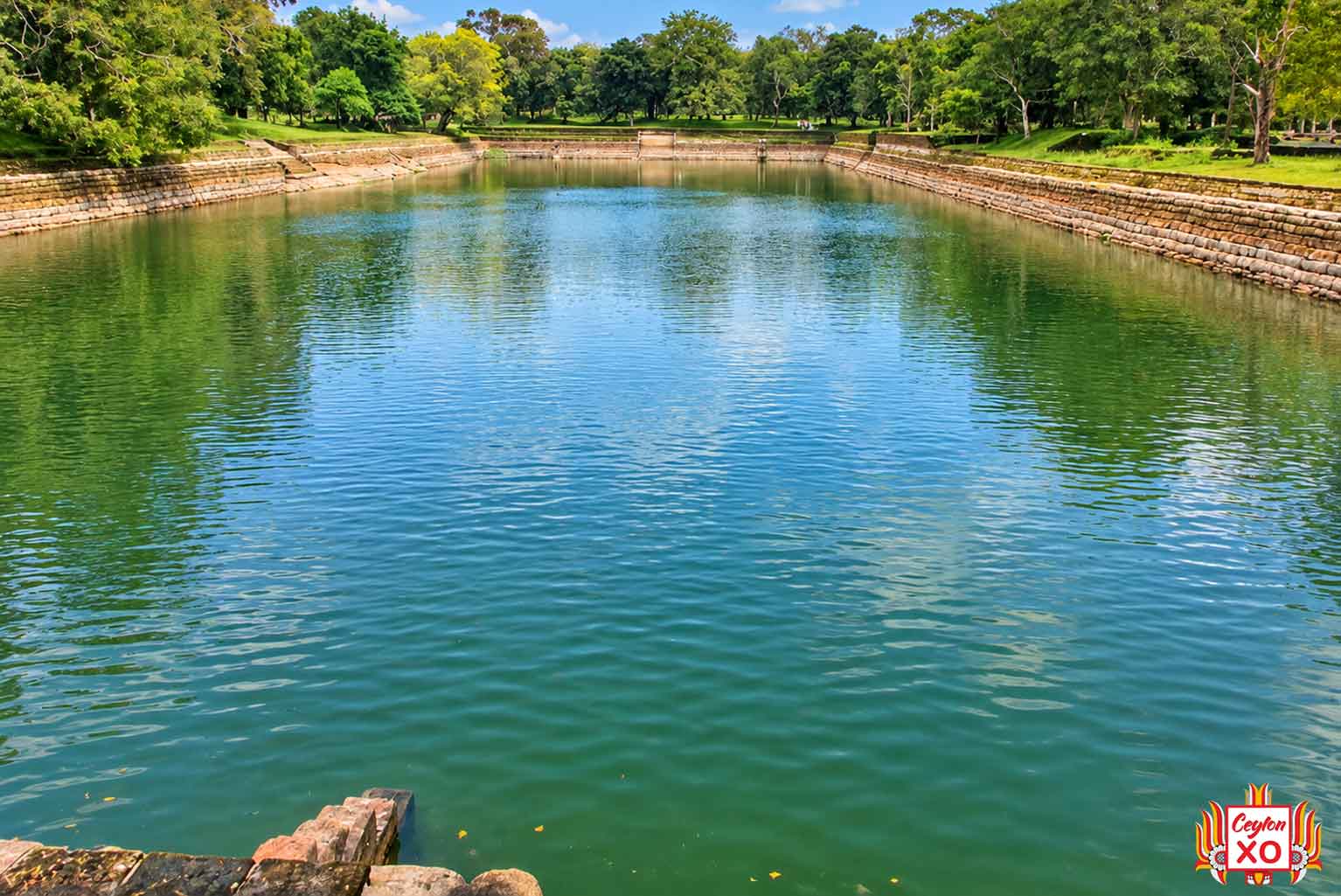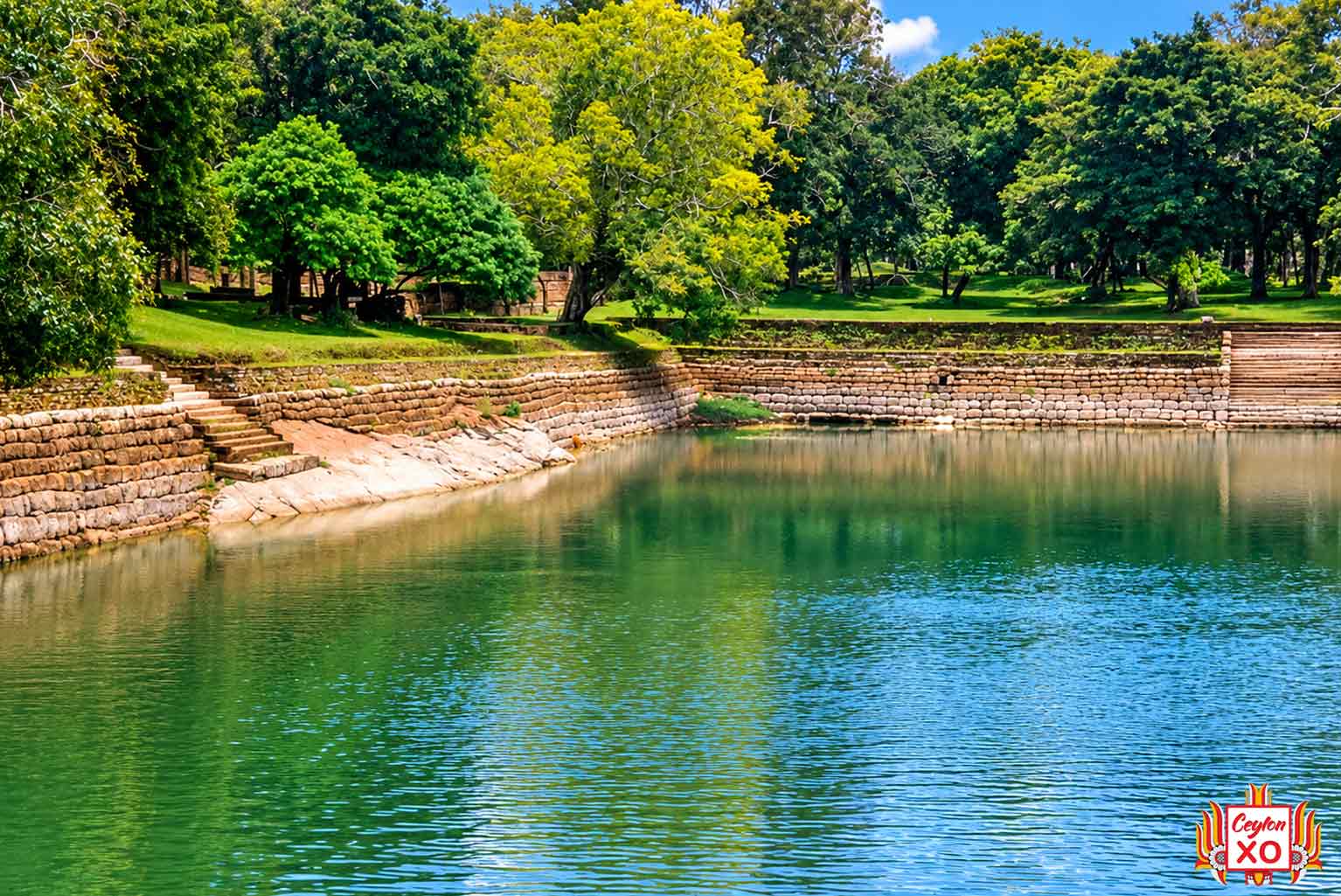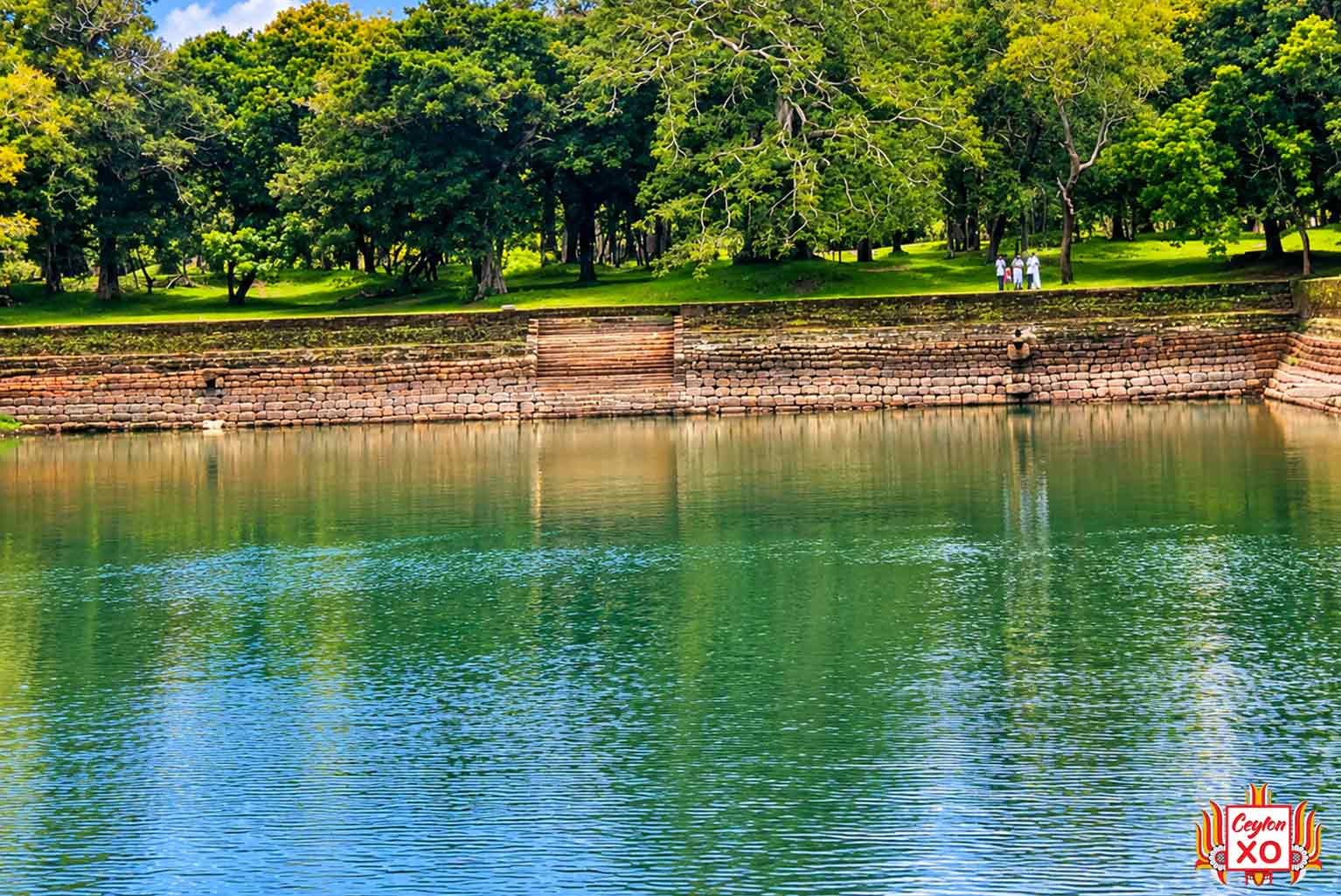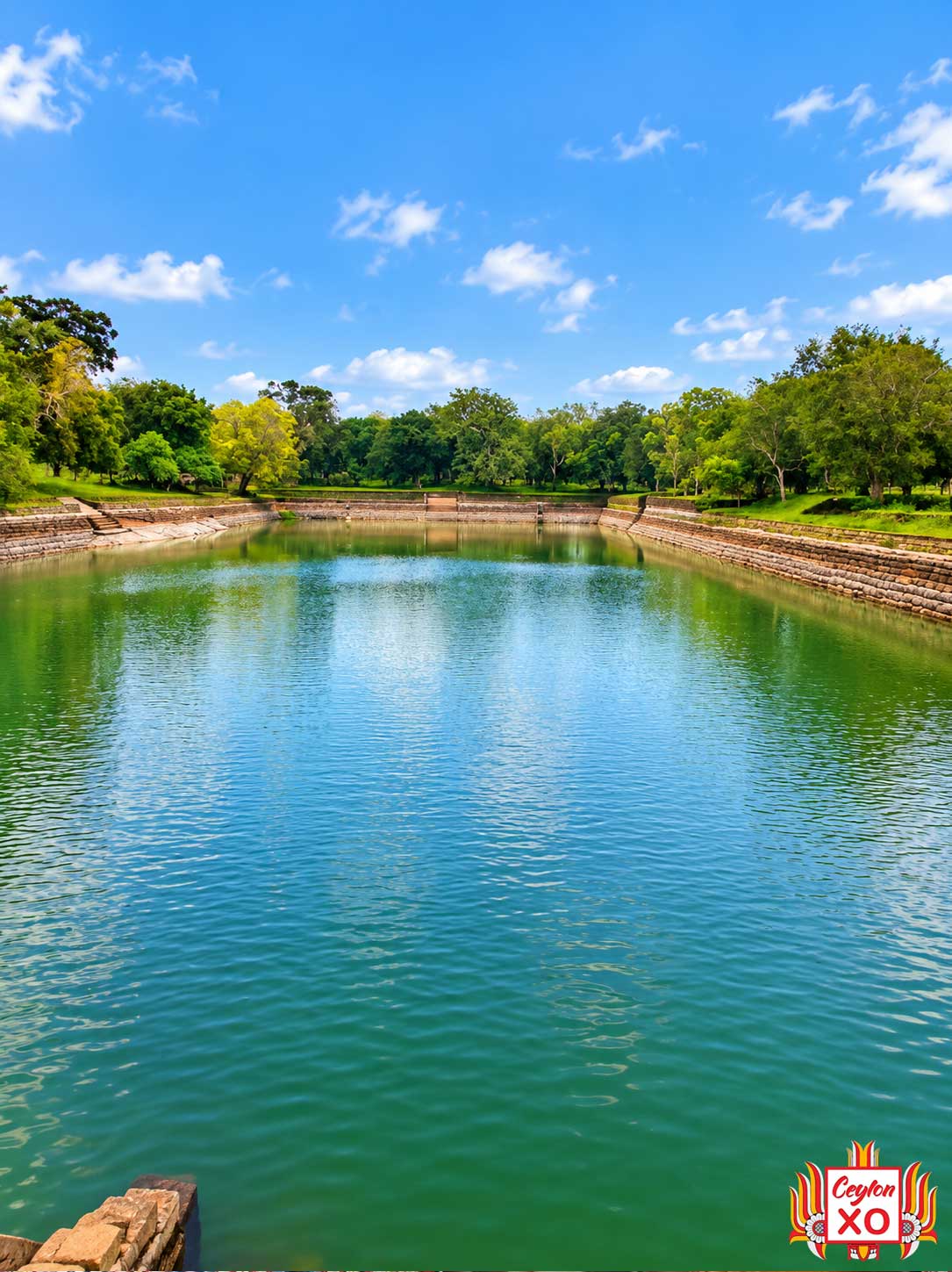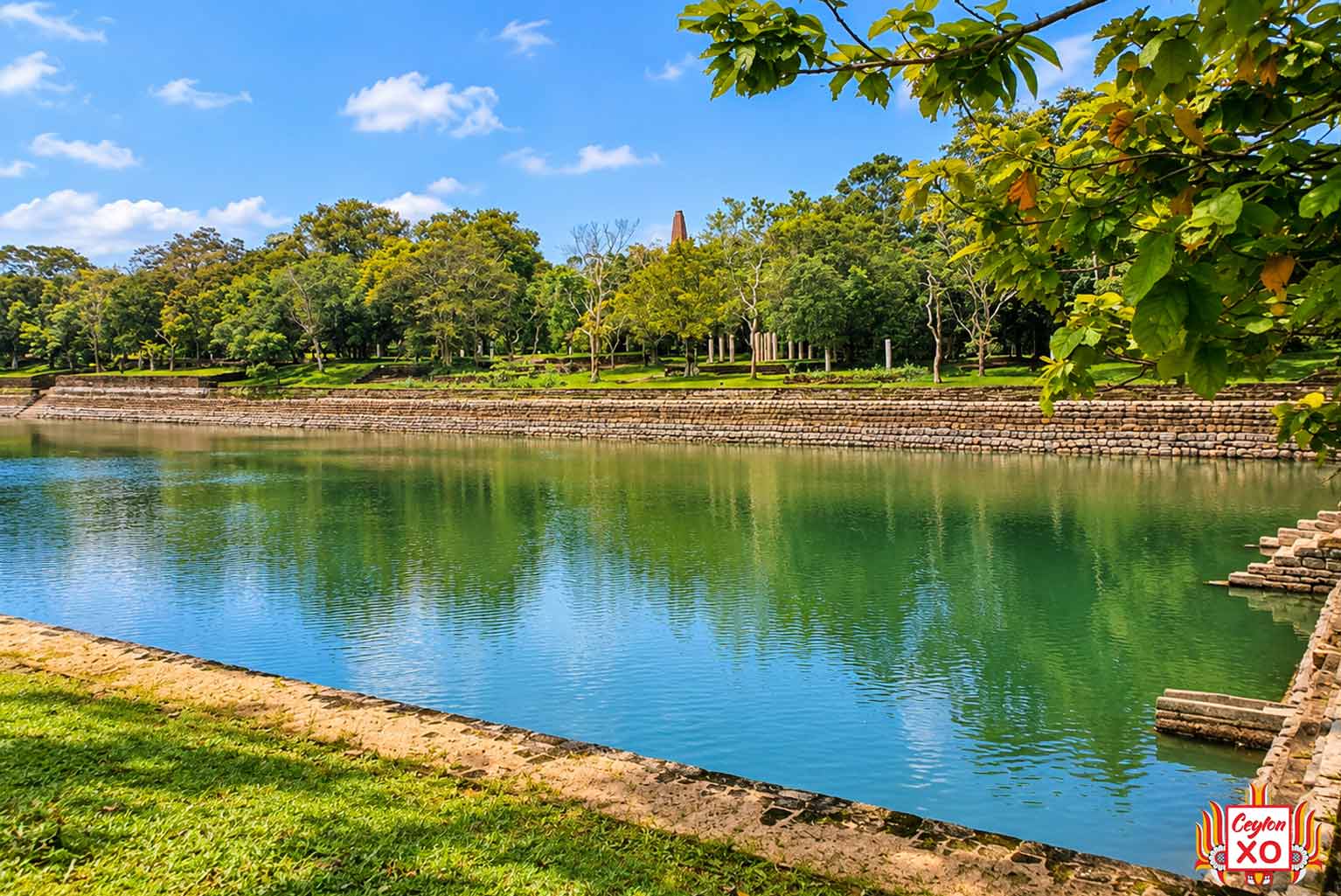
Ath Pokuna, also known as the Elephant Pond, is one of the most impressive ancient ponds in Anuradhapura, Sri Lanka. It received its name because of its gigantic size and is considered the largest pond in Anuradhapura. Its enormous area is roughly equivalent to six modern Olympic-sized swimming pools placed together. The pond is a remarkable example of the advanced hydraulic engineering and water-management skills of ancient Sri Lankan civilization.
Ath Pokuna is believed to have been constructed to store water for the large community of Buddhist monks who lived at the Abhayagiri monastic complex. Historical records indicate that around 5,000 monks resided at Abhayagiri during its period of great importance. Providing sufficient water for such a large community would have required a carefully planned and highly efficient water-management system. Ath Pokuna was an important part of this system.
The pond is approximately 500 feet in length, 150 feet in width, and 30 feet in depth. These enormous dimensions demonstrate the scale of the ancient construction. The pond was designed not only to store a large quantity of water but also to support the daily needs of the extensive monastic community. Its large capacity would have been particularly important during periods when rainfall was limited.
One of the most fascinating features of Ath Pokuna is its underground water-conduit system. Archaeological investigations have discovered underground conduits that carried water from reservoirs to the pond. Channels were also constructed to take water away from the pond. These systems show that ancient engineers had a detailed understanding of water flow, storage, and distribution. The ability to construct underground water channels on such a large scale is evidence of the sophisticated engineering knowledge possessed by the people of ancient Sri Lanka.
Ath Pokuna was part of the wider infrastructure of the Abhayagiri monastery. The monastery included many buildings and facilities that supported the daily lives of thousands of monks, including refectories, bathing ponds, residential buildings, assembly halls, and meditation areas. The efficient supply and management of water was essential for such a large and complex community.
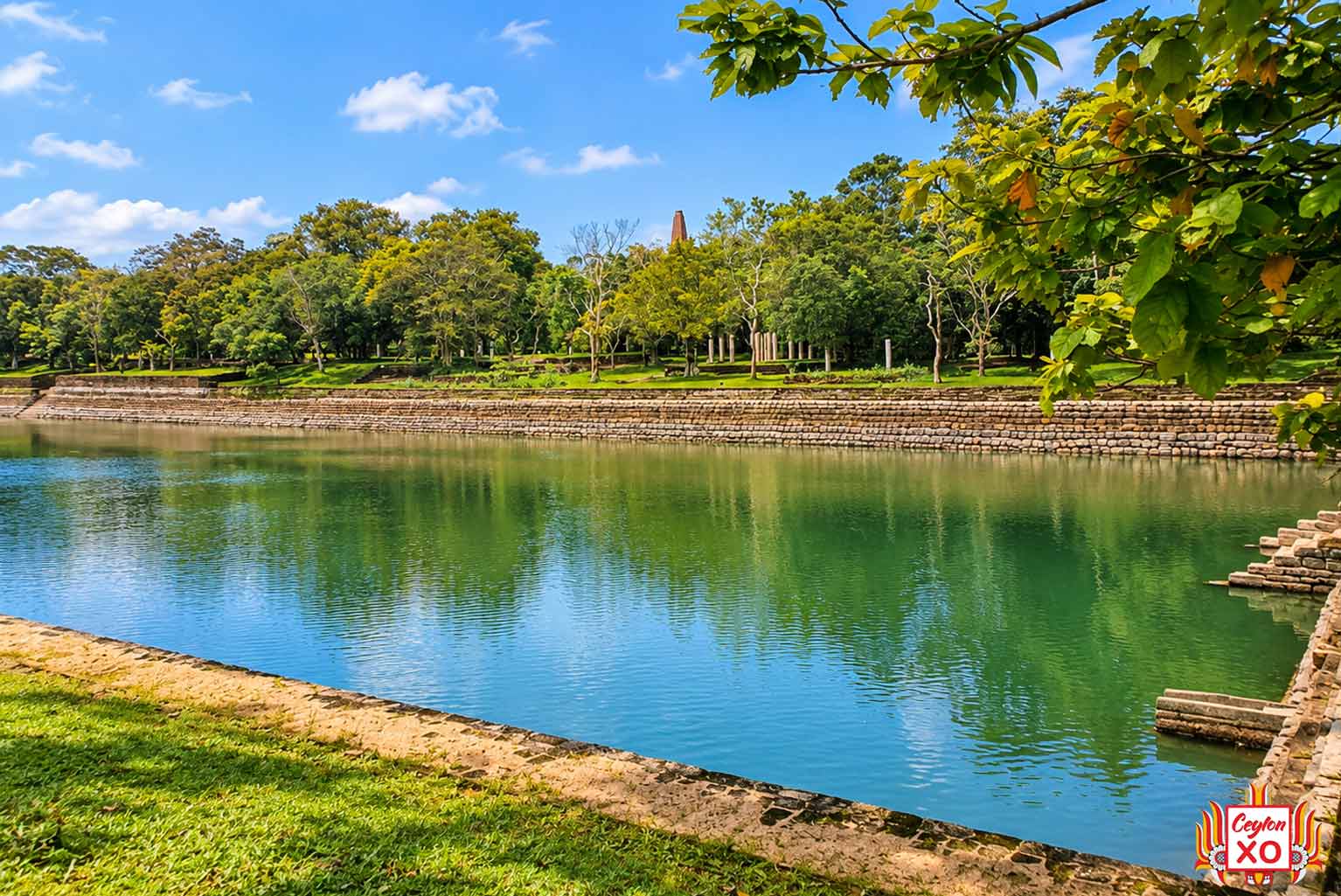
Abhayagiriya - Elephant Pond
Cities
The Elephant Pond, also known as Eth Pokuna, is one of the remarkable ancient water structures located within the Abhayagiri Monastery complex in Anuradhapura, Sri Lanka. It is an important example of the advanced engineering skills and water management systems developed by ancient Sri Lankan builders. The pond forms part of the extensive monastic landscape associated with Abhayagiriya, one of the most significant Buddhist centres in the ancient Anuradhapura Kingdom.
Duration
30 Minutes
Best Time
6.00 AM - 4.00 PM
Approximate Charge
Free