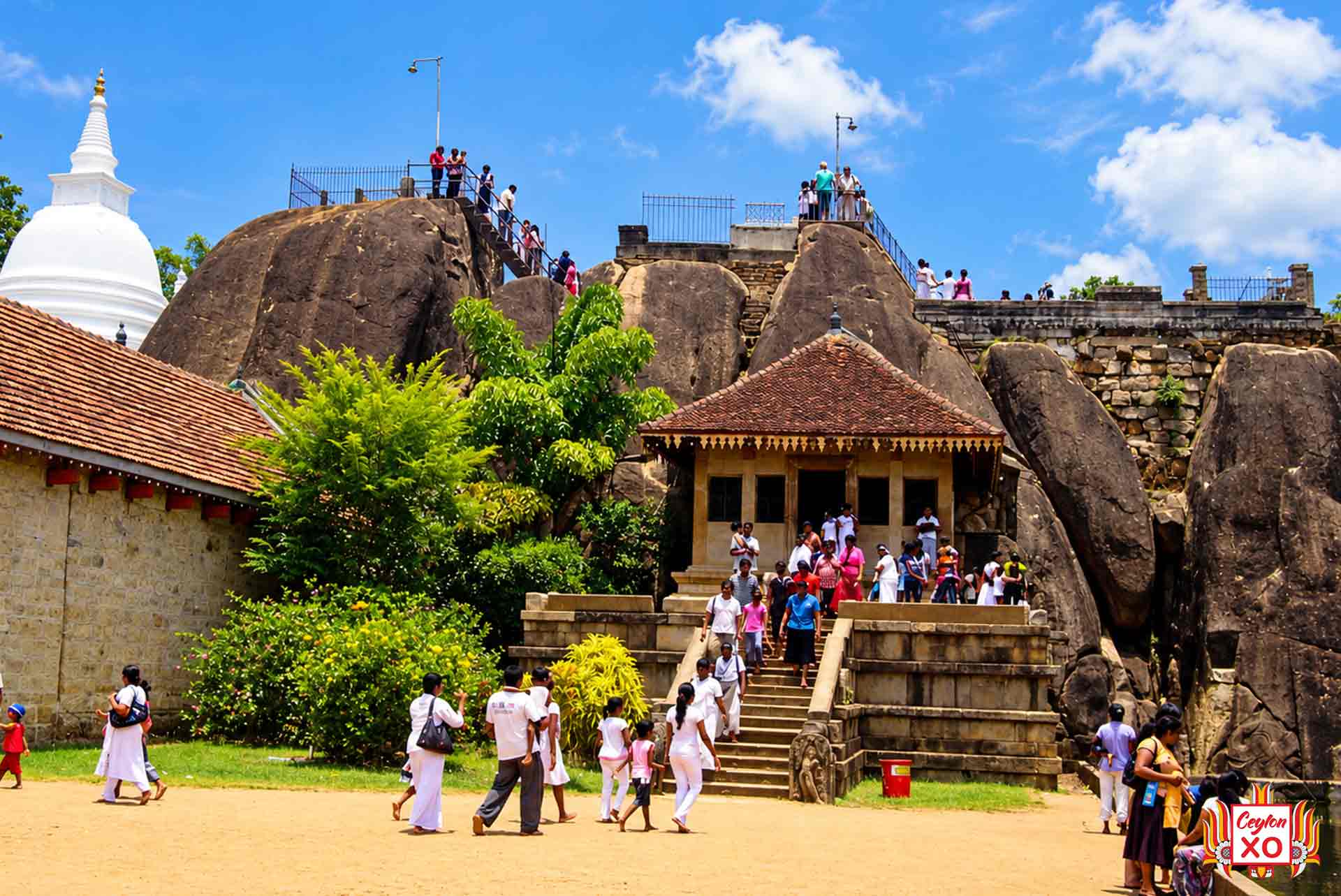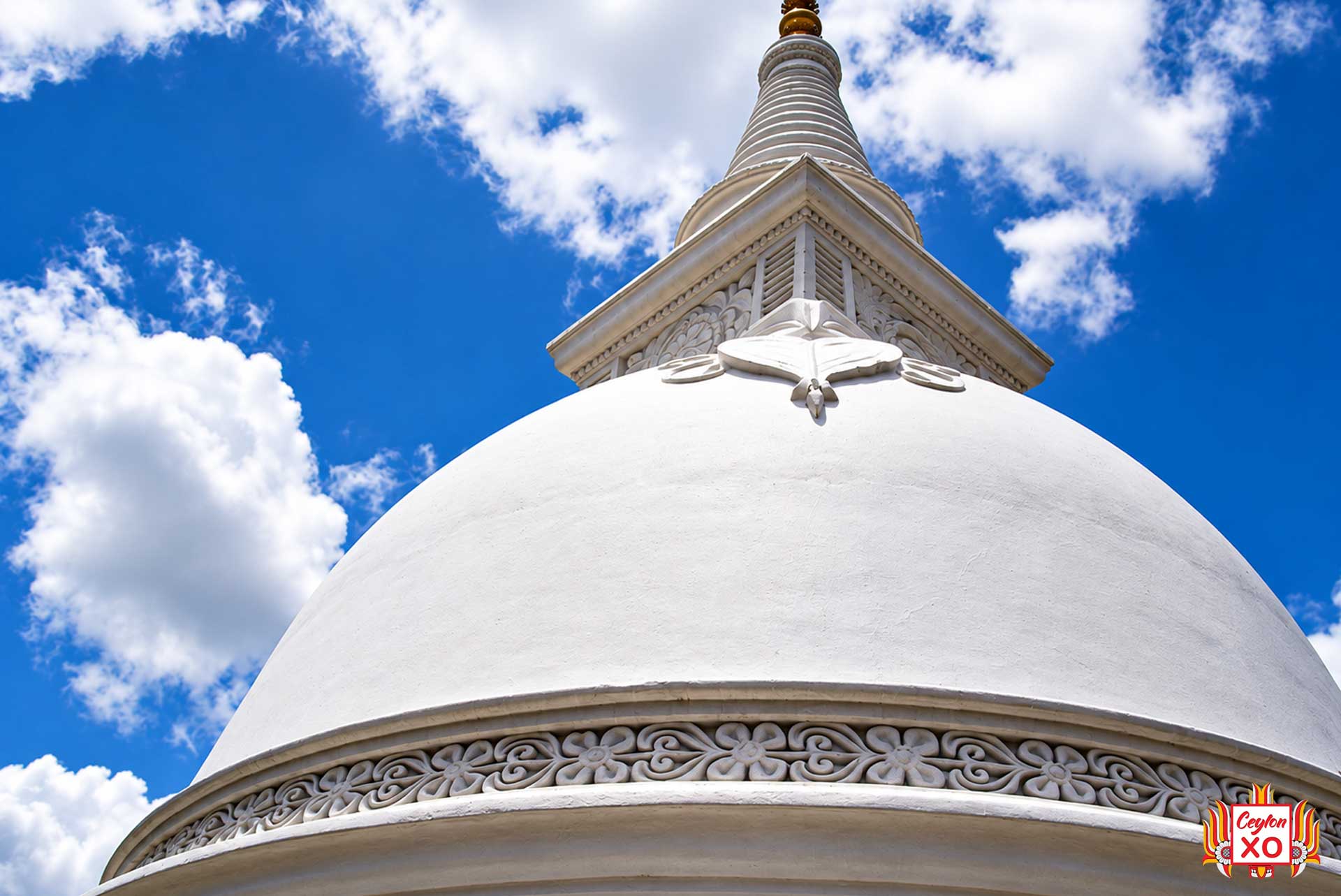
It is believed to have been constructed during the reign of King Devanampiyatissa in the third century BCE, following the introduction of Buddhism to Sri Lanka. According to historical traditions, the temple was established to provide accommodation for newly ordained monks, particularly members of the royal family who embraced Buddhism.
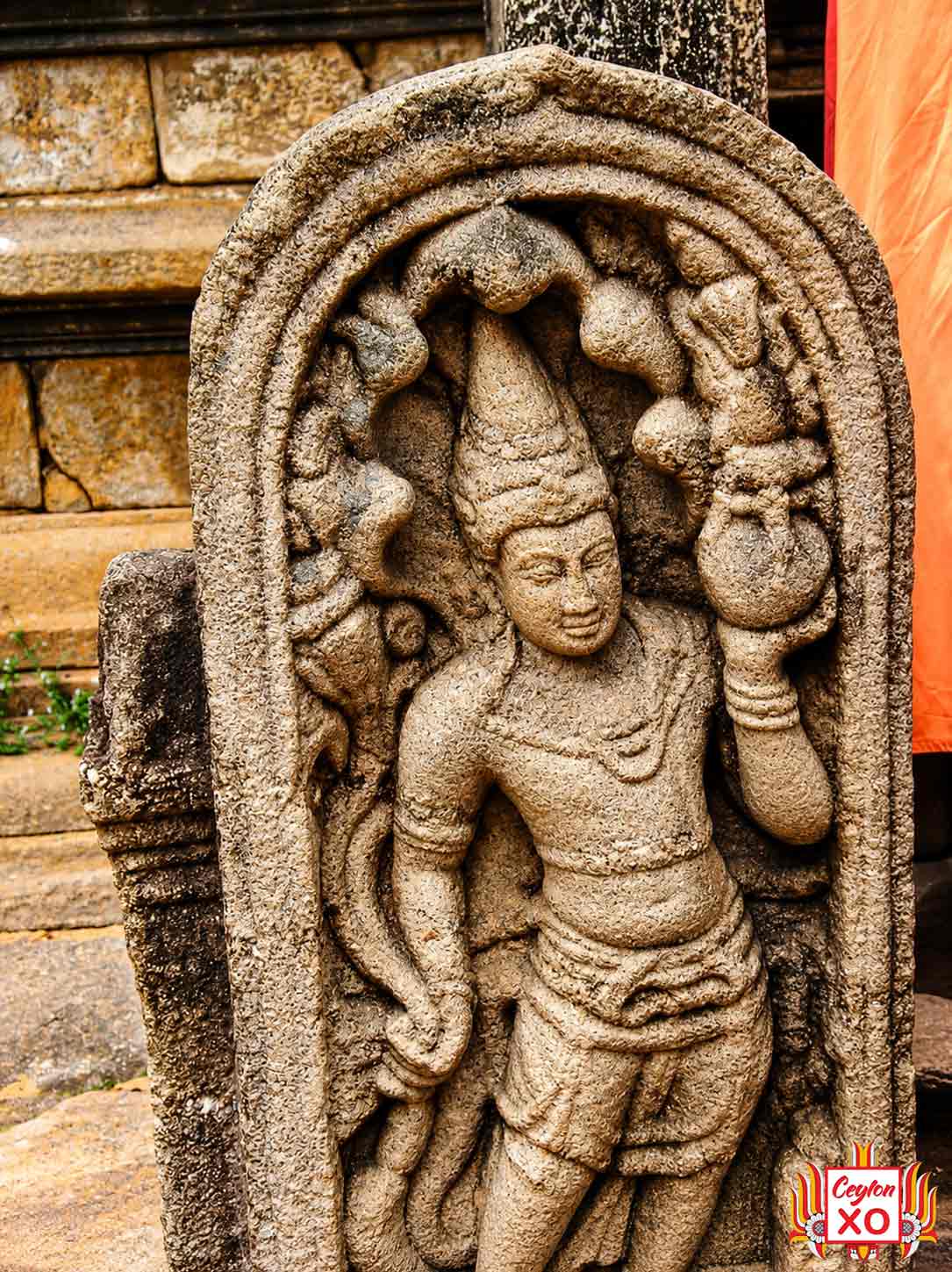
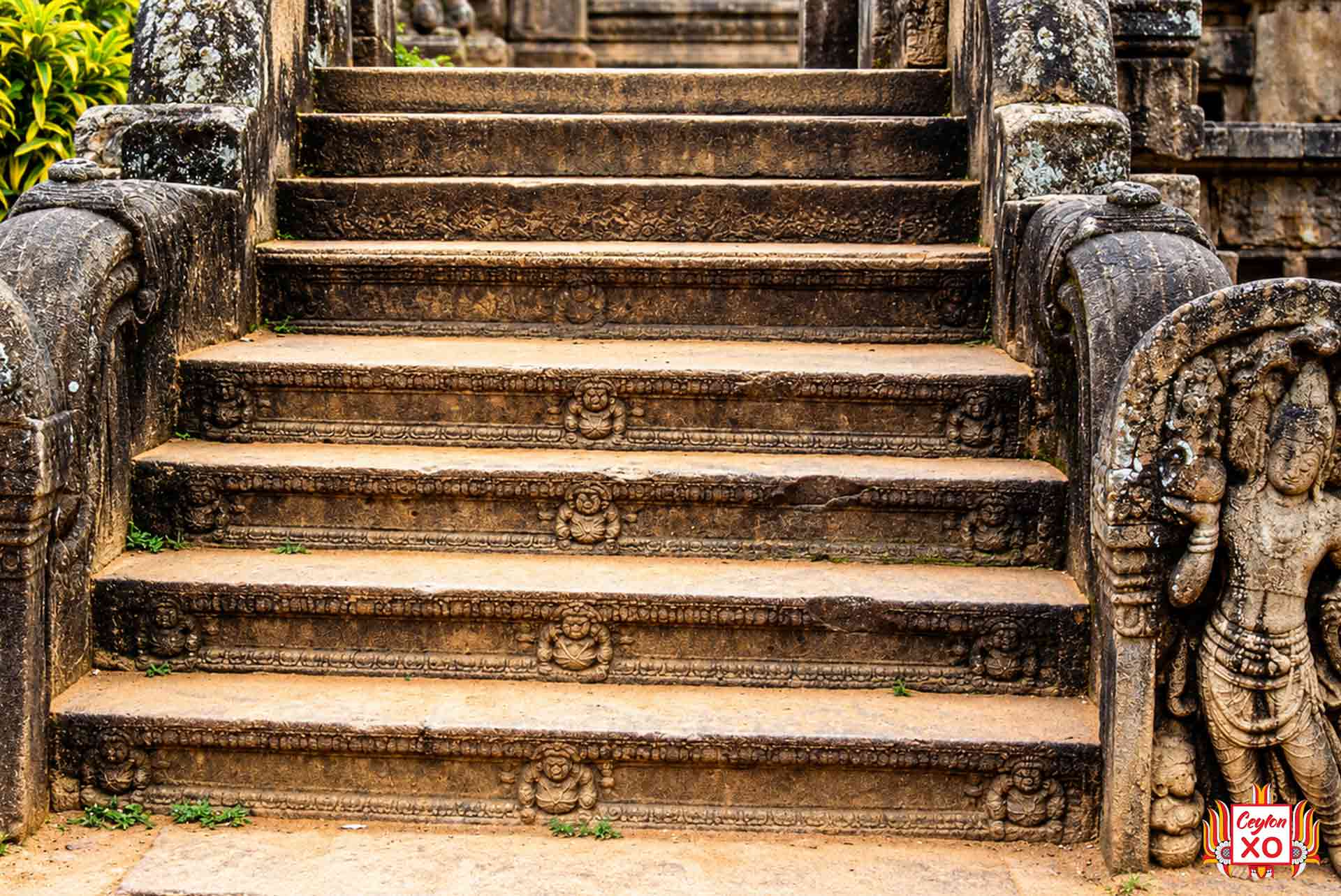
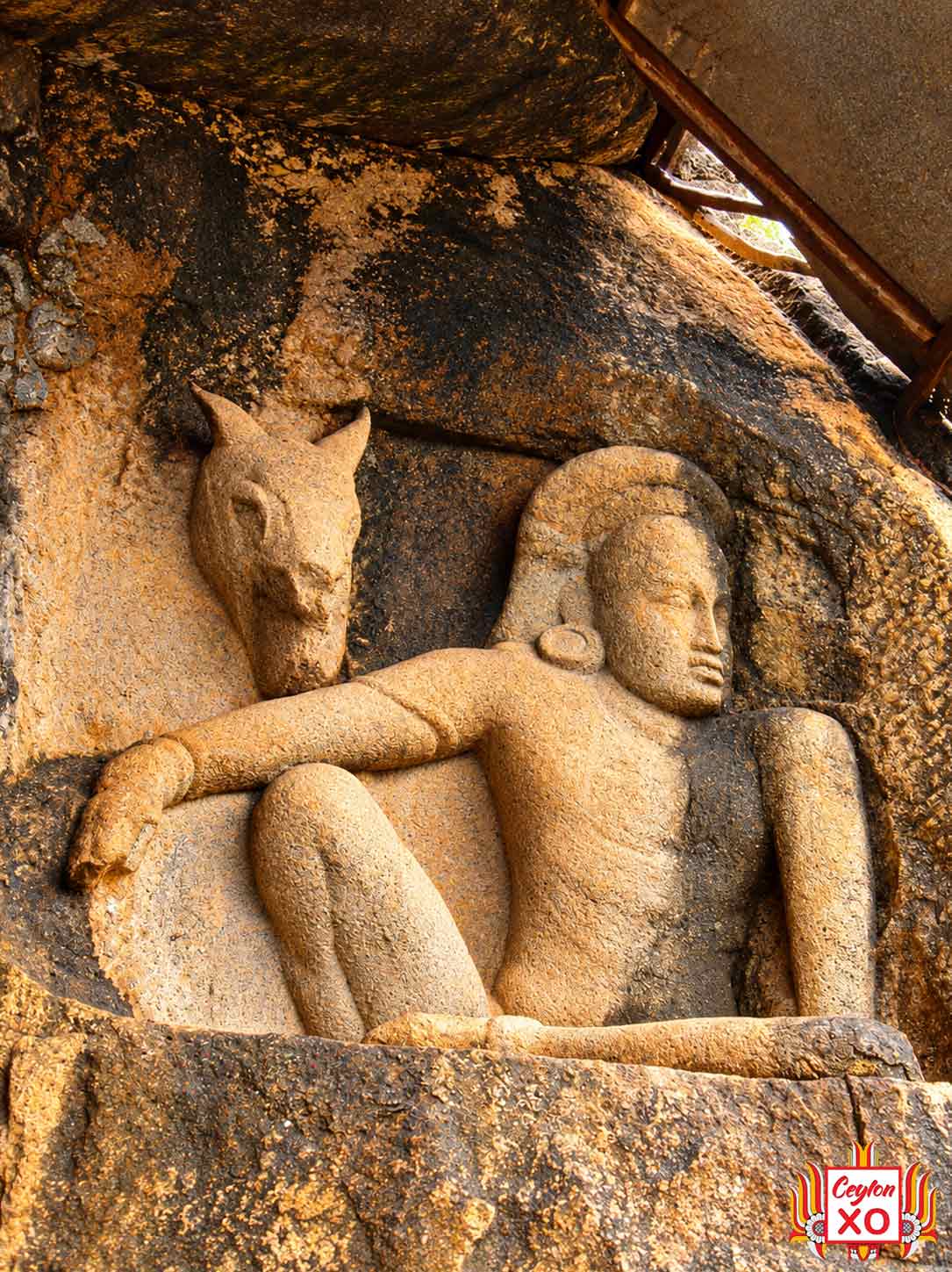
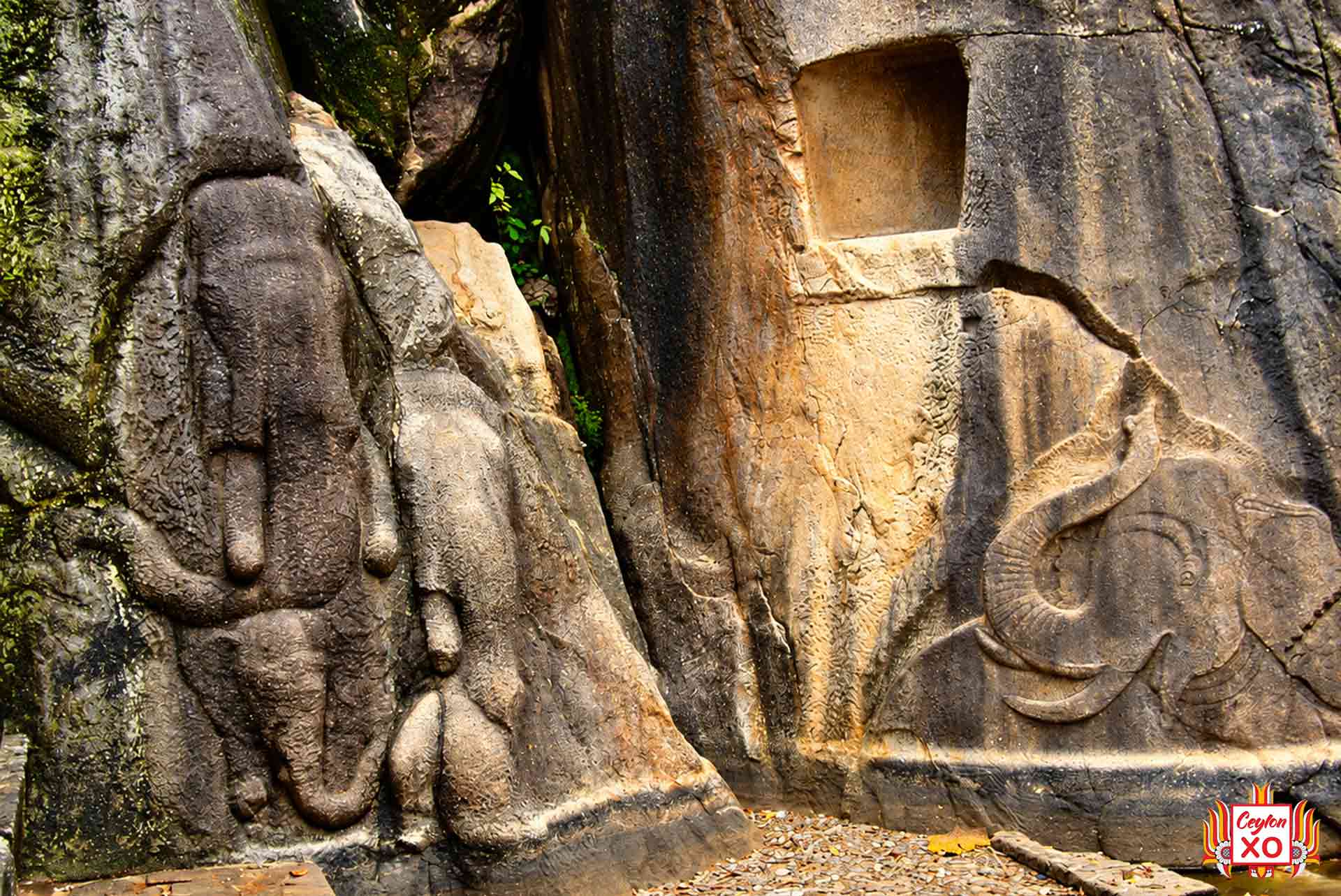
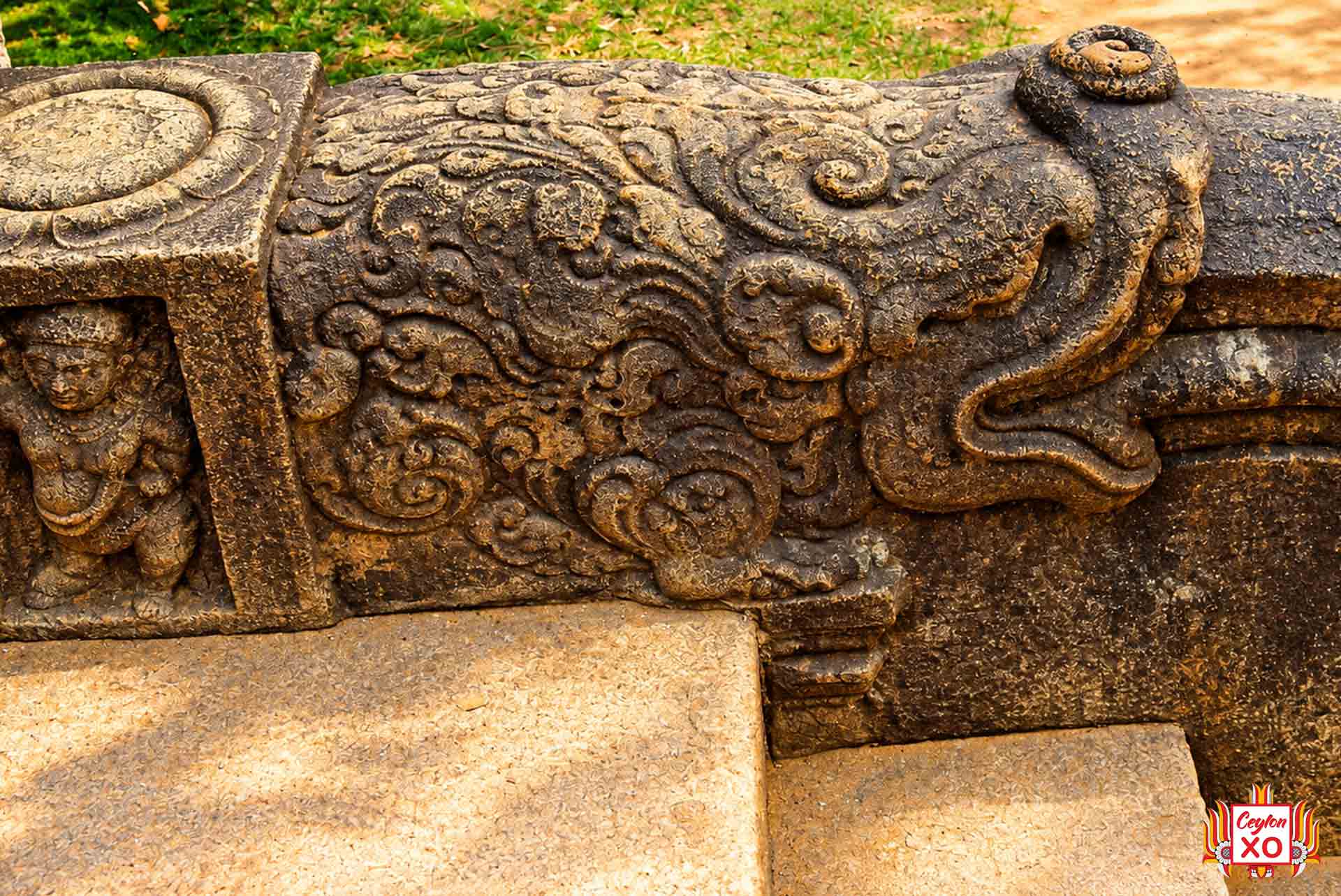
One of the most distinctive features of Isurumuniya Viharaya is its impressive collection of ancient stone sculptures. The Isurumuniya Lovers carving is among the most celebrated works of Sri Lankan art, depicting a seated man and a woman in an intimate pose. Although various interpretations have been proposed regarding the identities of the figures, the sculpture is widely admired for its artistic beauty and expressive detail. Another notable feature is the Elephant Pond, where several elephants are carved into the surrounding rock, appearing to bathe in water. These sculptures demonstrate the artistic skills and imaginative abilities of ancient Sri Lankan craftsmen.
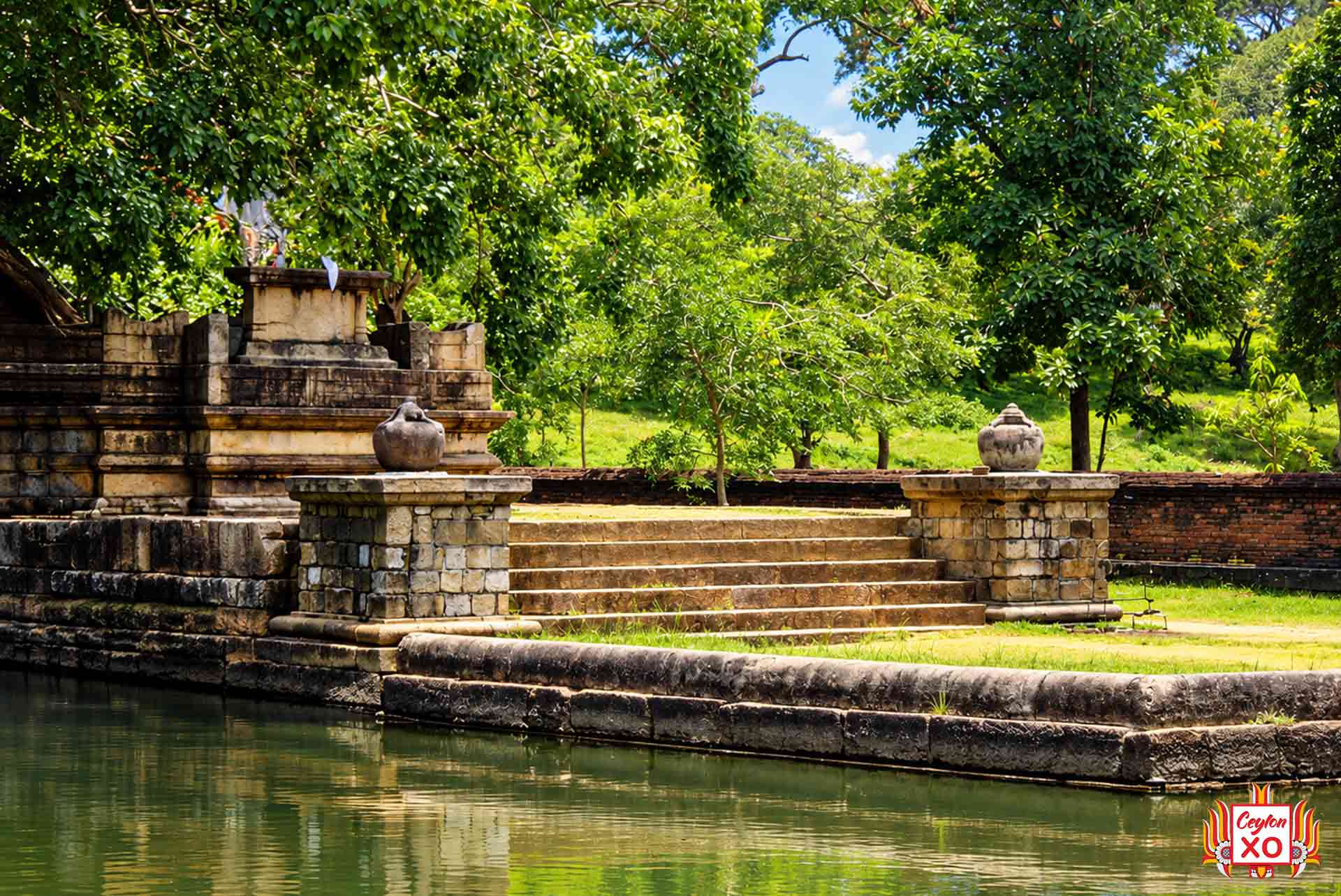
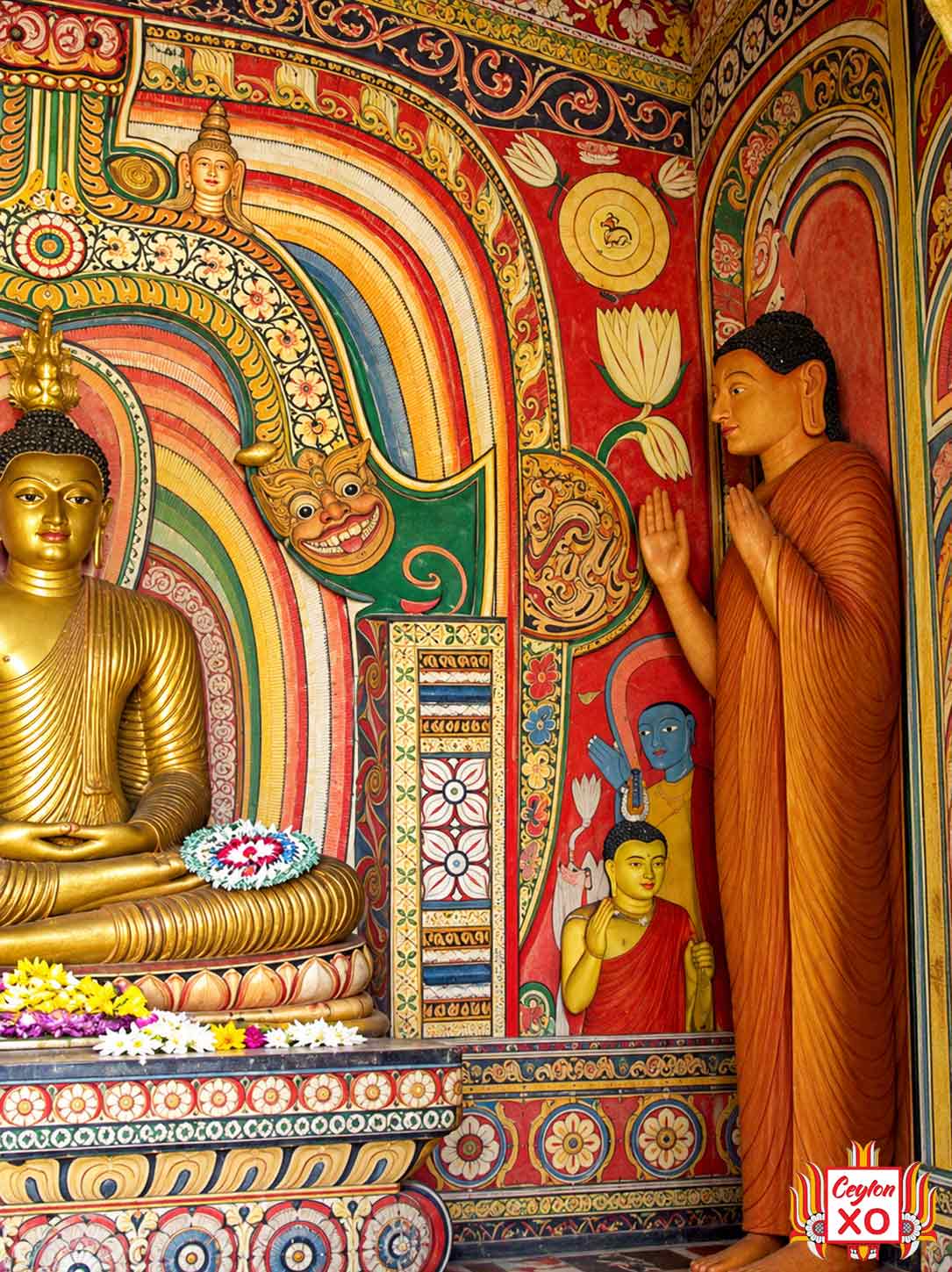
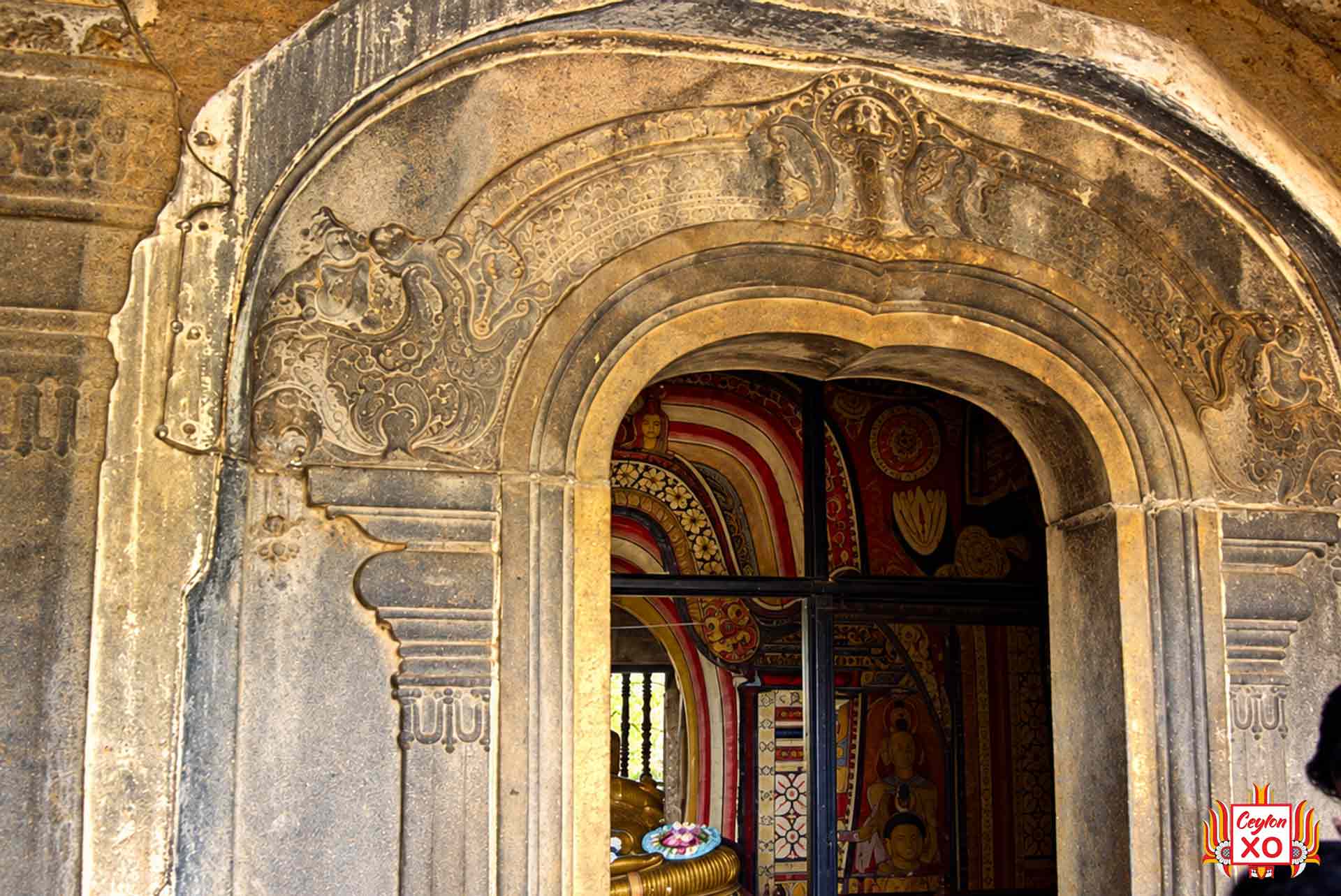
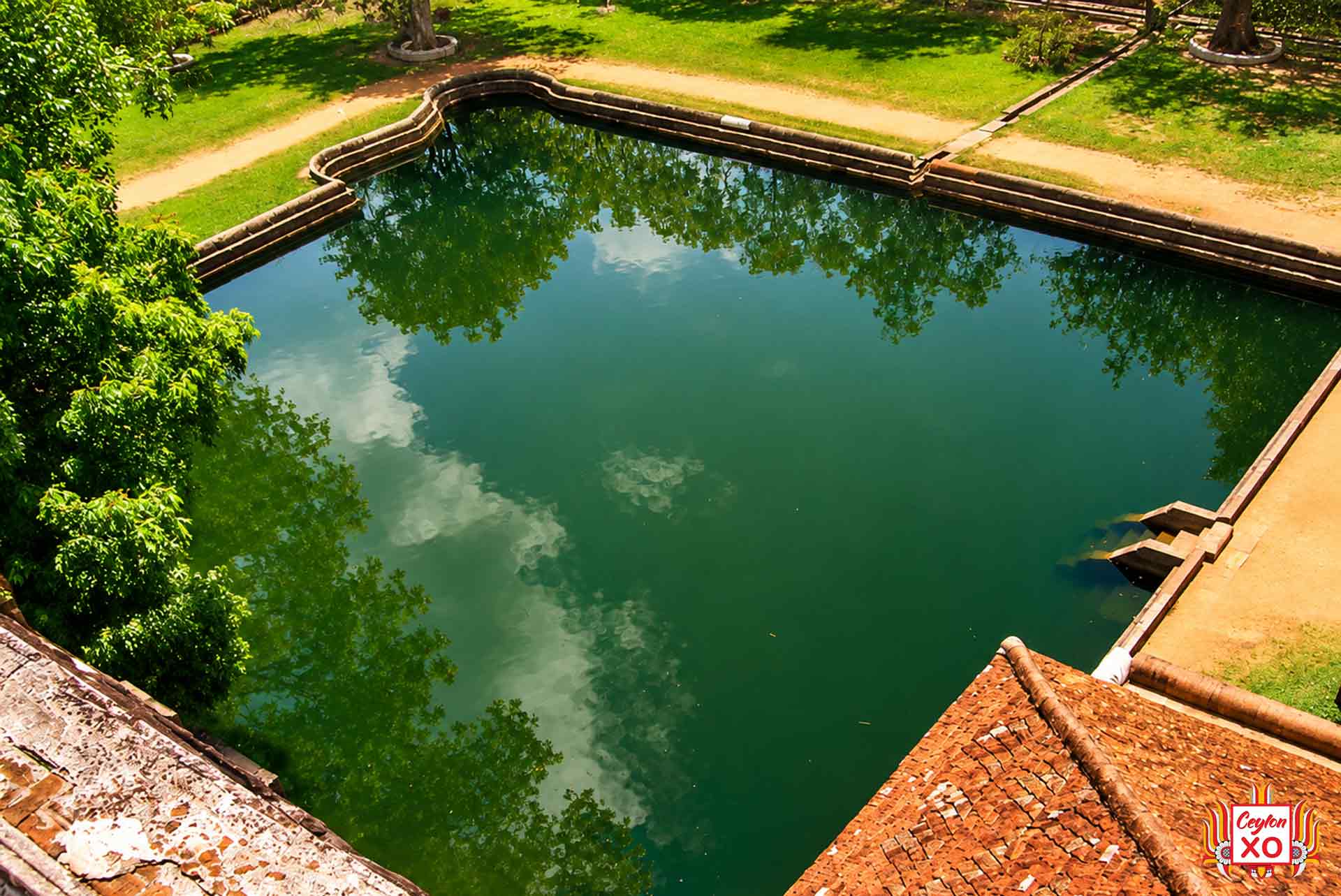
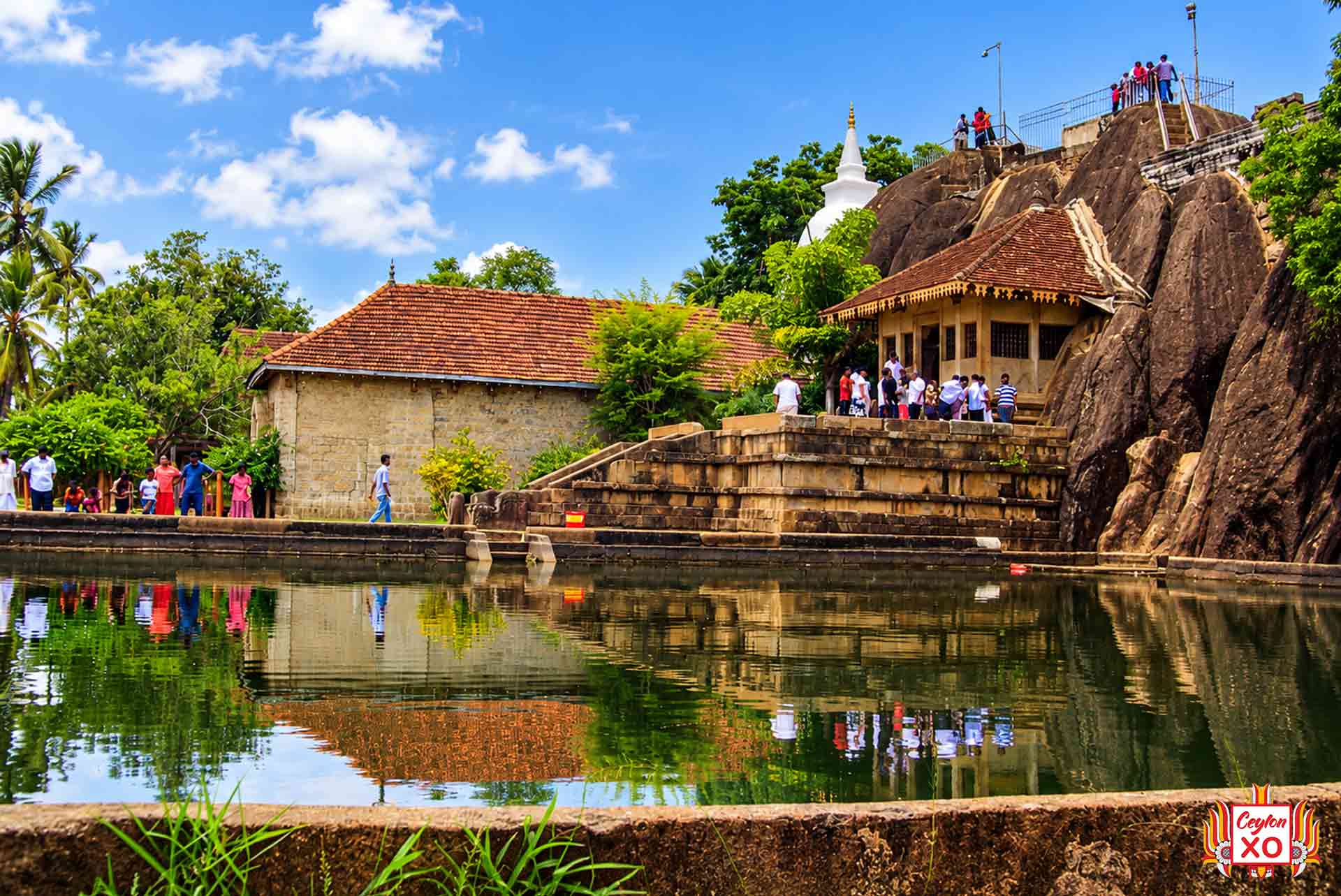
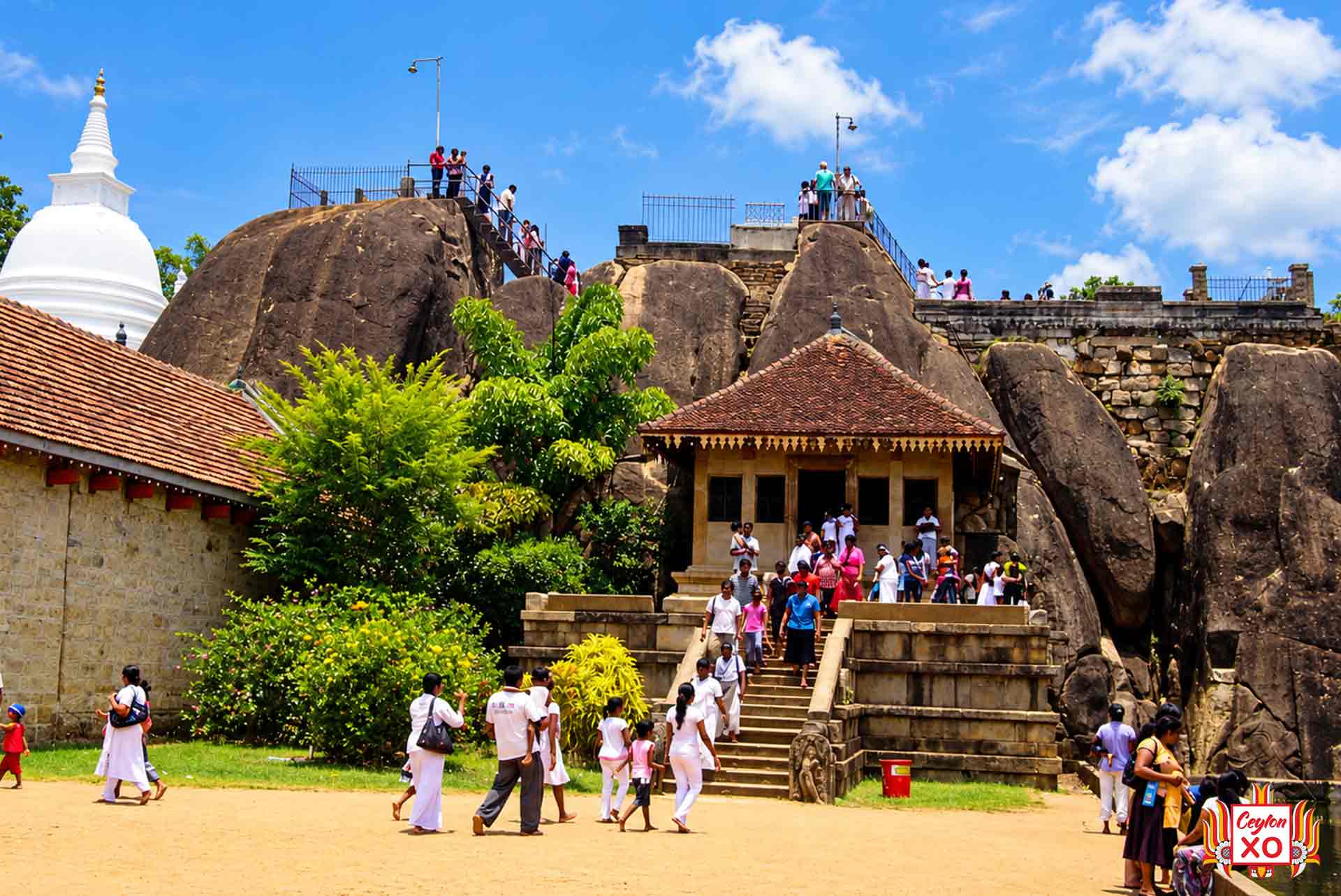
The temple also contains a rock-cut shrine, a reclining Buddha statue, and other religious sculptures that reflect the development of Buddhist art and architecture in Sri Lanka. Its location among natural rock formations adds to its distinctive character. The surrounding pond and greenery create a tranquil atmosphere that attracts both pilgrims and visitors interested in history and culture. The combination of natural beauty and artistic heritage makes Isurumuniya an exceptional example of the relationship between religion, nature, and traditional craftsmanship.
Isurumuniya Viharaya has undergone restoration and development over the centuries, particularly during the reign of King Kasyapa I in the fifth century CE. Today, it remains an important place of Buddhist worship and a popular cultural attraction in Anuradhapura. The temple provides valuable insight into Sri Lanka's ancient religious traditions, artistic achievements, and architectural heritage. Its preservation is essential for safeguarding the country's cultural identity and allowing future generations to appreciate the remarkable legacy of ancient Sri Lankan civilisation.