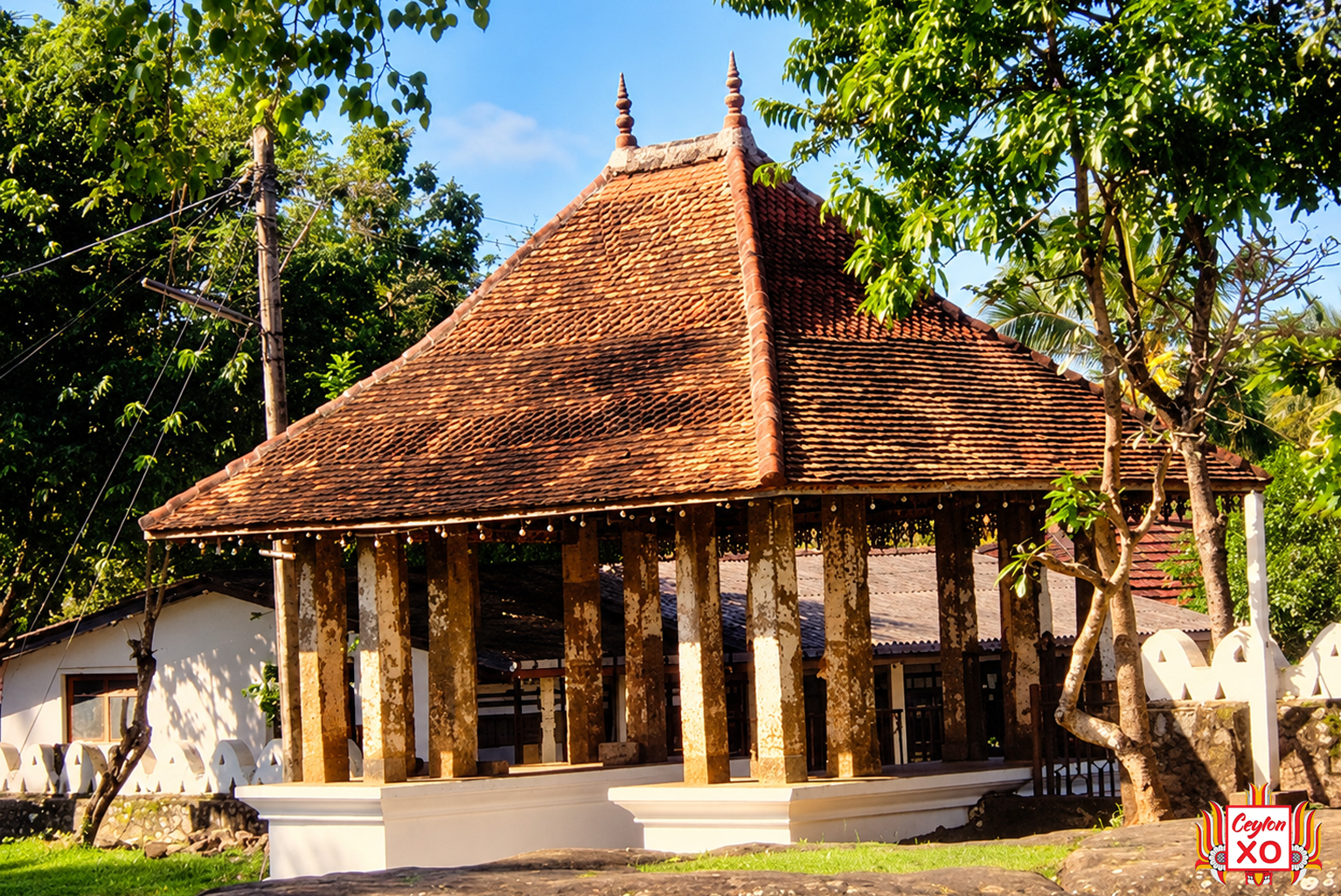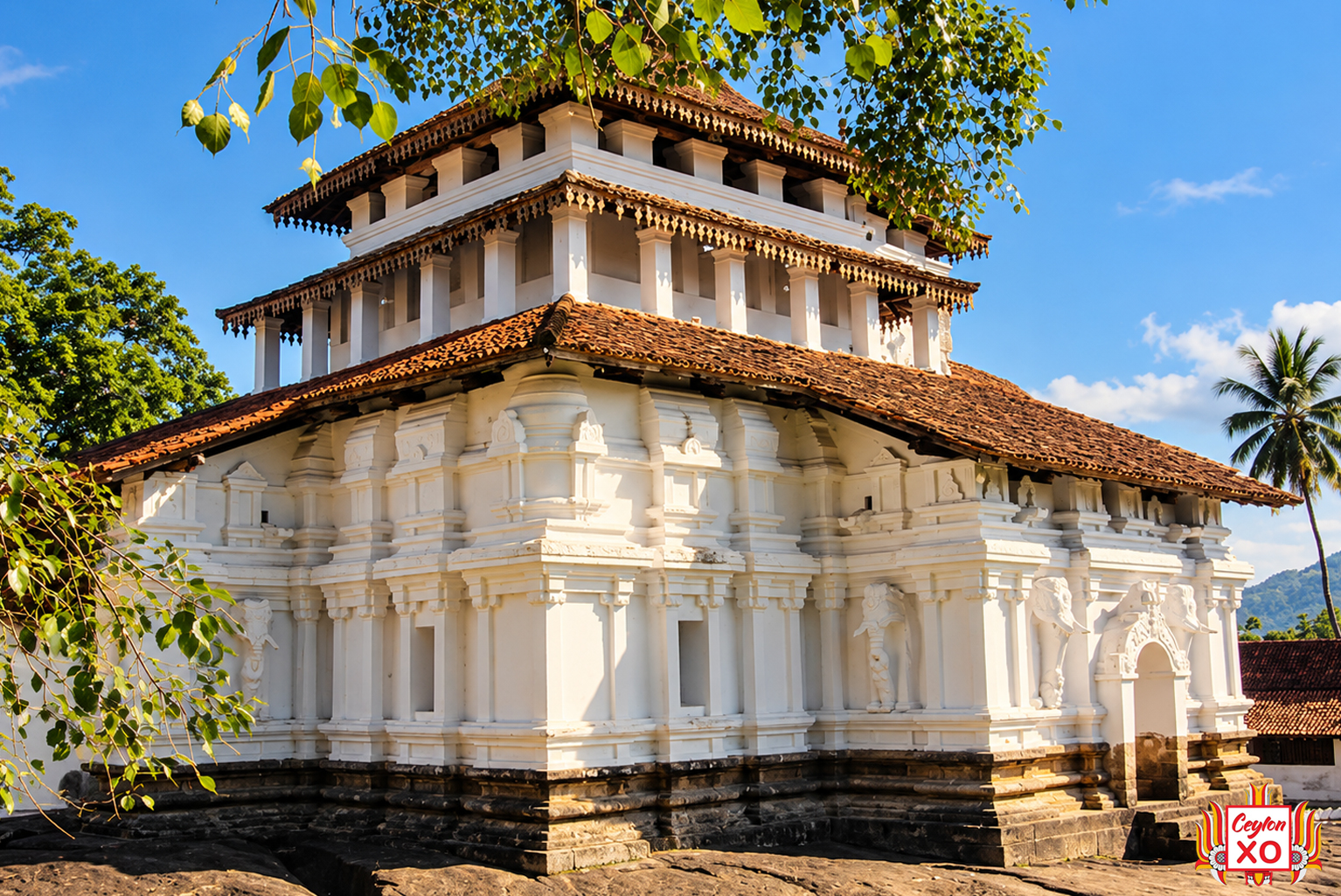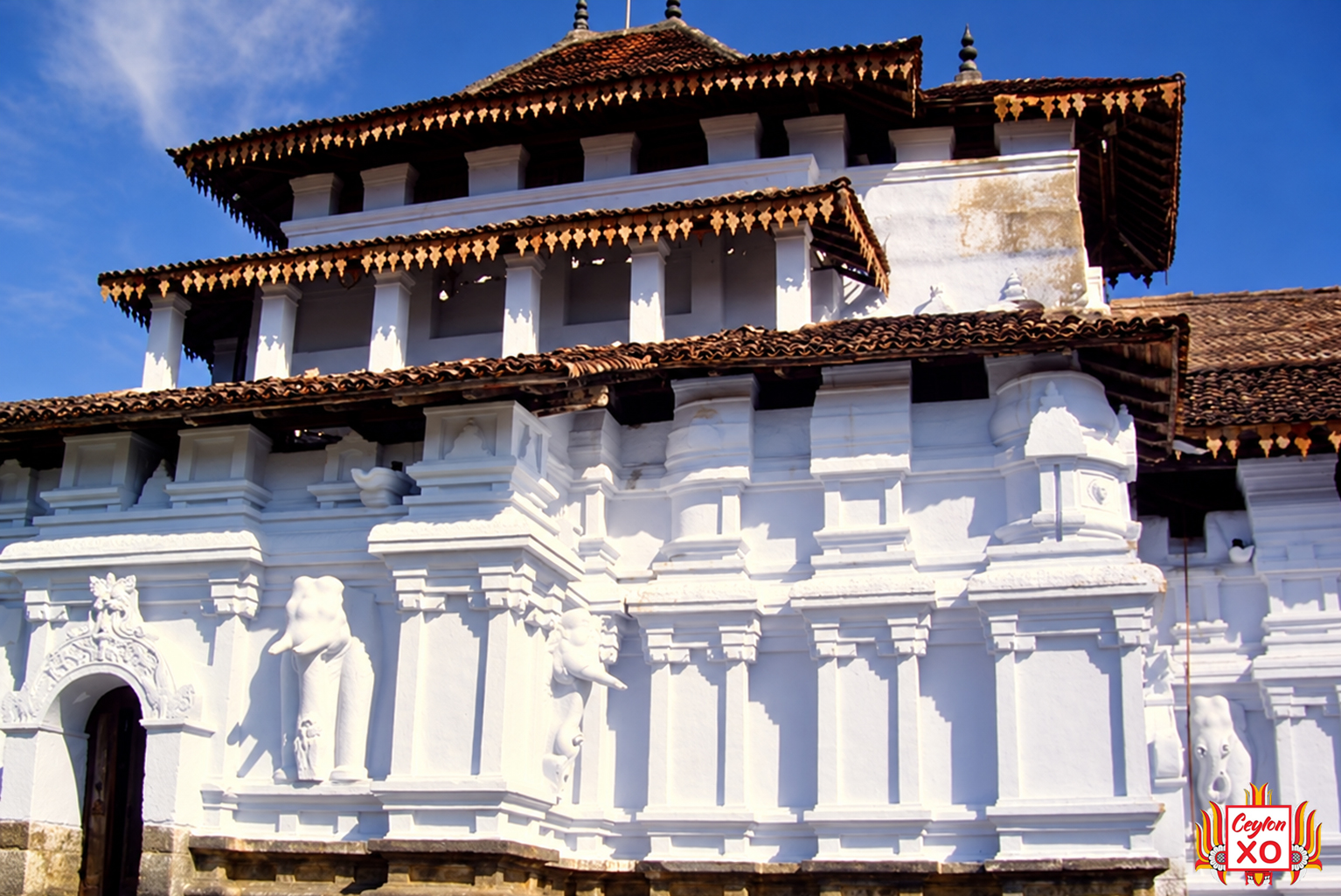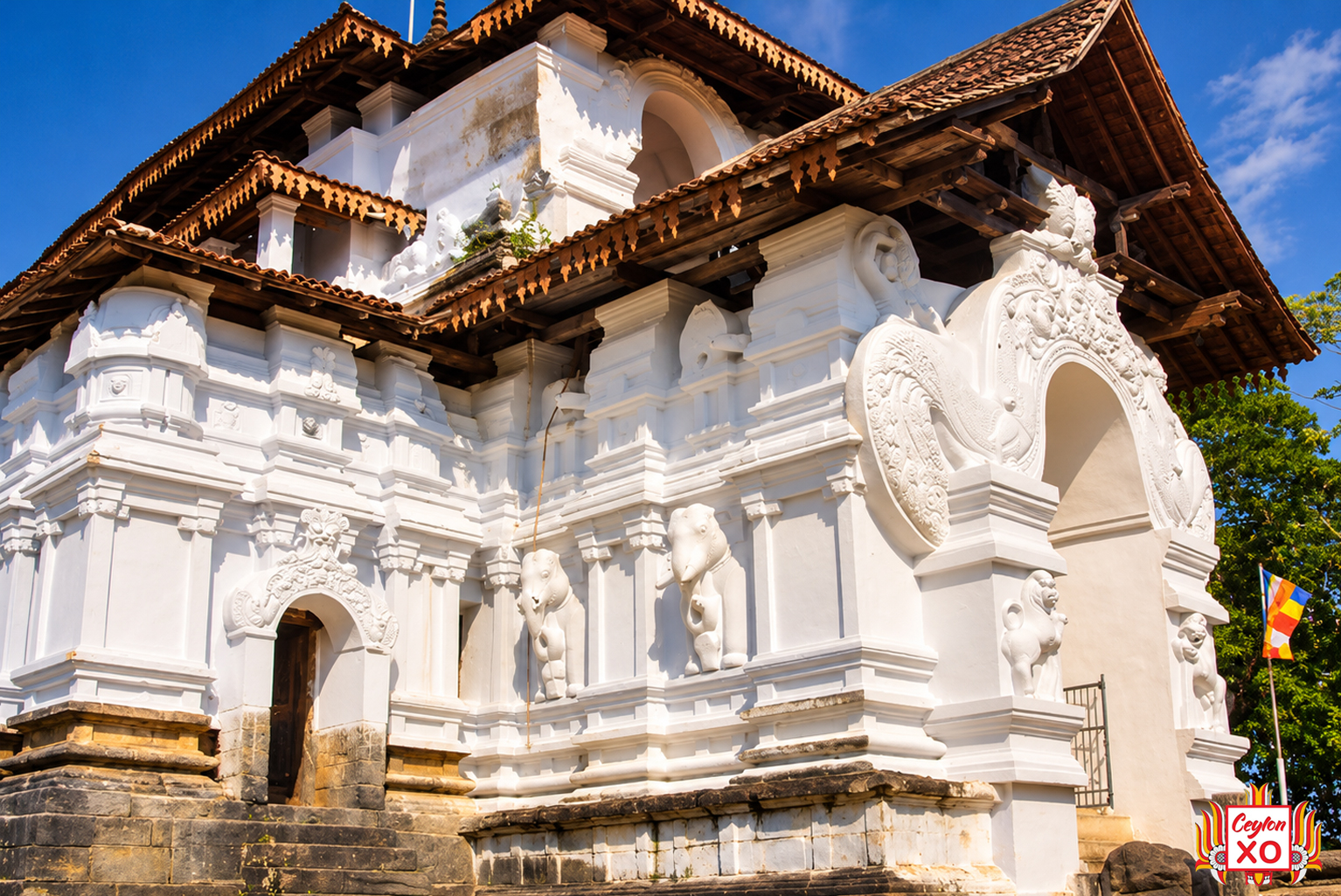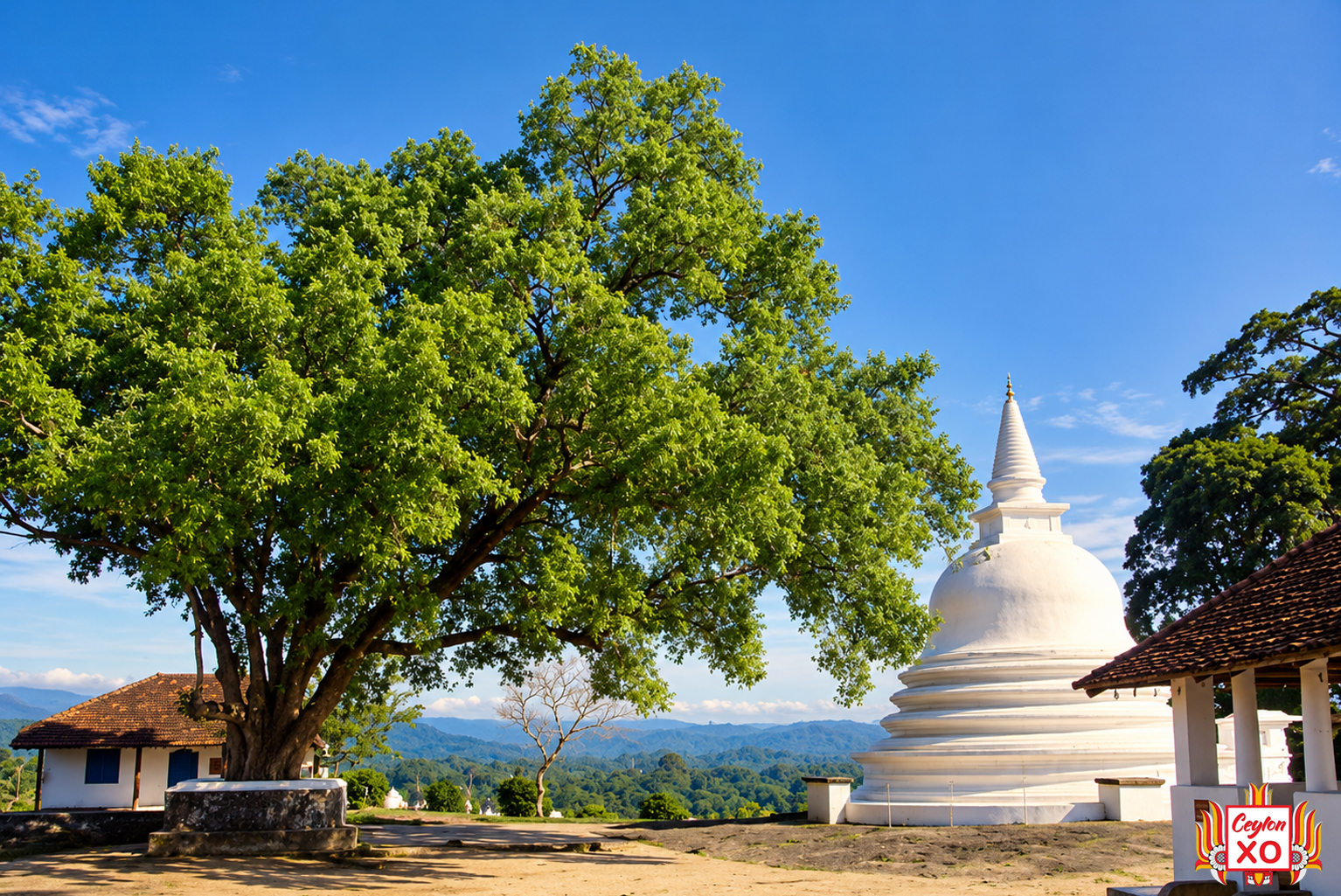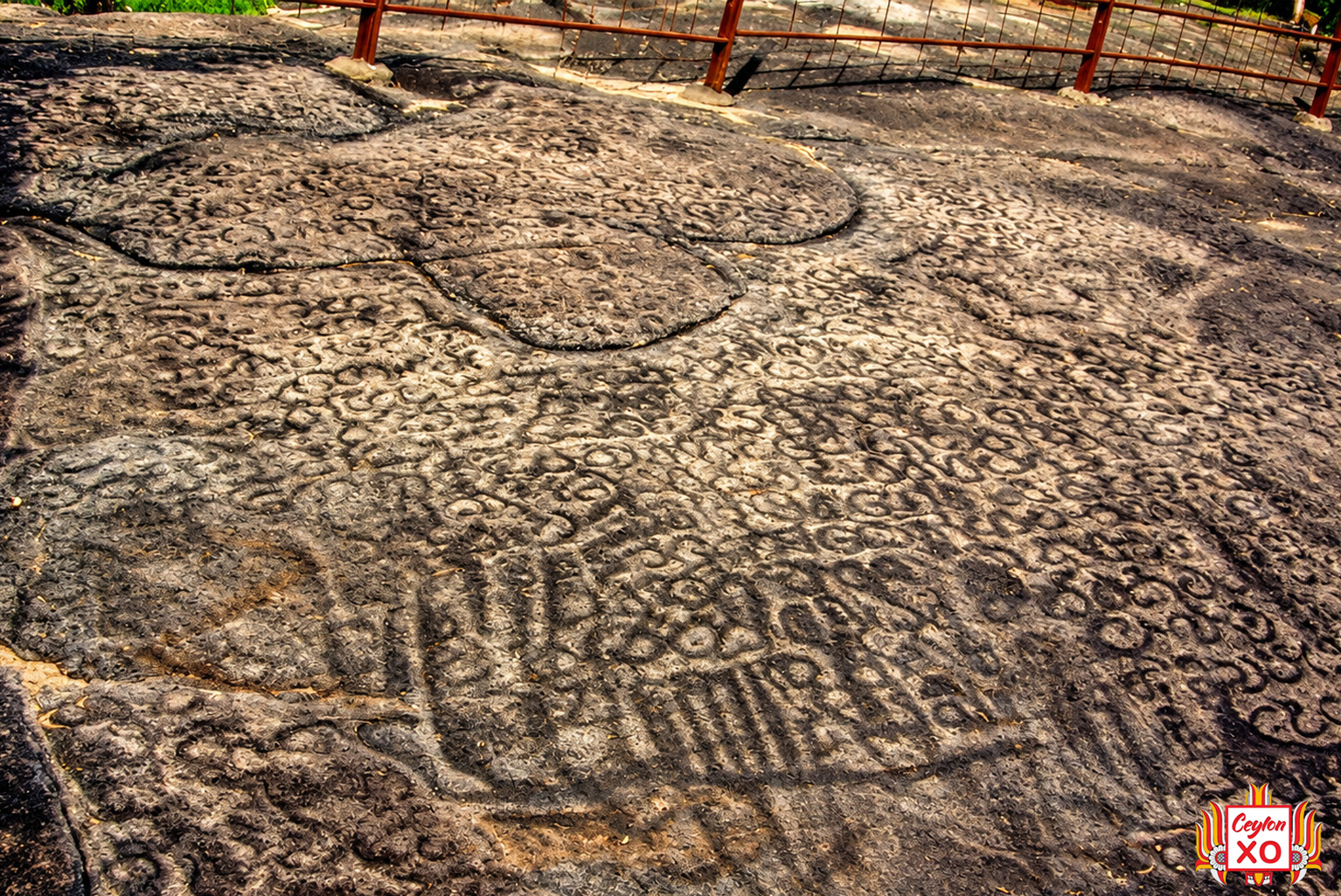
Lankathilaka Rajamaha Viharaya was built during the reign of King Bhuvanekabahu IV in the 14th century. The construction is traditionally associated with the chief minister Senalankadhikara, who played an important role in establishing the temple. The temple was designed by a South Indian architect named Sthapati Rayar, reflecting a combination of Sri Lankan and South Indian architectural traditions. Its construction demonstrates the cultural connections that existed between Sri Lanka and neighbouring regions during the medieval period.
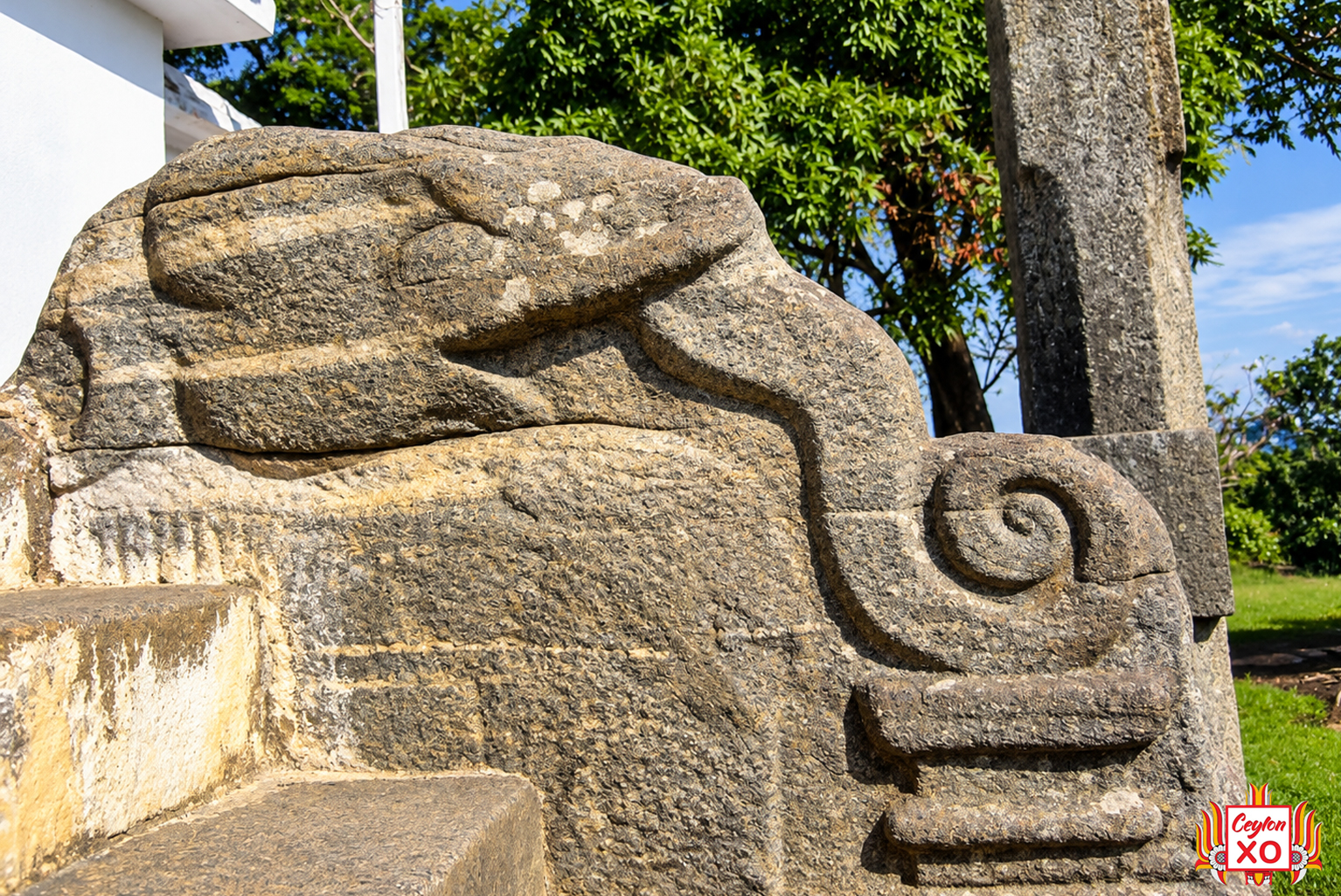
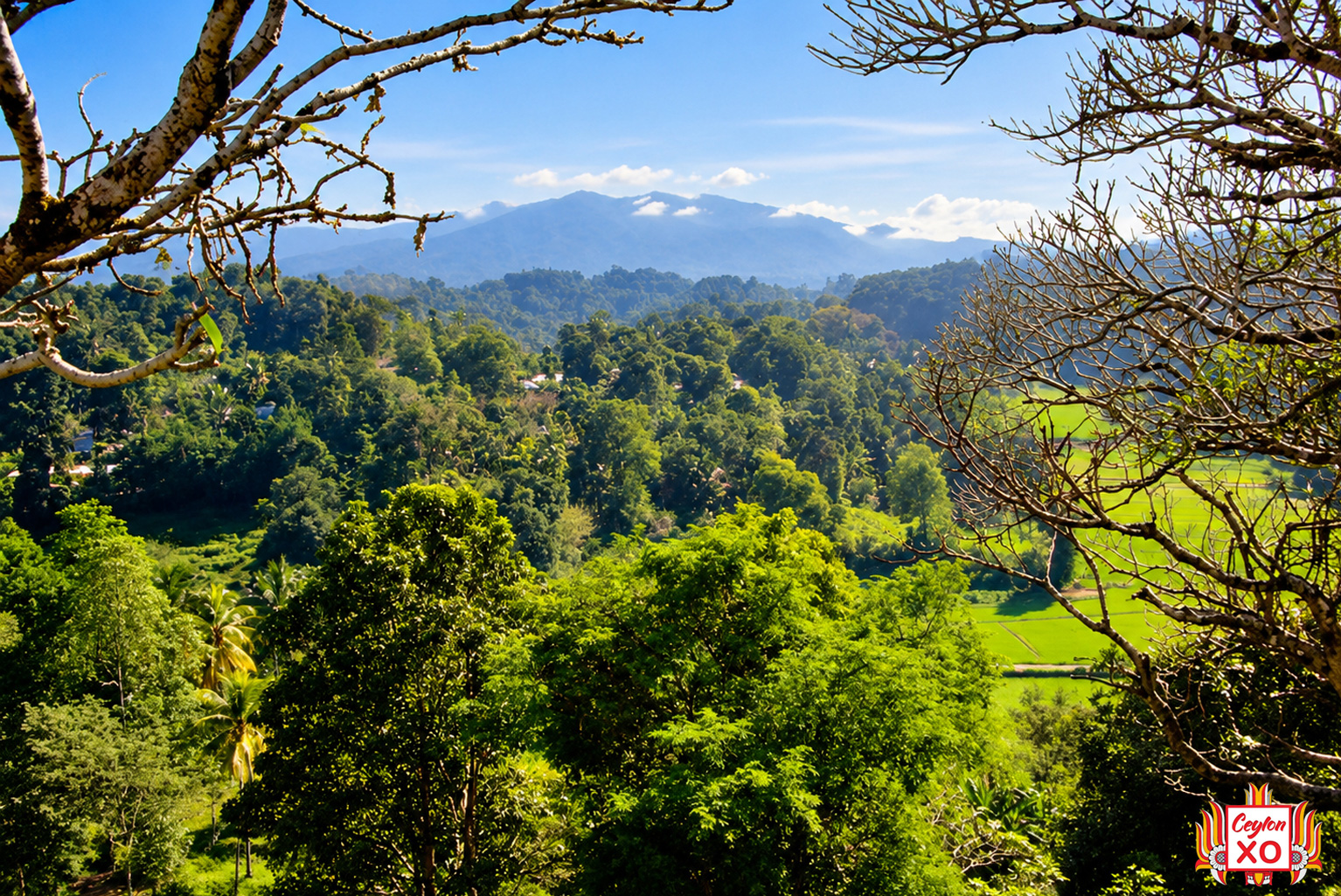
The temple stands on a rocky hill, providing a beautiful view of the surrounding countryside. Its impressive stone foundation, large walls, and carefully designed structure make it a remarkable example of medieval architecture. The main building combines features of Buddhist temple architecture with influences from Hindu architectural traditions. This mixture can be seen in the design of the building and the presence of shrines dedicated to several deities. The temple complex reflects the religious harmony and cultural influences that shaped Sri Lankan society during that period.
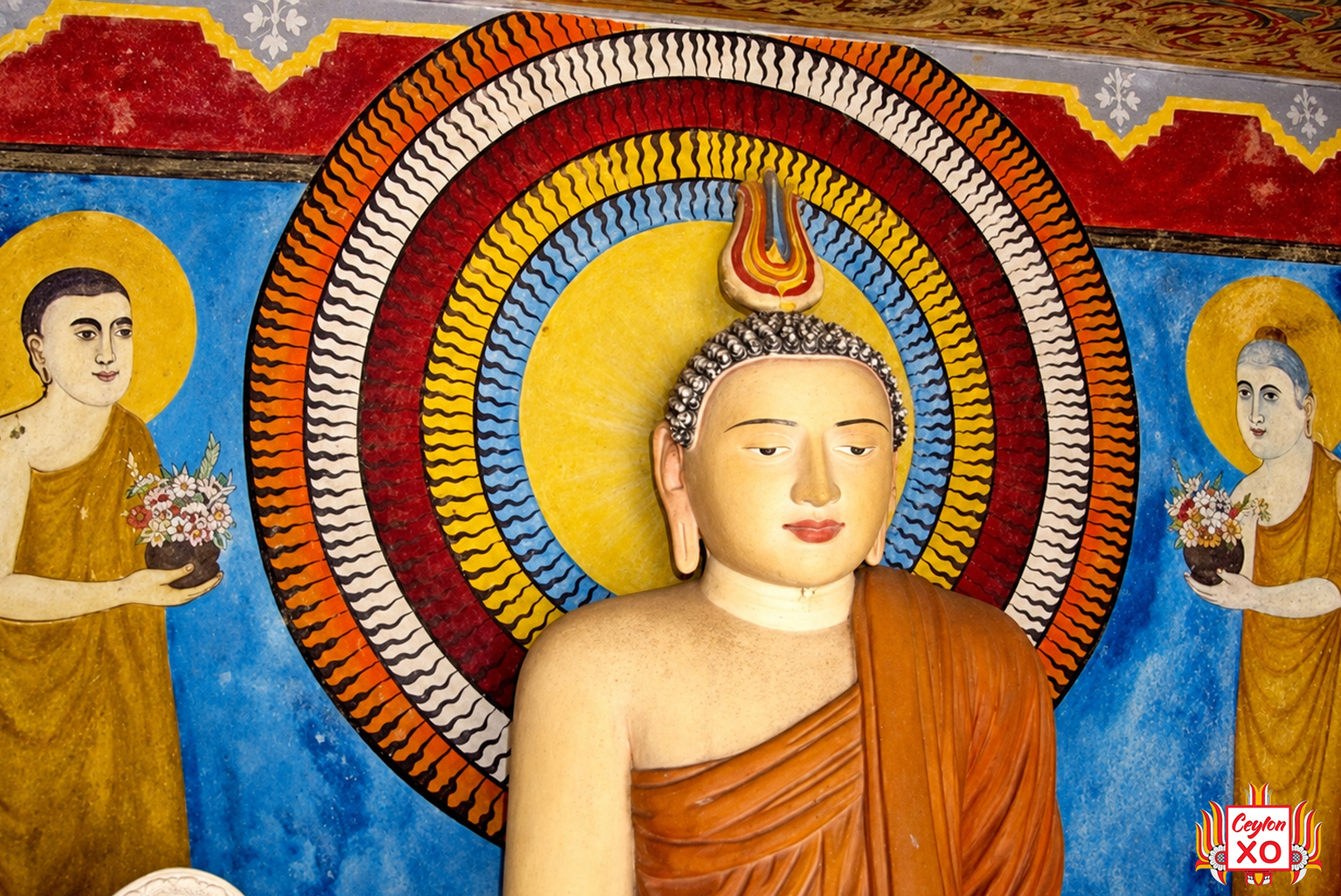
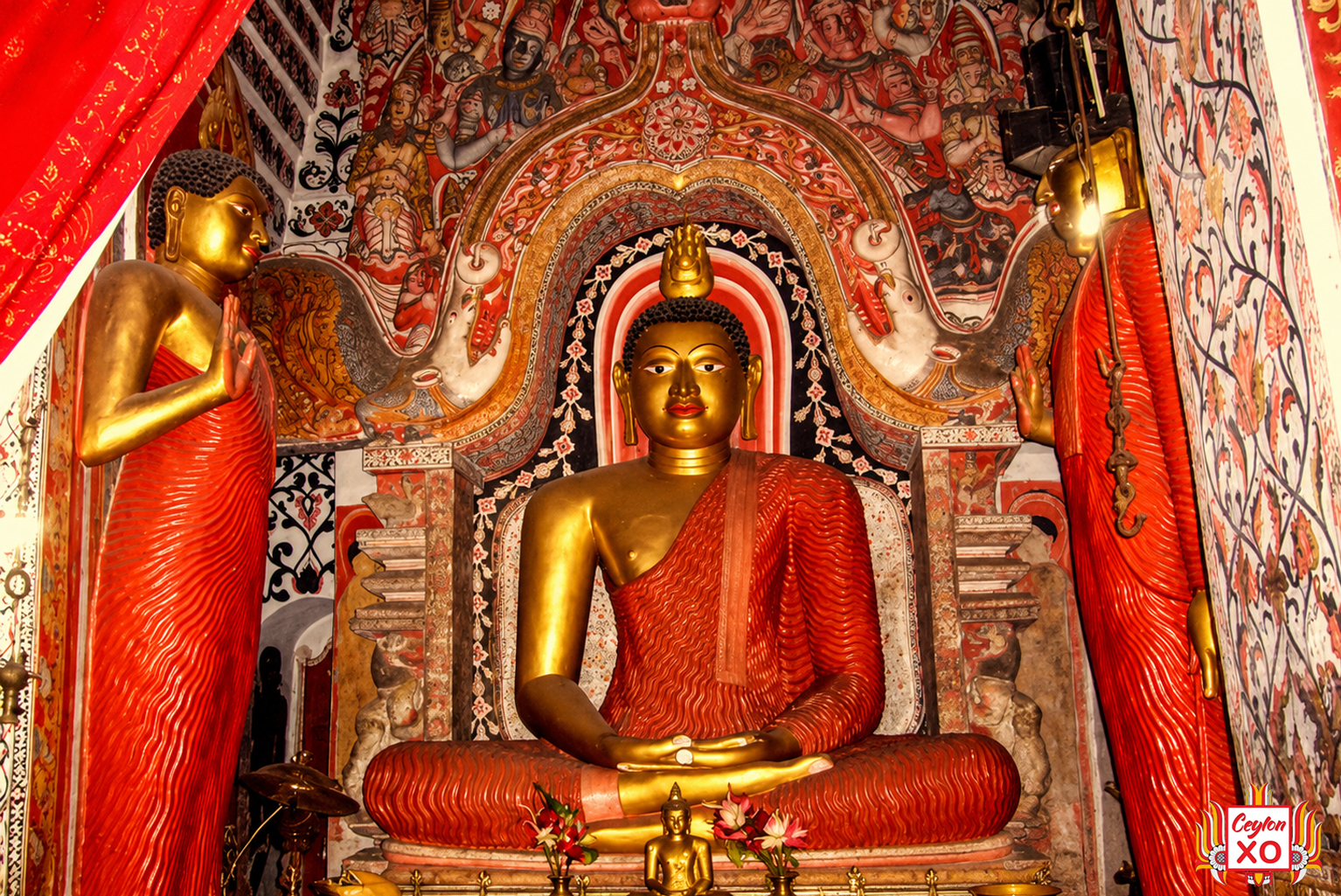
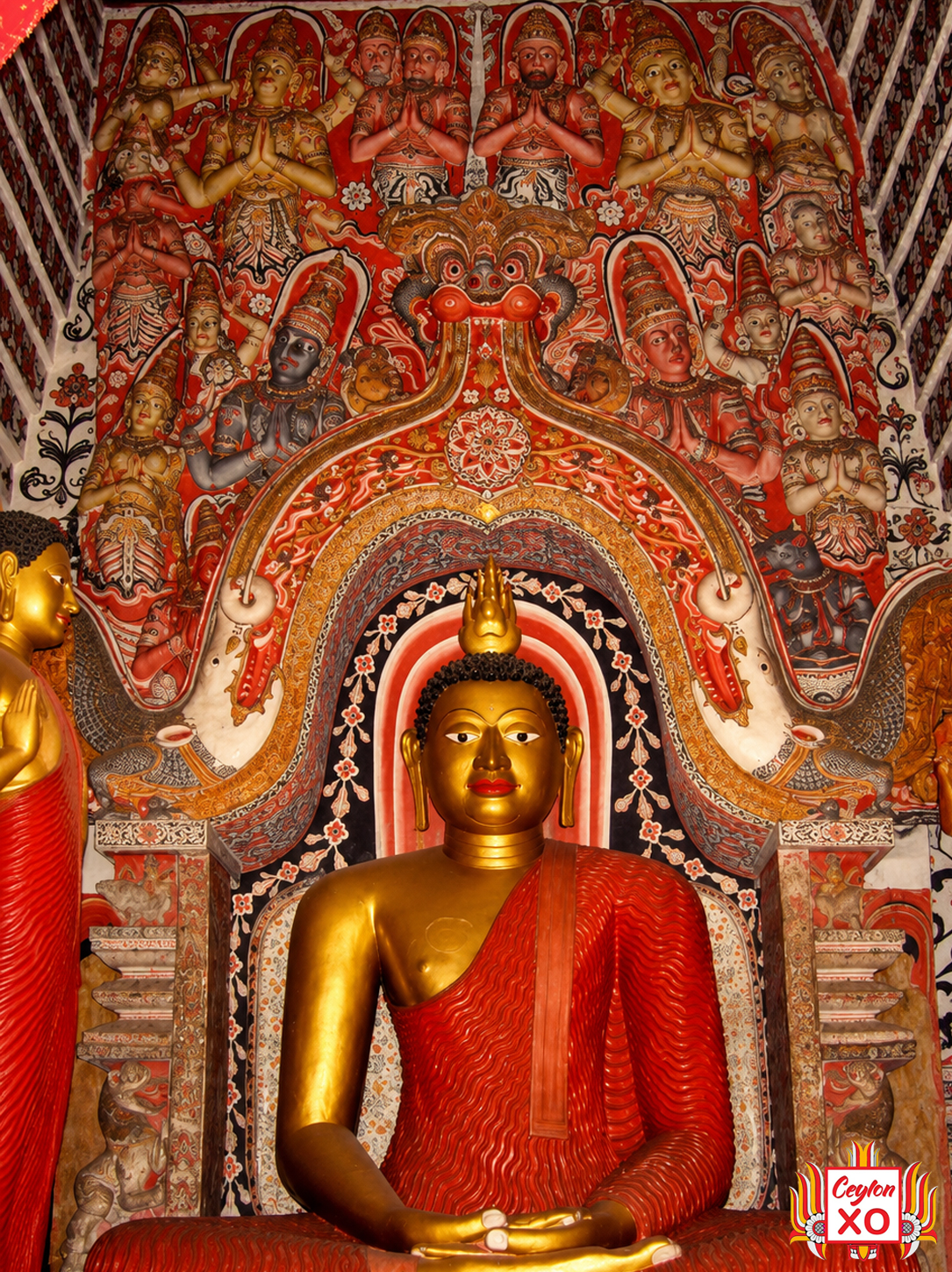
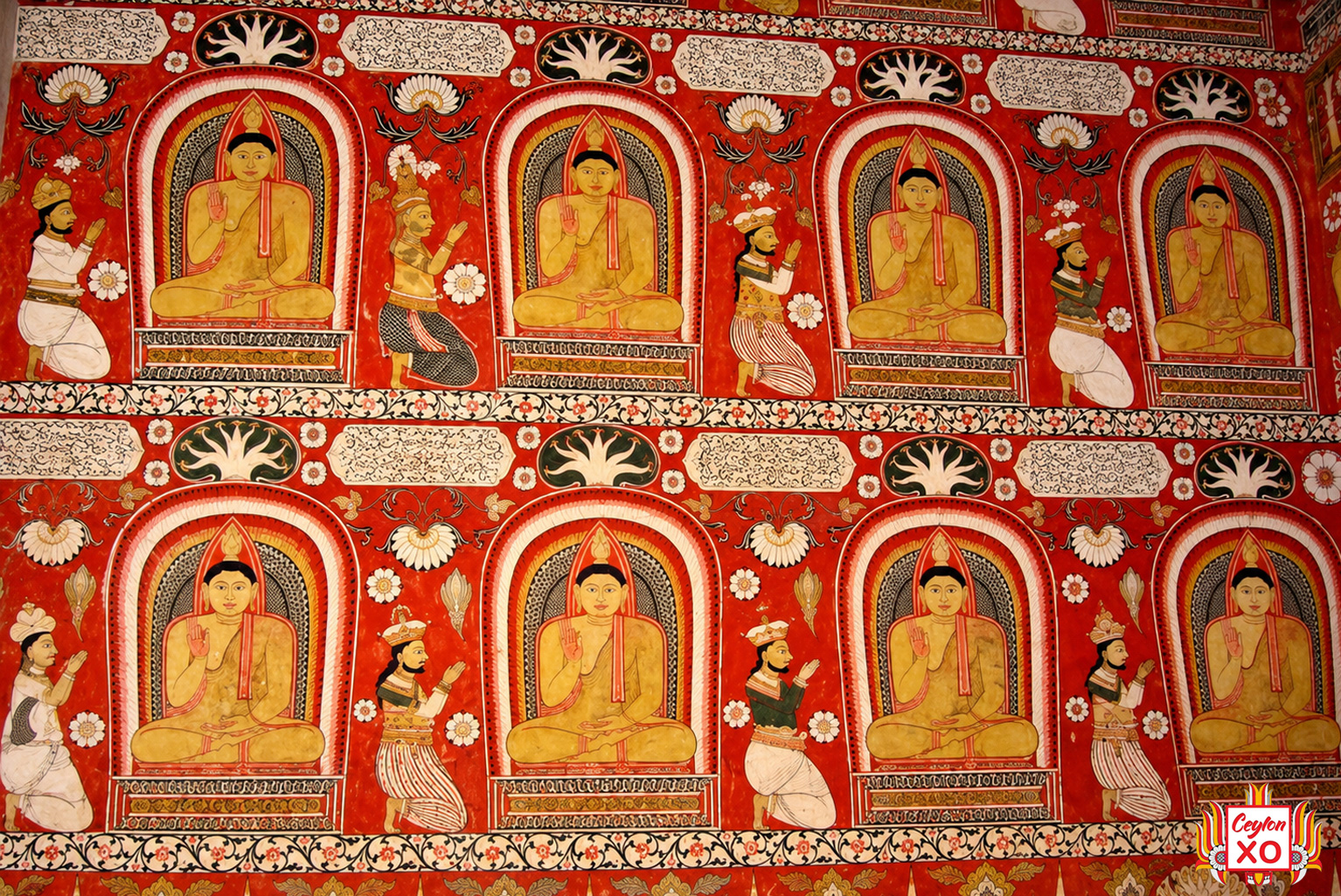
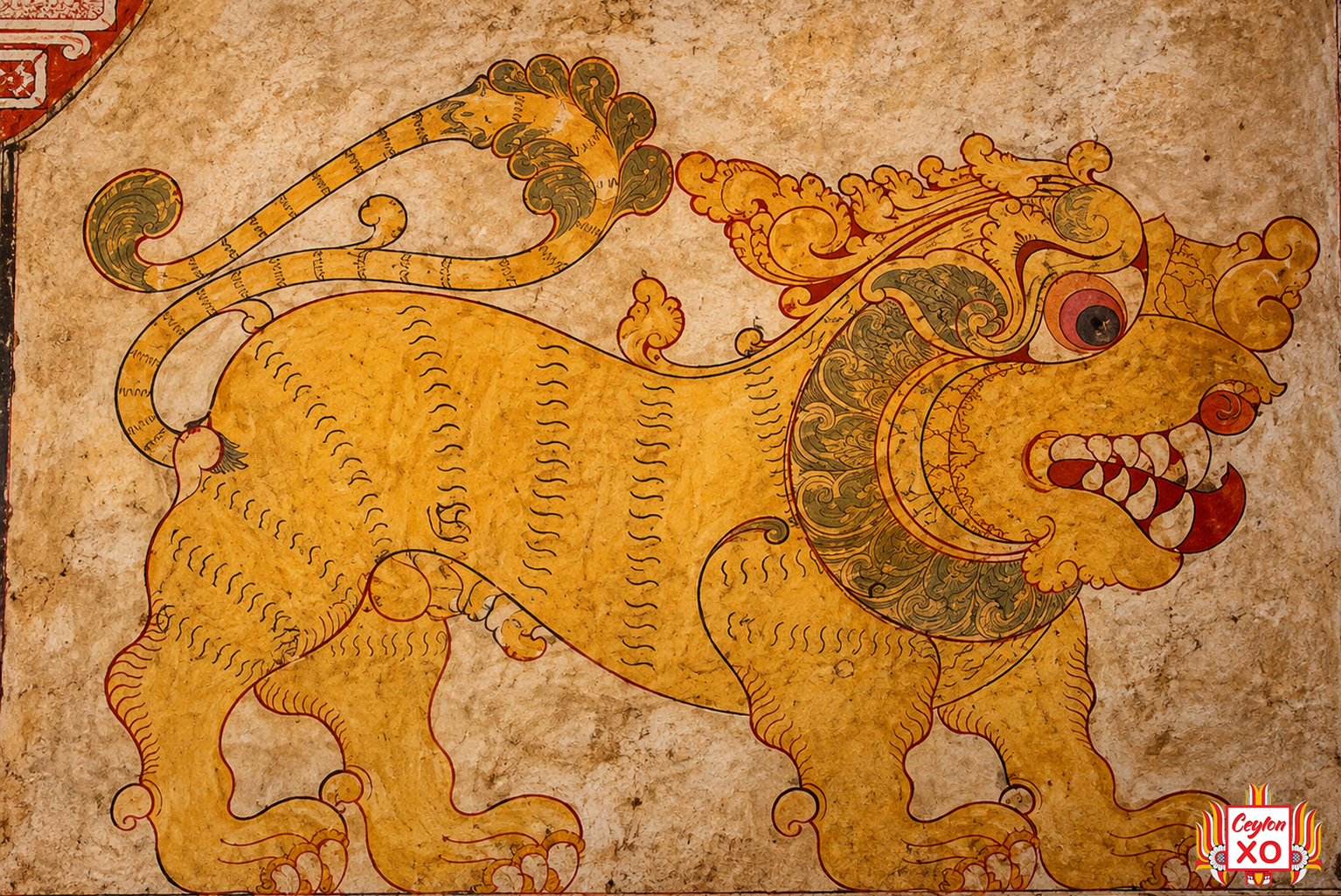
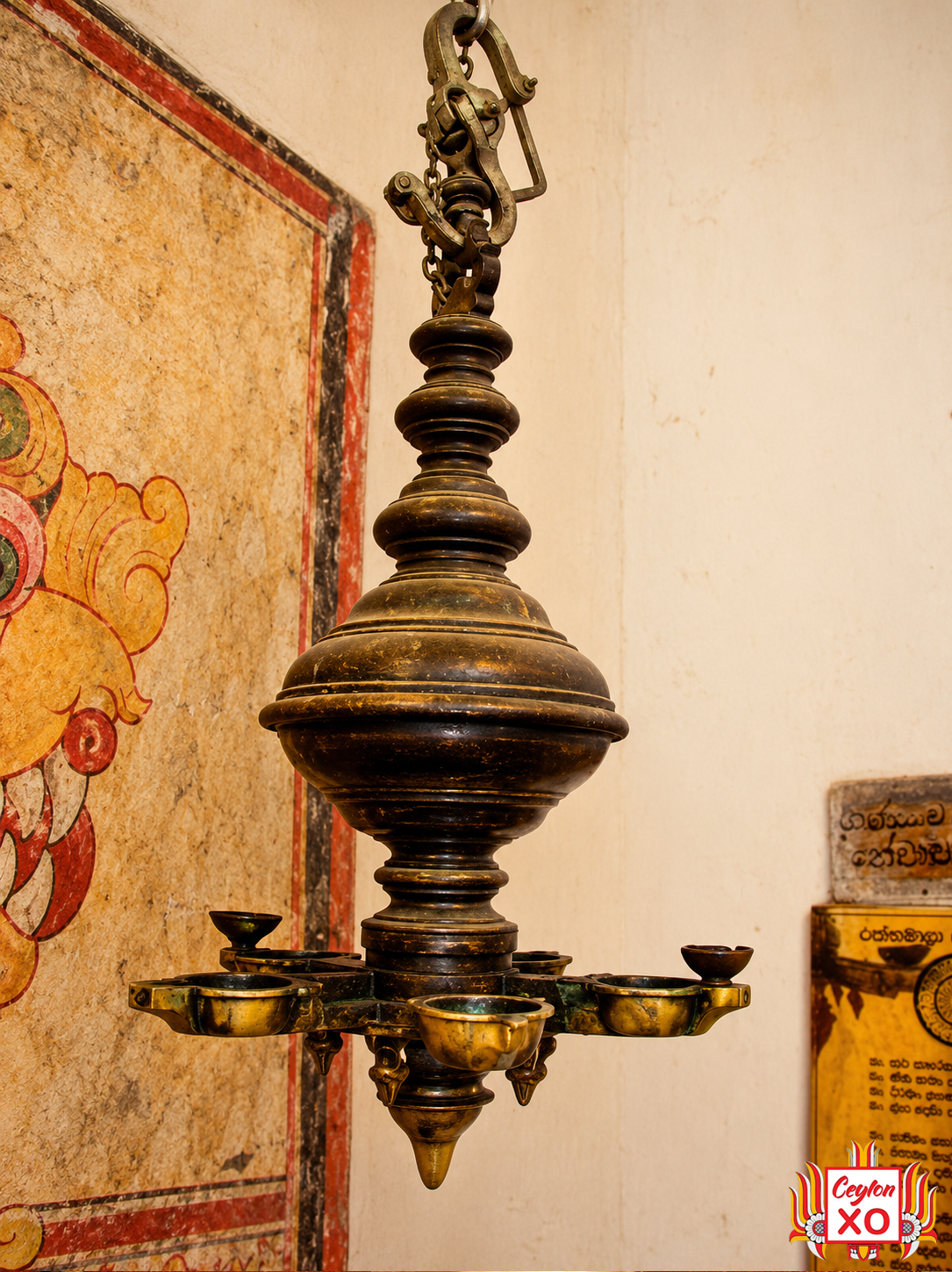
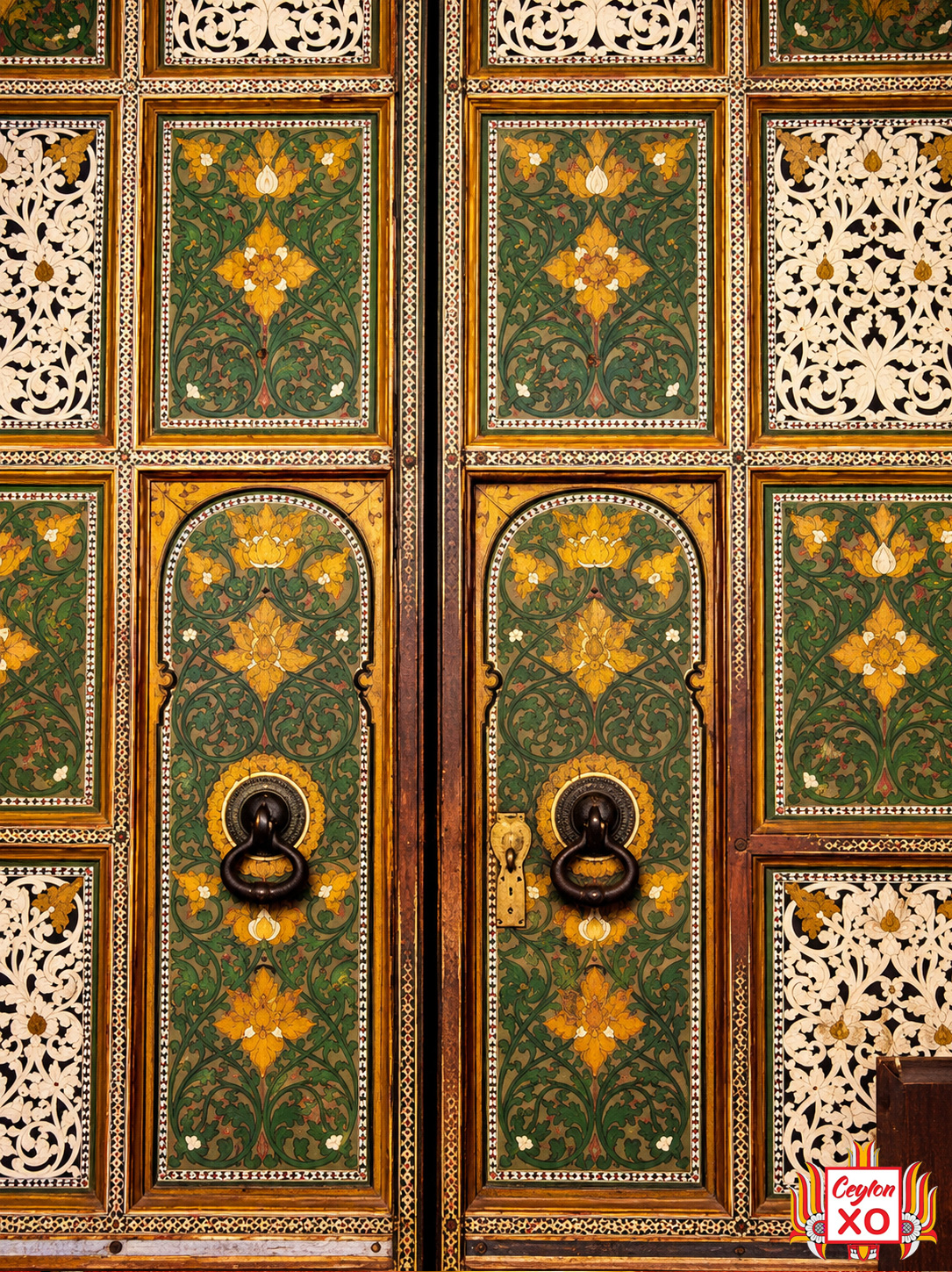
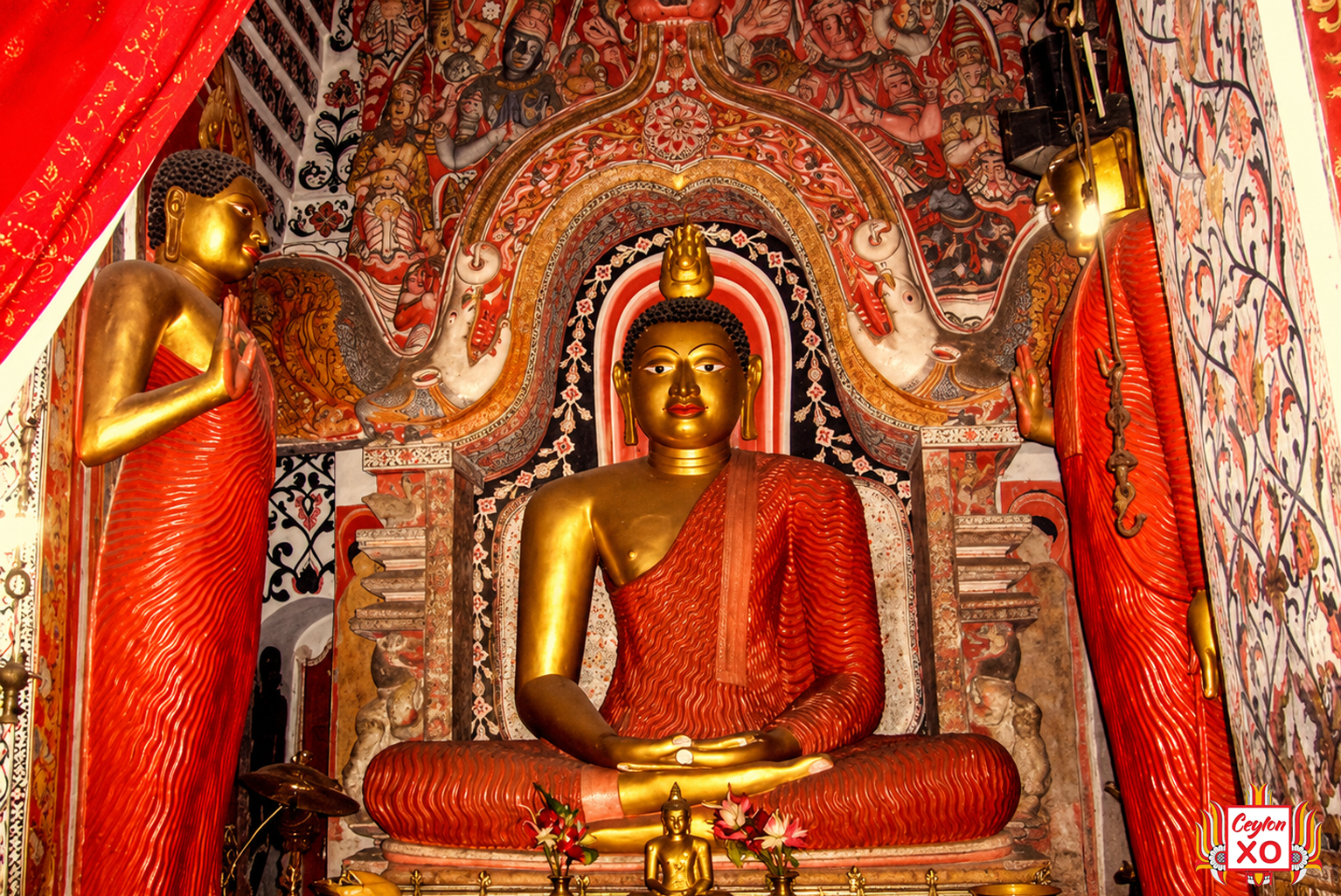
The interior of the temple contains valuable religious artwork, including traditional paintings and sculptures. The image house is particularly important because it contains a large seated Buddha statue. The walls and ceilings feature decorative designs that reflect the artistic skills of ancient Sri Lankan craftsmen. These paintings and sculptures provide valuable information about the religious beliefs, artistic styles, and cultural practices of the period. The temple is therefore not only a place of worship but also an important source of knowledge about the country’s artistic heritage.