Historical accounts attribute its construction to King Buddhadasa, who ruled Sri Lanka from 340 to 368 AD. It was an important educational institution associated with the Mahavihara, one of the most significant centres of Theravada Buddhism in ancient Sri Lanka.
The monastery is also associated with the renowned Indian Buddhist scholar Buddhaghosa Thera, who is believed to have resided there during his stay in Sri Lanka. Buddhaghosa studied the ancient Sinhala Buddhist commentaries preserved at the Mahavihara and produced important Pali commentarial works that profoundly influenced Theravada Buddhist scholarship. His association with Mayura Pirivena highlights the institution's historical importance as a centre of religious learning and intellectual activity. bps.lk
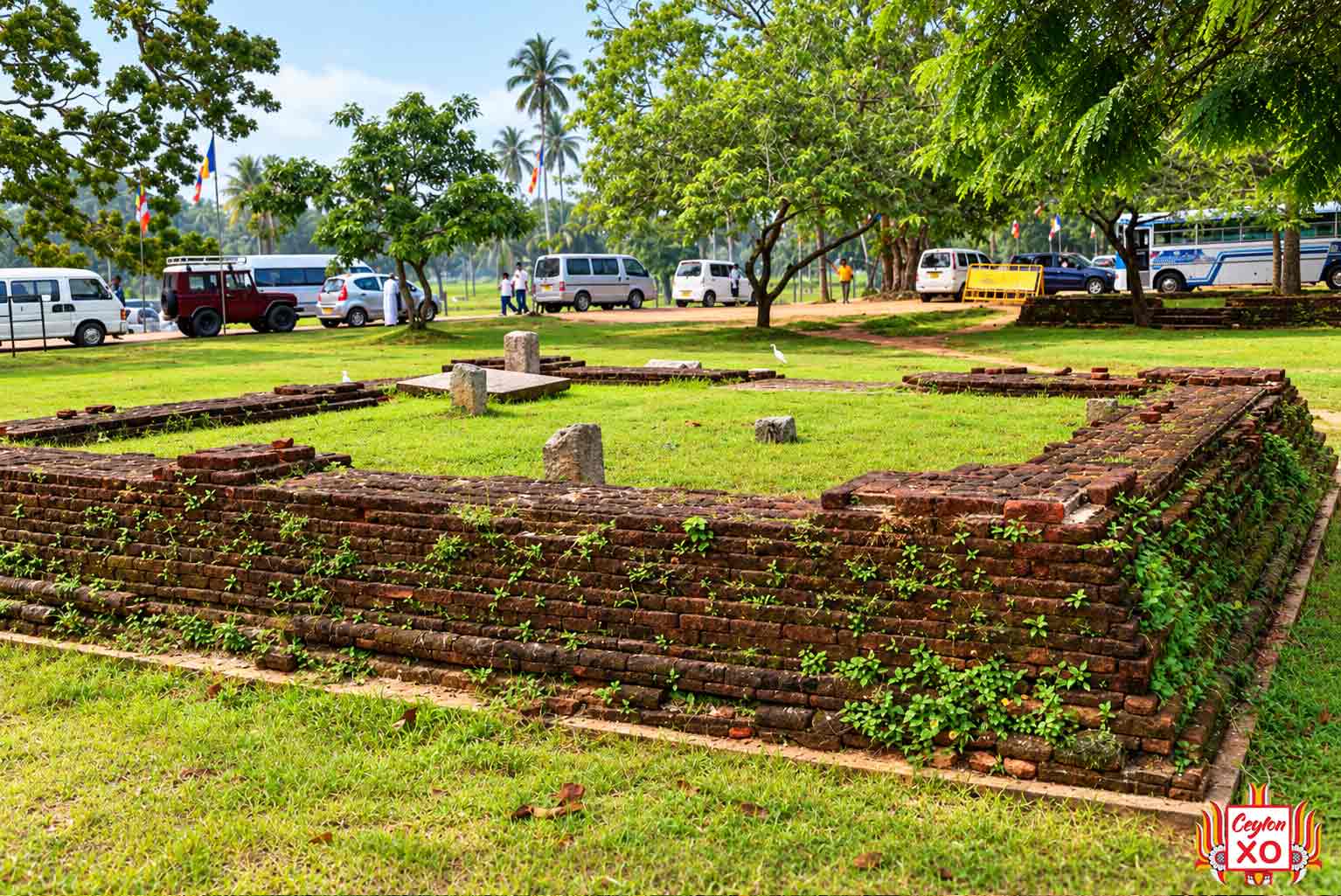
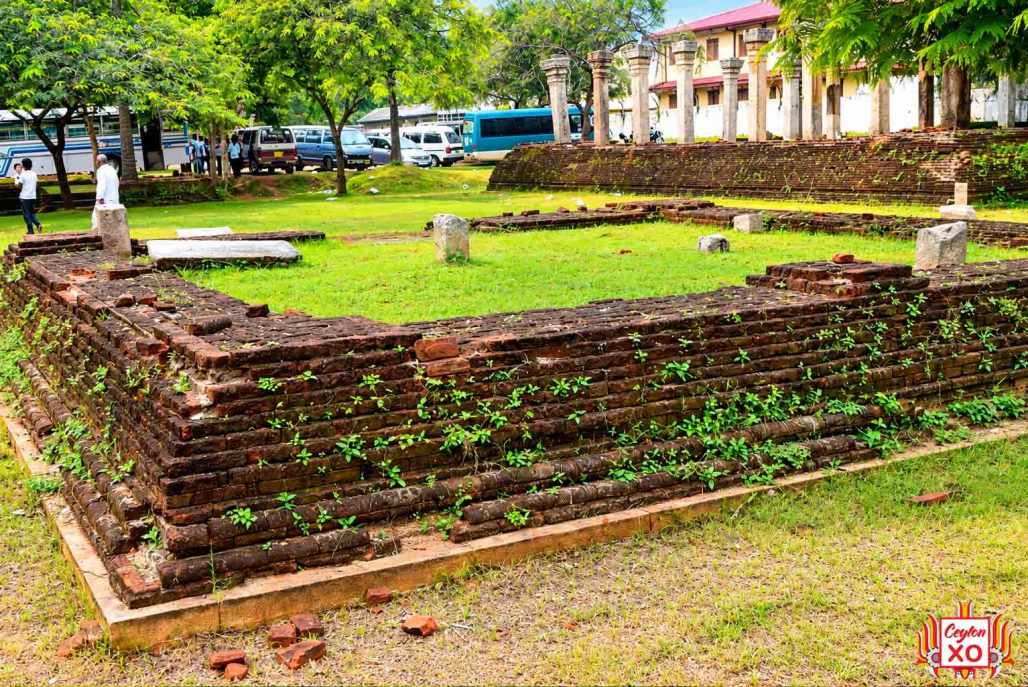
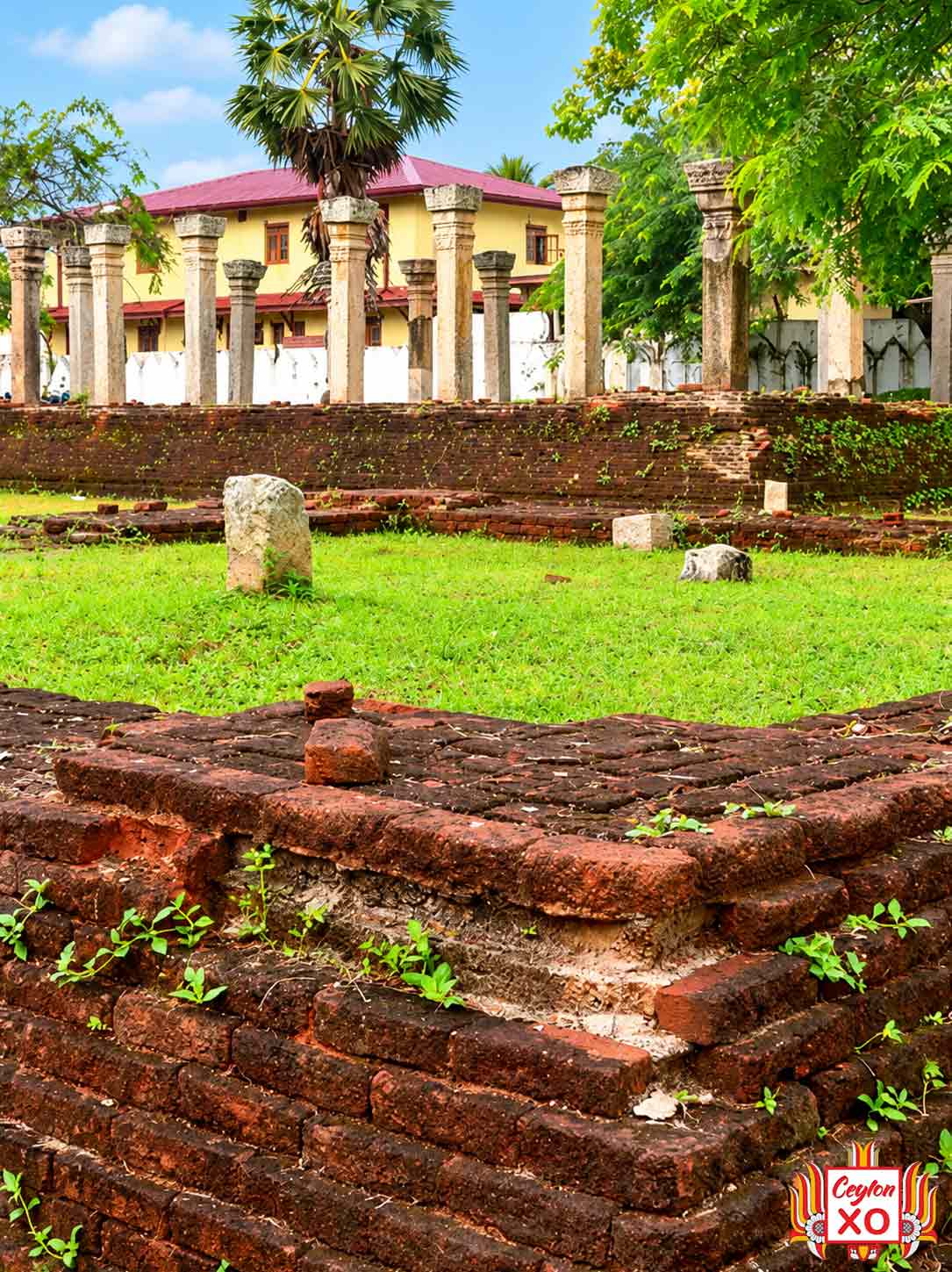
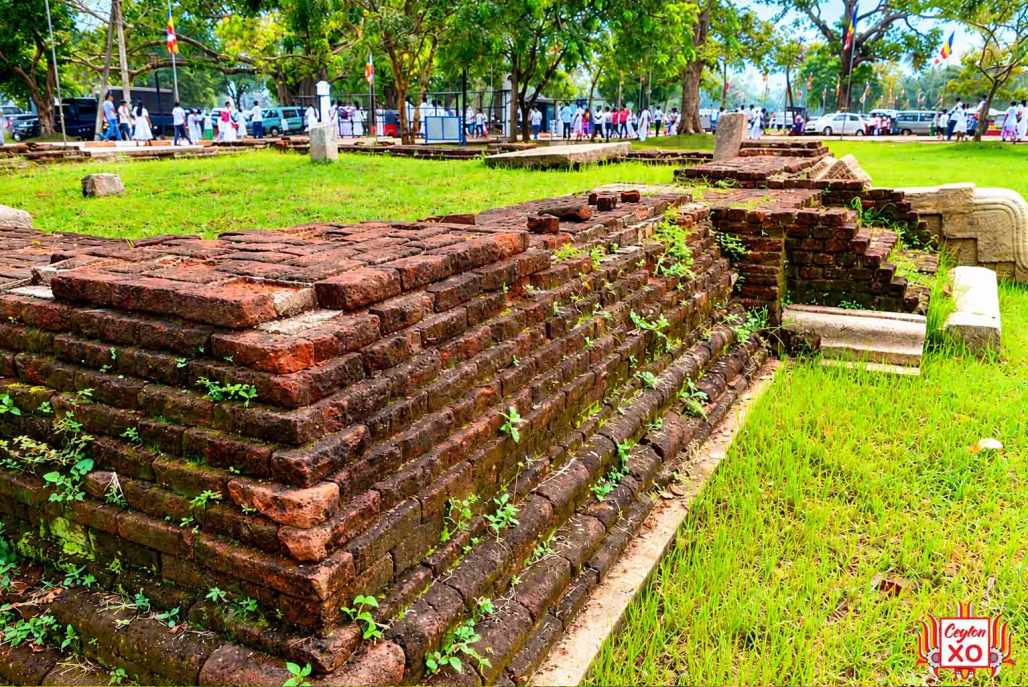
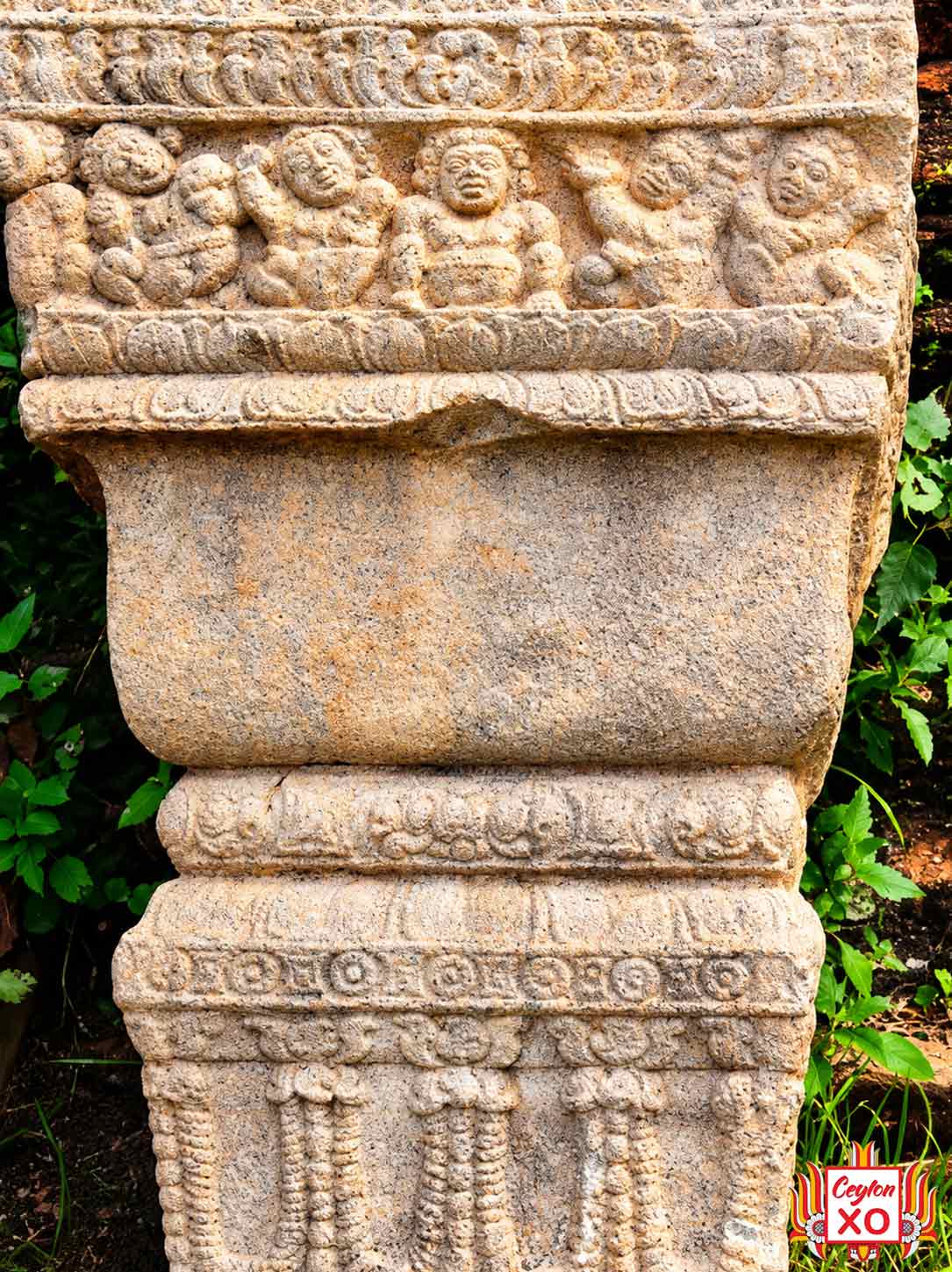
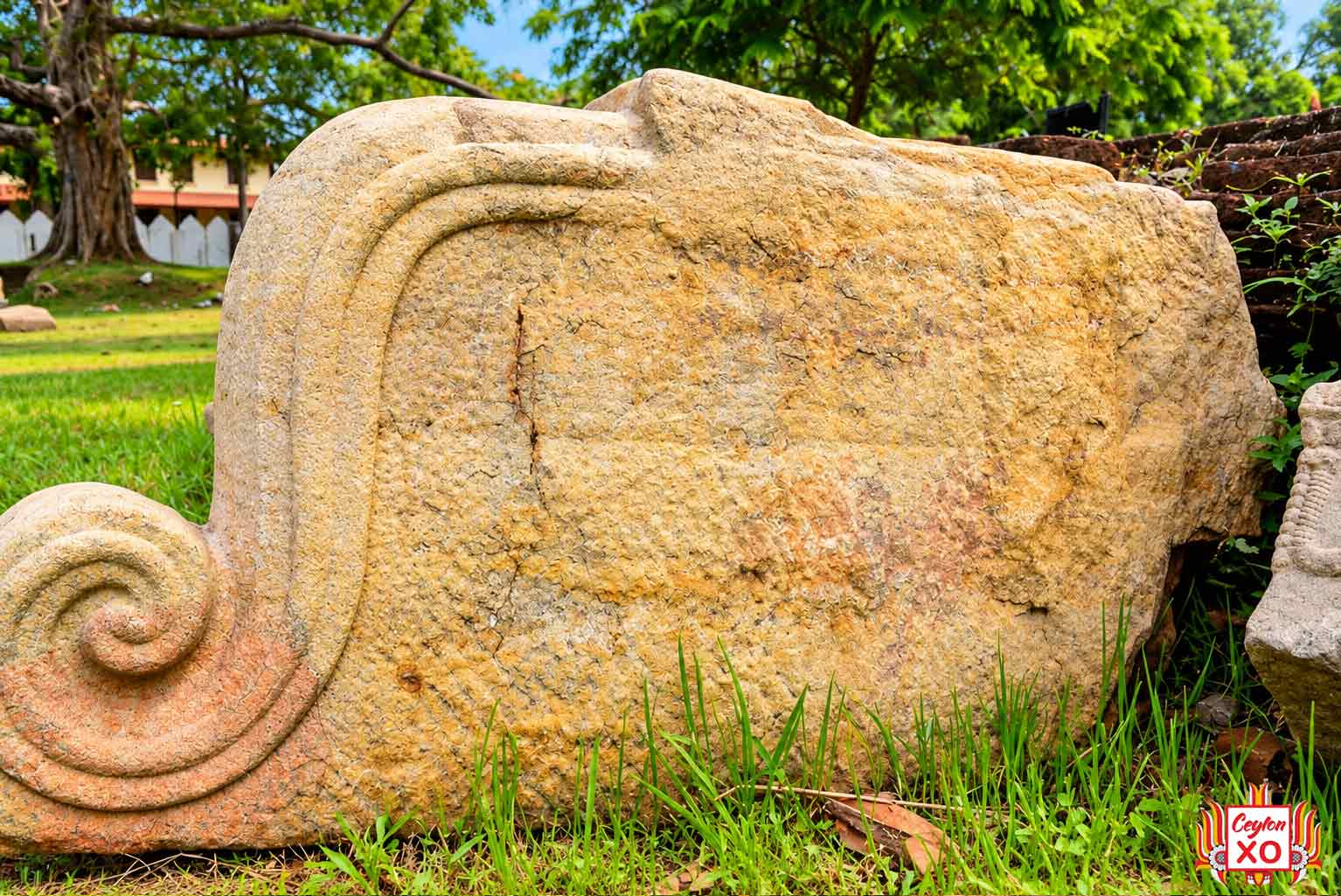
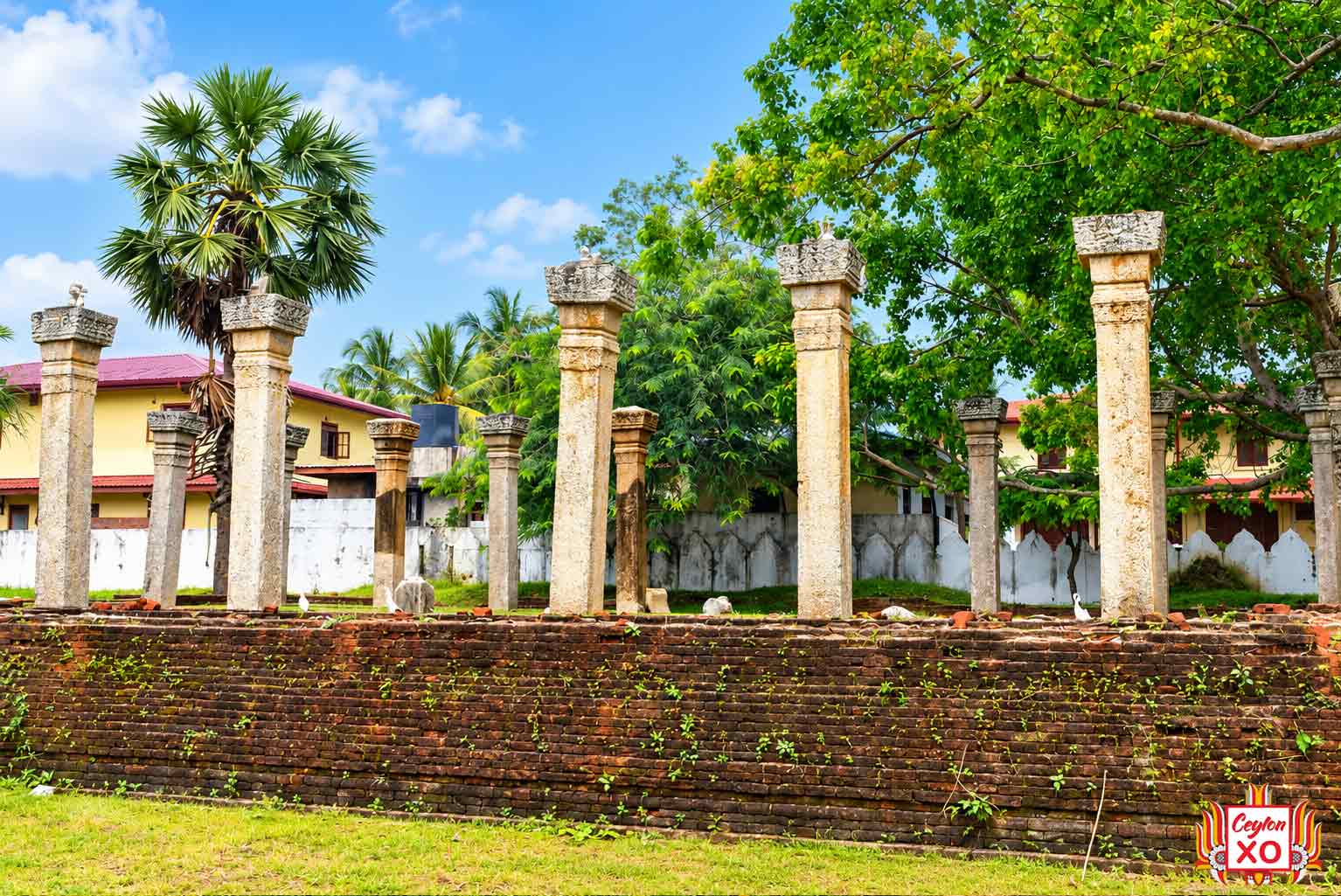
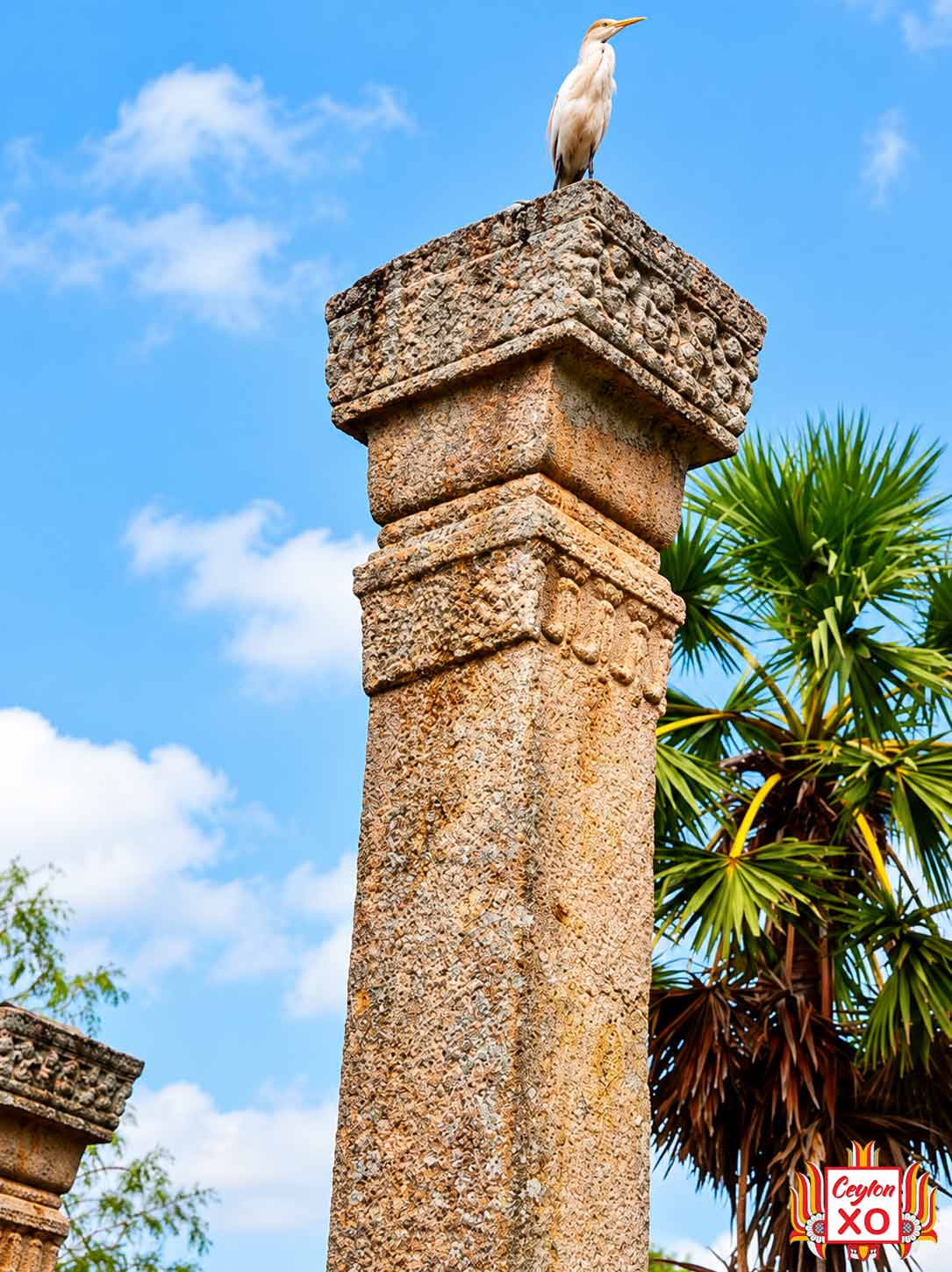
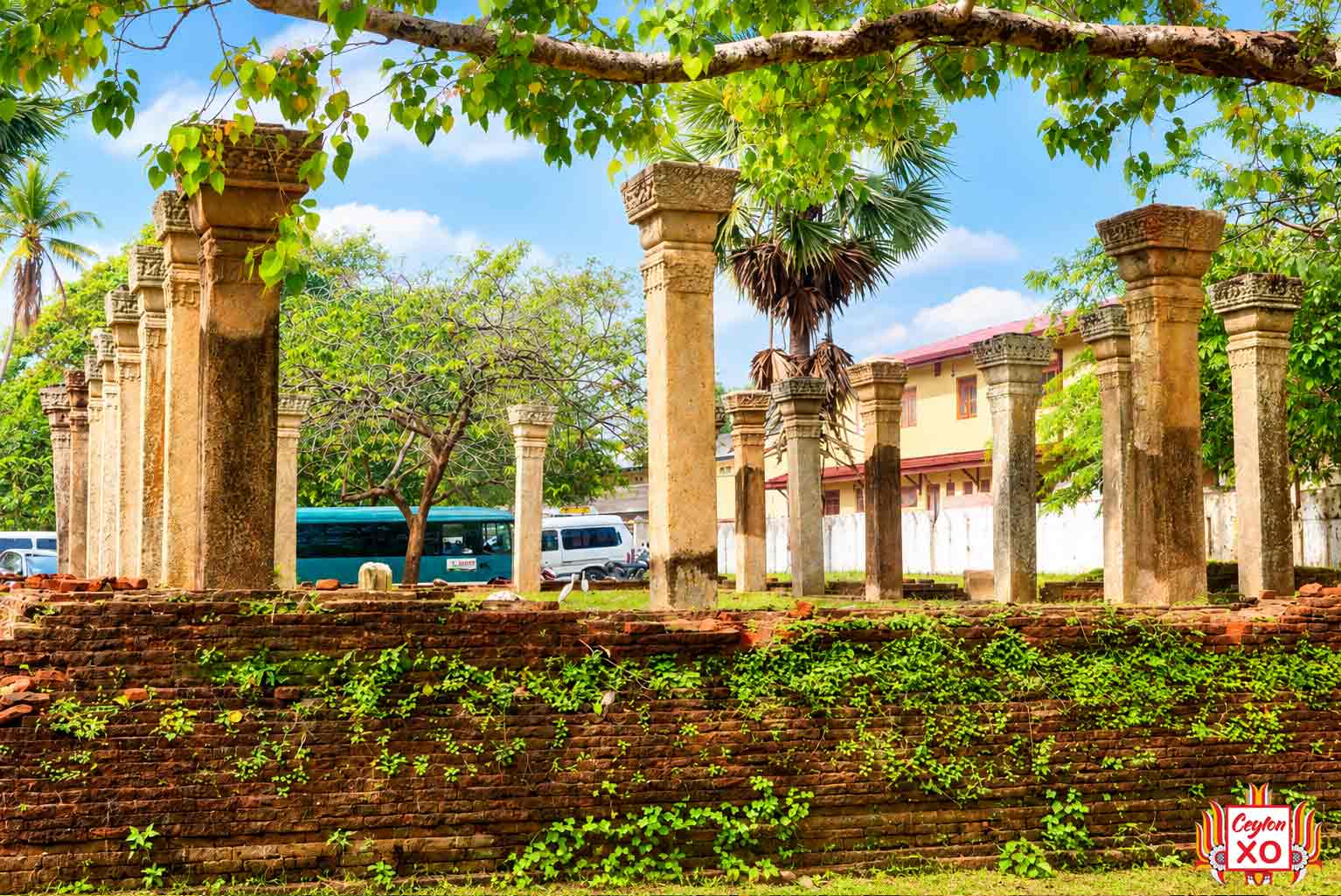
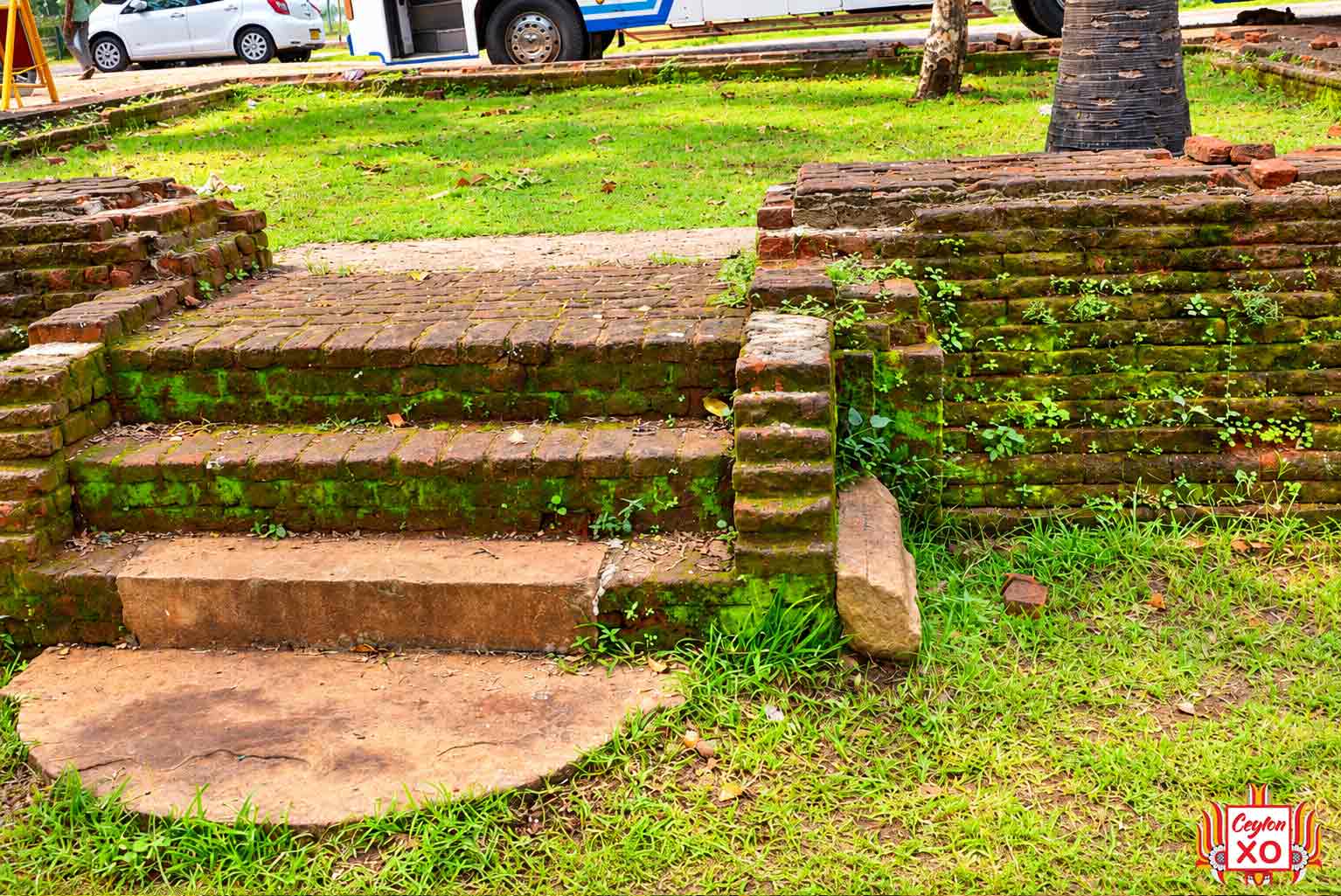
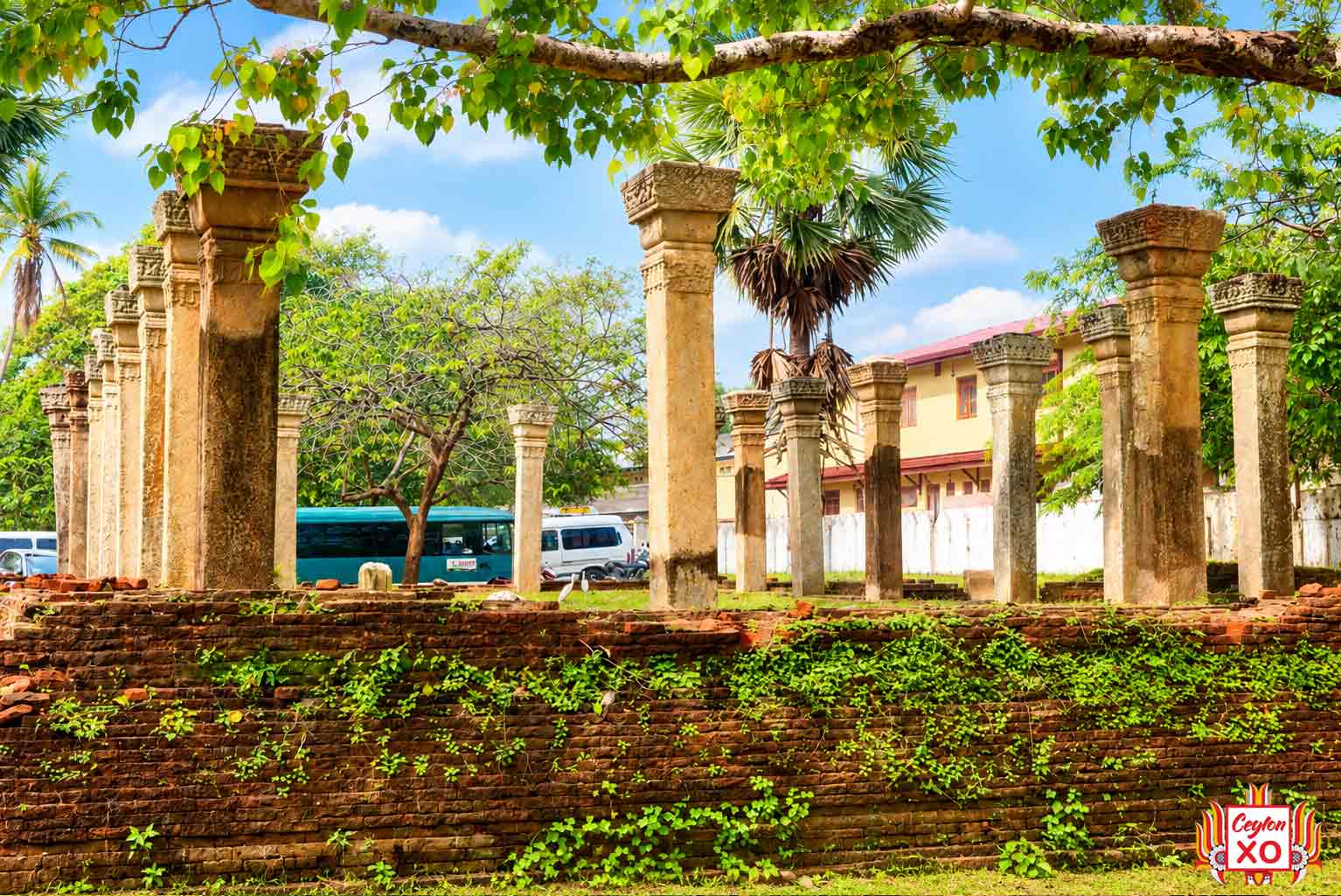
Mayura Pirivena is believed to have undergone renovation during the reigns of King Dhatusena and King Mahanaga. Its architectural design is associated with the Panchawasa tradition, which featured a central building surrounded by other structures. The remaining archaeological features include stone pillars with sculptured capitals, a flight of entrance steps, decorative wingstones, and a moonstone featuring a lotus motif. These remains provide valuable evidence of the architectural skills and construction traditions of ancient Sri Lankan builders.
Excavation and conservation work carried out by the Department of Archaeology helped uncover and preserve the remains of Mayura Pirivena. Although much of the original structure has disappeared over time, the surviving ruins continue to reflect the grandeur of ancient Buddhist monastic architecture. Today, Mayura Pirivena is an important historical site for understanding the development of Buddhist education, scholarship, and religious institutions during the Anuradhapura Kingdom. Its preservation helps protect Sri Lanka's cultural heritage and allows future generations to appreciate the island's rich Buddhist history.
The first excavation of the site was conducted in 1894 under the direction of H. C. P. Bell, the Archaeological Commissioner of Ceylon at that time. His report noted that fallen pillars were lifted, and the structure's dimensions were recorded as 66 feet (20 meters) in length and 45.5 feet (13.9 meters) in width. Further excavation was carried out in 2011, and the site was preserved in 2012.