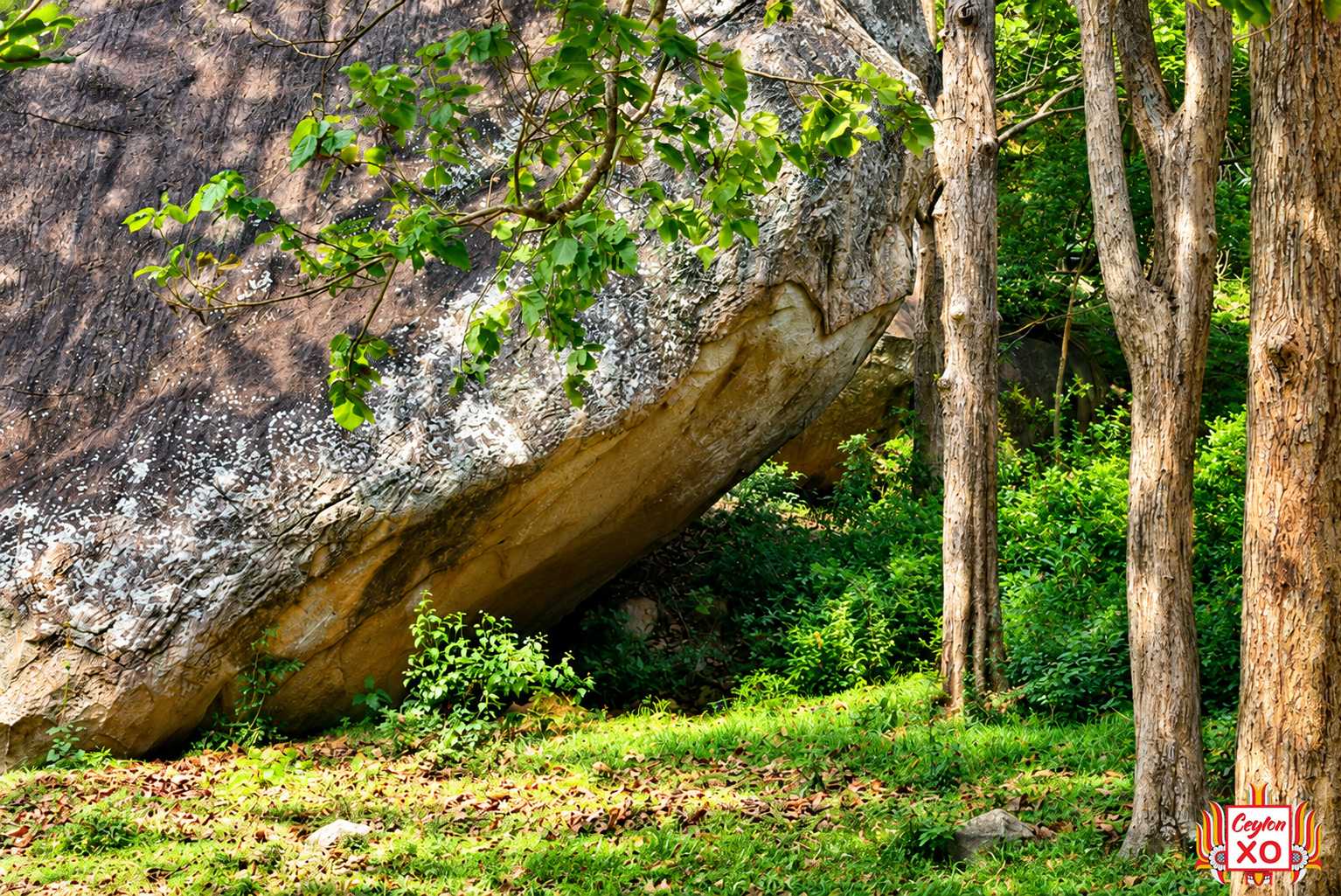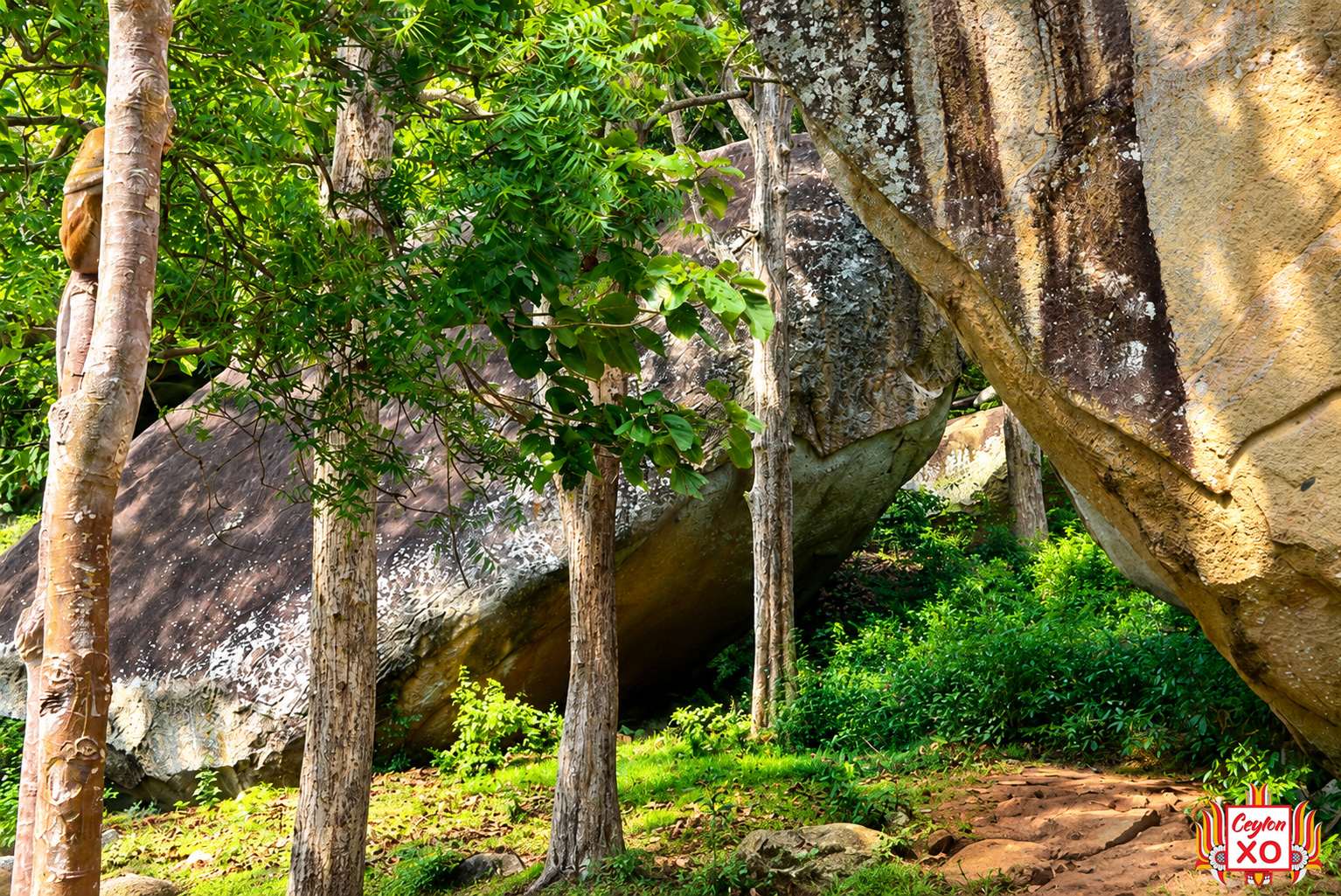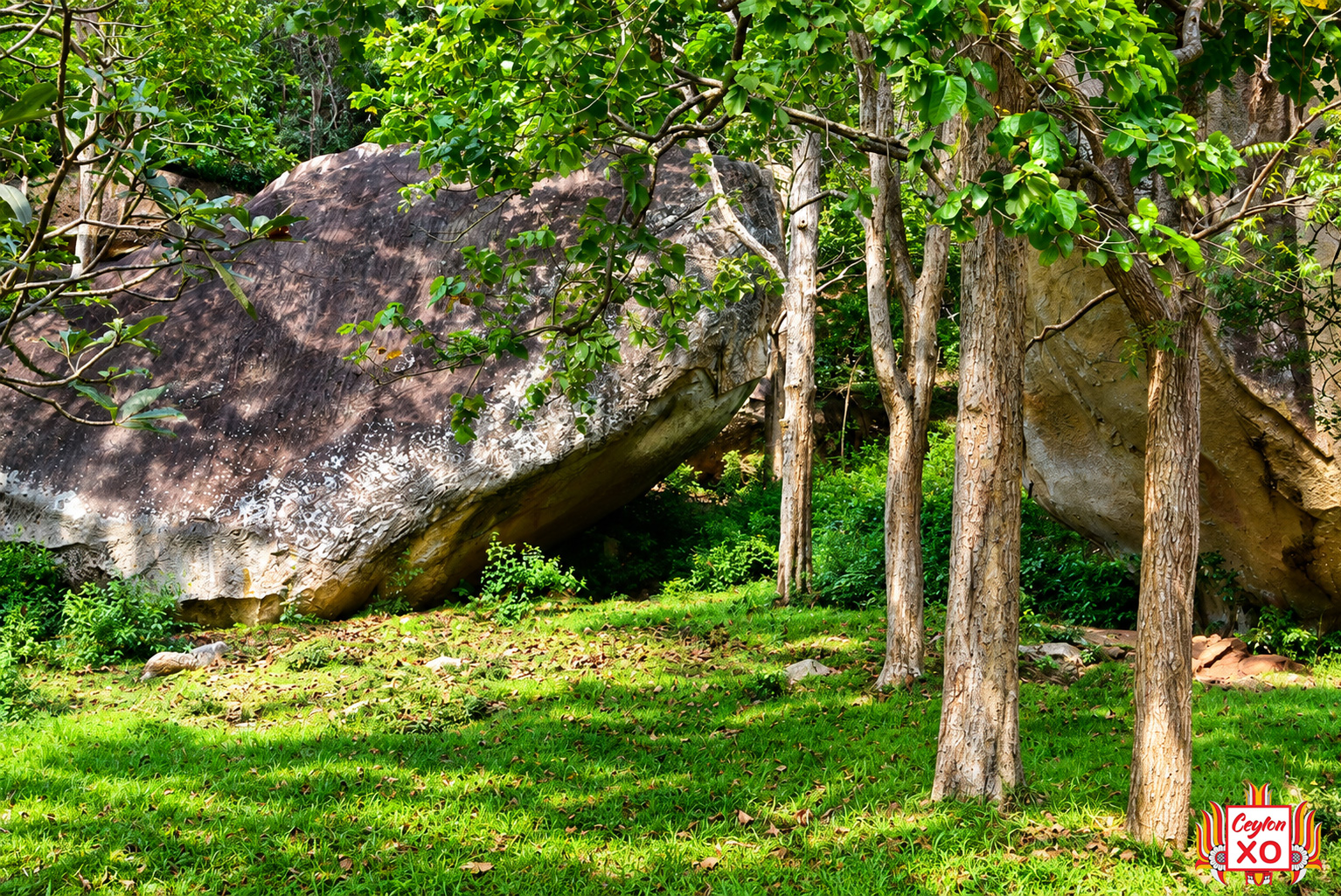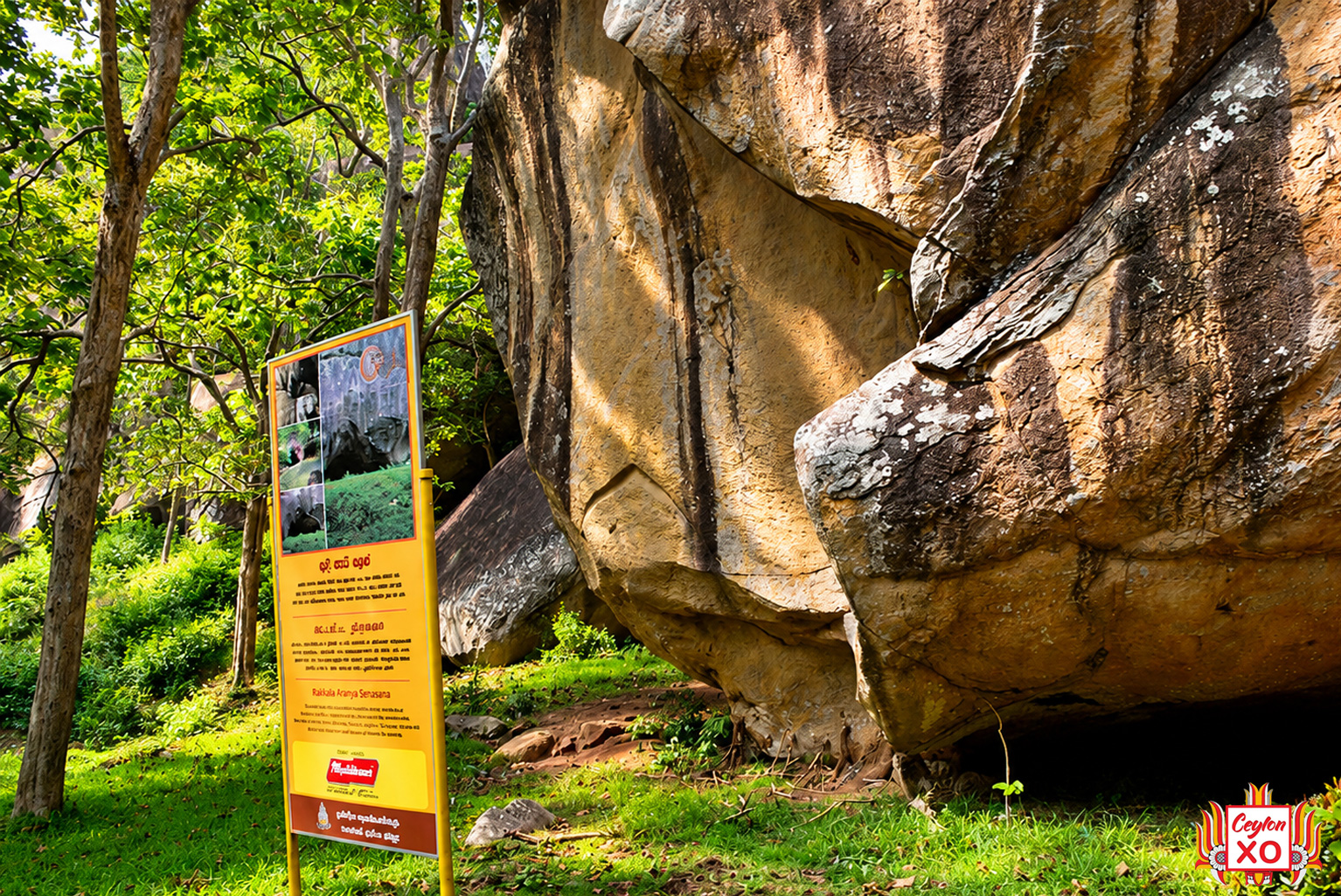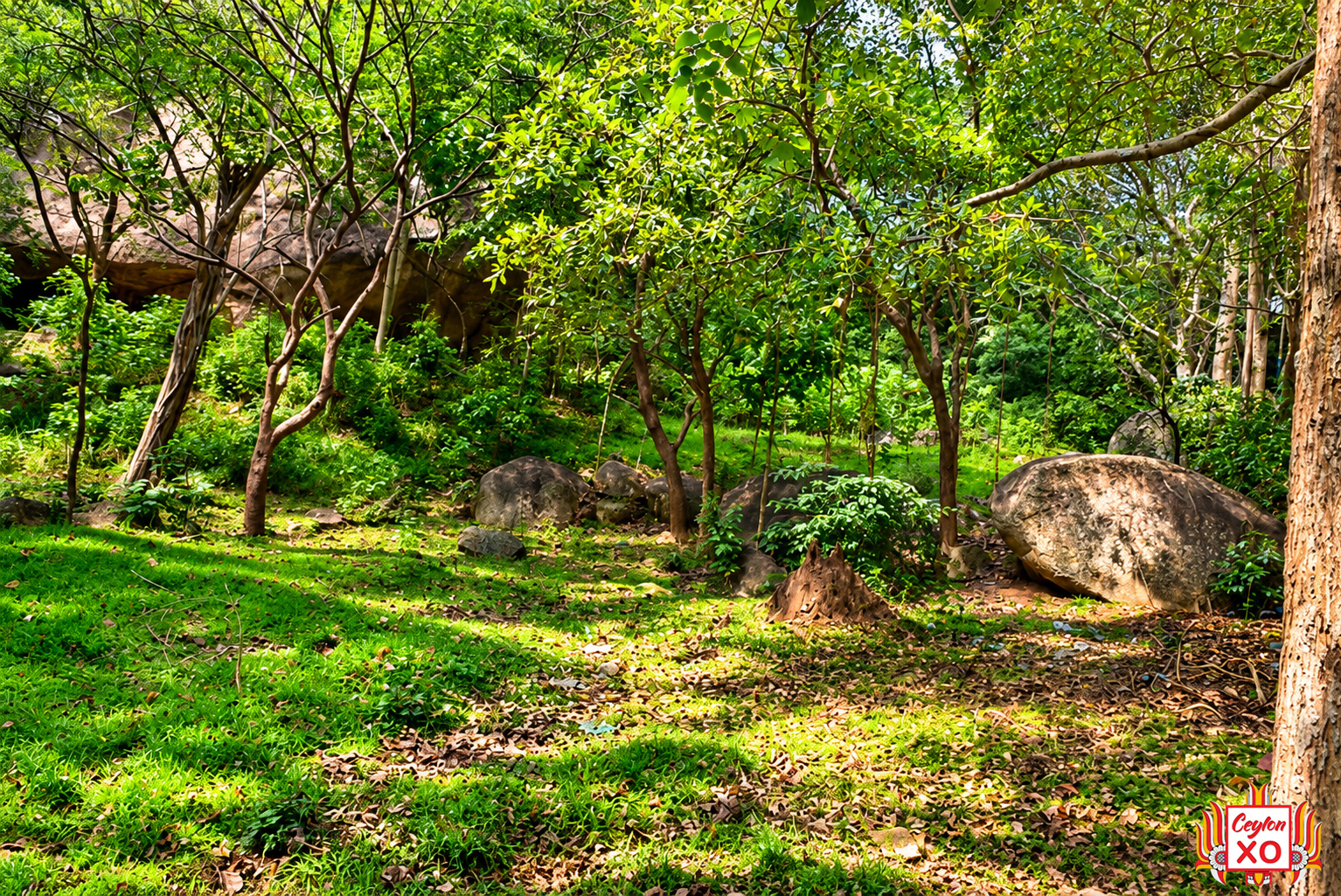
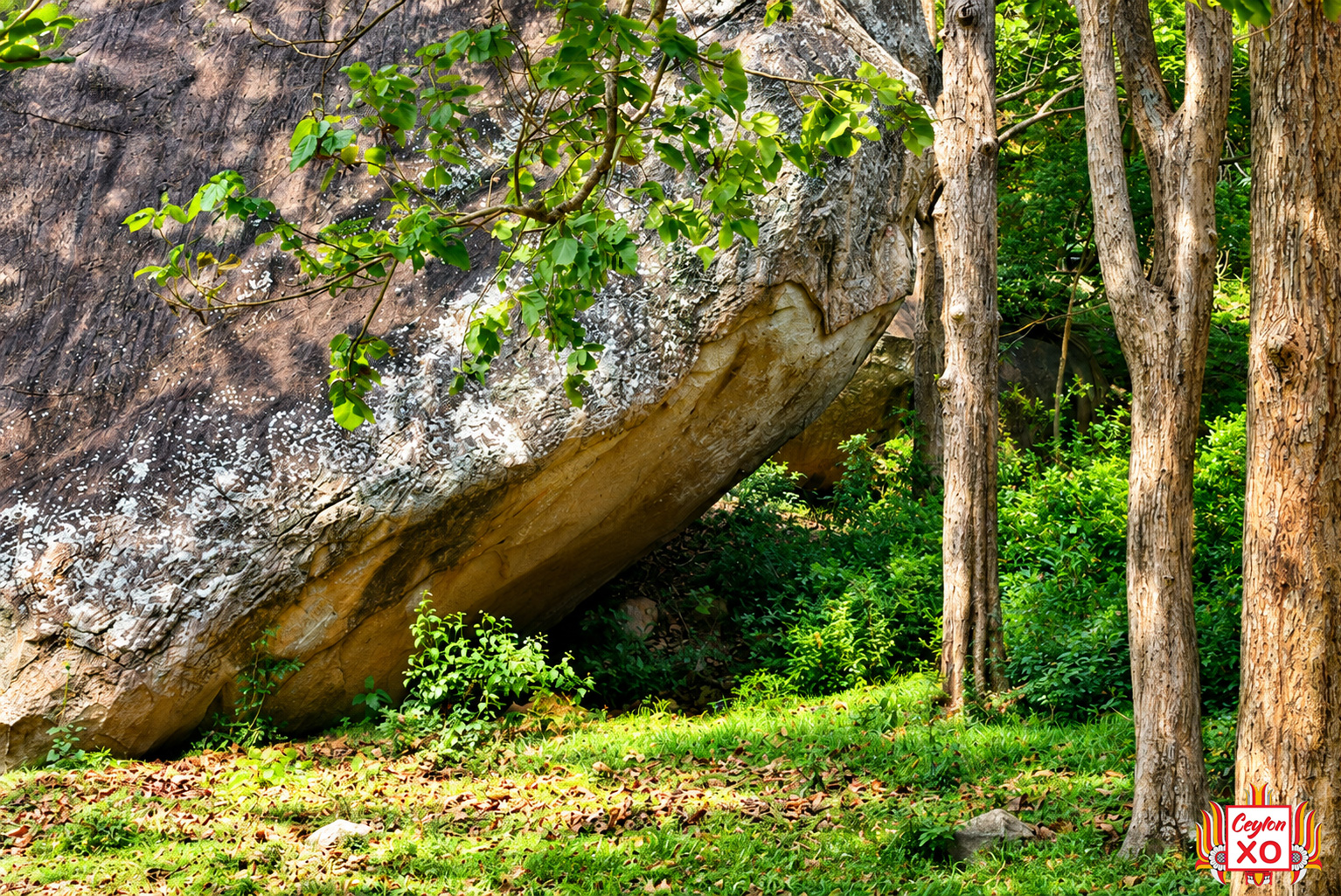
According to the Mahavamsa chronicle, King Devanampiyathissa (250-210 BC) undertook the refurbishment of 68 caves intended for the use of Arhath Mahinda Thero and the Sangha. Below the drip-ledges of these caves, early Brahmi inscriptions have been discovered, confirming that they were indeed prepared for the Sangha during the Pre-Christian era. This archaeological evidence substantiates their ancient origins and purpose.
Additionally, the Mahavamsa mentions an event during the reign of King Kanirajanutissa (31-34 BC), where he is recorded to have executed 60 heretic monks. According to tradition, these monks were accused of conspiring to assassinate the king and were punished by being pushed into a chasm known as "Kanira."
It is believed that the rocky slope where this chasm was located is part of the mountain range housing the aforementioned caves. This association ties the historical accounts to the geographical context of the caves, highlighting their significance in both religious and political narratives of ancient Sri Lanka.