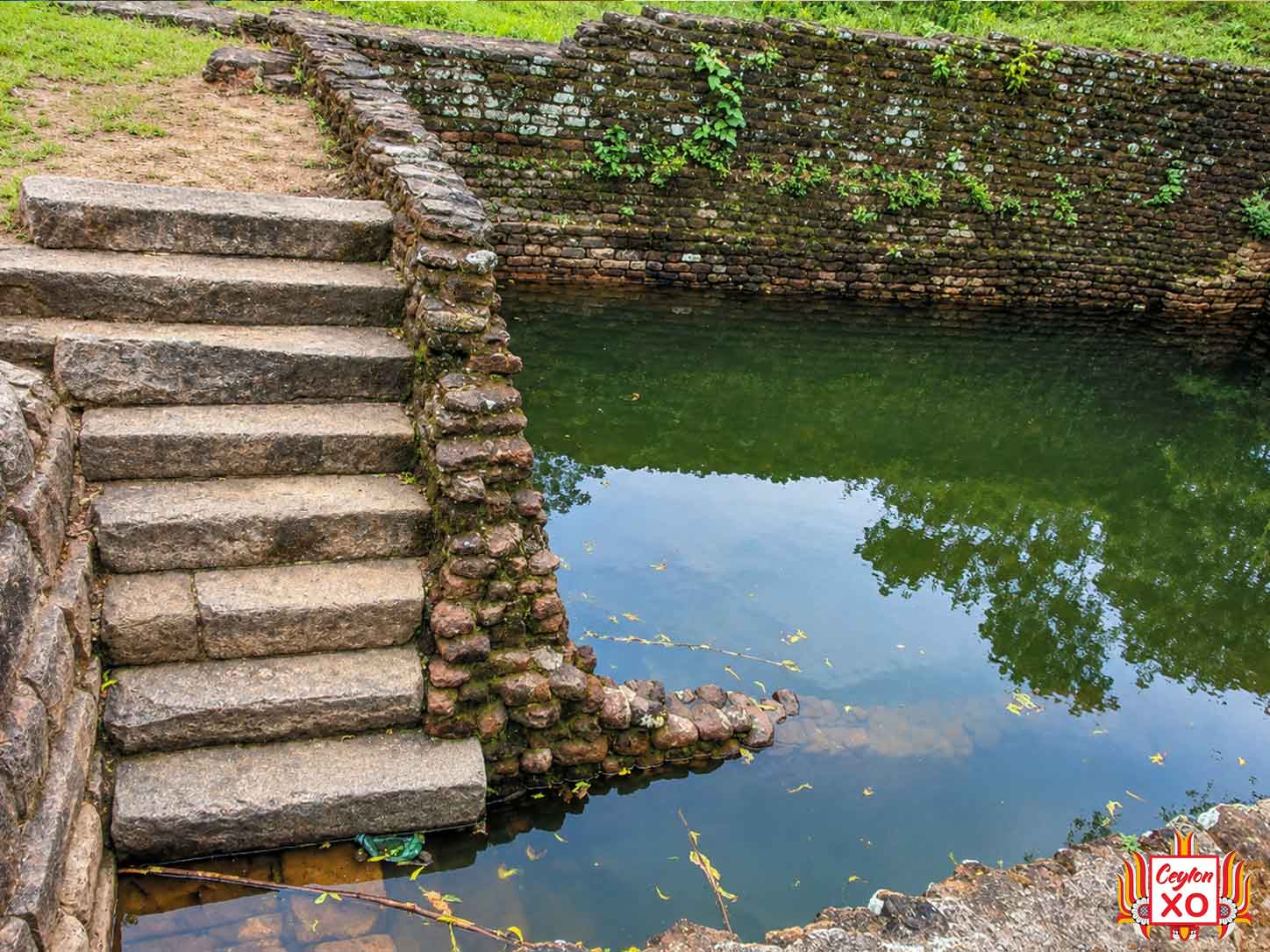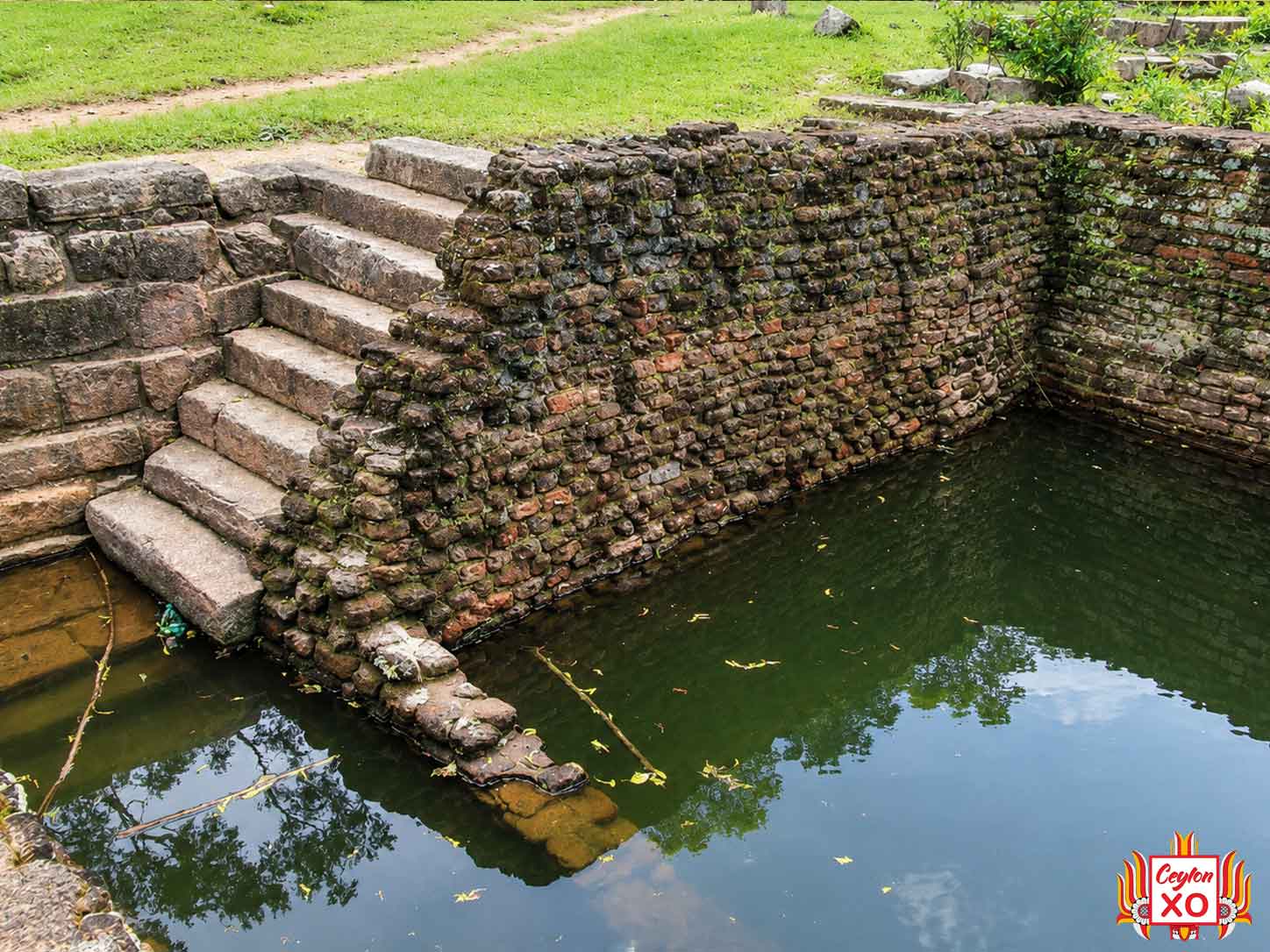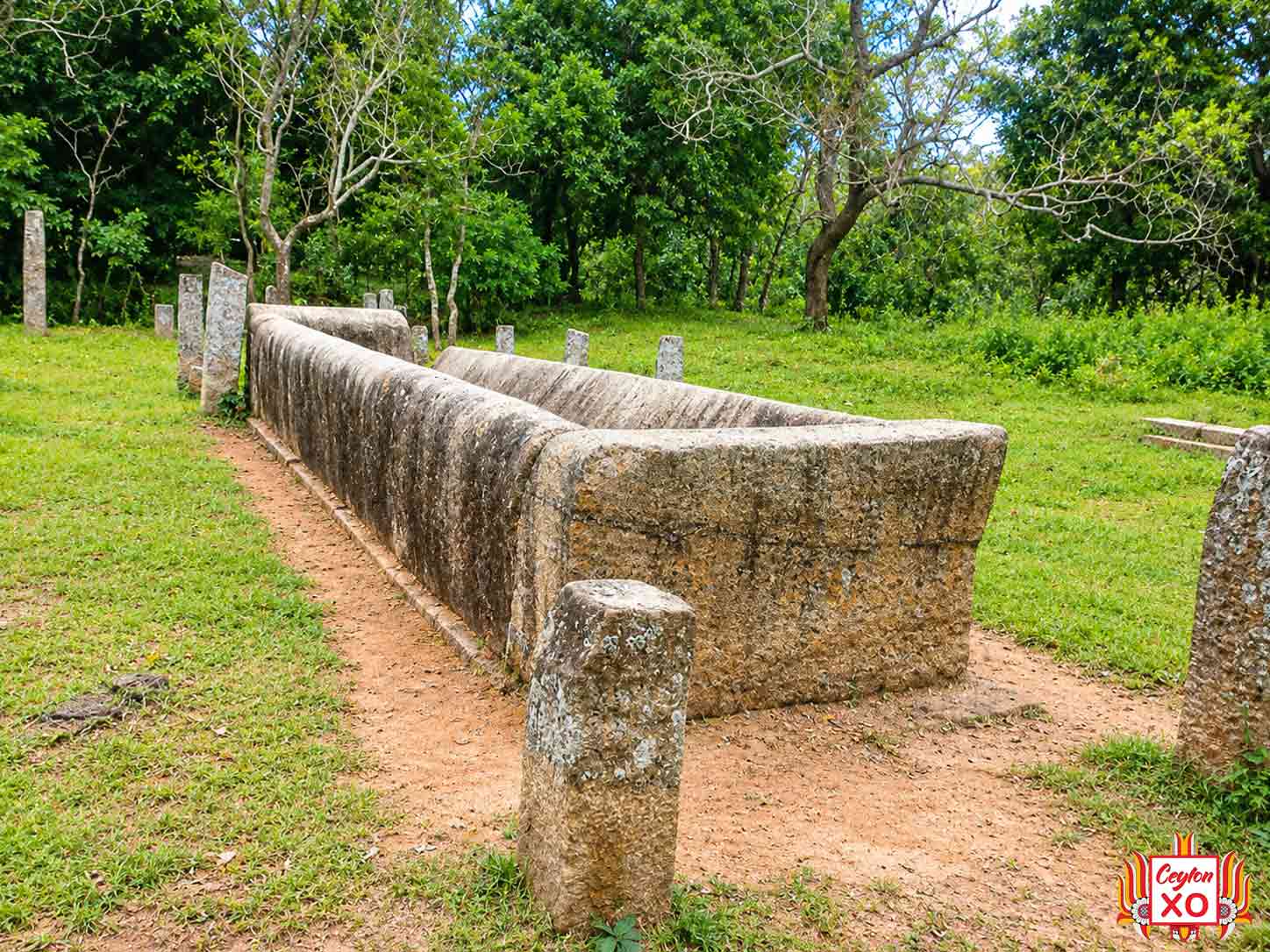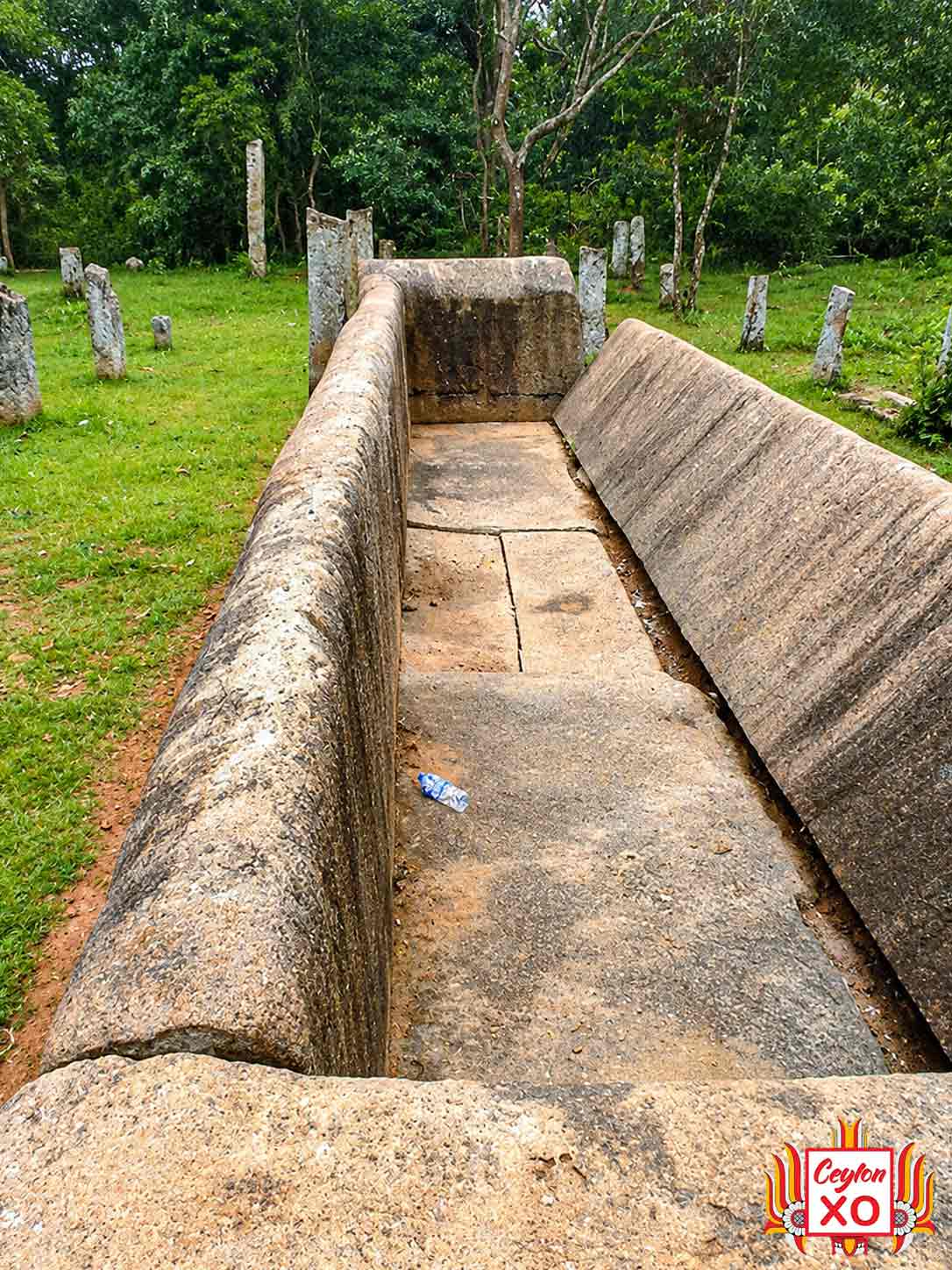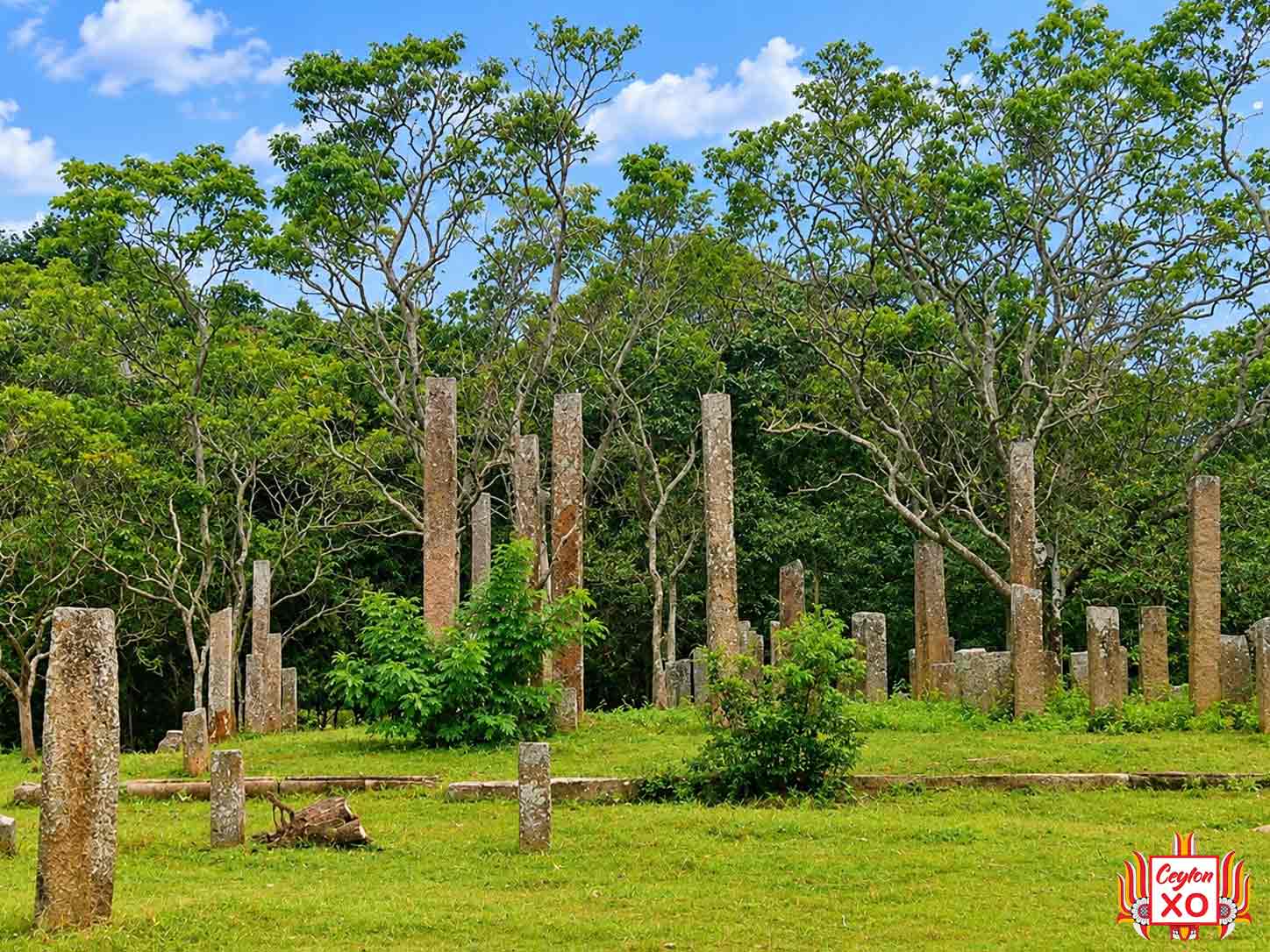
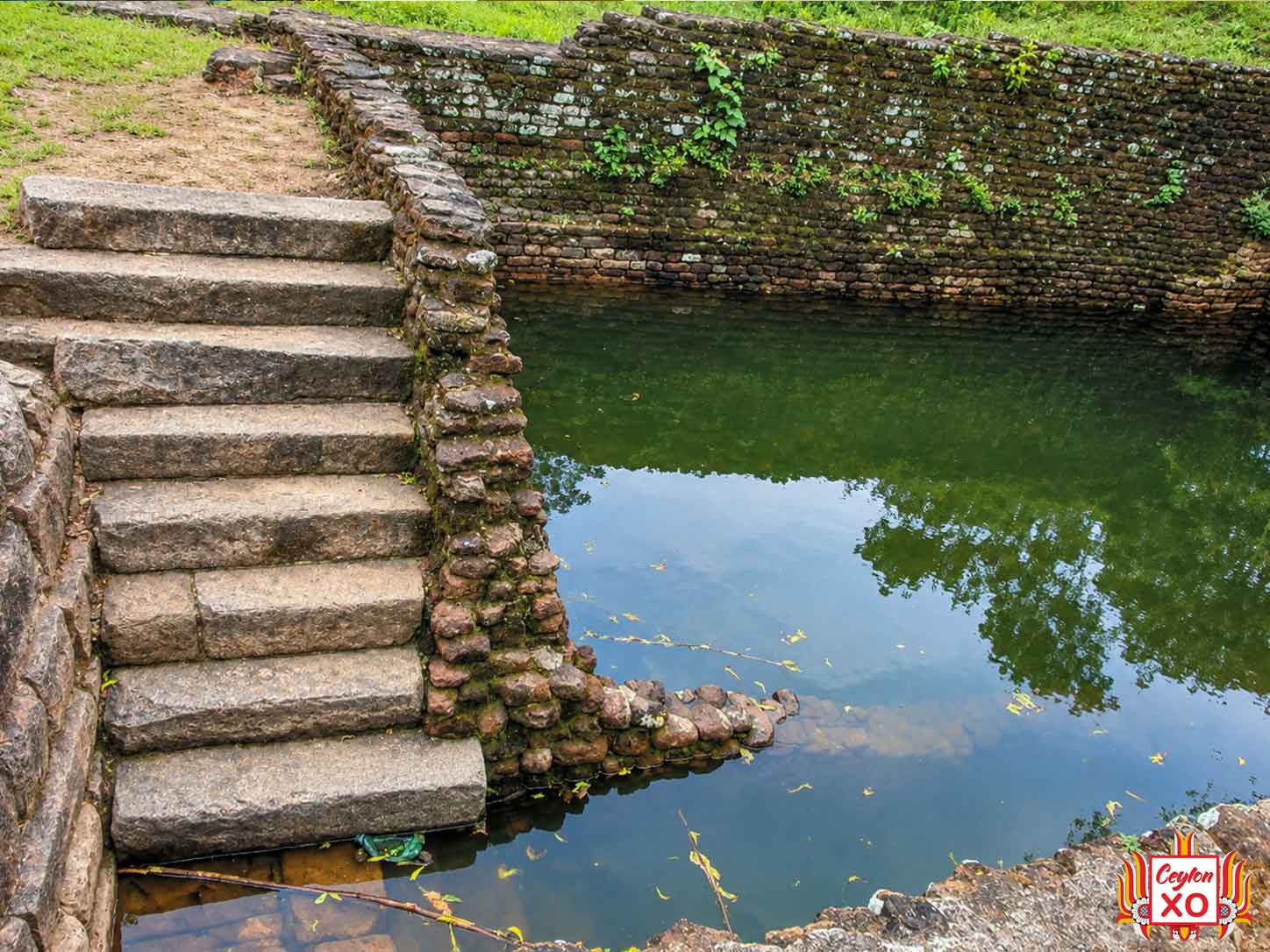
A stone inscription from the 10th century AD found at the site contains the words “Maha Pela Bath Ganna Thaak Denamo.” The term “Mahapali” refers to the large alms hall where monks gathered in an orderly line to receive their meals.
The Chinese Buddhist traveller Fa-Hien recorded that meals were provided here for around 5,000 to 6,000 people living in the city. Another Chinese traveller, Xuanzang, mentioned a kitchen near the royal residence that provided alms to more than 800 monks.
Later kings renovated the alms hall to continue supporting the Buddhist community. However, it was eventually destroyed during the Chola invasions, reportedly under King Udaya II between 816 and 831 AD.