The history of the Indian Peace Keeping Force (IPKF) dates back to 1987, when Sri Lanka was experiencing serious ethnic tensions and armed conflict between the Sri Lankan government and Tamil militant organisations, particularly the Liberation Tigers of Tamil Eelam (LTTE). In an attempt to address the conflict, the Indo-Sri Lanka Accord was signed on 29 July 1987 by Sri Lankan President J. R. Jayewardene and Indian Prime Minister Rajiv Gandhi. Following this agreement, Indian military forces were deployed to Sri Lanka with the intention of supporting the peace process, overseeing the disarmament of militant groups, and helping to restore stability in the affected areas.
Although the Indian Peace Keeping Force initially arrived with a peacekeeping mission, the situation became increasingly complicated. Disagreements over the implementation of the agreement and the refusal of the LTTE to fully surrender its weapons led to armed confrontations between the Indian forces and the LTTE. As a result, the IPKF became involved in military operations, particularly in the Northern and Eastern Provinces of Sri Lanka. The conflict resulted in significant casualties among Indian soldiers, Tamil militants, and civilians. The Indian military presence continued until March 1990, when the remaining troops withdrew from Sri Lanka.
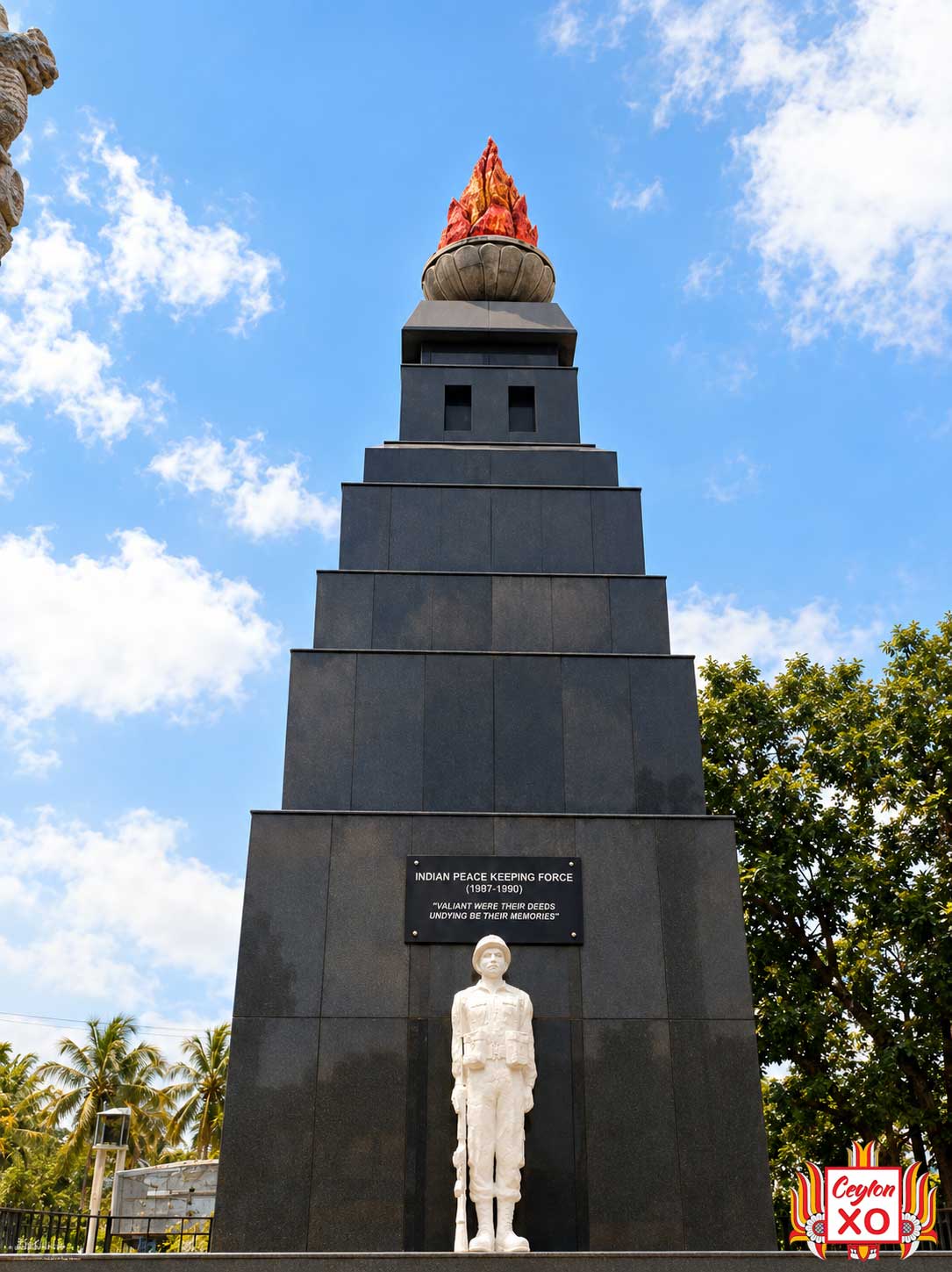
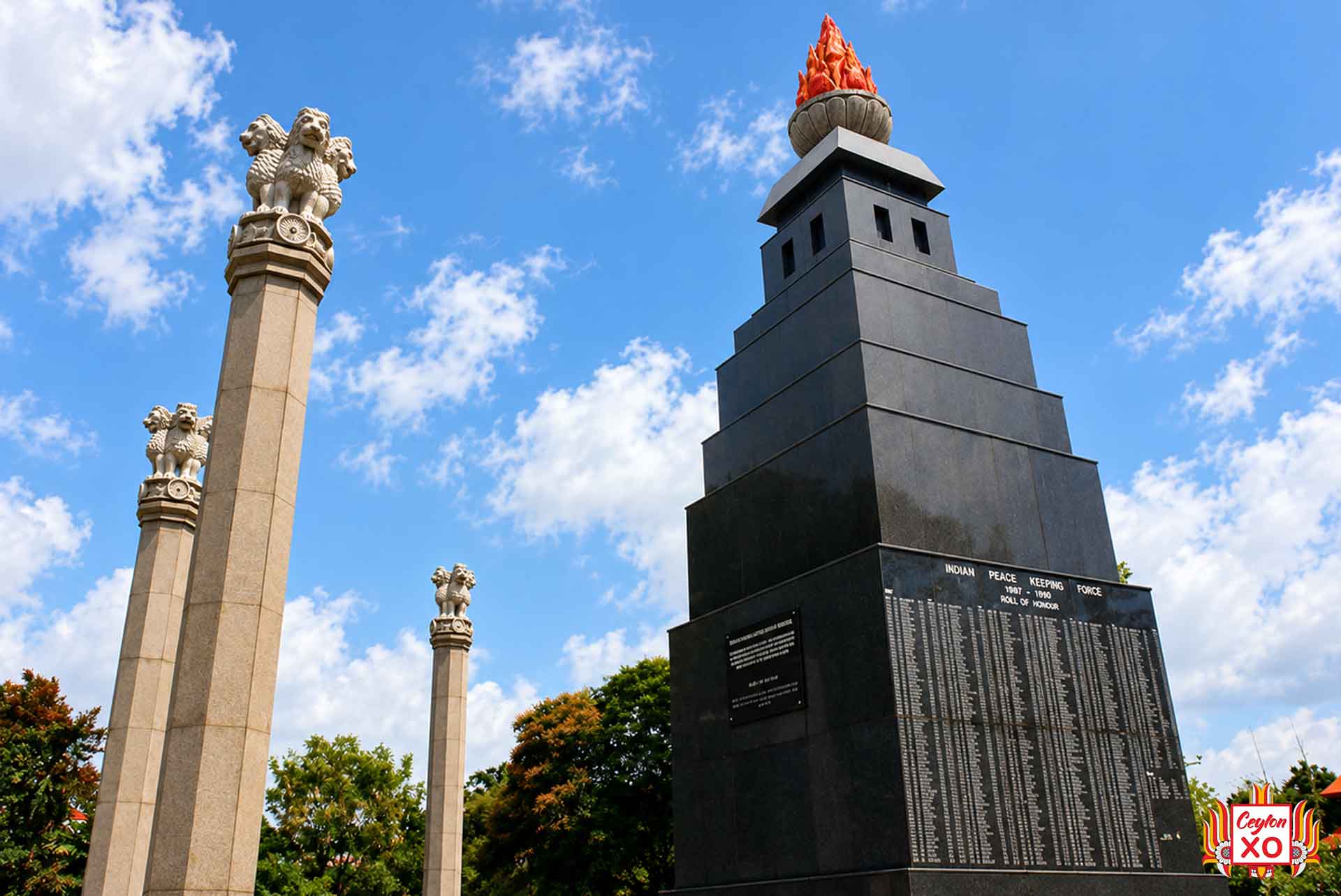
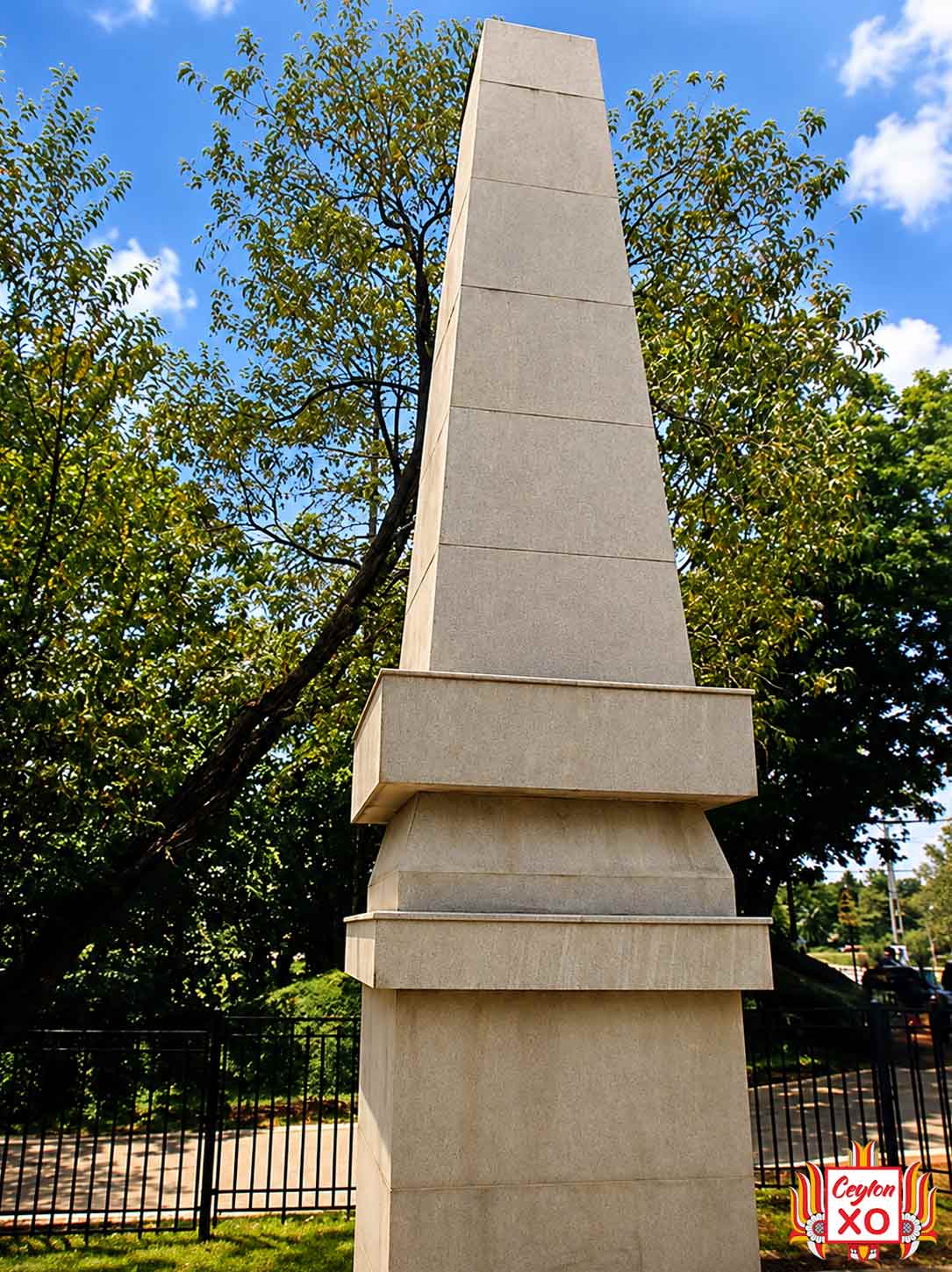
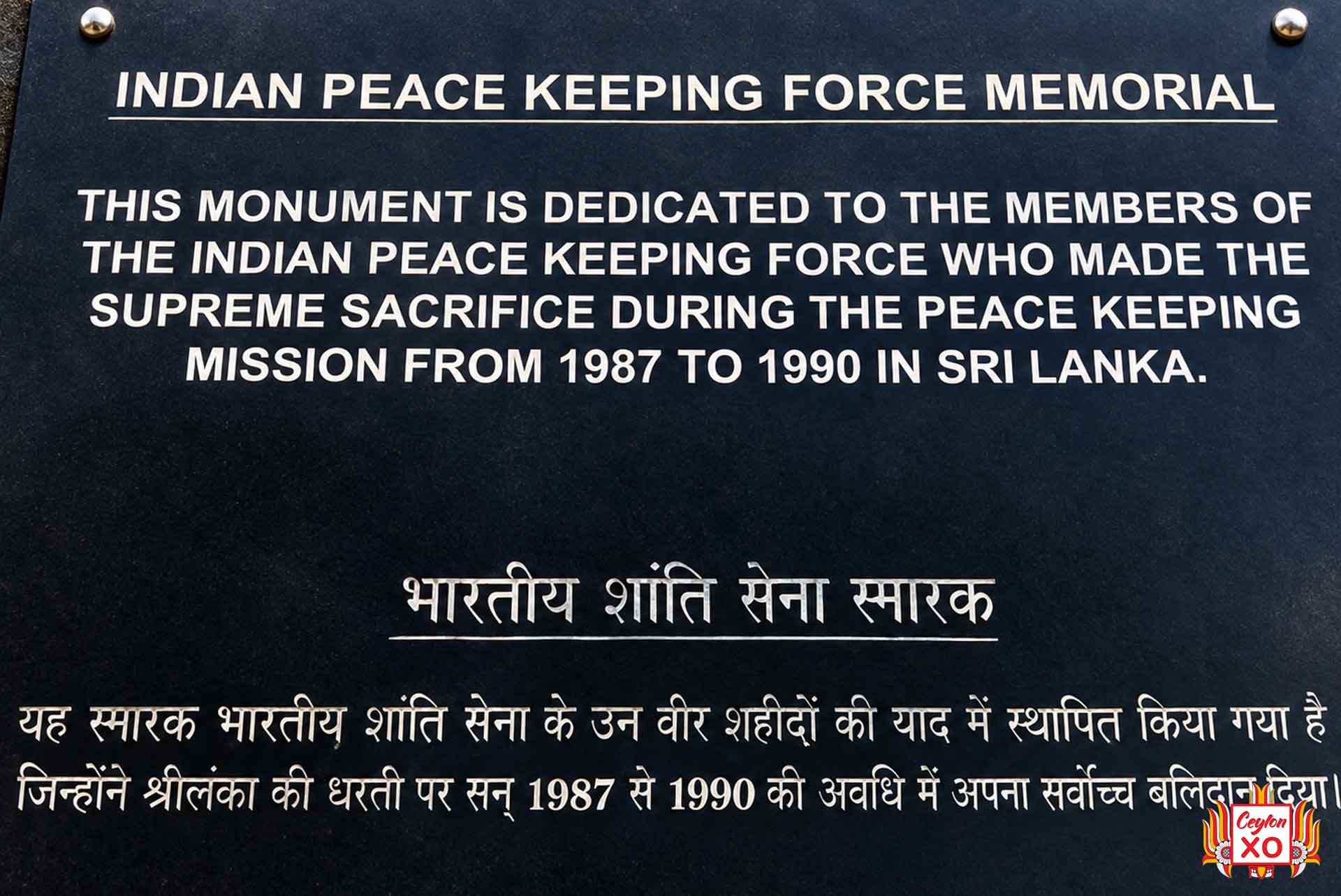
The Indian Peace Keeping Force Memorial was established to honour the Indian military personnel who lost their lives during this deployment. It represents an important chapter in the shared history of Sri Lanka and India. Beyond its role as a monument to fallen soldiers, it provides an opportunity to reflect on the challenges of peacekeeping operations, the consequences of armed conflict, and the importance of diplomatic cooperation between neighbouring countries.
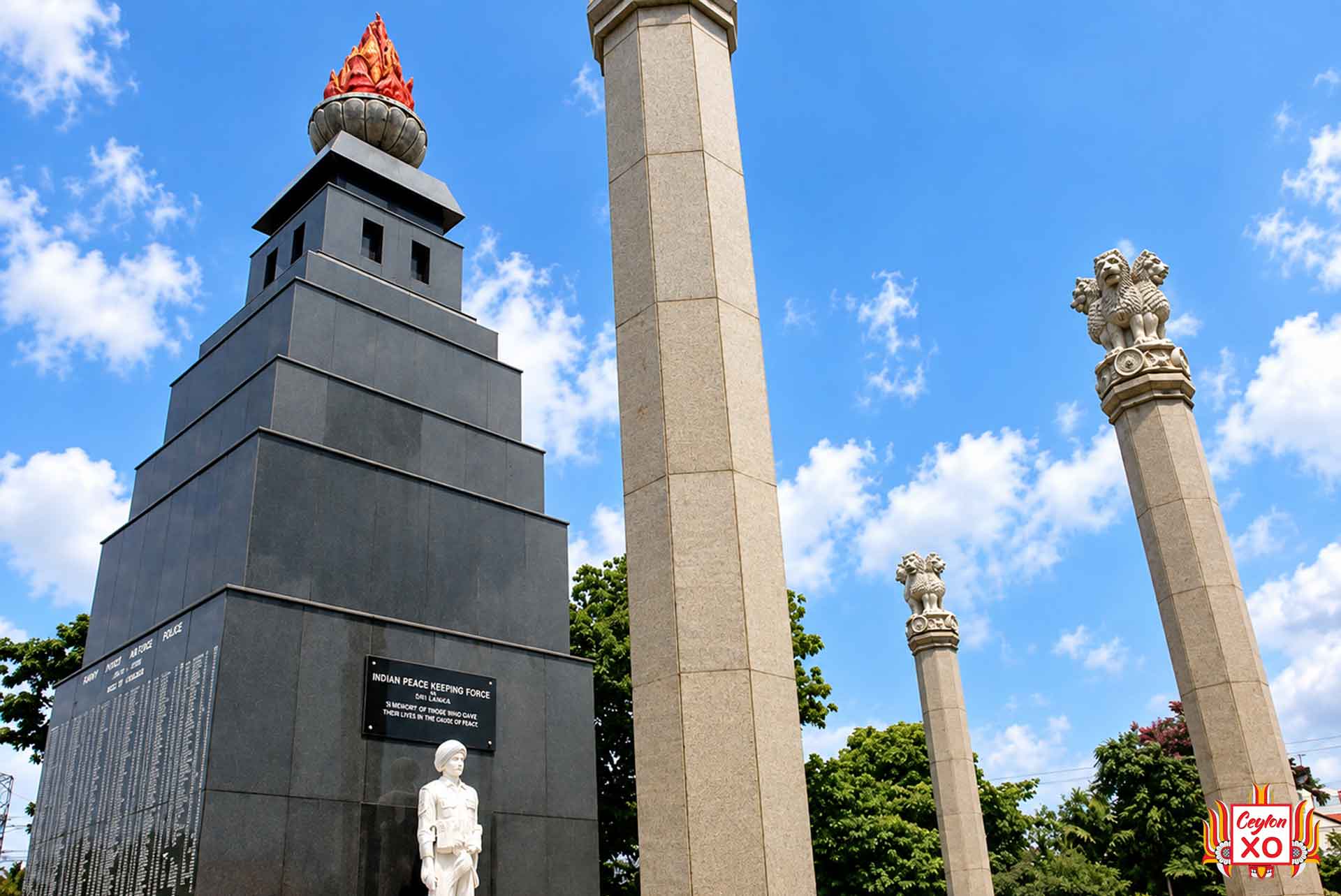
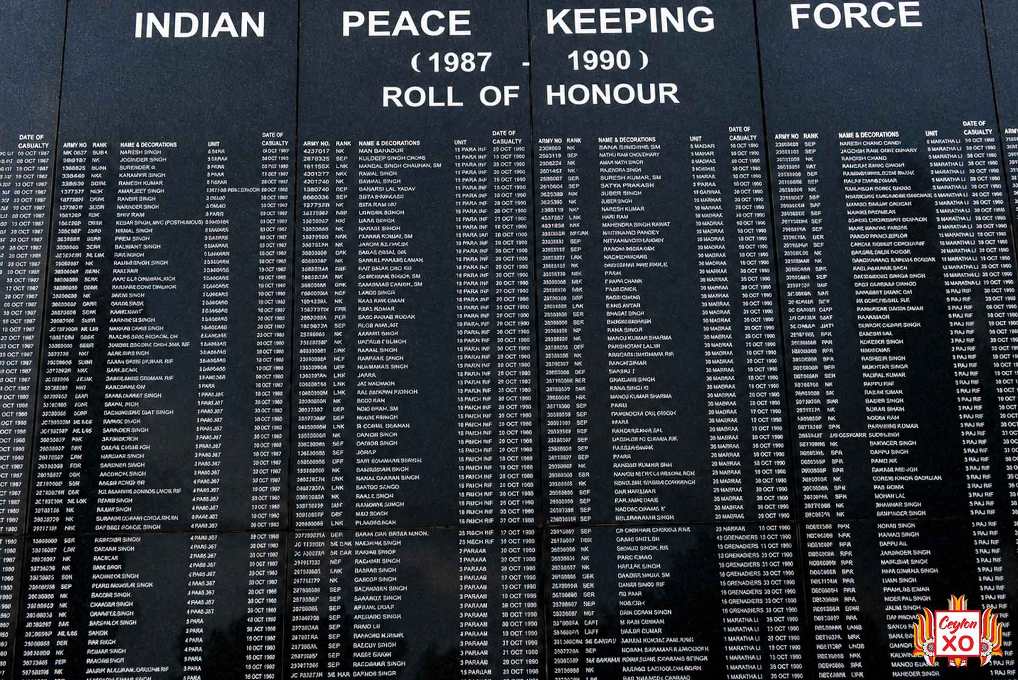
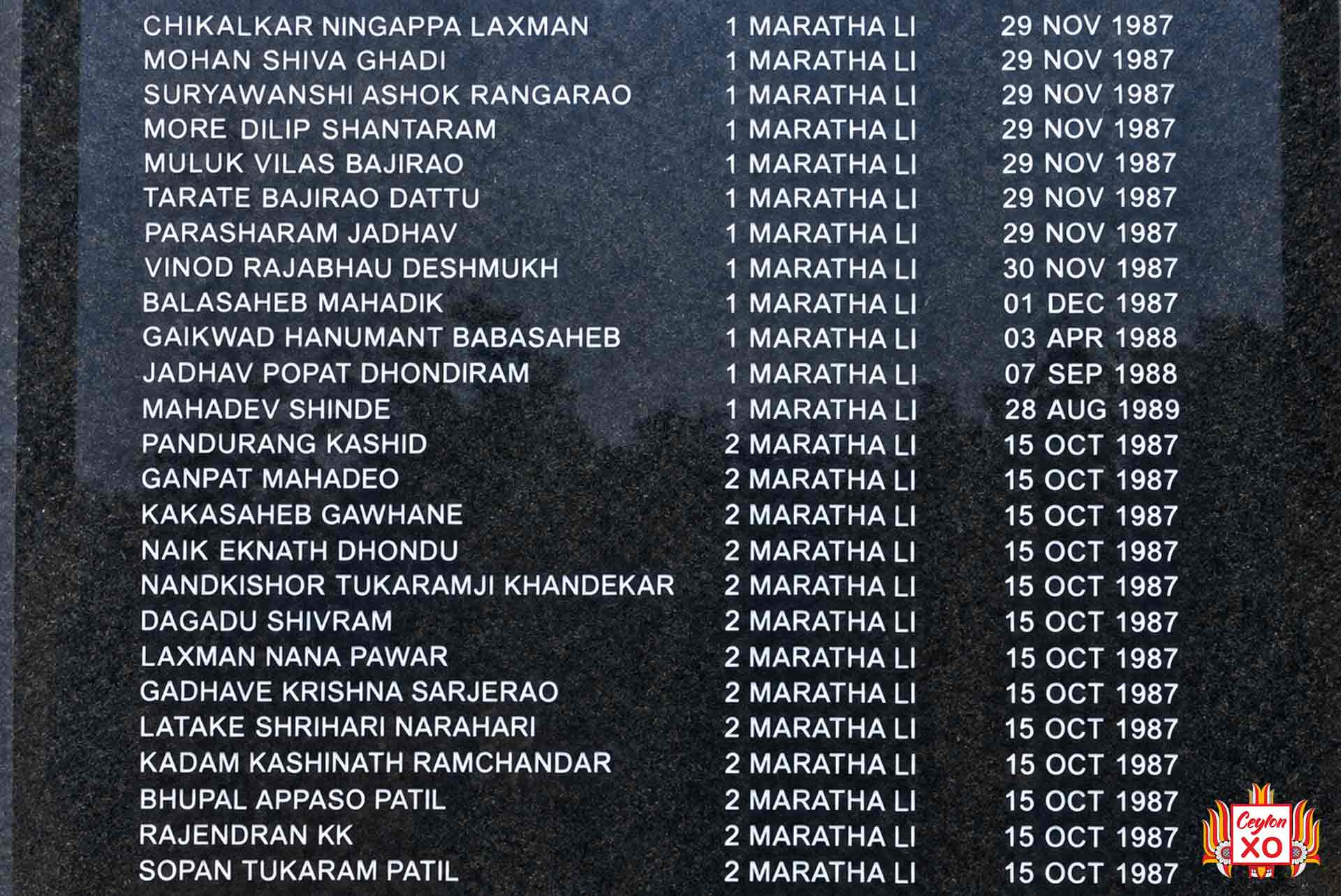
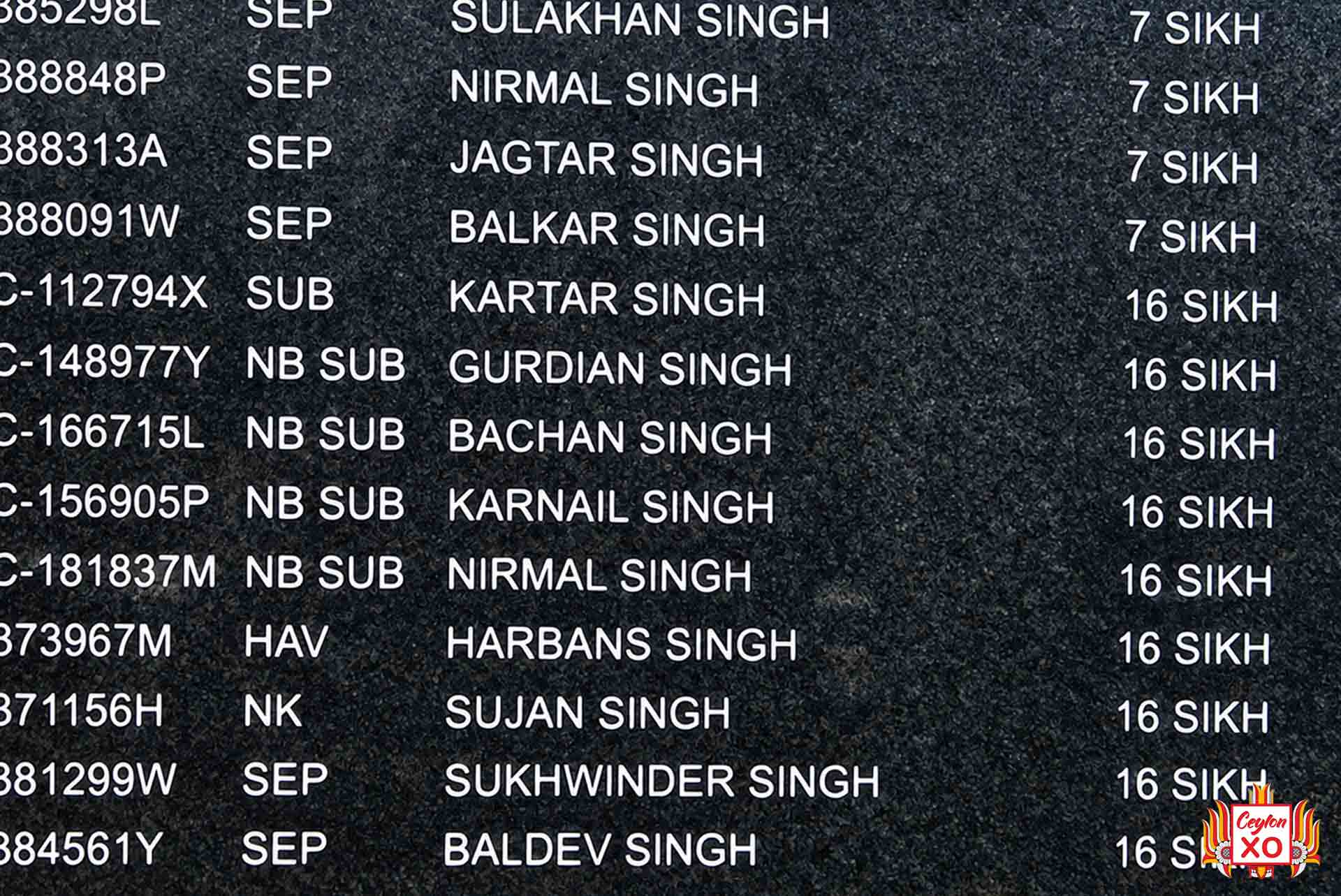
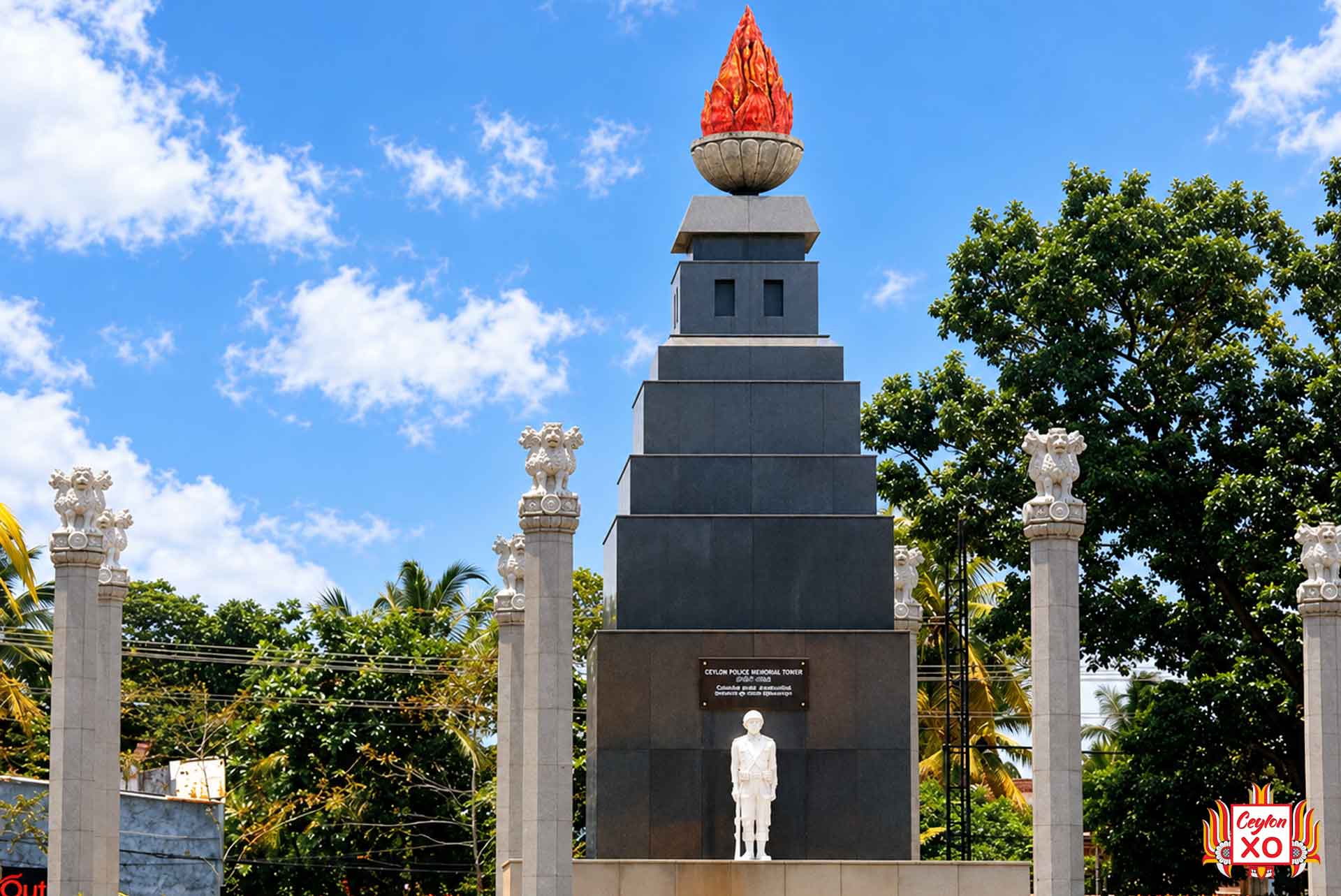
The memorial was constructed by the Government of Sri Lanka in 2008 as a tribute to the Indian soldiers who died between 1987 and 1990. Approximately 1,200 Indian military personnel lost their lives during the operations, with the figure commonly recorded as 1,169. The monument contains granite slabs inscribed with the names of the fallen soldiers, ensuring that their sacrifices are remembered by future generations. The memorial's construction also demonstrated Sri Lanka's recognition of the lives lost during the Indian military deployment.
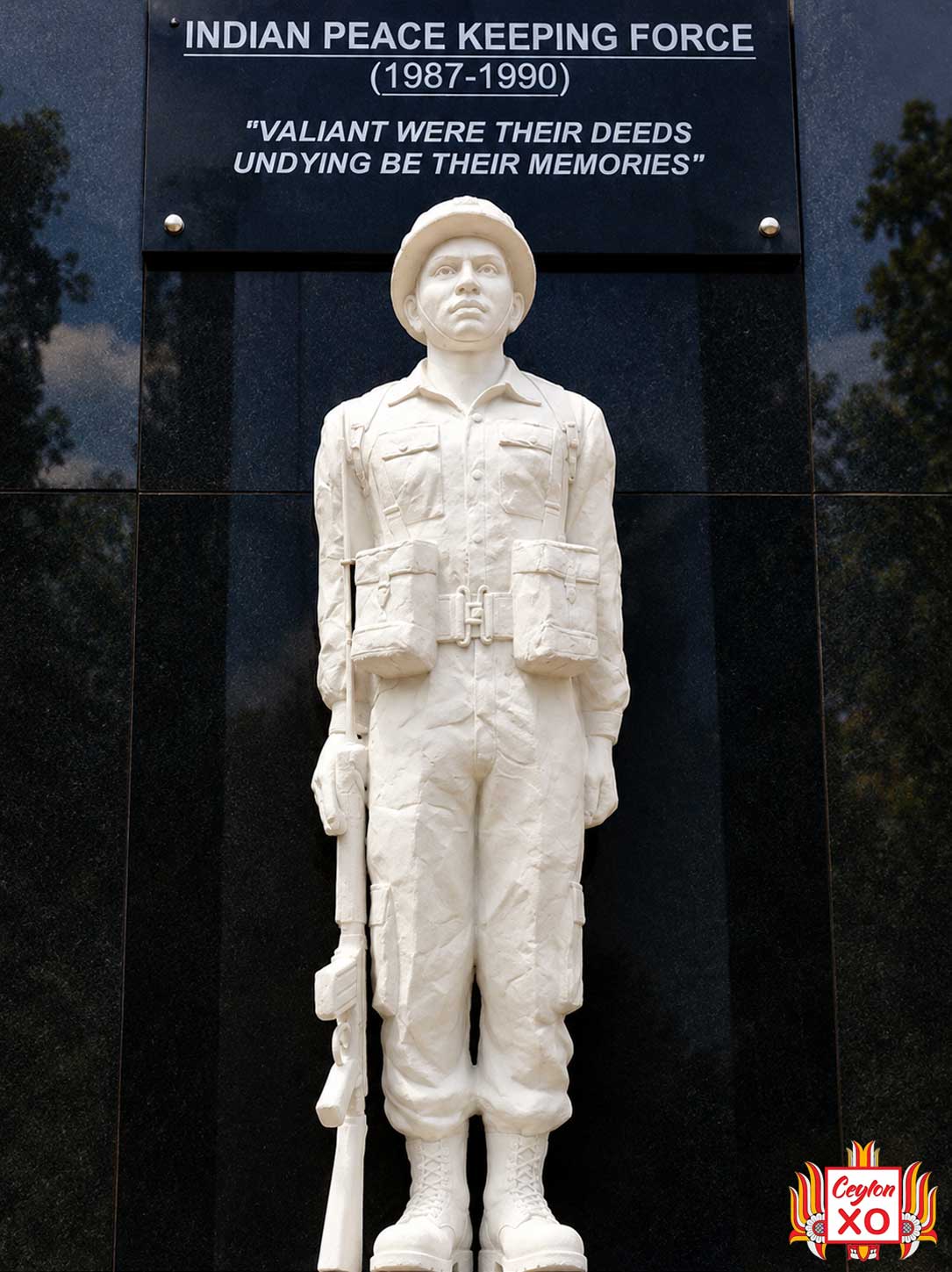
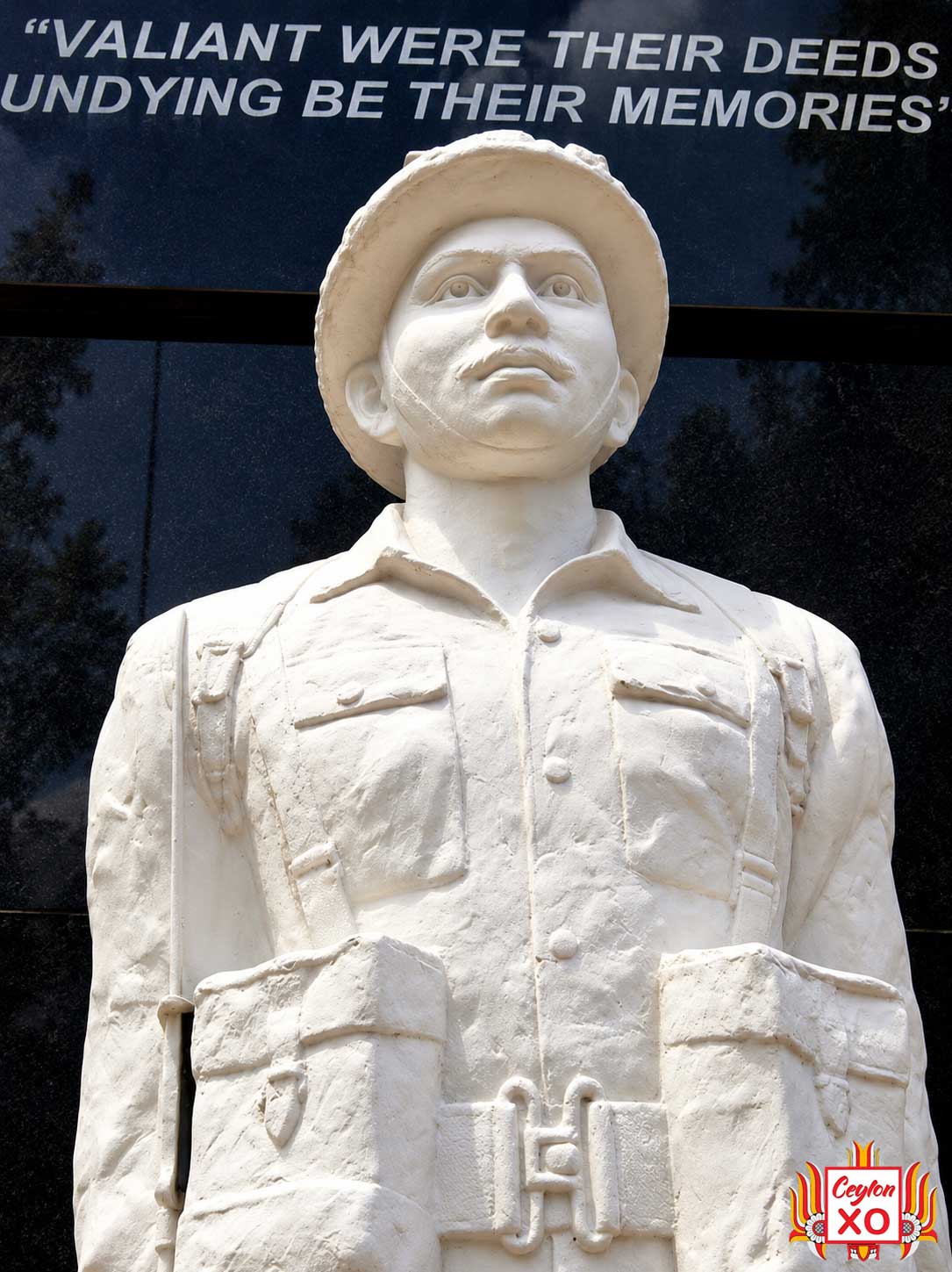
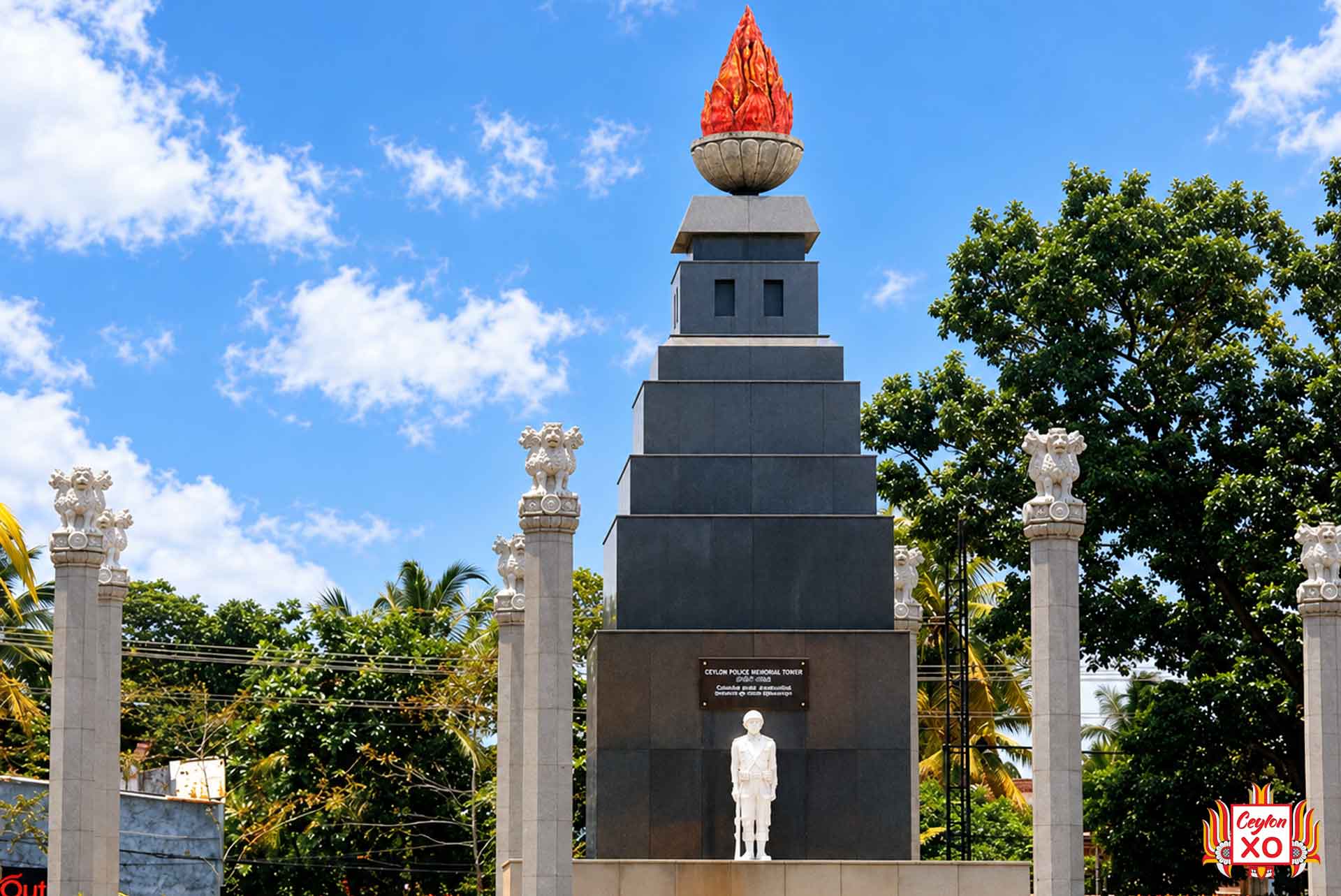
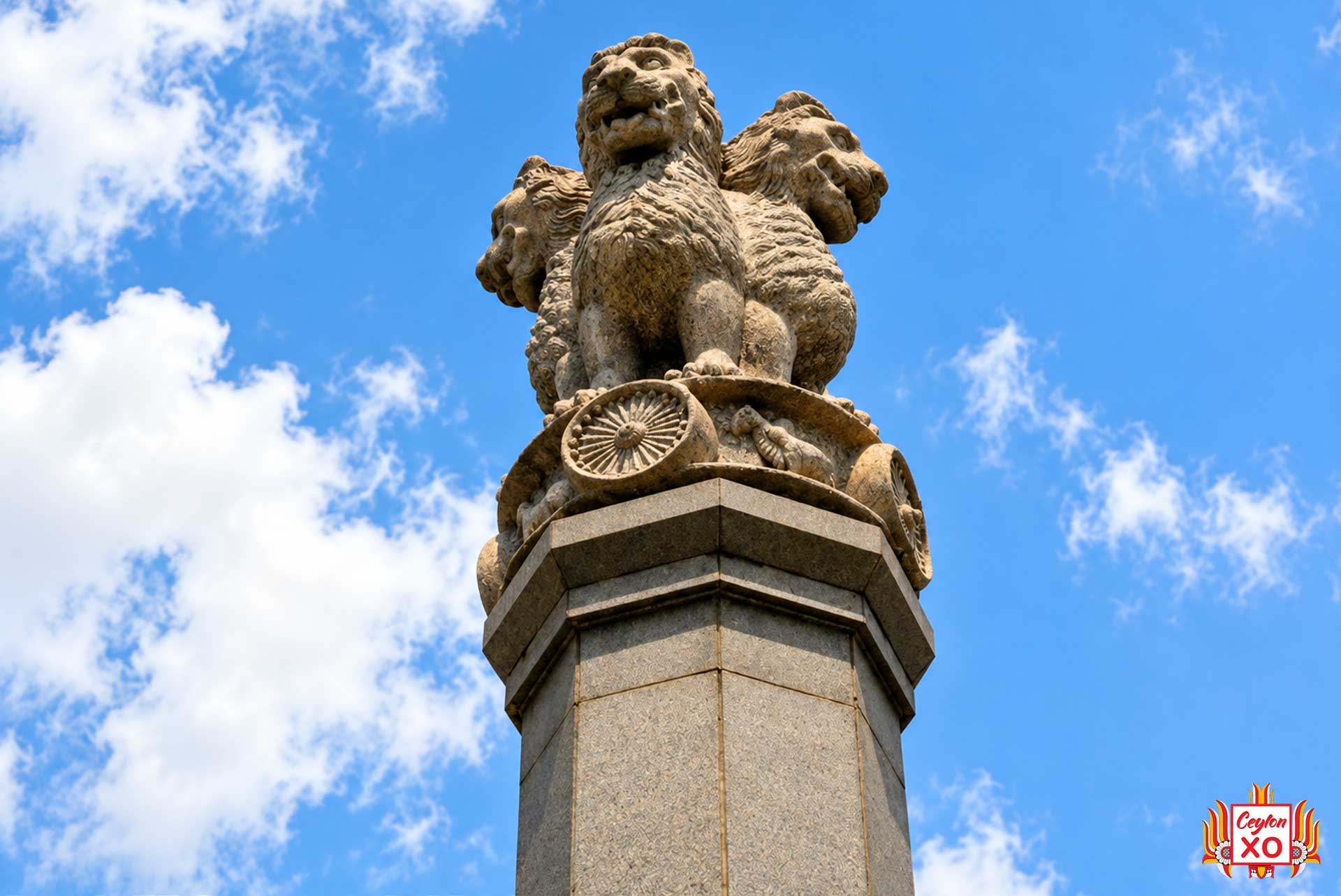
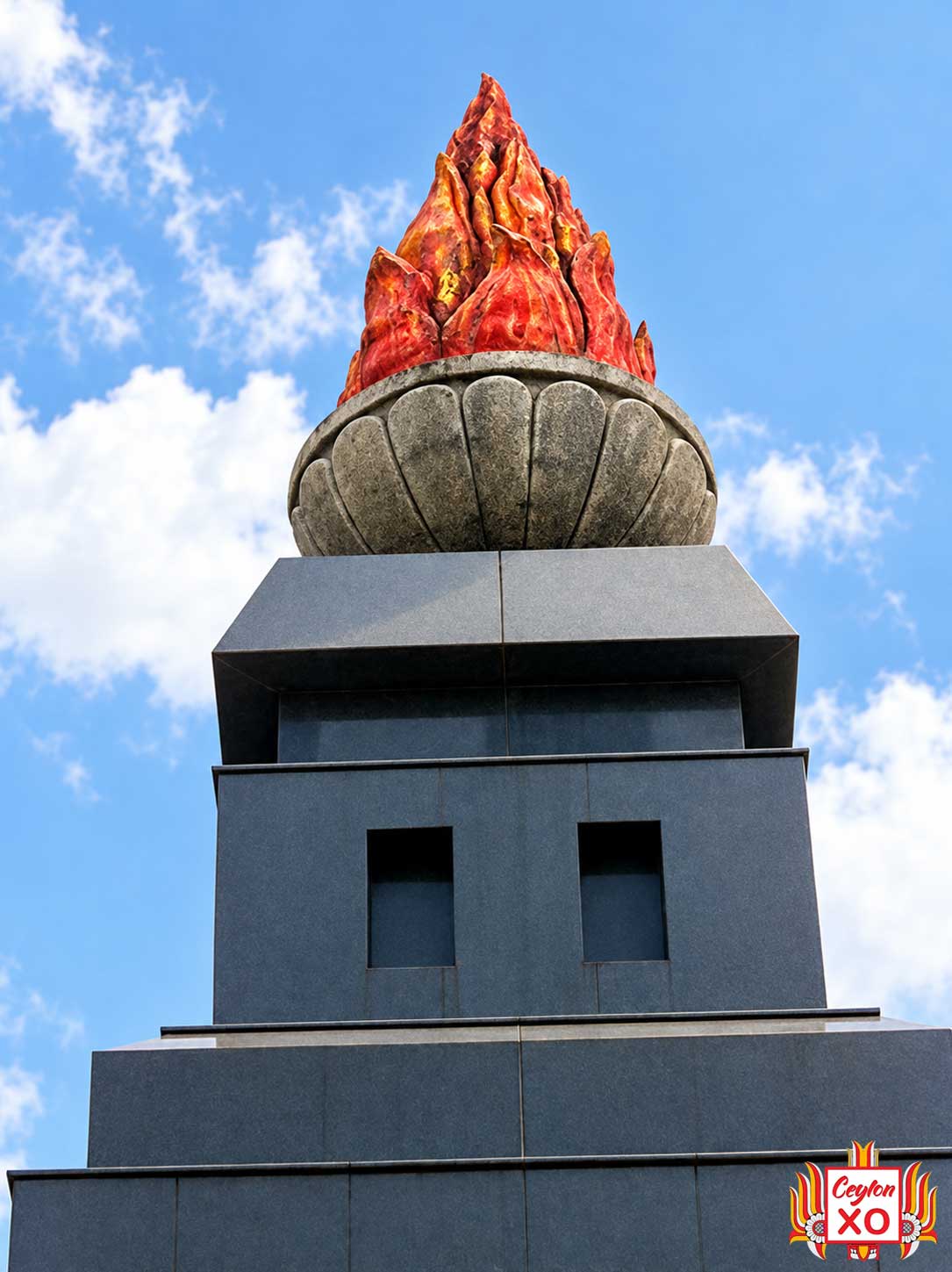
The architectural design of the memorial reflects dignity, strength, and remembrance. The monument features carefully arranged granite structures, including dark stone panels engraved with the names of the deceased soldiers. The use of granite creates a sense of permanence, symbolising the lasting memory of those who lost their lives. A commemorative inscription honours the bravery and service of the Indian military personnel. The surrounding open space provides a peaceful atmosphere where visitors can reflect on the historical events associated with the monument.
One of the most important features of the Indian Peace Keeping Force Memorial is its role in strengthening diplomatic and military relations between Sri Lanka and India. Over the years, Indian political leaders, military officers, diplomats, and representatives of the Sri Lankan armed forces have visited the memorial to pay their respects. These visits often include ceremonial wreath-laying, military salutes, and moments of silence. Such occasions demonstrate the continuing importance of remembering those who served during the conflict.
The first official memorial service was held on 15 August 2010, when the Indian High Commissioner to Sri Lanka, Ashok Kantha, laid a wreath in honour of the fallen soldiers. Since then, several prominent Indian leaders have visited the site. Indian Prime Minister Narendra Modi paid tribute at the memorial during his visits to Sri Lanka in 2015 and 2025. These ceremonies highlight the memorial's significance as a place of national remembrance and bilateral friendship.