In the 2004 tsunami caused widespread destruction along the country's coastal areas, claiming more than 35,000 lives and destroying homes, businesses, and communities. Peraliya was one of the worst-affected locations. On that tragic morning, a passenger train known as the Samudra Devi, travelling from Colombo towards Galle, was overwhelmed by powerful tsunami waves near Peraliya. More than 1,500 passengers lost their lives in the disaster, making it one of the deadliest railway tragedies in history. The event left a deep scar on the families of the victims and the surrounding community.
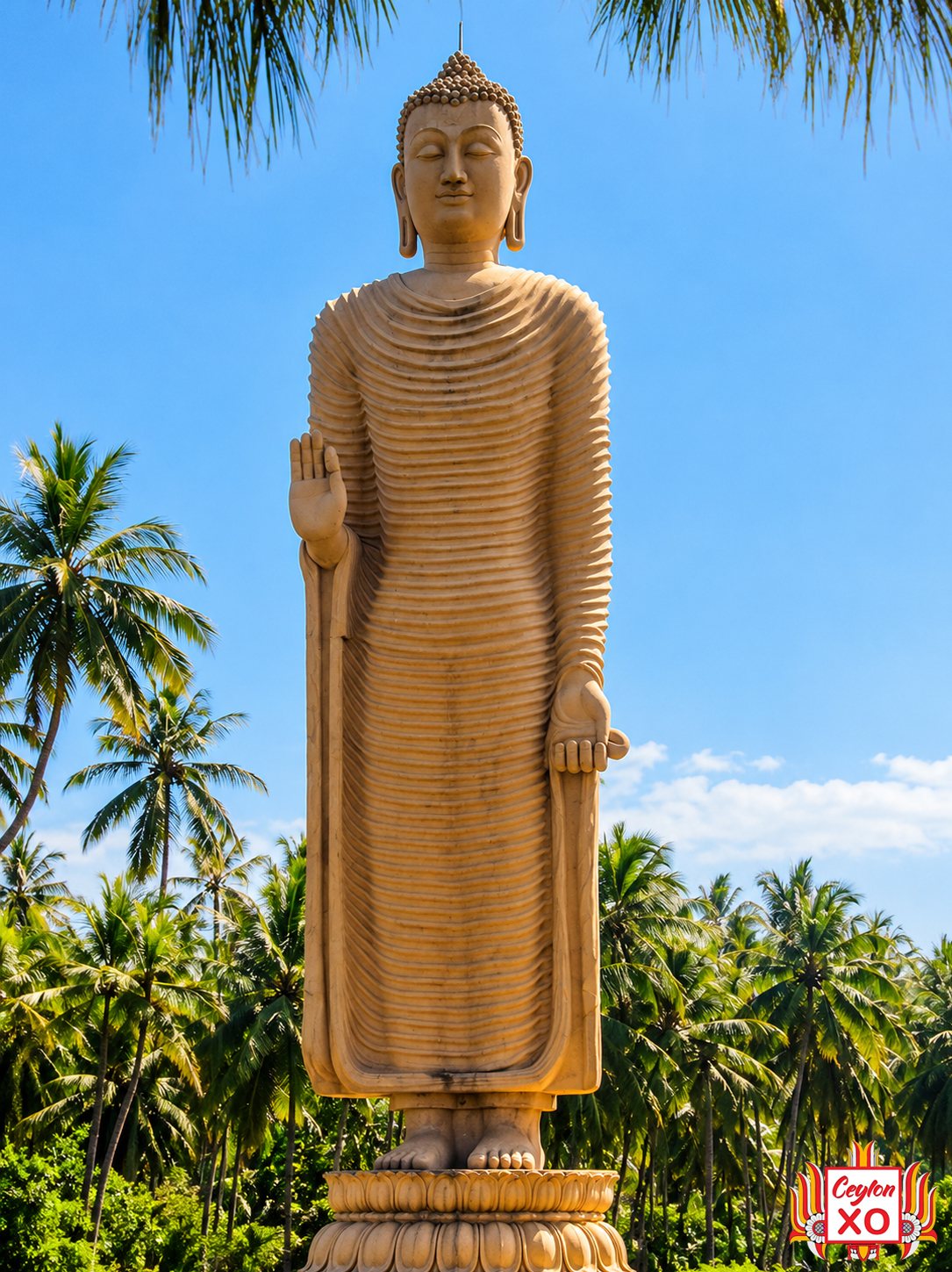
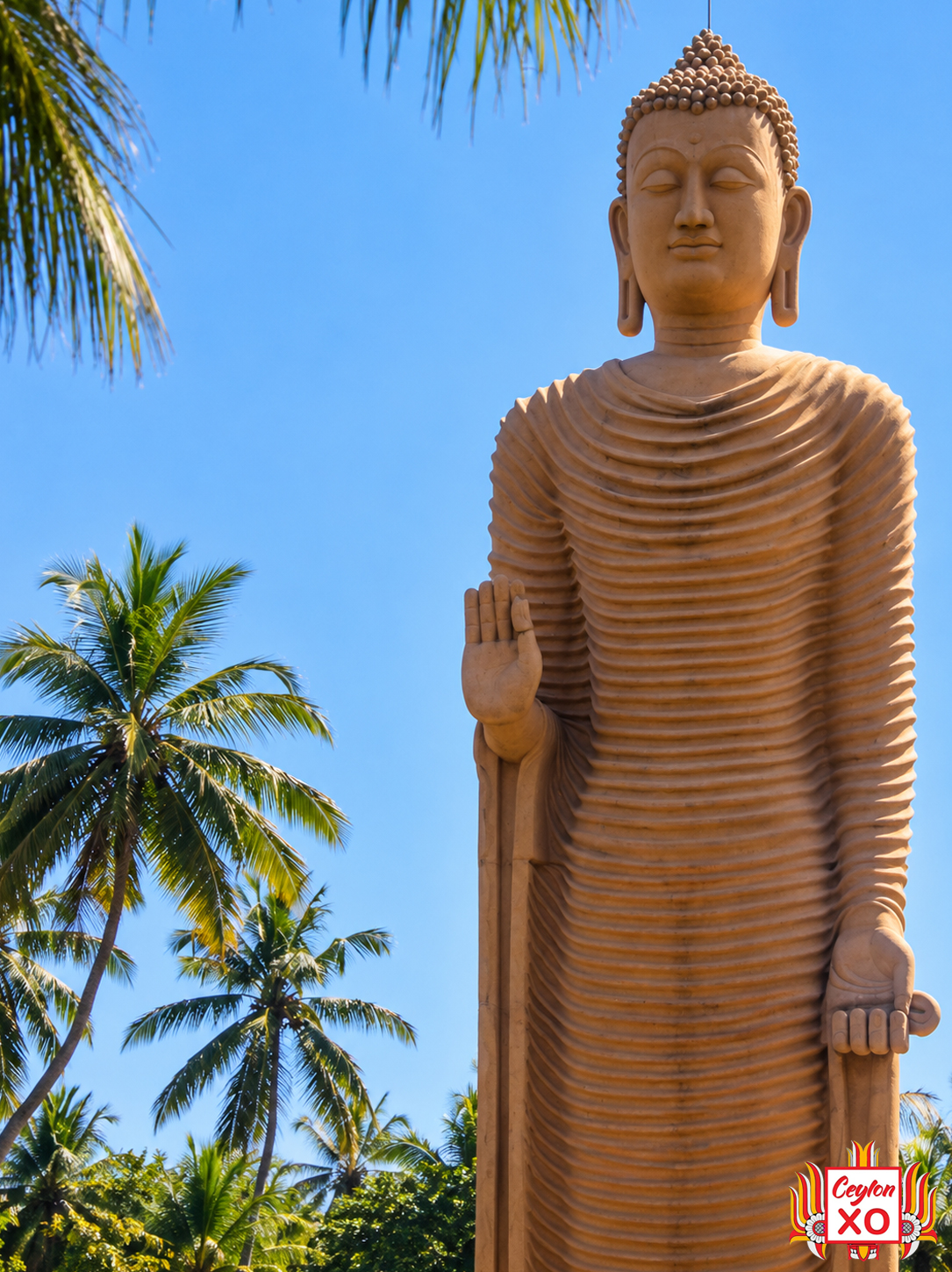
The idea of constructing a large Buddha statue at Peraliya emerged as a way to honour the victims and provide a lasting symbol of hope and recovery. Construction began after the foundation stone was laid on 24 December 2005. The statue was modelled on the famous Bamiyan Buddha statues in Afghanistan, which were destroyed in 2001. Standing approximately 30 metres tall, the white statue depicts the Buddha with one hand raised in a gesture traditionally associated with protection and fearlessness. It was officially inaugurated on 26 December 2006, marking the second anniversary of the tsunami. The project received financial support from Japan.
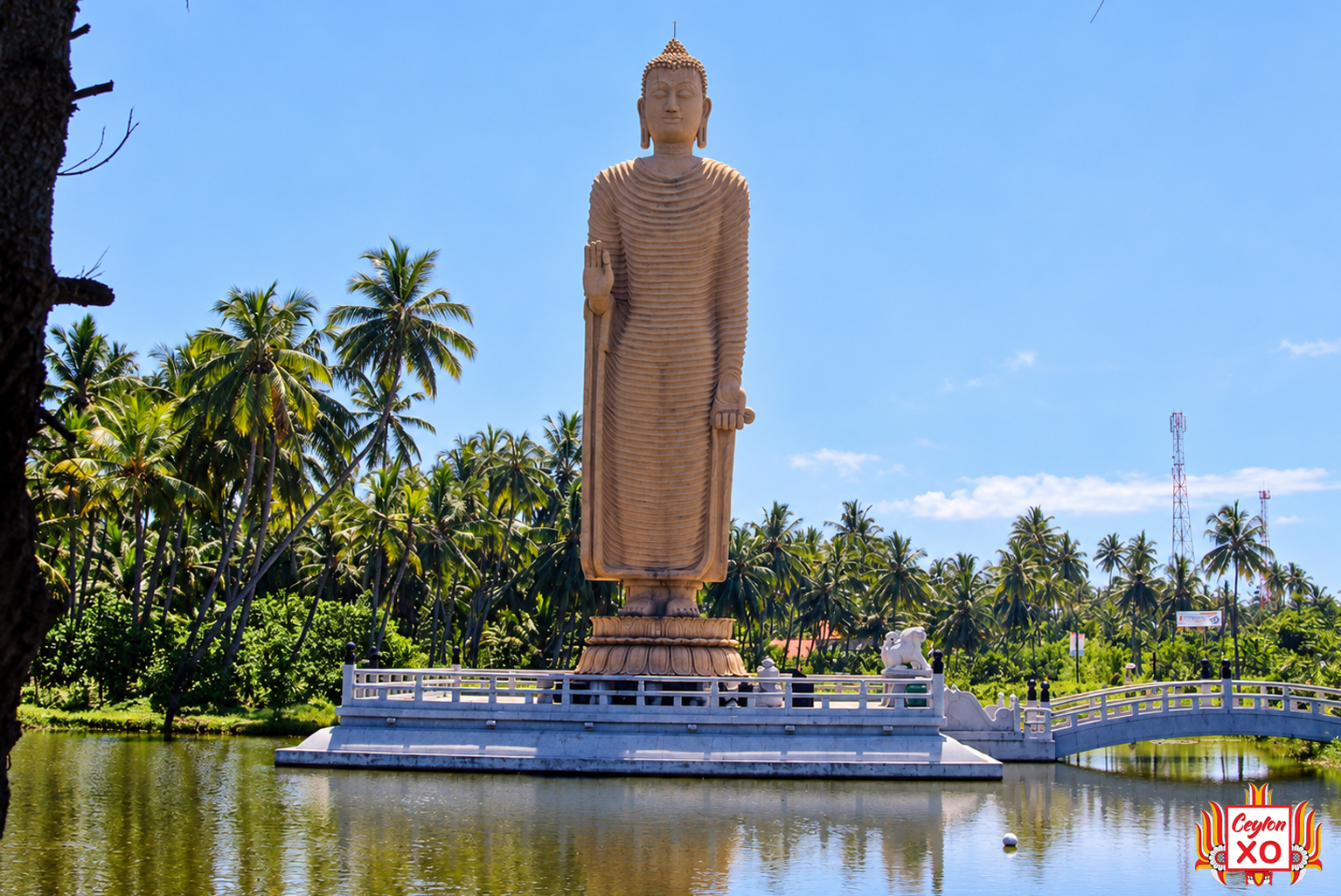
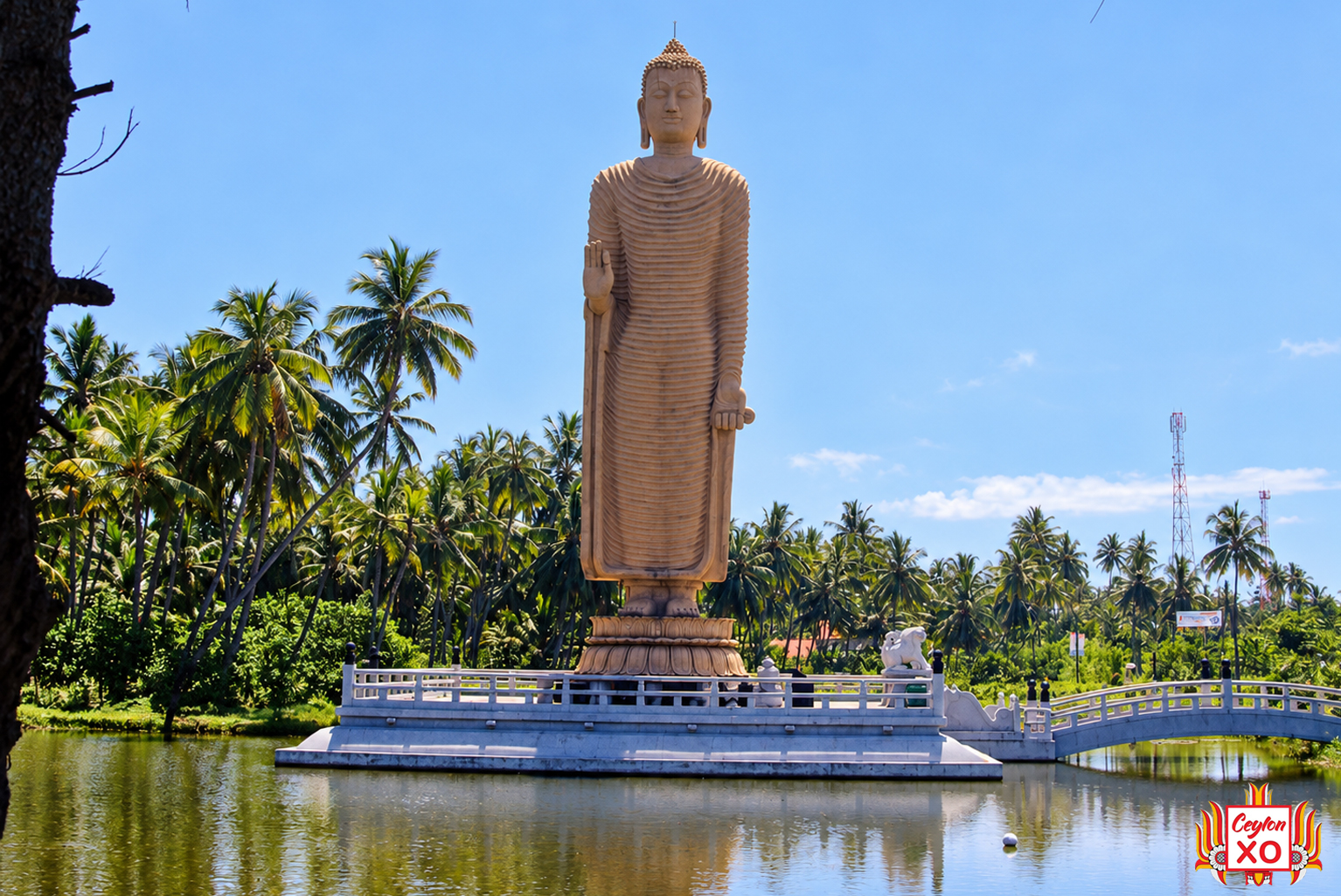
The statue stands beside a pond and can be reached by a small bridge, creating a peaceful setting for reflection and remembrance. Its impressive size and distinctive design make it a prominent landmark along Sri Lanka's southern coastal route. The memorial reminds visitors of the immense power of nature and the importance of compassion, unity, and support for communities affected by disasters.