The Kingdom of Kotte was founded by the Alakeshwara family during a period of political instability in Sri Lanka. Great Lord King Nissanka Alakeshwara selected the marshy lands surrounded by the Diyawanna Oya as the location for his new capital because of its natural defensive advantages. He strengthened the city by constructing massive fortifications, including moats, laterite ramparts, gates, and water management systems that made Kotte one of the strongest fortresses in the country. The archaeological remains found at the Alakeshwara Archaeological Site are believed to represent part of this early royal capital. The Alakeshwara dynasty played a significant role in protecting Sri Lanka from foreign invasions and restoring political stability. Their achievements laid the foundation for the later prosperity of the Kingdom of Kotte under King Parakramabahu VI, whose reign is regarded as one of the golden ages of Sri Lankan history.
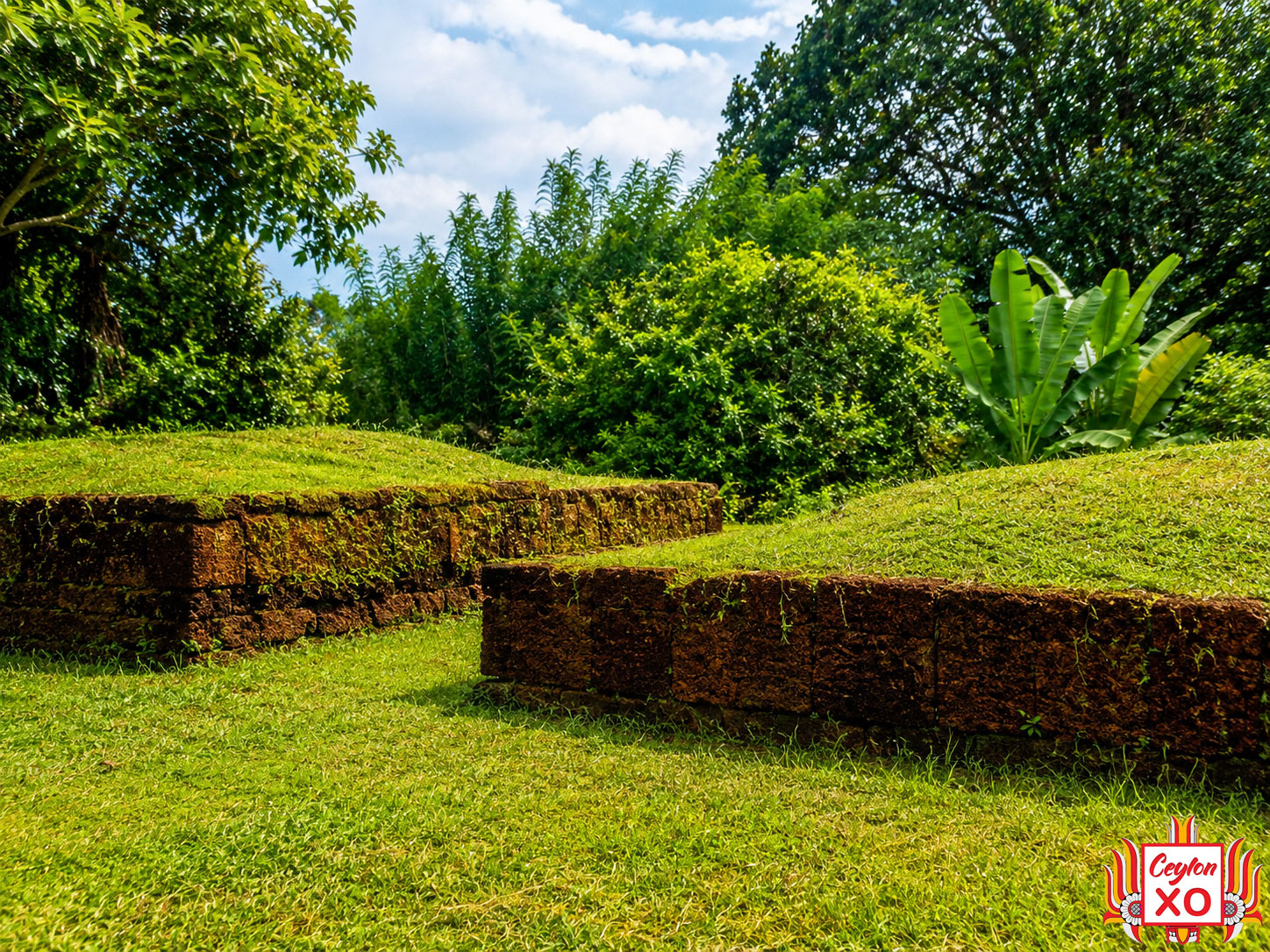
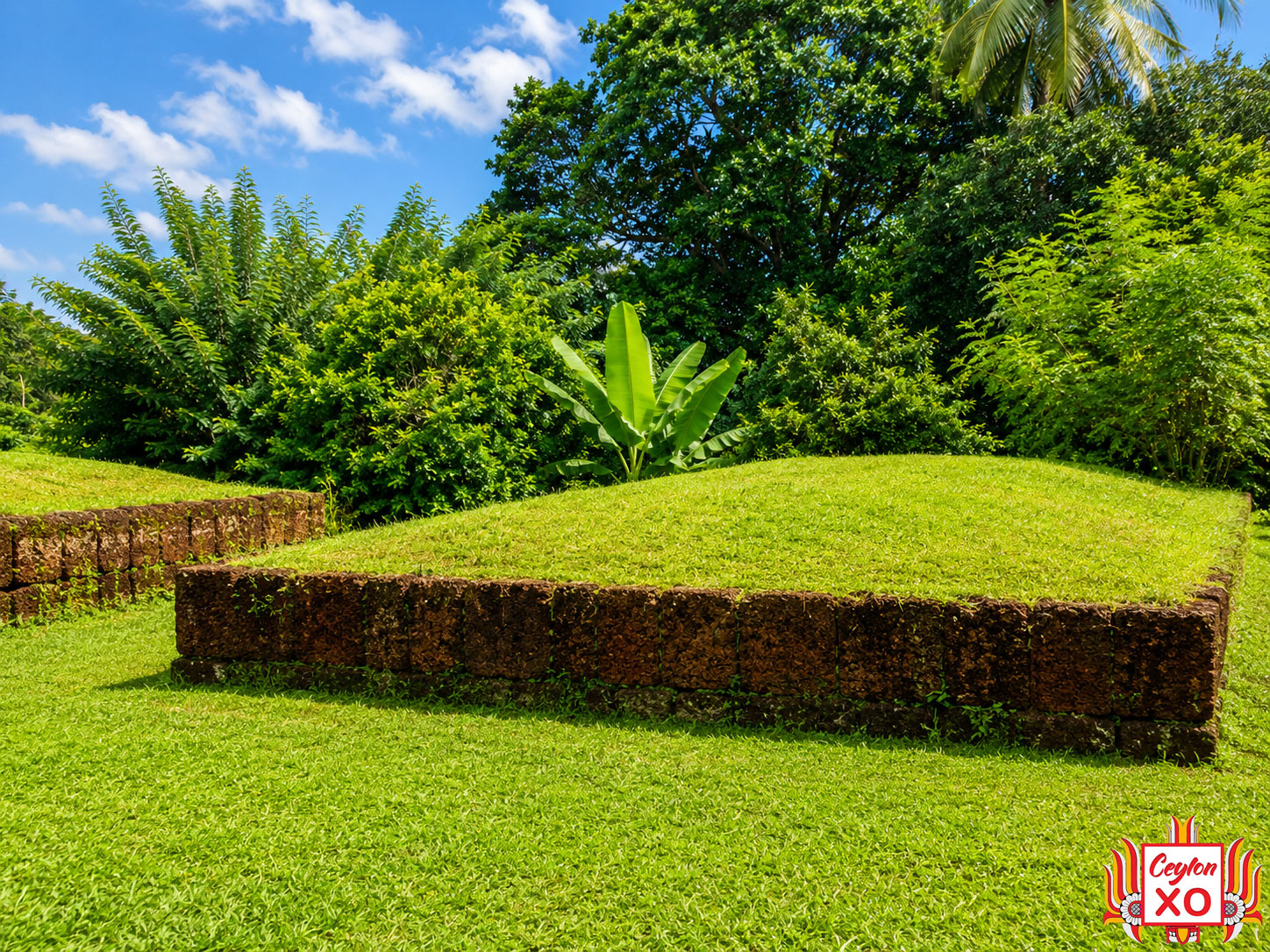
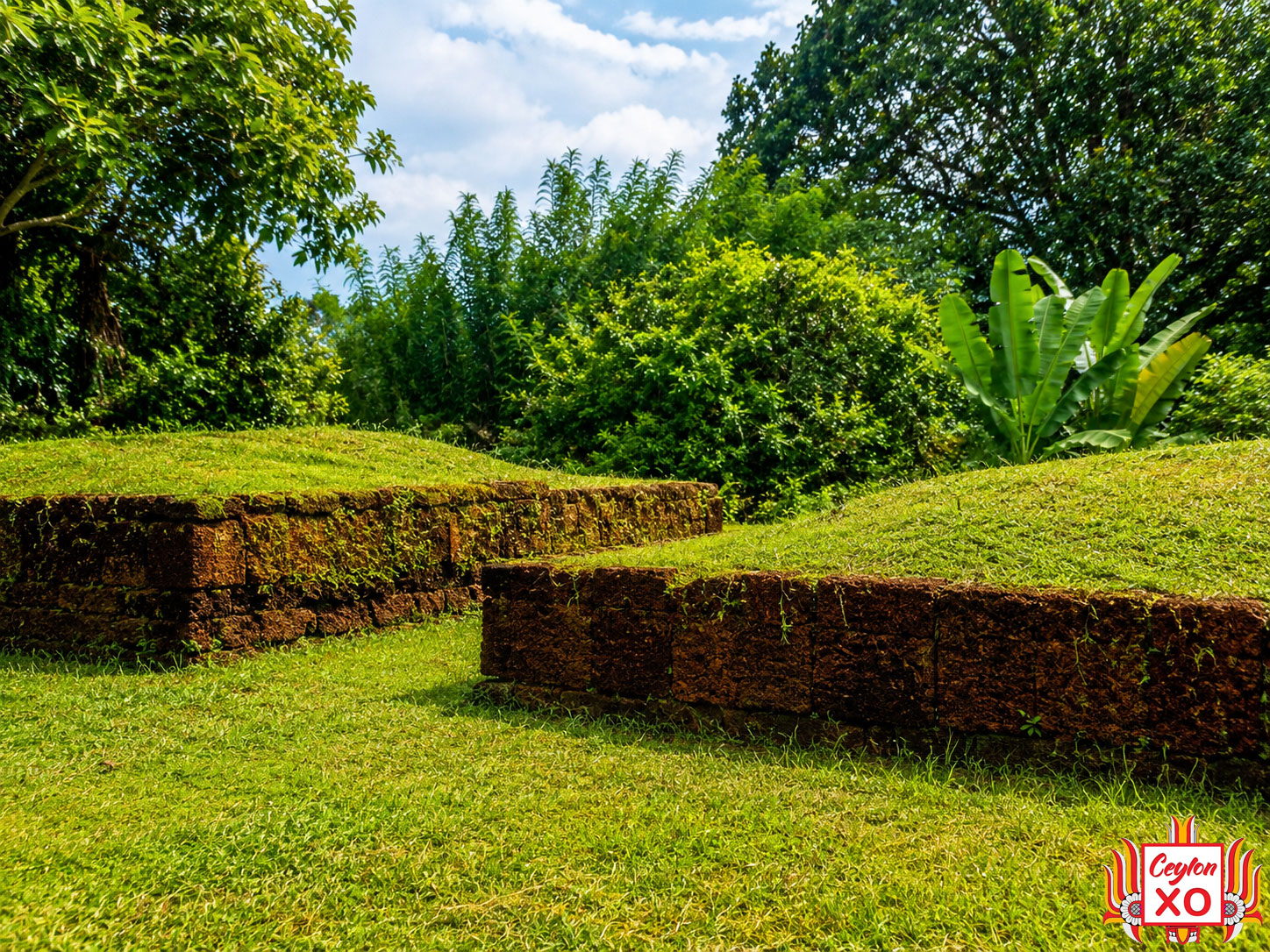
Excavations carried out by the Department of Archaeology have revealed the foundations of several ancient brick buildings, stone structures, and laterite block constructions. The site includes the remains of rectangular building platforms, stone foundations, and walls that indicate the presence of an extensive palace or administrative complex. The use of laterite blocks, carefully laid bricks, and well-planned architectural layouts demonstrates the advanced construction techniques employed by the builders of the Kotte Kingdom.
Archaeologists believe that these structures formed part of the royal palace complex occupied by the Alakeshwara rulers before the reign of King Parakramabahu VI. The buildings were likely used for royal residences, administrative offices, ceremonial functions, and the management of the kingdom. Although only the foundations remain today, they provide valuable evidence of the scale and sophistication of the medieval capital.
The archaeological site also reflects the remarkable urban planning of ancient Kotte. The palace complex was strategically positioned within the fortified city and was connected to the surrounding defensive structures, including the inner and outer moats, water conduits, laterite ramparts, and gateways. The natural marshlands surrounding the city, combined with these artificial defenses, created a fortress that was extremely difficult for invading armies to penetrate. This combination of military engineering and urban planning made Kotte one of the most secure capitals in Sri Lanka during the 14th and 15th centuries.
The foundations were constructed from carefully cut laterite (kabok) stone blocks, situated close to one another. The larger foundation is rectangular in shape, measuring approximately 41 feet in length and 18.5 feet in width, while the smaller foundation is square, with each side measuring about 21.5 feet.
The architectural style of these ruins, together with domestic artifacts discovered during archaeological excavations—including grinding stones and stone water filters—strongly suggests that the site once formed part of the royal palace of King Alakeshwara. These findings indicate that the complex was not a religious monument but a residential and administrative center occupied by the rulers of the early Kotte Kingdom.
Following the arrival of the Portuguese in the early 16th century, the importance of Kotte gradually declined. As the royal capital was abandoned, many of its buildings deteriorated or were dismantled over the centuries. Urban expansion in modern Sri Jayawardenepura Kotte further contributed to the disappearance of many ancient structures. Fortunately, the Alakeshwara Archaeological Site has been preserved, allowing historians and archaeologists to continue studying the origins of the Kotte Kingdom.