The Kingdom of Kotte was established during the 14th century by the powerful ruler Great Lord King Nissanka Alagakkonara, who selected the area because of its naturally defensive landscape. Surrounded by the Diyawanna Oya, marshlands, and swamps, the site was already difficult for invading armies to access. To further strengthen the capital's security, the king introduced an advanced system of artificial defenses that worked together with the natural environment.
One of the most important of these defensive features was the Outer Water Moat, which was constructed around 1370 AD. Built outside the main fortress, the moat provided an additional line of protection beyond the inner defensive moat. Running parallel to the inner moat, the outer moat followed the natural contours and topography of the land rather than being constructed in a perfectly straight line. This design allowed the builders to make the best use of the surrounding landscape while reducing the amount of excavation required. The depth and width of the moat varied according to the ground conditions, ensuring that it remained an effective defensive barrier throughout the fortress.
The Kotte Outer Conduit was an important part of this hydraulic system. It regulated the flow of water into and out of the outer moat, maintaining an adequate water level throughout the year. During periods of heavy rainfall, the conduit helped control excess water and prevented flooding within the fortress. During dry seasons, it ensured that enough water remained in the moat to preserve its defensive function. This remarkable engineering demonstrates the advanced understanding of water management possessed by the builders of the Kotte Kingdom.
Beyond its military importance, the conduit also reflected the sophisticated urban planning of the ancient capital. Water was carefully managed not only for defense but also for the surrounding environment, helping to maintain the balance between the marshlands, waterways, and the fortress itself. The successful integration of natural and man-made features made Kotte one of the most secure capitals in Sri Lanka during the medieval period.
The defensive network of Kotte included not only the outer moat and conduit but also an inner moat, laterite ramparts, fortified gateways, watchtowers, underground passages, and strategically designed entrances. Together, these structures created a formidable fortress that was extremely difficult for enemies to penetrate. Historical records suggest that these defenses played an important role in protecting the kingdom from repeated invasions.
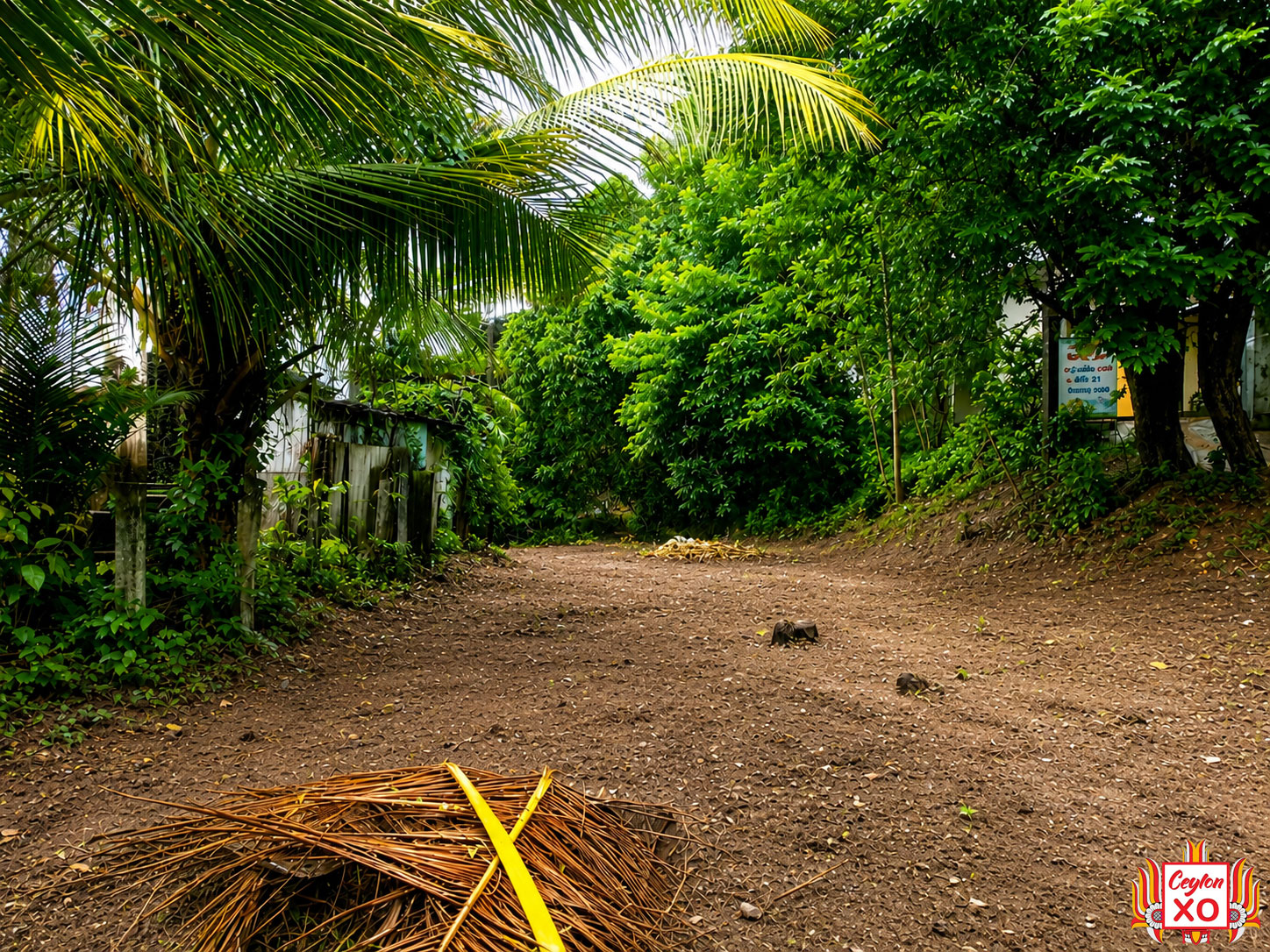
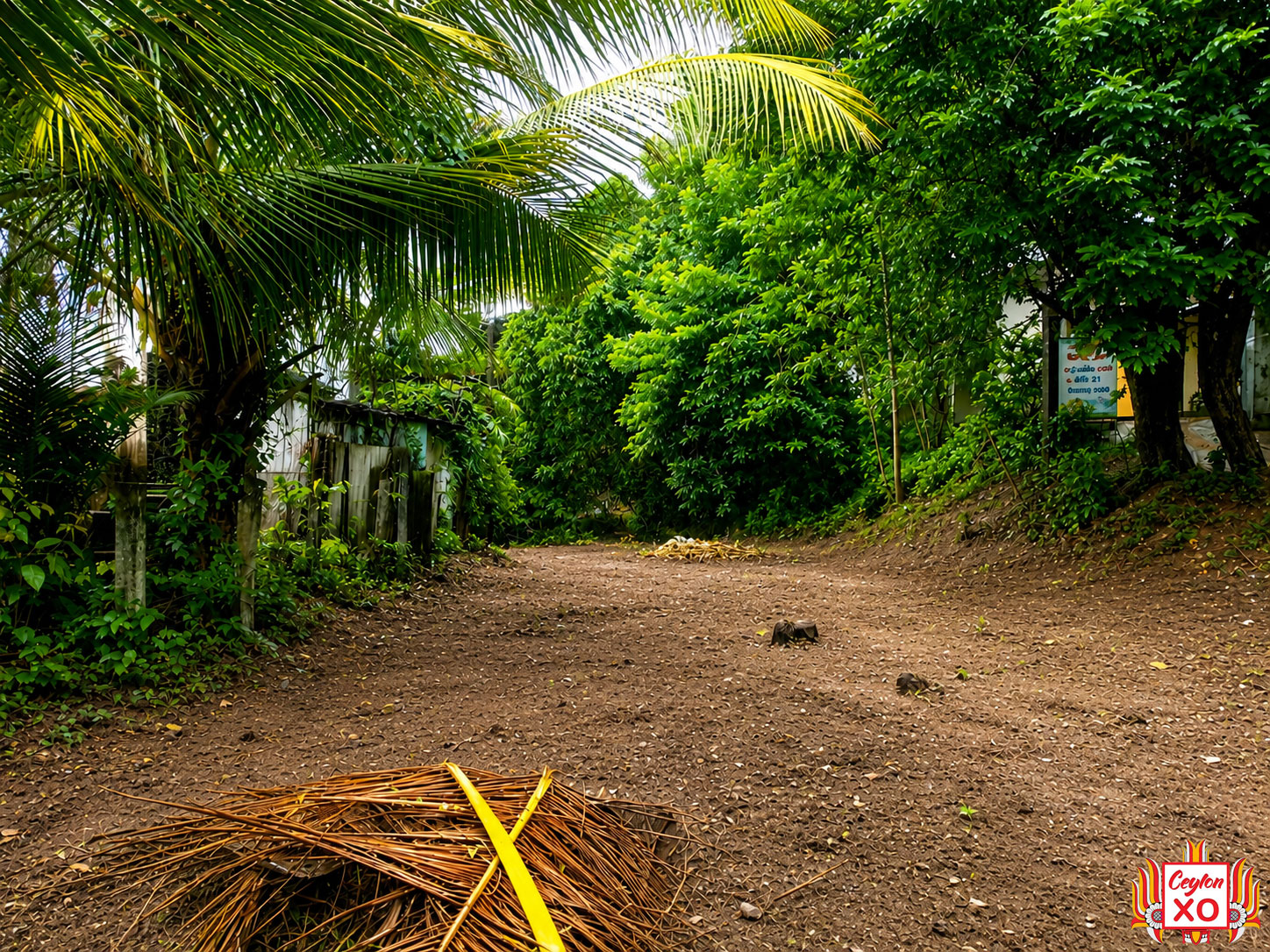
Today, the surviving sections of the Kotte Outer Conduit are divided into two parts due to the construction of the modern main road passing through the area. One section is located adjacent to the "Sirikotha" - headquarters of the United National Party (UNP), while the other section can be seen directly opposite it on the other side of the road.
Following the arrival of the Portuguese in the early 16th century, the Kingdom of Kotte gradually declined. As the capital lost its political significance, many of its defensive structures fell into disuse and were eventually abandoned. Over the centuries, large portions of the ancient city disappeared beneath vegetation or were destroyed by modern development. Fortunately, several important archaeological remains, including the Kotte Outer Conduit, have survived to the present day.