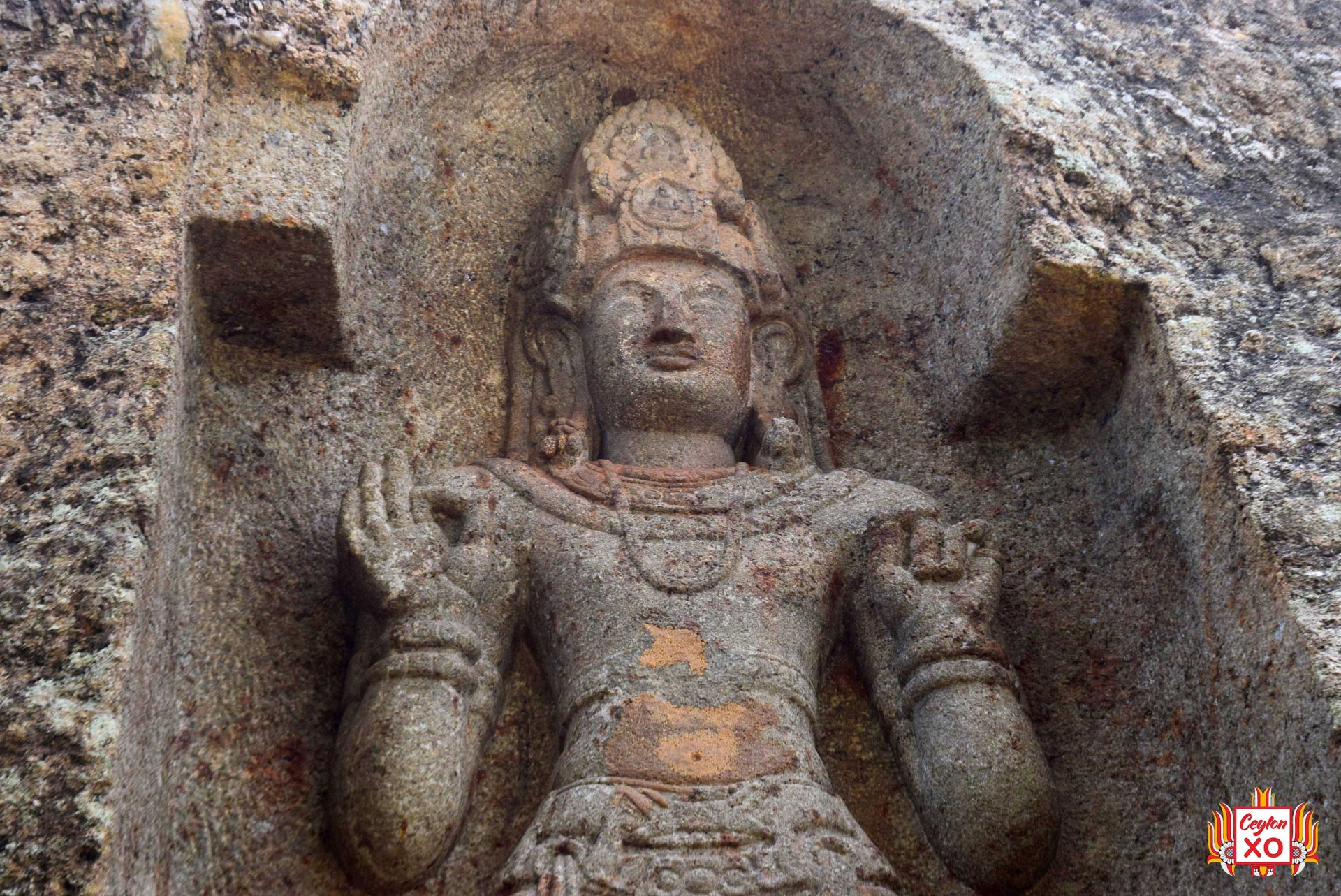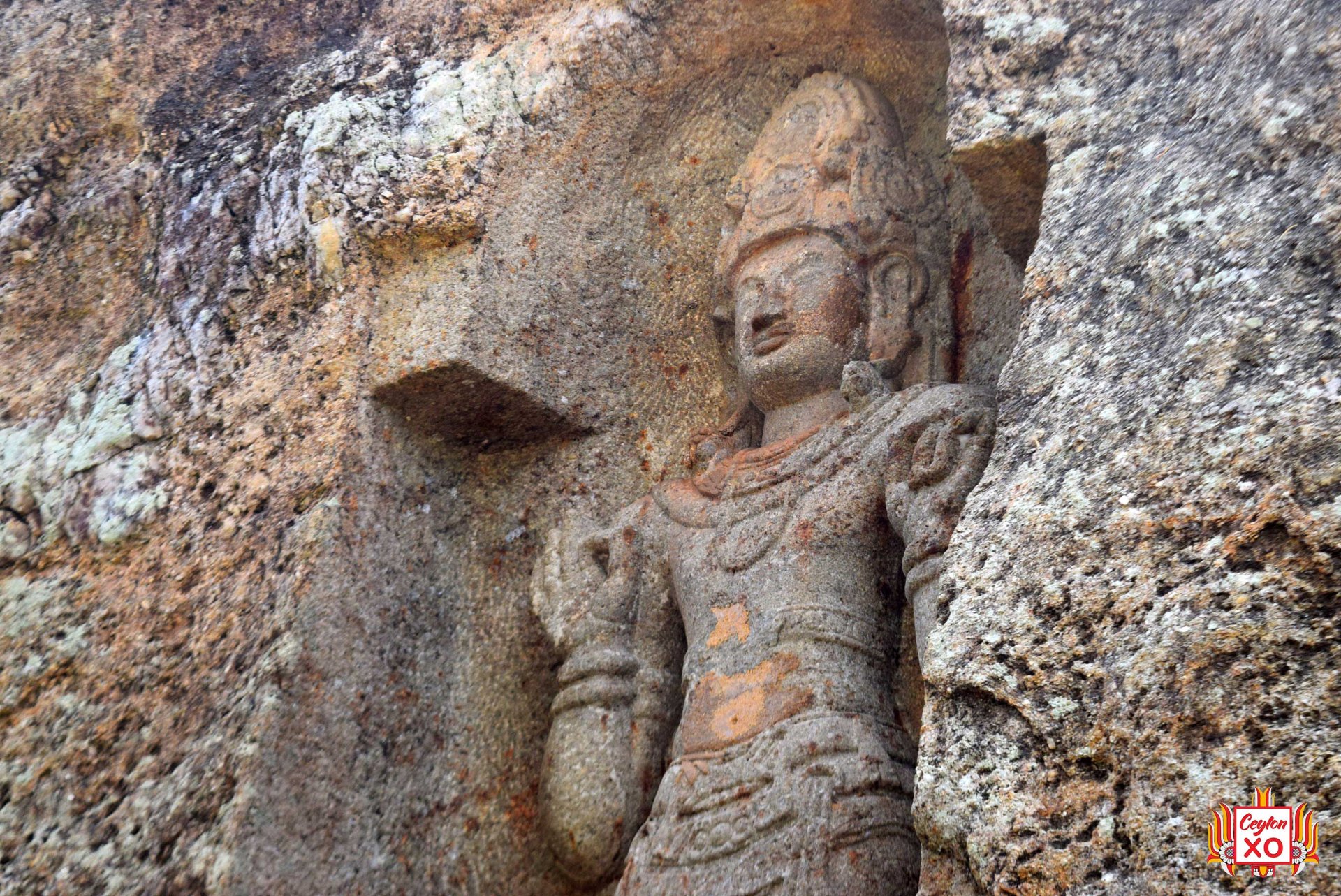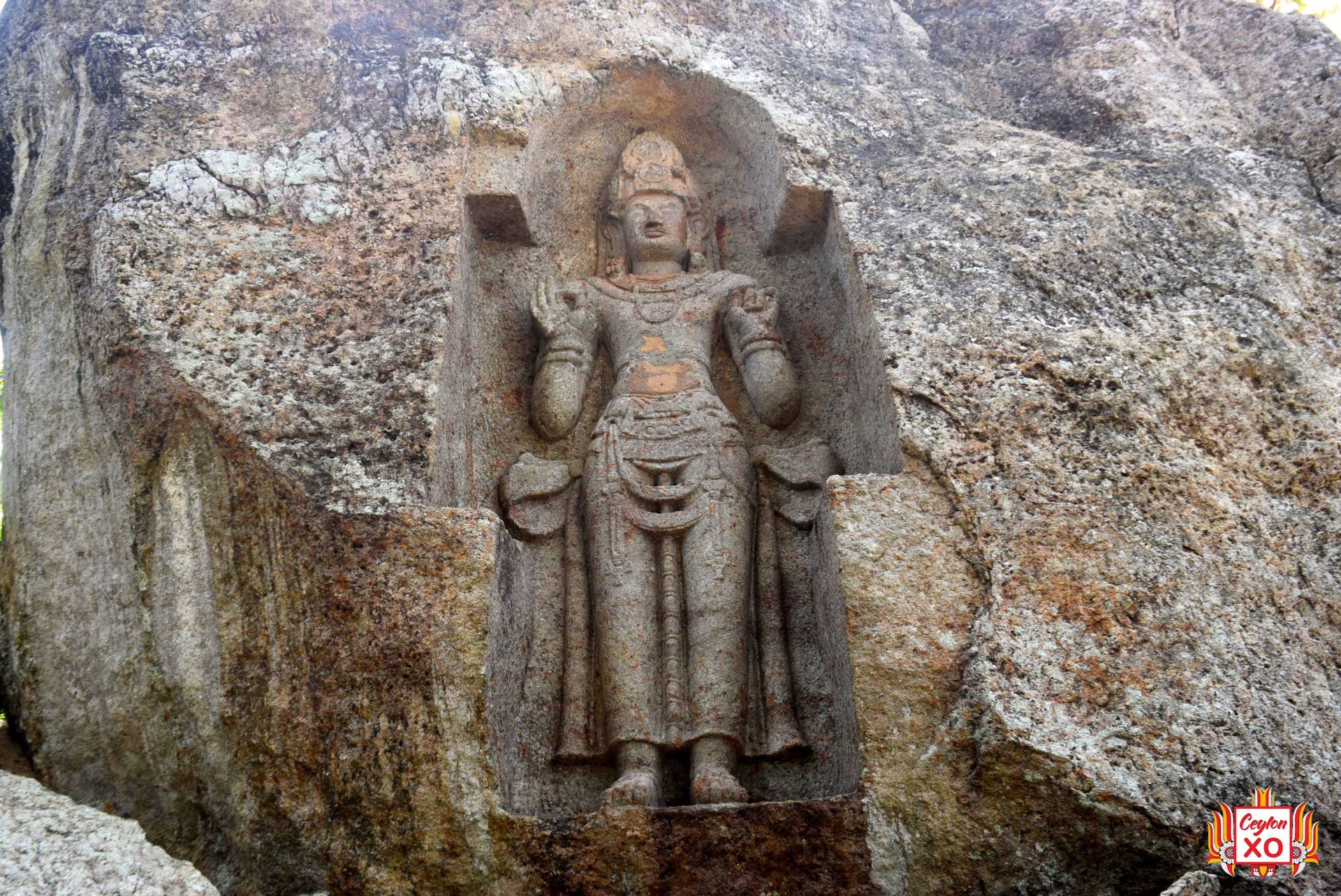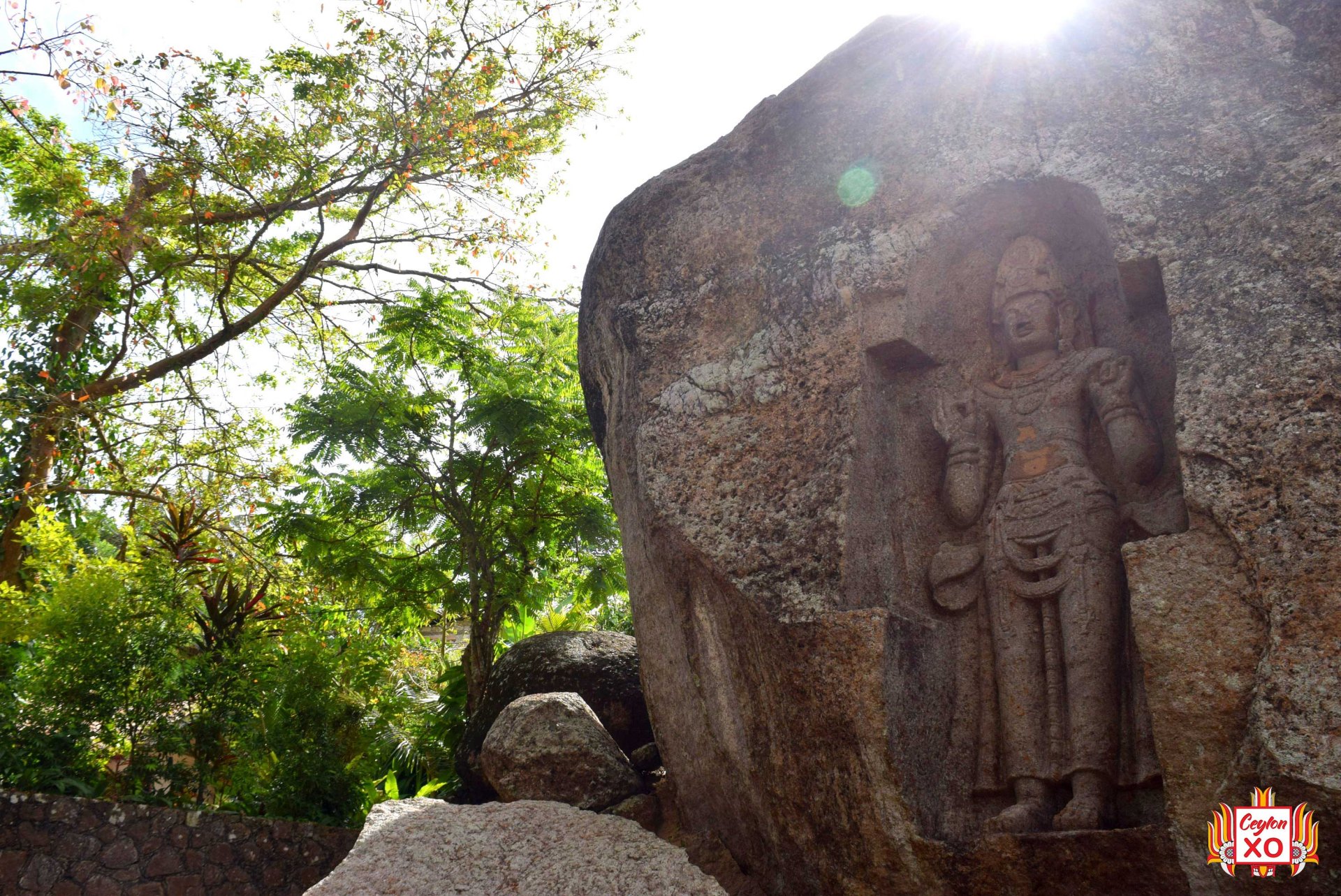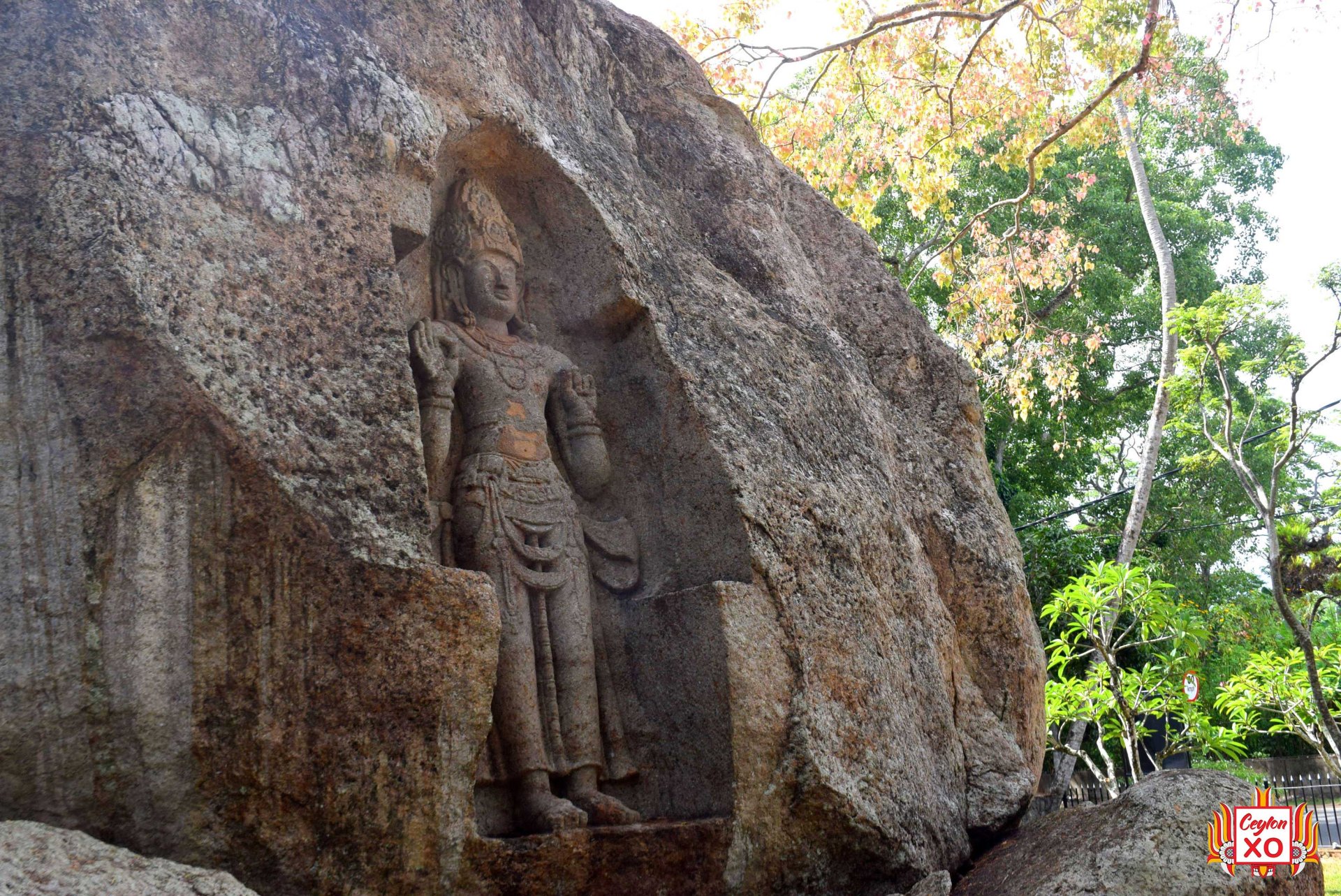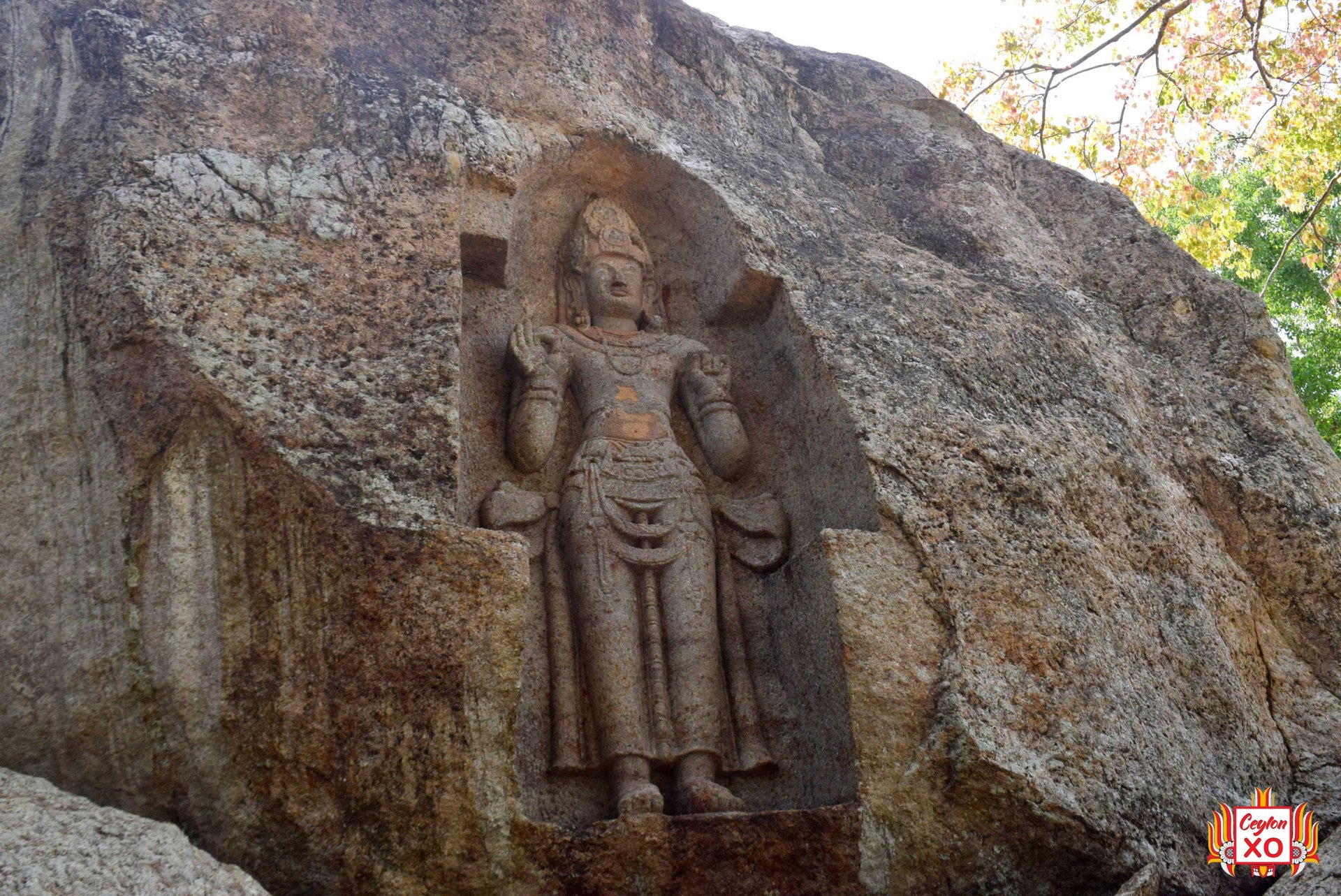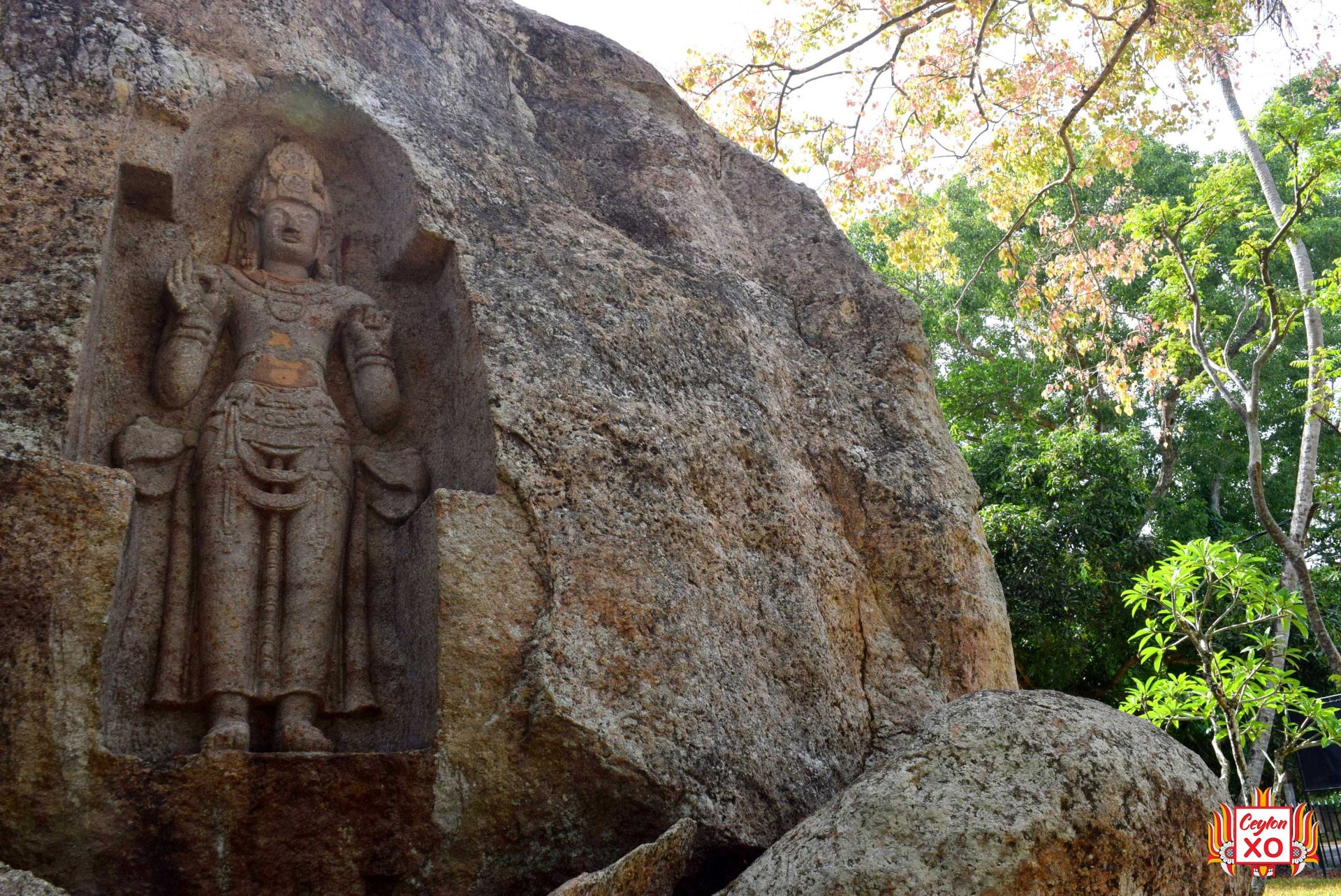
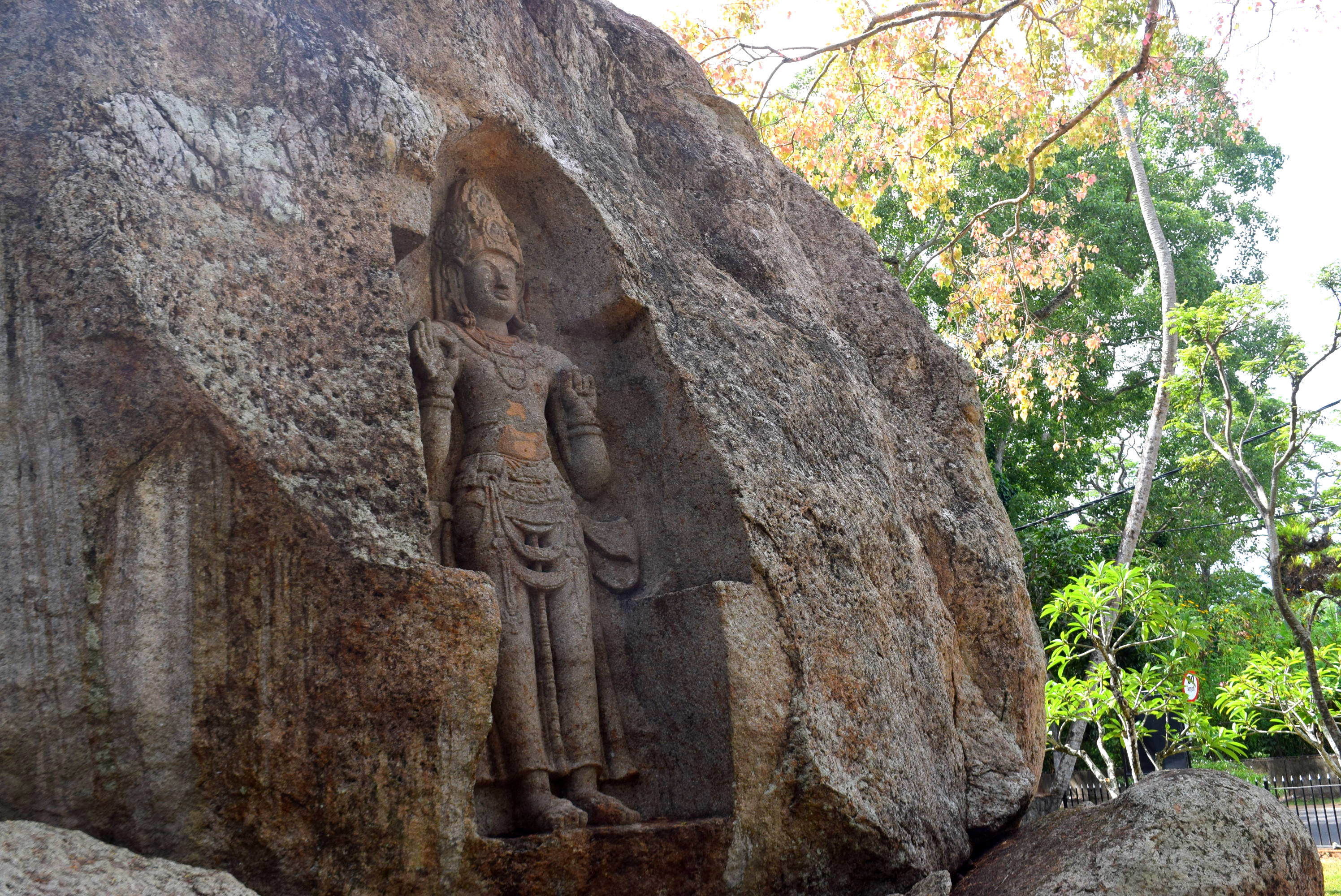
Kushtarajagala, which translates to "The Rock of the Leper King," is situated near the town of Weligama in the Matara District. The monument consists of a large stone statue carved into a natural granite rock. The figure stands approximately 3.8 meters high and is considered one of the finest examples of ancient stone sculpture in Sri Lanka. The statue is believed to have been created between the 6th and 10th centuries CE, during a period when Mahayana Buddhism was influential in the island.
The name "Kushtarajagala" originates from a popular local legend. According to folklore, a king who suffered from a severe skin disease, often believed to be leprosy, sought a cure for many years. One night, he received a divine message instructing him to consume coconut water and coconut pulp as medicine. After recovering from his illness, the king commissioned the statue as an expression of gratitude. As a result, the monument became known as the "Rock of the Leper King." Although this story remains an important part of local tradition, historians generally regard it as a legend rather than a historical fact.
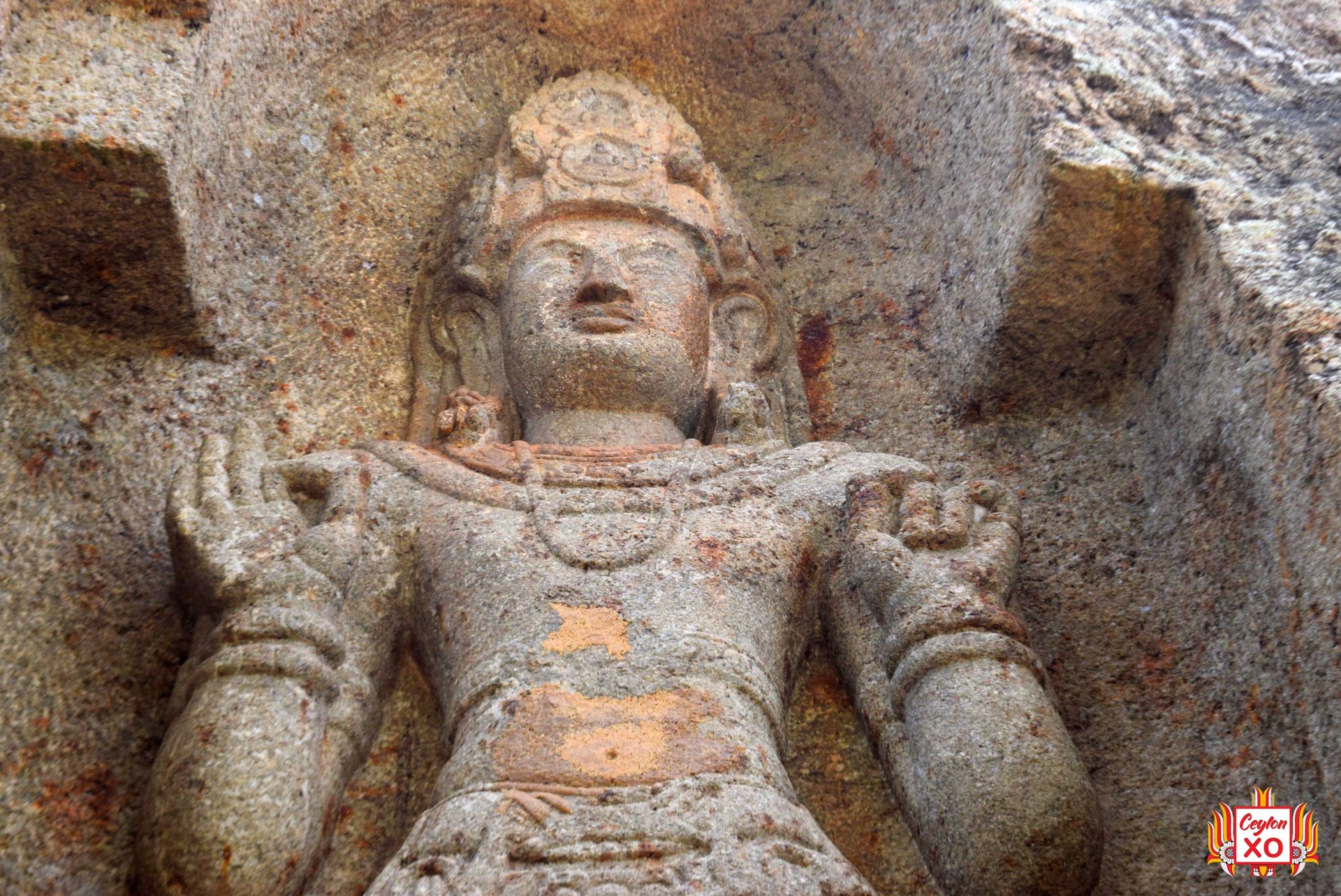
Modern archaeological studies suggest that the statue most likely represents Avalokiteshvara, the Bodhisattva of Compassion in Mahayana Buddhism. Several artistic features support this interpretation. The figure wears an elaborate crown adorned with miniature Buddha images and displays graceful bodily proportions characteristic of Bodhisattva sculptures. The statue also holds a lotus flower, a common symbol associated with Avalokiteshvara. These elements indicate the influence of Mahayana Buddhist traditions that once flourished in parts of Sri Lanka.
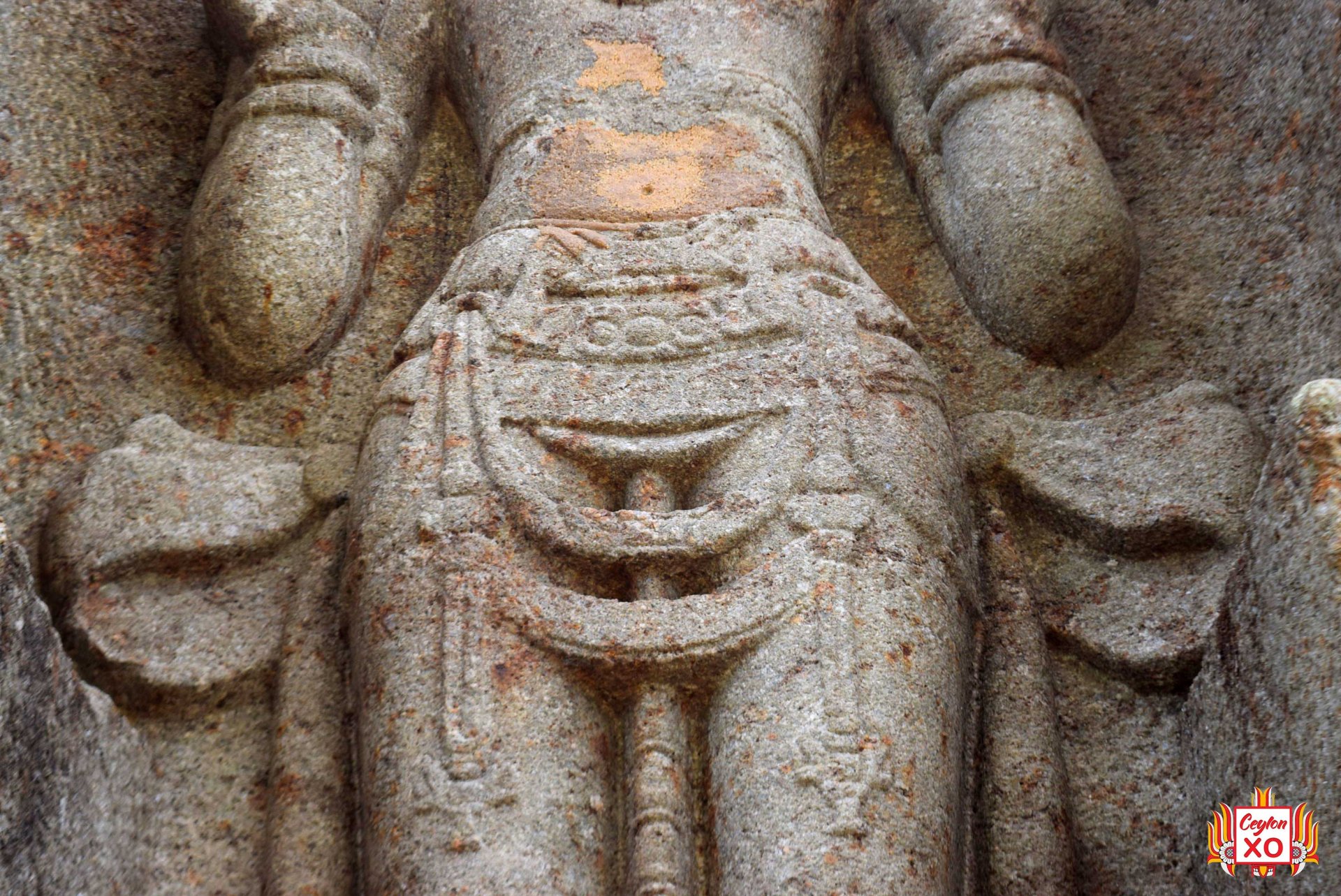
The artistic value of Kushtarajagala is exceptional. The sculpture demonstrates the advanced craftsmanship of ancient Sri Lankan artists, who were able to create intricate details directly on a solid rock surface. The serene facial expression, elegant posture, and finely carved ornaments reveal a high level of artistic sophistication. Even after centuries of exposure to weather and environmental conditions, much of the statue remains remarkably well preserved.
Kushtarajagala is also significant because it provides evidence of the diverse religious practices that existed in ancient Sri Lanka. While Theravada Buddhism eventually became the dominant form of Buddhism on the island, monuments such as Kushtarajagala reveal the historical presence and influence of Mahayana traditions. This makes the site an important resource for understanding the religious and cultural development of Sri Lankan civilisation.