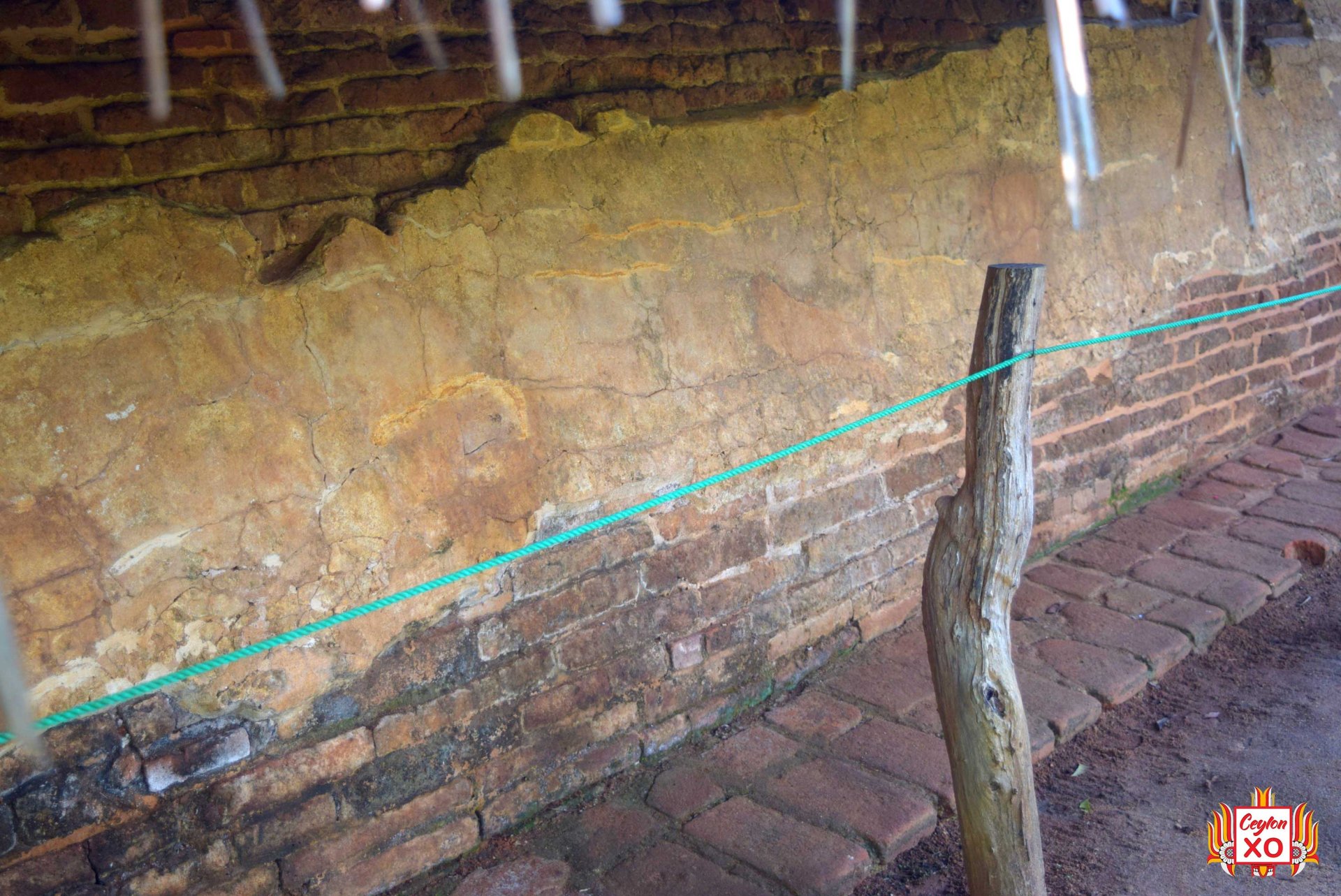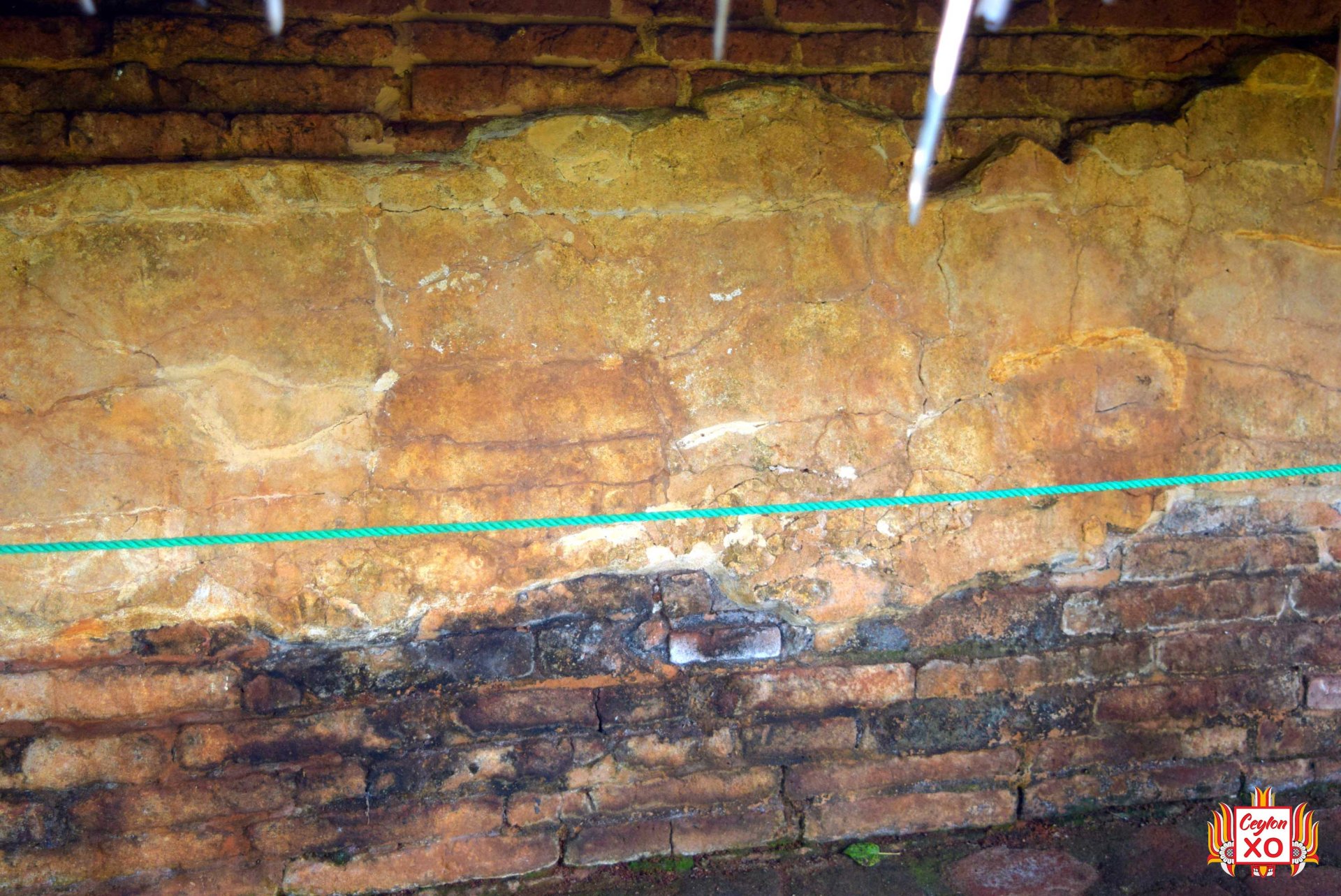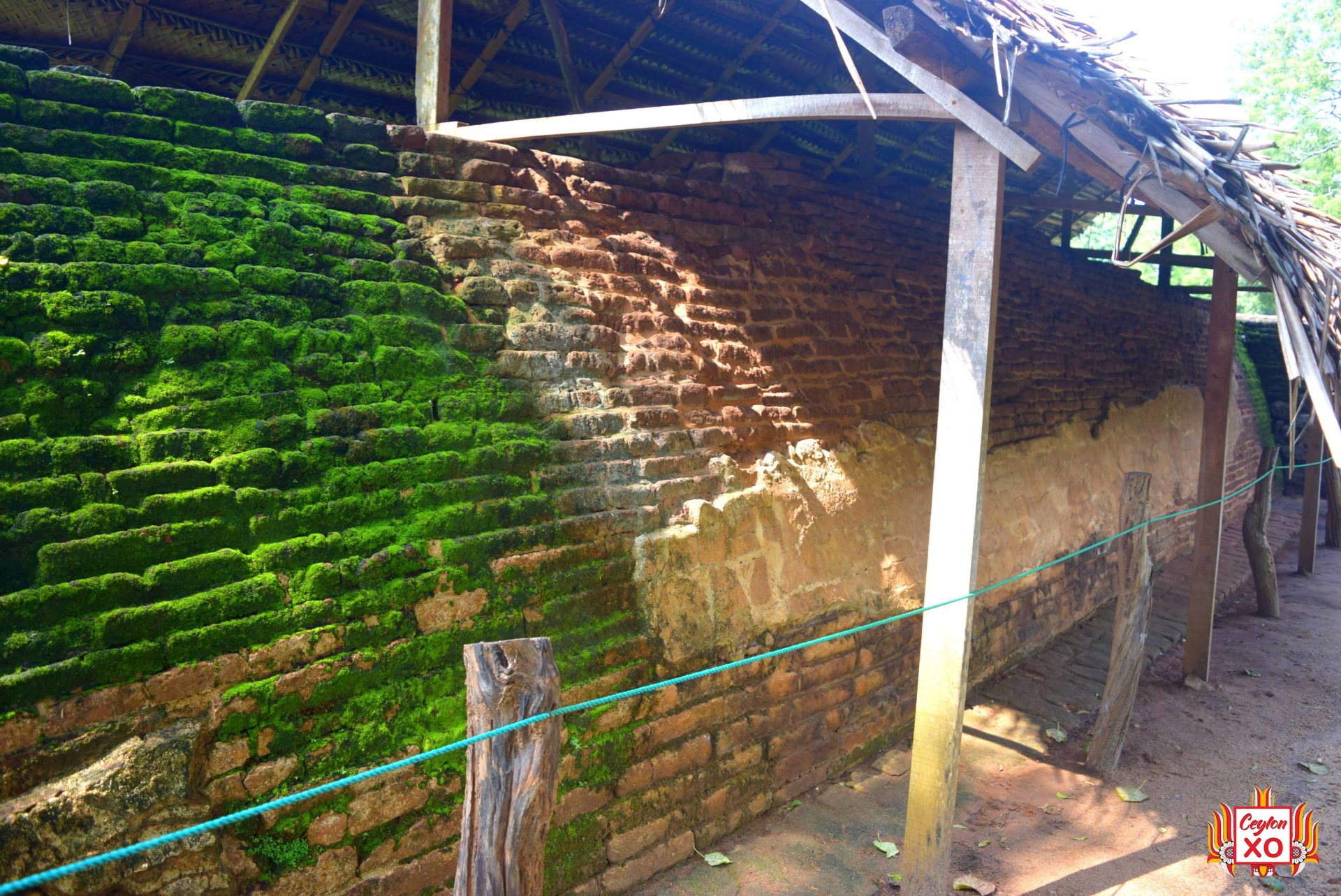
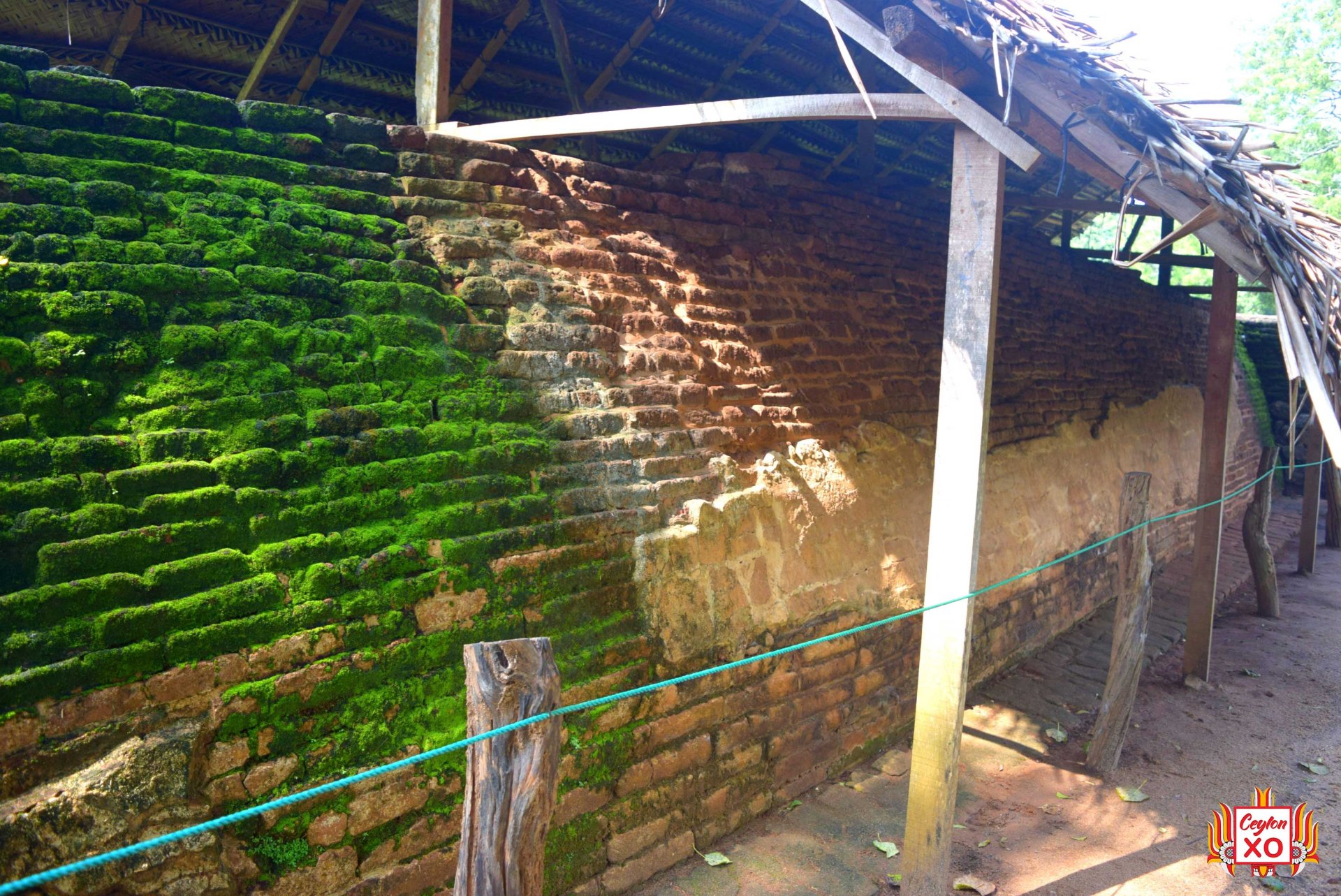
Sigiriya was built as the royal capital of King Kashyapa I between 477 and 495 AD. During the construction of the palace complex, engineers developed a unique type of plaster to protect stone and brick structures from weathering. Unlike ordinary plaster, the Sigiriya mixture was highly resistant to water and cracking, allowing many sections to remain intact even today.
Archaeological and scientific studies have shown that the ancient plaster was made using a carefully prepared combination of lime, fine clay, river sand, and natural binding materials. The builders also mixed organic ingredients such as egg white, honey, plant resins, sugar syrup, and extracts from certain trees to improve the plaster's strength, flexibility, and water resistance. These natural additives helped prevent cracks and increased the durability of the finished surface.
One of the finest examples of this technology is the famous Mirror Wall of Sigiriya. The wall was covered with a highly polished plaster that produced a smooth, glossy surface capable of reflecting images like a mirror. Historical records describe how visitors could see their own reflections while walking along the narrow pathway beneath the world-famous Sigiriya frescoes. Even today, parts of the Mirror Wall remain smooth and shiny, demonstrating the extraordinary quality of the ancient plaster.
The same plaster technology was also used beneath the Sigiriya frescoes. The artists first prepared a strong, smooth plaster surface before applying natural mineral pigments to create the beautiful paintings of celestial maidens. The excellent bond between the plaster and the pigments has allowed these frescoes to survive for over fifteen centuries, despite exposure to natural weathering.
The plaster also played an important engineering role throughout the Sigiriya fortress. It protected brick walls, stairways, terraces, ponds, and drainage systems from moisture damage. Some sections were specially formulated to be waterproof, helping preserve fountains, pools, and other hydraulic structures that continue to function during the rainy season.