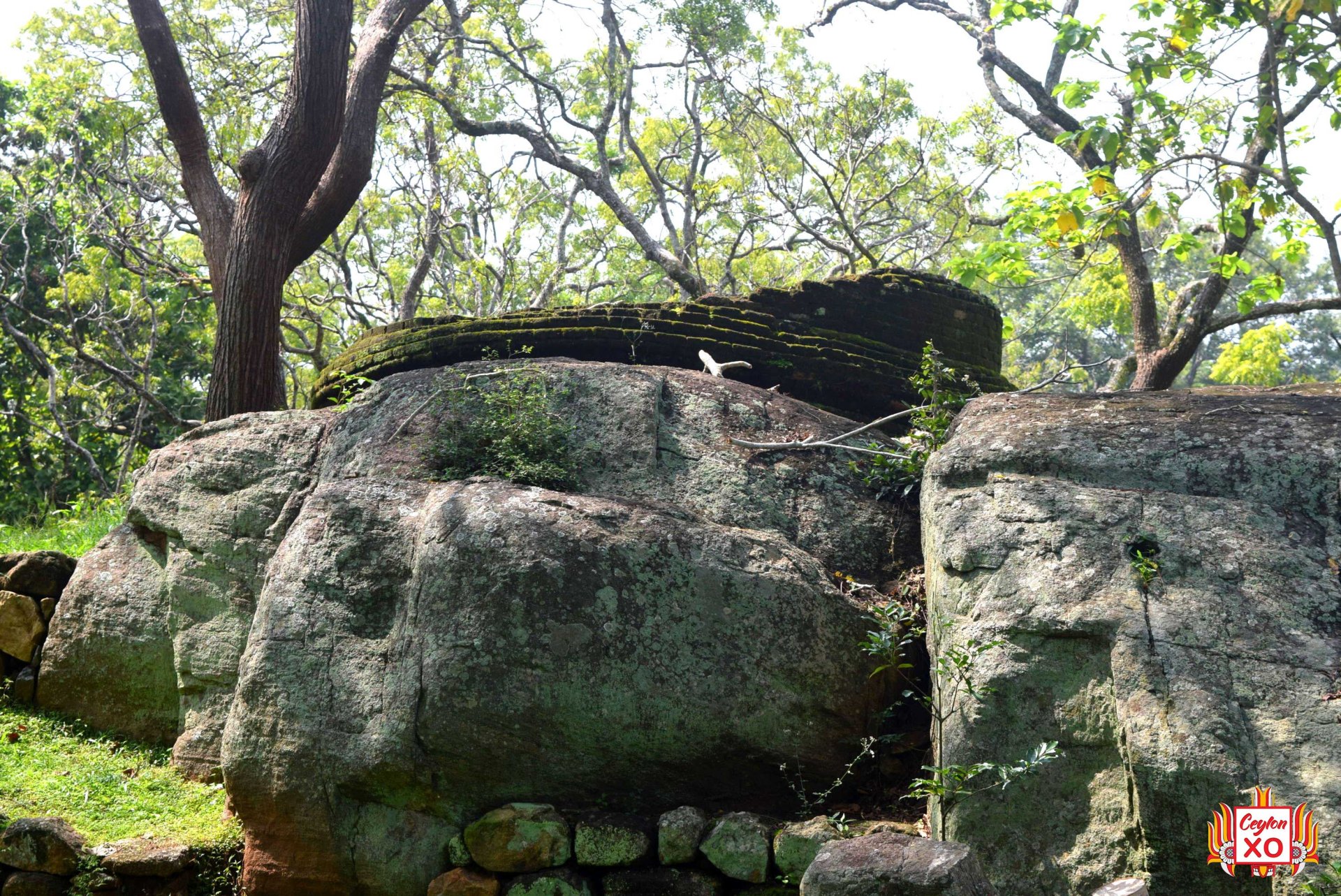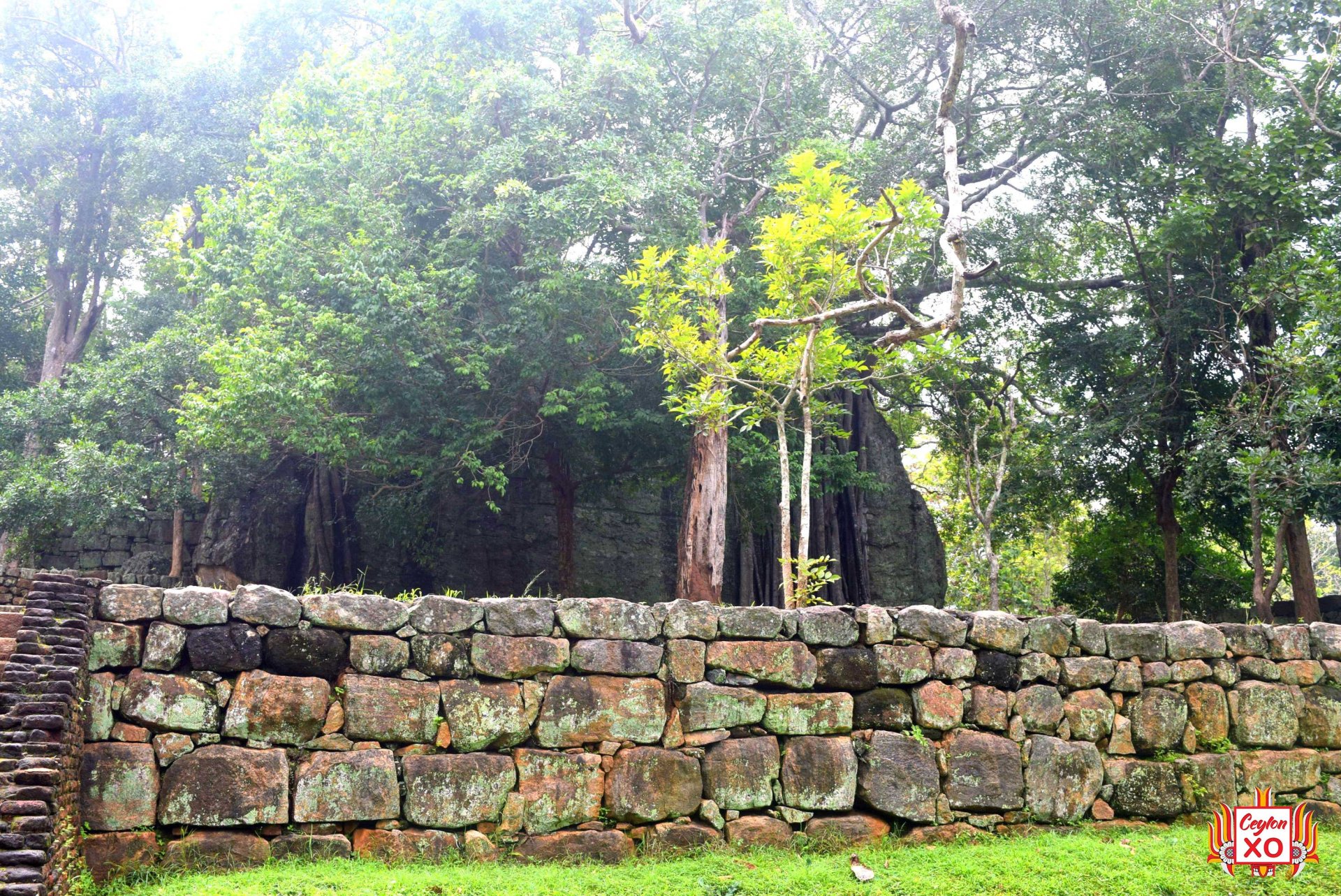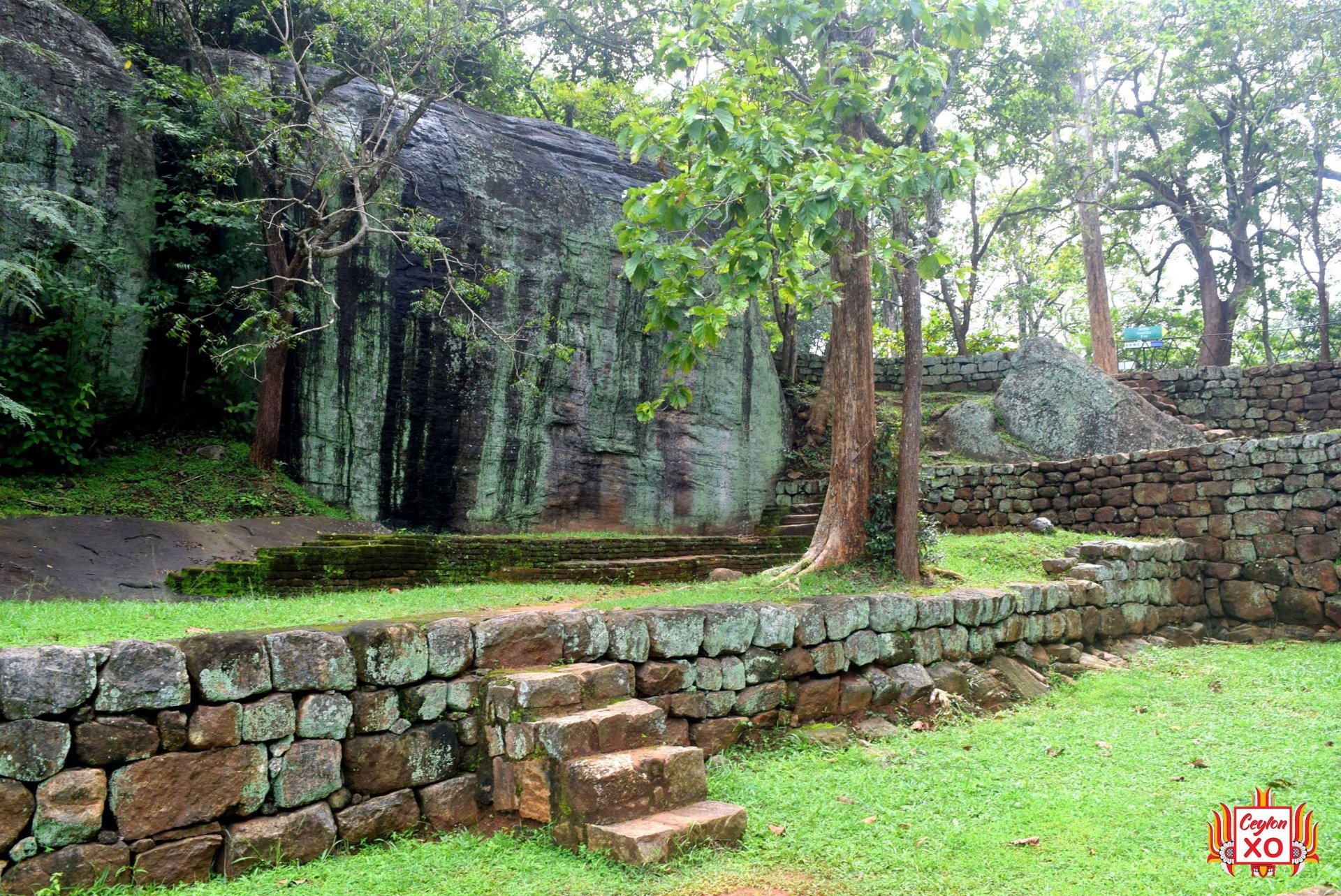
During the reign of King Kashyapa in the 5th century AD, the monastery was transformed into a magnificent royal city and palace complex. After the fall of King Kashyapa, Sigiriya once again became an active Buddhist monastery. Several important monuments, including the Bodhighara, Image House, and Stupa located within the rock garden, belong to this second monastic phase and reflect the site's continued religious significance.
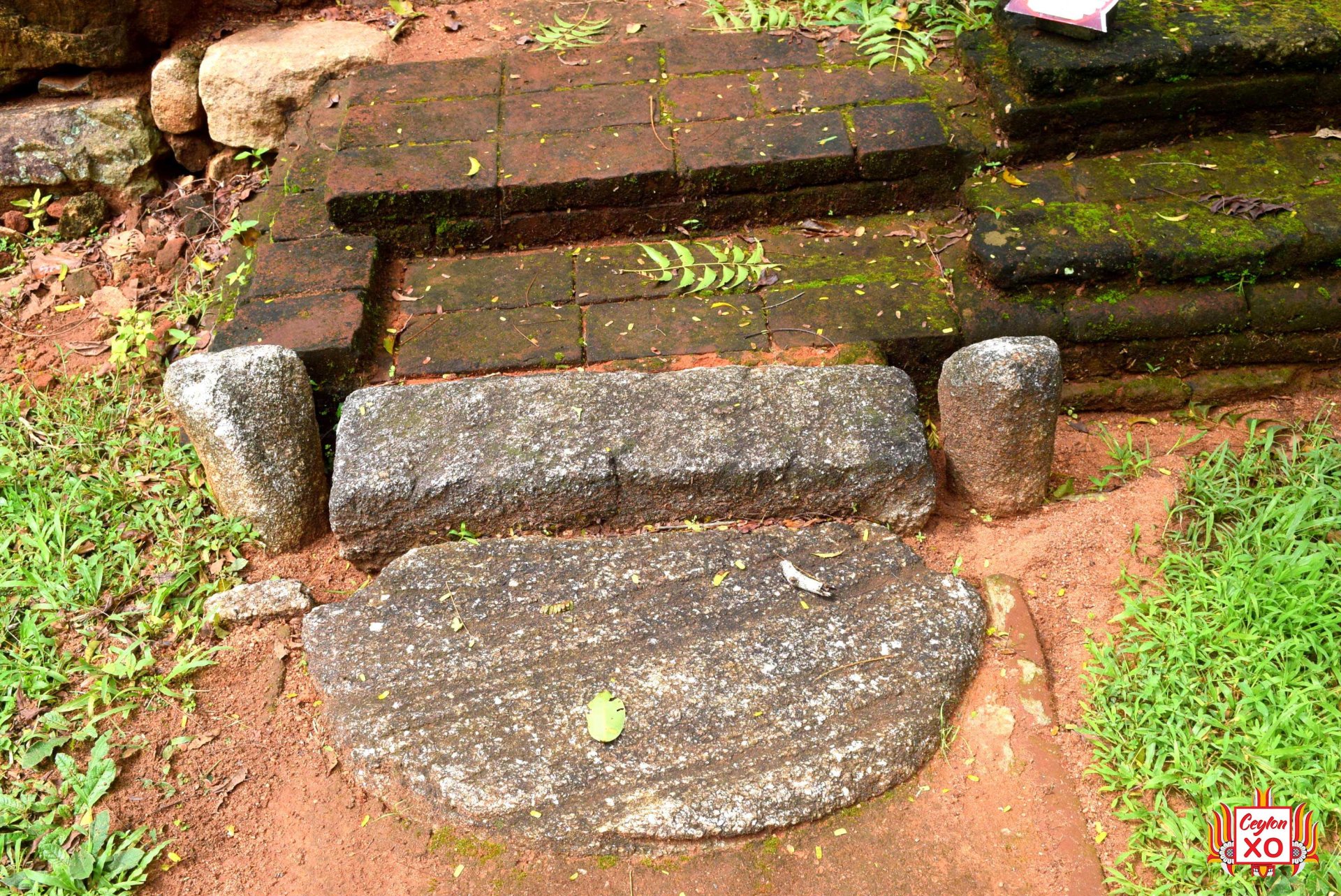
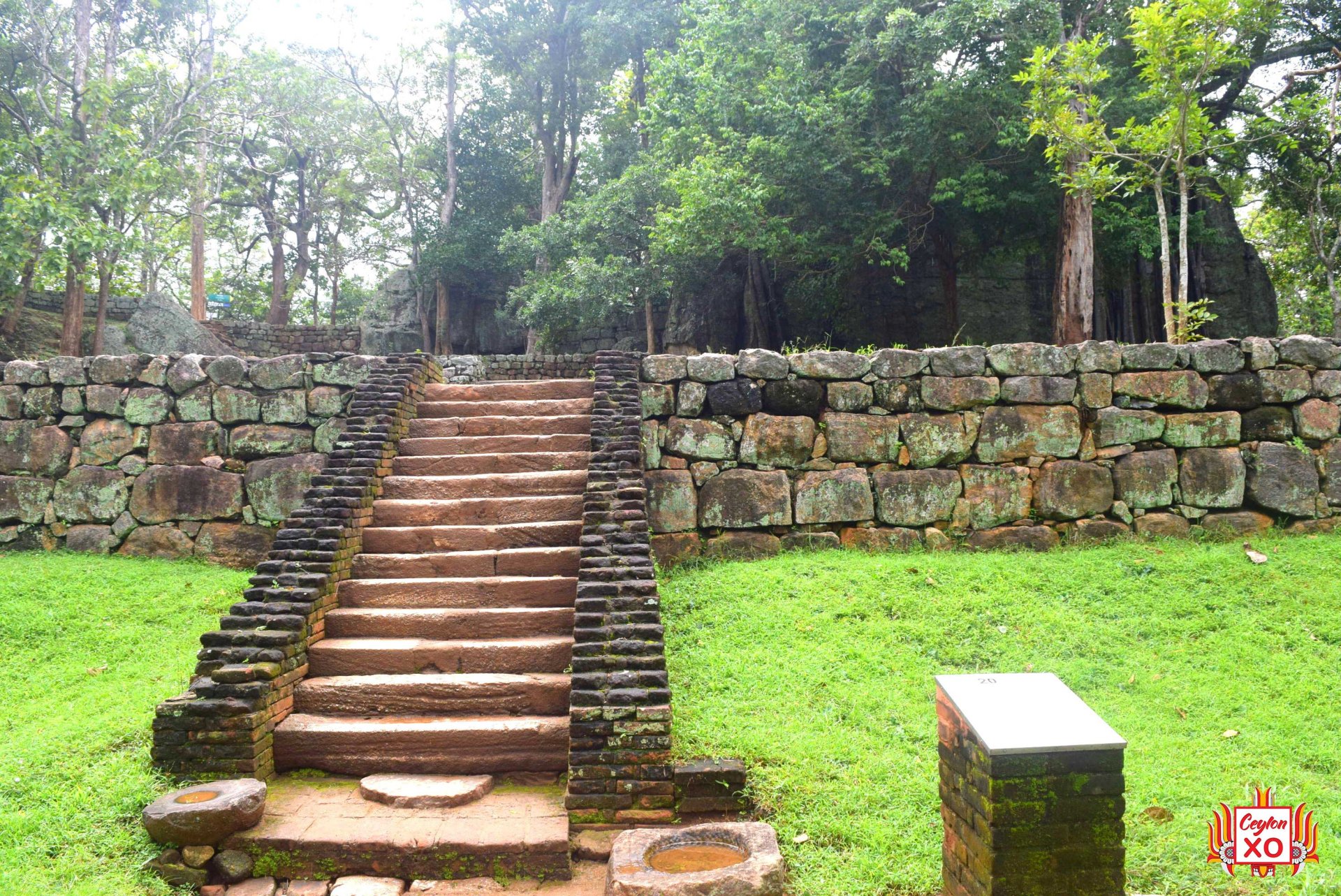
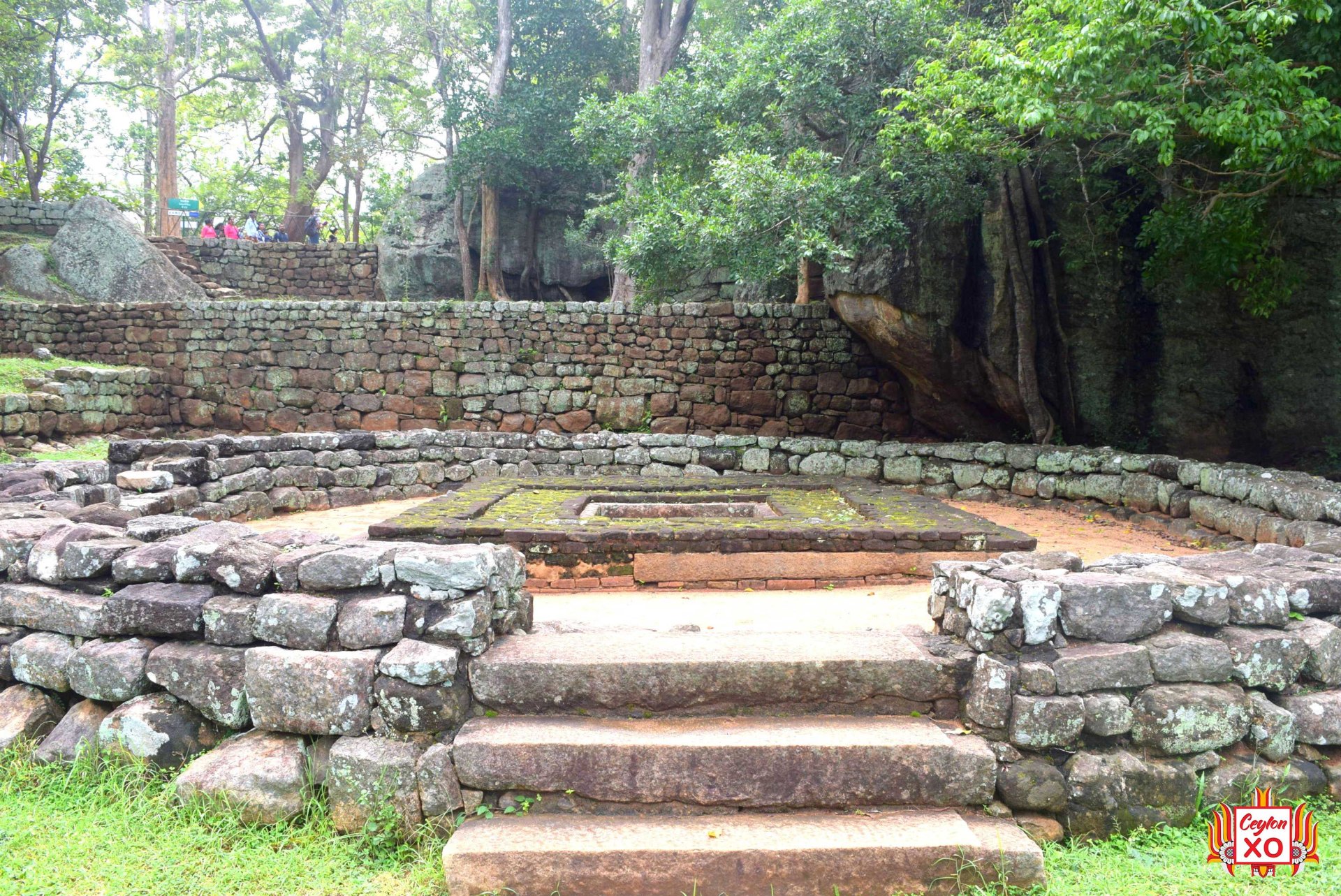
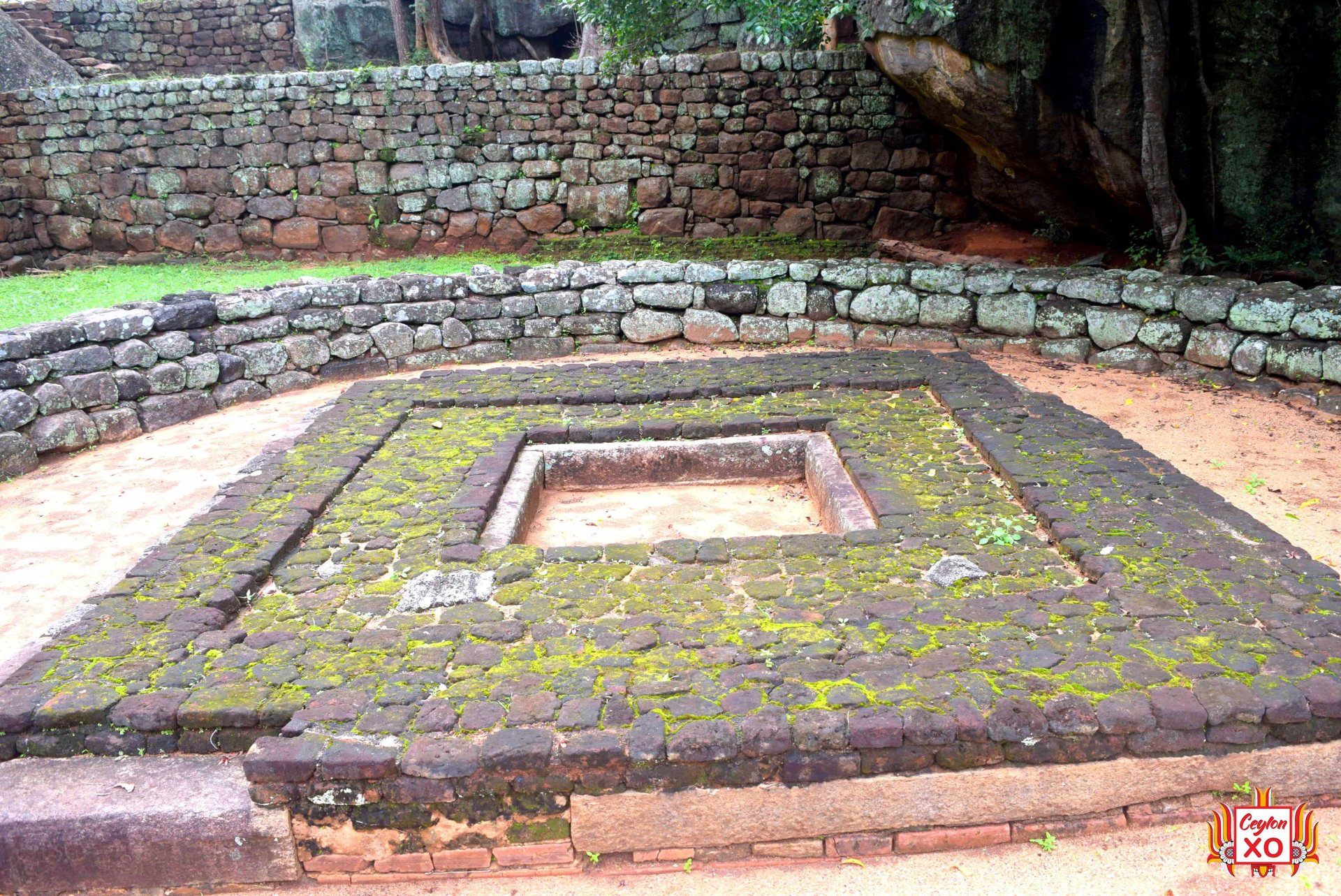
One of the most important monuments from this later period is the Bodhighara, or Bodhi Tree Shrine. This structure was specially constructed to enshrine a sacred Bodhi tree after the restoration of the monastery. Its architectural plan consists of a circular outer stone wall surrounding a central brick platform, with a square pit lined with polished stone slabs where the Bodhi tree was planted. The main entrance faces north, and at the foot of the steps is a stone water basin known as a "Padoniya," where monks and visitors washed their feet before entering the shrine.
Archaeological studies have revealed that the Bodhighara was built in two distinct construction phases. The circular stone enclosure and the limestone remains of the central platform belong to the earlier phase, while the brick paving and carefully polished stone slabs surrounding the Bodhi tree pit were added during a later period. These modifications demonstrate that the shrine continued to be maintained and renovated over many centuries.
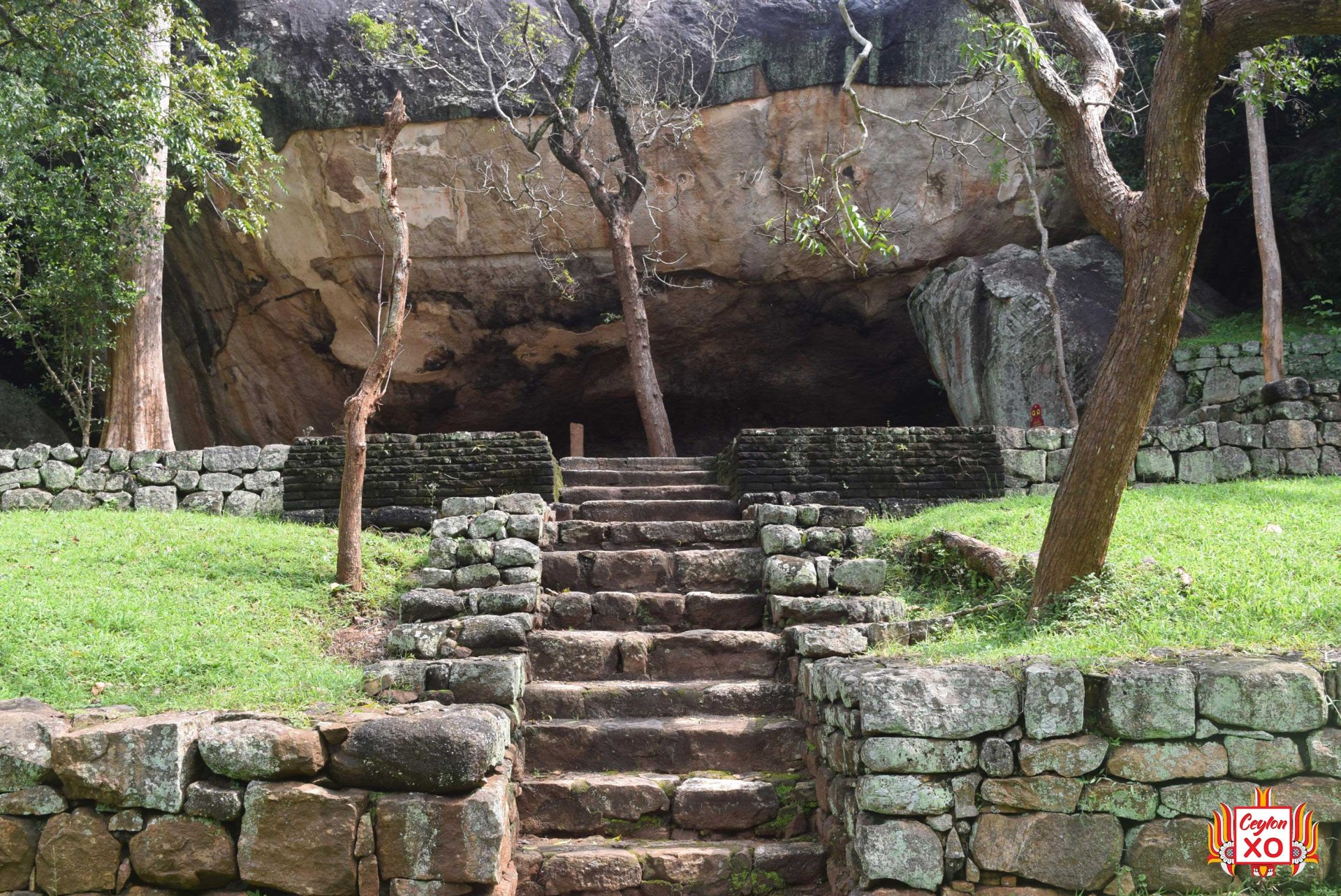
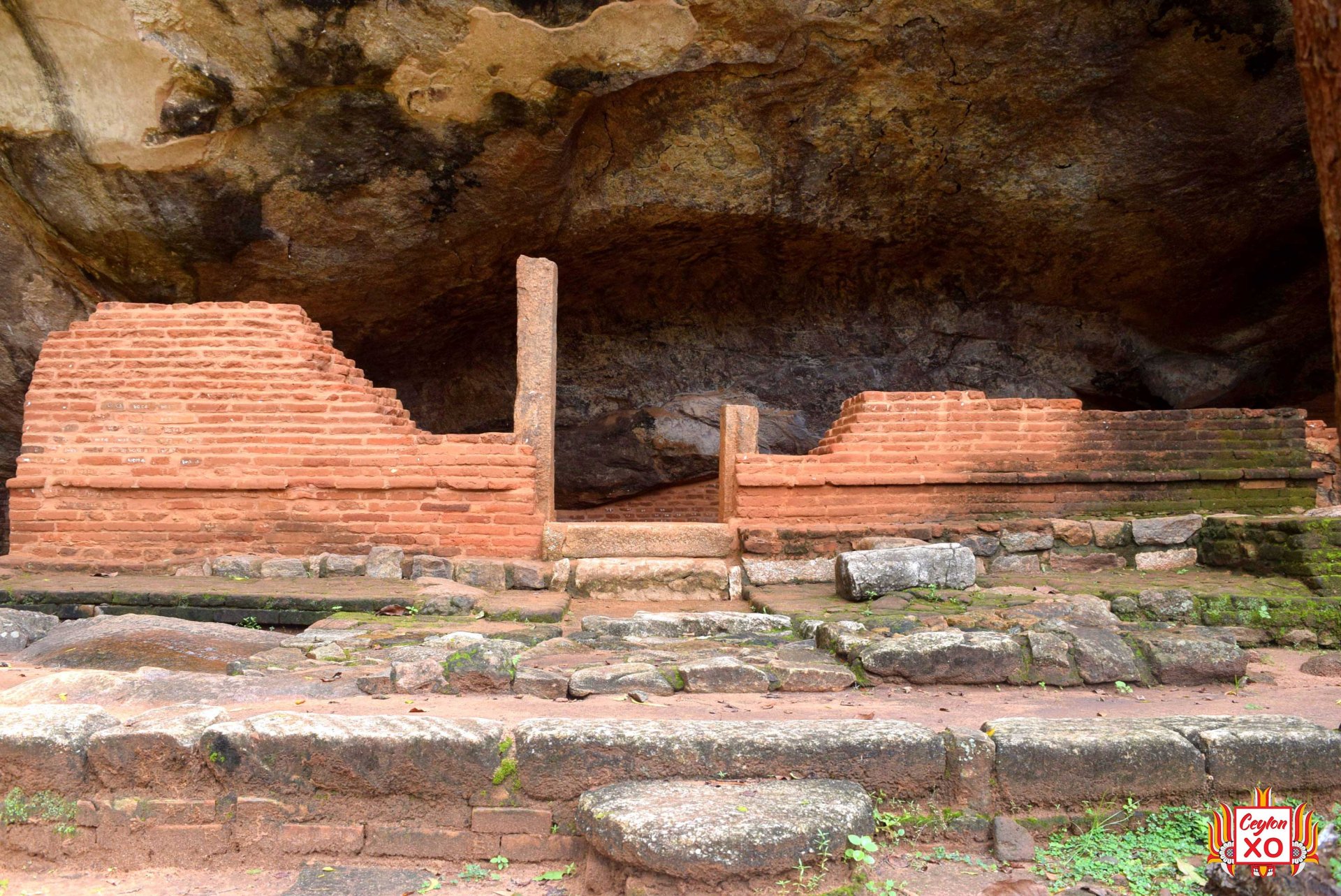
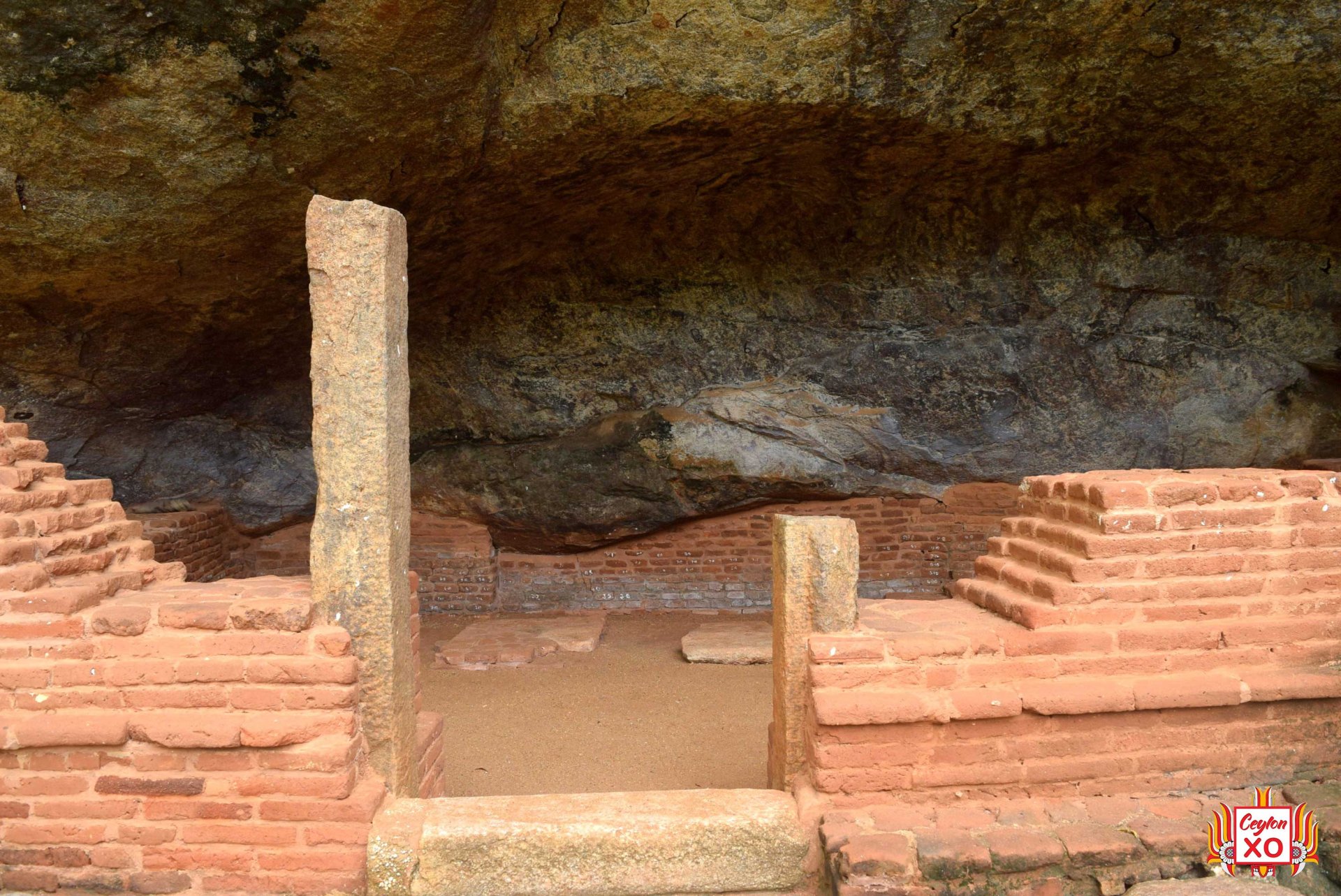
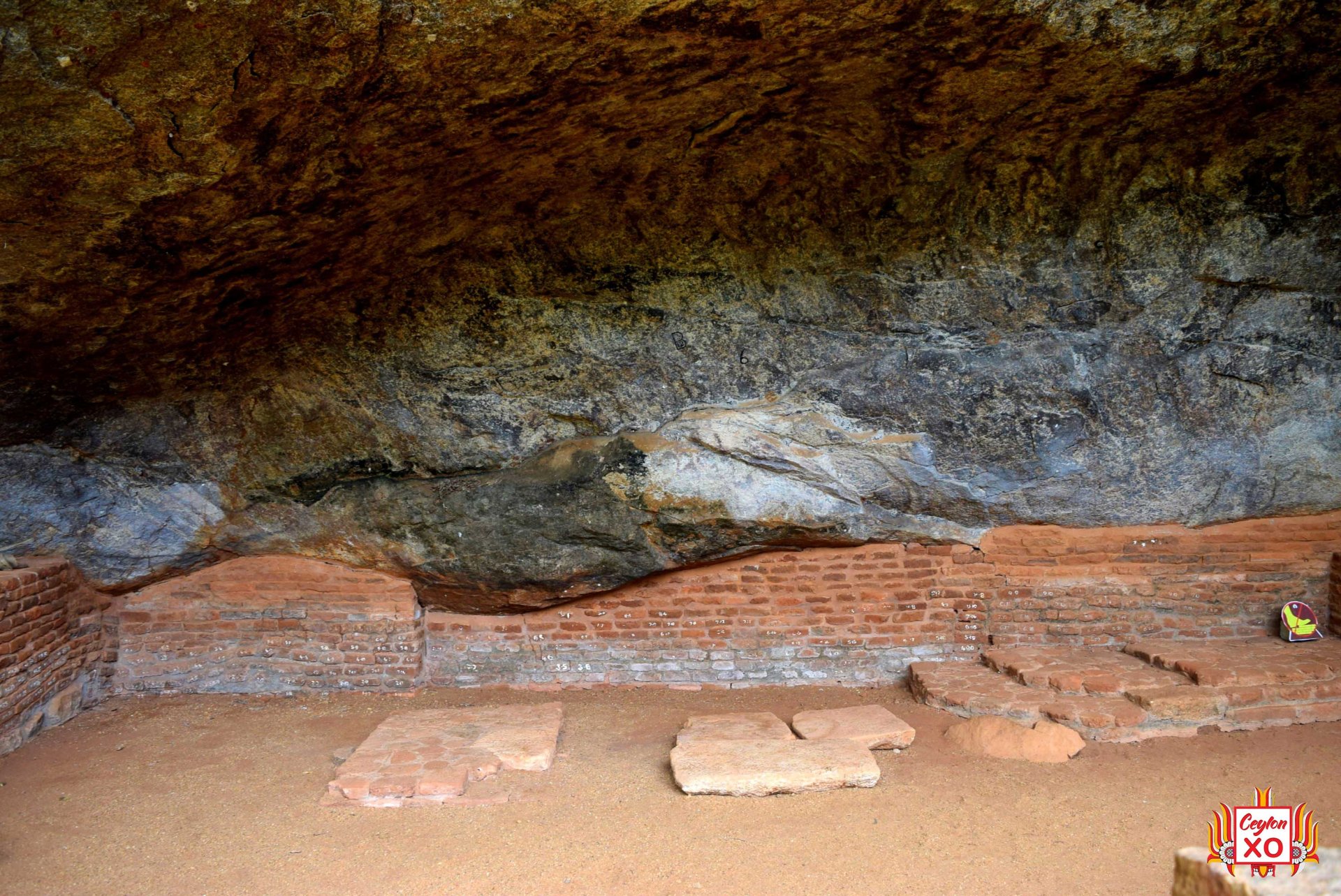
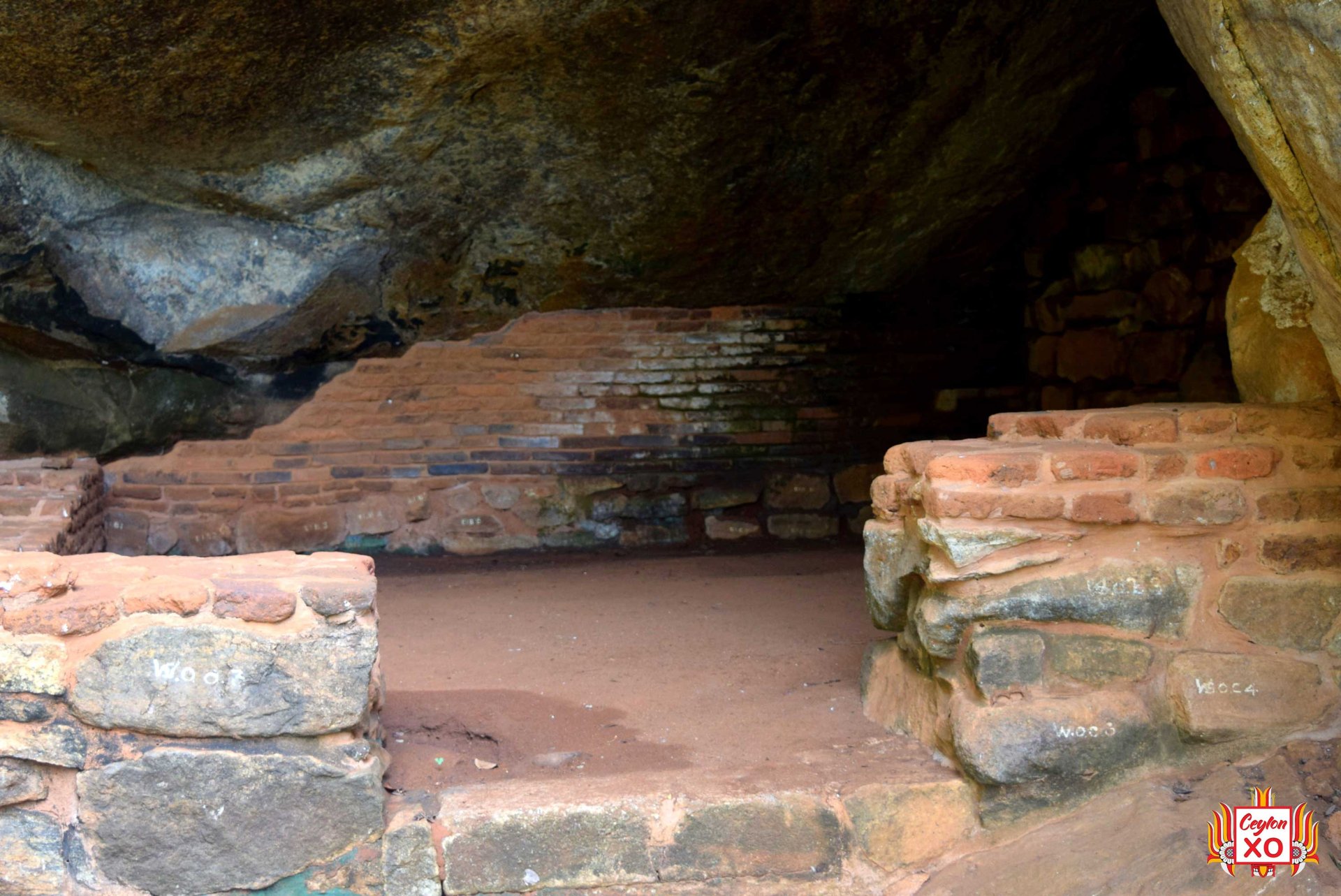
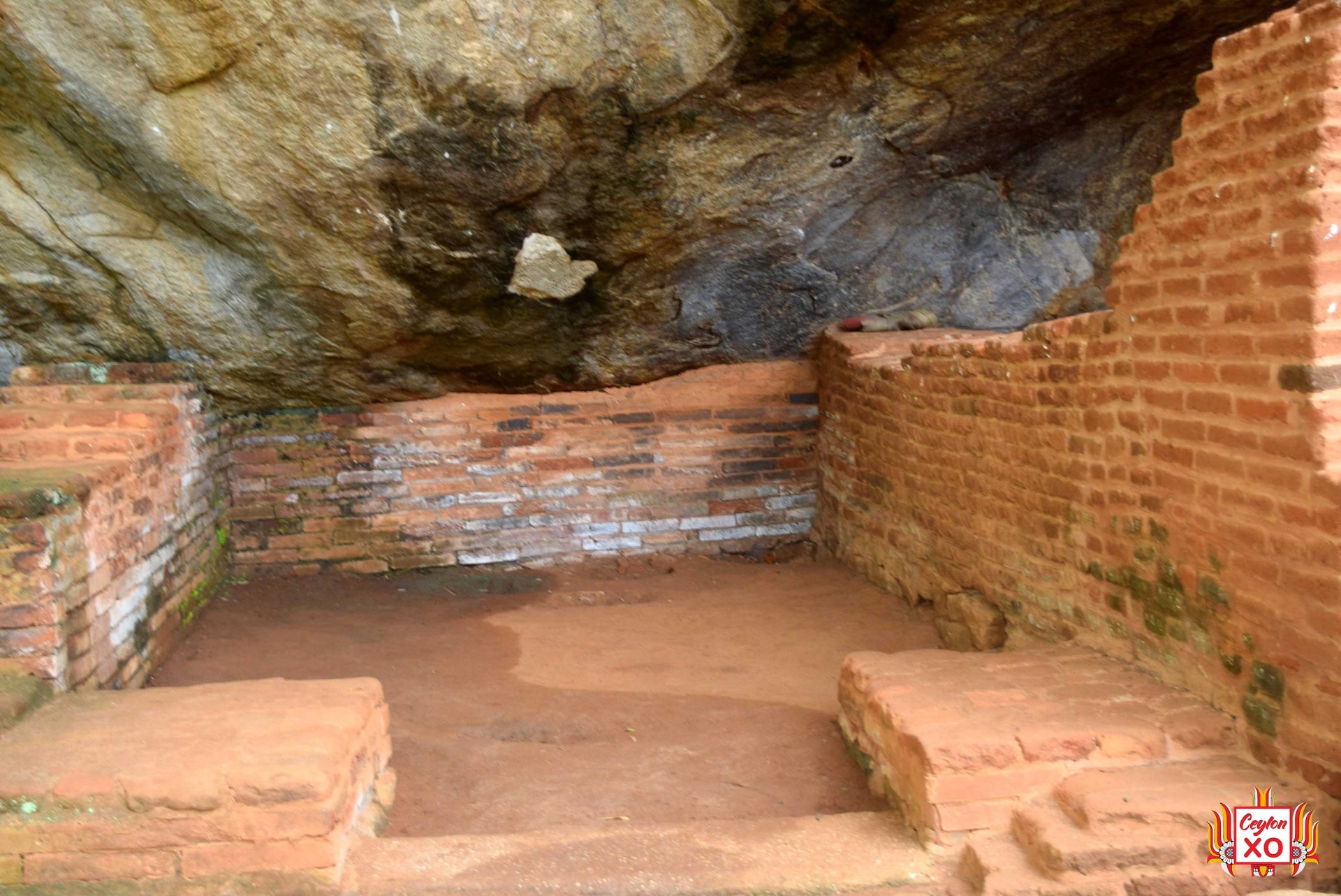
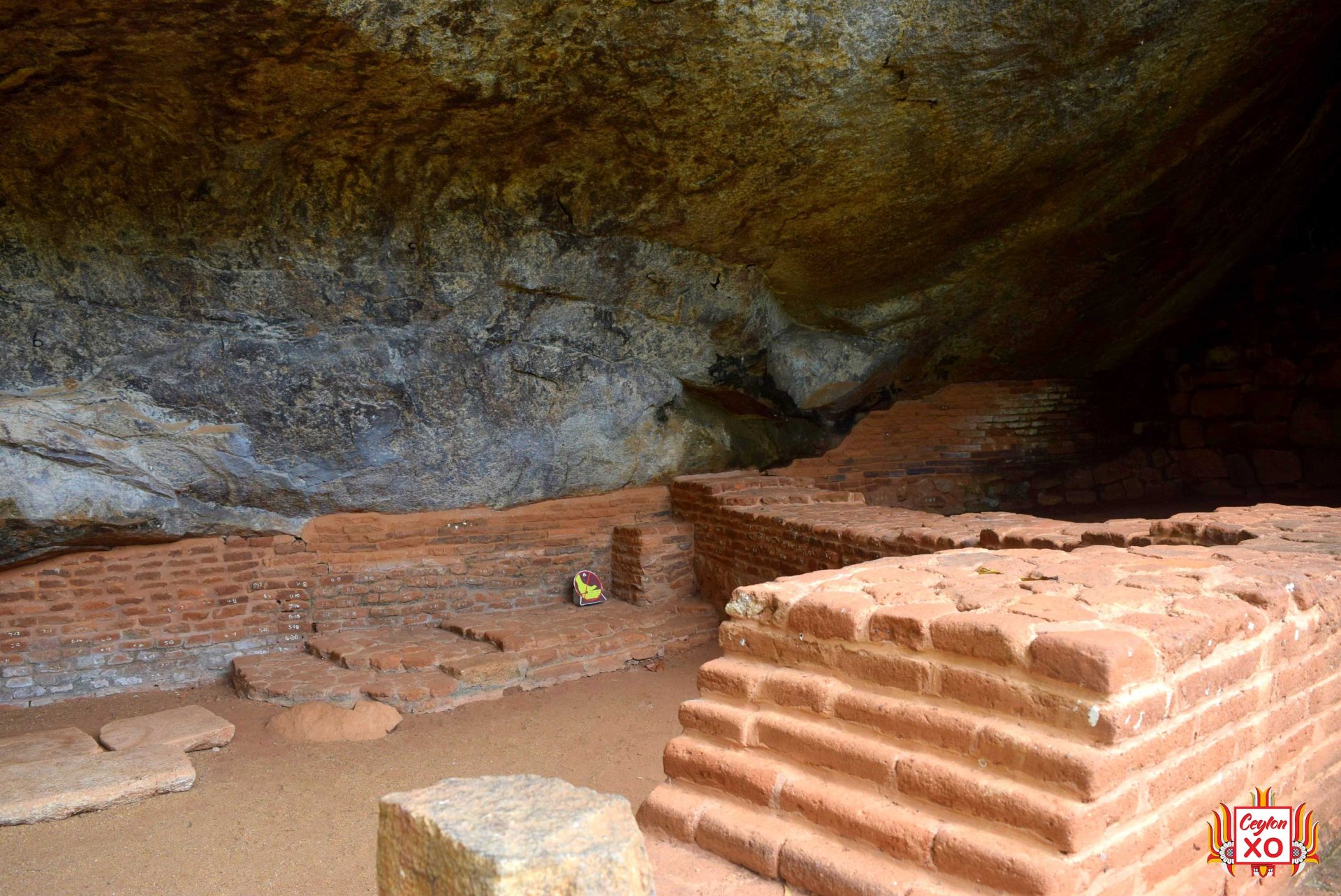
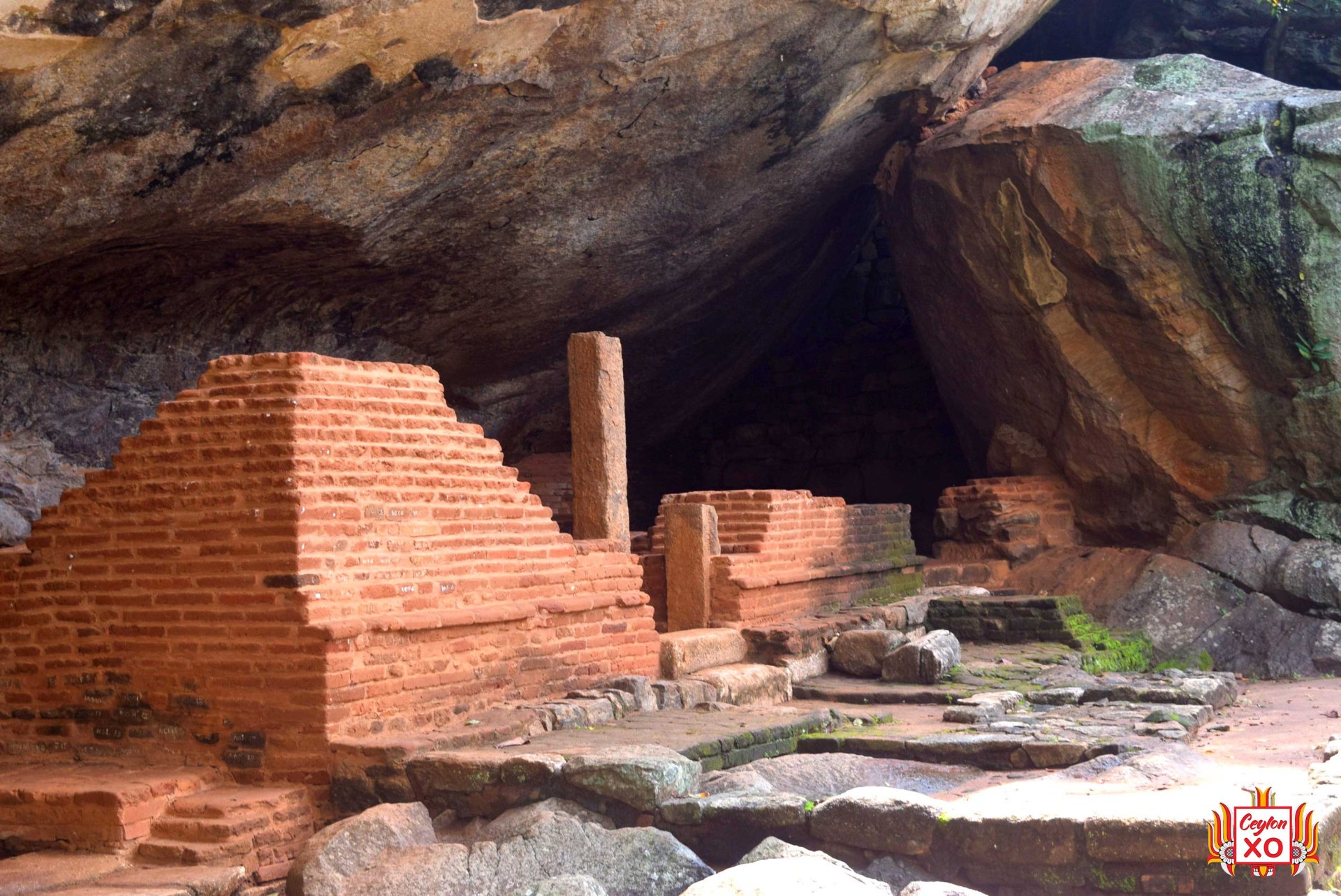
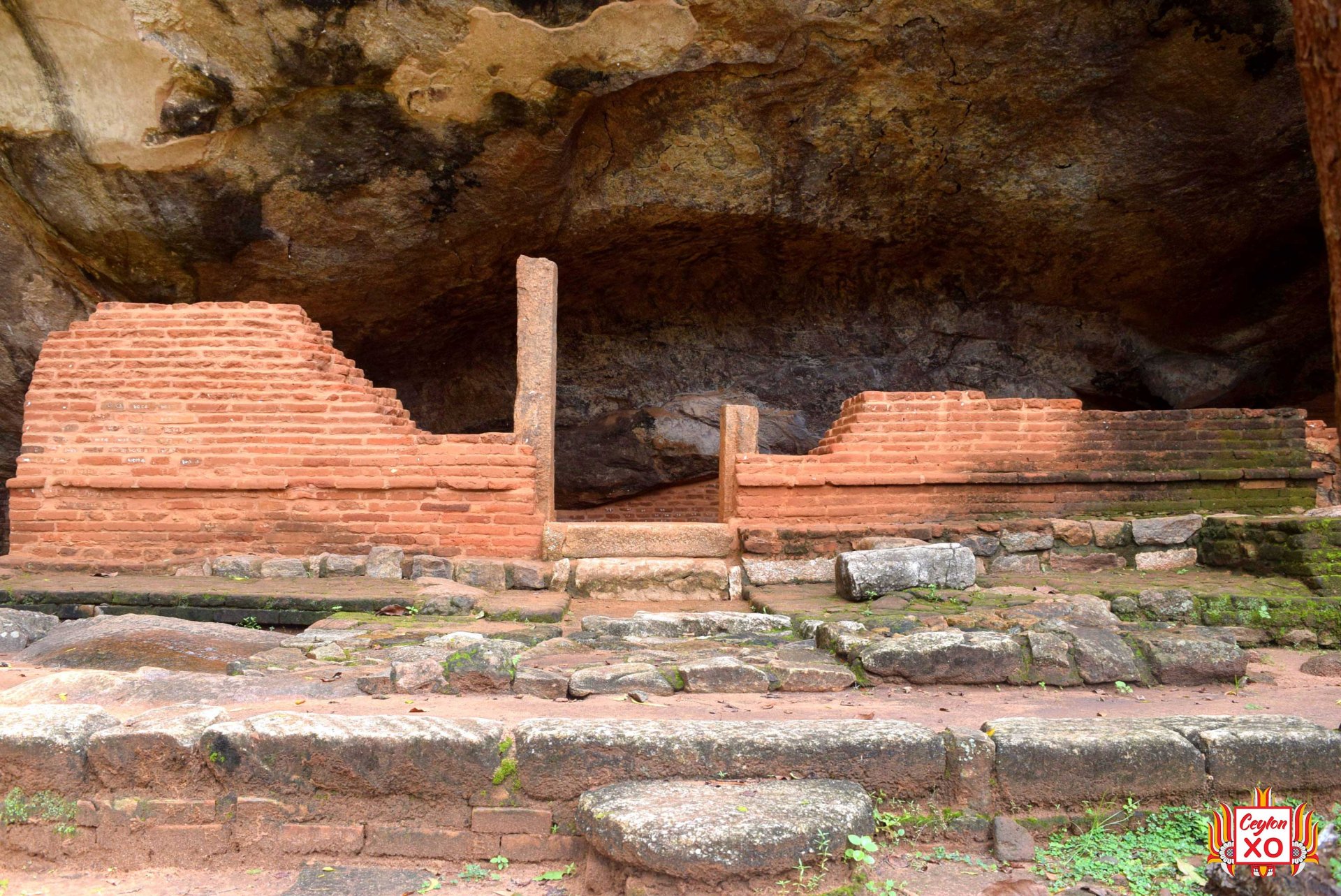
Several of the ancient caves were originally used as meditation dwellings by Buddhist monks during the first monastic phase. After the reign of King Kashyapa, some of these caves were converted into image houses for religious worship. Archaeological evidence shows that a second drip-ledge was added beyond the original one, while the interior rock surfaces were carefully plastered and decorated with paintings. Several layers of plaster containing traces of ancient artwork can still be observed in some of the caves, indicating that these sacred spaces were richly decorated.
One of the most remarkable discoveries within these caves is a limestone statue of the Buddha, although its head is now missing. Based on its artistic style and iconographic features, the statue is believed to date to the 7th or 8th century AD. Together with the surviving paintings, inscriptions, and architectural remains, it provides important evidence of the continued religious activity at Sigiriya long after the royal capital had been abandoned.