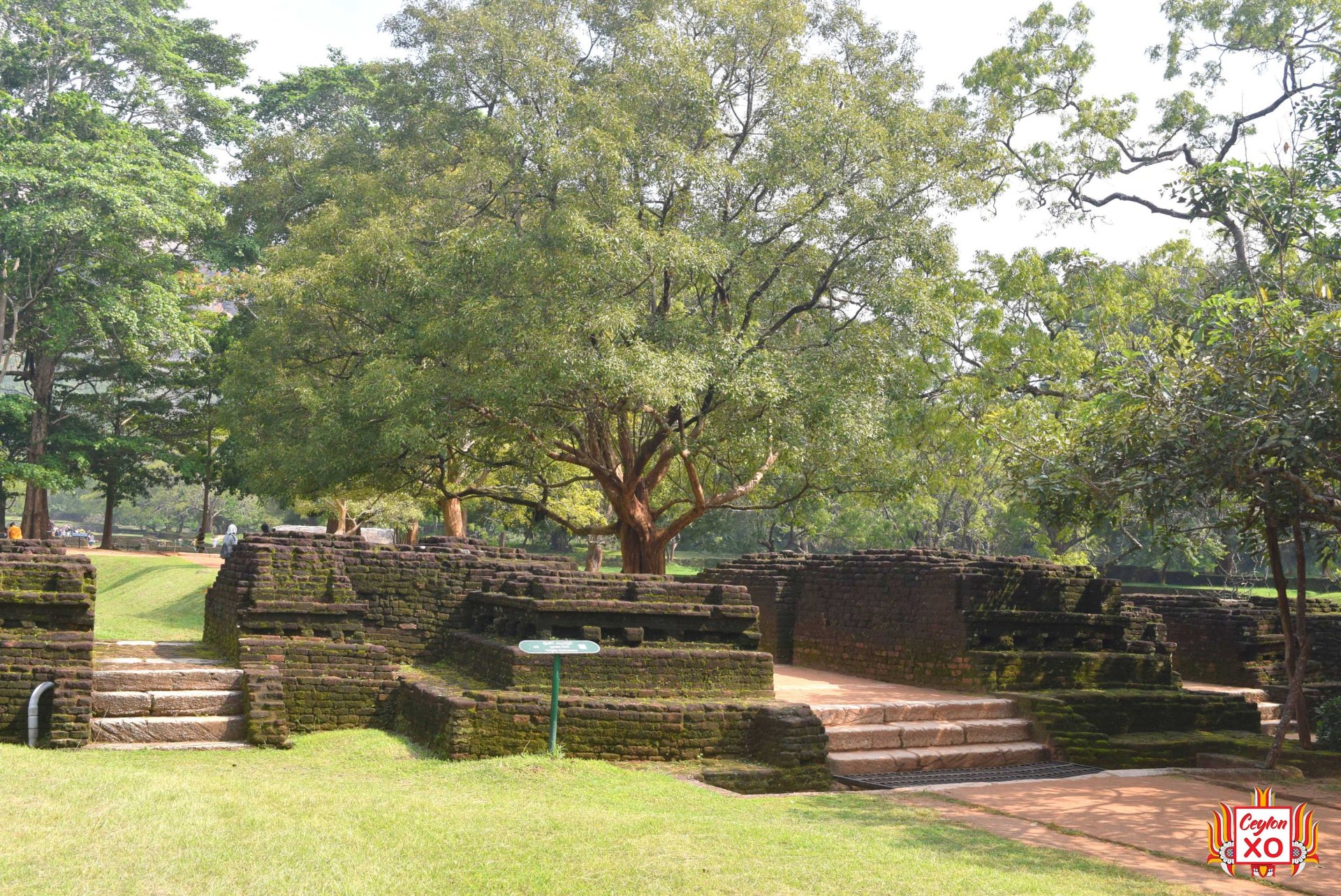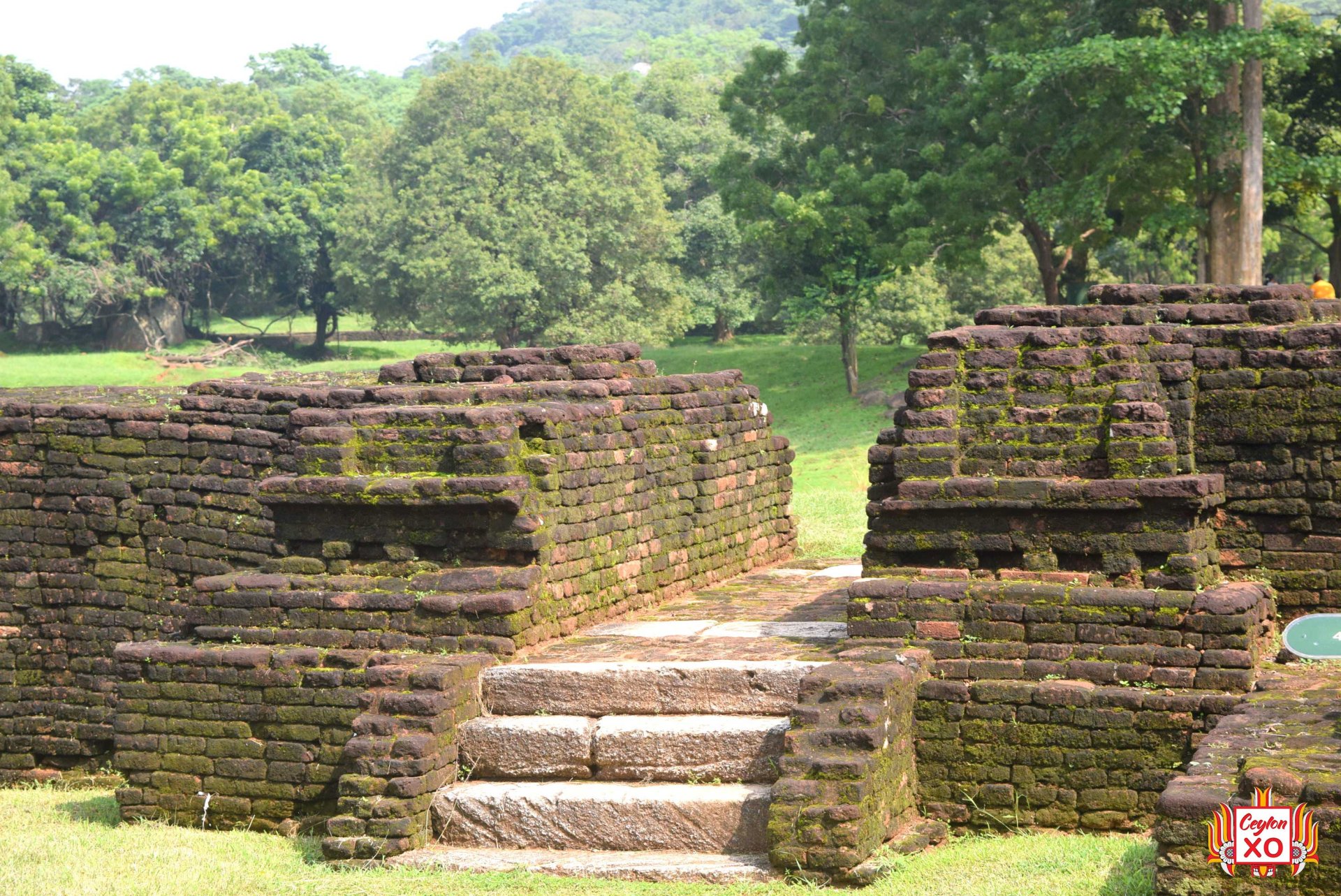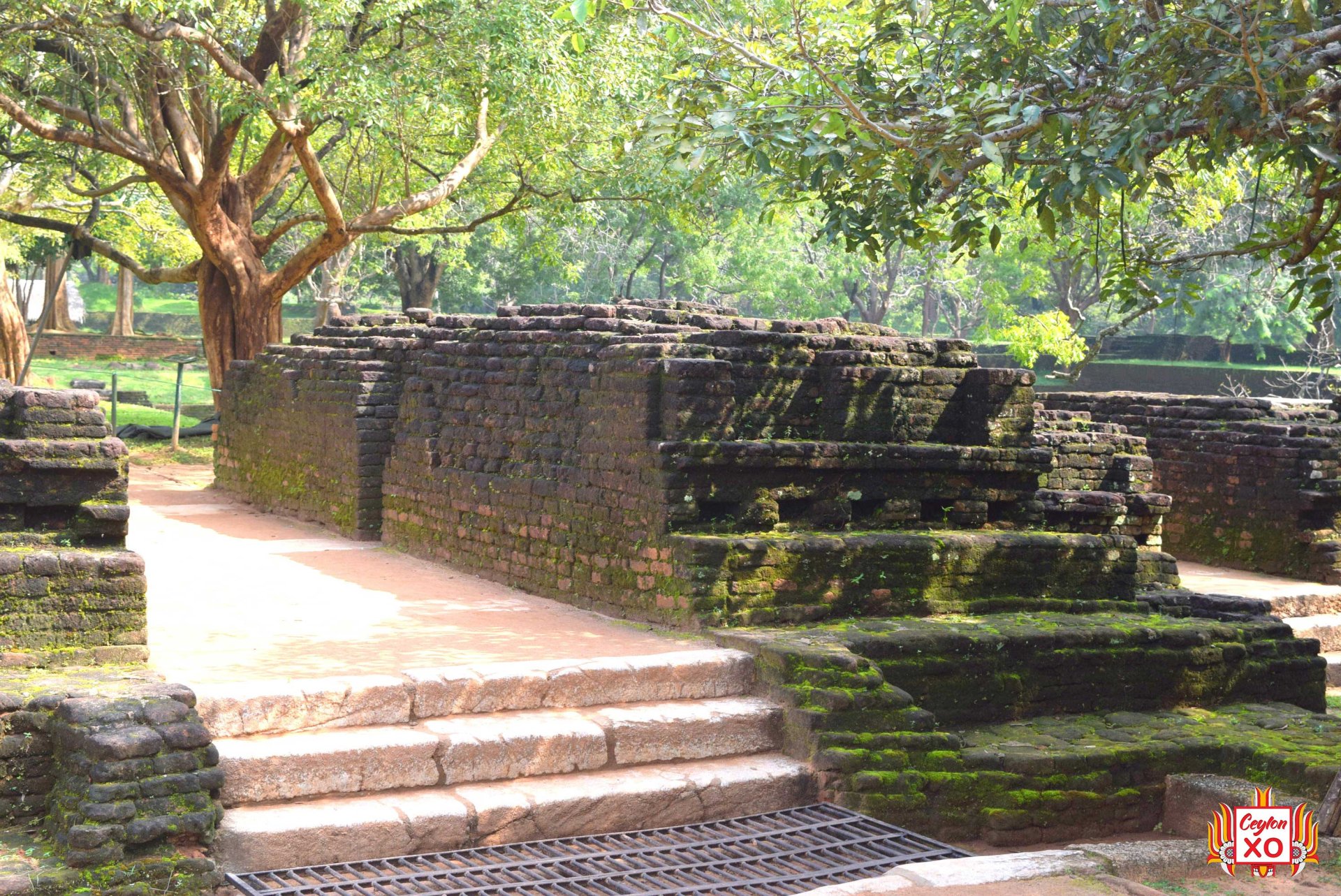
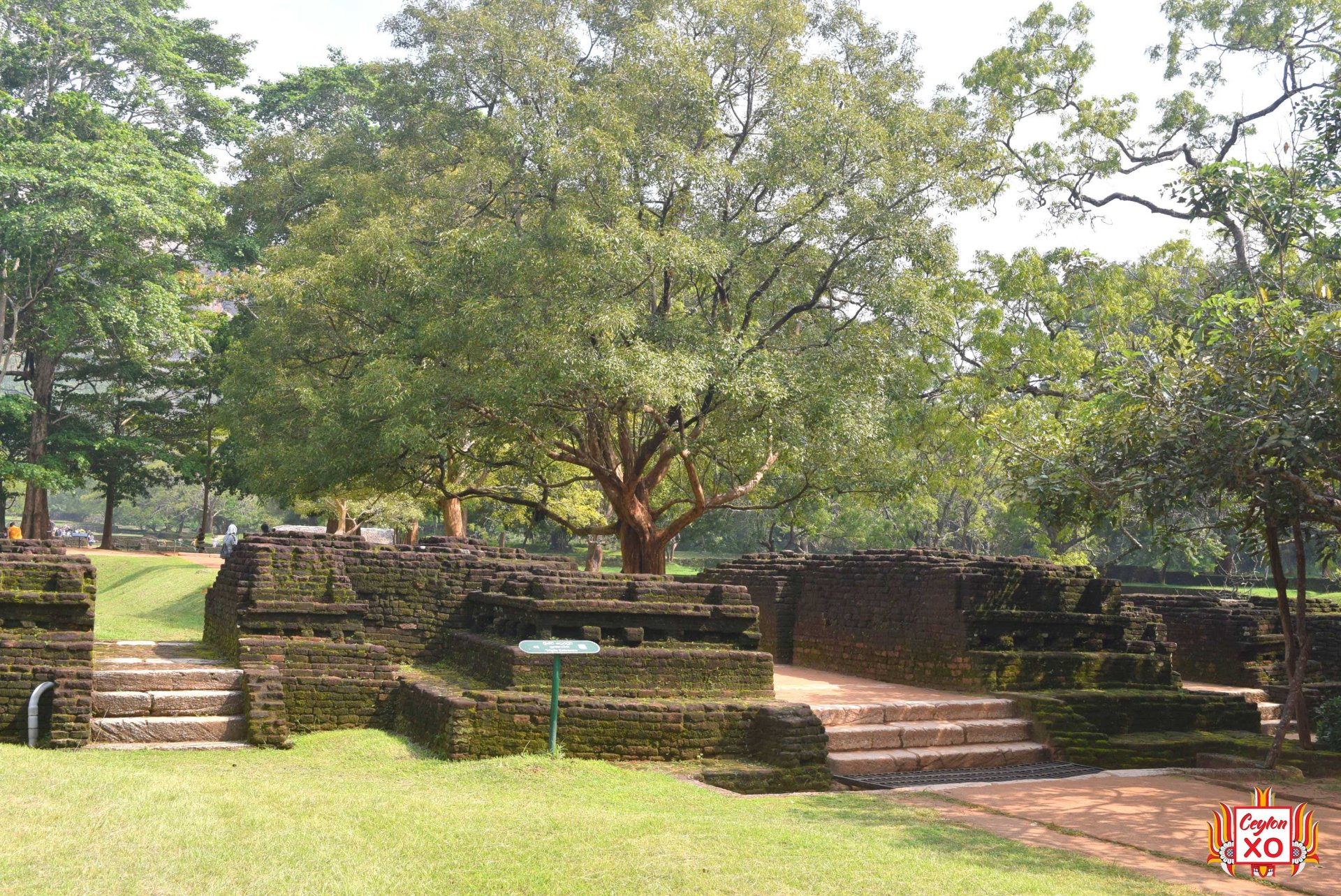
The Triple Gate is believed to have been constructed during the 5th century AD when King Kashyapa transformed Sigiriya into his magnificent capital. Archaeological studies indicate that the gate was designed as a grand ceremonial entrance leading visitors from the outer gardens into the protected inner palace complex. The structure formed an important part of the city's sophisticated defensive system while also symbolizing the power and prestige of the king.
The name "Triple Gate" comes from its unique design, which consists of three separate gateways built side by side. The central gateway was the largest and was most likely reserved for the king, members of the royal family, and high-ranking officials. The two smaller side gateways were probably used by guards, servants, and other visitors. This arrangement helped regulate movement within the palace and reflected the highly organized social structure of the royal court.
The gate was constructed using massive stone blocks and carefully laid brickwork. Even today, the stone foundations and the remains of the gateways demonstrate the advanced construction techniques used by ancient Sri Lankan builders. The entrance was aligned with the palace gardens, pathways, water features, and surrounding fortifications, creating a harmonious balance between architecture and landscape design.
The Triple Gate also played an important defensive role. Since it controlled access to the royal palace, guards stationed at the entrance could carefully monitor everyone entering the inner city. The surrounding moats, ramparts, walls, and gardens added additional layers of protection, making Sigiriya one of the most secure royal capitals of its time.