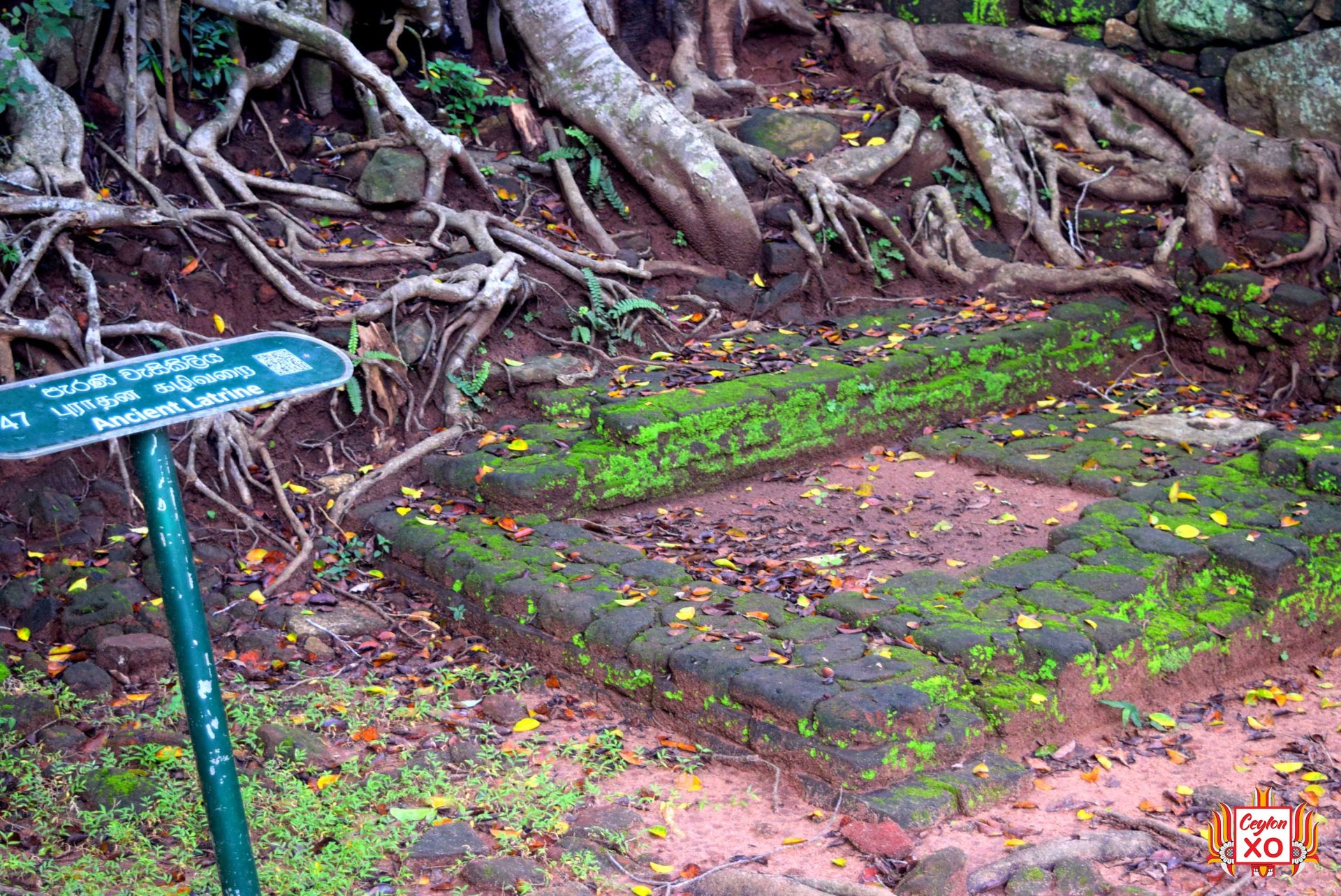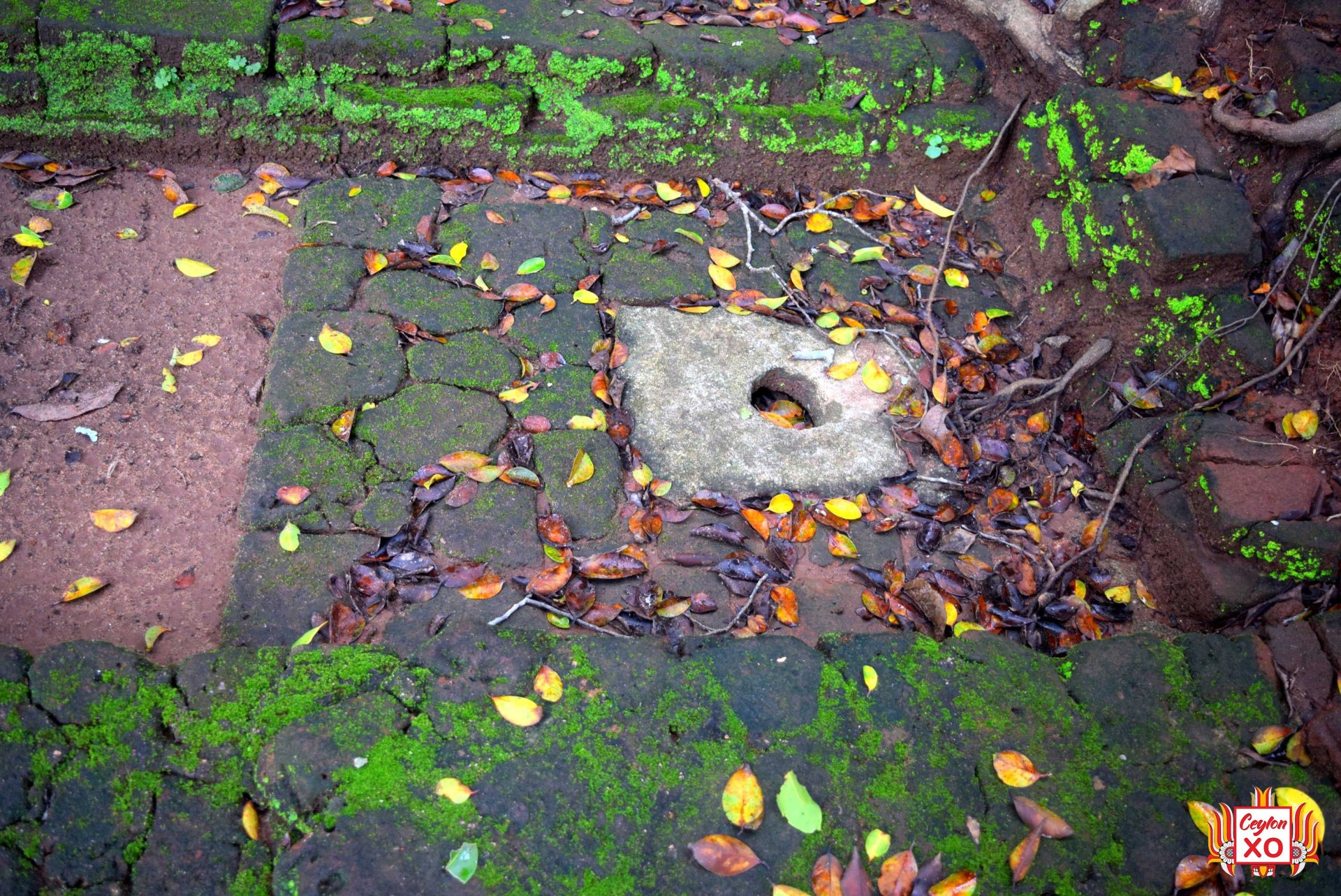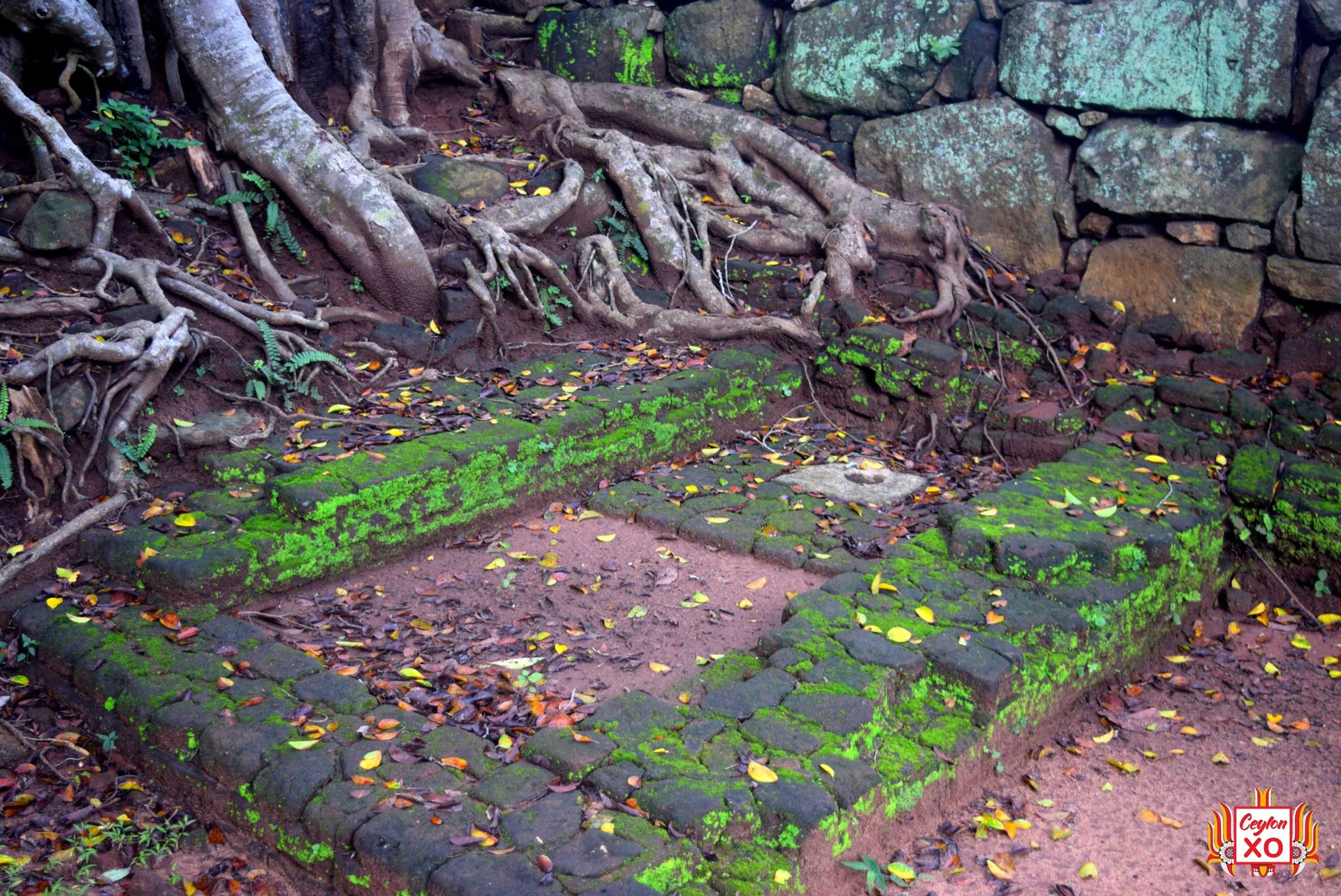
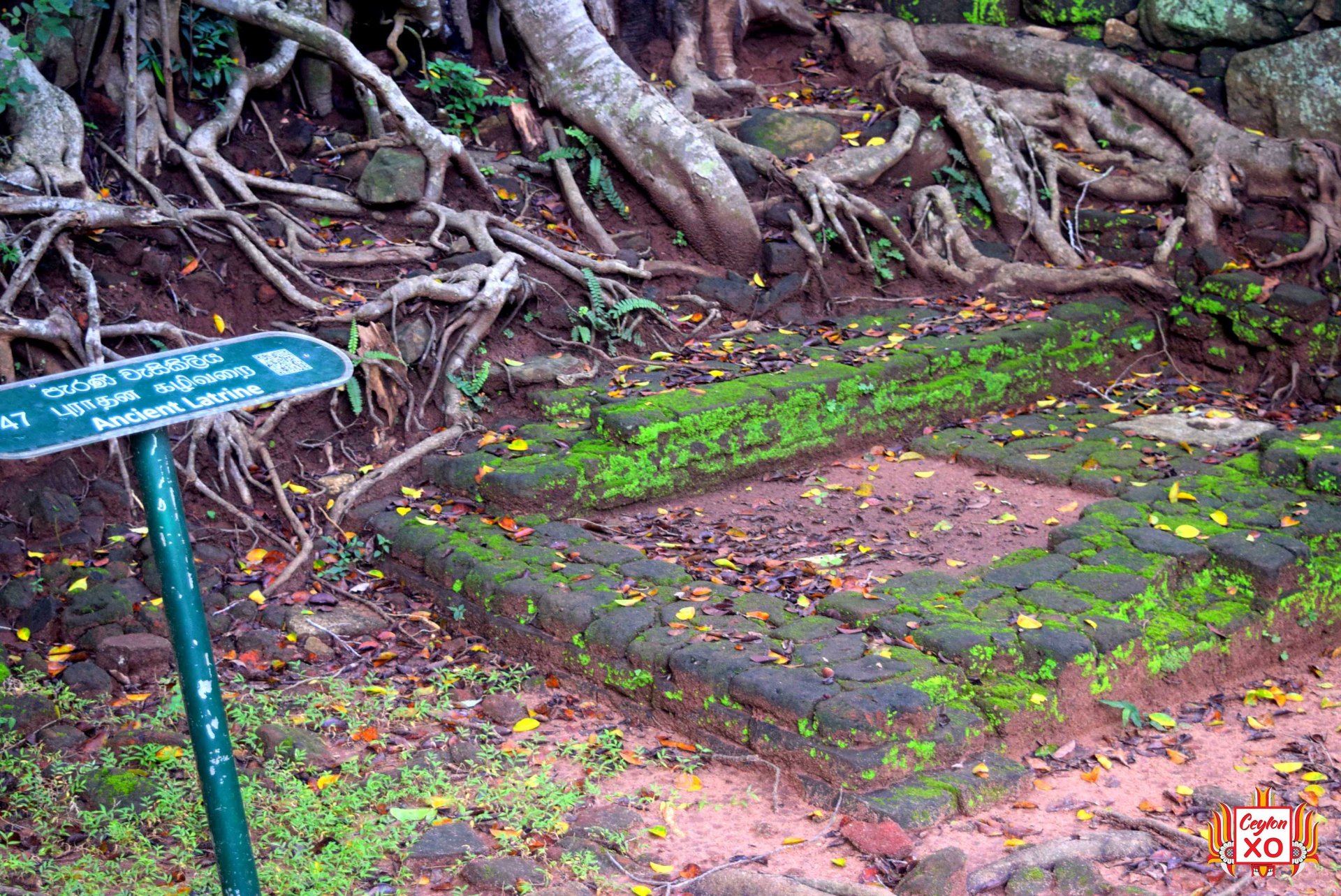
King Kashyapa I (477–495 AD) transformed Sigiriya into his royal capital and constructed one of the most sophisticated palace complexes of the ancient world. Every part of the city was carefully planned, including its water supply, drainage systems, bathing pools, toilets, and urinals. The presence of specially designed urinals shows that great attention was given to cleanliness, hygiene, and the comfort of the palace's residents and visitors.
The urinals were carved directly into large stone slabs and positioned in carefully selected locations within the palace complex. Each urinal was connected to an underground drainage system that carried waste away through stone channels. These channels were designed with gentle slopes that allowed rainwater and wastewater to flow naturally by gravity. This prevented water from stagnating and helped maintain a clean and healthy environment inside the royal city.
One of the most impressive aspects of the Sigiriya urinals is their integration into the overall hydraulic system of the fortress. Sigiriya is famous for its advanced water management technology, which included reservoirs, underground pipelines, fountains, ponds, and drainage networks. The urinals formed part of this larger engineering system, demonstrating that the ancient builders understood both water conservation and effective waste disposal centuries before many other civilizations developed similar sanitation methods.
Archaeological evidence suggests that these urinals were used by members of the royal court, palace staff, guards, and visitors. Their construction reflects the high standard of living enjoyed within the royal capital. The careful design also indicates that the engineers considered privacy, convenience, and ease of maintenance when planning these facilities.