Ruwan Raja was a famous tusker elephant associated with Gangaramaya Temple in Hunupitiya, Colombo. He became an important part of Sri Lanka’s Buddhist religious traditions and is remembered for his majestic appearance, impressive tusks, and contribution to traditional religious processions. He was gifted to Gangaramaya Temple in 1996 by the Morawatte Walauwa in Ratnapura. At that time, he was known as “Dala Kota,” but he was later renamed Ruwan Raja because of his origins in Ratnapura. Under the care and guidance of the late Venerable Galboda Siri Gnanissara Thero, popularly known as Podi Hamuduruwo, he became well-trained and respected.
Ruwan Raja became especially famous for participating in the annual Navam Perahera organised by Gangaramaya Temple. He also took part in religious processions at Kelaniya, Bellanwila, and Kataragama. One of his greatest honours was carrying the Sacred Tooth Relic casket during the Esala Perahera in Kandy, a responsibility entrusted to only a few distinguished tusker elephants. His calm behaviour, royal appearance, and dedication to religious ceremonies made him a beloved figure among devotees and visitors.
He became a symbol of peace during Sri Lanka’s civil war when he joined a peace convoy travelling from the South to Jaffna during the 2002 ceasefire with the LTTE organization. When the convoy reached an LTTE checkpoint at Omanthai, the LTTE cadres were delighted to see Ruwan Raja. They welcomed the elephant warmly and even helped give him a shower along the journey. When Ruwan Raja arrived in Jaffna, people greeted him with happiness and respect. Ruwan Raja’s journey showed how a simple moment could bring people together after years of hatred and violence. A young soldier who had lost a leg in the war reportedly said that Ruwan Raja had “laid the foundation for peace.” His story remains a powerful reminder that kindness, compassion, and understanding can bring people together even during difficult times.
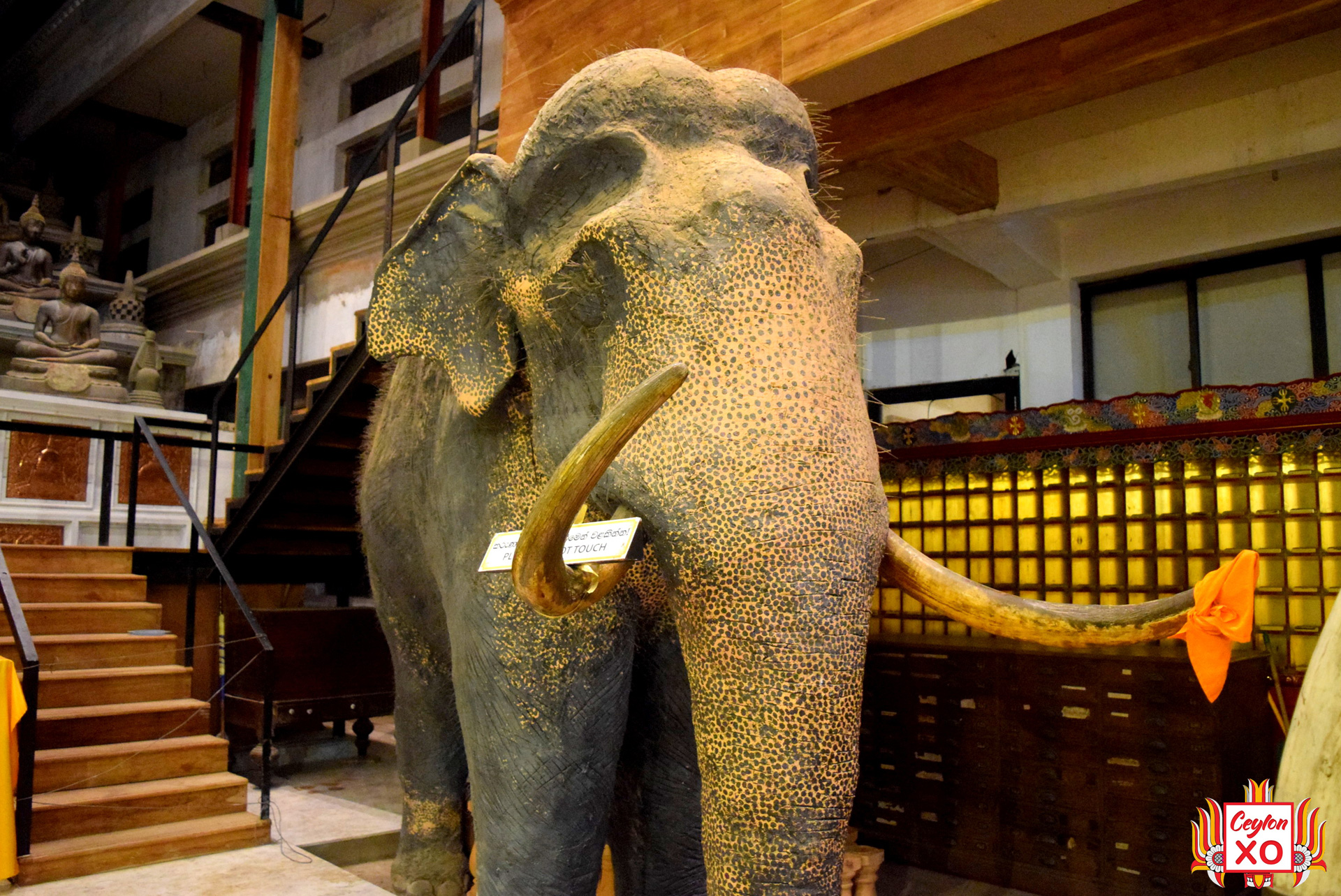
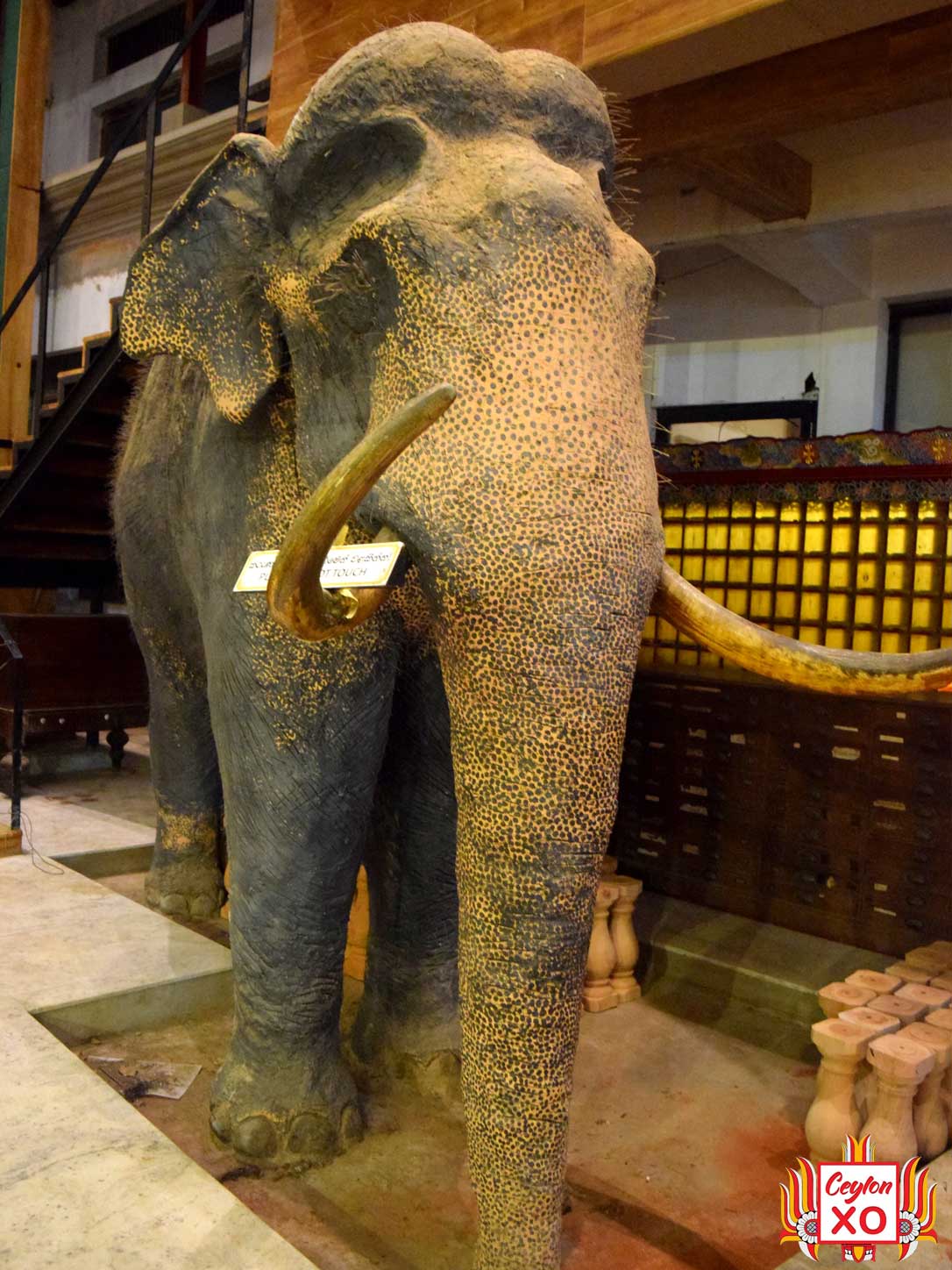
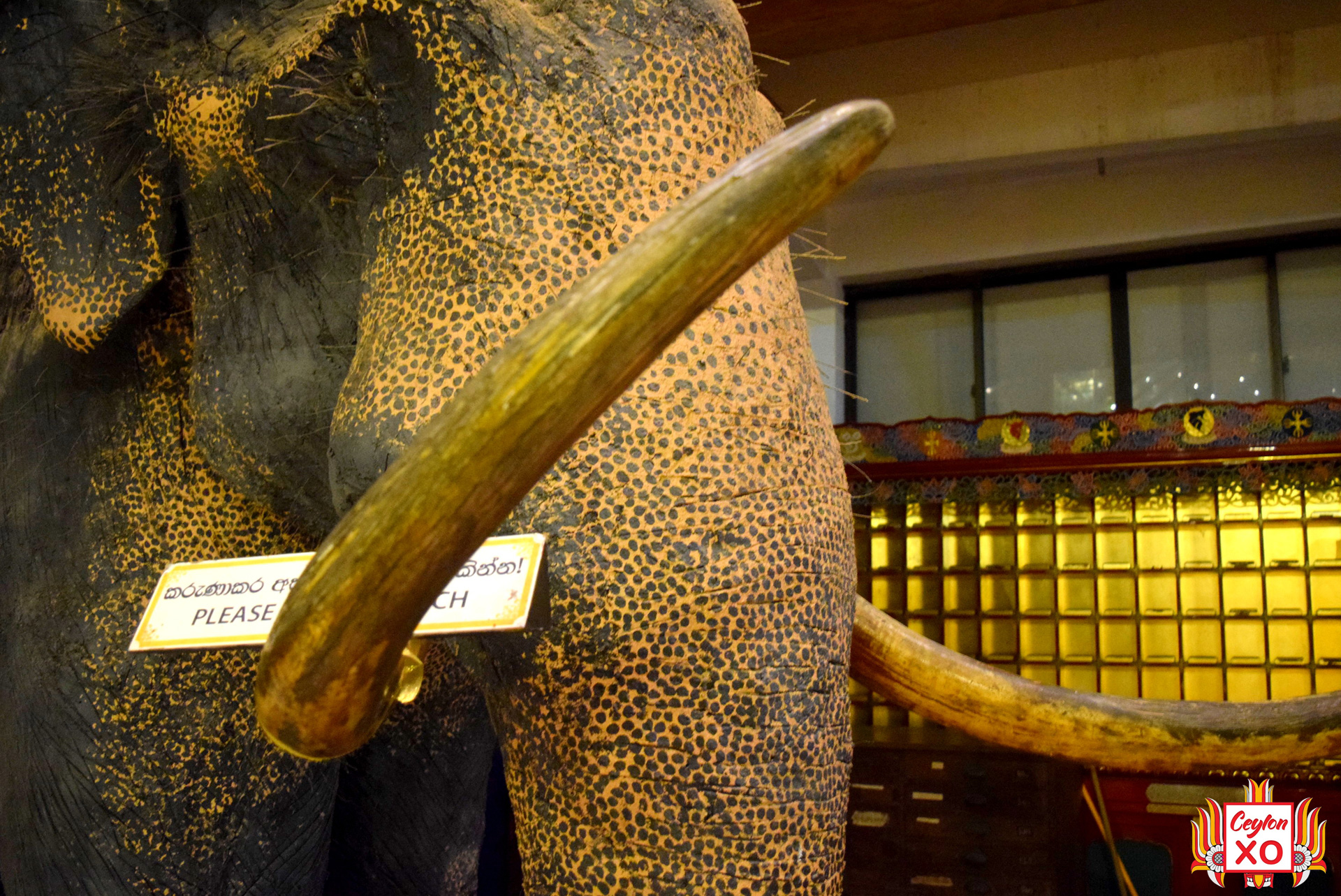
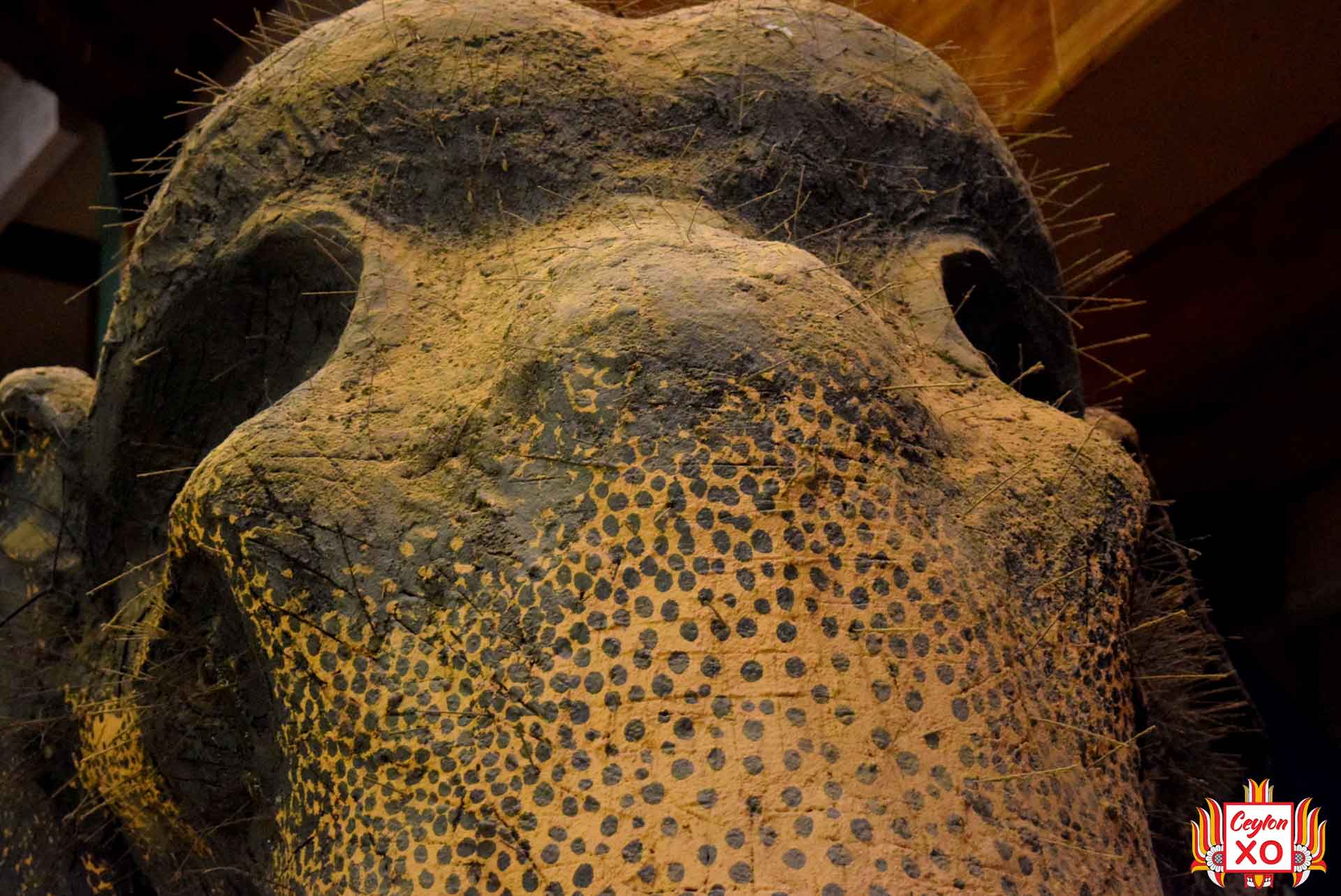
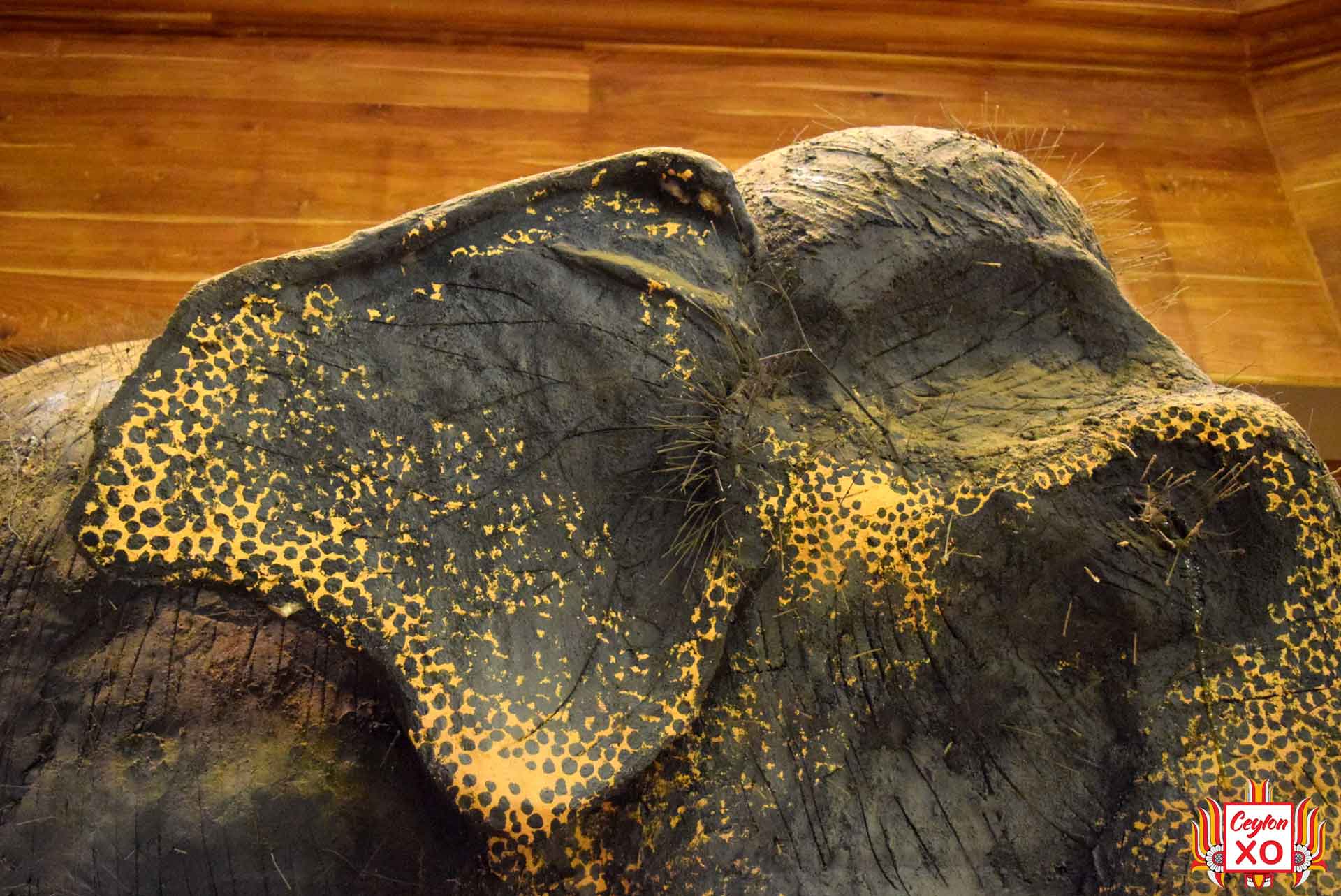
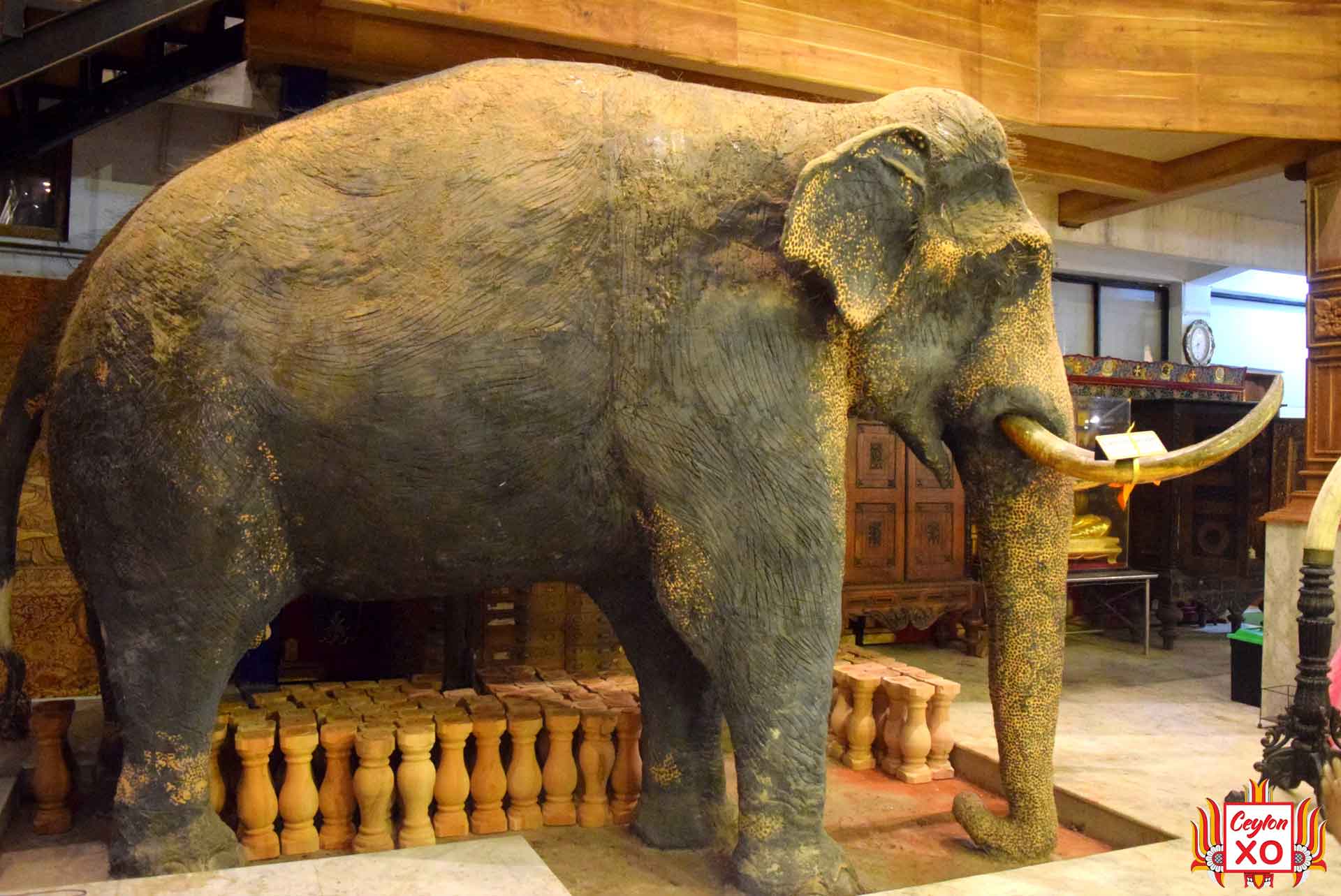
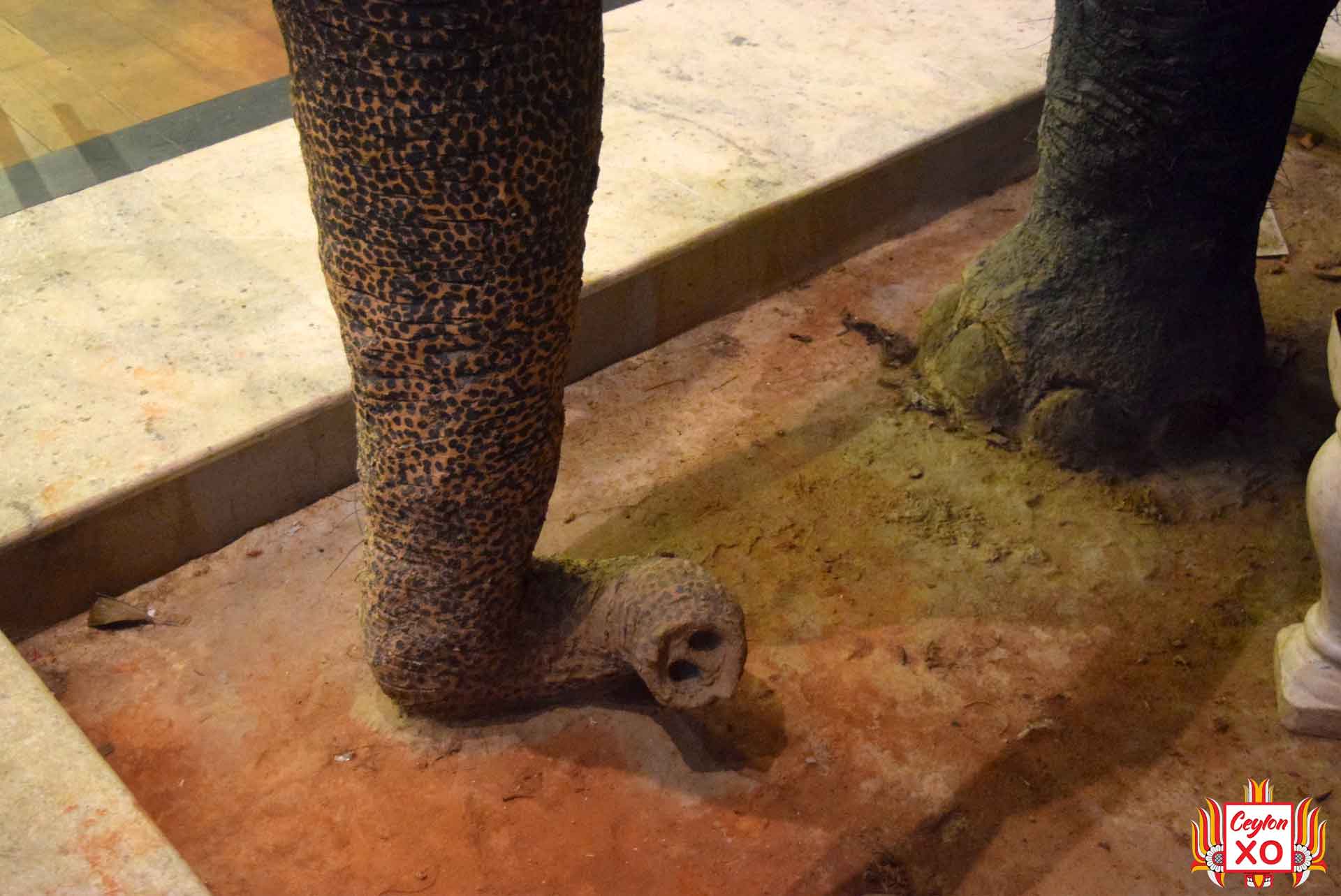
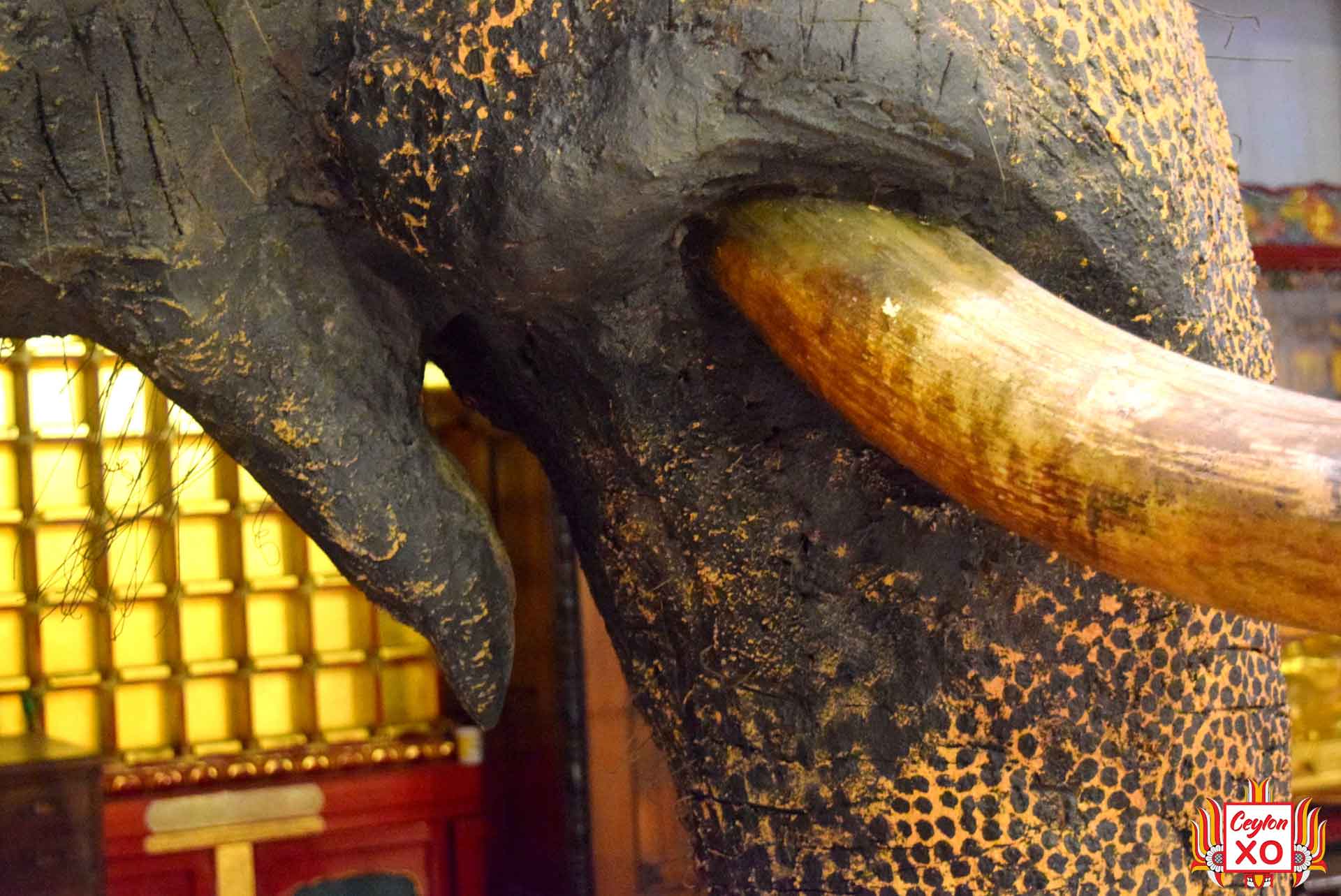
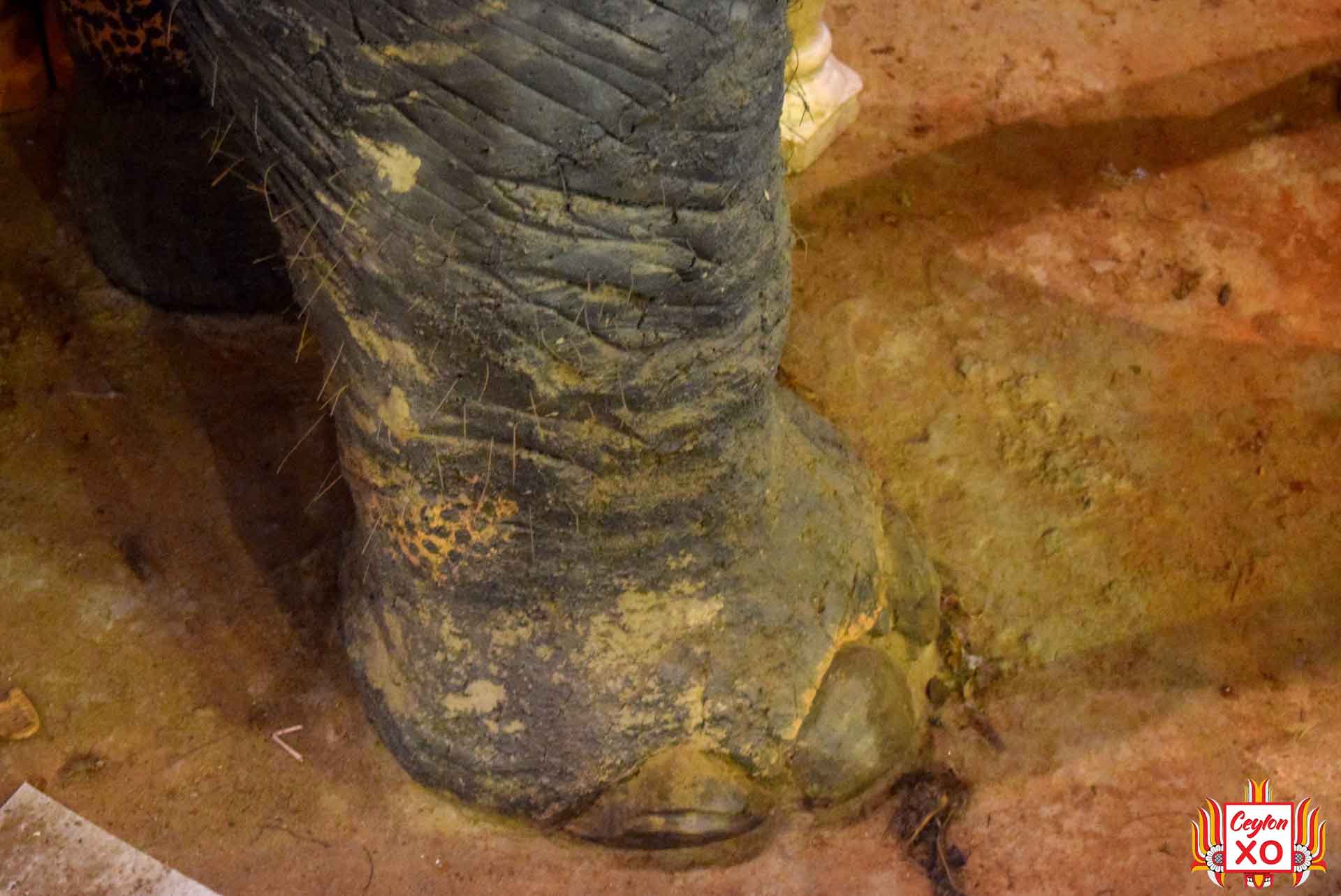
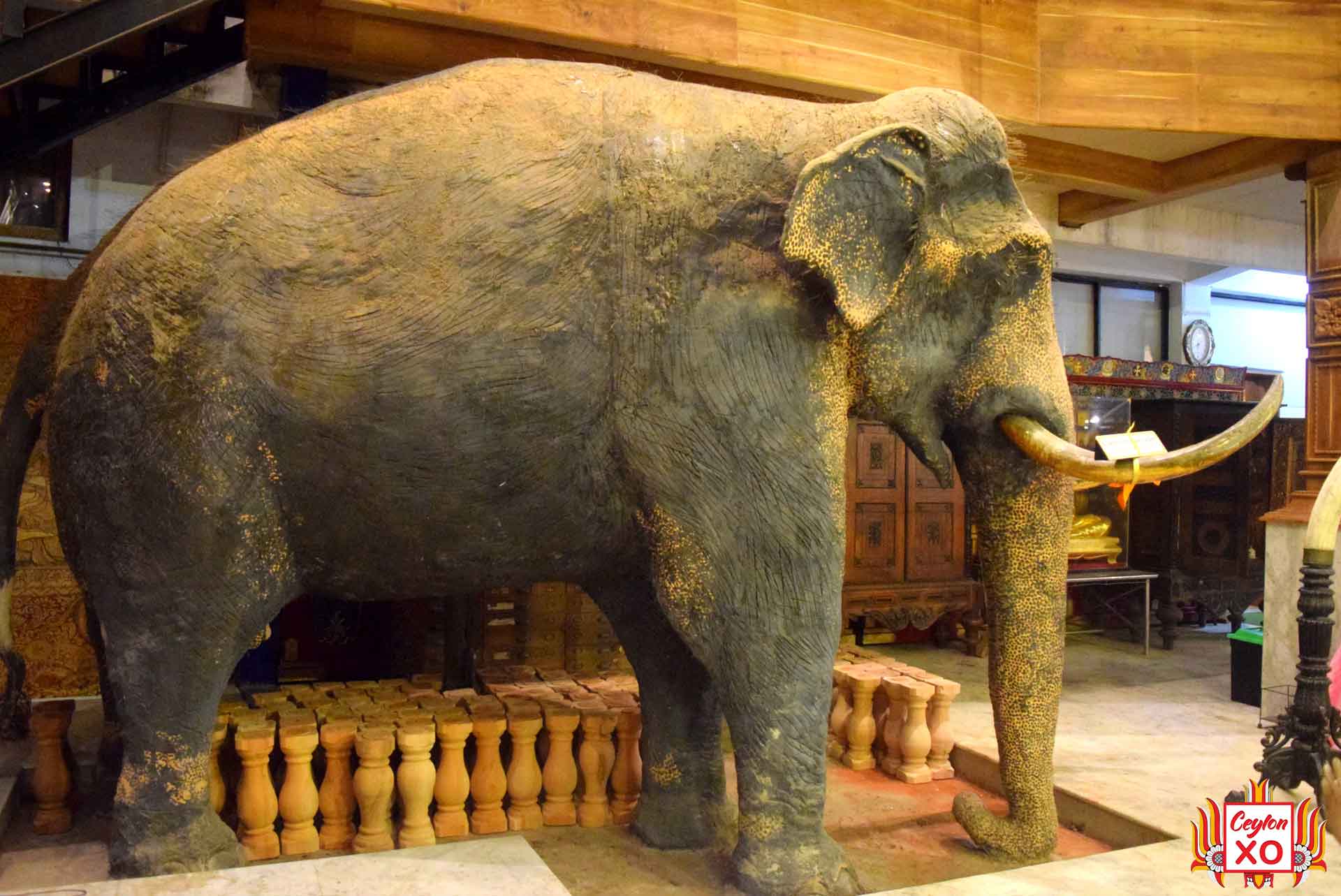
Ruwan Raja passed away peacefully in 2003, leaving behind a lasting legacy in Sri Lanka’s Buddhist cultural heritage. To preserve his memory, his head and tusks were used to create a life-size replica that can be admired at Gangaramaya Temple.
Today, Ruwan Raja is remembered not merely as an elephant but as a symbol of devotion, tradition, and the important role elephants have played in Sri Lanka’s religious and cultural celebrations. His story continues to inspire respect for the island’s rich heritage and the special bond between elephants and Buddhist traditions.