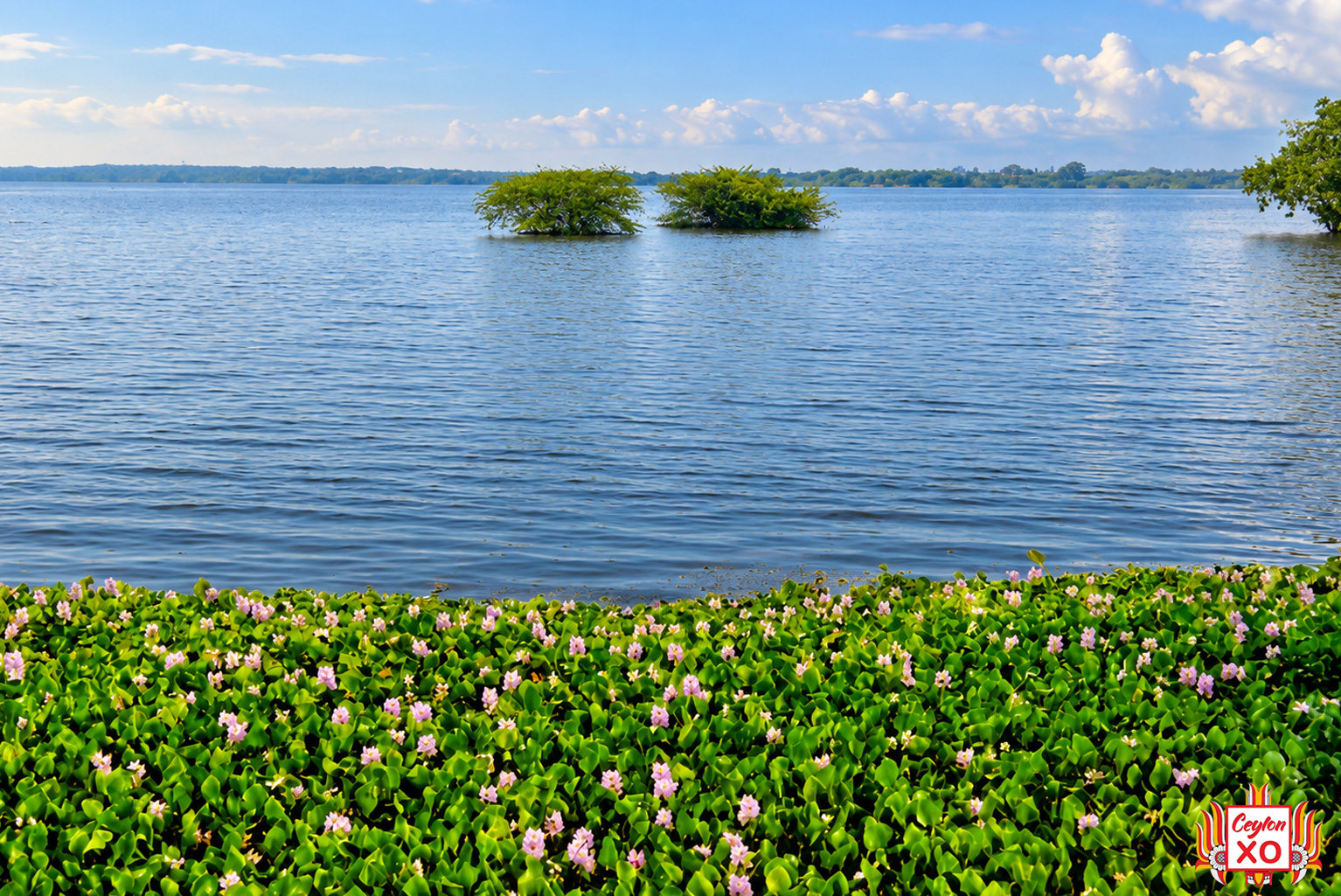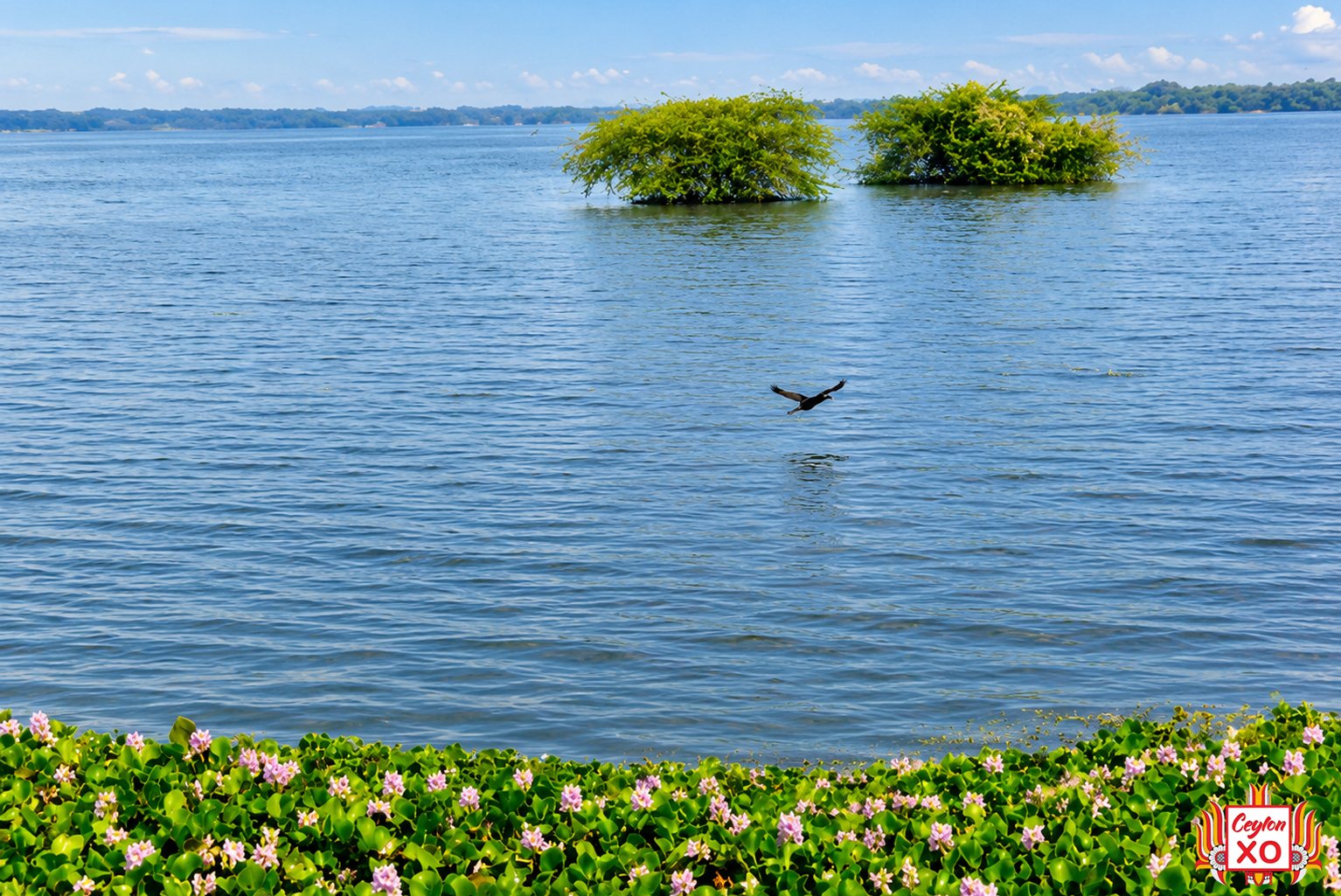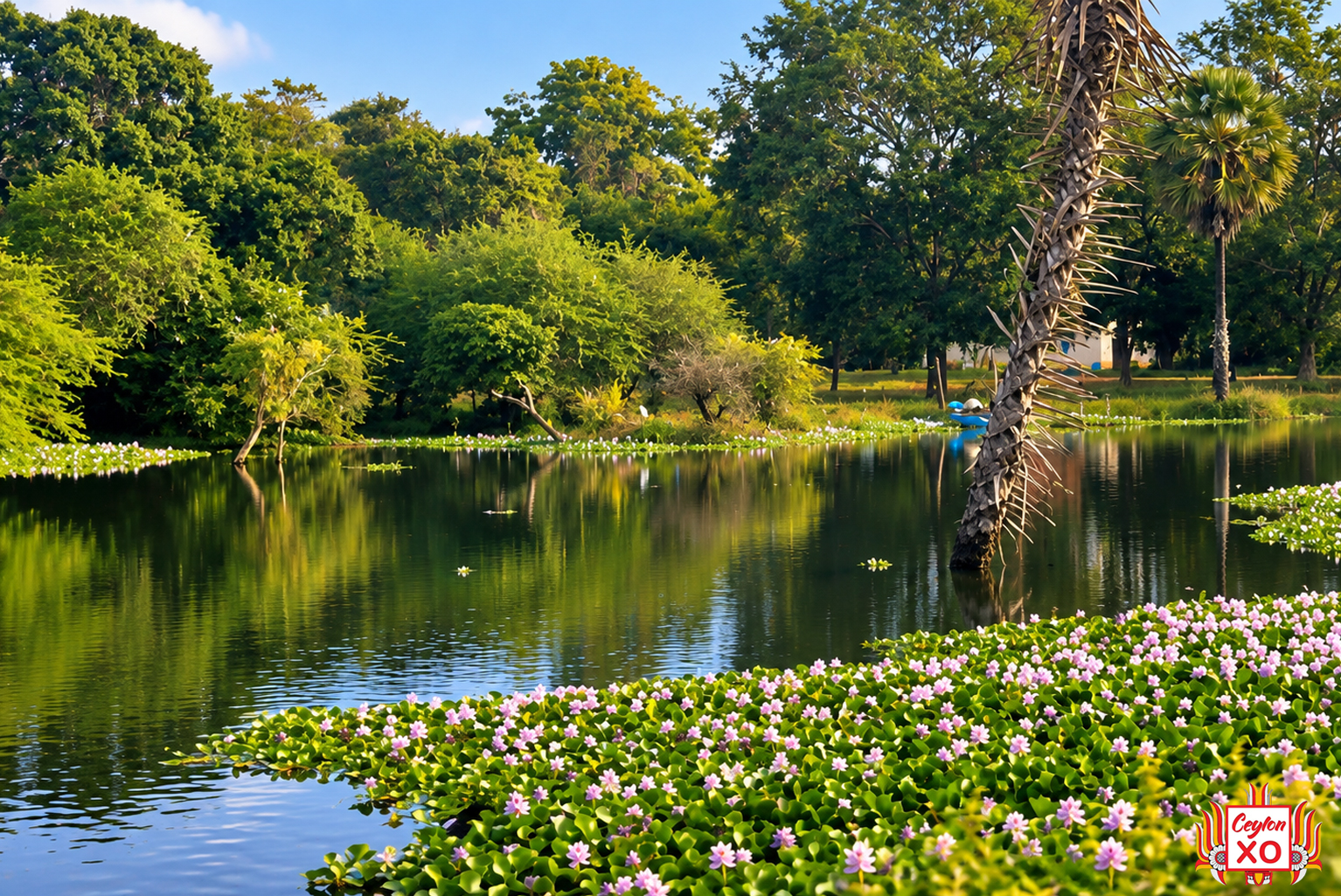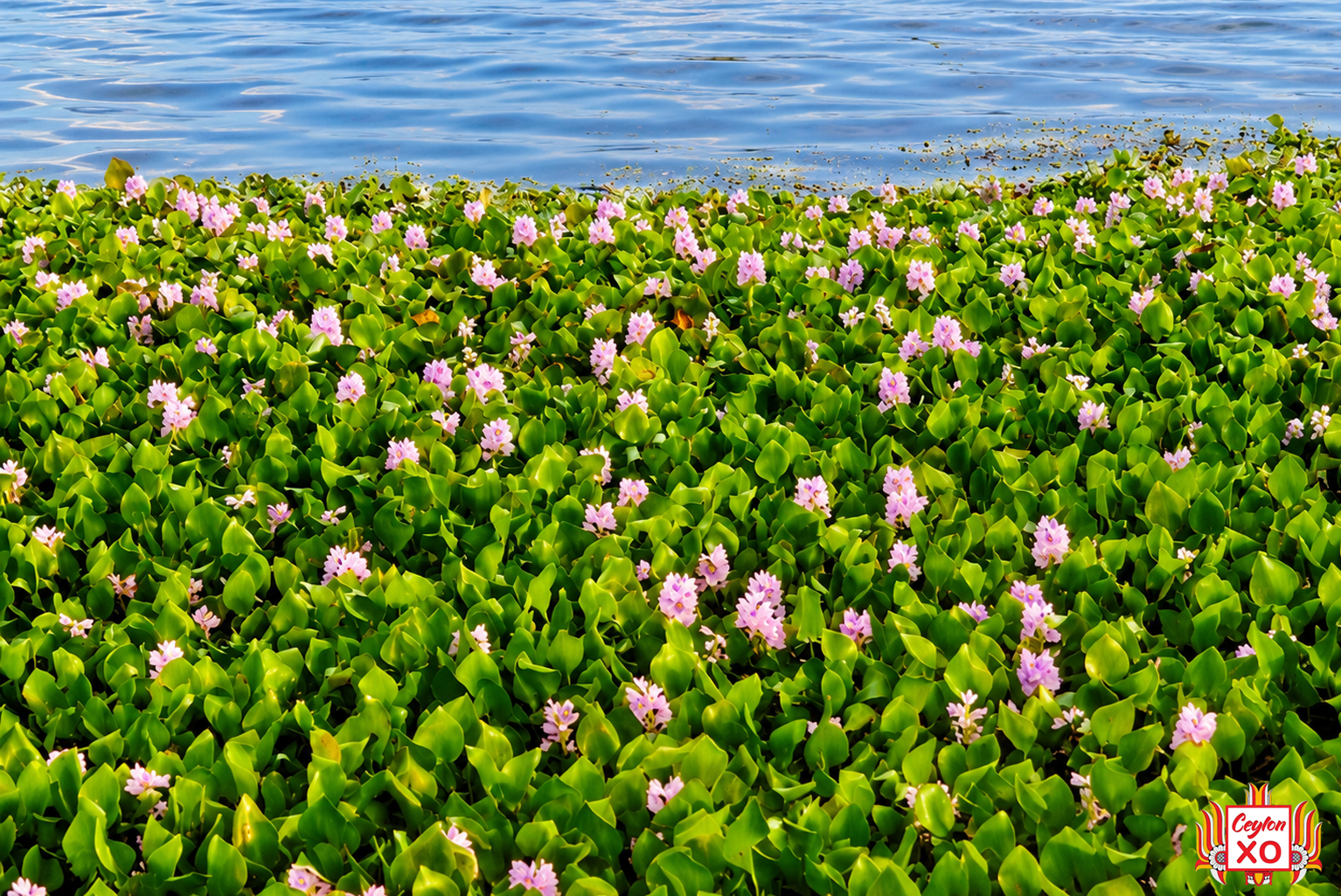
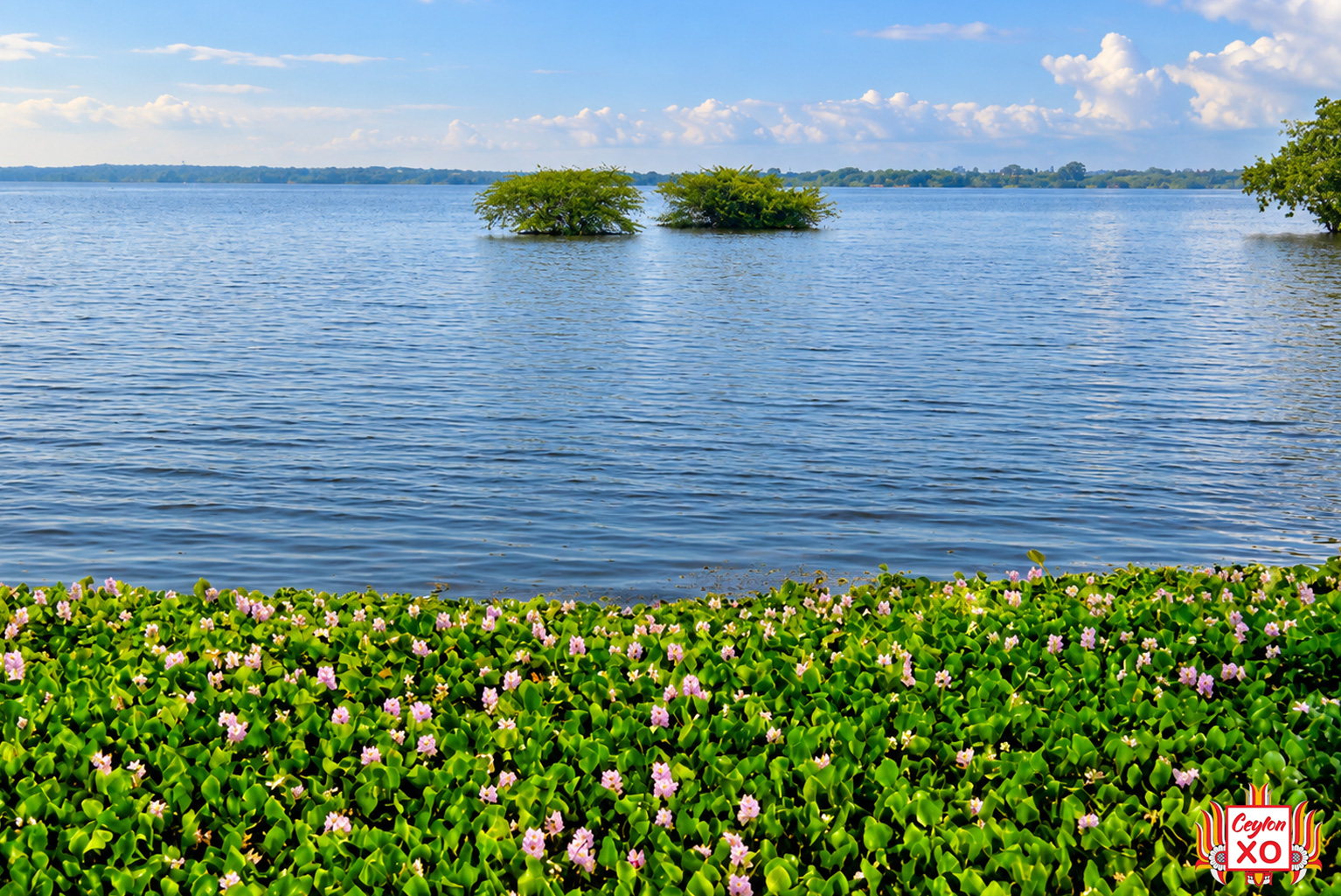
The reservoir is surrounded by rural landscapes, agricultural lands, and natural vegetation. It collects and stores rainwater, providing an essential source of water for paddy cultivation and other agricultural activities in the surrounding communities. During the cultivation seasons, the stored water helps farmers irrigate their fields and maintain agricultural production despite the dry conditions that often affect the region. The reservoir therefore contributes significantly to local food production and the economic well-being of farming families.
Historically, Thabbowa Wewa is believed to have been restored by King Parakramabahu I, who ruled Sri Lanka from 1153 to 1186 CE. Although the exact date of its original construction remains uncertain, local traditions associate the reservoir with King Kavantissa. The present irrigation system underwent major restoration between 1912 and 1925 and was further improved in 1969. These developments helped preserve the reservoir's important role in agriculture and water management.
Beyond irrigation, Thabbowa Wewa is an important ecological habitat. Its surrounding wetlands, grasslands, scrub forests, and shallow waters support a variety of wildlife, including waterbirds and elephants. The reservoir and its surroundings are recognised for their ecological importance and are included within the Karuwalagaswewa Sanctuary. The area is also notable for its fossil-bearing geological formations, which provide valuable evidence of Sri Lanka's ancient natural history.