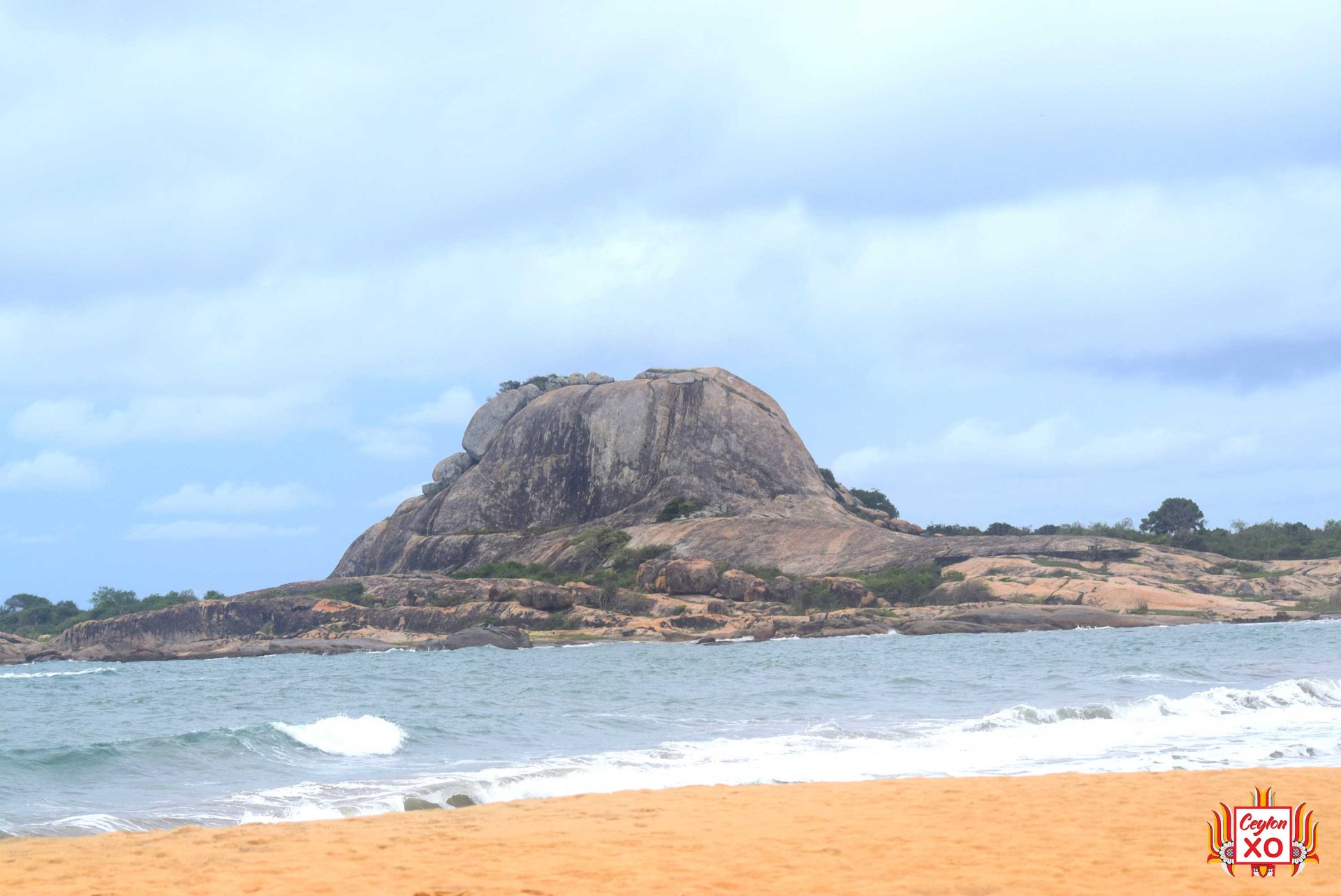
The park lies about 300 kilometres from Colombo and is bordered by the Indian Ocean, creating a unique combination of forests, grasslands, lagoons, wetlands, rocky outcrops, and sandy beaches. Yala was declared a wildlife sanctuary in 1900 and later became one of Sri Lanka's first national parks in 1938. Today, it is managed by the Department of Wildlife Conservation and is recognized as one of the country's most important protected areas.
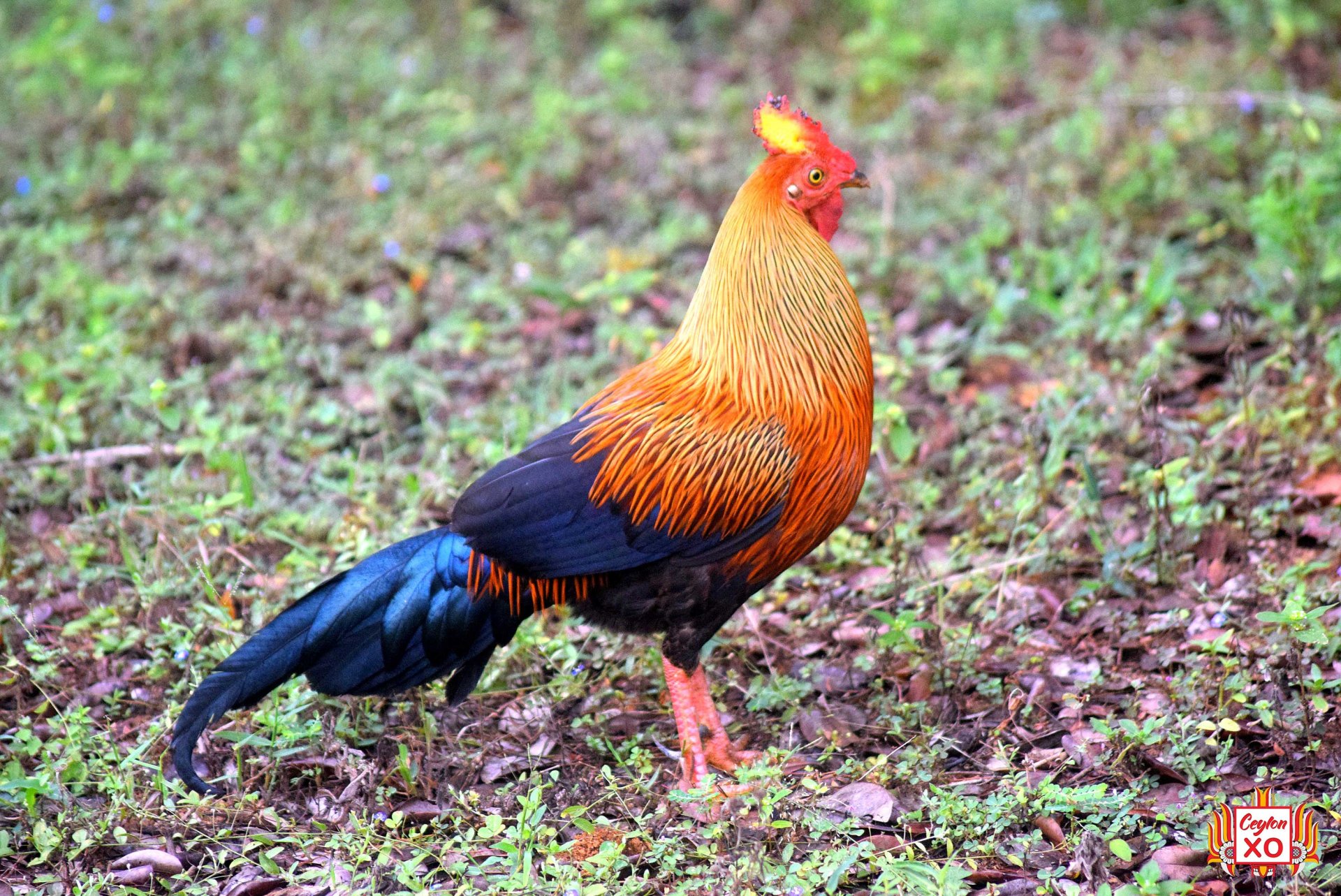
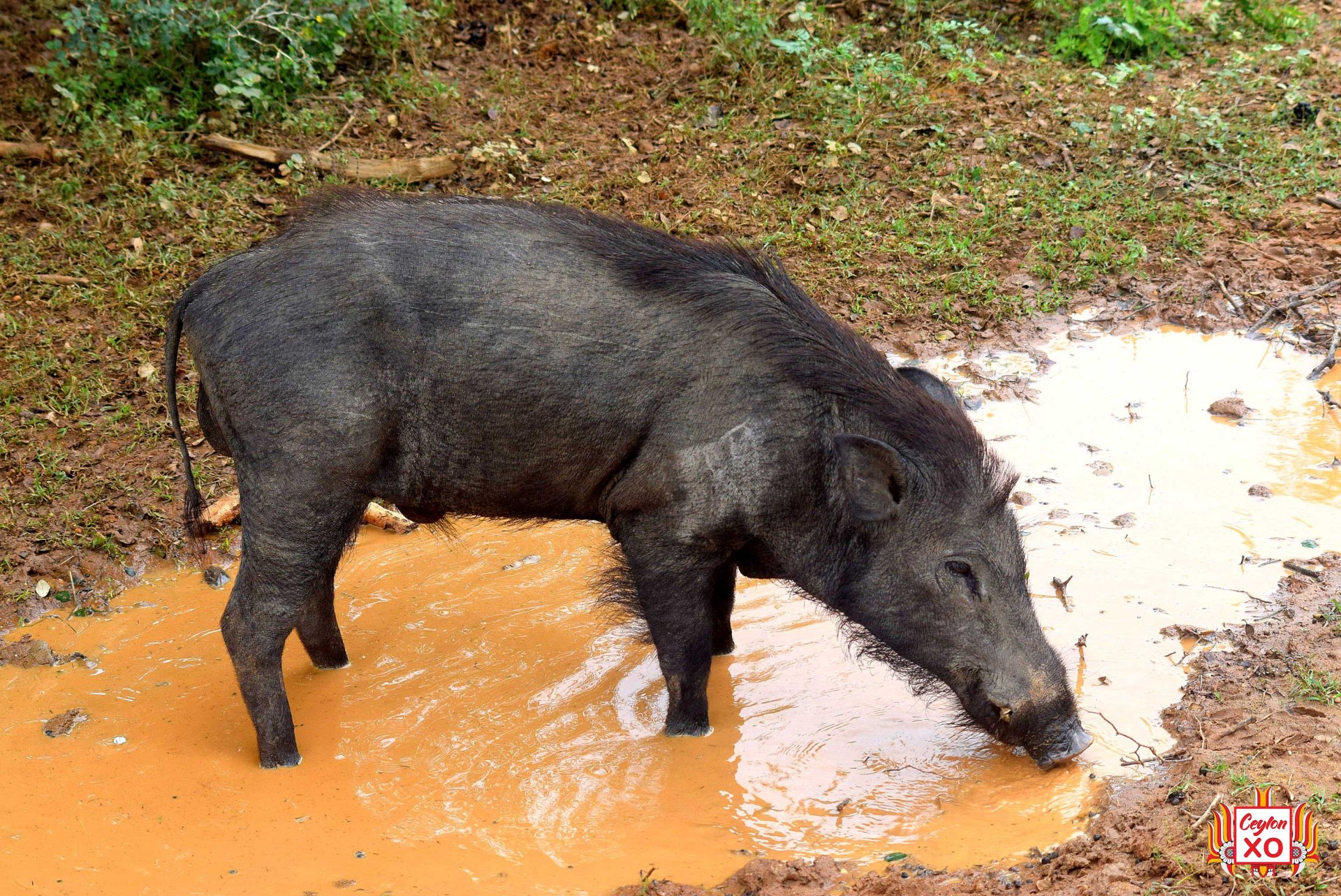
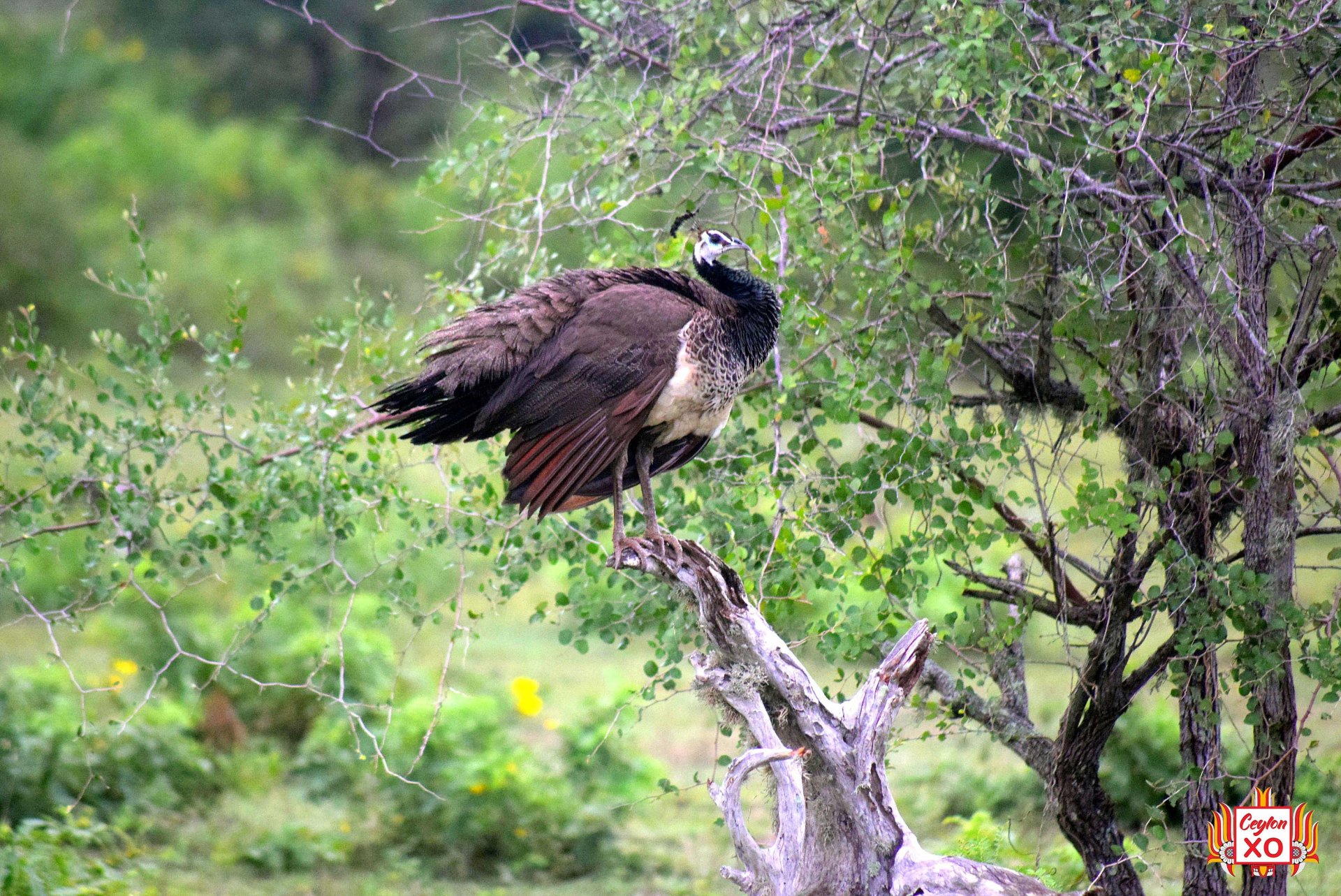
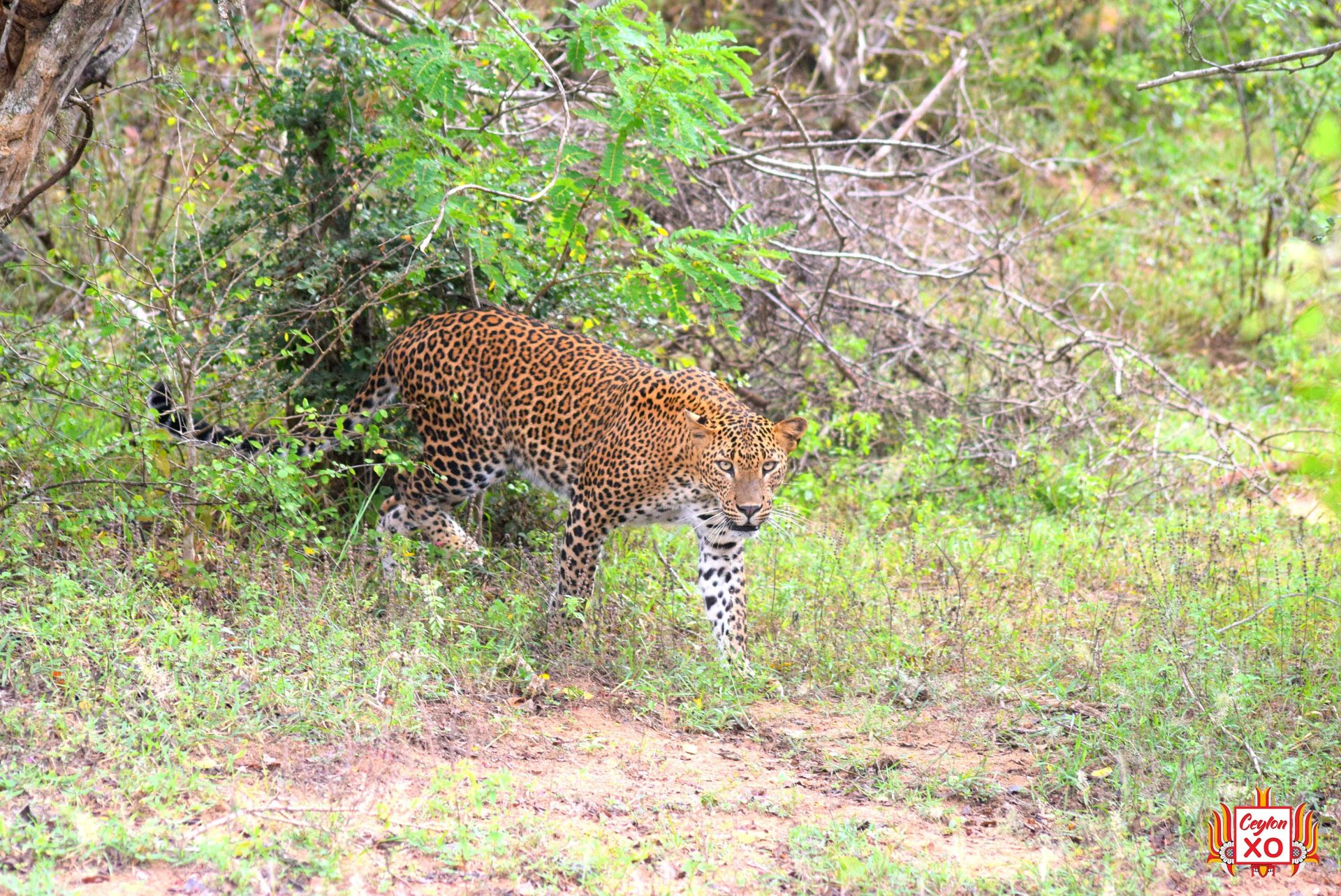
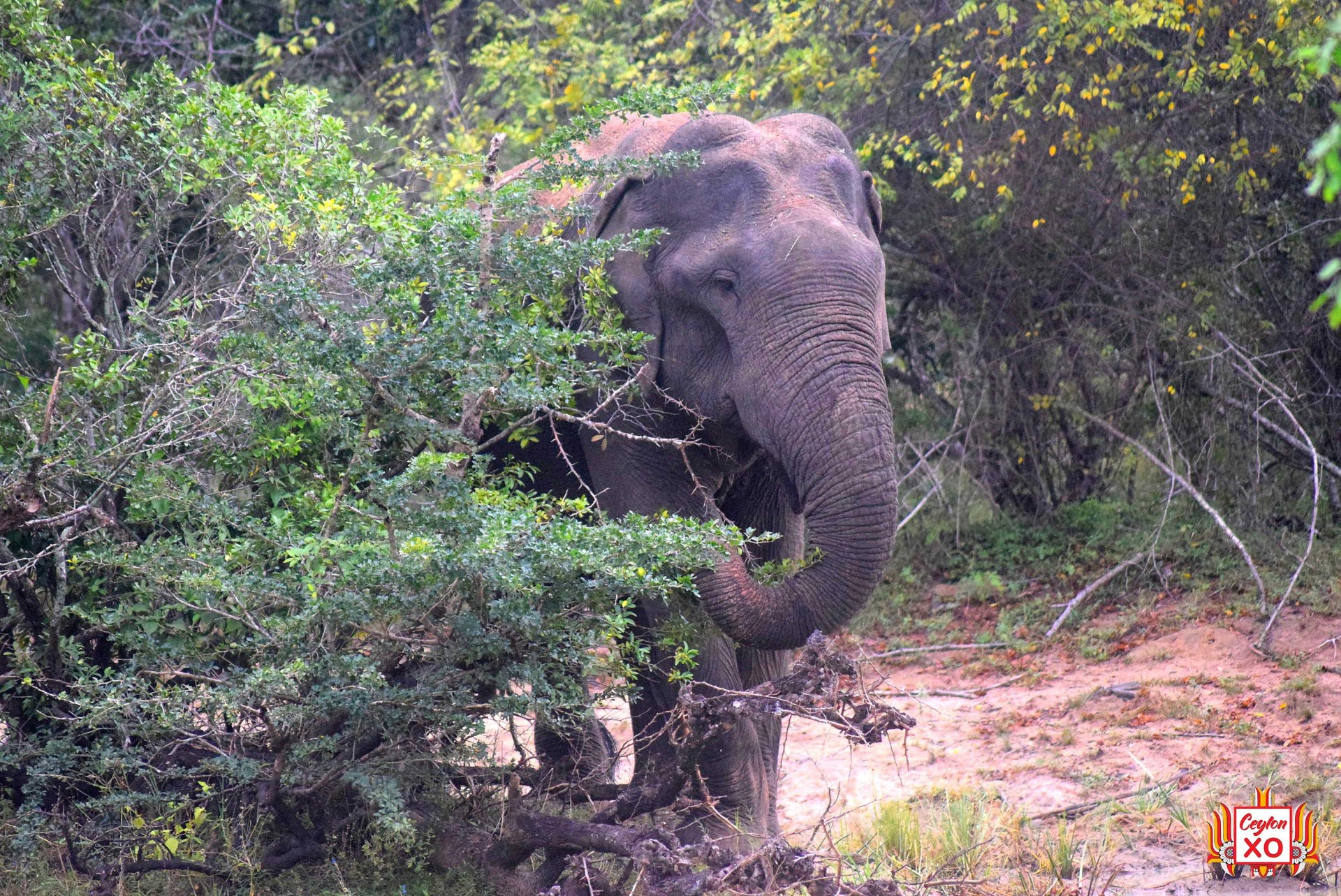
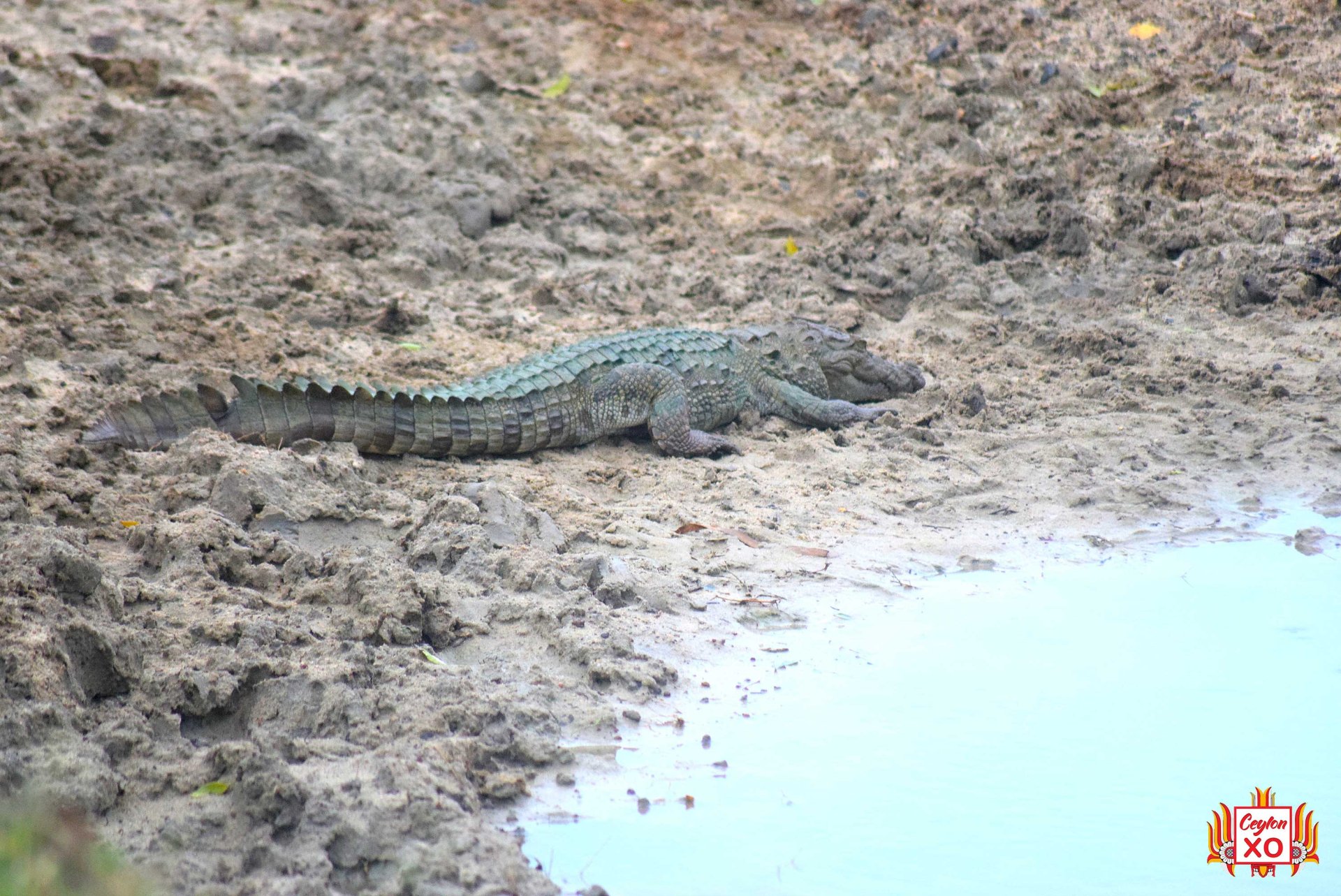
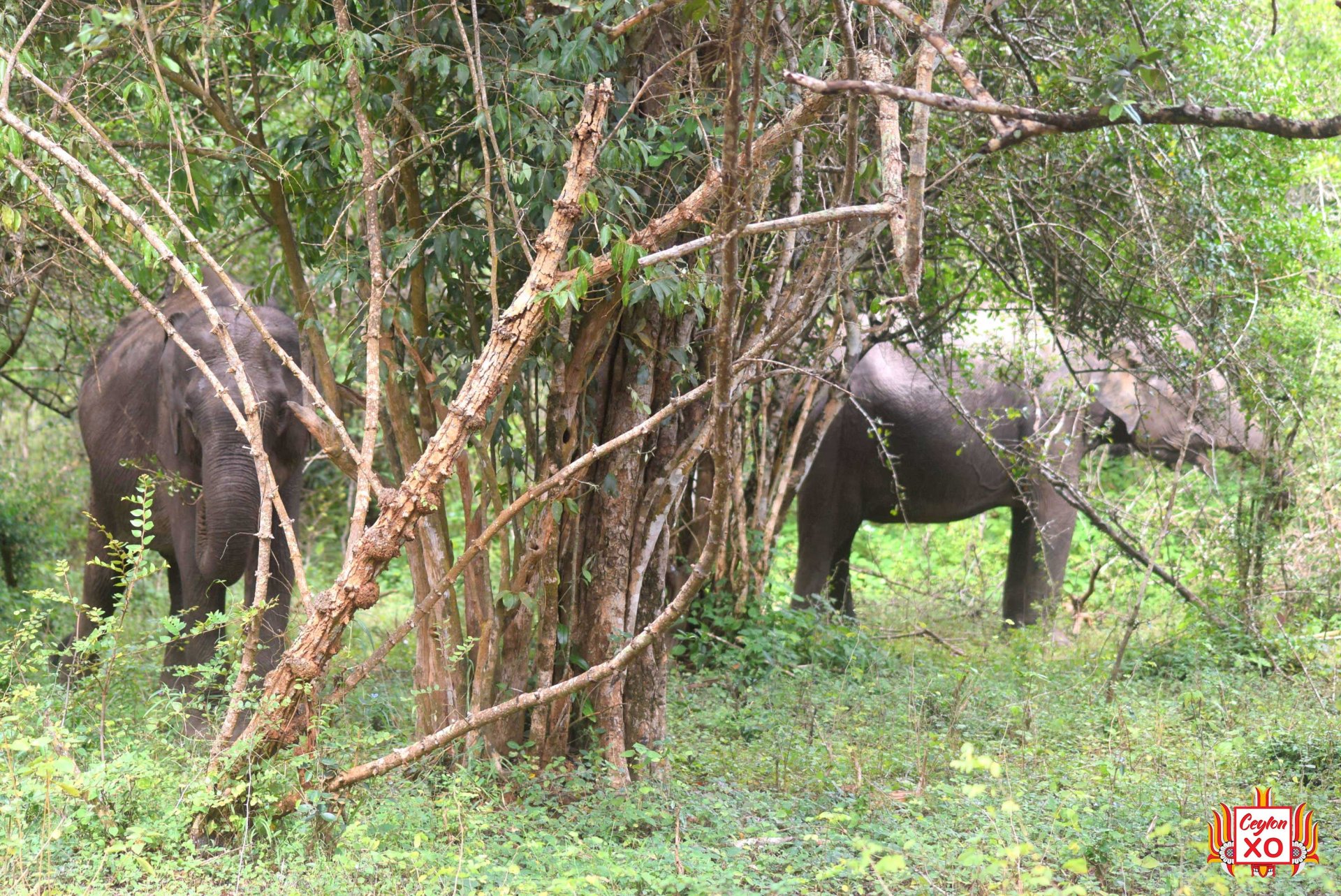
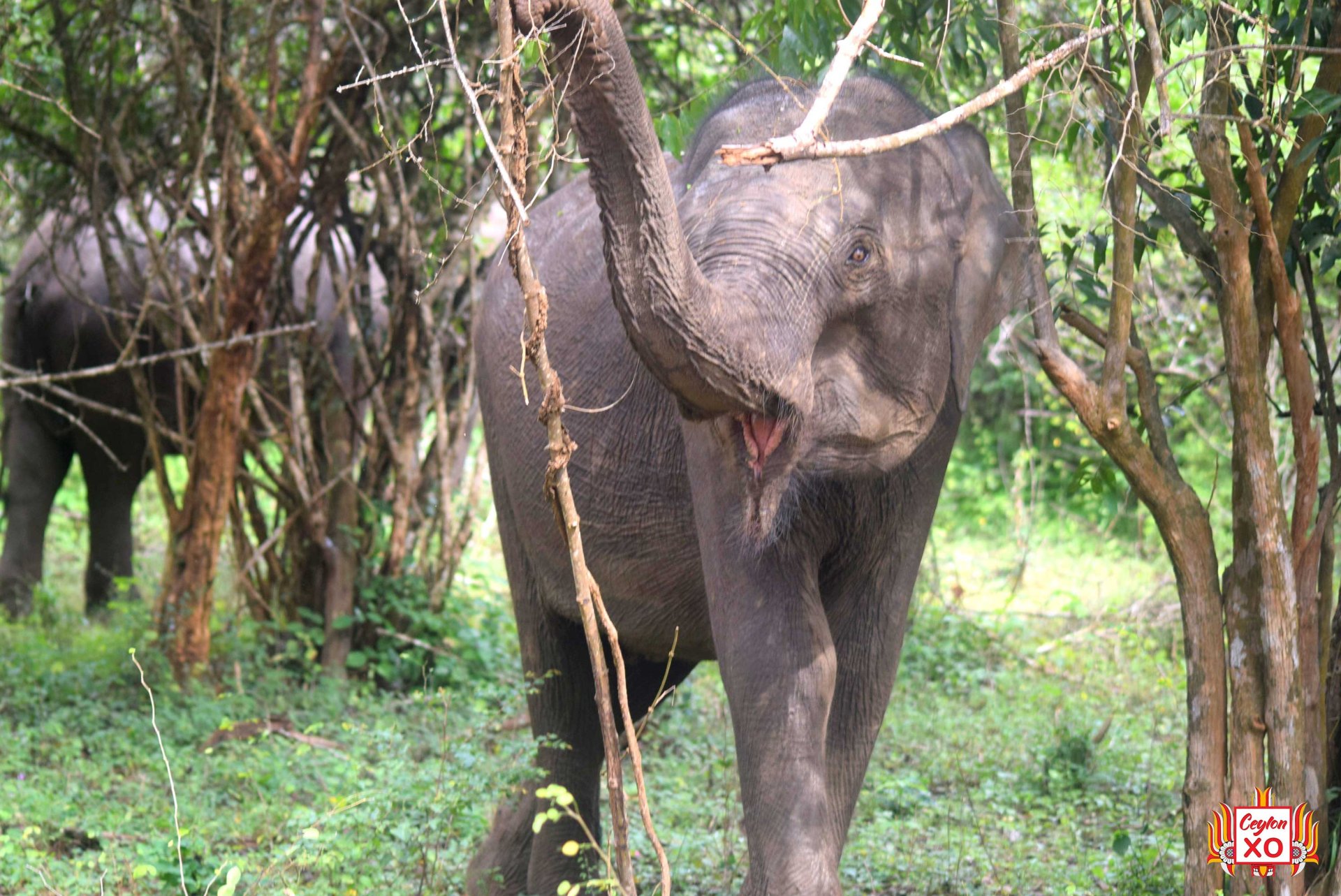
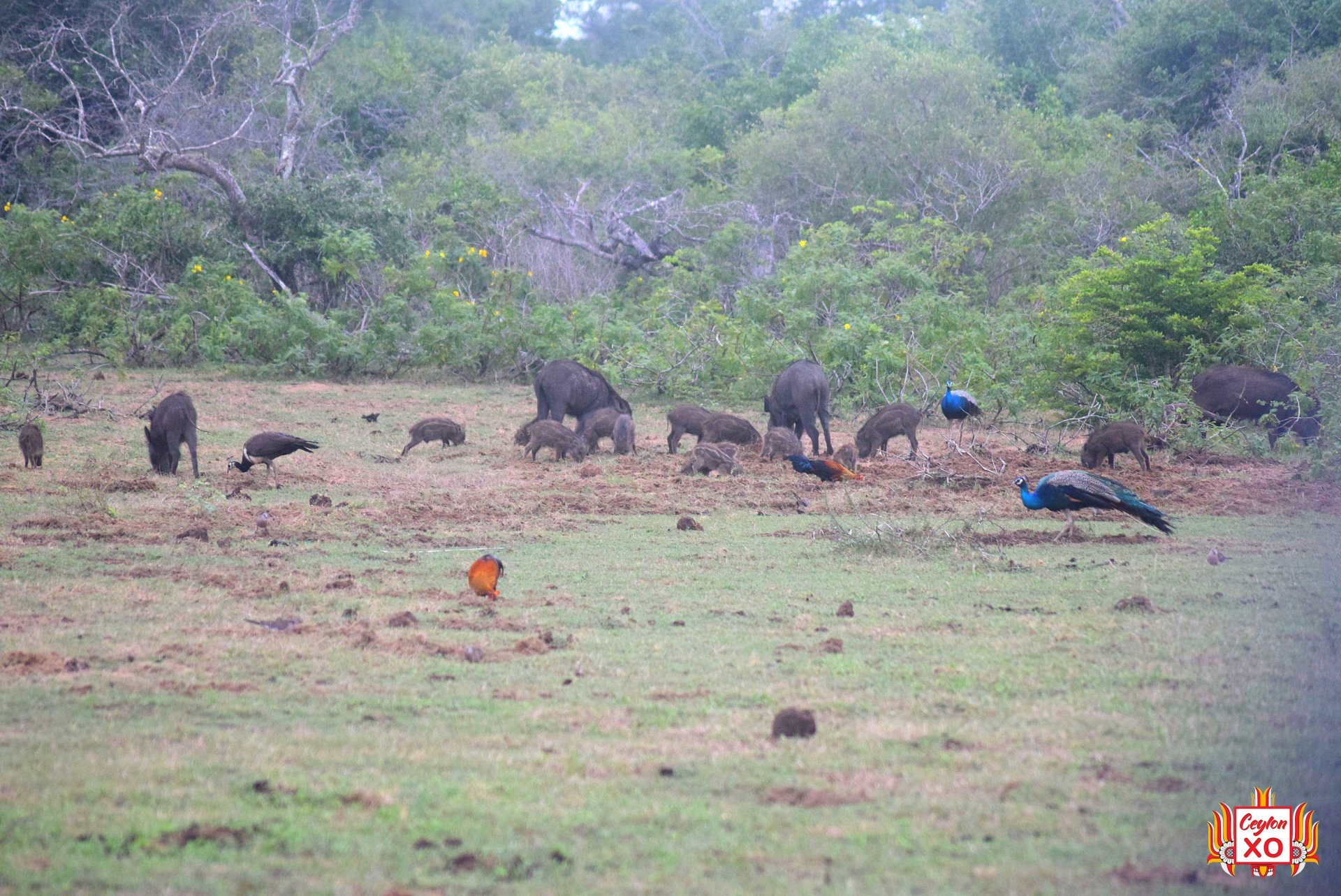
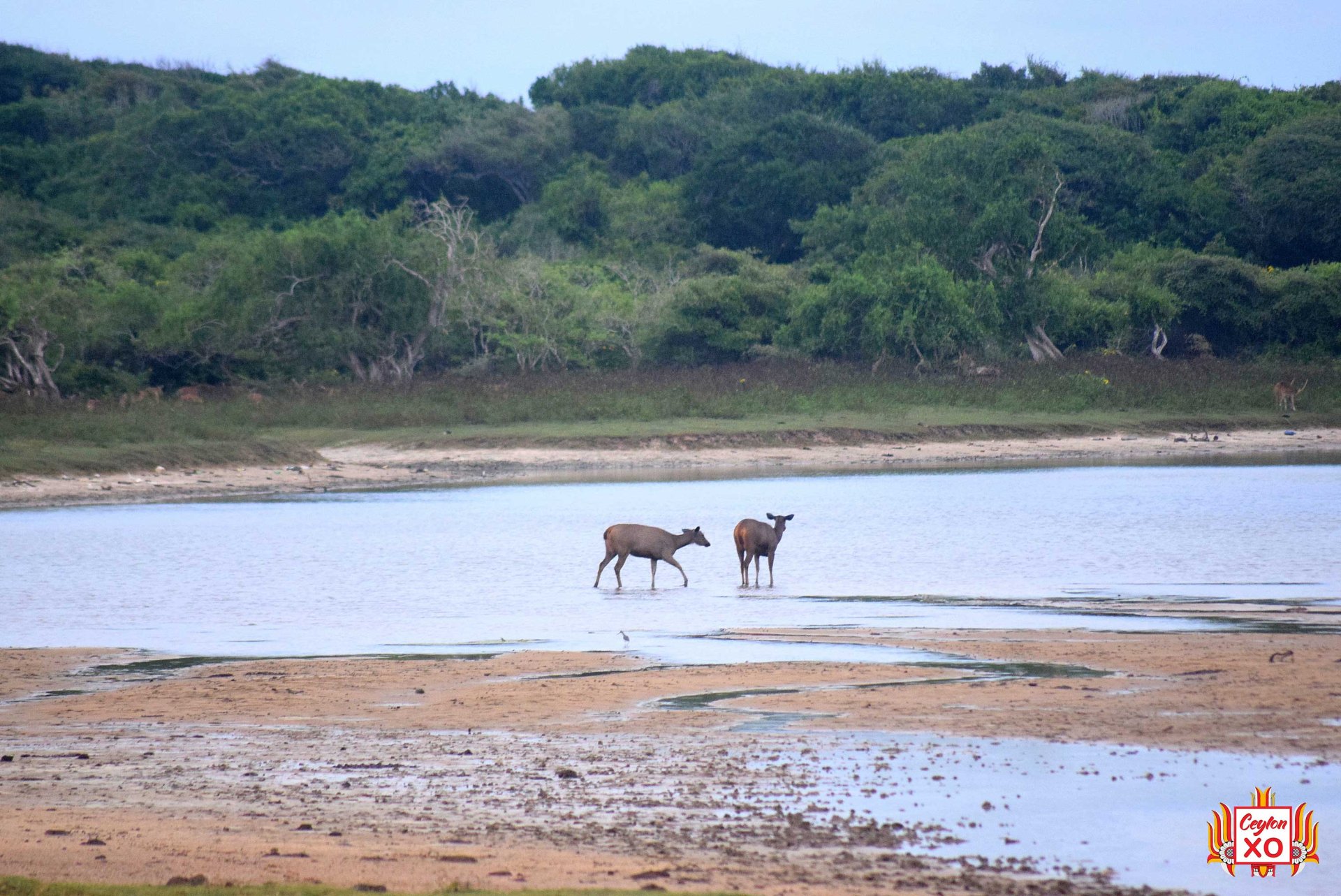
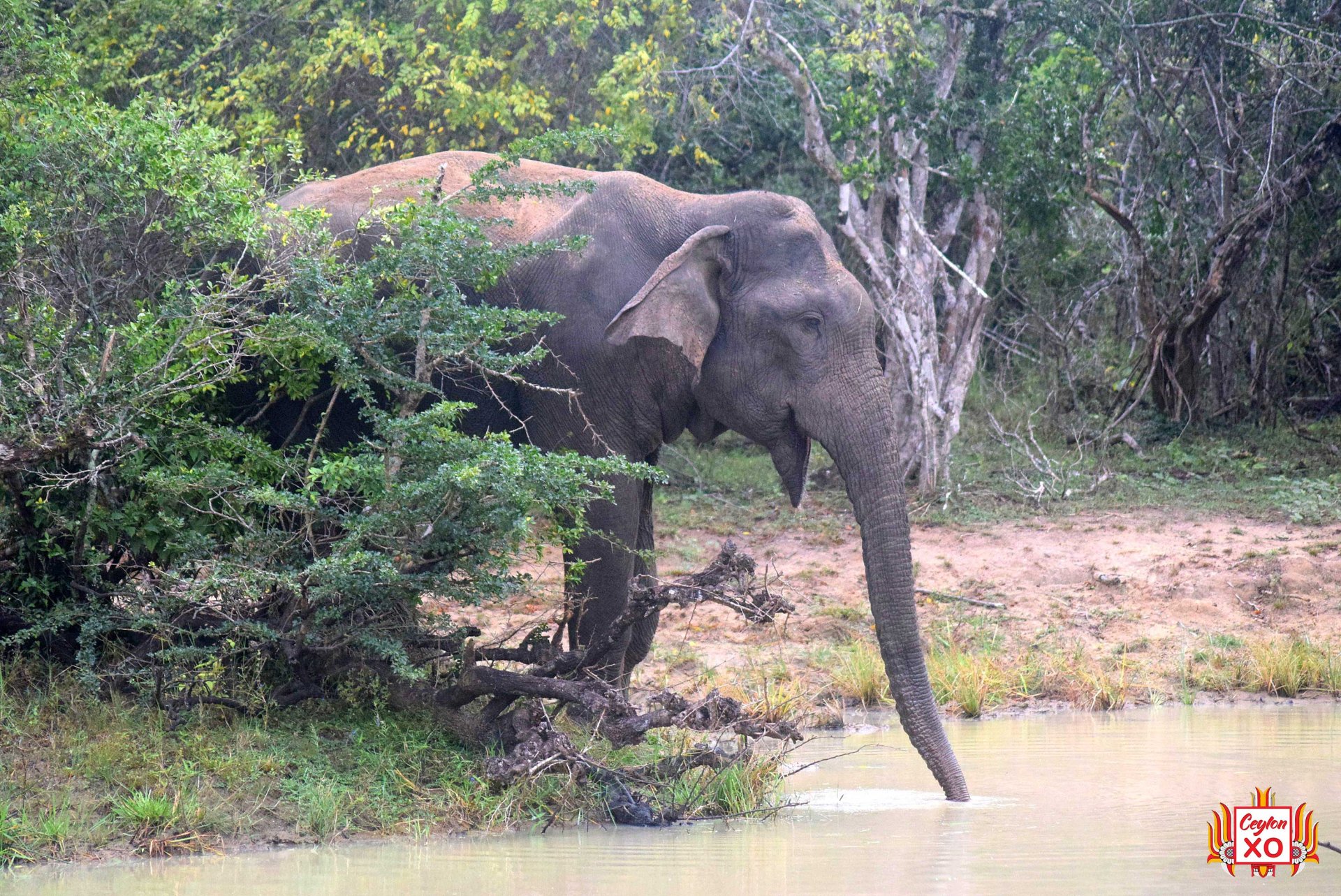
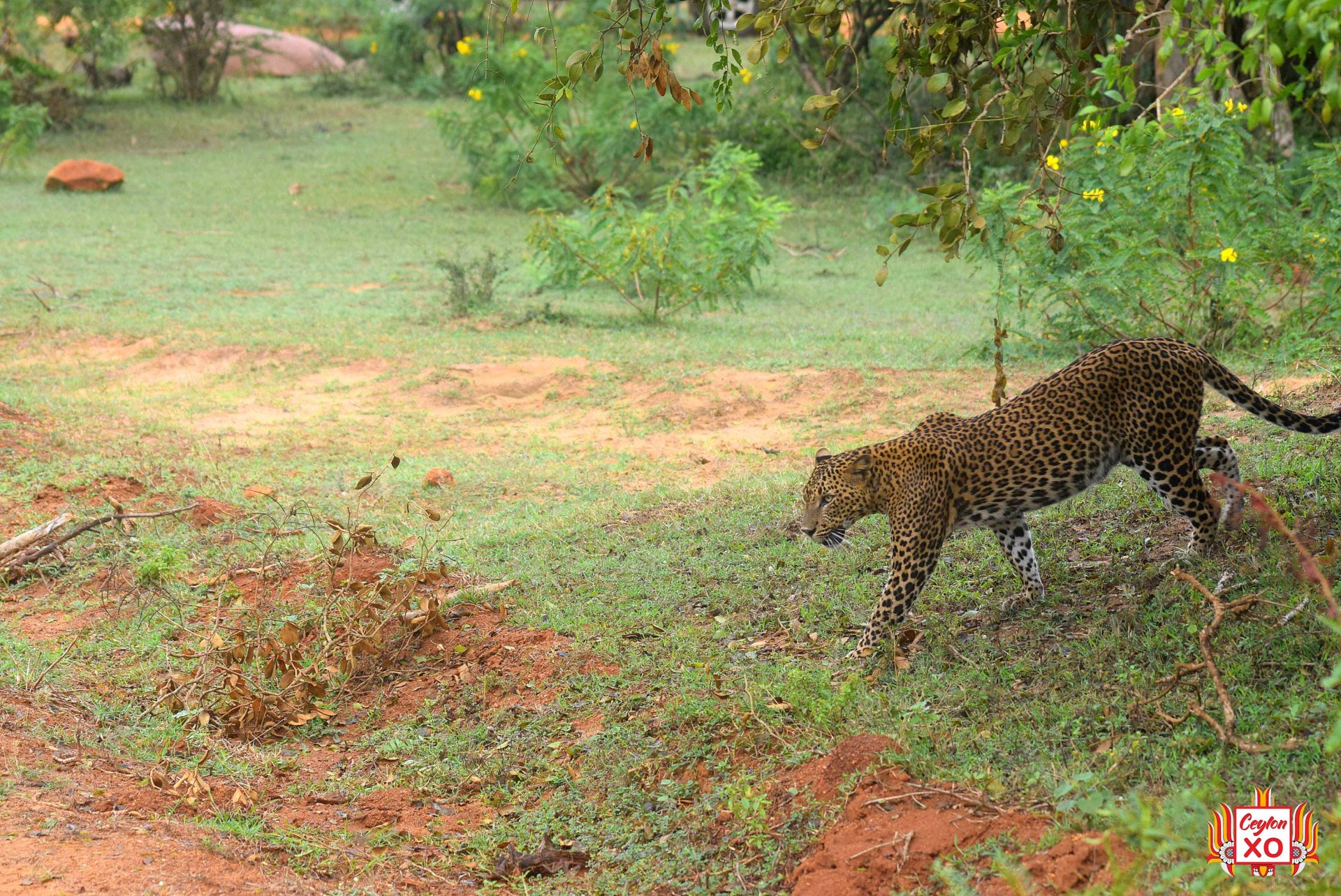
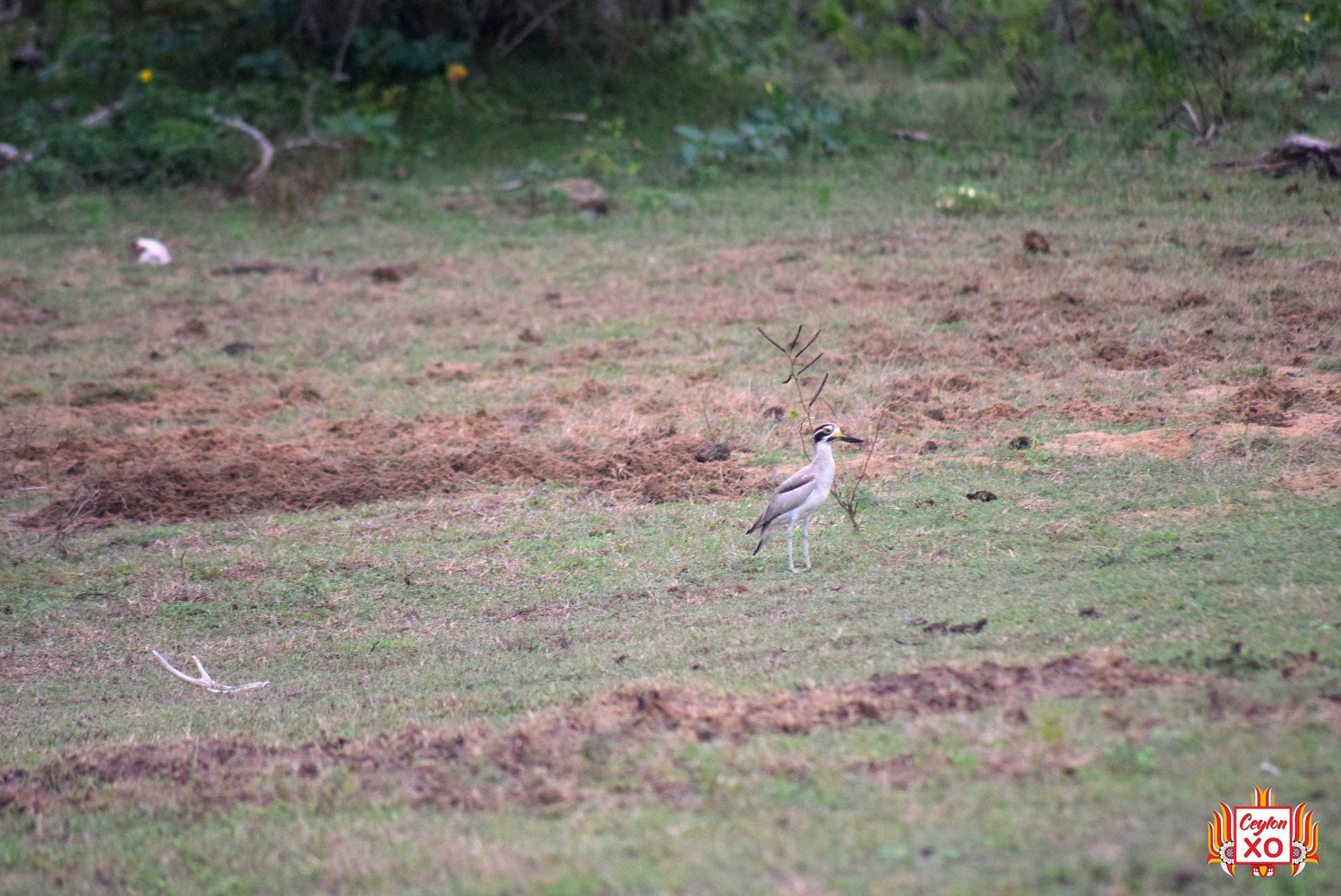
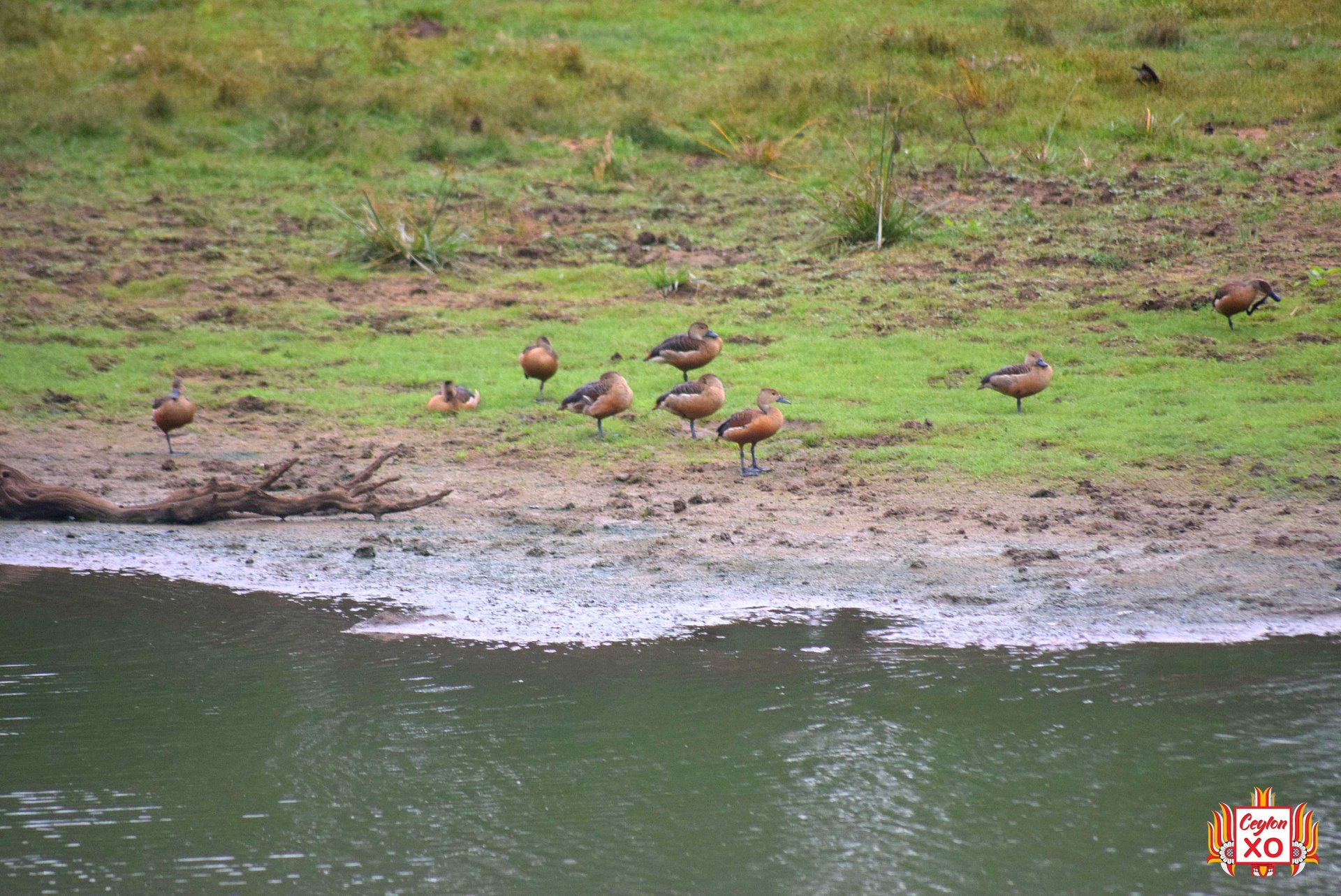
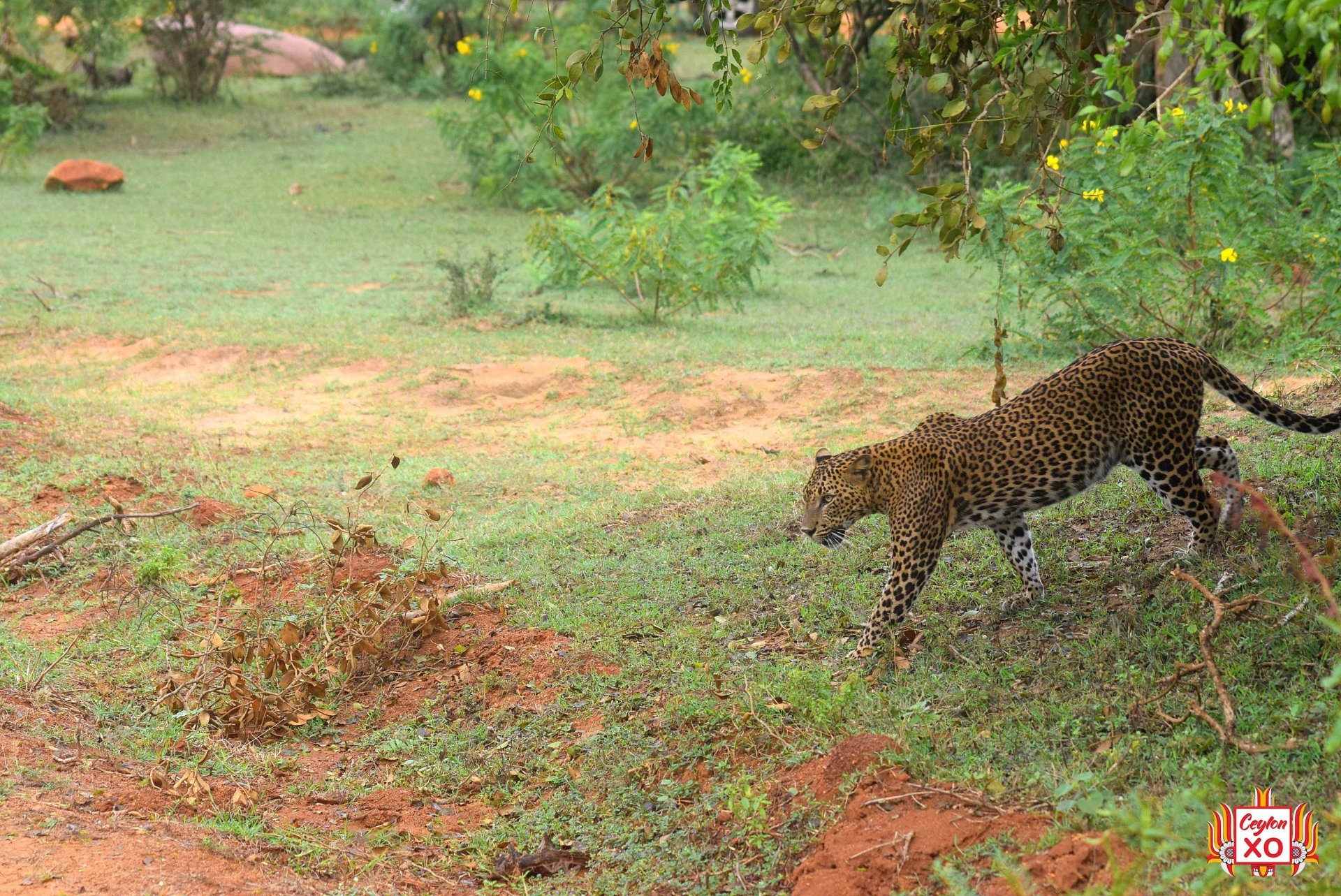
Yala National Park is renowned for its extraordinary biodiversity. It is home to over 40 species of mammals, more than 200 species of birds, numerous reptiles, amphibians, and freshwater fish. The park is especially famous for having one of the highest leopard densities in the world, making it one of the best places to observe the elusive Sri Lankan leopard in its natural habitat. Other mammals found in the park include the Sri Lankan elephant, sloth bear, spotted deer, sambar deer, wild boar, water buffalo, jackal, grey langur, toque macaque, and fishing cat. The park also provides habitat for mugger crocodiles and estuarine crocodiles, while its wetlands attract a variety of migratory and resident birds such as painted storks, pelicans, peacocks, eagles, kingfishers, bee-eaters, and herons.
The landscape of Yala is remarkably diverse, supporting a wide range of ecosystems. Dense dry monsoon forests, open grasslands, thorny scrublands, freshwater lakes, rivers, lagoons, and coastal dunes create ideal habitats for different species of flora and fauna. Seasonal waterholes play a crucial role during the dry months by providing water for wildlife. The Kumbukkan Oya and Menik Ganga rivers, together with numerous natural and man-made tanks, contribute significantly to maintaining the park's rich biodiversity.
Besides its ecological importance, Yala also possesses significant historical and cultural value. Within the park are the ruins of ancient civilizations, including monasteries, reservoirs, and settlements dating back over two thousand years. One of the most notable religious sites is the Sithulpawwa Rajamaha Viharaya, an ancient Buddhist monastery believed to have been established in the 2nd century BC by King Kavantissa. Even today, it remains an active place of worship and attracts thousands of pilgrims annually. The nearby Magul Maha Viharaya is another historically significant temple associated with the ancient Ruhuna Kingdom.
Yala National Park is divided into five blocks, although only Blocks I and V are generally open to visitors. Jeep safaris provide an exciting opportunity to observe wildlife in their natural environment while appreciating the beauty of the park's landscapes. Tourism at Yala contributes significantly to Sri Lanka's economy by attracting both local and international visitors. However, responsible tourism practices are essential to minimize disturbances to wildlife and protect the fragile ecosystems.